
Pakistan’s Nov exports drop to $2.2b, hitting 28-month low
AMID GLOBAL AND DOMESTIC CHALLENGES
PSMU Desk
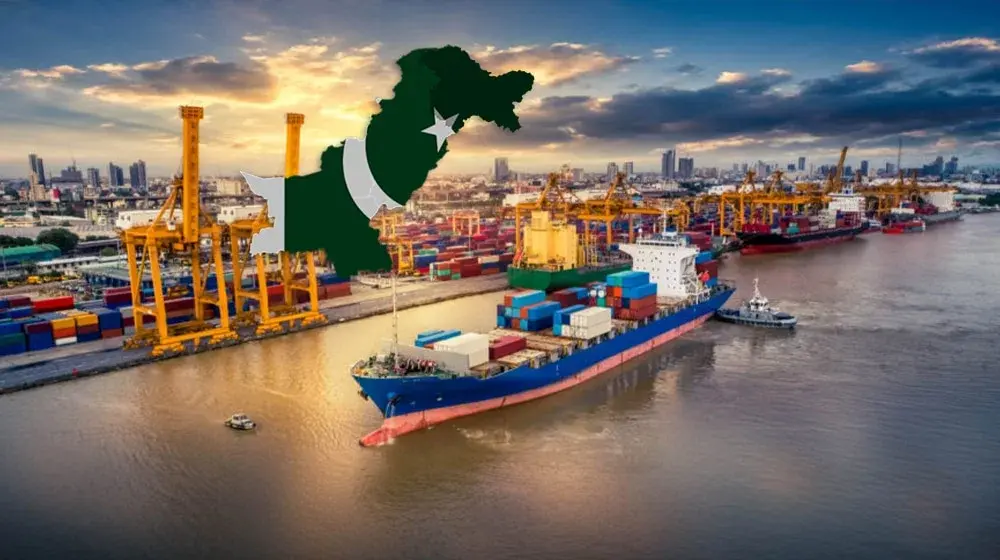
ISLAMABAD: Pakistan’s export performance for November 2025 saw a significant setback, with total exports falling to around $2.2 billion to $2.4 billion, marking the lowest monthly figure in 28 months. The sharp decline—ranging from 15.4% to 18.5% year-on-year—has further exacerbated the country’s trade deficit, despite stable remittance inflows and some improvement in import control.
Export Value: Approximately $2.2 billion to $2.4 billion in November 2025.
Year-on-Year Decline: Exports dropped by 15.4% to 18.5% compared to November 2024.
Trade Deficit: The trade deficit widened to $2.86 billion in November 2025, up from $2.2 billion in the same period last year.
Several factors contributed to the significant downturn in exports. Weaker global demand, particularly from Pakistan’s key trading partners, has dampened export growth. Additionally, higher input costs, ongoing logistics challenges, and supply-side constraints have further hindered the competitiveness of Pakistani goods on the international market.
The November export figures also underscore the difficulties in diversifying the export base beyond traditional sectors. Pakistan remains highly reliant on a limited number of goods and markets, making it vulnerable to global economic shifts and external challenges.
In an effort to support struggling exporters, the government took steps to reduce the financial burden by removing the Export Development Surcharge (EDS). This policy shift aims to lower operational costs for exporters, especially in the face of rising production expenses and weakening global demand.
However, while the removal of the EDS is a step in the right direction, many analysts suggest that Pakistan’s export sector will need broader, more sustainable reforms to restore competitiveness in the global market. Short-term stability driven by import controls may not be sufficient in the long run, with analysts calling for a comprehensive export strategy focused on innovation, quality improvement, and diversification.
While Pakistan has managed to impose some restrictions on imports to curb the trade imbalance, the wider economic challenge remains. The trade deficit in November 2025 expanded to $2.86 billion, compared to $2.2 billion in November 2024. The small rise in imports, in conjunction with the decline in exports, has deepened the trade gap.
The country’s import bill has been rising due to inflationary pressures and the need for essential raw materials, particularly in the energy and industrial sectors. As a result, Pakistan’s trade deficit remains a significant concern, especially as export revenues continue to fall.
The decline in exports, combined with a widening trade deficit, highlights ongoing concerns about Pakistan’s export competitiveness. The country faces several challenges, including the need to diversify its export base and reduce its dependence on imports. While the government’s efforts to control imports and reduce export-related taxes provide short-term relief, a more structured and long-term strategy is needed.