
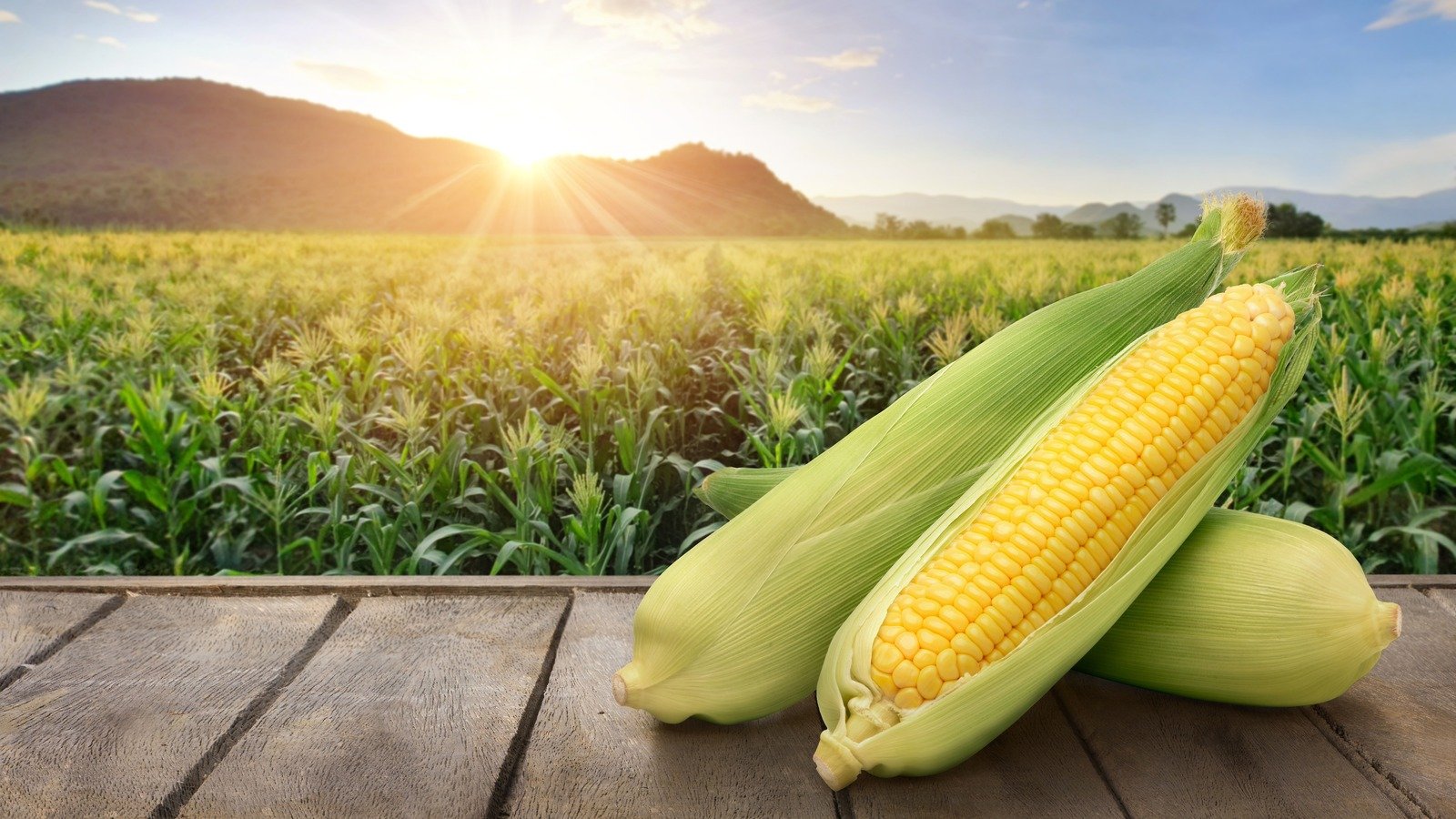
Pakistan weighs GMO maize adoption with a-maize-ing potential
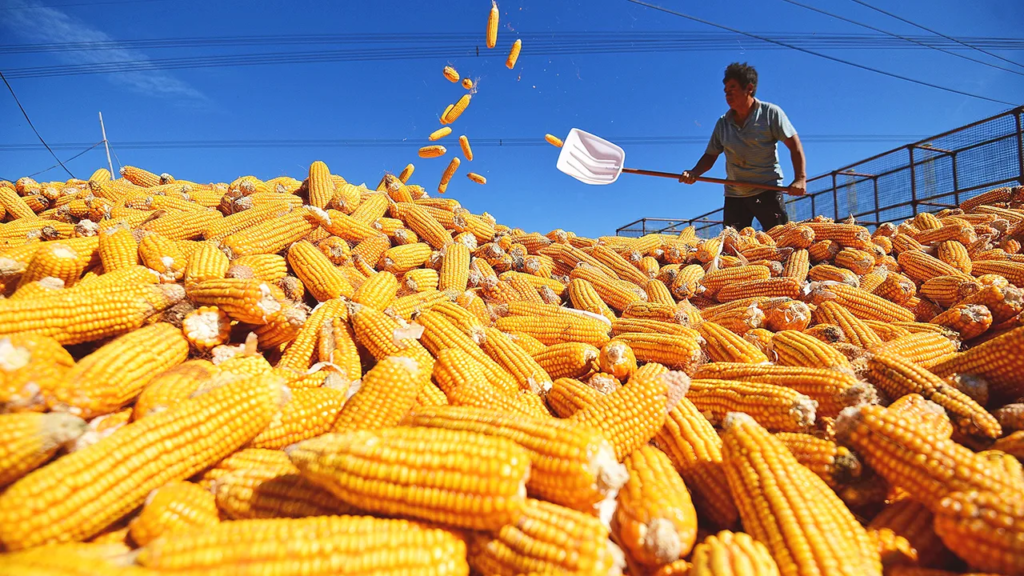
Pakistan is considering the phased and regulated adoption of genetically modified (GMO) maize to boost agricultural productivity, exports, and food security.
The technology could raise yields by 15–20 maunds per acre and strengthen the country’s competitiveness in global markets.
Federal Minister for National Food Security and Research Rana Tanveer Hussain chaired the meeting, while the Secretary of the Ministry of National Food Security and Research (MNFSR) and representatives of Rafhan Maize Products Company Limited, along with other key stakeholders, participated in the discussion, said a press release issued.
Pakistan currently exports maize worth around $340 million annually, which shows a strong international market position.
However, it was noted that low yields and climate stress remain key challenges, which could be addressed through the responsible use of biotechnology, including GMO crops.
Adoption of GMO maize, could significantly improve farm productivity, increase farmer incomes, and contribute to national food security.
The Federal Minister stressed that Pakistan must modernize its agricultural technology base to meet growing food demands and remain globally competitive.
He described biotechnology and GMO crops as innovation-driven solutions, while emphasizing that any move toward GMO adoption would be made strictly within Pakistan’s legal and regulatory framework.
MNFSR Secretary informed participants that the government is working on a comprehensive biotechnology policy covering multiple crops, not just maize.
He highlighted hybrid rice as an example of successful technology adoption, that caused rice exports to increase significantly after hybrid varieties were introduced.
The Minister clarified that any approval of GMO crops would comply fully with Pakistan’s Biosafety Rules, 2005, ensuring protection of human health and the environment.
The meeting concluded with agreement on continued stakeholder consultations and evidence-based policymaking to guide the country’s transition toward advanced agricultural technologies.