
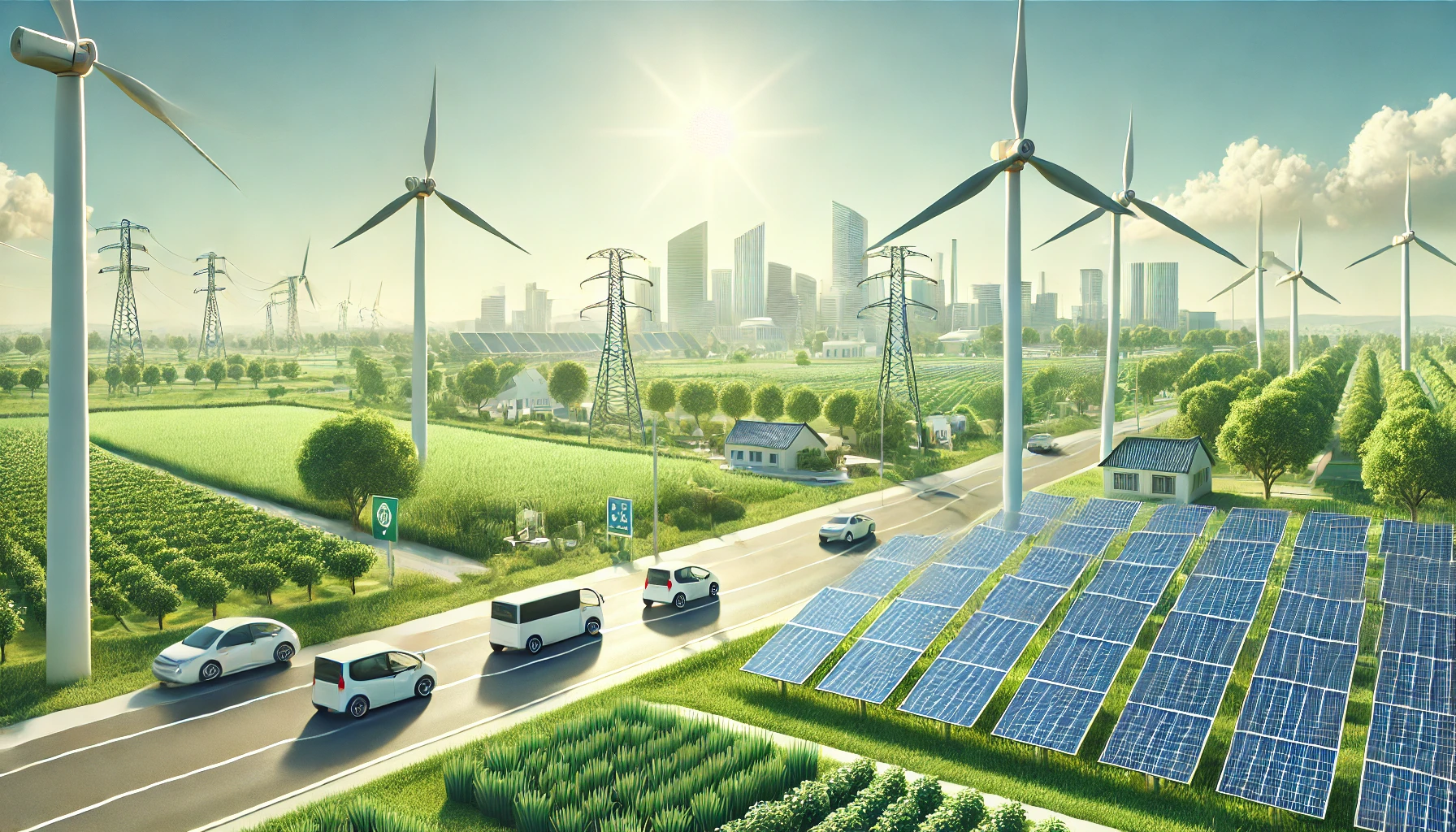
Pakistan redefines its energy future
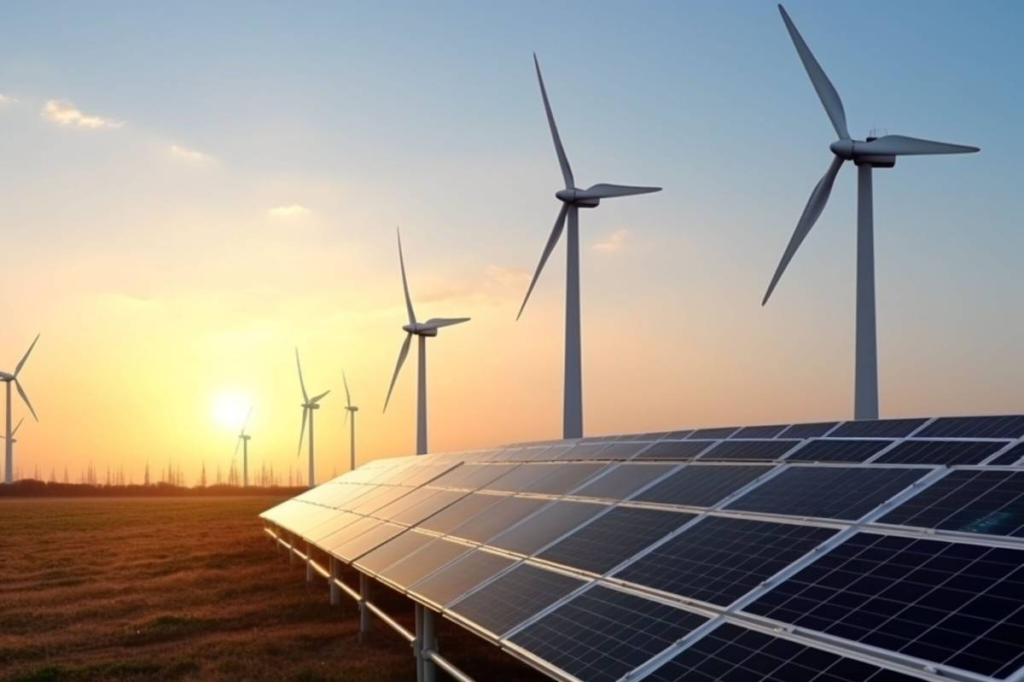
Pakistan is reshaping its energy sector as part of a broader effort to support economic growth, reduce external vulnerabilities, and attract foreign investment.
New policies and infrastructure plans are being rolled out to strengthen energy security, expand domestic production, and accelerate the transition toward cleaner and more sustainable energy sources.
The petroleum sector, a cornerstone of Pakistan’s energy mix, is undergoing significant reform aimed at ensuring reliable supply while lowering import dependence and environmental costs.
These priorities were outlined by Federal Minister for Petroleum Ali Pervaiz Malik in an article published by USA Today as part of its 16-page Pakistan Special Report, which examines key sectors driving the country’s economic transformation.
In his contribution, Mr. Ali Pervaiz Malik said Pakistan’s energy strategy is anchored in improving availability, affordability, and security.
He noted that while nearly 80 to 90% of petroleum requirements are currently met through imports, new exploration policies are designed to reverse this imbalance by boosting local production.
Updated exploration and petroleum frameworks now include stronger incentives, longer lease terms, and provisions to attract international firms with advanced technology and capital.
The minister highlighted that investor confidence remains central to the reform agenda. He reaffirmed the government’s commitment to protecting investor rights, including full profit repatriation, even during periods of economic stress.
Recent policy updates, he said, reflect global best practices and are intended to provide transparency, contractual clarity, and regulatory stability.
Alongside policy reform, Pakistan is investing heavily in energy infrastructure to strengthen supply chains and reduce costs. Plans are underway to expand pipeline networks, enhance LNG import and handling capacity, and modernise refineries.
These measures aim to improve fuel quality, reduce reliance on road transport, lower emissions, and cut logistical inefficiencies across the energy value chain.
Malik stressed that Pakistan’s energy transition is being shaped by both policy direction and consumer demand.
Falling solar panel costs, rising electricity prices, and frequent power disruptions have accelerated the adoption of distributed solar solutions. Installed solar capacity surged sharply between 2022 and 2024, making Pakistan one of the fastest-growing solar markets in the region.
To support this shift, the government has aligned its energy policies with global climate commitments, including mechanisms under the Paris Agreement.
Cleaner fuel standards, infrastructure upgrades, and regulatory reform are being pursued alongside renewable expansion to ensure a balanced and diversified energy mix.
The minister also highlighted the regional and economic importance of the energy reforms. Reduced import bills, increased upstream production, and improved infrastructure are expected to strengthen Pakistan’s balance of payments while creating jobs and supporting industrial growth. Regionally, Pakistan aims to position itself as a transit hub for energy trade, refined products, and emerging clean-energy solutions.
Despite progress, Federal Minister for Petroleum acknowledged ongoing challenges, including geopolitical risks, sanctions-related supply disruptions, financing constraints, and currency volatility. However, he said continued policy consistency, regulatory discipline, and international engagement remain key to overcoming these hurdles.
By balancing traditional energy sources with renewables, strengthening domestic capacity, and fostering investor confidence, Pakistan is laying the foundation for sustainable growth and a more resilient energy future.