Karachi: Sealing of Cotton Exchange Building Raises Serious Concerns for Cotton Industry
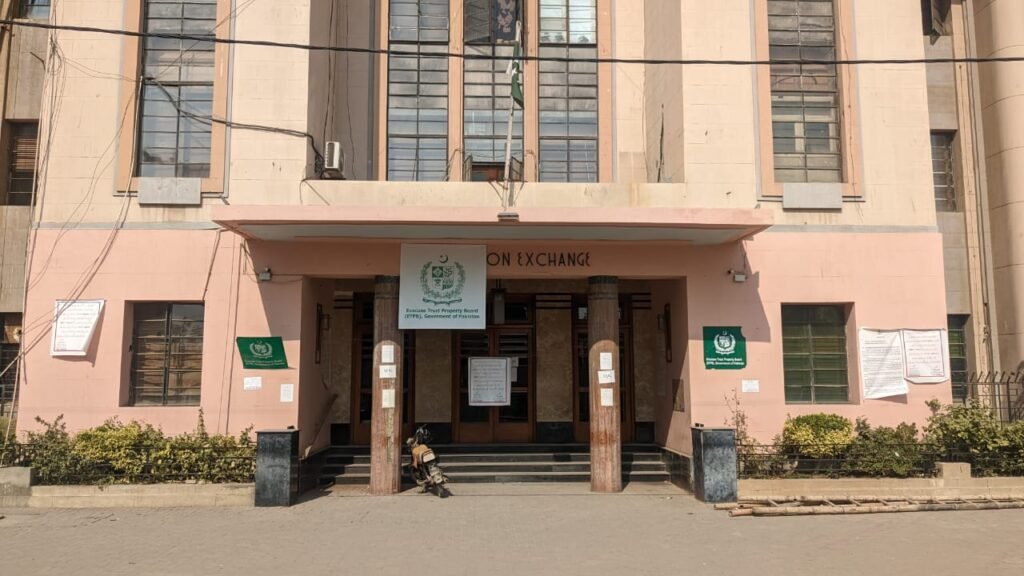
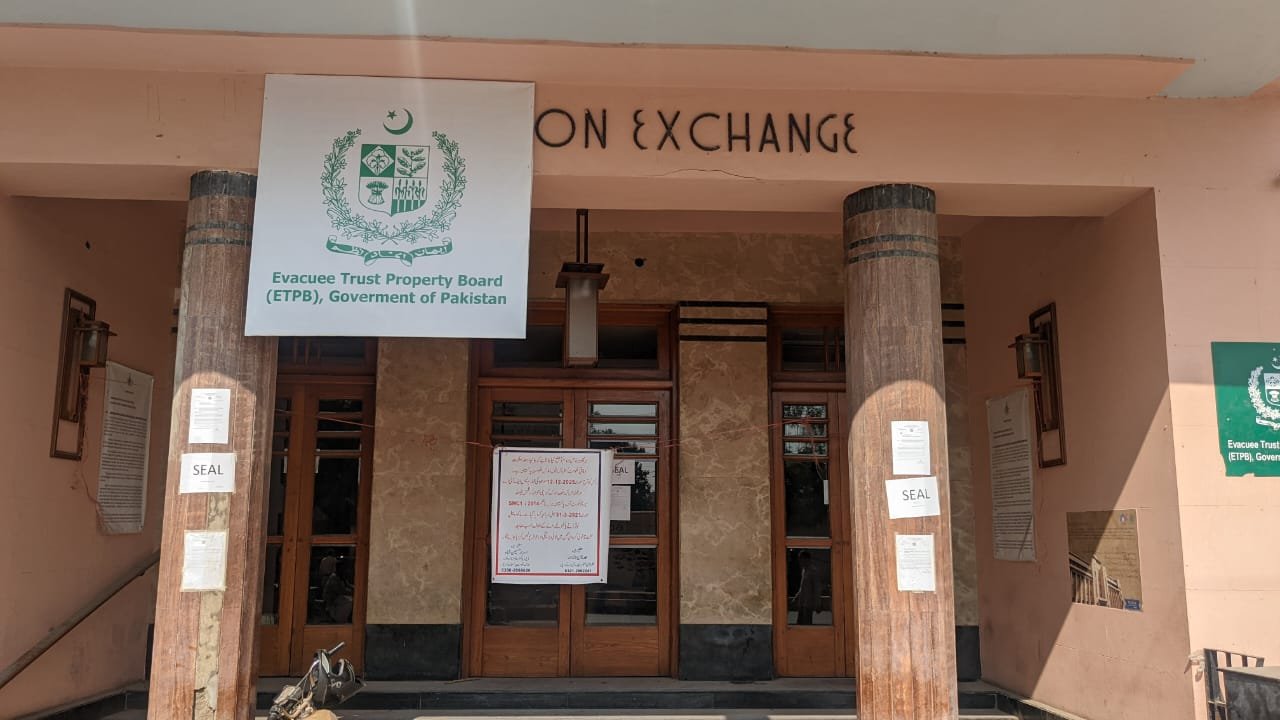
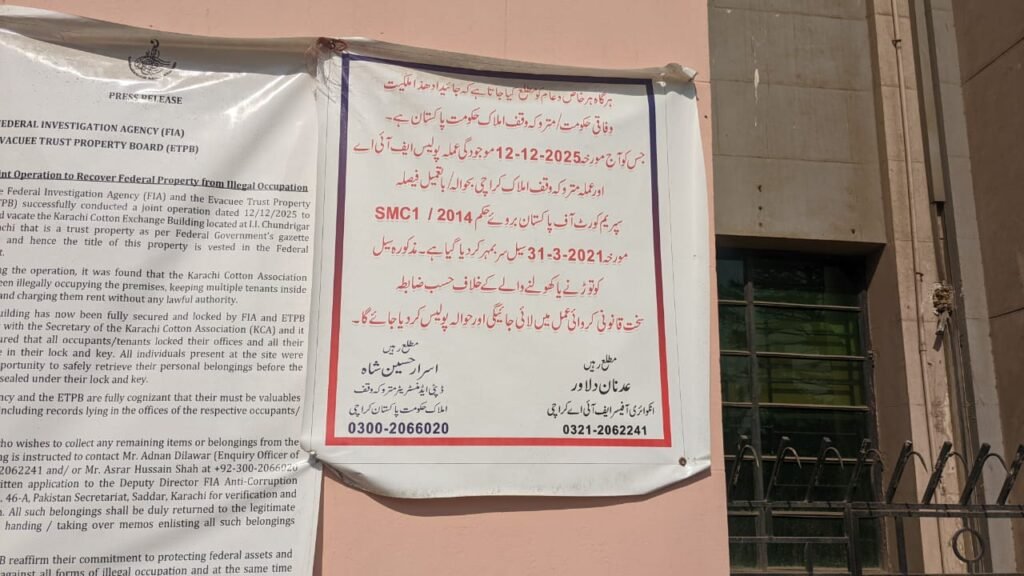
The sealing of the historic Karachi Cotton Exchange Building on December 12, 2025, by the Federal Investigation Agency (FIA) in coordination with the Evacuee Trust Property Board (ETPB) has triggered widespread concern and uncertainty across Pakistan’s cotton and textile sector, an industry that forms the backbone of the national economy.
Established in 1934, the Karachi Cotton Exchange has long served as a central institution for the country’s cotton trade. For decades, it has played a crucial role in determining cotton market trends and facilitating transparent price discovery through the Cotton Rate Committee, whose benchmark prices are used nationwide by cotton traders, ginners, spinners, textile mills, and exporters.
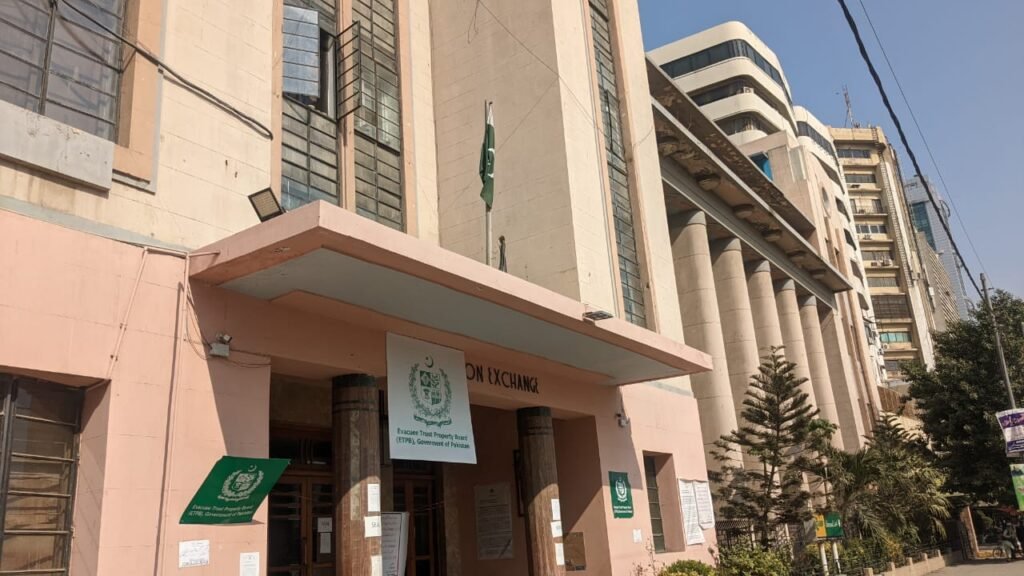
Officials of the Karachi Cotton Association (KCA) stated that the institution operates under a mixed ownership structure, with both government and private stakeholders, and maintains a professional and long-standing working relationship with the Ministry of Commerce. According to KCA officials, the matter concerning the building’s lease was already under due legal process, and all necessary documentation related to the renewal of the lease from the Karachi Metropolitan Corporation (KMC) had been submitted by association officers several years ago.
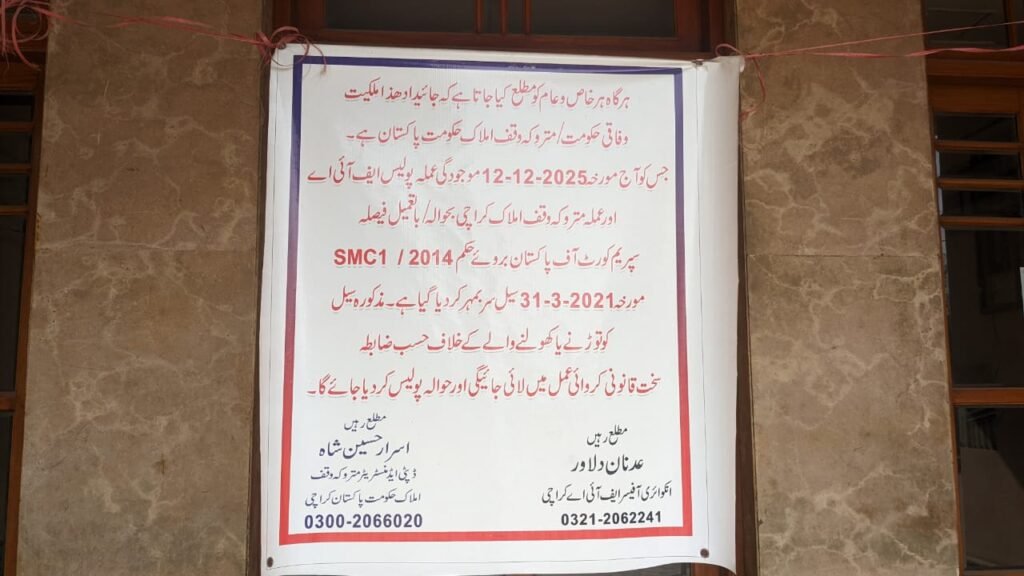
Sources within the association revealed that a hearing on the matter was held on January 9, while a final hearing is scheduled for January 13, from which positive progress and resolution were expected. However, before the legal process could reach its conclusion, FIA officials reportedly visited the premises on Friday, ordered the offices to be vacated, and subsequently sealed the building.
Representatives of the Cotton Exchange expressed concern over the manner in which the action was carried out, stating that the sealing took place after official working hours and that several key officers and stakeholders were not formally informed in advance. They further pointed out that the official notices themselves indicate that once legal requirements are fulfilled, the premises may be de-sealed, raising questions about the urgency and timing of the action.
Industry stakeholders warn that the suspension of operations at the Cotton Exchange, particularly the halt of the Cotton Rate Committee, has caused serious disruption to the cotton and textile supply chain. In the absence of officially notified reference prices, market participants are facing difficulties in finalizing trade deals, negotiating contracts, and determining fair pricing mechanisms, leading to uncertainty and potential financial losses.
Representatives of major industry bodies, including the All Pakistan Textile Mills Association (APTMA), have voiced strong concerns over the situation. They have emphasized that the cotton and textile sector employs millions of people directly and indirectly, and any prolonged disruption could have adverse implications for exports, industrial activity, and employment.
Industry leaders confirmed that they are actively engaging with relevant authorities and government departments in hopes of an early resolution. They expressed optimism that the issue will be resolved through legal channels, allowing the Cotton Exchange to resume its operations and restore confidence in the market.

Stakeholders stressed that safeguarding key market institutions like the Karachi Cotton Exchange is essential for ensuring stability, transparency, and continuity in Pakistan’s cotton and textile industry, particularly at a time when the sector is already facing economic and global market challenges.