BUSINESS
Auto financing in Pakistan rises to Rs319bn in December

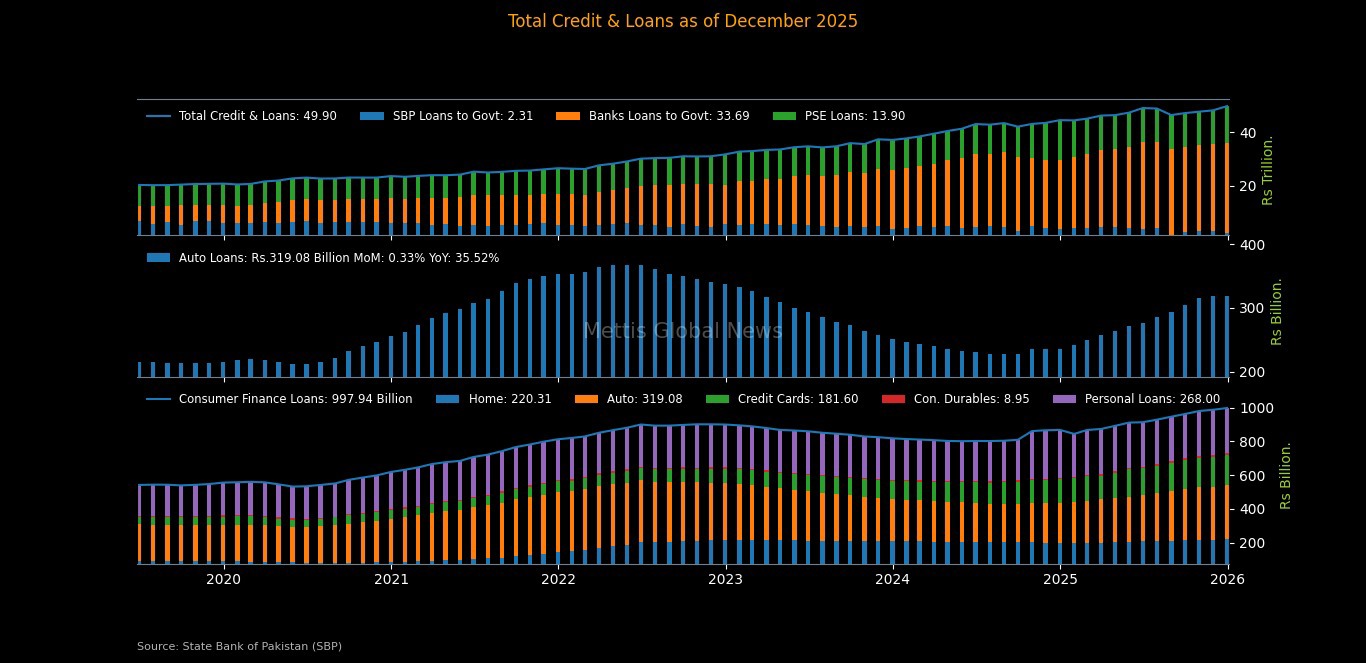
Automobile financing in Pakistan has increased to Rs319.08bn in December 2026, witnessing a rise of 0.33% MoM compared to Rs318.03bn recorded in November 2026, according to the latest data released by the central bank.
On a year on year basis, car financing increased by 35.52%, as in the same period last year, the figure for financing was reported at Rs235.45bn.
This decline is mainly attributed to higher interest rates, an increase in car prices, regulative curbs for acquiring loans, and higher taxes on the import of automobiles and their parts.
Going by the data provided by the State Bank of Pakistan (SBP), consumer financing for house building stood at Rs220.31bn by the end of December 2026, up by 10.3% YoY.
Month-wise, the financing for house building has increased by 2.79% compared to Rs214.32bn incurred in the previous month.
Meanwhile, financing for personal use clocked in at Rs268bn, down by 5.97% YoY and 0.32% MoM.
Thereby, the overall credit disbursed to consumers registered a rise of 14.97% YoY to clock in at Rs997.94bn. Compared to the credit of Rs987.2bn in the previous month, consumer financing has recorded a 1.09% MoM rise.
The data released by the central bank further showed that outstanding credit to the private sector rose 0.85% YoY to Rs10.67tr in December 2026.
On a sequential basis, private sector loans reported a rise of 8.27% MoM compared to the credit of Rs9.86tr in November.
Under the credit to the private sector, the loans to the manufacturing sector clocked in at Rs5.86tr in the review period, down by 6.14% YoY while up 10.35% MoM.
The borrowing from the construction sector stood at Rs219.34bn in December, up by 0.27% YoY and 7.95% MoM.
Going forward, the data further shows that loans to the agriculture, forestry, and fishing sectors rose to Rs617.91bn in the month under review, up by 34.09% YoY, and on a sequential basis, the loans to the same sector recorded growth of 12.04% MoM.
Netflix results likely to take backseat to Warner Bros deal questions

Netflix has been locked in a heated battle with Paramount Skydance, which has offered $108.4 billion for all of Warner Bros Discovery
Netflix’s plans to accelerate revenue growth by buying Warner Bros will be in focus on Tuesday when it reports fourth-quarter results, as the streaming pioneer battles Paramount for one of the most prized studios in Hollywood.
A strong lineup of originals, including the final season of hit TV series “Stranger Things”, the latest “Knives Out” movie, and Christmas Day National Football League games, are expected to power the best holiday-quarter revenue growth since 2020.
But investors are looking ahead and Netflix has yet to see meaningful returns from two of its most costly bets – pushes into advertising and videogames. The end of “Stranger Things”, its most-watched show ever, also leaves a hole that Netflix may turn to Warner Bros to fill.
Its $82.7 billion pursuit of Warner Bros’ streaming and studio assets would provide Netflix with a prized content library that includes “Friends”, “Game of Thrones” and “Harry Potter”.
Netflix, which has built fewer blockbuster franchises than rivals like Disney, can tap the cultural clout of the titles to come up with a new generation of streaming-tailored spin-offs, prequels and sequels. Investors will want to know how.
Tuesday’s earnings call with analysts will be Netflix’s first since it announced the deal on December 5.
“The earnings will be overshadowed by what Netflix says about the deal … what’s next and the questions around it,” PP Foresight analyst Paolo Pescatore said.
Netflix prepares all-cash offer for Warner Bros, source says
Netflix has been locked in a heated battle with Paramount Skydance, which has offered $108.4 billion for all of Warner Bros Discovery including cable assets that Netflix doesn’t want.
The race is expected to drag on for months as both companies try to sway investors, with Netflix planning to switch its cash-and-stock deal into an all-cash offer, Reuters has reported. Strong regulatory scrutiny in the U.S. and Europe is also likely.
Buying Warner Bros would make Netflix the biggest global streamer by far with about 428 million subscribers. Investors are going to want to understand why that won’t fall afoul of antitrust rules – Netflix believes it is competing with YouTube, America’s most-watched TV distributor, although regulators may be skeptical, Reuters has reported.
Uncertainty over the outcome has piled pressure on the Netflix stock, which has declined for four straight months and marked a weak start to 2026 with a 6% fall. Nearly a third of the analysts covering the shares have lowered their targets since the deal announcement.
The upside for Netflix of the HBO acquisition is potentially stabilizing subscriptions, whether the services remain separate or together. Netflix has the industry’s lowest cancellation rate and could stem user losses at HBO Max by bundling the services and deploying its recommendation engine, among other plans the company could lay out after results.
Paramount to nominate directors for election at Warner Bros Discovery, files lawsuit
LIVE EVENTS FUEL EARNINGS
As for the results themselves, analysts expect that live events will play a more central role in driving revenue by attracting and retaining viewers.
The Detroit Lions vs Minnesota Vikings match on Netflix on Christmas Day broke records to become the most streamed game of the major league sport in the U.S. The streamer also recently expanded its U.S. WWE rights to include the historical library.
Its overall revenue likely rose 16.82% in October to December to $11.97 billion, slightly slower than the 17.2% growth in the previous quarter, according to data compiled by LSEG.
Analysts project about 13% revenue growth for Netflix in 2026.
Although the company stopped sharing subscriber figures a year ago, Visible Alpha estimates net additions of around 10 million, ending the year with more than 327 million users.
UAE stocks jump as supply fears lift oil
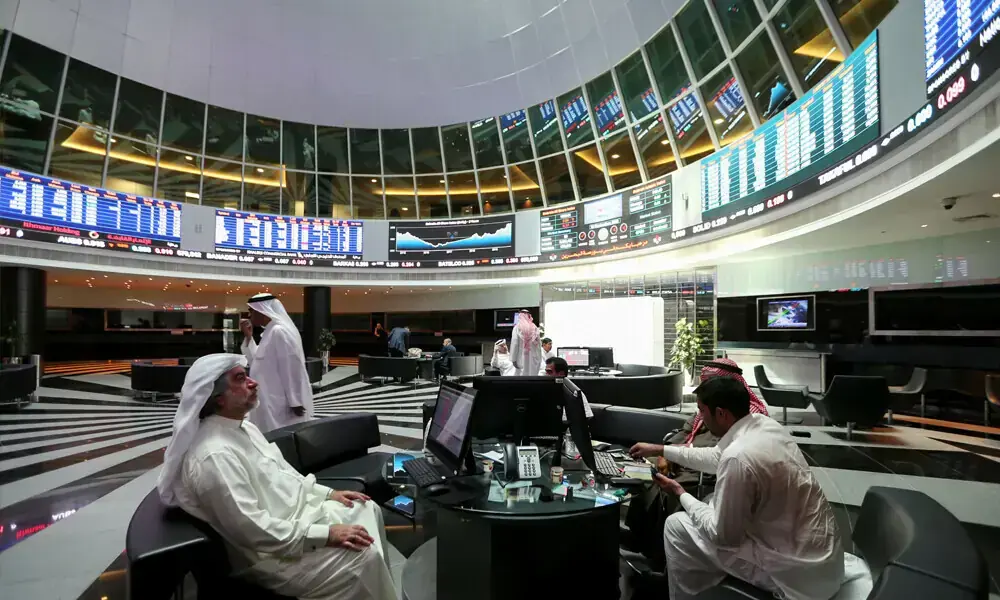
Abu Dhabi’s benchmark index advanced 0.7% to a second session
Stock markets in the United Arab Emirates closed higher on Friday tracking oil prices, as investors continued to weigh supply risks despite the receding likelihood of a U.S. military strike against Iran.
Oil prices, a key contributor to the Gulf’s economies, were up 1.22% to $64.54 a barrel by 1106 GMT.
Dubai’s main market climbed 0.9%, snapping a two-sessions losing streak, as heavyweight financial and real estate stocks led the rebound.
Blue-chip developer Emaar Properties rose 1.1%, while top lender Emirates NBD Bank jumped 1.3%.
Dubai World Trade Centre and UK’s Informa Group are said to be eyeing a listing of a joint events business, Bloomberg News reported on Friday.
Abu Dhabi’s benchmark index advanced 0.7% to a second session with Adnoc Gas gaining 0.6% and construction giant Aldar Properties increasing 1.3%.
Among the gainers, state-controlled AD Ports Group surged 4.4% after it finalised a deal to sell land to Danube Properties for AED 840 million ($228.71 million).
Abu Dhabi state oil firm ADNOC is weighing entering Venezuela’s energy industry and could seek a partnership with another international producer to participate in the nation’s gas projects, Bloomberg News reported on Thursday, citing people familiar with the matter.
Dubai index notched up 1.5% in the week, while Abu Dhabi recorded 1.1% weekly gains, according to data compiled by LSEG.
Air India, Singapore Airlines to deepen ties with ‘cooperation framework’
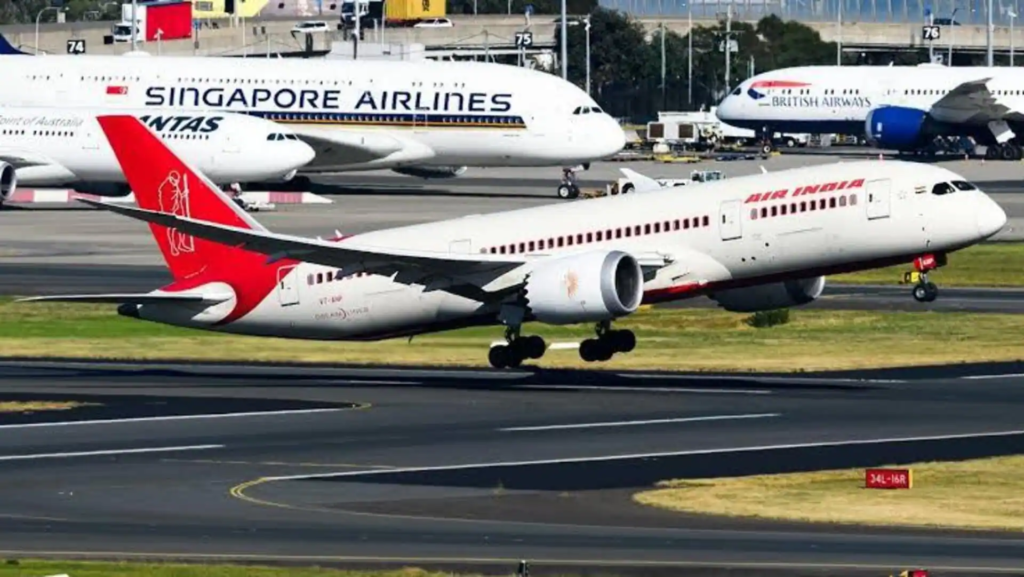
Airlines said the agreement could include expanding both carriers’ corporate travel programmes
Air India and Singapore Airlines on Friday announced an agreement to improve cooperation between the two flag carriers, a step towards offering more routes, coordinating schedules and broadening the scope of their collaboration outside their home markets.
The pact, described by the two airlines as a “commercial cooperation framework agreement”, comes as Air India faces a financial hit from an airspace ban imposed by Pakistan, which has forced the airline to discontinue some routes to the U.S. from India.
The airlines said the agreement could include expanding both carriers’ corporate travel programmes, a key source of high-yield revenue for airlines.
The pact is subject to regulatory approvals and signing of definitive agreements, the airlines added.
Air India already has a codesharing agreement with Singapore Airlines, which owns a 25% stake in the company. Tata Group owns the remaining 75%
Punjab govt urged to lift ban on medical representatives’ visit to public hospitals

‘They are not criminals. They are doing a respectable job,’ says Pakistan Pharmaceutical Manufacturers Association’s former chairman Tauqeer Ul Haq
Pakistan’s pharmaceutical firms have approached the Punjab government to lift a ban on medical sales representatives’ visit to government hospitals and develop standard operating procedures (SOPs) to regulate such visits if need be.
Earlier, the provincial government arrested, and released on bail, three medical sales representatives from a public hospital in violation of rules banning them entering the buildings to meet doctors there.
Pakistan Pharmaceutical Manufacturers Association (PPMA) has written a letter to Punjab Minister for Specialized Healthcare and Medical Education Khawaja Salman Rafique, seeking an appointment with him and sharing its concerns over the ban and arrest of their staffers.
“We are expected to meet the health minister in the next couple of days,” PPMA former chairman Tauqeer Ul Haq told Business Recorder.
“The medical representatives (MRs) are responsible to inform doctors about medicines and their side effects,” he said, adding “This is more than a business. It happens around the globe. This is not good for the patients as well.”
He stressed that the Punjab government should develop SOPs for MRs if authorities think such visits are creating issues. For instance: restricting the time they can visit, or setting a limit on the number of hours per visit.
“They (MRs) can be regulated with the pharmaceutical firms on the board…instead of arresting them. They are not criminals. They are doing a respectable job,” the PPMA former chairman said.
Haq added that pharmaceutical firms supply medicines to government hospitals at cost-price to support them.
They have also created job opportunities for many youngsters, who work as MRs.
“They are doing respectable jobs. If they lose their jobs where will this youth go? They are taxpayers. They are not criminals. They should not have to worry about arrests. There is already a shortage of job opportunities in the country,” he said.
Earlier, PPMA senior vice chairman Kamran Nasir said that the association is assessing the situation and will come up with a measured response, including reaching out the government of Punjab to ensure that no untoward incident takes place in the future that will be detrimental for all stakeholders.
The Punjab Health Department has enforced a blanket prohibition on the presence of medical representatives from private pharmaceutical firms in public-sector hospitals. It issued formal instructions to all medical superintendents. Under the directive, hospital administrations were required to initiate legal action and disciplinary measures against any one including doctors, it was learnt.
The restrictions were aimed at curbing improper influence on prescribing decisions, remove potential conflicts of interest, and protect patients in public hospitals from commercial interference.
Is Pakistan entering a once in a generation moment?

Pakistan appears to be entering a rare moment of strategic opportunity as global geopolitical alignments shift and long-standing power structures come under pressure.
Developments ranging from political upheaval in Venezuela and continued instability in Iran to rising tensions involving the Middle East are reshaping how major powers deploy influence.
As global uncertainty rises, countries with security capacity, manufacturing depth and regional reach are gaining renewed relevance and Pakistan is increasingly one of them.
A central feature of the current global landscape is the recalibration of United States foreign policy.
Rather than engaging in prolonged nation-building efforts, Washington is favoring limited but decisive interventions, coupled with pressure on regional powers to assume greater responsibility for their own security.
This approach has been visible in Latin America, the Middle East and beyond, and it has accelerated the emergence of new regional security frameworks.
The implications for emerging markets, including Pakistan, were explored during a recent KTrade Research webinar on global power realignment.
For Pakistan, this shift has particular significance in the Middle East. Gulf states, led by Saudi Arabia and increasingly coordinated with Turkey, are rethinking their long-term defence and security arrangements.
Years of conflict in Ukraine have exposed serious strains in Western defence supply chains, prompting regional actors to seek reliable alternatives that can deliver equipment, maintenance and munitions without long delays.
Pakistan’s defence manufacturing capacity and operational experience have therefore moved back into strategic focus.
This growing security role carries economic implications that extend well beyond arms sales.
Defence cooperation is increasingly tied to co-production, industrial localization and technology partnerships.
These arrangements require supply chains, skilled labor, research and long-term capital investment.
If developed strategically, they could help Pakistan move away from a narrow export base dominated by textiles and low-value goods toward more durable, higher-value industrial activity.
At the same time, global supply-chain realignment is creating additional openings.
As companies seek alternatives to concentrated production hubs in East Asia, countries offering competitive energy costs and labour are gaining attention.
Security challenges remain, particularly along Pakistan’s western border.
Prolonged uncertainty in Iran and Afghanistan risks the expansion of militant safe havens, which could increase pressure on domestic security and complicate regional engagement.
Managing these risks while maintaining constructive ties with neighbors will be critical to sustaining any broader strategic gains.
The larger risk, however, lies at home. Pakistan has historically struggled to convert geopolitical relevance into lasting economic reform.
Short-term inflows and political comfort have often taken precedence over investment in productivity, industrial ecosystems and export diversification.
Repeating that pattern would squander a moment that may not return soon.
What distinguishes the current period is the convergence of factors. Pakistan finds itself aligned with shifting US priorities, rising Gulf security needs, and a global search for new supply-chain partners a combination rarely seen in recent decades.
The opportunity is real, but so is the test.
The question facing Pakistan is no longer whether the world is changing in its favour. It is whether the country can finally change fast enough to take advantage of it.
PSX Closing Bell: Bulls Keep the Flame Alive
pakistansharemarketnp@gmail.com0Edit

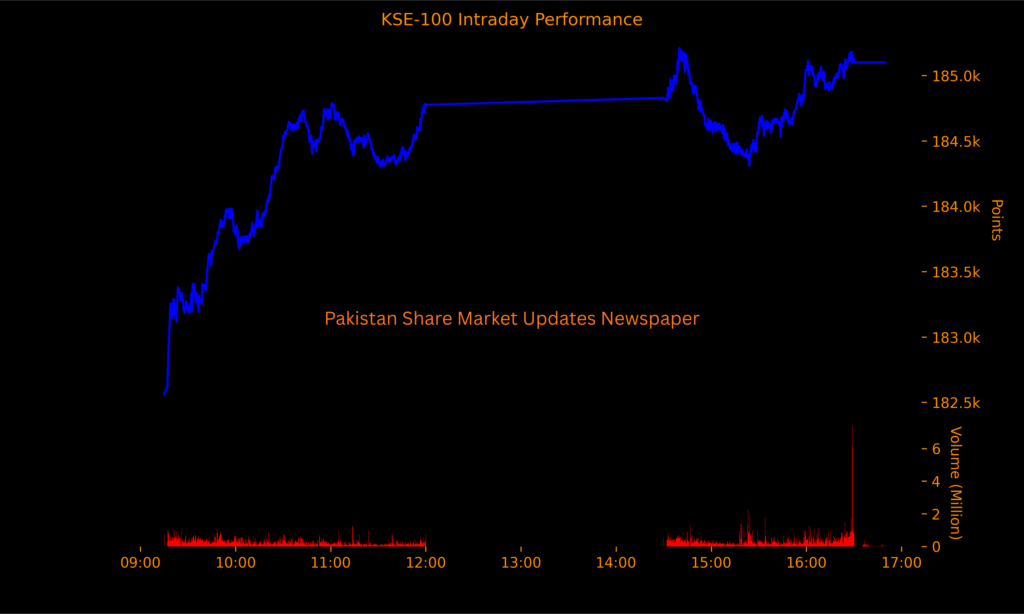
The benchmark KSE-100 Index concluded Friday’s trading session at 185,098.83, showing an increase of 3,642.50 points or 2.01%.
The index remained positive throughout the day showing an intraday high of 185,208.98 (+3,752.65) and a low of 182,559.69 (+1,103.36) points.
Market mood drew additional support from the federal government’s move to maintain existing fuel prices for the upcoming fortnight beginning January 16, 2026.
The price of High Speed Diesel has been retained at Rs257.08 per litre, while petrol continues to be sold at Rs253.17 per litre.
Internationally, concerns linked to the prospect of US action against Iran and the resulting implications for global markets subsided after Washington scaled back its posture by pulling out a portion of its military personnel from bases across the Middle East.
The total volume of the KSE-100 Index was 381.92 million shares.
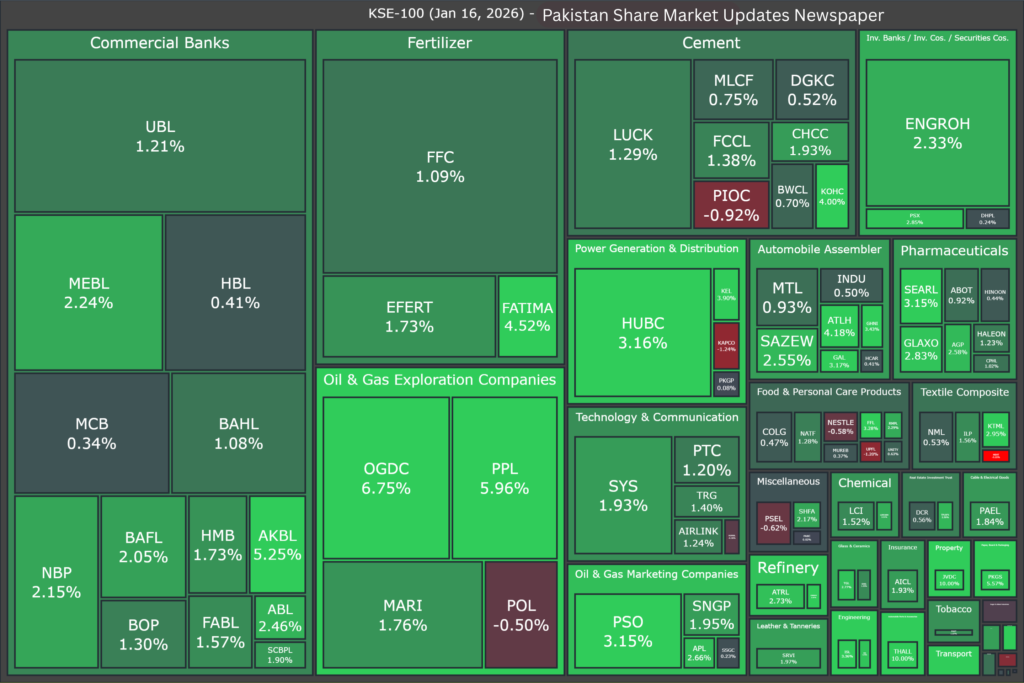
Of the 100 index companies 89 closed up, 11 closed down, while 0 were unchanged.
Top gainers during the day were THALL (+10.00%), JVDC (+10.00%), OGDC (+6.75%), PPL (+5.96%), and PKGS (+5.57%).
On the other hand, top losers were MEHT (-3.22%), KAPCO (-1.24%), UPFL (-1.20%), GADT (-1.05%), and PIOC (-0.92%).
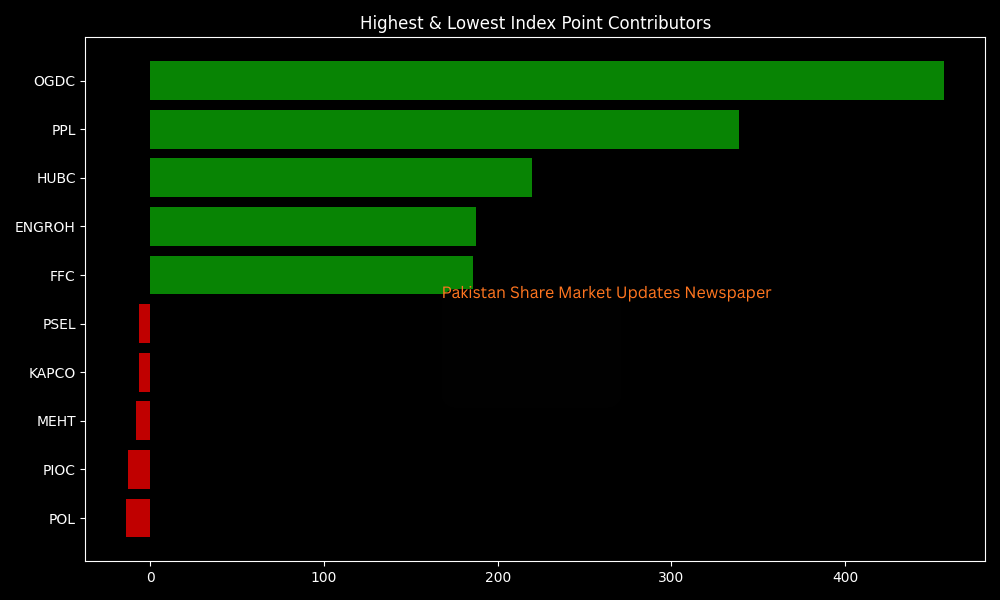
In terms of index-point contributions, companies that propped up the index were OGDC (+457.09pts), PPL (+339.24pts), HUBC (+219.60pts), ENGROH (+187.38pts), and FFC (+185.86pts).
Meanwhile, companies that dragged the index lower were POL (-13.90pts), PIOC (-13.20pts), MEHT (-8.16pts), KAPCO (-6.84pts), and PSEL (-6.48pts).
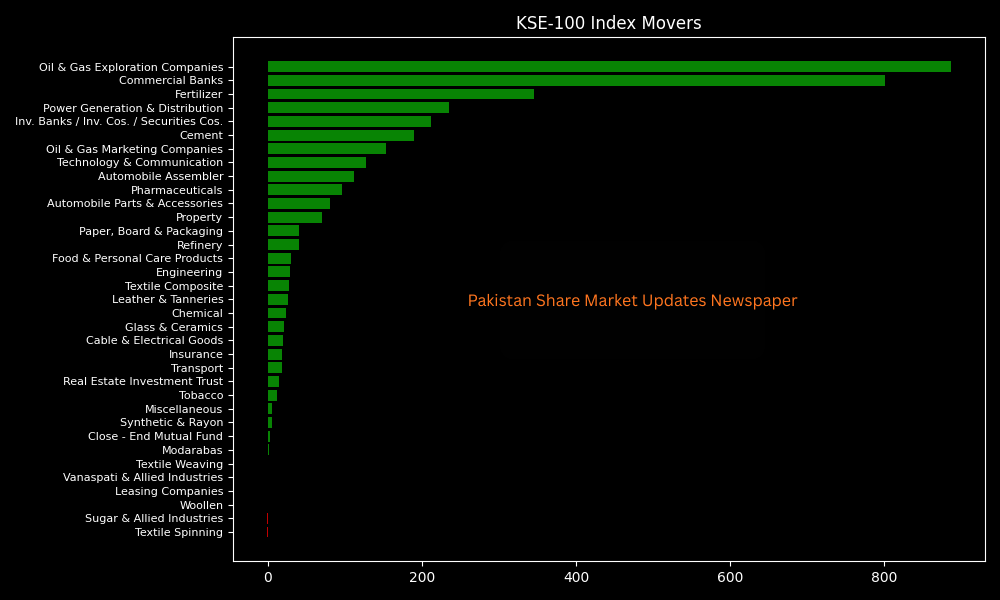
Sector-wise, KSE-100 Index was supported by Oil & Gas Exploration Companies (+886.47pts), Commercial Banks (+800.78pts), Fertilizer (+345.51pts), Power Generation & Distribution (+235.59pts), and Inv. Banks / Inv. Cos. / Securities Cos. (+211.72pts).
While the index was let down by Textile Spinning (-1.04pts), Sugar & Allied Industries (-0.61pts), Woollen (+0.00pts), Leasing Companies (+0.01pts), and Vanaspati & Allied Industries (+0.04pts).
In the broader market, the All-Share Index closed at 111,509.34 with a net gain of 2,327.02 points or 2.13%.
Total market volume was 959.53 million shares compared to 820.03m from the previous session while traded value was recorded at Rs69.46 billion showing an increase of Rs23.49bn.
There were 451,058 trades reported in 482 companies with 334 closing up, 117 closing down, and 31 remaining unchanged.
| Symbol | Price | Change % | Volume |
|---|---|---|---|
| AHCL | 18.21 | 6.31% | 72,955,233 |
| KEL | 6.4 | 3.90% | 39,195,090 |
| PIBTL | 20.93 | 3.67% | 36,204,591 |
| MDTL | 8.32 | 2.09% | 34,721,632 |
| NCPL | 73.21 | 3.08% | 32,544,008 |
| DSLNC | 7.73 | 1.71% | 28,683,195 |
| CNERGY | 7.62 | 2.97% | 24,408,560 |
| PPL | 264.76 | 5.96% | 24,058,939 |
| WTL | 1.74 | 1.16% | 24,021,962 |
| NBP | 273.29 | 2.15% | 23,508,115 |
To note, the KSE-100 has gained 59,472 points or 47.34% during the fiscal year, whereas it has increased 11,045 points or 6.35% so far this calendar year.
Mari Energies launches cloud and AI infrastructure platform
pakistansharemarketnp@gmail.com0Edit

Mari Energies Limited (PSX:MARI) has taken a significant step in Pakistan’s digital evolution with the launch of a Cloud and AI infrastructure platform through its fully owned subsidiary, Mari Technologies Limited.
The platform, developed under Sky47 Limited a majority-owned subsidiary of Mari Energies is located at Silicon Valley of Capital Smart City near Islamabad, according to the company’s statement issued today.
Designed to provide secure, scalable, and sovereign digital infrastructure, the Sky47 platform aims to support enterprises, government institutions, and innovators in running mission-critical workloads locally, while adhering to global standards of performance, reliability, and compliance.
The platform represents a major stride toward strengthening Pakistan’s technological landscape and fostering innovation in cloud computing and artificial intelligence.
PKR holds steady against USD
pakistansharemarketnp@gmail.com0Edit

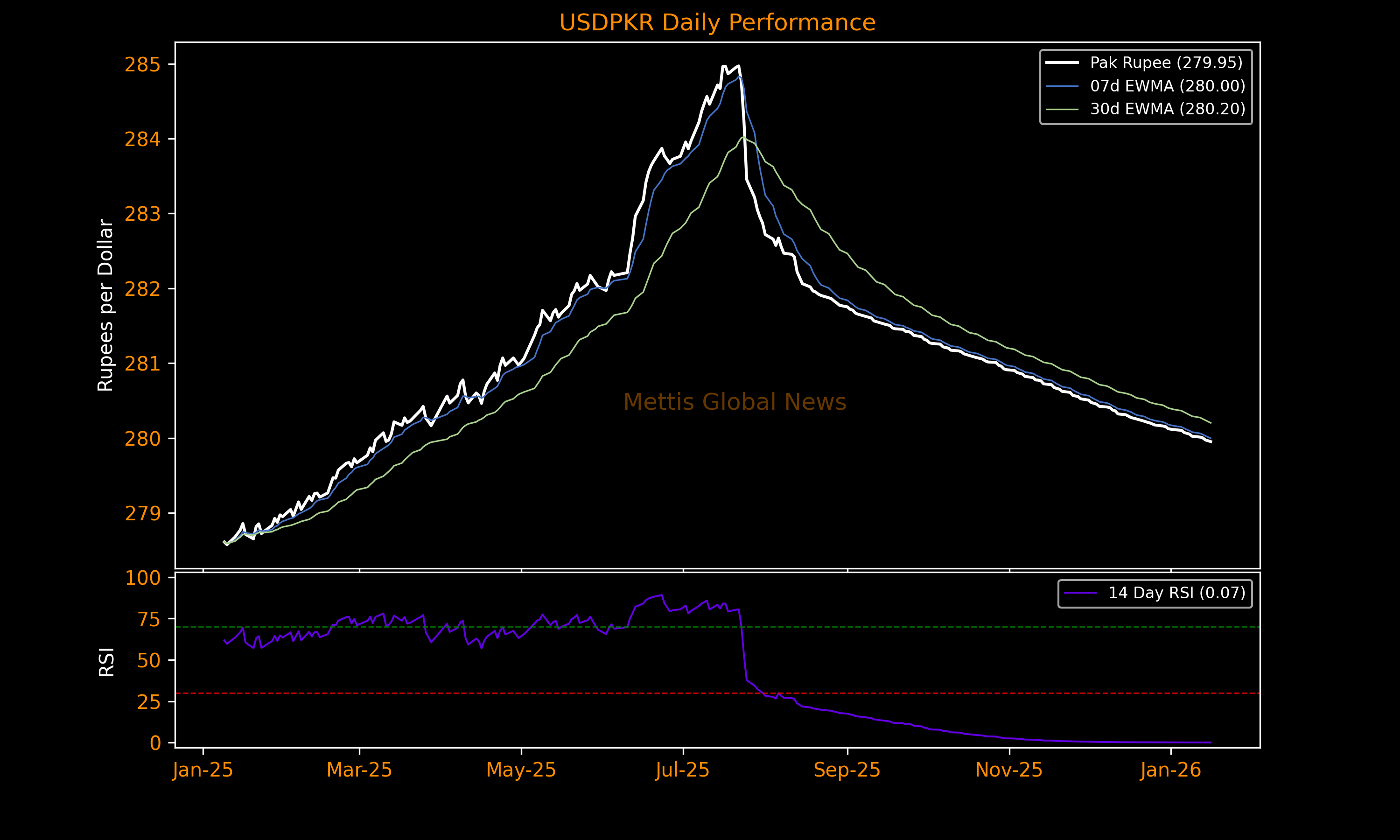
The Pakistani rupee (PKR) strengthened by 1.15 paisa against the US dollar in Friday’s interbank session to settle the trade at PKR 279.95 per USD, compared to previous closing of 279.96.
Throughout the day, the currency saw an intraday high (bid) of 280.3 and a low (ask) of 281.
In the open market, exchange companies quoted the dollar at 280.75 for buying and 281.00 for selling.
In comparison to major currencies, PKR strengthened 53.13 paisa or 0.16% against the Euro, closing at 325.07 compared to the previous value of 325.60.
Against the British Pound, PKR gained by 1.15 rupees or 0.31% to 374.93 compared to 376.07 a day ago.
The local unit gained 49.32 paisa or 0.14% against Swiss franc to close at 348.83.
Against the Japanese Yen, PKR’s value decreased 0.38 paisa or 0.22% to close the session at 1.7693 versus 1.7655 a day ago.
Pakistani Rupee decreased 1.28 paisa or 0.03% against Chinese Yuan to close at 40.18 from 40.16.
The local currency fell by 0.09 paisa or 0.00% against Saudi Riyal to 74.65. While it strengthened by 0.31 paisa or 0.00% against the U.A.E Dirham to close at 76.22.
During the current fiscal year, PKR has increased against the US Dollar by 3.81 rupees or 1.36%. While it has gained 17.16 paisa or 0.06% so far this calendar year.In the Money Market, the benchmark 6 Month Karachi Interbank Bid and Offer rates inched down by 2bps to 10.08% and 10.33%.
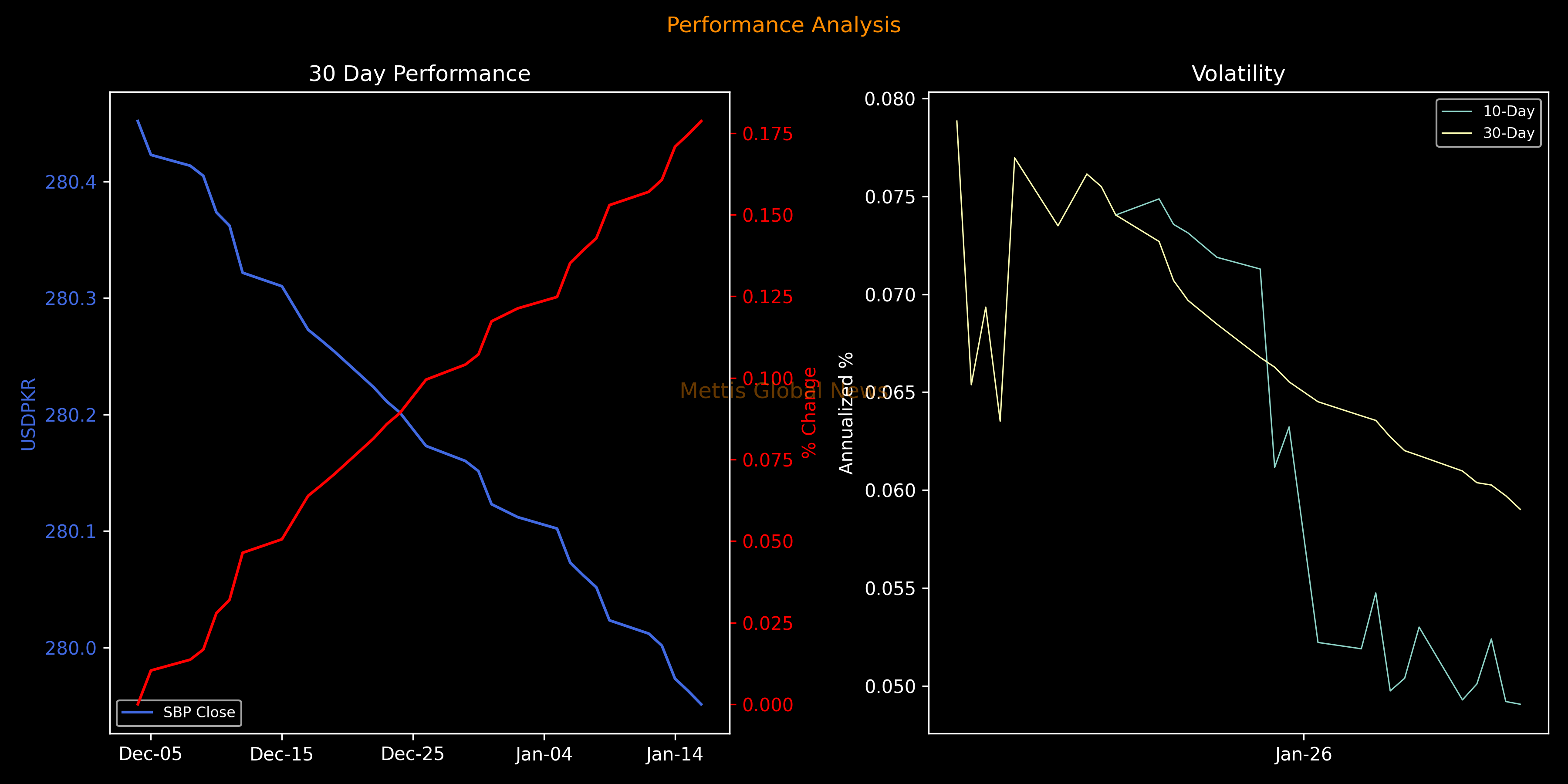
Performance Summary
| Currency | Jan 16, 2026 | Jan 15, 2026 | 1D | 7D | 1M | FYTD | CYTD | |||||
|---|---|---|---|---|---|---|---|---|---|---|---|---|
| USD | 279.9515 | 279.9630 | 0.0115 | 0.00% | 0.0720 | 0.03% | 0.3586 | 0.13% | 3.8130 | 1.36% | 0.1716 | 0.06% |
| EUR | 325.0657 | 325.5970 | 0.5313 | 0.16% | 1.0777 | 0.33% | 3.7240 | 1.15% | 7.5914 | 2.34% | 3.7848 | 1.16% |
| GBP | 374.9250 | 376.0743 | 1.1493 | 0.31% | 1.1466 | 0.31% | -0.3326 | -0.09% | 13.9316 | 3.72% | 2.2468 | 0.60% |
| CHF | 348.8275 | 349.3207 | 0.4932 | 0.14% | 1.2675 | 0.36% | 3.0777 | 0.88% | 6.4999 | 1.86% | 4.3951 | 1.26% |
| JPY | 1.7693 | 1.7655 | -0.0038 | -0.21% | 0.0082 | 0.46% | 0.0372 | 2.10% | 0.2007 | 11.34% | 0.0199 | 1.12% |
| SAR | 74.6517 | 74.6508 | -0.0009 | -0.00% | 0.0192 | 0.03% | 0.0558 | 0.07% | 1.0087 | 1.35% | 0.0428 | 0.06% |
| AED | 76.2188 | 76.2219 | 0.0031 | 0.00% | 0.0196 | 0.03% | 0.1017 | 0.13% | 1.0486 | 1.38% | 0.0571 | 0.07% |
| CNY | 40.1759 | 40.1631 | -0.0128 | -0.03% | -0.0706 | -0.18% | -0.4074 | -1.01% | -0.5725 | -1.42% | -0.1031 | -0.26% |
52 Week Performance
| Currency | High | Low | Trading Band | % Since High | % Since Low | High Date | Low Date | Days Since High | Days Since Low |
|---|---|---|---|---|---|---|---|---|---|
| USD | 278.6523 | 284.9710 | 6.3187 | -0.46% | 1.79% | 20-Jan-25 | 22-Jul-25 | 361 | 178 |
| EUR | 285.0438 | 335.1574 | 50.1136 | -12.31% | 3.10% | 03-Feb-25 | 03-Jul-25 | 347 | 197 |
| GBP | 339.8470 | 390.0418 | 50.1948 | -9.36% | 4.03% | 17-Jan-25 | 26-Jun-25 | 364 | 204 |
| CHF | 303.4906 | 359.7698 | 56.2792 | -13.00% | 3.14% | 03-Feb-25 | 23-Jul-25 | 347 | 177 |
| JPY | 1.7602 | 1.9999 | 0.2397 | -0.51% | 13.03% | 14-Jan-26 | 22-Apr-25 | 2 | 269 |
| SAR | 74.2677 | 75.9801 | 1.7124 | -0.51% | 1.78% | 20-Jan-25 | 16-Jul-25 | 361 | 184 |
| AED | 75.8661 | 77.5864 | 1.7203 | -0.46% | 1.79% | 20-Jan-25 | 22-Jul-25 | 361 | 178 |
| CNY | 38.0307 | 40.1759 | 2.1452 | -5.34% | 0.00% | 17-Jan-25 | 16-Jan-26 | 364 | 0 |
Fertilizer offtake increases 23% YoY in December
pakistansharemarketnp@gmail.com0Edit

Fertilizer consumption in Pakistan witnessed strong performance in December 2025, as overall nutrient offtake increased by 23% year-on-year to 770,000 tonnes, according to the latest Monthly Fertilizer Review released by the National Fertilizer Development Centre (NFDC).
In December, urea offtake was at 1,356,000 tonnes, registering an increase of 36.8% compared to the same month last year. On the other hand, DAP consumption decreased by 44.6%, to 80,000 tonnes.
Nutrient-wise, nitrogen offtake increased by 34%, potash by 29.8% but phosphate fell by 41.5%.
Table 1: Fertilizer Offtake – December 2025 vs December 2024
| Product/Nutrient | December 2024 (‘000 tonnes) | December 2025 (‘000 tonnes) | % Change |
| Urea | 991 | 1,356 | +36.8% |
| DAP | 144 | 80 | -44.6% |
| Nitrogen | 532 | 714 | +34% |
| Phosphate | 90 | 53 | -41.5% |
| Potash | 2.8 | 3.6 | +29.8% |
| Total Nutrients | 625 | 770 | +23.2% |
Cumulative nutrient offtake during Rabi 2025-26 (Oct-Dec) was 1,758,000 tonnes, which increased by 11.1% over Rabi 2024-25. Nitrogen and potash offtake increased by 21.1 and 33.1%, respectively while phosphate offtake decreased by 19.2%.
Table 2: Cumulative Offtake – Rabi 2025 vs Rabi 2024
| Product/Nutrient | Rabi 2024 (‘000 tonnes) | Rabi 2025 (‘000 tonnes) | % Change |
| Urea | 2,003 | 2,526 | +26.1% |
| DAP | 697 | 543 | -22% |
| Nitrogen | 1,174 | 1422 | +21.1% |
| Phosphate | 398 | 322 | -19.2% |
| Potash | 10.9 | 14.5 | +33.1% |
| Total Nutrients | 1,583 | 1,758 | +11.1% |
Total domestic fertilizer production during December 2025 was 754,000 tonnes. Urea and DAP production was 502,000 and 76,000 tonnes, respectively. Production of other products i.e. NP, CAN, SSP, SOP and NPKs was 85, 76, 7.9, 6.2 and 1.1 thousand tonnes, respectively.
Table 3: Domestic Production – December 2025
| Product | Production (‘000 tonnes) | % Share |
| Urea | 502 | 66.6% |
| DAP | 76 | 10.1% |
| NP | 85 | 11.3% |
| CAN | 76 | 10% |
| SSP | 7.9 | 1% |
| NPKs | 1.1 | 0.1% |
| SOP | 6.2 | 0.8% |
Regionally, urea offtake during December 2025 increased by 42.9% and 36.1%in Punjab and Sindh, respectively while its offtake decreased by 18.9%, 7.2% and 12% in KP, Balochistan and AJK/GB over December last year.
During December 2025, DAP offtake decreased by 45%, 47% and 71% in Punjab, Sindh and Balochistan, respectively while its offtake increased by 6.1% in KP over December previous year.
Table 4: Province-wise Offtake – December 2025
| Province | Urea (‘000 tonnes) | % Change | DAP (‘000 tonnes) | % Change |
| Punjab | 917 | +42.9% | 56 | -45% |
| Sindh | 374 | +36.1% | 18 | -47% |
| KP | 27.6 | -18.9% | 4.6 | +6.1% |
| Balochistan | 31 | -7.2% | 1.2 | -71% |
On the pricing front, domestic fertilizer prices showed mixed trends. Urea (Sona) declined slightly by 1.3% to Rs. 4,302 per 50 kg bag, while other urea brands dropped by 0.6% and prices of DAP, NP, CAN and SOP decreased by 0.1, 1.1, 0.2 and 1.7%, respectively
Internationally, urea and DAP prices remained stable in key markets such as China and Middle East.
Table 5: Domestic Fertilizer Prices – December 2025
| Product | Price (Rs./50kg) | % Change (MOM) |
| Urea (Sona) | 4,302 | -1.3% |
| Urea (Other) | 4,222 | -0.6% |
| DAP | 14,591 | -0.1% |
| NP | 9,171 | -1.1% |
| SSP (Granular) | 3,359 | +0.1% |
| CAN | 3.986 | -0.2% |
| SOP | 12,084 | -1.7% |
| NPK | 9,520 | +0.0% |
Big industry output grows 10% YoY in November
pakistansharemarketnp@gmail.com0Edit

Pakistan’s large-scale manufacturing sector sustained its recovery trajectory in November 2025, with the Quantum Index of Manufacturing (QIM) reaching 118.28, showing continued industrial momentum amid exceptional performances in automobiles, petroleum products and garments.
According to provisional data with base year 2015-16, Large Scale Manufacturing Industries (LSMI) output grew 10.37% year-on-year (YoY) in November 2025, while posting a modest 0.16% month-on-month (MoM) increase compared to October 2025.
On a cumulative basis, the sector recorded a 6.01% growth during July–November FY26, with the QIM averaging 115.72, up from 109.65 in the same period last year.
Seafood exports rise 22% to $253m in H1 FY26
pakistansharemarketnp@gmail.com0Edit
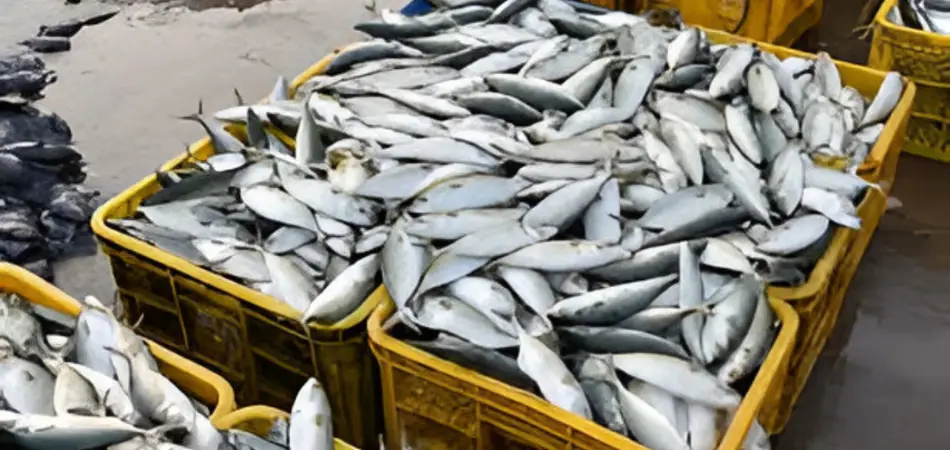
Pakistan’s seafood exports rose 21.6% year-on-year in value to $253.24 million during the first half of FY2025–26.
Export volumes increased 19.1% to 122,629.11 metric tons between July and December 2025, showed stronger foreign demand and improved export capacity.
The increase compares with the same period of FY2024–25, when exports stood at 102,942.05 metric tons valued at $208.25m.
This marked a 19.1% rise in volume and a 21.6% increase in value, according to the Marine Fisheries Department, as per a press release issued.
Federal Minister for Maritime Affairs Muhammad Junaid Anwar Chaudhry, commenting on the figures, said export momentum remained steady throughout the six-month period.
He said the trend indicated improved competitiveness of Pakistan’s marine fisheries in global markets.
Frozen fish remained the largest export category, with shipments of 26,669.37 metric tons valued at $53.33m.
Exports of shrimps and prawns generated $40.46m, while frozen cuttlefish accounted for $36.13m.
Additional earnings came from shrimp meal, crabs, sardines, mackerel, flatfish species and fish meal, pointing to diversification and growth in value-added processing.
China retained its position as Pakistan’s largest seafood export destination, importing more than 83,602 metric tons worth $149.2m nearly 59% of total exports during the period.
Thailand ranked second with imports valued at $31.3m, mainly shrimps and prawns. The United Arab Emirates, Malaysia and Japan followed, with rising demand for cuttlefish and fish meal.
Exports were also recorded to the European Union, Saudi Arabia, Vietnam, Kuwait and the United States.
Monthly export data showed consistent growth, peaking at $56.42m in November and $55m in December, supported by seasonal demand and logistical improvements.
Non-tax revenue from the fisheries sector increased to Rs127.7m, up from Rs118m in the corresponding period last year.
The minister said fisheries remain a key component of Pakistan’s maritime economy, supporting hundreds of thousands of livelihoods in coastal communities along the Arabian Sea, particularly in Sindh and Balochistan.
Historically contributing around 1% to GDP, the sector has recovered from pandemic-era disruptions through expanded processing capacity, improved cold-chain logistics and stricter certification aligned with international standards.
He attributed recent gains to initiatives under the Ministry of Maritime Affairs, including collaboration with the International Maritime Organization on sustainable fishing practices and investments in port infrastructure at Karachi and Gwadar.
While stressing the need for regulatory compliance to protect marine biodiversity amid climate-related challenges.
Weekly SPI increases by 0.25% WoW
pakistansharemarketnp@gmail.com0Edit
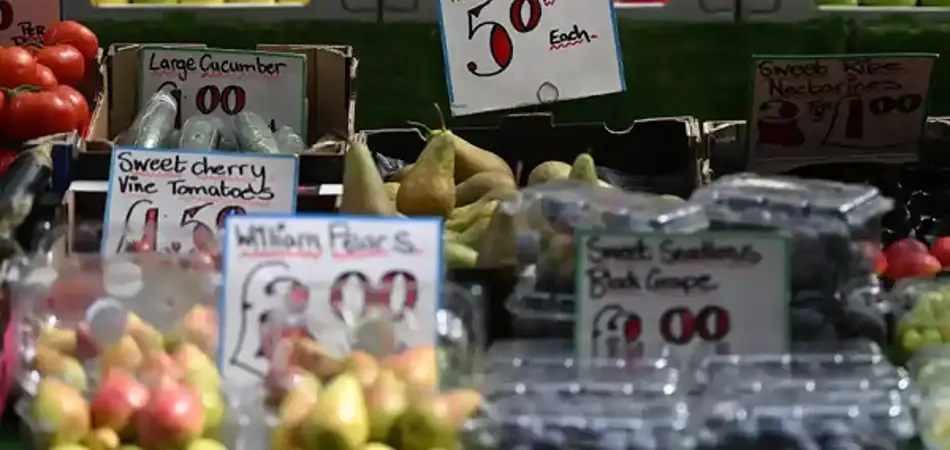
Pakistan’s short-term inflation Sensitive Price Indicator (SPI) increased by 0.25% compared to the previous week, while it rose by 3.87% compared to the same period last year, according to the Pakistan Bureau of Statistics (PBS).
During the week, out of 51 essential items, prices of 13 items (25.49%) increased, 13 items (25.49%) decreased, while 25 items (49.02%) remained unchanged, according to PBS data.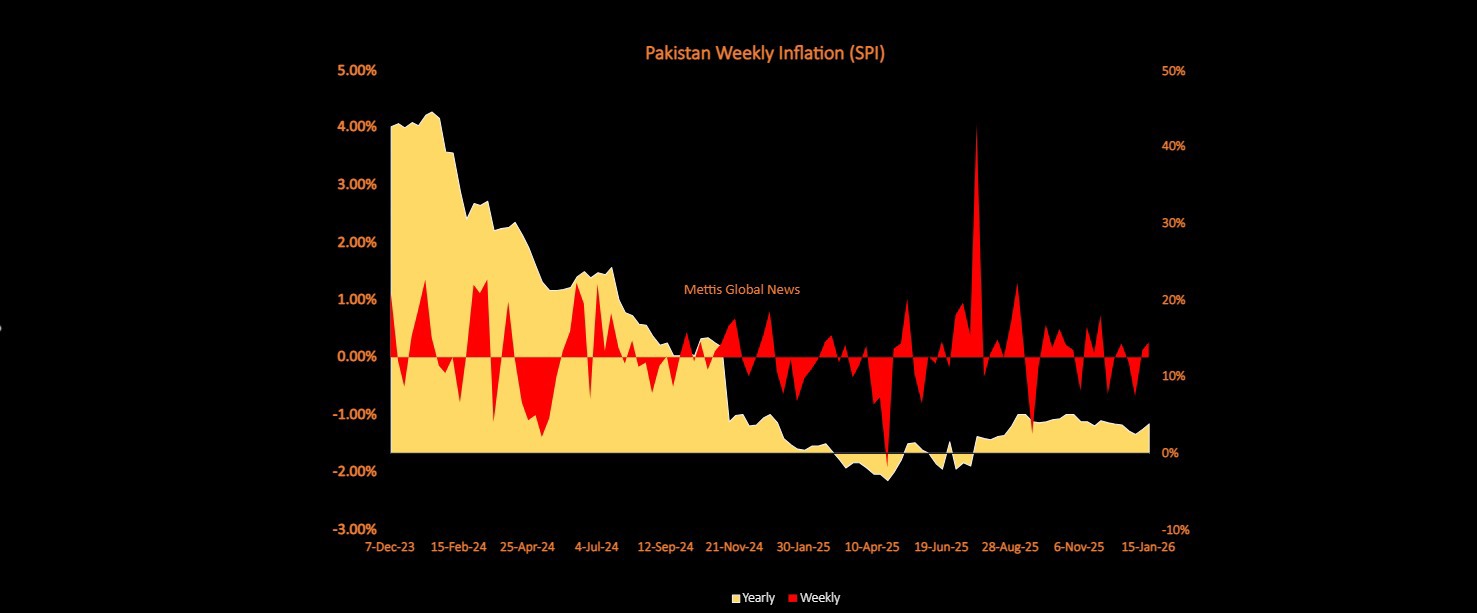
The major increase during the week was observed in the prices of tomatoes, which rose by 27.64%, followed by LPG up 7.03%, wheat flour increasing 3.26%, eggs for higher by 2.19%.
Bananas rising 1.68%, chilies powder up 1.02%, firewood increasing 0.80%, pulse moong rising 0.70% and georgette edging up by 0.69%.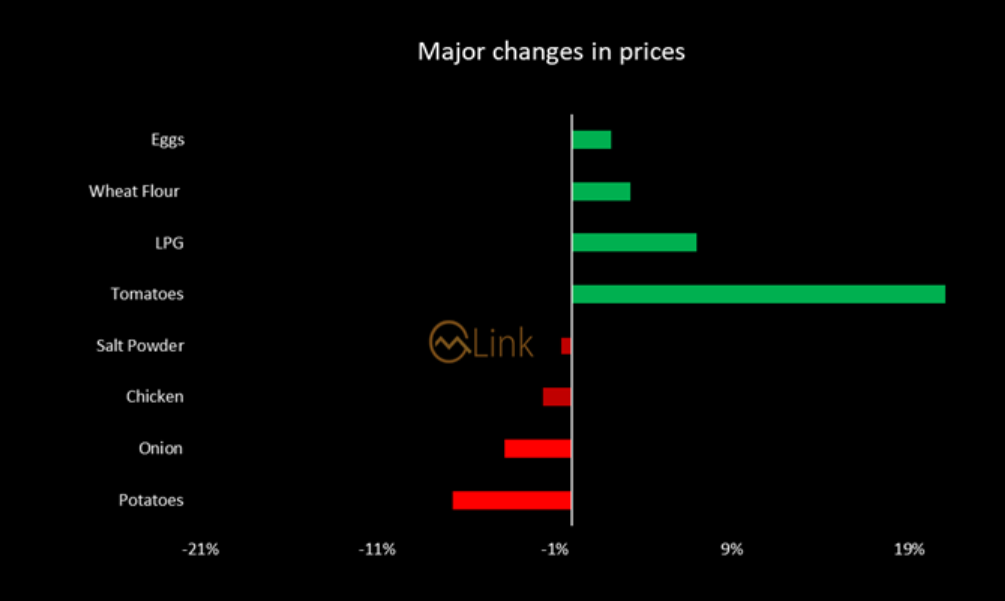
On the other hand, the major decrease was recorded in the prices of potatoes, which declined by 6.72%, onion down 3.82%, chicken falling 1.66%.
Salt powder easing 0.67%, pulse gram falling 0.58%, rice basmati broken down 0.44%, vegetable ghee 1kg declining 0.31% and pulse masoor lower by 0.29%.
The year-on-year trend for the current week depicts an increase of 3.87% in the Sensitive Price Indicator (SPI).
The major annual increase was observed in the prices of Wheat Flour, which surged by 34.90%, followed by Gas Charges for Q1 up 29.85%, Eggs increasing 20.85%, Beef rising 12.83%, Chilies Powder higher by 12.56%.
Sugar up by 10.43%, Firewood rising 10.35%, Gur up 9.97%, Powder Milk higher by 9.90%, Bananas increasing 8.92% and Lawn Printed rising 8.29%.
On the contrary, a significant year-on-year decrease was recorded in the prices of Potatoes, which plunged by 46.60%, followed by Onions down 37.30%, Garlic declining 35.91%, Tomatoes lower by 32.88%.
Pulse Gram falling 31.03%, Tea Lipton decreasing 17.79%, Pulse Mash down 13.69%, Pulse Masoor falling 9.55%, Diesel declining 1.27% and Petrol easing 0.95%.
The average price of Sona urea stood at Rs4,375 per 50 kg bag, up by 0.66% from last week’s price, and a 3.43% decrease from last year.
Meanwhile, the average Cement price rose to Rs1,400 per 50 kg bag, which is 0.31% lower than the previous week, and 0.64% above last year.
PBS calculates short-term inflation using the SPI on a weekly basis to assess the price movement of essential commodities at shorter interval of time so as to review the price situation in the country.
SPI comprises 51 essential items collected from 50 markets in 17 cities of the country.
OMO Result: SBP injects Rs13.1tr into market
pakistansharemarketnp@gmail.com0Edit
The State Bank of Pakistan (SBP) conducted a reverse repo and Shariah Compliant Modarabah based Open Market Operation (OMO) today, in which it cumulatively injected a total of Rs13.12 trillion into the market of which Rs12.7tr were injected through reverse repo OMO.
| Summary of OMO Result (Conventional) | |||||||
| Amount (Rs in Million) | Rate (%) | Quotes | |||||
| Tenor | Type | Offered | Accepted | High – Low | Accepted | Offered | Accepted |
| 7D | Reverse Repo (Injection) | 745,500 | 745,000 | 10.55-10.53 | 10.53 | 05 | 05 |
| 14D | 11,970,900 | 11,970,900 | 10.57-10.51 | 10.51 | 20 | 20 | |
| Total | 12,715,900 | 12,715,900 | |||||
Meanwhile, the remaining Rs410bn was injected through Shariah-compliant Modarabah-based OMO.
| Summary of OMO Result (Shariah) | |||||||
| Amount (Rs in Million) | Rate (%) | Quotes | |||||
| Tenor | Type | Offered | Accepted | High – Low | Accepted | Offered | Accepted |
| 7D | Reverse Repo (Injection) | 390,000 | 390,000 | 10.55-10.53 | 10.53 | 02 | 02 |
| 14D | 20,000 | 20,000 | 10.53-10.53 | 10.53 | 01 | 01 | |
| Total | 410,000 | 410,000 | |||||
Explanatory Note
Open Market Operation is a tool used by SBP to inject or mop up funds from the banking system, based on liquidity requirements, via the purchase or sale of eligible securities.
Operationally, in case of OMO (Injections), SBP lends funds to banks/Primary Dealers (PDs) against eligible collateral to address liquidity shortage in the system.
For OMO (Injections), marketable government securities, i.e. Market Treasury Bills (MTBs) and Pakistan Investment Bonds (PIBs) are eligible securities.
In OMO (Mop-up), SBP sells MTBs to banks in exchange for funds to remove surplus liquidity from the system.
Eligible collateral for OMO (Mop-up) includes selling MTBs (on repo or outright basis) to banks for removing excess liquidity from the system.
In case of Bai-Muajjal, a Shariah compliant tool for managing liquidity in the Islamic banking system, GOP Ijara Sukuk are eligible securities.
Banks and PDs are eligible counterparties to OMO transactions. For Bai Muajjal transactions, Islamic banks and specialized Islamic windows of conventional banks are eligible counterparties.
Gold price in Pakistan remain unchanged

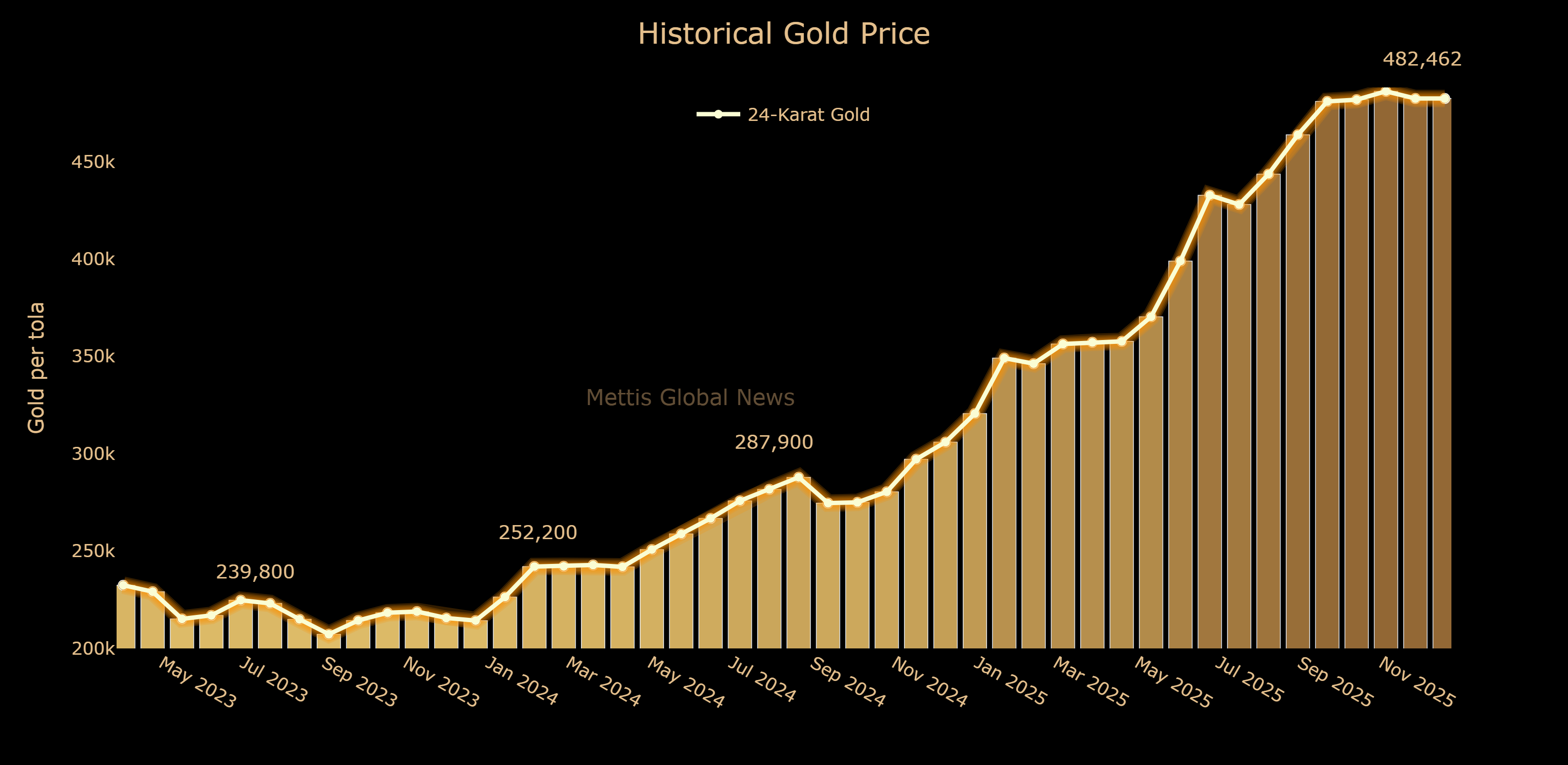
Gold price in Pakistan remained unchanged on Friday, with 24-karat gold being sold at Rs482,462 per tola, unchanged from the previous session.
Similarly, 24-karat gold per 10-gram was sold at Rs413,633 unchanged from the previous session, according to rates shared by the All-Pakistan Gems and Jewelers Sarafa Association (APGJSA).
The price of 22-karat gold was also quoted at Rs379,177 per 10-gram.
On the other hand, silver prices rose in the domestic market, with 24-karat silver being sold at Rs9,525 per tola (+Rs100) and Rs8,166 per 10-gram (+Rs86).
| PKR (24-karat per tola) | Jan 16, 2026 | Jan 15, 2026 | DoD | 1 Month | FYTD | CYTD |
|---|---|---|---|---|---|---|
| Gold | 482,462 | 482,462 | 0 | 28,900 | 132,262 | 25,500 |
| Silver | 9,525 | 9,425 | 100 | 2,703 | 5,743 | 1,807 |
Globally, spot gold traded near $4,608 an ounce, down $1.5 or 0.03% from the previous session, as easing geopolitical tensions reduced the demand for the metal as a safe-haven asset.
Federal bucks ahead, provinces lag behind in Pakistan’s tax race
Pakistan’s tax performance highlights a significant gap between federal and provincial revenue collections.
While the federal government continues to show steady growth, provincial tax efforts remain far below potential.
In the fiscal year 2025, the federal government collected over Rs13 trillion in taxes and levies, equivalent to 11.3% of GDP, which was Rs114.7 trillion.
For countries at Pakistan’s development level, a benchmark tax-to-GDP ratio of 18% is considered healthy, with 15% expected from federal collections.
The federal tax system is on track to reach 15% of GDP by June 2028.
By comparison, provincial governments combined collected Rs979 billion, or 0.85% of GDP, substantially below the 3% target.
According to Khurram Schehzad on his X platform, the focus should be on revenue yield from the existing taxable base, rather than just nominal collection figures.
The gap in revenue performance is evident across multiple sectors.
The services sector, which falls under provincial taxation, has an estimated taxable base of Rs29tr, yet provincial collections amounted to Rs650bn, or 2.2%.
Federal collections on goods, by contrast, reached Rs3.9tr, representing 13% of the estimated base.
Agricultural income tax, another provincial subject, yielded just 0.2% of its Rs3.7tr base.
Property taxes, including stamp duties and urban immovable property tax, accounted for 0.3% of a real estate asset base of Rs21.7 tr, lower than several regional peers.
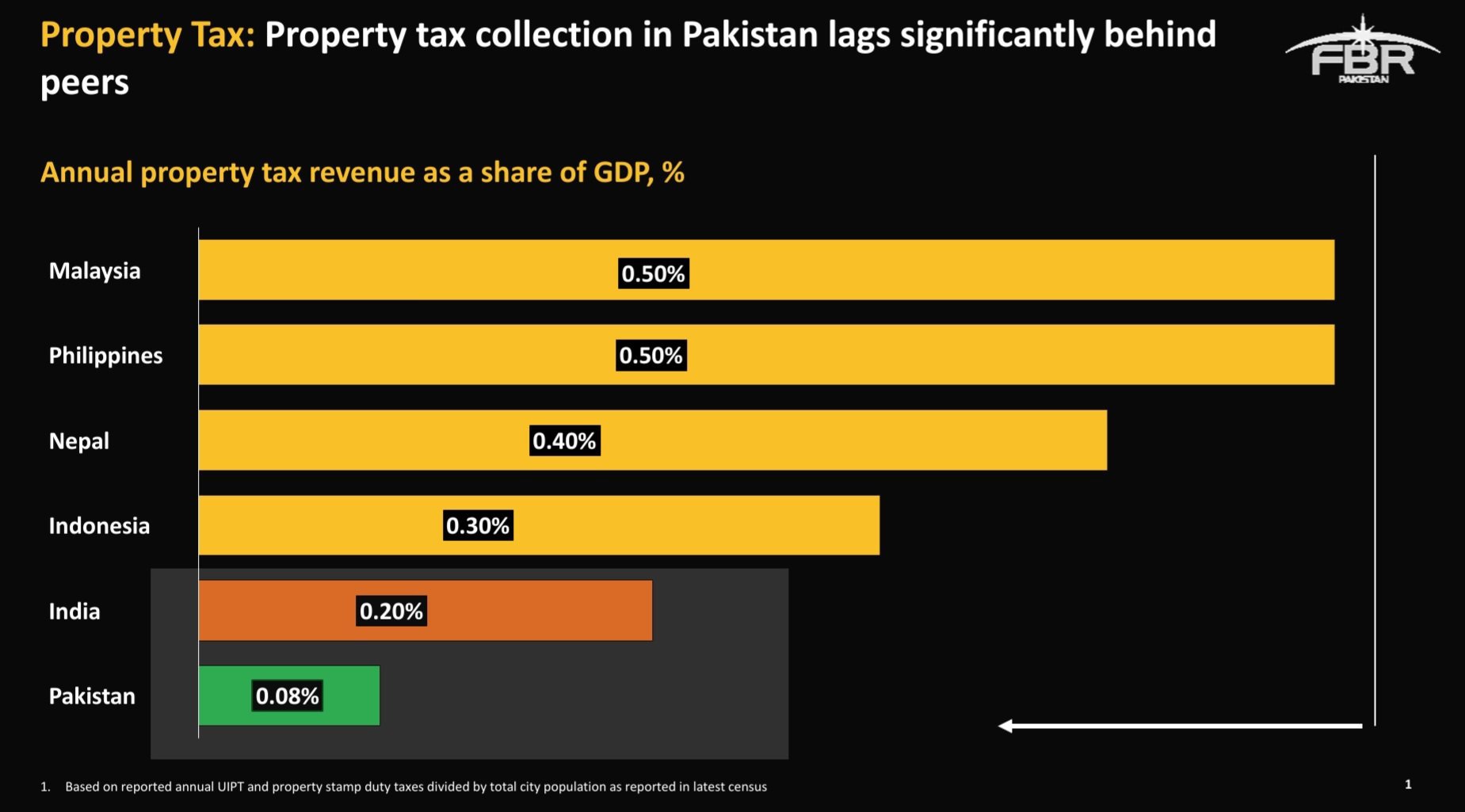
Federal tax yields exceed 17% of their estimated base, while provincial yields remain far below potential.
The provincial tax gaps alongside federal reforms could improve public services, reduce fiscal stress, and support a more balanced fiscal federalism.
The discussion on resource allocation and fiscal federalism, therefore, is increasingly seen as one that should be grounded in measurable revenue outcomes rather than perceptions. Strengthening tax performance at both federal and provincial levels is central to tapping Pakistan’s economic potential.
CCP approves interlinked Toyota, Daimler vehicle merger transactions

The Competition Commission of Pakistan (CCP) has approved two interconnected merger transactions linked to a global restructuring involving Toyota Motor Corporation and Daimler Truck AG, clearing the way for the joint consolidation of Hino Motors and Mitsubishi Fuso Truck and Bus Corporation (MFTBC).
The approved transactions form part of a single integrated restructuring designed to consolidate and jointly manage the commercial vehicle operations of Hino and MFTBC under a newly created holding structure , said a press release issued.
Under the arrangement, Toyota Motor Corporation, through its subsidiary Hino Motors Limited, has acquired full ownership of MFTBC.
Simultaneously, Daimler Truck AG has taken an interest in a newly incorporated holding company, AIB Limited, through which Hino and MFTBC will be jointly owned and managed.
The CCP assessed both transactions together, focusing on their potential impact on competition in Pakistan’s commercial vehicle market, particularly in the manufacturing and distribution of buses and trucks.
While some overlap between the operations of Hino and MFTBC was identified, the Commission concluded that the restructuring does not create or strengthen a dominant market position.
The Commission noted that Pakistan’s commercial vehicle sector remains competitive, with multiple established players continuing to operate.
In reviewing Daimler Truck AG’s stake in the holding company, the CCP observed that Daimler Truck AG no longer has any independent commercial vehicle operations in Pakistan, as its only relevant interest MFTBC had already been acquired by Toyota.
Consequently, this transaction was deemed competitively neutral.
Based on its overall assessment, the CCP determined that the two interconnected transactions do not raise competition concerns when viewed as part of the broader restructuring.
Both were approved under the Competition Act, 2010 and the Competition Merger Control Regulations, 2016.
PSX Closing Bell: Red Sweeps the Board
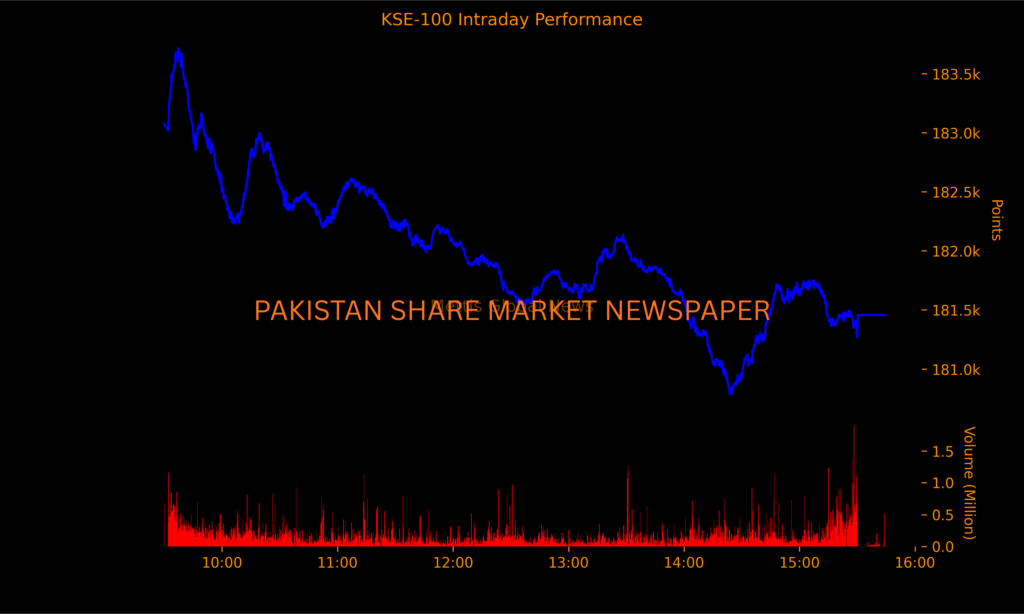
The benchmark KSE-100 Index concluded Thursday’s trading session at 181,456.33, showing a decrease of 1,113.48 points or 0.61%.
The index traded in a range of 2,933.91 points showing an intraday high of 183,717.53 (+1,147.72) and a low of 180,783.62 (-1,786.19) points.
The total volume of the KSE-100 Index was 280.78 million shares.
Of the 100 index companies 28 closed up, 71 closed down, while 1 were unchanged.
Top losers during the day were IBFL (-9.89%), SAZEW (-5.68%), PGLC (-5.60%), NML (-3.96%), and PSEL (-3.13%).
On the other hand, top gainers were ATLH (+7.03%), JVDC (+4.84%), PKGS (+3.18%), PSX (+2.68%), and LOTCHEM (+2.66%).
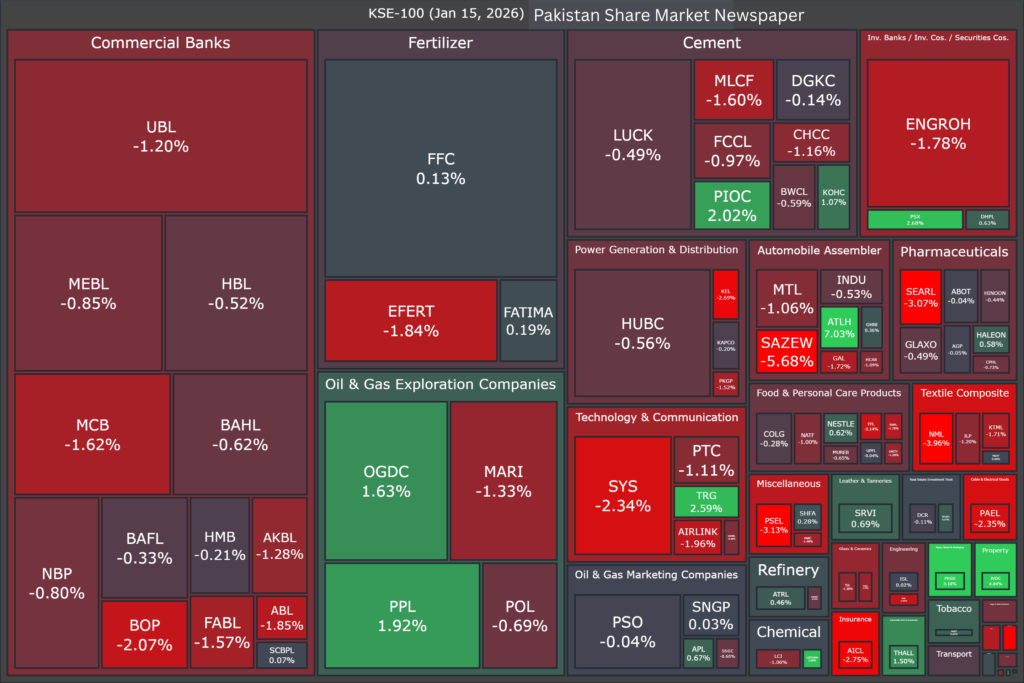
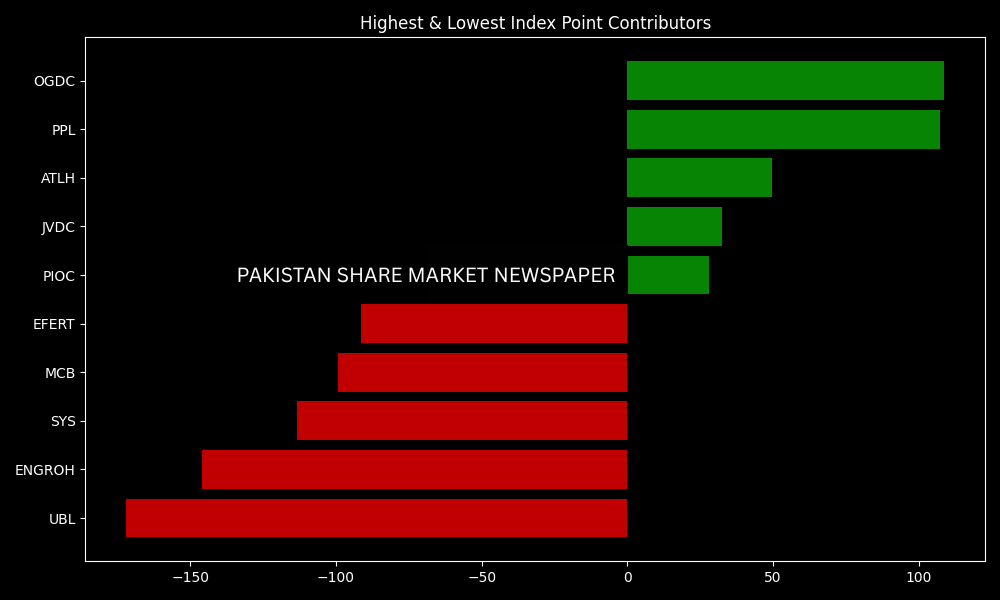
In terms of index-point contributions, companies that dragged the index lower were UBL (-171.97pts), ENGROH (-146.03pts), SYS (-113.22pts), MCB (-99.46pts), and EFERT (-91.49pts).
Meanwhile, companies that added points to the index were OGDC (+108.78pts), PPL (+107.38pts), ATLH (+49.75pts), JVDC (+32.63pts), and PIOC (+28.20pts).
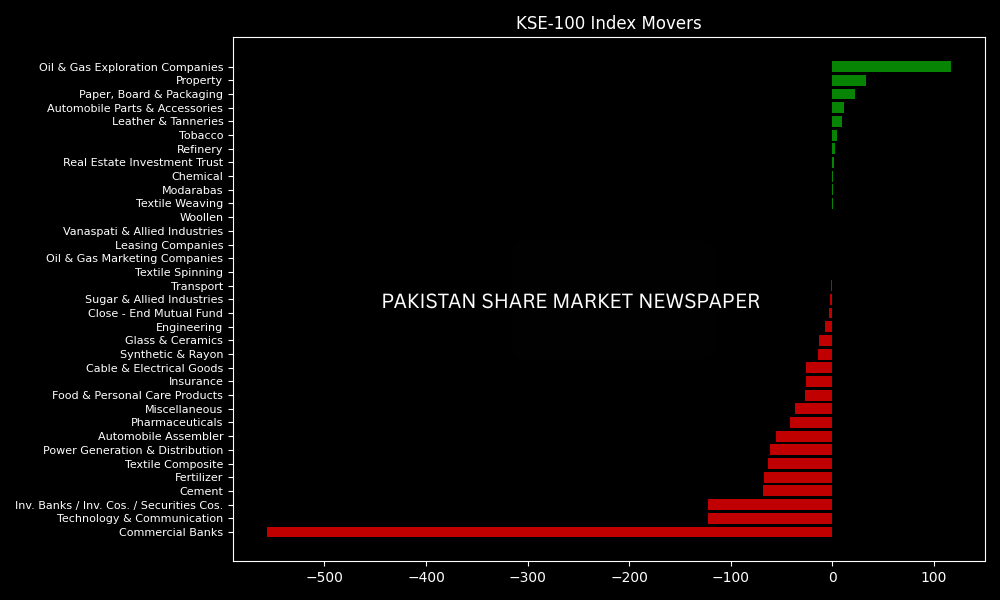
Sector-wise, KSE-100 Index was let down by Commercial Banks (-556.31pts), Technology & Communication (-122.20pts), Inv. Banks / Inv. Cos. / Securities Cos. (-122.16pts), Cement (-67.82pts), and Fertilizer (-67.15pts).
While the index was supported by Oil & Gas Exploration Companies (+116.56pts), Property (+32.63pts), Paper, Board & Packaging (+22.50pts), Automobile Parts & Accessories (+11.83pts), and Leather & Tanneries (+9.12pts).
In the broader market, the All-Share Index closed at 109,182.32 with a net loss of 492.15 points or 0.45%.
Total market volume was 820.03 million shares compared to 1,034.12m from the previous session while traded value was recorded at Rs45.98 billion showing a decrease of Rs19.99bn.
There were 445,267 trades reported in 482 companies with 150 closing up, 289 closing down, and 43 remaining unchanged.
| Symbol | Price | Change % | Volume |
|---|---|---|---|
| HASCOLNC | 20.64 | 5.58% | 62,524,009 |
| MDTL | 8.15 | 10.58% | 43,655,786 |
| NCPL | 71.02 | 1.14% | 36,689,540 |
| BOP | 40.69 | -2.07% | 29,259,185 |
| BNL | 12.22 | 9.99% | 21,659,742 |
| WTL | 1.72 | -1.15% | 20,943,110 |
| FCSC | 7.17 | 5.60% | 19,662,039 |
| PTC | 65.09 | -1.11% | 19,027,747 |
| KEL | 6.16 | -2.69% | 18,991,264 |
| THCCL | 74.12 | -9.44% | 18,672,794 |
To note, the KSE-100 has gained 55,829 points or 44.44% during the fiscal year, whereas it has increased 7,402 points or 4.25% so far this calendar year.
1Link and Trustdecision unveil “enterprise fraud defense: Pakistan’s next chapter”

1LINK in collaboration with global anti-fraud and KYC technology leader TrustDecision, hosted a landmark industry event titled “Enterprise Fraud Defense: Pakistan’s Next Chapter”. The event brought together over 100+ senior leaders from industry including banks, payment service providers, and fintechs academia to discuss the future of fraud prevention and digital trust in Pakistan.
The event marked a key milestone with the adoption of Device Fingerprinting and Anti-Fraud solutions by nine leading banks / FIs through 1LINK’s platform, aimed at strengthening defenses against emerging digital fraud risks in Pakistan.
Through expert panels and technology showcases, participants explored how artificial intelligence, data aggregation, and industry collaboration are enabling more effective fraud prevention. Industry leaders highlighted the integration of TrustDecision’s risk decision engine with 1LINK’s Enterprise Fraud Risk Management Services (EFRMS), delivering real-time fraud detection across both financial and non-financial transactions while ensuring a secure and seamless consumer experience.
The locally hosted solution, trusted by some of the world’s largest global financial institutions, like ICBC, Hong Leong Bank, Bank of China, TikTok, Shein and many more represents one of the most advanced fraud defense systems introduced in Pakistan to date. It empowers banks with enhanced visibility, faster risk assessment, and stronger protection – supporting the continued growth of Pakistan’s digital finance industry and the broader digital economy.
Mr. Najeeb Agrawalla, CEO – 1LINK, said, “This partnership reflects our shared commitment to advancing financial and digital inclusion. TrustDecision plays a pivotal role in closing access gaps and enabling broader participation, aligning seamlessly with 1LINK’s journey of growth and innovation.”
“In TrustDecision, financial and digital inclusion in emerging markets is pursued through the application of technology and experience. Pakistan has been identified as a key strategic growth market, and meaningful social impact is being created in collaboration with a valued partner such as 1LINK.” shared Mr. Li Ru Zhao, Managing Director of South Asia & MEA – TrustDecision.
Verizon resolves telecom service outage that vexed US users

Verizon said it planned to provide account credits to people who experienced service interruptions
US telecom giant Verizon said Wednesday it had resolved a widespread service disruption that impacted mobile phone customers in major cities across the US east coast for around 10 hours.
“The outage has been resolved. If customers are still having an issue, we encourage them to restart their devices to reconnect to the network,” Verizon said in a statement about 10:15 pm Eastern Time (0315 GMT Thursday).
The outage began about noon in New York where the company has its headquarters.
Internet service tracker DownDetector indicated that it received more than 1.5 million reports of problems with Verizon mobile phone or internet connections.
Verizon did not disclose the extent of the disruption or its cause but posted a statement during the outage apologizing to those impacted.
Late Wednesday, Verizon said it planned to provide account credits to people who experienced service interruptions.
Spectrum auction could finally fix Pakistan’s internet woes, says Jazz chief
Six spectrum bands with a combined capacity of 600 megahertz will be auctioned
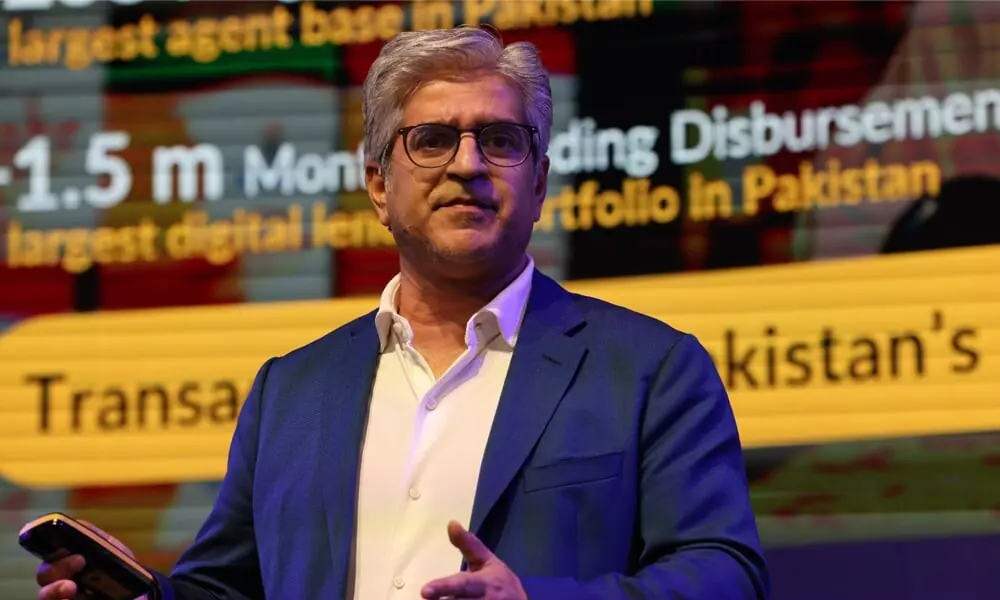
Pakistan’s upcoming spectrum auction is a “once-in-a-decade opportunity” to transform internet quality for the public, said Aamir Ibrahim, chief executive officer (CEO) of Jazz, Pakistan’s leading digital operator and VEON’s leading operating company.
His comments follow last week’s announcement by the Pakistan Telecommunication Authority (PTA) that the long-awaited spectrum auction is set to be held in late February.
Under a plan approved by Prime Minister Shehbaz Sharif, six spectrum bands with a combined capacity of 600 megahertz will be auctioned—an expansion expected to significantly strengthen data capacity and support next-generation services across the country.
Speaking at Pakistan’s first Pakistan Policy Dialogue, organised by the Policy Research and Advisory Council in collaboration, Ibrahim said the real public demand is for an internet that works consistently and affordably across the country.
Explaining the significance of the auction, Ibrahim described Pakistan as a spectrum-constrained country, noting that it currently has around 274 megahertz of spectrum available nationwide, far below international benchmarks and roughly one-fourth of what countries such as Japan have on a per-capita basis.
He said limited spectrum has become a structural constraint on internet quality, regardless of operator investment.
The upcoming auction, expected to release about 600 megahertz of additional spectrum, represents a “once-in-a-decade opportunity” to strengthen Pakistan’s digital infrastructure, he said. Ibrahim noted that the government’s recently issued information memorandum reflects a more forward-looking approach, shifting away from maximising upfront revenues toward recognising the long-term economic value of improved connectivity.
He said the auction carries different implications for consumers, operators, and the state. For the public, the benefit lies in faster, more reliable, and more affordable internet—primarily through improved 4G services and a gradual, inclusive transition toward 5G. “What matters most to the customer is that the internet works,” he said.
To address the digital divide, he advocated handset financing models that allow consumers to pay for devices in instalments, a practice common in many markets but still limited in Pakistan.
Ibrahim also welcomed the growth of local handset assembly, saying it could help lower prices, meet domestic demand, and eventually support exports.
For the government, he said, the auction presents an opportunity to lay the foundation for a digitally enabled economy. He stressed that connectivity should be viewed as a cross-sector enabler—comparable to electricity—supporting education, healthcare, agriculture, finance, and enterprise.
Linking connectivity to broader inclusion goals, he said, smartphones and broadband can help bridge long-standing gaps in access to education and opportunity. While acknowledging progress over the past decade, he said Pakistan must now use the spectrum auction to build capacity for future demand.
“If done right,” Ibrahim said, “this auction can transform connectivity for people, enable sustainable investment for operators, and unlock long-term economic value for the country.”
Pakistan Customs enforces official bank rates, ends arbitrary shipping charges

Initiative expected to reduce cost pressures on traders, says FBR
Effectively ending the long-standing practice of arbitrary and excessive billing by international shipping lines, the customs achieved a historic and industry-wide breakthrough, ensuring the application of official bank exchange rates for shipping charges.
The All-Pakistan Shipping Association (APSA), through a formal communication on 12 January 2026, confirmed that all member shipping lines will charge shipping fees strictly based on exchange rates provided by their respective authorised commercial banks, in accordance with State Bank of Pakistan (SBP) regulations, the Federal Board of Revenue (FBR) said.
“This decisive development follows sustained engagement by a high-level committee constituted by Pakistan Customs, which held extensive consultations with shipping agents, terminal operators, trade bodies, and international shipping lines,” said the federal tax-collecting authority.
Maersk—the largest shipping line operating in Pakistan and handling nearly 26% of the country’s total cargo—began applying official bank exchange rates, setting a benchmark for the rest of the industry.
Written confirmations of compliance have been received from major international shipping lines and their local agents, including Hapag-Lloyd, Ocean Network Express (ONE), COSCO Shipping, CMA CGM, Mediterranean Shipping Company (MSC), OOCL, and United Marine Agencies, among others, establishing full industry-wide adherence to SBP-compliant exchange rates, the statement said.
For several years, traders and exporters had raised serious concerns regarding the arbitrary application of inflated dollar exchange rates by shipping lines, often far exceeding SBP-notified rates.
The FBR said that this practice significantly increased the cost of doing business, adversely impacted export competitiveness, and created uncertainty in shipping charges.
“The initiative is expected to substantially reduce cost pressures on traders and exporters, improve transparency and predictability in shipping charges, and restore confidence within the business community.
This achievement underscores FBR’s firm commitment to safeguarding legitimate trade, promoting ease of doing business, and supporting Pakistan’s export-led economic growth through effective regulatory oversight and stakeholder engagement.”
Gold price in Pakistan falls Rs3,700 per tola
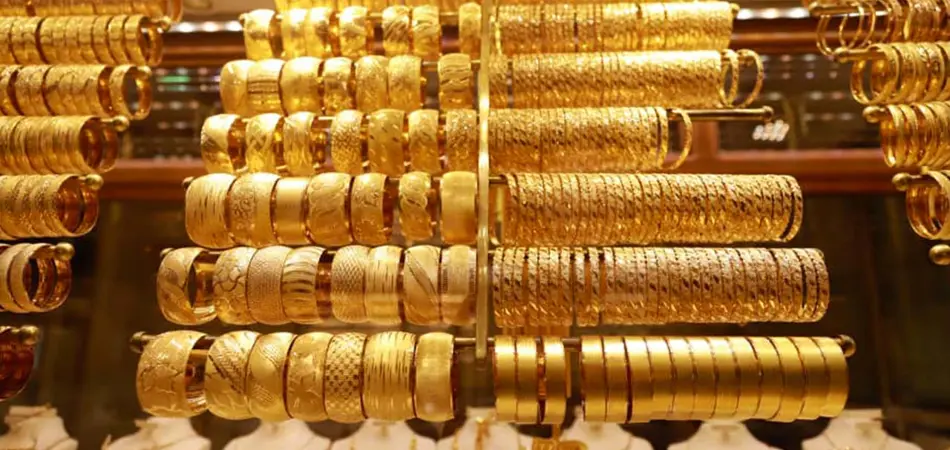
Gold price in Pakistan decreased on Thursday, with 24-karat gold being sold at Rs482,462 per tola, down Rs3,700.
Similarly, 24-karat gold per 10-gram was sold at Rs413,633 after a decline of Rs3,172, according to rates shared by the All-Pakistan Gems and Jewelers Sarafa Association (APGJSA).
The price of 22-karat gold was also quoted lower at Rs379,177 per 10-gram.
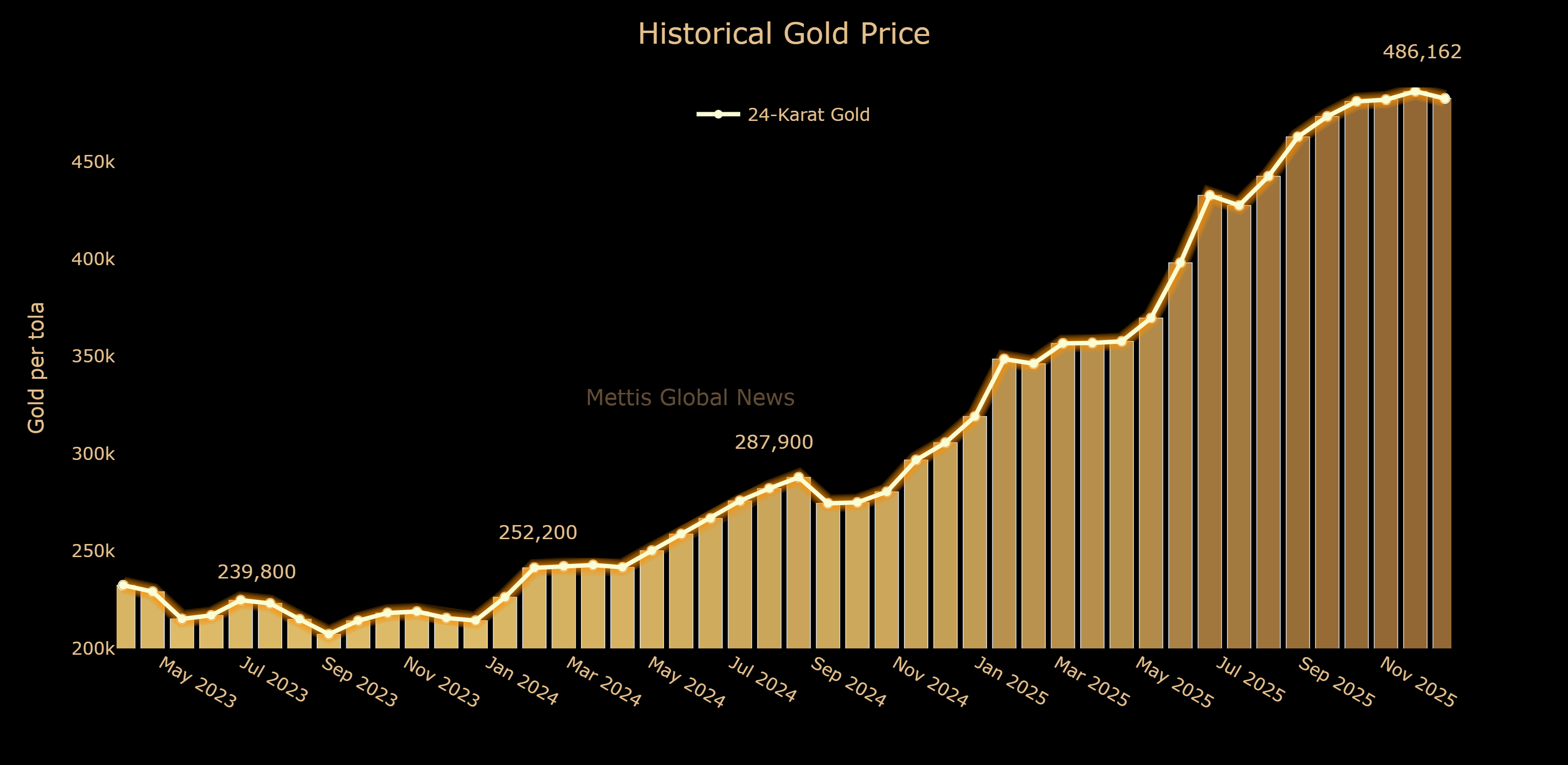
Similarly, silver prices fell in the domestic market, with 24-karat silver being sold at Rs9,425 per tola (-Rs150) and Rs8,080 per 10-gram (-Rs129).
| PKR (24-karat per tola) | Jan 15, 2026 | Jan 14, 2026 | DoD | 1 Month | FYTD | CYTD |
|---|---|---|---|---|---|---|
| Gold | 482,462 | 486,162 | -3,700 | 31,600 | 132,262 | 25,500 |
| Silver | 9,425 | 9,575 | -150 | 2,893 | 5,643 | 1,707 |
Globally, spot gold traded near $4,603 an ounce, down $11.5 or 0.25% from the previous session, as profits were locked in, the pullback came amid a softer tone from President Donald Trump on both Federal Reserve policy and tensions with Iran, which reduced demand for the safe-haven metal.
Pakistan approves printing of new currency notes, cabinet forms design committee
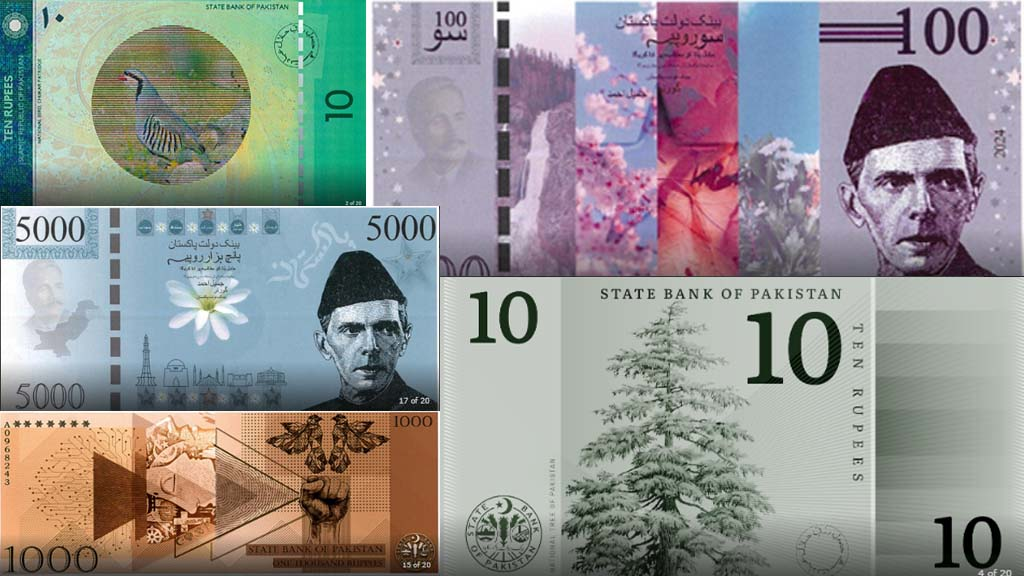
Pakistan’s federal cabinet approves printing of new currency notes with enhanced security and inclusive designs, forms a committee to finalize designs reflecting history, environment
The federal cabinet has approved the printing of new currency notes, with a committee formed to finalize their designs, officials said Wednesday.
The briefing, presented by the Ministry of Finance, highlighted that the State Bank of Pakistan is working on modern and secure designs for the notes.
Prime Minister Shehbaz Sharif chaired the cabinet meeting at the Prime Minister House, where members were informed that new Rs100, Rs500, Rs1,000, and Rs5,000 notes will be introduced.
International experts have been consulted to ensure modern standards, advanced security features, and designs reflecting Pakistan’s regional diversity, historical landmarks, women’s contributions, and environmental themes.
The cabinet also approved sending the private Haj policy draft 2027–2030 to a committee for further review and endorsed previous decisions of the Energy Cabinet Committee (December 24, 2025) and Economic Coordination Committee (December 23, 2025).
Customs seizes over Rs412m vehicles, heavy bikes

These actions are part of the ongoing drive to curb smuggling, protect the national economy and ensure compliance with customs laws.
The customs enforcement Islamabad seized smuggled NCP vehicles, heavy bikes and electronic goods worth Rs. 412.2 million.
The Collectorate of Customs Enforcement, Islamabad, has seized a large consignment of smuggled and non-duty-paid goods, including luxury vehicles, heavy bikes, and electronic items, during intelligence-based operations conducted late at night.
The total estimated value of the seized goods is Rs. 412.2 million, said a release issued here on Wednesday.
Acting on credible intelligence regarding the movement and concealment of illicit goods within Islamabad and adjoining areas, Customs Enforcement teams carried out multiple targeted operations.
These actions are part of the ongoing drive to curb smuggling, protect the national economy and ensure compliance with customs laws.
During the operations, Customs officials recovered one Rolls-Royce luxury car, nineteen (19) heavy bikes of Suzuki and Kawasaki, along with a substantial quantity of laptops and other electronic devices.
Further investigations examination confirmed that the seized items were non-duty paid and had been brought into the country in violation of applicable customs regulations.
All recovered goods were shifted to the designated Customs warehouse for detailed examination and safe custody.
The consignments have been seized under the relevant provisions of the Customs Act, 1969, and further legal proceedings have been initiated. Investigations are underway to identify those involved and to uncover the broader smuggling network.
PSX plummets amid mounting Iran tensions
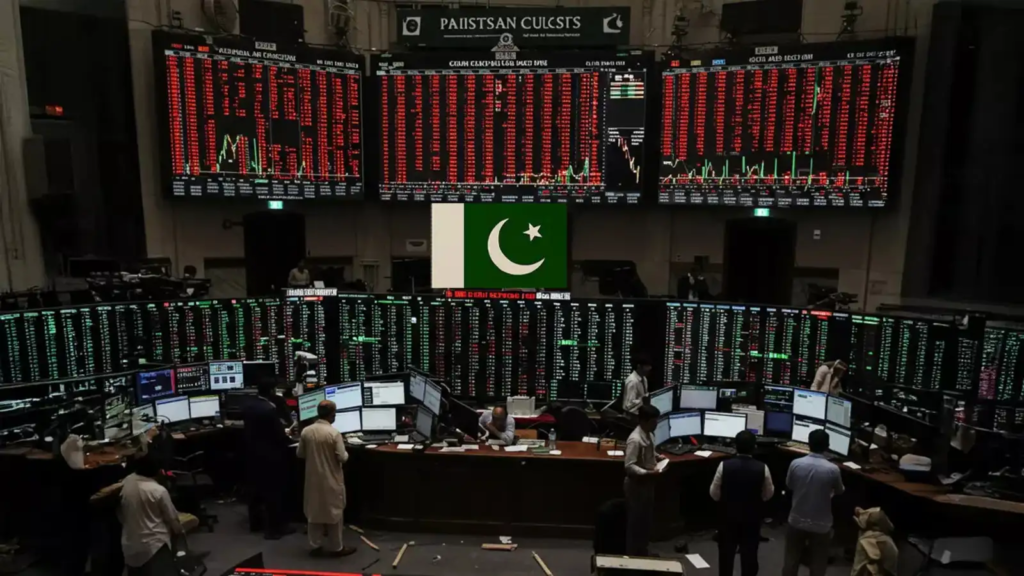
The Pakistan Stock Exchange (PSX) saw a brief rally before turning bearish, losing 69.29 points amid rising geopolitical tensions over potential US military action in Iran
The Pakistan Stock Exchange (PSX) extended losses after recorded an increase for a brief period as investors seem cautious amid rising geopolitical tensions involving Iran.
During intraday trading, the KSE-100 index touched 183,717.53 due to strong buying early sessions before it turned bearish by losing 69.29 points to 182,500.52 points compared to previous close of 182,569.81.
International officials have warned that US military intervention in Iran now appears likely and could take place within the next 24 hours amid sharply escalating tensions in the Middle East.
American, European and Israeli sources said preparations for possible action were under way as Washington began evacuating personnel from its major air base in Qatar.
Tehran has warned neighbouring countries that the military airfields would be targeted if Donald Trump orders a strike.
With Iran’s leadership trying to quash the worst domestic unrest the Islamic Republic has ever faced, Tehran is seeking to deter the US president’s repeated threats to intervene on behalf of anti-government protesters.
An American official said on Wednesday that the evacuation of Al Udeid Air Base was a precautionary move following warnings from a senior Iranian official.
Meanwhile, two European officials said military intervention now appeared likely, with one suggesting it could come within the next 24 hours.
A day earlier, the benchmark index shed 1,381.69 points, or 0.75% to close at 182,569.82, after swinging between an intraday high of 184,726.60 and a low of 182,369.87.
EU Green Deal rules put textile exports at a crossroads
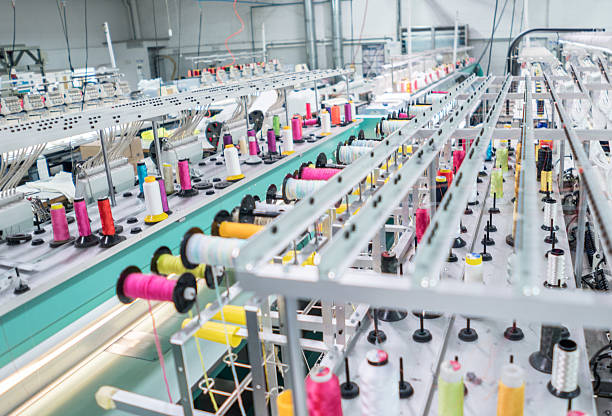
Compliance costs, CBAM, Chinese shipments put textile sector under pressure
Pakistan’s textile sector has entered 2026 at a defining juncture, with its long-standing export model facing mounting pressure from tightening global regulations, intensifying competition and domestic cost constraints. After a modest recovery in 2025 that lifted textile exports to around $17.85 billion, industry leaders now warn that the sector’s preferential access to European markets under the GSP Plus regime is increasingly at risk.
These concerns dominated discussions at the Global Procurement and Supply Chain Summit (GPS 2026), held in Karachi, where policymakers, procurement leaders and textile executives assessed the evolving global trade environment. Addressing the summit as chief guest, Shahbaz H Syed, President and CEO of EXIM Bank of Pakistan, described the current environment as a “perfect storm”, driven by rising energy costs, aggressive sustainability regulations and redirected global supply flows.
At the core of the challenge is the European Union’s Green Deal, which is reshaping procurement standards worldwide. Regulations such as the Ecodesign for Sustainable Products Regulation (ESPR) and the Carbon Border Adjustment Mechanism (CBAM) are fundamentally altering how buyers evaluate suppliers. According to GPS Advisory Board member Imran Mushtaq, procurement is undergoing a structural shift.
“Procurement is no longer just about price; it’s about provenance,” Mushtaq said. He noted that EU regulations now require detailed traceability across the supply chain, standards that most Pakistani mills currently lack at a granular level. Without credible systems to demonstrate environmental compliance and product origin, exporters risk exclusion from key European buyers, regardless of price competitiveness.
Energy economics further complicates the picture. Pakistan’s elevated grid tariffs have significantly eroded margins, forcing manufacturers to reconsider their operating models. Industry participants highlighted that on-site renewable energy solutions, such as solar and biomass, are increasingly viewed not only as sustainability measures but also as strategic tools to manage cost volatility. Similarly, the use of recycled fibres and certified cotton has shifted from being a niche preference to a baseline requirement for access to EU markets.
Adding to regulatory pressure is the growing influx of diverted Chinese textile shipments. As the United States tightens trade restrictions on China, surplus Chinese inventory is being redirected to the European Union and Middle Eastern markets at sharply discounted prices. This has intensified competition, particularly in commoditised product categories.
Syed cautioned that Pakistani exporters cannot compete solely on price against such volumes. Instead, he urged a strategic pivot towards high-compliance and value-added segments. Vertically integrated mills, those controlling the entire value chain from spinning to stitching, retain an advantage through shorter lead times, higher transparency and better alignment with buyer compliance requirements. Crucially, strict adherence to the EU’s Rules of Origin allows Pakistani exporters to legitimately benefit from GSP Plus duty-free access, an option unavailable to diverted Chinese goods.
Technology adoption emerged as a recurring theme at the summit, particularly the role of artificial intelligence and digital traceability in procurement. Altaf Gul Muhammad, Chief Supply Chain and Operations Officer at Yunus Textile Mills, emphasised the need for stronger coordination across industry, regulators and technology providers.
He stressed that evolving procurement practices require practical alignment rather than fragmented initiatives. As part of this transition, Muhammad highlighted Digital Product Passports (DPPs) as a critical next step. “Mills must adopt blockchain-based or centralised ERP systems that can track a garment’s journey from seed to shelf,” he said, adding that such systems are rapidly becoming essential for credibility with international buyers.
Early adopters within Pakistan’s textile clusters are already reporting tangible benefits. AI-driven demand forecasting has helped leading mills reduce excess inventory by 15-20%, while automated vendor selection and predictive pricing have shortened procurement cycles by up to two weeks. In energy-intensive operations such as spinning, AI-enabled monitoring has delivered efficiency gains of 5-8% by optimising motor loads and humidity controls.
Despite these operational improvements, the most significant medium-term risk remains CBAM. Although currently applied to carbon-intensive sectors such as cement and steel, EU policymakers have signalled plans to extend CBAM to textiles by 2027. Once implemented, CBAM would effectively impose a carbon cost at the EU border, penalising exporters from countries with carbon-intensive production or weak emissions accounting.
For Pakistan, this could prove decisive. Industry estimates suggest that CBAM-related levies could offset the 10-12% price advantage provided by GSP Plus, effectively neutralising the benefit of preferential access.
OMO Result: SBP injects Rs358.5bn into market
The State Bank of Pakistan (SBP) conducted a reverse repo and Shariah Compliant Modarabah based Open Market Operation (OMO) today, in which it cumulatively injected a total of Rs358.5billion into the market of which Rs203.5bn were injected through reverse repo OMO.
| Summary of OMO Result (Conventional) | |||||||
| Amount (Rs in Million) | Rate (%) | Quotes | |||||
| Tenor | Type | Offered | Accepted | High – Low | Accepted | Offered | Accepted |
| 8D | Reverse Repo (Injection) | 203,500 | 203,500 | 10.54-10.51 | 10.51 | 08 | 08 |
| Total | 203,500 | 203,500 | |||||
Meanwhile, the remaining Rs155bn was injected through Shariah-compliant Modarabah-based OMO.
| Summary of OMO Result (Shariah) | |||||||
| Amount (Rs in Million) | Rate (%) | Quotes | |||||
| Tenor | Type | Offered | Accepted | High – Low | Accepted | Offered | Accepted |
| 8D | Reverse Repo (Injection) | 155,000 | 155,000 | 10.56-10.55 | 10.55 | 02 | 02 |
| Total | 155,000 | 155,000 | |||||
Explanatory Note
Open Market Operation is a tool used by SBP to inject or mop up funds from the banking system, based on liquidity requirements, via the purchase or sale of eligible securities.
Operationally, in case of OMO (Injections), SBP lends funds to banks/Primary Dealers (PDs) against eligible collateral to address liquidity shortage in the system.
For OMO (Injections), marketable government securities, i.e. Market Treasury Bills (MTBs) and Pakistan Investment Bonds (PIBs) are eligible securities.
In OMO (Mop-up), SBP sells MTBs to banks in exchange for funds to remove surplus liquidity from the system.
Eligible collateral for OMO (Mop-up) includes selling MTBs (on repo or outright basis) to banks for removing excess liquidity from the system.
In case of Bai-Muajjal, a Shariah compliant tool for managing liquidity in the Islamic banking system, GOP Ijara Sukuk are eligible securities.
Banks and PDs are eligible counterparties to OMO transactions. For Bai Muajjal transactions, Islamic banks and specialized Islamic windows of conventional banks are eligible counterparties.
Gold retreats on easing Iran concerns
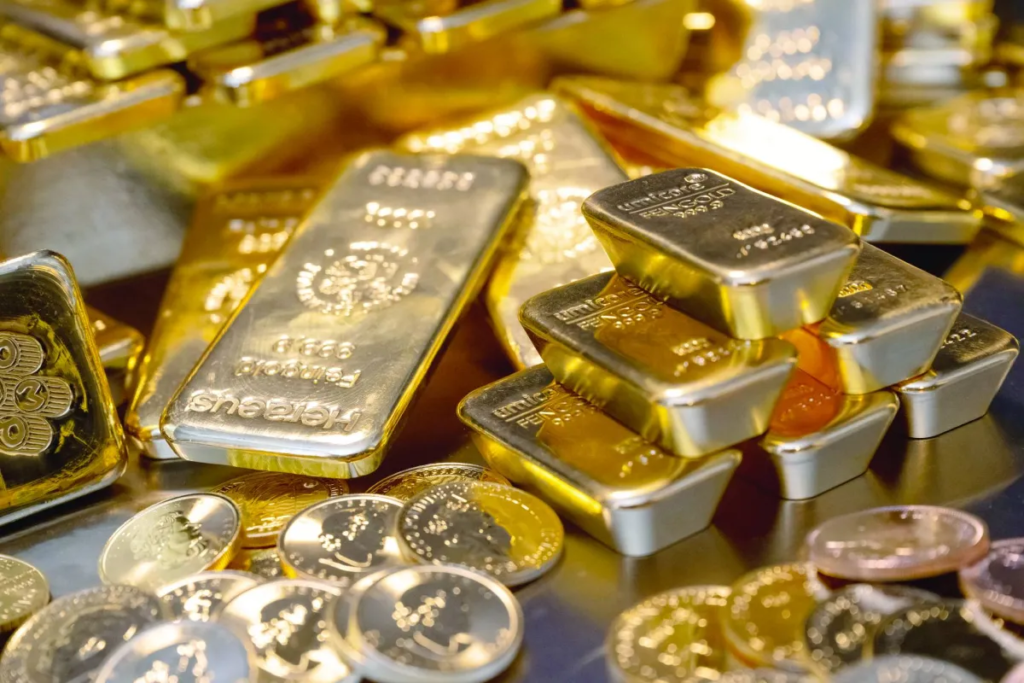
Gold retreated from record highs as profits were locked in, the pullback came amid a softer tone from President Donald Trump on both Federal Reserve policy and tensions with Iran, which reduced demand for the safe-haven metal.
Currently after the retreat, gold has recovered , Spot gold is up 0.35% at $4,608.92 an ounce as of [12:17 pm] PST, according to data reported by Mettis Global.
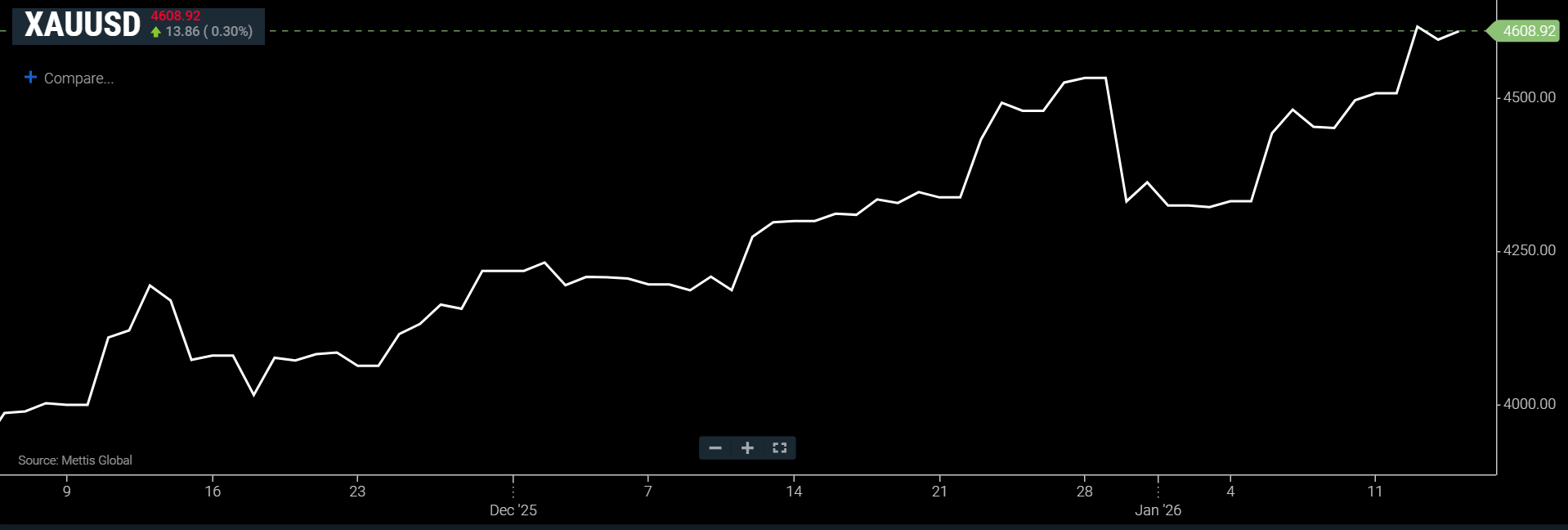
February U.S. gold futures dropped 1% to $4,587.70.
“Gold is easing today after Trump suggested a military strike in Iran may not happen immediately, which took some steam out of short-term safe-haven demand,” said Ilya Spivak, head of global macro at Tastylive, CNBC reported.
Iran is grappling with its worst domestic unrest since the 1979 revolution, meanwhile, Trump, signaled a wait-and-see approach toward the situation.
Trump also said he has no immediate plans to remove Federal Reserve Chair Jerome Powell, despite a Justice Department criminal inquiry, noting that it was “too early” to decide.
Low interest rates and global uncertainty generally boost demand for non-yielding assets like gold.
Other precious metals retreated sharply: silver slid 5.6% to $87.46 per ounce after a record $93.57, platinum fell 4.3% to $2,282.90 following a $2,478.50 peak on December 29, and palladium dropped 3.3% to $1,766.25, near a one-week low.
ESG Sukuk set to hit $70bn by end 2026
The global ESG sukuk market is on track to surpass $70 billion by the end of 2026, driven by strong demand in emerging markets (EMs).
ESG sukuk accounted for roughly 40% of EM ESG debt issuance in US dollars in 2025, up from 18% in 2024, highlighting the rapid adoption of sustainable finance instruments across the region, according to a new report by Fitch Ratings.
Saudi Arabia, Malaysia, UAE, and Indonesia lead issuance as ESG sukuk continue to attract global investors.
Alignment with ICMA principles and increased dollar-denominated issuance are expected to broaden participation from institutional investors. Despite growth, the market remains fragmented, with issuance largely concentrated in the four key markets.
“ESG sukuk momentum is expected to continue in 2026, supported by sustainability mandates, net-zero targets, new frameworks, robust investor demand, and the upcoming COP31 in Turkiye,” said Bashar Al Natoor, Fitch’s Global Head of Islamic Finance.
He noted that geopolitical tensions, evolving Sharia and ESG requirements, and greenwashing risks remain key challenges, but the market’s credit profile is strong: 92% of rated ESG sukuk are investment grade, all with Stable Outlooks, and there have been no defaults to date.
Global ESG sukuk issuance surged over 60% to $18.5bn in 2025, with Saudi Arabia contributing 33%, Malaysia 28%, the UAE 19%, and Indonesia 9%.
Total outstanding ESG sukuk reached $58bn by the end of 2025, of which 66% were dollar-denominated, marking a 30% increase from 2024.
The majority of ESG sukuk are labeled ‘sustainability’ or ‘green’, while social, sustainability-linked, orange, and climate sukuk are emerging in the market.
Notable developments include Pakistan issuing its first sovereign green sukuk and Oman Electricity Transmission Company SAOC launching Oman’s first ESG sukuk with a BB+ rating.
Policy support is strengthening market growth. Malaysia introduced tax exemptions for Sustainable and Responsible Investment sukuk, Saudi Arabia’s Capital Market Authority rolled out ESG debt guidelines.
Qatar’s central bank launched a Sustainable Finance Framework, and the UAE central bank is developing a Sustainable Islamic M-Bills programme.
With strong issuance momentum, increasing regulatory support, and growing investor appetite, the ESG sukuk market is poised for significant growth across emerging economies, making sustainable Islamic finance a key pillar of the global debt market.
One year deadline set for Karachi Chaman highway
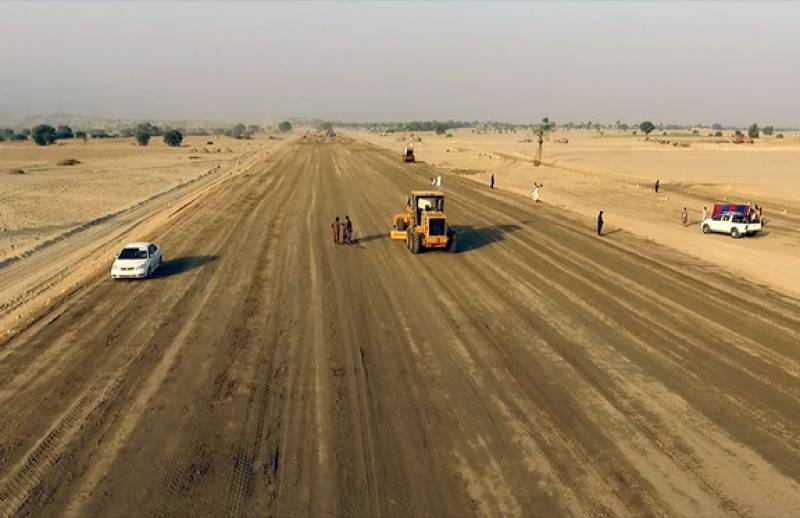
Work on the long-awaited Karachi Chaman highway has formally begun, with the federal government setting a one year completion target instead of the originally planned two years.
Efforts intensify to upgrade one of the country’s most accident-prone routes.
Addressing federal cabinet members, Prime Minister Muhammad Shehbaz Sharif said he recently visited Quetta, where the foundation stone of the nearly 850-kilometre highway was laid.
Commonly referred to as a “bloody road” due to frequent fatal accidents, the highway will be reconstructed at an estimated cost of around Rs400 billion, fully financed by the federal government.
The prime minister said the Ministry of Communications had initially proposed a two-year timeline, but directions were issued to ensure completion within a year, as reported by APP.
He explained that savings generated from a previous decision to keep domestic petroleum prices unchanged during a sharp decline in global oil prices are now being utilised to convert the dangerous route into a pathway for economic growth and regional connectivity.
He also highlighted the completion of a Rs75 billion agricultural support package for farmers, including Rs50 billion provided by the federal government.
The initiative, he said, addressed the long-standing problem of electricity theft by shifting agricultural irrigation to solar power, enabling farmers to irrigate their land independently and sustain agricultural activity.
Progress on education initiatives was also shared, with construction of Daanish schools already underway in the province and contractors mobilised during the current month.
Five schools had earlier been approved, while two additional institutions were announced during the recent visit, bringing the total to seven. All seven Daanish schools are expected to be completed by the end of this year.
Under the prime minister’s education programmes, up to 100,000 laptops are being distributed across the country, while thousands of scholarships are being awarded to deserving male and female students to support higher education and skills development.
Referring to the broader economic outlook, the prime minister expressed satisfaction over improving stability and said further development measures would be taken to support growth and long-term prosperity in Pakistan.
He thanked stakeholders for their continued cooperation and confidence in government policies.
During a later exchange of views on political and security matters, he said that following the success of Marka-e-Haq, international demand for Pakistan’s defence equipment has increased, with several countries now engaged in talks to acquire locally manufactured military hardware.
He also paid tribute to the armed forces and law enforcement agencies for their sustained efforts and sacrifices in the fight against terrorism.
Oil retreats on reduced geopolitical risk

Oil markets dropped sharply in early Asian trade on Thursday as comments from U.S. President Donald Trump eased fears of military conflict in the Middle East.
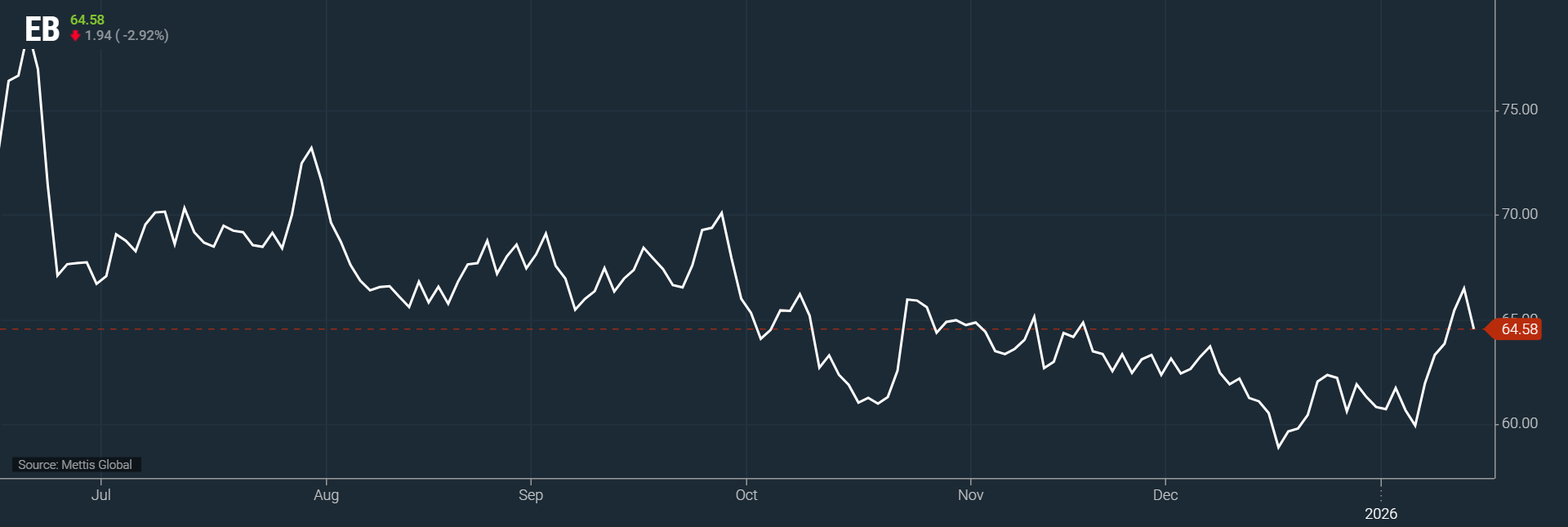
Brent crude futures went down by $1.94, or 2.92%, to $64.58 per barrel, according to data by Mettis Global.
West Texas Intermediate (WTI) crude futures decreased by $1.83, or 2.95%, to $60.19 per barrel by [11:45 am] PST.
Trump showed that violence against protesters in Iran had started to subside and said there were no plans for mass executions, calming investors who had been concerned about potential U.S. intervention.
The remarks reduced geopolitical risk premiums that had previously supported higher oil prices.
Market watchers also pointed to rising U.S. crude and gasoline inventories as a bearish factor.
Data from the Energy Information Administration showed crude stocks increased by 3.4m barrels last week.
Further weighing on prices, Venezuela began reversing production cuts imposed under previous U.S. sanctions, allowing crude exports to resume.
Despite these supply-side pressures, demand signals remained mixed: China’s crude imports surged 17% year-on-year in December, pushing total 2025 imports up 4.4%, and daily import volumes reached record highs.
Experts project WTI crude will trade between $55 and $65 in the near term, as lingering geopolitical tensions are balanced by rising inventories and increased production from key suppliers.
CAT slashes fines on Unilever, Friesland for misleading ice cream ads

The Competition Appellate Tribunal (CAT) has upheld the Competition Commission of Pakistan’s (CCP) finding that Unilever Pakistan and Friesland Campina Engro misled consumers by marketing frozen desserts as ice cream, while reducing the financial penalties imposed on the companies.
The CAT cut the fines from Rs75m to Rs15m for each company. In addition, Unilever Pakistan’s penalty for claiming its frozen dessert was healthier than dairy ice cream was reduced from Rs20m to Rs5m.
The tribunal emphasized that the reduction in penalties does not condone the violation but reflects a proportional exercise of appellate discretion considering mitigating circumstances.
The CCP had initiated proceedings following a complaint by Pakistan Fruit Juice Company Private Limited, the maker of Hico ice cream, according to the press release.
The complaint alleged that Unilever and Friesland Campina Engro engaged in deceptive advertising by presenting frozen desserts as ice cream in television and social media campaigns.
During its inquiry, the CCP issued show cause notices to both companies, which market frozen desserts under the brand names Walls and Omore.
The Commission relied on standards set by the Pakistan Standards and Quality Control Authority and the Punjab Pure Food Regulations 2018, which differentiate ice cream from frozen desserts.
Ice cream is defined as a product made from milk, cream, or other dairy ingredients, whereas frozen desserts can include pasteurized mixes containing milk products and edible vegetable oils.
The CCP had directed the companies to stop advertising frozen desserts as ice cream which prohibits false and misleading information that can affect consumer choice.
The case has implications for Pakistan’s consumer protection framework and the frozen dessert market, signaling stricter regulatory scrutiny on product labeling and advertising practices in the food industry.
PSX invites bids for 3 million shares of ISE Towers REIT Management Company
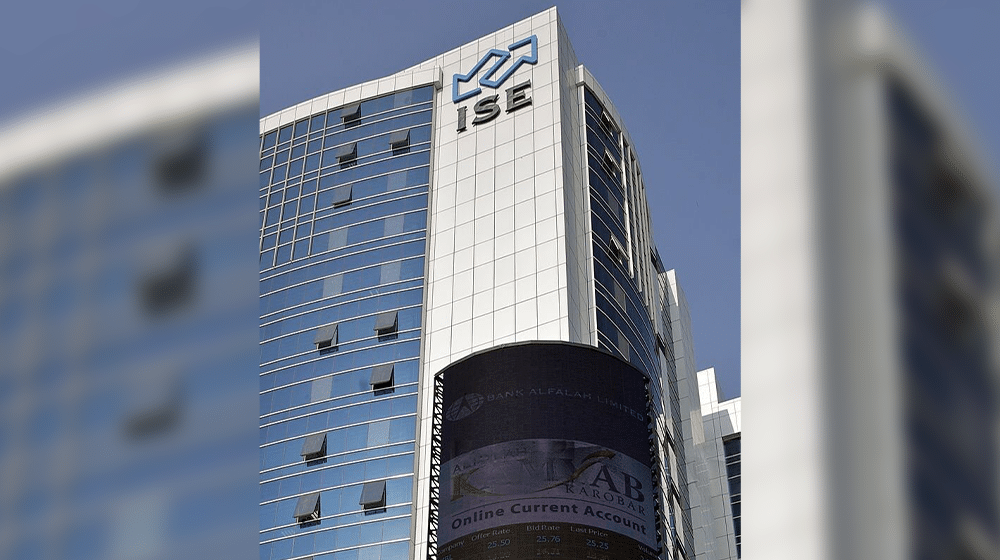
Pakistan Stock Exchange (PSX) is inviting bids from companies, institutions, and banks for the purchase of 3,034,603 shares of ISE Towers REIT Management Company Limited (ISE REIT).
These shares were pledged with PSX under the Base Minimum Capital (BMC) requirements by a forfeited TRE Certificate Holder.
Proceeds from the sale will be used to settle approved registered claims against the forfeited TRE Certificate Holder.
As of June 30, 2025, the shares have a break-up value of Rs22.56 per share.
Prospective buyers must meet the shareholding criteria prescribed for Depository and Clearing Companies under the Central Depositories (Licensing and Operations) Regulations, 2016, and Clearing Houses (Licensing and Operations) Regulations, 2016., according to a notice issued by the exchange.
Eligible shareholders include securities exchanges or connected companies, development finance institutions, insurance companies, non-banking finance companies, banks, and corporates providing trading, custodial, clearing, or settlement services in the securities market.
Bids must be submitted in sealed envelopes marked “BIDS FOR PURCHASE OF ISE TOWERS REIT MANAGEMENT COMPANY LIMITED SHARES” and addressed to the Chief Regulatory Officer of PSX.
The deadline for submission is seven business days from the notice, i.e., January 8, 2026.
Each bid should include a Payment Order or Bank Draft of 10% of the total bid value as earnest money.
The successful bidder will be required to pay the remaining amount within seven business days of demand, otherwise, the earnest money will be forfeited, and the bid will be cancelled.
PSX reserves the right to reject any or all bids without assigning any reason.
All applicable charges, taxes, stamp duties, and other expenses related to the sale and transfer of shares will be borne by the successful bidder.
CCP flags rising concerns in rapidly expanding digital economy
The Competition Commission of Pakistan (CCP) has highlighted the growing competition challenges arising from the rapid expansion of digital platforms, big data, and algorithm-driven business models.
It also stressed the need for strong and effective enforcement to ensure fair competition and innovation in digital markets.
These issues were discussed during a lecture titled “Competition Concerns in the Digital Economy” hosted by CCP under its ongoing Lecture Series on Competition Law, according to a press release issued.
The lecture was delivered by Dr. Amber Darr, Lecturer in Competition Law at the University of Manchester, UK, and External Expert at CCP’s Centre of Excellence in Competition Law (CECL).
Dr. Darr examined how the increasing role of digital platforms, network effects, and data-driven strategies is transforming market dynamics.
She explained key characteristics of digital markets, including increasing returns to scale, market tipping, data-driven market power, and the risks of algorithmic collusion.
The lecture also addressed the challenges faced by competition authorities in defining relevant markets and assessing dominance in zero-price and innovation-led environments.
Referring to landmark European Union cases involving major technology companies such as Google, Apple, and Amazon, Dr. Darr highlighted issues related to abuse of dominance, tying and bundling practices, unfair trading conditions, and the evolving approach to vertical agreements in digital markets.
She further placed Pakistan’s digital economy in a regional and global context, emphasizing the importance of effective competition enforcement for fostering fair and innovative markets.
The session was attended by CCP officers ranging from Management Executives to Director Generals, who actively engaged in discussions on regulatory and enforcement challenges.
The interactive exchange reflected CCP’s continued commitment to capacity building and strengthening competition law enforcement in response to the rapidly evolving digital economy.
Pakistan signs MoU with US fintech for digital payments
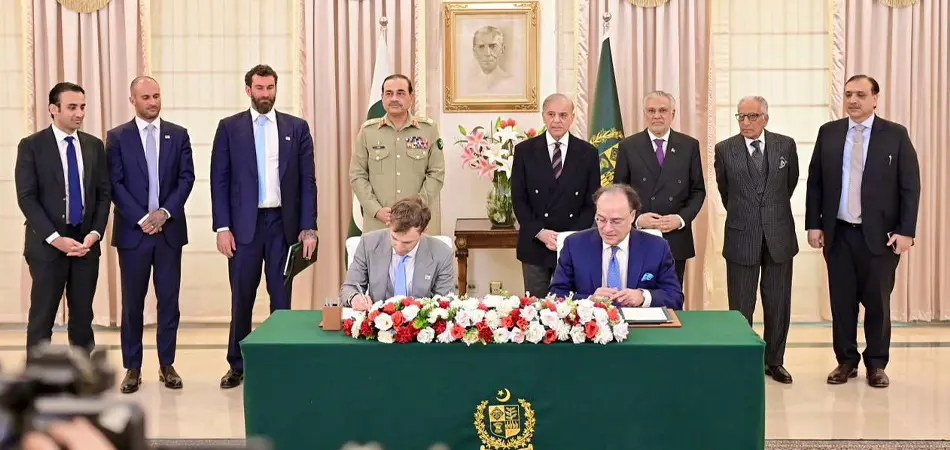
Pakistan has signed a memorandum of understanding with World Liberty Financial’s affiliated entity, SC Financial Technologies LLC, to develop frameworks for digital payments and cross-border transaction infrastructure.
The government seeks to integrate the country more deeply into global digital finance systems.
The MoU was signed during a meeting between Prime Minister Muhammad Shehbaz Sharif and a US-based delegation of World Liberty Financial led by its Chief Executive Officer Zachary Witkoff, according to the press release.
The agreement focuses on structured dialogue and technical cooperation around emerging digital payment architectures, including cross-border settlement and foreign exchange processes.
Finance Minister Muhammad Aurangzeb signed the MoU on behalf of Pakistan, while Zachary Witkoff represented World Liberty Financial.
The signing was witnessed by the prime minister and Chief of Defence Forces and Chief of the Army Staff Field Marshal Syed Asim Munir.
Deputy Prime Minister Mohammad Ishaq Dar, SAPM Syed Tariq Fatemi and Pakistan Virtual Assets Regulatory Authority Chairman Bilal Bin Saqib were also present.
During the meeting, the prime minister outlined the government’s digital economy agenda, highlighting the rapid growth of digital payments and financial innovation as key components of Pakistan’s economic expansion.
He noted that increasing international engagement reflects rising interest in Pakistan’s digital financial markets and regulatory framework.
World Liberty Financial expressed interest in working with Pakistan on secure and transparent digital payment systems, with a particular focus on cross-border finance solutions.
The company cited Pakistan’s policy environment as supportive of innovation in digital finance.
The agreement came as Pakistan works to modernize its payments ecosystem, expand digital financial inclusion, and attract foreign investment into fintech and virtual asset-related infrastructure.
PSX Closing Bell: Bears Back in Business

The benchmark KSE-100 Index concluded Wednesday’s trading session at 182,569.81, showing a decrease of 1,381.69 points or 0.75%.
The index traded in a range of 2,356.74 points showing an intraday high of 184,726.60 (+775.10) and a low of 182,369.86 (-1,581.64) points.
The total volume of the KSE-100 Index was 444.26 million shares.
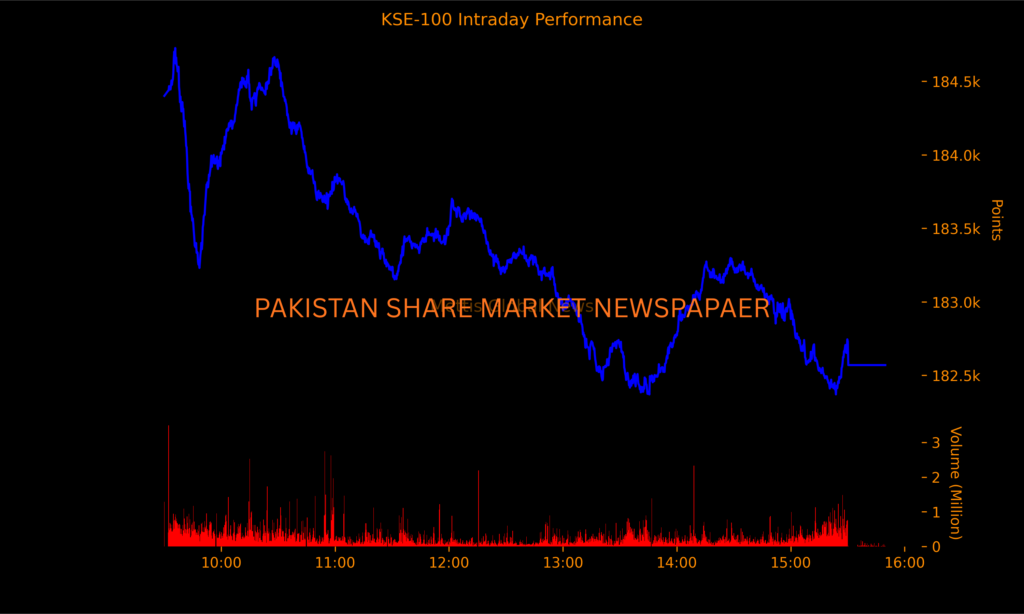
Of the 100 index companies 19 closed up, 81 closed down, while 0 were unchanged.
Top losers during the day were PTC (-5.61%), IBFL (-4.81%), YOUW (-4.38%), KOHC (-3.28%), and SHFA (-2.89%).
On the other hand, top gainers were LOTCHEM (+5.16%), ATLH (+3.92%), AKBL (+3.25%), OGDC (+2.94%), and PPL (+2.13%).

In terms of index-point contributions, companies that dragged the index lower were UBL (-300.35pts), MCB (-169.54pts), FFC (-164.04pts), LUCK (-151.06pts), and HUBC (-112.27pts).
Meanwhile, companies that added points to the index were OGDC (+190.53pts), PPL (+116.50pts), AKBL (+55.83pts), MEBL (+38.95pts), and ATLH (+26.69pts).
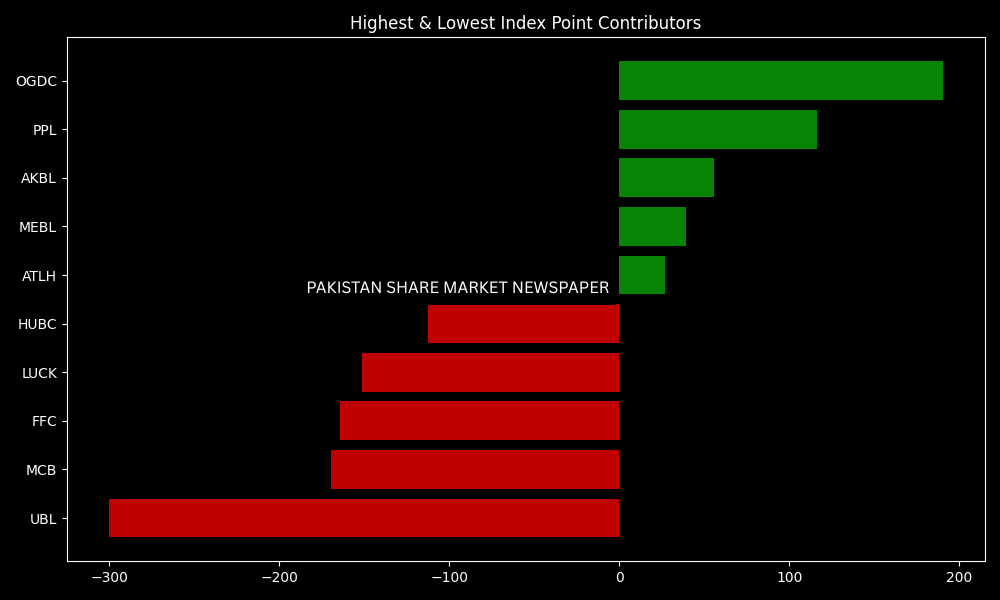
Sector-wise, KSE-100 Index was let down by Commercial Banks (-576.59pts), Cement (-246.90pts), Fertilizer (-197.30pts), Technology & Communication (-148.75pts), and Power Generation & Distribution (-126.41pts).
While the index was supported by Oil & Gas Exploration Companies (+290.83pts), Chemical (+14.11pts), Cable & Electrical Goods (+12.81pts), Refinery (+7.12pts), and Transport (+4.38pts).
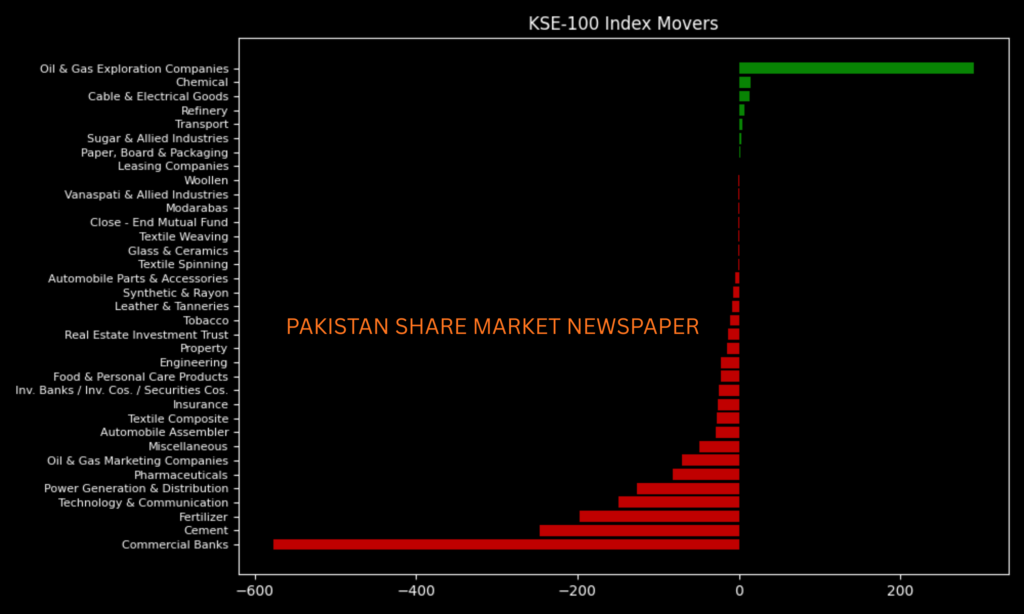
In the broader market, the All-Share Index closed at 109,674.47 with a net loss of 729.71 points or 0.66%.
Total market volume was 1,034.12 million shares compared to 1,037.26m from the previous session while traded value was recorded at Rs65.96 billion showing an increase of Rs3.26bn.
There were 509,331 trades reported in 483 companies with 90 closing up, 352 closing down, and 41 remaining unchanged.
| Symbol | Price | Change % | Volume |
|---|---|---|---|
| KEL | 6.33 | -0.31% | 56,267,055 |
| WTL | 1.74 | -3.87% | 55,670,699 |
| PIBTL | 20.25 | 0.90% | 47,523,993 |
| PACE | 16.44 | -9.97% | 45,362,656 |
| NPL | 96.5 | 7.92% | 42,605,091 |
| NCPL | 70.22 | 9.99% | 36,653,824 |
| LOTCHEM | 31.57 | 5.16% | 36,186,124 |
| BOP | 41.55 | -0.24% | 32,904,724 |
| PAEL | 63.04 | 1.19% | 26,691,881 |
| MDTL | 7.37 | -11.42% | 25,739,287 |
To note, the KSE-100 has gained 56,942 points or 45.33% during the fiscal year, whereas it has increased 8,515 points or 4.89% so far this calendar year.
Pakistan needs around $566bn to meet climate targets by 2035
Pakistan will require an estimated $565.7 billion in investment by 2035 to meet its updated climate commitments under Nationally Determined Contributions (NDC) 3.0.
The estimate showed the scale of financing needed to cut greenhouse gas emissions, expand renewable energy, and strengthen climate resilience in one of the world’s most climate-vulnerable countries.
The figures were shared during a session hosted by the Overseas Investors Chamber of Commerce and Industry (OICCI), as per press release issued.
The discussion focused on how the Pakistan Green Taxonomy (PGT) and enhanced ESG disclosure frameworks can help channel domestic and foreign capital toward climate-aligned projects.
The session was held against the backdrop of the Securities and Exchange Commission of Pakistan (SECP) aligning its revised ESG Disclosure Guidelines with the Pakistan Green Taxonomy.
The alignment is aimed at improving sustainability reporting and investor transparency across listed companies.
Under NDC 3.0, Pakistan has committed to a 17% unconditional and 33% conditional reduction in greenhouse gas emissions, a 30% increase in electric vehicle adoption, and a transition to 60% renewable energy in the national energy mix.
Achieving these targets will depend largely on access to green finance, concessional funding, and private sector participation.
The Pakistan Green Taxonomy, introduced by the State Bank of Pakistan in 2024, provides a classification framework to identify economic activities that contribute to environmental objectives.
These include climate mitigation, sustainable water use, ecosystem protection, pollution control, circular economy practices, and land management.
The taxonomy is intended to guide banks, investors, and corporates in aligning financing decisions with climate goals.
Alongside this, the ESG Disclosure Guidelines set standardized metrics for financial and non-financial reporting.
While currently voluntary, the framework is expected to transition toward mandatory compliance between 2029 and 2031, increasing reporting requirements for listed companies and improving comparability for investors.
The alignment with the green taxonomy and credible ESG reporting could improve Pakistan’s access to international climate finance, lower funding costs for compliant firms, and enhance investor confidence at a time when global capital is increasingly tied to sustainability criteria.
The discussion also covered technical aspects of taxonomy alignment, including substantial contribution thresholds, do-no-significant-harm principles, and minimum social safeguards, as well as reporting standards such as GRI, ISSB, and TCFD.
These frameworks are seen as critical for ensuring consistency, reducing greenwashing risks, and positioning Pakistan’s corporate sector within global sustainable finance markets.
For Pakistan’s capital markets and banking sector, the $565.7bn figure highlights both a major financing gap and a potential opportunity, as climate-linked investment becomes an increasingly important driver of long-term economic and market growth.
PKR rises by 3 paisa against USD
The Pakistani rupee (PKR) gained by 2.83 paisa against the US dollar in Wednesday’s interbank session to settle the trade at PKR 279.97 per USD, compared to previous closing of 280.
Throughout the day, the currency saw an intraday high (bid) of 280.3 and a low (ask) of 281.05.
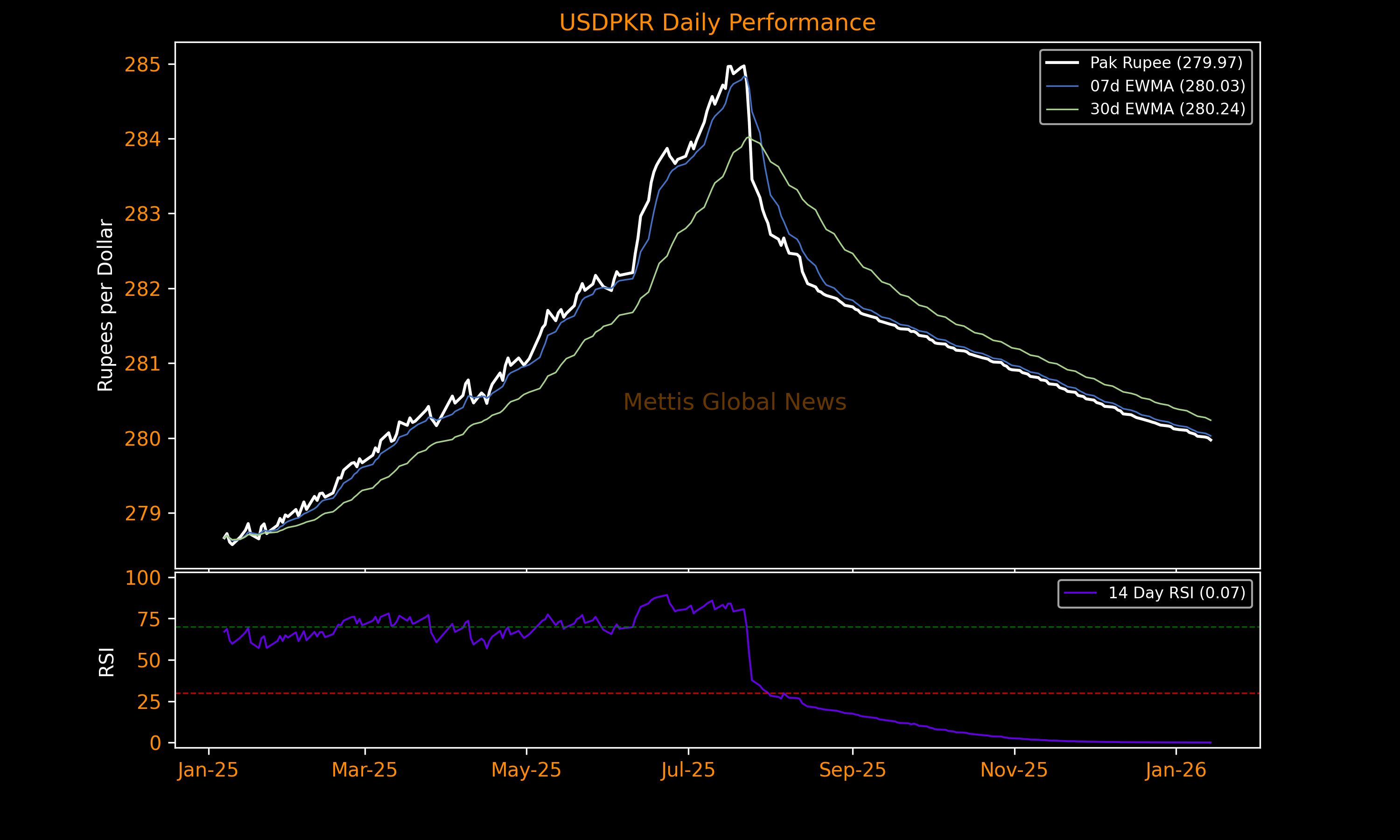
In the open market, exchange companies quoted the dollar at 280.80 for buying and 281.05 for selling.
In comparison to major currencies, PKR increased 55.09 paisa or 0.17% against the Euro, closing at 325.97 compared to the previous value of 326.52.
Against the British Pound, PKR strengthened by 68.21 paisa or 0.18% to 376.31 compared to 376.99 a day ago.
The local unit rose 1.87 rupees or 0.53% against Swiss franc to close at 349.20.
Against the Japanese Yen, PKR’s value rose 0.12 paisa or 0.07% to close the session at 1.7602 versus 1.7614 a day ago.
Pakistani Rupee decreased 1.78 paisa or 0.04% against Chinese Yuan to close at 40.15 from 40.13.
The local currency appreciated by 0.96 paisa or 0.01% against Saudi Riyal to 74.65. While it gained by 0.77 paisa or 0.01% against the U.A.E Dirham to close at 76.22.
During the current fiscal year, PKR has strengthened against the US Dollar by 3.79 rupees or 1.35%. While it has strengthened 14.96 paisa or 0.05% so far this calendar year.In the Money Market, the benchmark 6 Month Karachi Interbank Bid and Offer rates unchanged by 0bps to 10.11% and 10.36%.
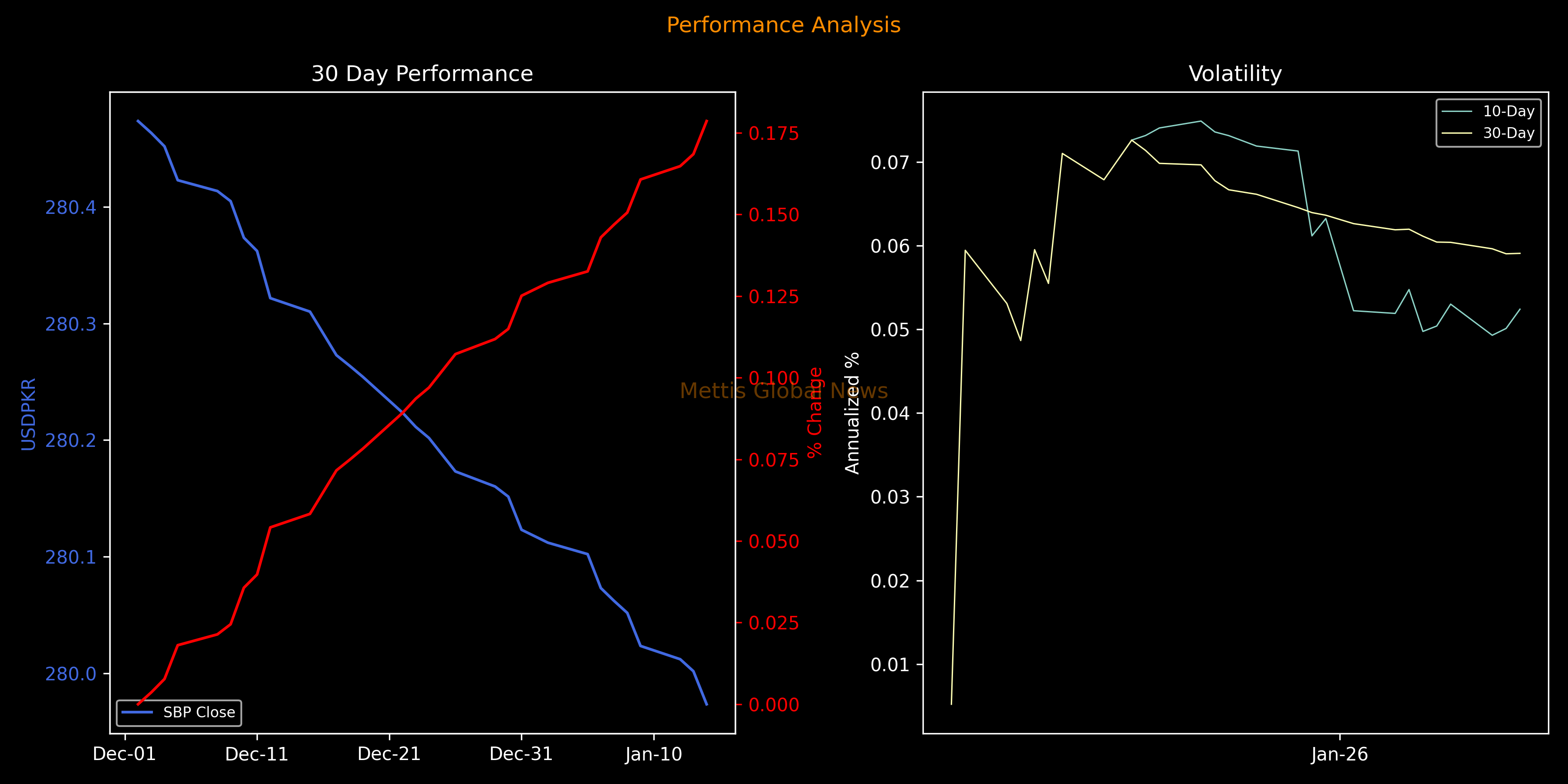
Performance Summary
| Currency | Jan 14, 2026 | Jan 13, 2026 | 1D | 7D | 1M | FYTD | CYTD | |||||
|---|---|---|---|---|---|---|---|---|---|---|---|---|
| USD | 279.9735 | 280.0018 | 0.0283 | 0.01% | 0.0886 | 0.03% | 0.3482 | 0.12% | 3.7910 | 1.35% | 0.1496 | 0.05% |
| EUR | 325.9732 | 326.5241 | 0.5509 | 0.17% | 1.1954 | 0.37% | 3.1104 | 0.95% | 6.6839 | 2.05% | 2.8773 | 0.88% |
| GBP | 376.3124 | 376.9945 | 0.6821 | 0.18% | 1.4914 | 0.40% | -1.1158 | -0.30% | 12.5442 | 3.33% | 0.8594 | 0.23% |
| CHF | 349.2030 | 351.0775 | 1.8745 | 0.54% | 2.4792 | 0.71% | 3.6026 | 1.03% | 6.1244 | 1.75% | 4.0196 | 1.15% |
| JPY | 1.7602 | 1.7614 | 0.0012 | 0.07% | 0.0294 | 1.67% | 0.0403 | 2.29% | 0.2098 | 11.92% | 0.0290 | 1.65% |
| SAR | 74.6536 | 74.6632 | 0.0096 | 0.01% | 0.0247 | 0.03% | 0.0461 | 0.06% | 1.0068 | 1.35% | 0.0409 | 0.05% |
| AED | 76.2248 | 76.2325 | 0.0077 | 0.01% | 0.0241 | 0.03% | 0.1031 | 0.14% | 1.0426 | 1.37% | 0.0511 | 0.07% |
| CNY | 40.1525 | 40.1347 | -0.0178 | -0.04% | -0.0875 | -0.22% | -0.4207 | -1.05% | -0.5491 | -1.37% | -0.0797 | -0.20% |
52 Week Performance
| Currency | High | Low | Trading Band | % Since High | % Since Low | High Date | Low Date | Days Since High | Days Since Low |
|---|---|---|---|---|---|---|---|---|---|
| USD | 278.6523 | 284.9710 | 6.3187 | -0.47% | 1.78% | 20-Jan-25 | 22-Jul-25 | 359 | 176 |
| EUR | 285.0438 | 335.1574 | 50.1136 | -12.56% | 2.82% | 03-Feb-25 | 03-Jul-25 | 345 | 195 |
| GBP | 339.8470 | 390.0418 | 50.1948 | -9.69% | 3.65% | 17-Jan-25 | 26-Jun-25 | 362 | 202 |
| CHF | 303.4906 | 359.7698 | 56.2792 | -13.09% | 3.03% | 03-Feb-25 | 23-Jul-25 | 345 | 175 |
| JPY | 1.7602 | 1.9999 | 0.2397 | 0.00% | 13.62% | 14-Jan-26 | 22-Apr-25 | 0 | 267 |
| SAR | 74.2507 | 75.9801 | 1.7294 | -0.54% | 1.78% | 14-Jan-25 | 16-Jul-25 | 365 | 182 |
| AED | 75.8661 | 77.5864 | 1.7203 | -0.47% | 1.79% | 20-Jan-25 | 22-Jul-25 | 359 | 176 |
| CNY | 38.0199 | 40.1525 | 2.1326 | -5.31% | 0.00% | 14-Jan-25 | 14-Jan-26 | 365 | 0 |
RDA attracts $213m in December
Total inflows into Roshan Digital Accounts (RDA) during December, 2025 stood at $213 million, bringing the total cumulative inflows into RDA to $11,707m.
Compared to the previous month’s inflow of $181m, December showed an increase of $32m.
_20260114100834867_364be7.jpeg)
However, according to data released by the SBP, amount repatriated and locally utilized during the month was $170m showing that the Net Repatriable Liability of RDA increased by $43m in December.
Amount repatriated during the month was $25m while $143m was utilized locally.
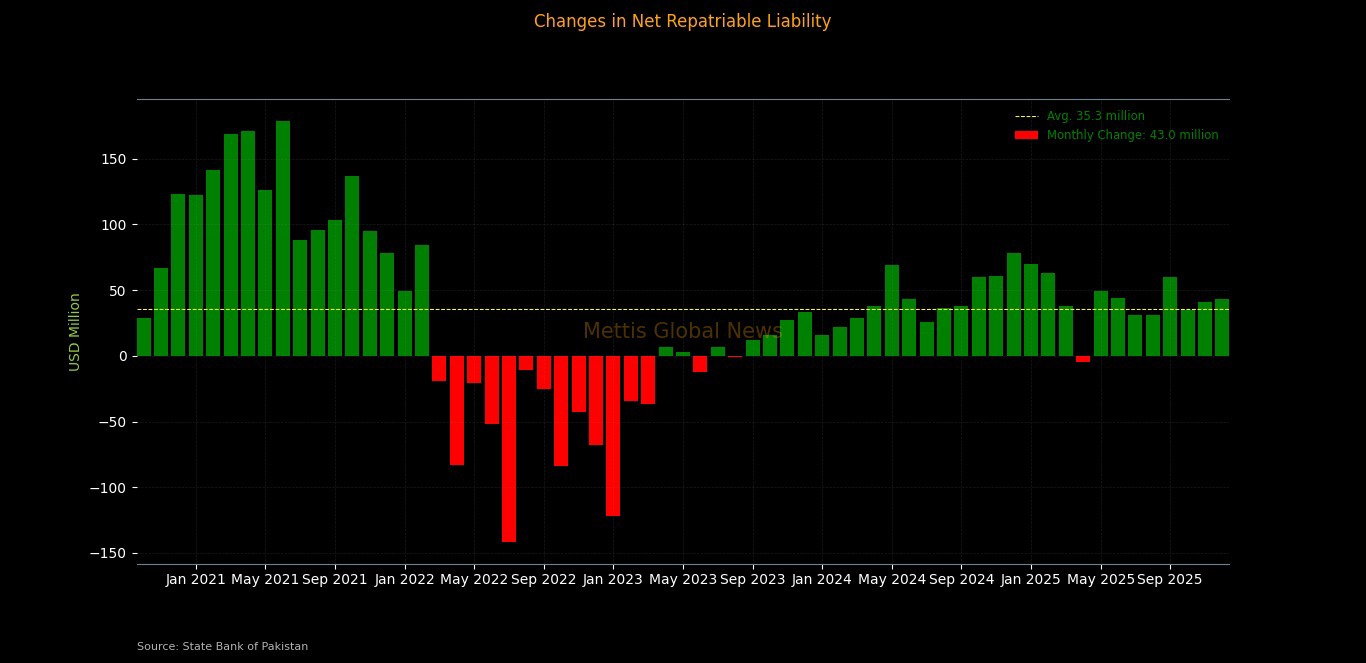
Total cumulative repatriation and local utilization stood at $9,476m out of which $1,943m has been repatriated while locally utilized amount was $7,532m making the Net Repatriable Liability (NRL) $2,231m or 19.06% or Total RDA.
Breakup of the NRL shows $499m was still invested in Conventional Naya Pakistan Certificates (NPC), $1024m was in Islamic NPC, Equity investment stood at $106m, Balances in Accounts was $543m while Other Liabilities stood at $59m.
Total amount received during the current financial year was $1,144m compared to $1,087m in the corresponding period of the previous year.
Total repatriation and local utilization during the current financial year was $903m compared to $788m in the corresponding period last year.
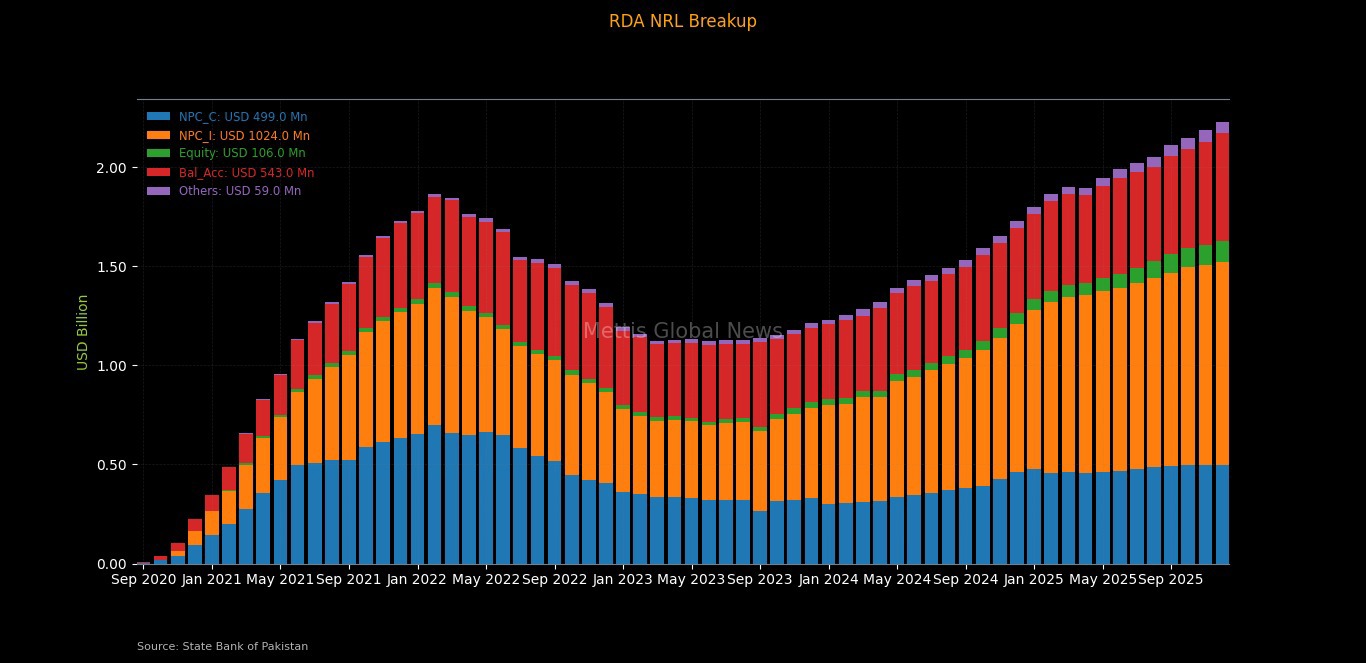
During the month of December, 10,093 new accounts were opened taking the total number of accounts to 893,130.
The highest monthly inflow into RDA was recorded in June, 2021 during which inflows of $310m were received.
The highest monthly repatriation and local utilization from RDA was recorded in July, 2022 during which NRL of RDA reduced by $330m.
_20260114100822700_69fcda.jpeg)
RDA is a major initiative of SBP, in collaboration with commercial banks operating in Pakistan.
These accounts provide innovative banking solutions for millions of Non-Resident Pakistanis (NRPs), including Non-Resident Pakistan Origin Card (POC) holders, seeking to undertake banking, payment, and investment activities in Pakistan.
SBP has made it possible to allow overseas Pakistanis to open an account in a Pakistani bank completely digitally in a presenceless manner and without needing to visit any bank, any embassy, or consulate.
The account opening process requires only basic information and documents, with banks instructed to complete all necessary customer due diligence within 48 hours.
PNSC boosts fleet with Aframax tanker M.T Karachi
Pakistan National Shipping Corporation (PSX: PNSC) expands its fleet with the addition of an Aframax tanker, M.T Karachi, under Karachi Shipping (Pvt) Ltd, with a deadweight tonnage (DWT) of 109,990 tonnes, according to the company’s filing on PSX revealed today.
Pakistan, UAE economic ties set to deepen with CEPA progress
Pakistan and the United Arab Emirates have reaffirmed their commitment to strengthening bilateral economic relations and fast-tracking the Pakistan–UAE Comprehensive Economic Partnership Agreement (CEPA), aimed to build a more robust and balanced trade and investment partnership.
Both sides also explored opportunities for joint ventures, trilateral cooperation in third-country markets, and collaboration in emerging regions such as Central Asia and Africa, according to a press release issued.
This came during a meeting between Federal Minister for Commerce Jam Kamal Khan and UAE Ambassador to Pakistan Salem Mohammed Salem Al Bawab Al Zaabi.
Jam Kamal Khan highlighted the historical, strategic, and people-to-people ties between the two countries and stressed the government’s focus on medium-term economic growth, export expansion, and regional connectivity, particularly through partnerships with Gulf nations.
Ambassador Al Zaabi praised Pakistan’s reform efforts and the professionalism of the technical teams involved in CEPA negotiations.
He also lauded Pakistan’s market potential, human capital, and strategic location, expressing the UAE’s strong interest in expanding cooperation in trade, logistics, ports, infrastructure, manufacturing, and investment facilitation.
The meeting concluded with a shared resolve to maintain close coordination and ensure timely completion of the CEPA process, paving the way for a new phase of mutually beneficial economic partnership between Pakistan and the UAE.
Crypto confidence builds, signals turn positive

Crypto markets are seeing strong gains, with Bitcoin touching $96,000 as traders react to a combination of easing U.S. inflation and growing optimism around the long-awaited CLARITY Act.
It’s a new U.S. bill aimed at providing regulatory clarity for digital assets.
Ethereum also held steady above $3,300, and the total cryptocurrency market capitalization approached $3.25 trillion, that signaled a broader uptick in risk appetite.
The Crypto Fear & Greed Index moved into the mid-40s, showing that sentiment is improving, according to Binance News.
A key driver behind the rally is the latest U.S. Consumer Price Index report, which suggests that inflation pressures are continuing to moderate, with headline CPI remained at 2.7% year-over-year.
These numbers indicate that recent tariff measures have not reignited inflation, and with falling gasoline prices and lower mortgage rates, there is potential for further easing.
This trend strengthens expectations that the Federal Reserve could begin cutting interest rates later in 2026, a scenario that historically benefits risk assets like cryptocurrencies.
Gold has also seen gains alongside Bitcoin, highlighting that demand for traditional inflation hedges remains strong even as price pressures ease.
Regulatory developments are also boosting market sentiment.
The CLARITY Act, formally known as the Digital Asset Market Clarity Act of 2025, recently advanced in the Senate Banking Committee.
The legislation aims to clearly define the split in oversight between the SEC and CFTC, placing most non-security digital assets under CFTC supervision while reducing uncertainty around token issuance and trading.
For investors and institutions, this represents a potential shift away from regulation-by-enforcement toward a more predictable framework, which could support longer-term confidence in the market.
Market participants appear to be accumulating rather than chasing risky positions, a factor that could help temper volatility as the rally develops.
Looking ahead, upcoming U.S. inflation and labor data will be closely monitored, any signals from the Federal Reserve regarding rate timing, and the progress of the CLARITY Act through the Senate as well.
Gold price in Pakistan rises Rs4,300 per tola
Gold price in Pakistan increased on Wednesday, with 24-karat gold being sold at Rs486,162 per tola, up Rs4,300.
Similarly, 24-karat gold per 10-gram was sold at Rs416,805 after a gain of Rs3,687, according to rates shared by the All-Pakistan Gems and Jewelers Sarafa Association (APGJSA).
The price of 22-karat gold was also quoted higher at Rs382,085 per 10-gram.
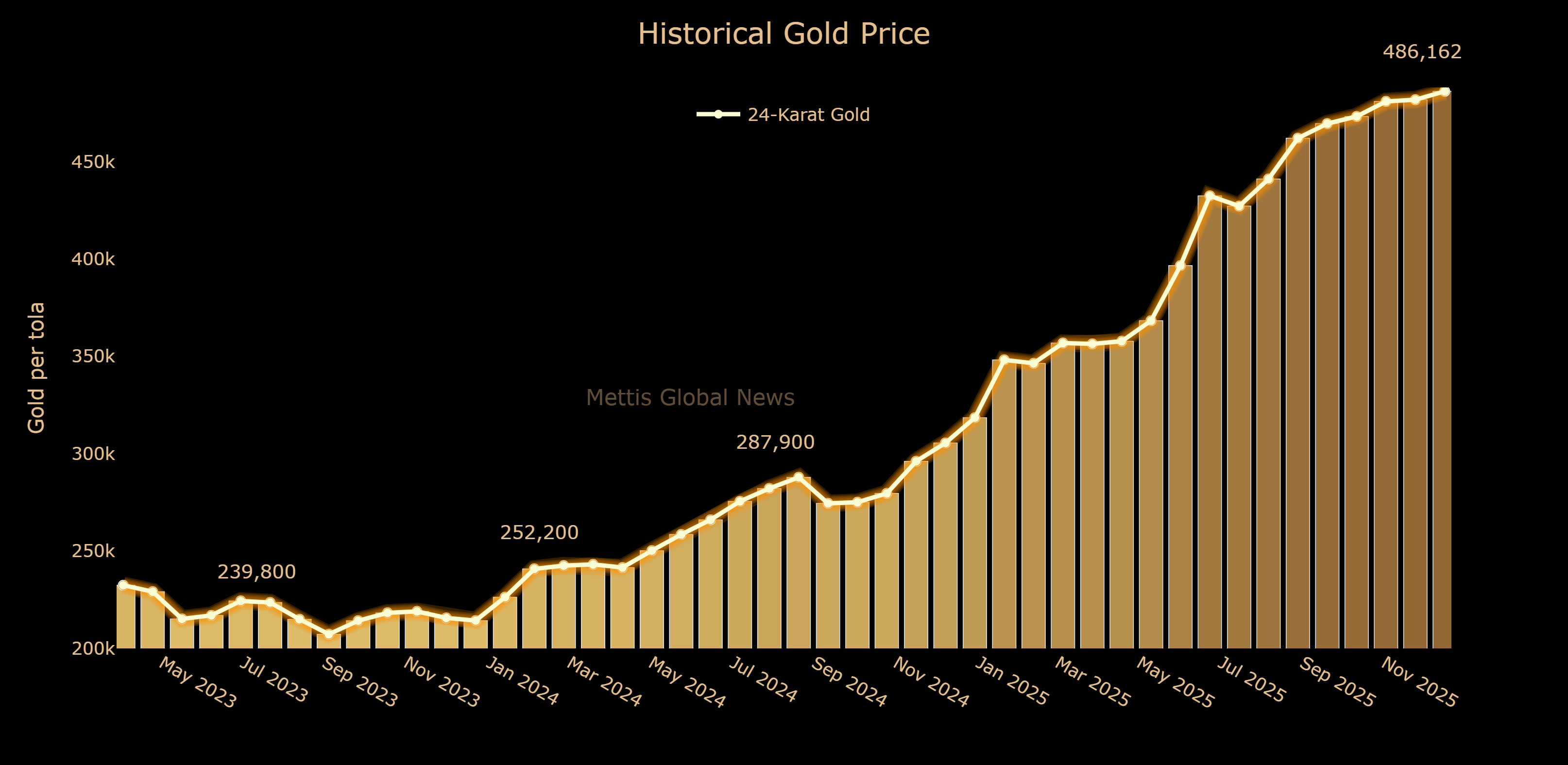
Similarly, silver prices rose in the domestic market, with 24-karat silver being sold at Rs9,575 per tola (+Rs500) and Rs8,209 per 10-gram (+Rs429).
| PKR (24-karat per tola) | Jan 14, 2026 | Jan 13, 2026 | DoD | 1 Month | FYTD | CYTD |
|---|---|---|---|---|---|---|
| Gold | 486,162 | 481,862 | 4,300 | 31,300 | 135,962 | 29,200 |
| Silver | 9,575 | 9,075 | 500 | 3,043 | 5,793 | 1,857 |
Globally, spot gold traded near $4,634 an ounce, up $37.8 or 0.82% from the previous session.
Govt strengthens ties with Ericsson to boost digital infrastructure
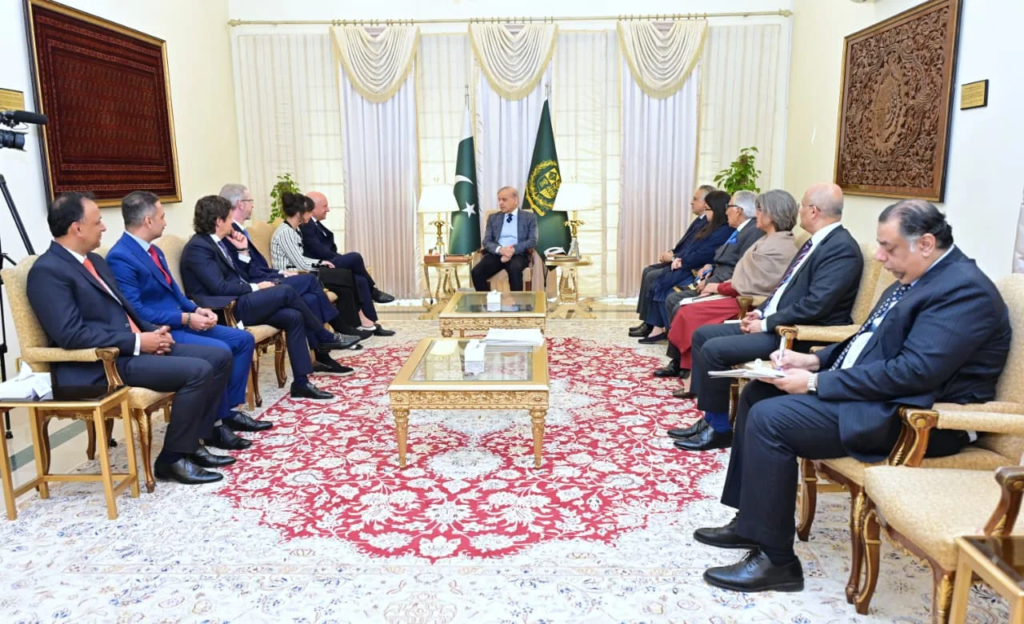
The Government of Pakistan reaffirmed its commitment to supporting foreign investors and strategic technology partners while highlighting the importance of next-generation digital connectivity for economic growth, productivity, and public service delivery.
It also expressed interest in leveraging global expertise in advanced networks, including 5G, while ensuring secure and resilient infrastructure tailored to national needs.
Prime Minister Muhammad Shehbaz Sharif met with a delegation from Ericsson at the PM’s House, led by Patrick Johansson, President and Head of Market Area Europe, Middle East, and Africa at Ericsson, according to APP.
The discussions covered digital skills development, financial inclusion, cashless payment systems, and using technology to strengthen disaster preparedness and institutional resilience.
The delegation praised government efforts to upgrade Pakistan’s IT infrastructure, including the 5G spectrum auction.
Deputy Prime Minister and Foreign Minister Mohammad Ishaq Dar, Minister for IT Shaza Fatma Khawaja, SAPM Syed Tariq Fatemi, and senior officials also attended.
Mauritian HC underscores need to restore PTA
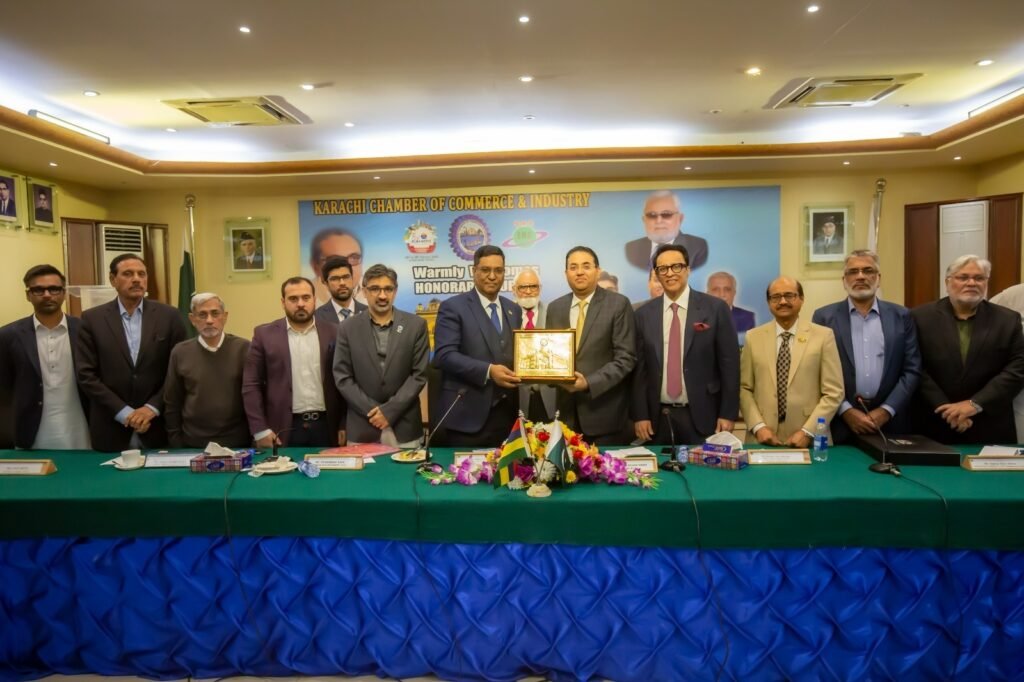
By Commerce Reporter
KARACHI: High Commissioner of the Republic of Mauritius, Mr. Munsoo Kurrimbaccus has underscored the need for collective efforts by both countries to restore the Preferential Trade Agreement (PTA) that previously existed between Pakistan and Mauritius, under which approximately 120 commodities enjoyed preferential market access. He noted that the agreement had become inactive due to various reasons and stressed that its revival could significantly boost bilateral trade.
Exchanging views during a meeting held at the Karachi Chamber of Commerce & Industry (KCCI), Mauritian HC stated that diplomatic ties between Pakistan and Mauritius date back to 1970, adding that Pakistan holds the distinction of being the first country to establish its embassy in Mauritius following the island nation’s independence. While relations between the two countries have traditionally been cordial and cooperative, he observed that bilateral trade has witnessed a slowdown in recent years, which requires urgent attention.
The meeting was attended by Honorary Consul General of Mauritius in Karachi Sohail Yasin Suleman, President KCCI Muhammad Rehan Hanif, Senior Vice President KCCI Muhammad Raza, Chairman Diplomatic Missions & Embassies Liaison Subcommittee Ahsan Arshad Sheikh, Chairman Fairs, Exhibitions & Trade Delegations Imran Moiz, along with members of the KCCI Executive Committee.
The Mauritian High Commissioner pointed out that Mauritius currently imports significantly more from Pakistan than it exports, resulting in a sizable trade imbalance. Pakistan’s exports to Mauritius include Basmati rice, cement, textiles, bedsheets, towels, and other products, whereas Mauritian exports to Pakistan remain minimal. He recalled that Mauritius had earlier exported pineapples to Pakistan, describing them as among the finest in the world, along with other premium tropical fruits such as lychees and mangoes. Referring to international markets, he noted that Mauritian lychees command the highest prices in France, surpassing those from Thailand, Madagascar, and other competing countries.
He stressed the need to explore renewed opportunities for exporting Mauritian pineapples and fruits to Pakistan, while also encouraging Pakistan to expand its exports of pharmaceutical products to Mauritius. He acknowledged that although Pakistan produces high-quality pharmaceuticals at competitive prices, often at nearly half the cost of European products, issues relating to certifications, regulatory recognition, and compliance need to be addressed to unlock this potential.
Discussing tourism, he said that Mauritius is actively working to promote itself as a premium tourist destination, although it is not yet widely popular among Pakistani travelers.
Turning to the Halal food sector, the High Commissioner noted that the Muslim community in Mauritius is highly particular about Halal standards and currently imports Halal meat primarily from Australia and India. He emphasized that this sector holds significant untapped potential for Pakistani exporters, particularly because Mauritian Muslims prefer fresh Halal meat rather than frozen products. He encouraged exporters from Karachi to also explore opportunities in Halal food exports to Mauritius.
Looking ahead, he said Mauritius is now prioritizing the blue economy and green economy, with particular interest in ocean-based industries, including aquaculture and marine-derived pharmaceutical products. Despite being a small island, Mauritius possesses a vast Exclusive Economic Zone spanning nearly two million square kilometers, making it an ocean state with immense potential. He expressed interest in collaborating with Pakistan in research and investment related to the blue economy.
Earlier, President KCCI Muhammad Rehan Hanif, while welcoming the Mauritian High Commissioner and his delegation, expressed appreciation for the visit, terming it a reflection of growing interest in strengthening Pakistan–Mauritius economic relations, particularly in trade, investment, and private-sector cooperation.
Recalling his visit to Mauritius as Vice President of KCCI in 2018, Rehan Hanif noted that he had led a trade delegation that held high-level meetings with the President of Mauritius, relevant ministers, and the Mauritian Chamber of Commerce. During those discussions, concerns were raised by Mauritian authorities regarding the acceptance of Halal certification for Pakistani meat. He stated that KCCI had offered to host Mauritian experts in Pakistan to inspect slaughterhouses and meat-processing facilities at its own expense, and expressed interest in understanding the current status of this issue.
He highlighted that Karachi’s diverse business community offers substantial opportunities for collaboration in sectors such as textiles, pharmaceuticals, ICT, financial services, tourism, seafood, and joint ventures, and expressed confidence that significant untapped potential exists between the two economies.
President KCCI conveyed KCCI’s readiness to work closely with the Mauritian High Commission to strengthen institutional linkages, facilitate B2B engagements, and promote mutual investments, assuring that the Chamber stands fully committed to converting bilateral goodwill into tangible economic outcomes.
He also acknowledged the contributions of Sohail Yasin Suleman, Honorary Consul General of Mauritius in Karachi, praising his consistent efforts in strengthening bilateral ties and supporting the Pakistani business community in exploring opportunities in Mauritius.
PSX GONG CEREMONY in Honour of Mr. Samir Dossal, President, Canada Pakistan Business Council
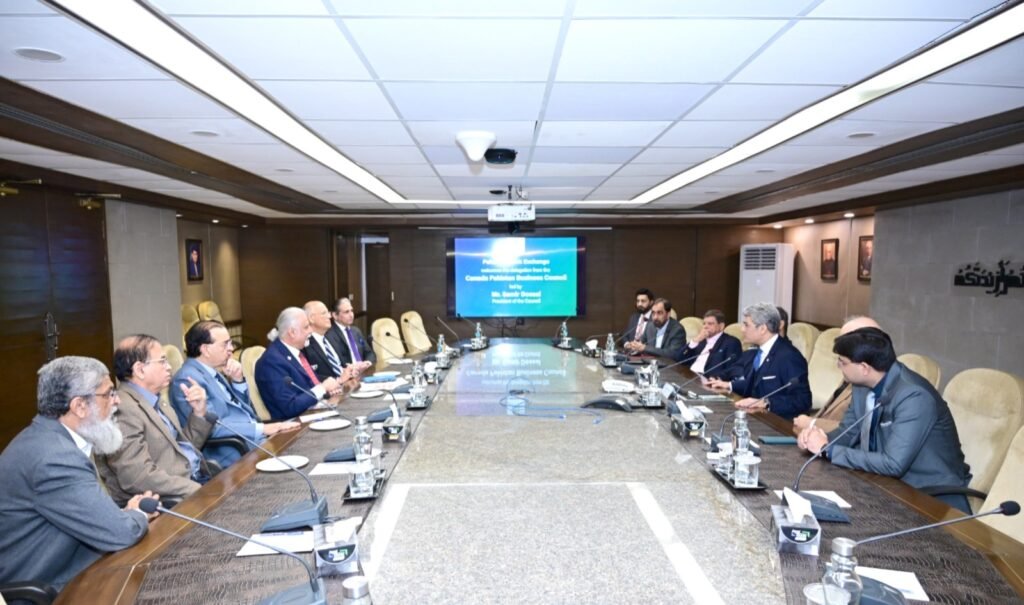
PSMU Desk:
Karachi: Mr. Samir Dossal, President of the Canada Pakistan Business Council (CPBC), performed the ceremonial market opening “Gong Ceremony” at the Pakistan Stock Exchange (PSX) today. The event served as a celebration of the $1 billion bilateral trade milestone and the deepening institutional ties between the PSX and the Canadian business community. During his address, Mr. Dossal expressed profound gratitude to the PSX Chairman, Mr. Ruhail Muhamad and Managing Director and CEO, Mr. Farrukh Sabzwari, while offering special recognition to Nadeem Naqvi, director of PSX and also of CPBC, for his efforts in elevating Canada-Pakistan relations and facilitating a stronger dialogue and engagement between international investors and the Pakistan capital market.
Mr. Dossal noted that it was a special occasion given the excellent performance of the Pakistan stock market. This sends a strong positive signal to potential Canadian investors, that Pakistan has successfully navigated the challenges of the last few years and is now on a strong footing for sustained growth. He said that Pakistan, with a population of over 240 million, represents a large and growing market for many Canadian goods and services. At the same time, the large diaspora of Canadians of Pakistan origin provides the potential for two way exchange of knowledge, managerial skills, investments and business opportunities.
Mr. Dossal noted that since 2012, Canada Pakistan trade has grown from $300M to over $1 Billion annually. In particular, he highlighted several areas, including:
AGRIFOOD – After 3 years, regulatory requirements have been resolved between Canada & Pakistan with 500,000 tons of Canadian Canola arriving at Karachi port. He acknowledged honourable Ishaq Dar and Ms. Anita Anand for their high-level coordination and special thanks to High Commissioner Tarik Ali Khan his Islamabad team for making this landmark deal possible.
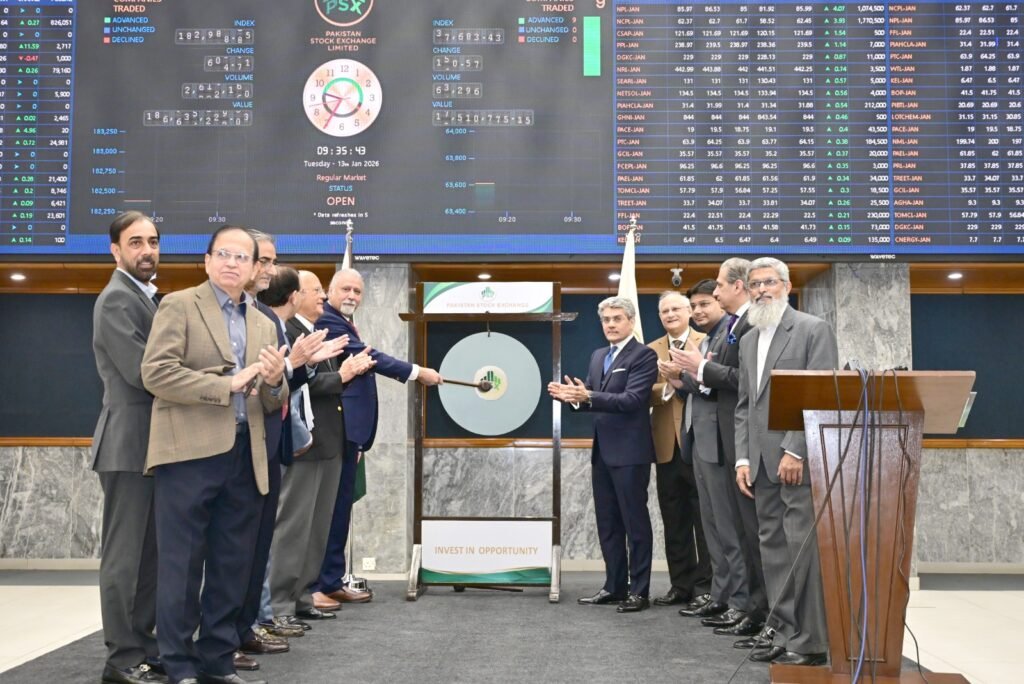
EDUCATION & INNOVATION – CPBC worked hard to facilitate the academic partnership between NED & Toronto Metropolitan University led by Dr. Mohamed Lachemi. The MOU that has been signed will go a long way in building the bridge between the two countries through knowledge and research.
CANADIAN FRANCHISES IN PAKISTAN
Tim Hortons: Huge success of the recent flagship inaugurations in Karachi and Lahore.
Mary Brown’s Chicken: Exciting new launch in the Pakistan market.
Second Cup: A sustained success story with 50+ outlets nationwide.
CATYES.org: CPBC’s involvement with the new Canadian Alliance for Trade to align with the Indo-Pacific Strategy.
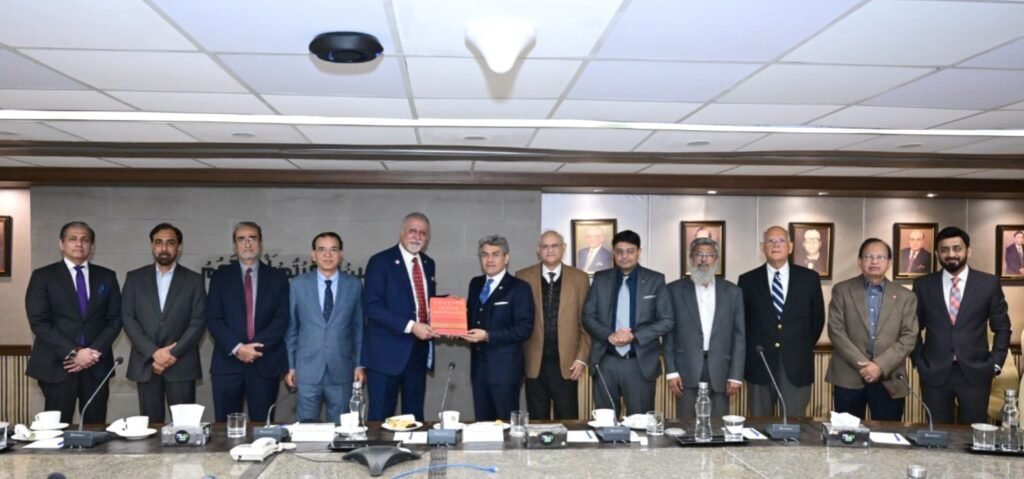
The message is clear, Canadian Brands are thriving in Pakistan. Mr. Samir Dossal concluded by saying, “We are not just trading goods; we are building a shared economic future.”
About CPBC:
The Canada Pakistan Business Council (CPBC) is the premier bilateral trade organization, recently celebrating its 42nd Anniversary and a legacy of facilitating trade exceeding $1 billion annually.
Oil markets rally amid U.S., Iran standoff
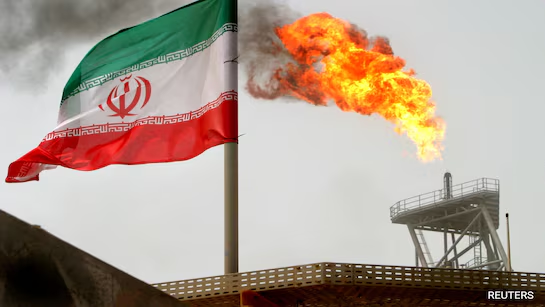
Crude oil prices jumped sharply as rising geopolitical tensions between the U.S. and Iran rattled energy markets.
Brent crude futures went up by $0.38, or 0.58%, to $65.09 per barrel, according to data by Mettis Global.
West Texas Intermediate (WTI) crude futures increased by $0.38, or 0.62%, to $60.77 per barrel by [12:17 pm] PST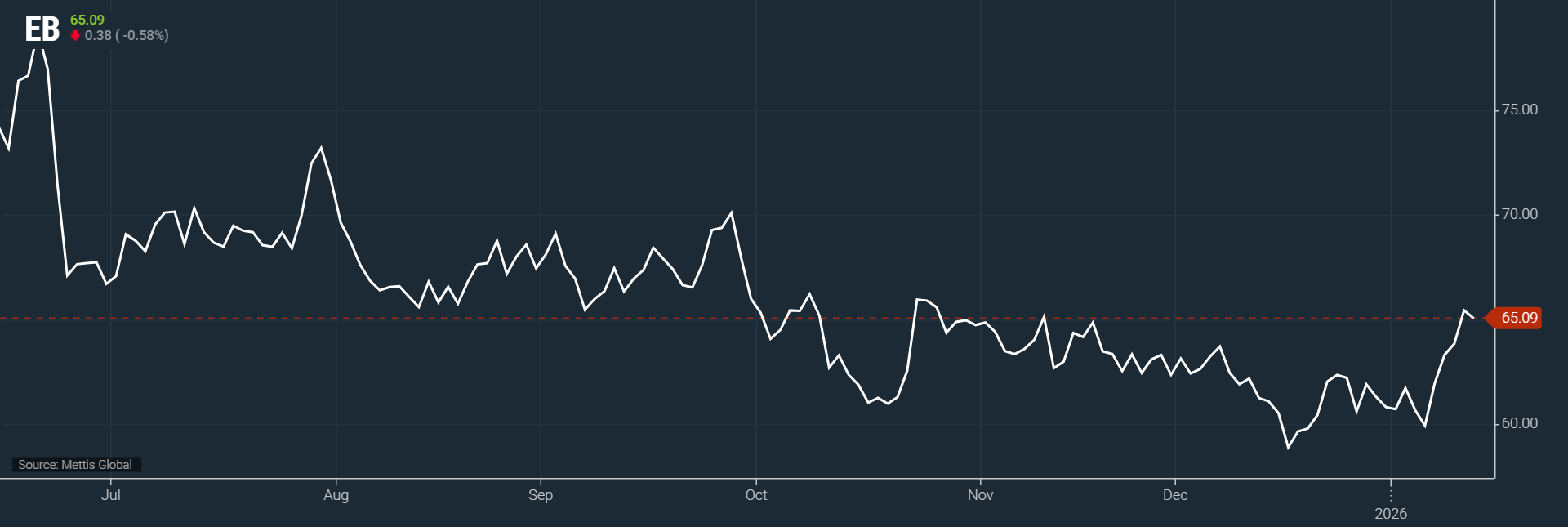
WTI crude and Brent crude, the global benchmarks, surged more than 2.5% during U.S. trading hours, fueled by concerns that escalating tensions could disrupt supply through the Strait of Hormuz, a key oil transit route.
The spike came after former U.S. President Donald Trump revealed on Truth Social that he had canceled all meetings with Iranian officials, reaffirming his support for ongoing anti-government protests in Iran, according to CNBC.
Trump’s hardline stance signals that diplomatic engagement with Tehran may be temporarily off the table, raising the risk of broader regional instability that could affect oil exports.
Energy market watchers note that Iran, a major oil producer, plays a strategic role in global oil flows.
Any disruption in the region could tighten supply and push crude prices even higher, adding pressure on global markets already adjusting to post-pandemic demand dynamics.
Meanwhile, U.S. equities saw modest declines despite a cooler-than-expected core consumer price index (CPI) for December, highlighting investor caution.
The combination of geopolitical risk in the Middle East and domestic economic uncertainty could keep oil markets volatile in the near term, presenting both challenges and opportunities for traders, investors, and global energy policymakers.
ECC clears over Rs15bn in supplementary grants
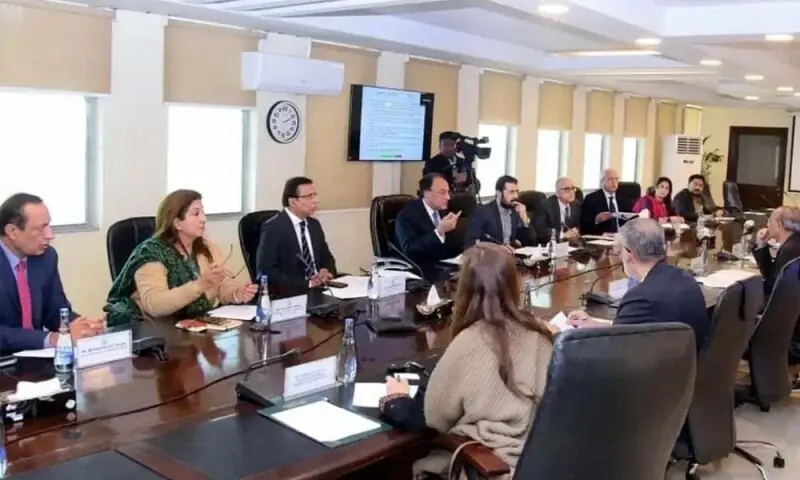
The Economic Coordination Committee (ECC) of the Cabinet approved more than Rs15 billion in technical supplementary grants across defence, digital infrastructure, tax enforcement and social sectors.
A key decision was to fold a recurring Rs5.08bn defence expenditure into the regular defence budget from the next financial year, showed a lasting increase in baseline spending.
Chaired by Finance Minister Senator Muhammad Aurangzeb, the meeting cleared multiple funding requests amid tight fiscal conditions, showing government priorities around security, digital governance and revenue enforcement.
On two summaries from the Defence Division, the ECC approved Rs2bn for the Sustainable Development Goals Achievement Programme (SAP) in Punjab during the current financial year.
It also approved Rs5.081bn for defence services, covering capacity enhancement, infrastructure development, community engagement and cyber security, according to the press release.
The defence grant will be released in phases, with the committee directing that the recurring expenditure be incorporated into the standard defence budget from the next fiscal year.
In the social sector, the ECC approved Rs322.87 million to procure 15 coasters for the Directorate General of Special Education to transport special children enrolled at the Autism Centre of Excellence in Islamabad.
The centre is designed to cater to at least 300 children with Autism Spectrum Disorder.
Significant allocations were also made for digital initiatives. On a summary from the Information Technology and Telecommunication Division, the ECC approved Rs800m for establishing the Asan Khidmat Centre in Islamabad, a citizen service facility.
Separately, it cleared Rs3.7bn under the Public Sector Development Programme (PSDP) for projects aimed at improving digital connectivity, IT infrastructure, e-governance and the national ICT ecosystem, directing that funds be deployed strictly on designated projects.
For tax enforcement, the ECC considered a proposal by the Federal Board of Revenue (FBR) to establish Digital Enforcement Stations along the Indus, Hub and Balochistan rivers.
Against a total proposed cost of Rs10bn, the committee approved Rs3bn for the third quarter, with the remaining allocation to be considered in the fourth quarter, aligning with a prior decision of the prime minister.
The committee also took up the future of the Asia Petroleum Limited (APL) pipeline.
It formed a multi-agency committee comprising representatives from the Petroleum Division, Finance Division, Law and Justice Division, the Special Investment Facilitation Council (SIFC) and Pakistan State Oil (PSO) to recommend a way forward by January 31.
The group will negotiate the implementation, guarantee and letter agreements with APL and decide on fuel ownership and alternative use of the pipeline.
In the media sector, the ECC approved Rs700m against a request of Rs1bn for the Film and Drama Finance Fund under the National Film and Broadcasting Policy, 2018.
The Ministry of Information and Broadcasting was directed to submit six-monthly utilization reports against defined key performance indicators, with an emphasis on transparent and competitive spending.
The meeting was attended by federal ministers for power, petroleum, investment, commerce and planning, along with senior officials from relevant ministries and regulatory bodies.
Pakistan, Canada bilateral trade hits $1bn
Pakistan and Canada bilateral trade has crossed the $1 billion annual mark, a milestone marked at the Pakistan Stock Exchange (PSX) where Samir Dossal, President of the Canada Pakistan Business Council (CPBC), performed the ceremonial market opening.
The event showed growing institutional engagement between Pakistan’s capital market and the Canadian business community, at a time when Pakistan’s equity market has shown strong performance following recent macroeconomic stabilization.
PSX Chairman Ruhail Muhamad and Managing Director and CEO Farrukh H. Sabzwari attended the ceremony, along with representatives from the financial and corporate sectors.
Speaking at the occasion, Dossal said the recent performance of the Pakistan stock market sends a positive signal to foreign investors, including those from Canada, indicating that Pakistan has navigated recent economic challenges and is positioned for sustained growth.
He noted that Pakistan’s population of over 240m offers a large and expanding market for Canadian goods and services, while the Pakistani-origin Canadian diaspora continues to support two-way investment, skills transfer, and business linkages.
Trade between the two countries has expanded more than threefold over the past decade, rising from around $300m in 2012 to over $1bn annually.
Recent growth has been supported by progress in agrifood trade, education partnerships, and the expansion of Canadian brands in Pakistan, according to the press release.
In agrifood, regulatory issues that had constrained trade were resolved after three years, enabling the import of approximately 500,000 tons of Canadian canola through Karachi port.
The transaction followed coordination between authorities in both countries, with facilitation by the Pakistan High Commission in Canada.
In the education sector, CPBC supported an academic partnership between NED University of Engineering & Technology and Toronto Metropolitan University, aimed at strengthening collaboration in research and innovation.
Canadian consumer brands have also expanded their presence in Pakistan.
Tim Hortons has opened flagship outlets in Karachi and Lahore, Mary Brown’s Chicken has entered the local market, and Second Cup continues to operate more than 50 outlets nationwide.
CPBC is also engaged with the Canadian Alliance for Trade through CATYES.org, aligned with Canada’s Indo-Pacific Strategy.
The Canada Pakistan Business Council, which recently marked over four decades of operations, plays a central role in facilitating bilateral trade and investment flows between the two countries.
PKR holds steady against USD, amid 77-session winning run

The Pakistani rupee (PKR) remained mostly steady with a slight rise by 1.03 paisa against the US dollar in Tuesday’s interbank session to settle the trade at PKR 280 per USD, compared to previous closing of 280.01.
Throughout the day, the currency saw an intraday high (bid) of 280.8 and a low (ask) of 281.05.
The Pakistani rupee (PKR) has continued its remarkable streak against the US dollar, strengthening for 77 consecutive trading sessions and gaining Rs. 1.4232, or 0.51%, over this period.
The last time the dollar saw an uptick against the rupee was on September 24, 2025, according to State Bank of Pakistan (SBP) data.
Before this current rally, the PKR had previously recorded a 33-session winning streak.
Since July 22, 2025 PKR has appreciated in all but 2 of the 122 trading sessions, gaining Rs.4.96 or 1.77% in the process.
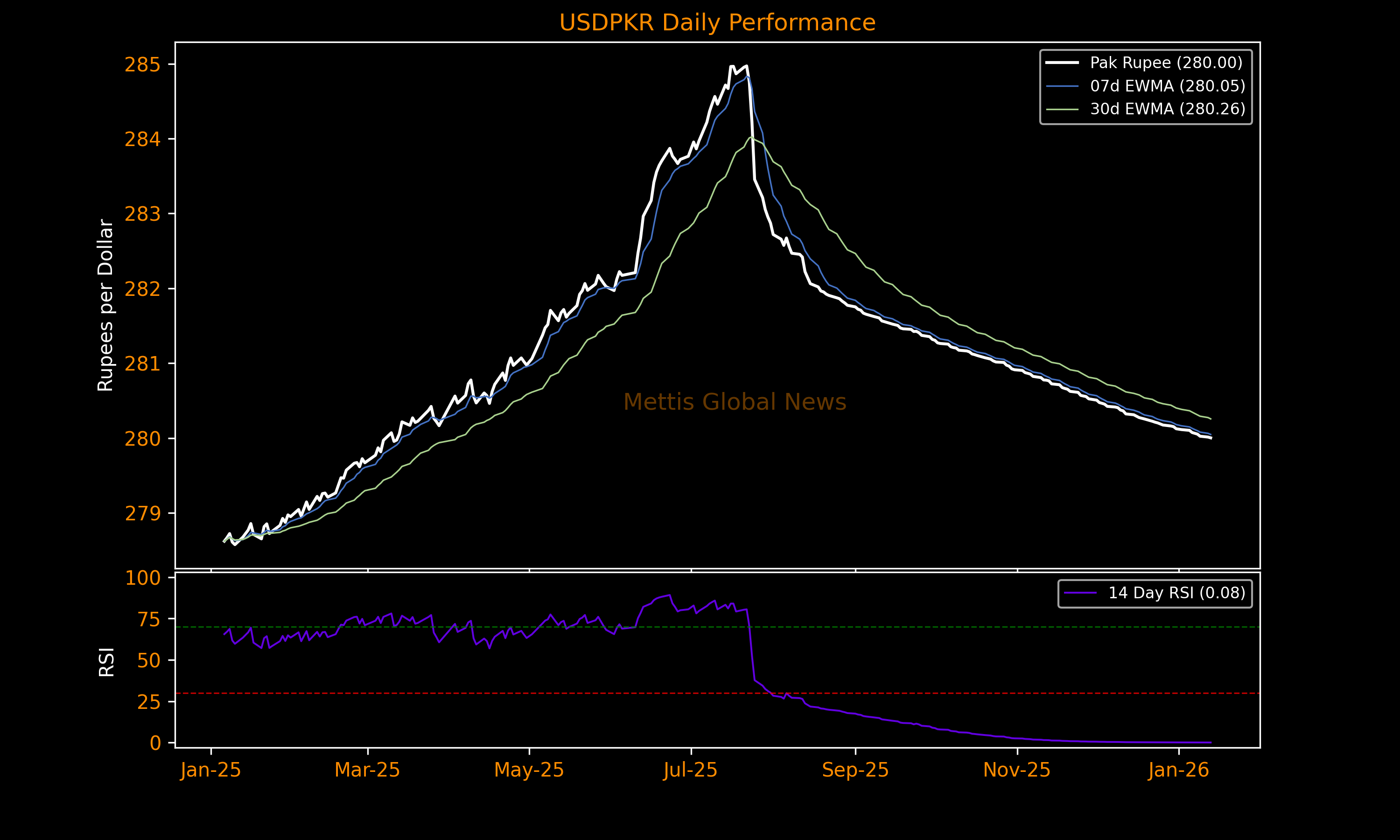
In the open market, exchange companies quoted the dollar at 280.30 for buying and 281.05 for selling.
In comparison to major currencies, PKR rose 72.61 paisa or 0.22% against the Euro, closing at 326.52 compared to the previous value of 327.25.
Against the British Pound, PKR decreased by 25.22 paisa or 0.07% to 376.99 compared to 376.74 a day ago.
The local unit appreciated 54.20 paisa or 0.15% against Swiss franc to close at 351.08.
Against the Japanese Yen, PKR’s value gained 1.35 paisa or 0.76% to close the session at 1.7614 versus 1.7749 a day ago.
Pakistani Rupee strengthened 1.27 paisa or 0.03% against Chinese Yuan to close at 40.13 from 40.15.
The local currency increased by 0.47 paisa or 0.01% against Saudi Riyal to 74.66. While it appreciated by 0.28 paisa or 0.00% against the U.A.E Dirham to close at 76.23.
During the current fiscal year, PKR has increased against the US Dollar by 3.76 rupees or 1.34%. While it has rose 12.13 paisa or 0.04% so far this calendar year.In the Money Market, the benchmark 6 Month Karachi Interbank Bid and Offer rates unchanged by 0bps to 10.11% and 10.36%.
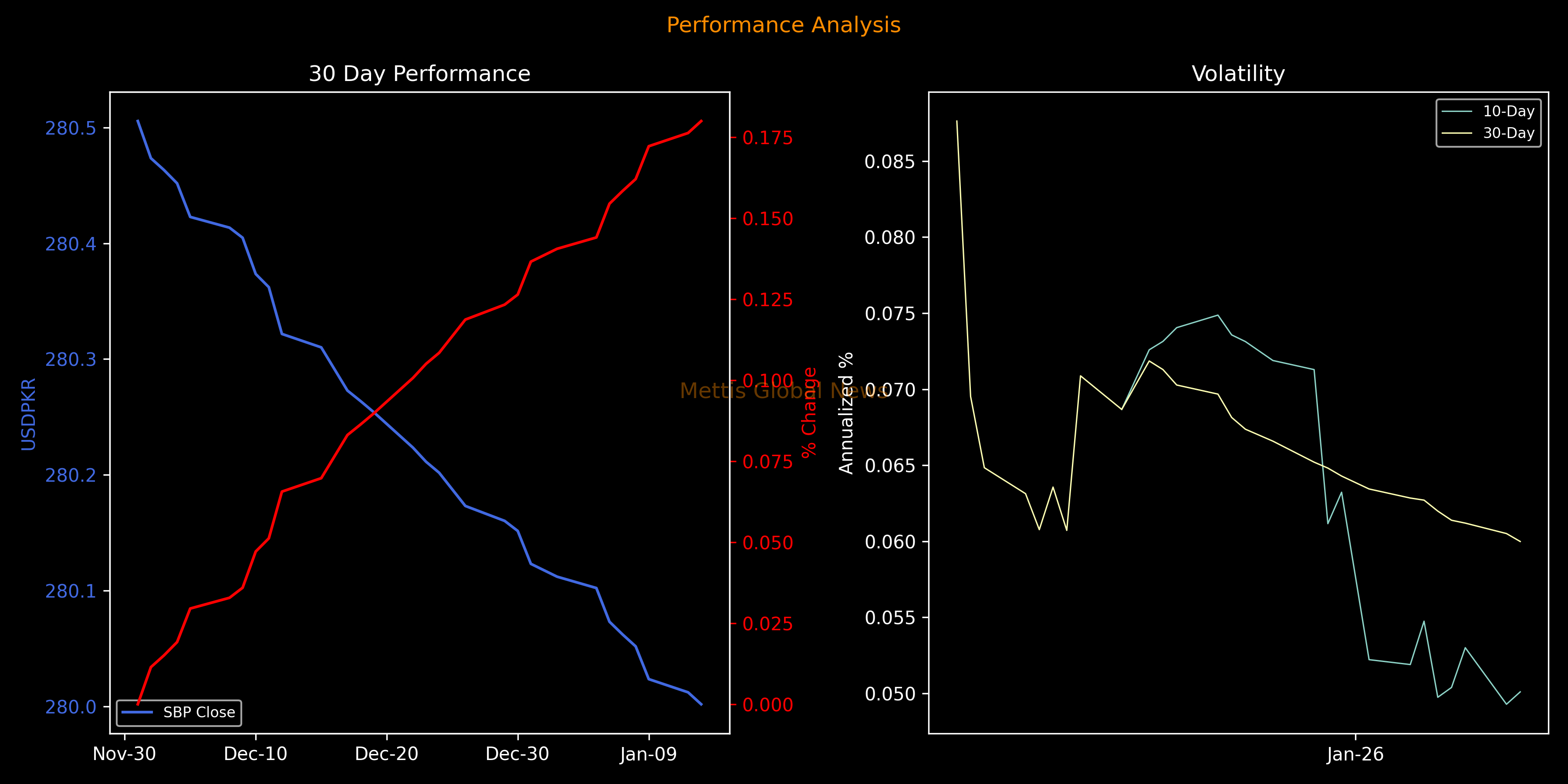
Performance Summary
| Currency | Jan 13, 2026 | Jan 12, 2026 | 1D | 7D | 1M | FYTD | CYTD | |||||
|---|---|---|---|---|---|---|---|---|---|---|---|---|
| USD | 280.0018 | 280.0121 | 0.0103 | 0.00% | 0.0713 | 0.03% | 0.3199 | 0.11% | 3.7627 | 1.34% | 0.1213 | 0.04% |
| EUR | 326.5241 | 327.2502 | 0.7261 | 0.22% | 2.0997 | 0.64% | 2.5595 | 0.78% | 6.1330 | 1.88% | 2.3264 | 0.71% |
| GBP | 376.9945 | 376.7423 | -0.2522 | -0.07% | 2.8687 | 0.76% | -1.7979 | -0.48% | 11.8621 | 3.15% | 0.1773 | 0.05% |
| CHF | 351.0775 | 351.6195 | 0.5420 | 0.15% | 2.9749 | 0.85% | 1.7281 | 0.49% | 4.2499 | 1.21% | 2.1451 | 0.61% |
| JPY | 1.7614 | 1.7749 | 0.0135 | 0.77% | 0.0318 | 1.81% | 0.0391 | 2.22% | 0.2086 | 11.84% | 0.0278 | 1.58% |
| SAR | 74.6632 | 74.6679 | 0.0047 | 0.01% | 0.0130 | 0.02% | 0.0365 | 0.05% | 0.9972 | 1.34% | 0.0313 | 0.04% |
| AED | 76.2325 | 76.2353 | 0.0028 | 0.00% | 0.0194 | 0.03% | 0.0954 | 0.13% | 1.0349 | 1.36% | 0.0434 | 0.06% |
| CNY | 40.1347 | 40.1474 | 0.0127 | 0.03% | -0.0133 | -0.03% | -0.4029 | -1.00% | -0.5313 | -1.32% | -0.0619 | -0.15% |
52 Week Performance
| Currency | High | Low | Trading Band | % Since High | % Since Low | High Date | Low Date | Days Since High | Days Since Low |
|---|---|---|---|---|---|---|---|---|---|
| USD | 278.6523 | 284.9710 | 6.3187 | -0.48% | 1.77% | 20-Jan-25 | 22-Jul-25 | 358 | 175 |
| EUR | 284.6665 | 335.1574 | 50.4909 | -12.82% | 2.64% | 13-Jan-25 | 03-Jul-25 | 365 | 194 |
| GBP | 338.2418 | 390.0418 | 51.8000 | -10.28% | 3.46% | 13-Jan-25 | 26-Jun-25 | 365 | 201 |
| CHF | 303.4906 | 359.7698 | 56.2792 | -13.55% | 2.48% | 03-Feb-25 | 23-Jul-25 | 344 | 174 |
| JPY | 1.7614 | 1.9999 | 0.2385 | 0.00% | 13.54% | 13-Jan-26 | 22-Apr-25 | 0 | 266 |
| SAR | 74.2381 | 75.9801 | 1.7420 | -0.57% | 1.76% | 13-Jan-25 | 16-Jul-25 | 365 | 181 |
| AED | 75.8661 | 77.5864 | 1.7203 | -0.48% | 1.78% | 20-Jan-25 | 22-Jul-25 | 358 | 175 |
| CNY | 38.0088 | 40.1474 | 2.1386 | -5.30% | 0.03% | 13-Jan-25 | 12-Jan-26 | 365 | 1 |
PSX Closing Bell: Hold On, We’re Going Up
The benchmark KSE-100 Index concluded Tuesday’s trading session at 183,951.50, showing an increase of 1,567.36 points or 0.86%.
The index traded in a range of 3,714.91 points showing an intraday high of 184,304.86 (+1,920.72) and a low of 180,589.95 (-1,794.19) points.
The total volume of the KSE-100 Index was 437.36 million shares.
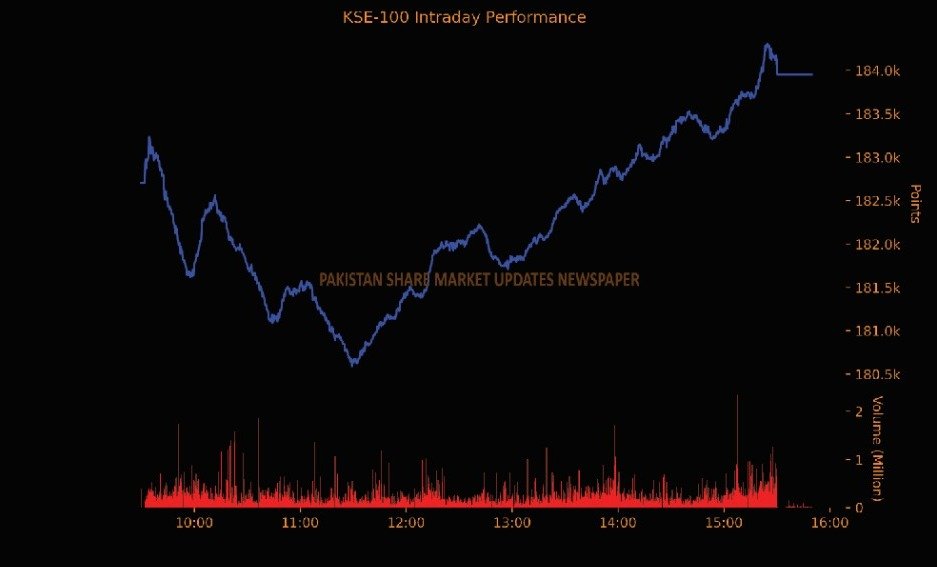
Of the 100 index companies 48 closed up, 50 closed down, while 2 were unchanged.
Top gainers during the day were PTC (+9.42%), NBP (+5.24%), ATLH (+4.91%), AKBL (+4.10%), and GHNI (+4.04%).
On the other hand, top losers were HALEON (-3.58%), IBFL (-3.00%), SAZEW (-2.44%), LOTCHEM (-2.41%), and MUREB (-1.87%).
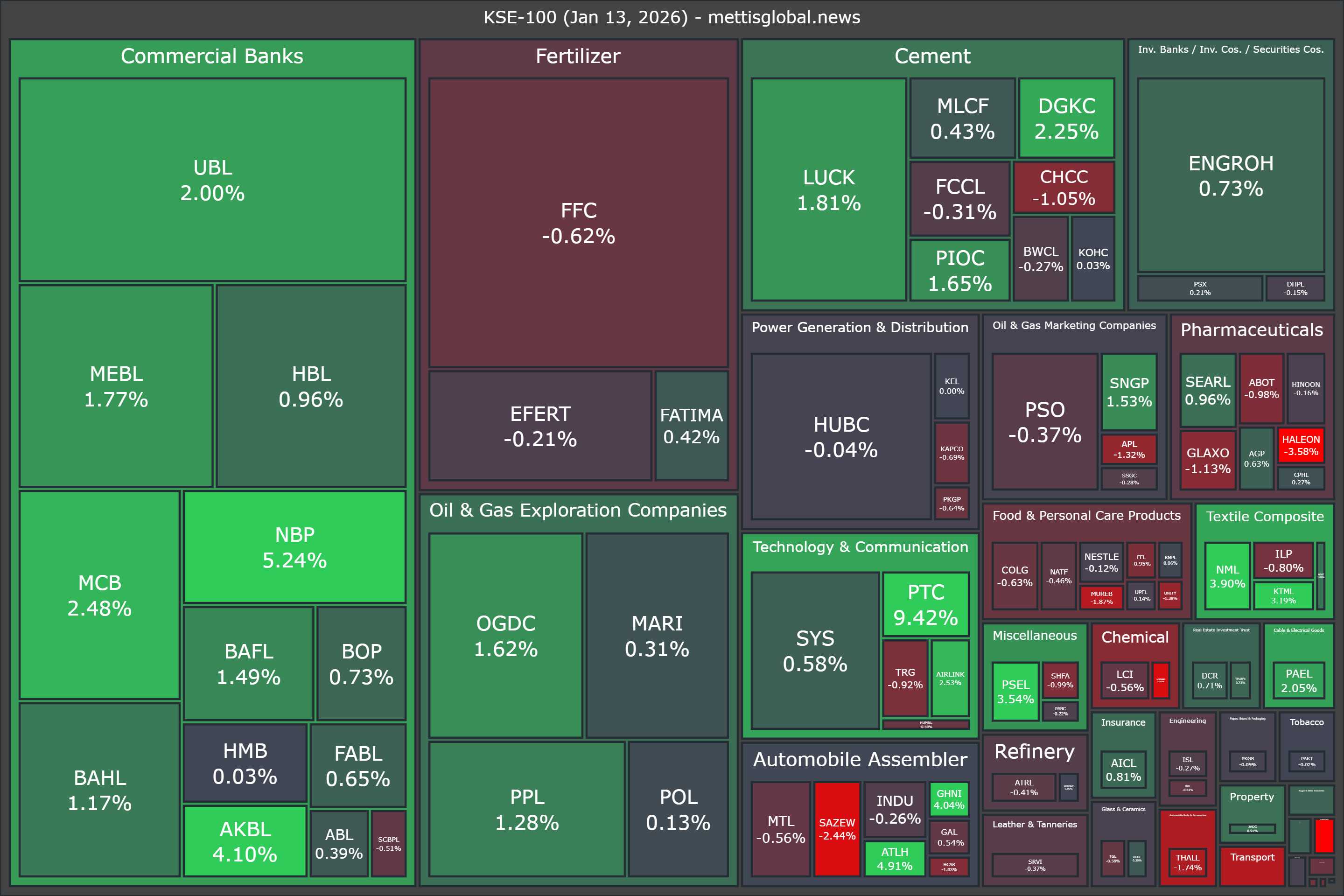
In terms of index-point contributions, companies that propped up the index were UBL (+286.61pts), NBP (+236.49pts), MCB (+152.72pts), LUCK (+133.38pts), and MEBL (+128.03pts).
Meanwhile, companies that dragged the index lower were FFC (-107.03pts), SAZEW (-32.85pts), HALEON (-18.56pts), THALL (-14.09pts), and PSO (-13.83pts).
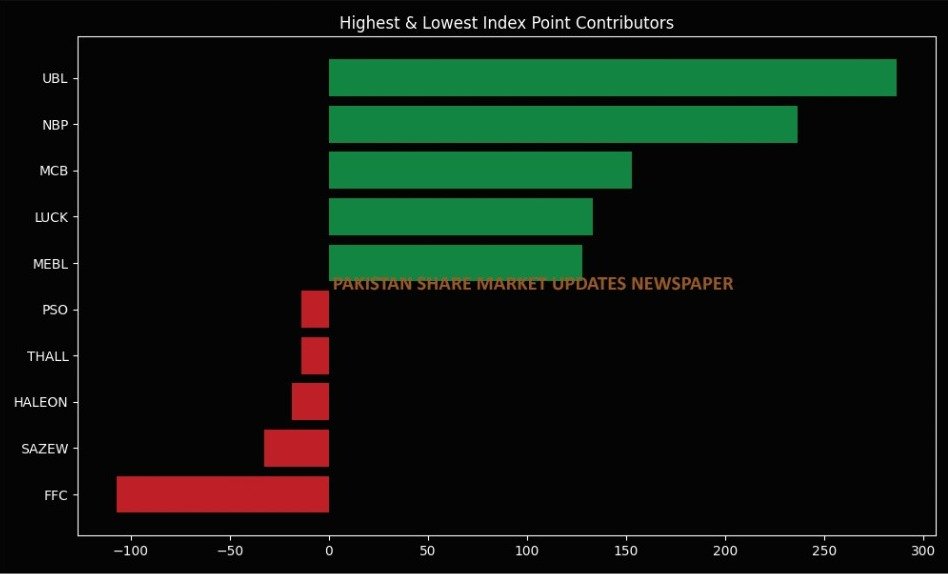
Sector-wise, KSE-100 Index was supported by Commercial Banks (+1068.12pts), Oil & Gas Exploration Companies (+194.78pts), Cement (+181.42pts), Technology & Communication (+158.50pts), and Inv. Banks / Inv. Cos. / Securities Cos. (+60.46pts).
While the index was let down by Fertilizer (-110.59pts), Food & Personal Care Products (-26.34pts), Pharmaceuticals (-23.47pts), Chemical (-14.86pts), and Automobile Parts & Accessories (-14.09pts).
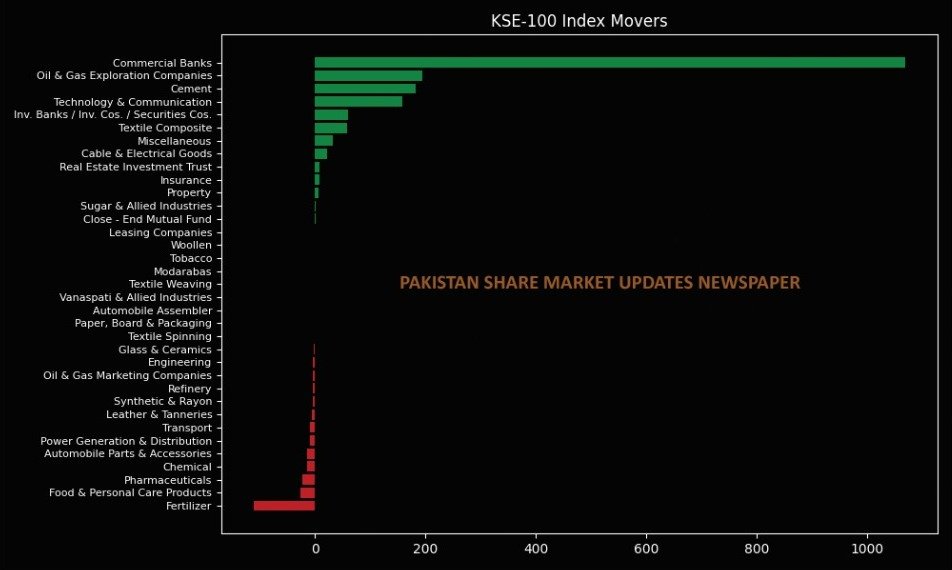
In the broader market, the All-Share Index closed at 110,404.18 with a net gain of 904.56 points or 0.83%.
Total market volume was 1,037.26 million shares compared to 1,058.80m from the previous session while traded value was recorded at Rs62.70 billion showing an increase of Rs14.47bn.
There were 493,678 trades reported in 480 companies with 177 closing up, 265 closing down, and 38 remaining unchanged.
| Symbol | Price | Change % | Volume |
|---|---|---|---|
| BOP | 41.65 | 0.73% | 73,893,155 |
| MDTL | 8.32 | -3.37% | 67,419,636 |
| WTL | 1.81 | -1.09% | 43,448,463 |
| KEL | 6.35 | 0.00% | 43,269,614 |
| PTC | 69.73 | 9.42% | 40,114,144 |
| NCPL | 63.84 | 9.99% | 30,775,882 |
| NBP | 273.74 | 5.24% | 26,623,257 |
| PIBTL | 20.07 | -1.81% | 26,539,835 |
| NPL | 89.42 | 10.00% | 25,151,700 |
| HASCOLNC | 20.67 | 1.52% | 24,638,667 |
To note, the KSE-100 has gained 58,324 points or 46.43% during the fiscal year, whereas it has increased 9,897 points or 5.69% so far this calendar year.
Tokenized assets poised for boom, Bitcoin steps into macro hedge role

The transformation of real-world assets into blockchain-based tokens is accelerating beyond theoretical discussions into mainstream financial infrastructure.
Tokenized real-world assets (RWAs) are forecast to surpass $500bn in total value locked by 2026, which represents a dramatic leap from approximately $35bn in 2025, according to a State of Crypto Market Outlook 2026 report.
This explosive growth, a more than 14-fold increase will be propelled by institutional adoption, yield-seeking capital, and the deployment of large-scale blockchain networks like Canton, which is expected to bring over $400bn in tokenized assets online in the near future.
Private Credit and Equities Lead Adoption
Private credit has emerged as the dominant use case, with platforms like Maple Finance, USD.AI, and Neutrl Finance bridging institutional demand with DeFi liquidity.
According to the State of Crypto report, tokenized credit funds may exceed $50bn in assets under management by 2026, a 150% increase with at least three $1bn+ vaults expected to secure investment-grade ratings from Moody’s or S&P.
Tokenized equity markets, currently valued at approximately $700m, could balloon to over $10bn by the end of 2026.
Platforms like xStocks are already facilitating continuous trading for companies including OpenAI and SpaceX.
The report anticipates the first tokenized IPO settled entirely on a public blockchain by year-end 2026, accompanied by over $1bn in onchain secondary trading volume.
Bitcoin’s Evolution Beyond the Four-Year Cycle
Bitcoin’s traditional four-year halving cycle is losing its grip on market dynamics as the asset matures. With annual issuance now below 1% lower than gold’s inflation rate Bitcoin is transitioning away from boom-bust patterns toward behaving like a global macro hedge.
While gold saw $50bn in net flows in 2025, Bitcoin attracted $20bn. ETFs, corporations, and sovereign entities have absorbed over six times the total Bitcoin mined in 2025, representing patient capital.
Since 2024, Bitcoin’s decline from all-time highs has never exceeded 30%, compared to 60%+ corrections in previous cycles.
The report notes that structural inflows, macro realignment, and regulatory clarity now anchor the market.
Bitcoin could be positioned to reach new all-time highs in 2026, with broader markets potentially benefiting from improved liquidity and rising institutional participation.
Crypto ETPs Approach $400bn Milestone
After briefly touching $250bn in assets under management, the State of Crypto Market Outlook 2026 report projects that global crypto ETPs are on track to surpass the largest Nasdaq-100 ETF at $400bn by year-end 2026.
The SEC’s generic listing standards opened the door for over 10 eligible assets including Solana, XRP, and Dogecoin, with over 120 ETP applications awaiting review by late 2025.
Globally, the UK lifted its retail ban, Luxembourg’s sovereign fund allocated 1% to Bitcoin ETFs, and Pakistan and the Czech Republic are exploring national Bitcoin reserves.
Furthermore, stablecoin supply has exceeded $300bn, up tenfold over five years.
The State of Crypto report projects circulation will reach $1 trillion by end of 2026, a 3.3x increase.
DeFi, Digital Asset Treasury Companies, and Emerging Sectors
The report projects DeFi will exceed $300bn in total value locked by 2026, up over 130% from today’s $130bn.
Digital Asset Treasury companies are expected to hold more than $250bn in crypto assets by end of 2026, up approximately 130% from roughly $110bn in 2025.
Prediction markets like Polymarket and Kalshi are expected to surpass $100bn in annual traded volume by 2026. Meanwhile, public token sales through platforms like Legion and Echo have revived the ICO spirit with compliance and institutional backing.
Legion facilitated over $30m across 17 launches, while Echo raised more than $200m across 351 startups before Coinbase acquired it for $375m in October 2025.
The convergence of tokenization, regulatory clarity, and institutional adoption signals a fundamental restructuring of global capital markets.
As traditional finance embraces blockchain rails, the distinction between conventional and crypto markets is increasingly blurring. From tokenized bonds settling instantly to prediction markets capturing real-world uncertainty, 2026 appears poised to mark the year when digital assets transition from alternative investment to core financial infrastructure.
The four-year cycle may be fading, but the structural transformation it set in motion is just beginning ushering in an era where programmable money, onchain assets, and decentralized finance form the foundation of a more accessible, efficient, and transparent global financial system.
Pakistan cotton arrivals remain steady in Dec 2025
Pakistan’s cotton arrivals at factories reached 5.43 million bales by December 31, 2025, marked a 0.33% year-on-year decline compared to 5.45m bales recorded during the same period last year, according to data from the Pakistan Cotton Ginners Association (PCGA) and Pakistan Cotton Corporation (PCC).
The latest figures reveal contrasting regional performance, with Sindh province demonstrating robust growth while Punjab experienced a significant contraction, showing divergent agricultural outcomes across the country’s primary cotton-producing regions.
Punjab province recorded 2.54m bales as of December 31, down 4.44% from 2.66m bales in the corresponding period last year, highlighting continued challenges in the region’s cotton sector.
In contrast, Sindh province posted 2.89m bales, up 3.58% year-on-year from 2.79m bales in December 2024, maintaining its position as the country’s leading cotton-producing region and offsetting some of Punjab’s decline.
| Region | 31-Dec-25 | 30-Nov-25 | MoM Change (%) | 31-Dec-24 | YoY Change (%) |
| Punjab | 2,541 | 2,349 | 8.17% | 2,659 | -4.44% |
| Sindh | 2,893 | 2,784 | 3.92% | 2,793 | 3.58% |
| Total | 5,434 | 5,134 | 5.84% | 5,452 | -0.33% |
SOURCE: PCGA (figures in thousand bales)
Historical data emphasizes the challenging context for this season’s performance, with cotton arrivals showing considerable volatility over recent years.
Peak arrivals of 8.17m bales were recorded in December 2023, highlighting the significant gap between historical performance and current output levels.
The sector continues to struggle with persistent structural challenges including water shortages, pest attacks, competition from alternative crops, and inadequate support prices, all of which have contributed to the ongoing decline in Pakistan’s cotton production capacity.
Pakistan advances digital asset regulation with Icoin guidance
Pakistan is moving toward a structured and regulated digital asset ecosystem, engaged U.S.-based blockchain infrastructure company Icoin Technology Inc. for guidance on regulatory pathways, licensing, and integration with local financial institutions.
The development shows the government’s efforts to channel growing digital asset activity among Pakistani citizens into formal, transparent, and secure financial channels, according to the press release.
Federal Minister for Finance and Revenue, Senator Muhammad Aurangzeb, outlined progress toward the establishment of the Pakistan Crypto Council and the Pakistan Virtual Assets Regulatory Authority (PVARA).
He explained that the regulatory framework is designed to provide clarity for market participants, align with international best practices, and coordinate among regulators, including the State Bank of Pakistan, to support orderly market development, financial inclusion, and consumer protection.
The Finance Minister highlighted Pakistan’s rising participation in global digital asset activity, noting that regulation is essential to balance opportunities with risk.
He emphasized that the evolving framework aims to foster innovation while ensuring oversight and transparency, allowing institutional and retail users to engage safely.
Icoin Technology’s delegation, led by Chairman and CEO Chet Silvestri, shared insights from the United States and Canada, where regulatory clarity has enabled traditional banks and financial institutions to offer digital asset services through existing infrastructure.
The delegation explained how wallet-based middleware and switching technologies allow banks to connect securely with exchanges, manage liquidity, enhance compliance, and provide digital asset services through familiar banking applications.
The discussions also highlighted blockchain and stablecoins as tools to modernize financial infrastructure, enabling faster, lower-cost, and more transparent transactions while maintaining regulatory oversight.
Reference was made to recent U.S. legislative developments aimed at integrating digital assets within the banking system.
The delegation noted that young, tech-savvy populations across markets are increasingly engaging with digital assets, and that regulated participation via banks helps retain activity within the formal financial system.
Both sides explored potential collaboration opportunities in Pakistan, including partnerships with local financial institutions and engagement with regulators.
The Finance Minister advised that initial interaction with interested banks and institutions, alongside continued dialogue with authorities, would be a constructive step in shaping the digital asset ecosystem.
The delegation included Lt. Gen. (R) Terry Robling, Advisor to Icoin Technology, and executives from Techaccess, including CEO Mahmood Azhar Jabbar and CTO Tariq Hafeez Malik.
The meeting concluded with an agreement to maintain engagement, share knowledge, and encourage responsible investment aligned with Pakistan’s national priorities.
PIA’s revival set in motion with $482 million privatisation deal
Arif Habib details governance reforms, commits Rs125b for fleet, routes and debt cleanup
Arif Habib, chairman of the investment firm that headed the consortium which secured a 75% majority stake in Pakistan International Airlines Corporation Ltd (PIACL) through a televised public auction on December 23, 2025, outlined plans to revive the national carrier during a media briefing in Karachi.
The winning bid of Rs135 billion (approximately $482 million) marked the first major privatisation of a state-owned enterprise in nearly two decades and underscored Pakistan’s commitment to market-driven economic reforms supported by the International Monetary Fund (IMF). The government will retain the remaining 25% stake, with potential future discussions on its acquisition by the consortium or a strategic foreign partner.
Habib said the airline’s revival will require disciplined capital management and professional governance, representing a clear departure from decades of sovereign-backed operations. “PIA incurred losses of nearly Rs800 billion because previous managements did not bother to hedge,” he said. “They assumed money was going straight to government coffers, so there was little incentive to manage risks from fluctuating oil prices or currency devaluation.” Under private ownership, he added, every financial decision carries direct consequences, making risk management, operational efficiency and profitability essential.
The consortium’s ownership structure shows that Fauji Fertiliser Company Limited (FFC), a military-affiliated and publicly listed fertiliser giant, holds 25% of the privatised stake. The Arif Habib Group, together with Fatima Fertiliser, holds another 25%, while the remaining 25% is shared among AKD Group Holdings, City Schools (Private) Limited and Lake City Holdings (Private) Limited, a real estate company. Habib explained that FFC joined after the auction at the consortium’s request. “Fauji Fertiliser said whoever wins the auction, they will join that party,” he said. “We told them that if they wanted us to be the Imam of this prayer, they would need to offer the prayer behind us.” He said FFC’s inclusion added financial heft and strategic credibility to the consortium.
The consortium plans to assume full operational control around April 2026 and has committed to reinvesting approximately Rs125 billion from the bid proceeds into fleet modernisation, route expansion, debt management and broader operational improvements. Habib said no layoffs were planned for at least one year. “We want to give current employees time to adjust to the new dynamics, polish their skills and align with a performance-oriented culture,” he said.
He praised the dedication of PIA employees for keeping the airline operational despite years of systemic hurdles, weak management and service challenges that drove millions of Pakistani travellers and members of the diaspora toward competing airlines.
A central pillar of the turnaround strategy will be a renewed focus on high-value passenger segments, including Hajj and Umrah pilgrims travelling to Saudi Arabia and Pakistanis living abroad. These segments, numbering in the millions, were historically loyal to PIA but shifted to competitors as service standards declined under state management. “We intend to regain their trust by restoring service quality, safety and reliability,” Habib said.
Operational plans include a merit-based approach to workforce management. Employees demonstrating competence and adaptability will be retained, while training and coaching programmes will be offered to those falling short of performance benchmarks. Fleet expansion is also a priority, with plans to raise the number of operational aircraft from the current 15 to 18 to 38 in the short term, including Airbus A320S, Boeing 777s and ATR aircraft. Habib said safety would remain non-negotiable, with zero tolerance for violations of standard operating procedures.
He also emphasised the broader economic implications of the privatisation, arguing that disciplined private capital could help restore investor confidence. He contrasted this with state ownership, where financial losses were absorbed by the government rather than directly affecting decision-makers. “This is not just about reviving PIA; it is about signalling to domestic and international investors that Pakistan can execute major reforms responsibly,” he said.
The privatisation is widely viewed as a milestone in Pakistan’s economic reform agenda and a test case for whether private capital can turn around loss-making state-owned enterprises. If successful, it could pave the way for further divestments while demonstrating that disciplined management, performance-based incentives and strategic investment can restore operational viability and public confidence.
NEPRA leaves end-consumer tariff unchanged nationwide
Energy ministry argues average tariff reduction eaten up by increase in subsidised consumers
The National Electric Power Regulatory Authority (Nepra) has approved the government’s motion to keep end-consumer tariff of distribution companies (DISCOs) and K-Electric unchanged for the calendar year 2026.
In its decision released on Monday, Nepra pointed out that the Power Division had stated that over the years unit sales had gone down from 113 billion kilowatt hours (kWh) in financial year 2023 to the projected 101 billion kWh in CY26, primarily due to the influx of solar net metering and off-grid solar. The capacity of net metering and off-grid solar has increased to 6,539 megawatts and 12,629MW, respectively, which leaves an impact of around Rs3.5/kWh on grid rates.
The Ministry of Energy said that the total revenue requirement of ex-Wapda DISCOs for CY26, as determined by Nepra, had decreased by Rs142 billion as compared to FY26, resulting in a reduction of Rs0.62/kWh in the average base tariff for the calendar year. Explaining the reasons, the Power Division highlighted that the major factor for the reduction in the average rate was the decrease in power purchase price for CY26 as compared to FY26.
The division explained that although the average tariff had been slashed by Rs0.62, the reduction was eaten up by the change in sales mix as subsidised consumers increased exponentially from 9.5 million in FY22 to 20.71 million by June 2025. With this shift, the consumption from subsidised consumers rose from 8,527 million kWh in FY21 to 19,711 million kWh by June 2025.
It was also submitted that despite the change in sales mix, the federal government decided to maintain the existing applicable tariff for each category of consumers and out of the total determined revenue requirement of Rs3,379 billion, a subsidy of Rs248 billion would be picked up by the federal government. Nepra determined the uniform tariff as required under Section 31(4) of the Act, which included the impact of previous year adjustments of Rs71.572 billion, to be passed on over 12 months from the date of notifying the decision.
The proposed electricity base rates for various categories of domestic consumers will be in the range of Rs3.95 per unit to Rs47.69 per unit for the ongoing year. For the domestic consumers using more than 700 units per month, the tariff will be Rs47.69 per unit, while for the protected domestic consumers using 1-100 units, the tariff will be Rs10.54 per unit, and for the protected domestic consumers using 101-200 units, the tariff will be Rs13.01 per unit.
For the non-protected domestic consumers using 1-100 units, the tariff will be Rs22.44 per unit, and for consumers using 101-200 units, it will be Rs28.91 per unit. The tariff for 201-300 units will be Rs33.10 per unit, while for 301-400 units, it will be Rs37.99 to Rs39.05 per unit. The tariff for 401-500 units will stay at the existing Rs40.22 per unit. The tariff for consumption of 501-600 units will be Rs41.62 per unit, and for 601-700 units, it will remain at Rs42.76 per unit. For the lifeline domestic consumers using 1-50 units and 51-100 units, the tariff will remain unchanged at Rs3.95 per unit and Rs7.74 per unit, respectively. For commercial consumers, the tariff will be Rs45.43 per unit, for general services Rs43.17 per unit, for agriculture Rs30.75 per unit and for industrial consumers Rs33.48 per unit. Nepra approved the government’s request to apply the new end-consumer tariff from January 1, 2026.
Industries oppose cross-subsidies
Earlier, the industrial representatives raised concerns over the proposed end-consumer tariff for CY26 at a public hearing held by Nepra, arguing that the structure places a disproportionate burden on industrial consumers through cross-subsidies.
The hearing was convened to discuss a federal government motion on the end-consumer tariff applicable to DISCOs. During the proceedings, the Power Planning and Monitoring Company (PPMC), the technical arm of the Power Division, informed the regulator that the determined national average tariff for CY26 was Rs33.38 per unit, reflecting a reduction of 62 paisa from the previous year’s average of Rs34 per unit. Under the uniform tariff policy, the tariff will apply across all DISCOs, including K-Electric.
However, several stakeholders expressed reservations about the distribution of costs within the tariff structure.
Industrial representatives stated that the proposed tariff increasingly treats the industry as a source of revenue rather than a driver of economic growth. According to figures presented during the hearing, the industrial tariffs include an embedded cross-subsidy of Rs131 billion, equivalent to Rs5.37 per unit, which they say is not clearly reflected in tariff notifications.
Senate panel scrutinizes hefty fees paid to PTCL board members
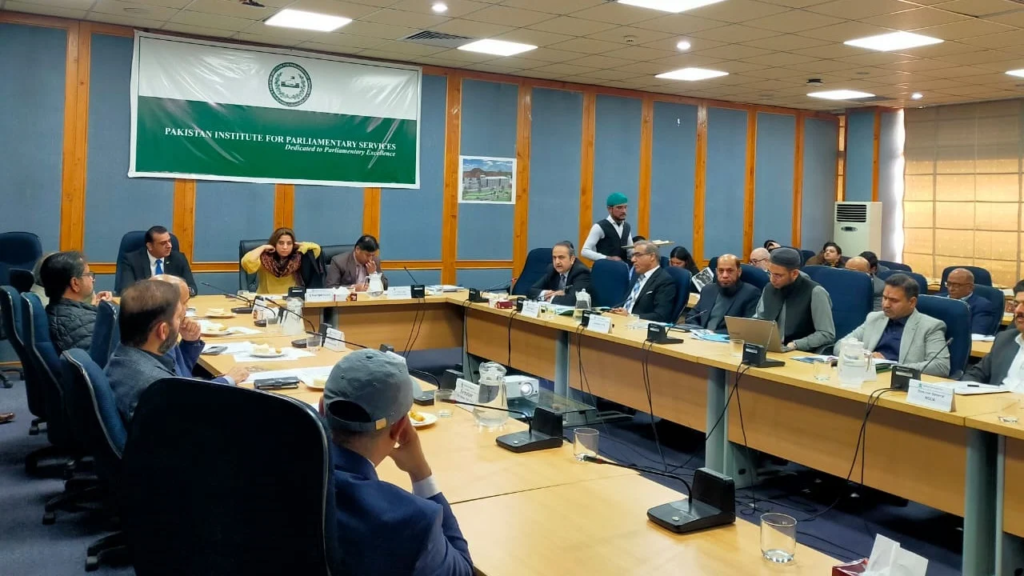
Panel also grills FIA over Rs15m/month corruption case, NADRA data security lapses, Pak-Datacom dispute
Ministers and senior bureaucrats came under scrutiny in a Senate panel on Monday over receiving hefty fees from Pakistan Telecommunication Company Limited (PTCL) for serving as board members.
According to a report submitted to the Senate Standing Committee on Information Technology, Federal Minister Ahad Cheema, the IT secretary and other senior bureaucrats were sitting on the PTCL board and receiving substantial fees in dollars.
The Senate body expressed concern over the high perks being taken by government employees while serving on the boards of state-owned enterprises, including PTCL. The committee sought details of perks and privileges given to PTCL board members and was informed that Zarar Hashim Khan, PTCL Chairman and Secretary for ITT, received $8,000 per board meeting. In addition, he was paid a monthly honorarium of Rs25,000 and was entitled to a 1,300cc car with a driver provided by PTCL.
A written response submitted by PTCL Company Secretary Zahida Awan stated that directors of the PTCL board receive a fee equivalent to $5,000 per meeting attended and $1,000 for each member serving on the board’s committees.
Committee Chairperson Senator Palwasha Khan directed the Law Division to brief the committee on the official policy governing such payments and the limits applicable to government employees or dignitaries. Members of the committee also sought details of board members serving on Ufone, a subsidiary of PTCL.
Under another agenda item, the committee was briefed on alleged corruption of Rs15 million per month. A senior Federal Investigation Agency (FIA) Anti-Money Laundering official said an FIR had been registered and investigations were underway. He said 13 officers in grades 16 to 19 had been convicted; three are on protective bail and two on post-arrest bail, while only Rs1.5 million has been recovered. The committee sought a timeline and expressed concern over delays; 271 FIA officers disciplined.
NADRA officials briefed the committee on data security measures. The chairperson expressed dissatisfaction over NADRA’s handling of data breaches involving dignitaries. The additional secretary interior informed the committee that over 80 percent of NADRA’s data had been secured through modern protocols and that aliens had been removed from the database.
Senator Afnanullah Khan recommended a third-party forensic audit of NADRA, and the committee decided to summon the NADRA chairman in the next meeting.
The also committee heard (retd) Brig Zulfiqar Ali, Pak-Datacom CEO, a subsidiary of the MoITT, who complained of humiliation and injustice by the company’s board. He said he was illegally sent on forced leave and had lodged a complaint with the IT ministry against Pak-Datacom Board Chairman Zuma Mohiuddin. Senator Afnanullah said the ministry must clearly respond to the allegations, as officials sought time to prepare a brief.
PM pushes for export emergency, eyes $60 billion target by 2029
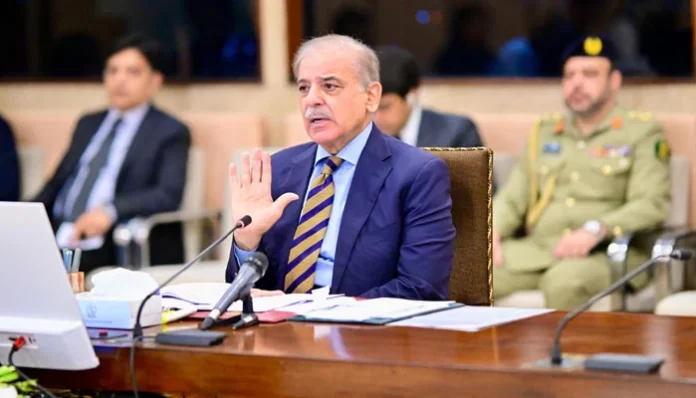
Dar-led panel to review proposals as ministry pushes refunds, export dashboard
Prime Minister Shehbaz Sharif has established a high-level committee to consider a proposal to declare an export emergency to double earnings to $60 billion by removing bottlenecks such as delays in releasing genuine tax refunds, Planning Minister Ahsan Iqbal said on Monday.
Addressing a press conference, Iqbal said a committee had been constituted under the chairmanship of Deputy Prime Minister Ishaq Dar to review proposals aimed at enhancing exports. The planning ministry had last month given a detailed briefing to the civil and military leadership on finding ways to end dependence on the International Monetary Fund (IMF). The proposals included doubling exports to $60 billion within four years.
The prime minister must declare an export emergency, establish a Prime Minister’s Hotline for exports and maintain a PM’s dashboard to ensure payment of tax refunds within 30 days, the planning minister said while addressing the press conference.
Iqbal addressed the media days after the Federal Board of Revenue (FBR) sustained a Rs330 billion tax shortfall despite paying 47% fewer refunds in December. The lower-than-estimated shortfall has reduced the chances of a mini-budget, but it has come at the cost of an already overburdened existing class of taxpayers.
Details gathered from field formations suggested that, in addition to income tax advances, the FBR’s field formations in Lahore, Islamabad, Karachi, Multan, Peshawar and Rawalpindi collected around Rs100 billion in indirect tax advances to come close to the half-year target. Due to the FBR’s poor performance, both provincial and federal governments are suffering, he said, adding that the Ministry of Finance had been withholding the release of the development budget.
Iqbal said that during the first half of the fiscal year only Rs210 billion, or 21% of the annual budget, could be spent. However, he said the trend was on an upward trajectory and spending would pick up in the second half after further releases by the finance ministry.
The planning minister said the Dar-led committee would submit its final recommendations to the prime minister next week to enhance exports.
He said the only way Pakistan could avoid approaching friendly countries and the IMF for bailouts was to raise exports to $60 billion in four years and to $100 billion over the next decade.
“If exports are not increased to over $60 billion, we will have to go to friendly countries and if they refuse too, we will again have to go back to the IMF,” Iqbal said
Pakistan currently owes nearly $13 billion in short-term loans to friendly countries, taken by successive governments to avoid default or meet external financing requirements set out by the IMF.
Iqbal further said national holidays for the export industry should be declared optional in consultation with labourers, as disruption in the export cycle causes losses worth hundreds of millions of rupees. In a briefing to the prime minister, the planning ministry also suggested that PM Sharif should stand behind the top 200 firms with the highest export potential and visit one leading exporter every fortnight. The ministry sought directions for the Board of Investment to fast-track activation of high-quality special economic and industrial zones.
It also proposed directing the Ministry of Commerce and the Ministry of Foreign Affairs to present an economic diplomacy and restructuring plan to turn Pakistani diplomatic missions into trade missions.
The planning ministry sought directions for the Ministry of Overseas Pakistanis to provide a plan for partnering with the diaspora on investment, knowledge-sharing and export development.
Effective mobilisation of joint ministerial commissions and reviews of free trade agreements for export development were also suggested to the leadership.
According to other recommendations, the prime minister was requested to direct the ministries of industries and production, national food security and research, foreign affairs and commerce to restructure and reorganise their operations to align with the economic agenda through value addition, diversification of products and markets, and increased global market share.
The choice, Iqbal said, was between a business-as-usual approach that would increase the size of the economy to $600 billion by 2035 or adopting an aspirational approach to achieve a $1 trillion economy. Pakistan’s exports increased only 4.1 times over the past 24 years, compared with Vietnam’s 26-fold increase, according to the briefing to the prime minister.
Pakistan captures only a fraction of global potential across high-opportunity sectors. The largest gaps and highest leverage points are in value addition in textiles and agriculture, formalisation and scaling of information and services, and industrial diversification into engineering goods.
Iqbal reiterated that the economy had stabilised and posted first-quarter growth of 3.7%.
He said people were criticising the gradual increase in economic growth, but the government would not pursue an import- and consumption-led growth model that could again result in a balance-of-payments crisis. Iqbal said inflation had stabilised, while large-scale manufacturing grew 5% during the first four months of the current fiscal year.
Responding to a question about an Economic Policy and Business Development think tank’s brief claiming the 3.7% growth existed only on paper, Iqbal said the growth figures had been finalised under an internationally attested and authentic procedure that ensured transparency.
Gold price in Pakistan rises Rs900 per tola
Gold price in Pakistan increased on Tuesday, with 24-karat gold being sold at Rs481,862 per tola, up Rs900.
Similarly, 24-karat gold per 10-gram was sold at Rs413,118 after a gain of Rs771, according to rates shared by the All-Pakistan Gems and Jewelers Sarafa Association (APGJSA).
The price of 22-karat gold was also quoted higher at Rs378,705 per 10-gram.
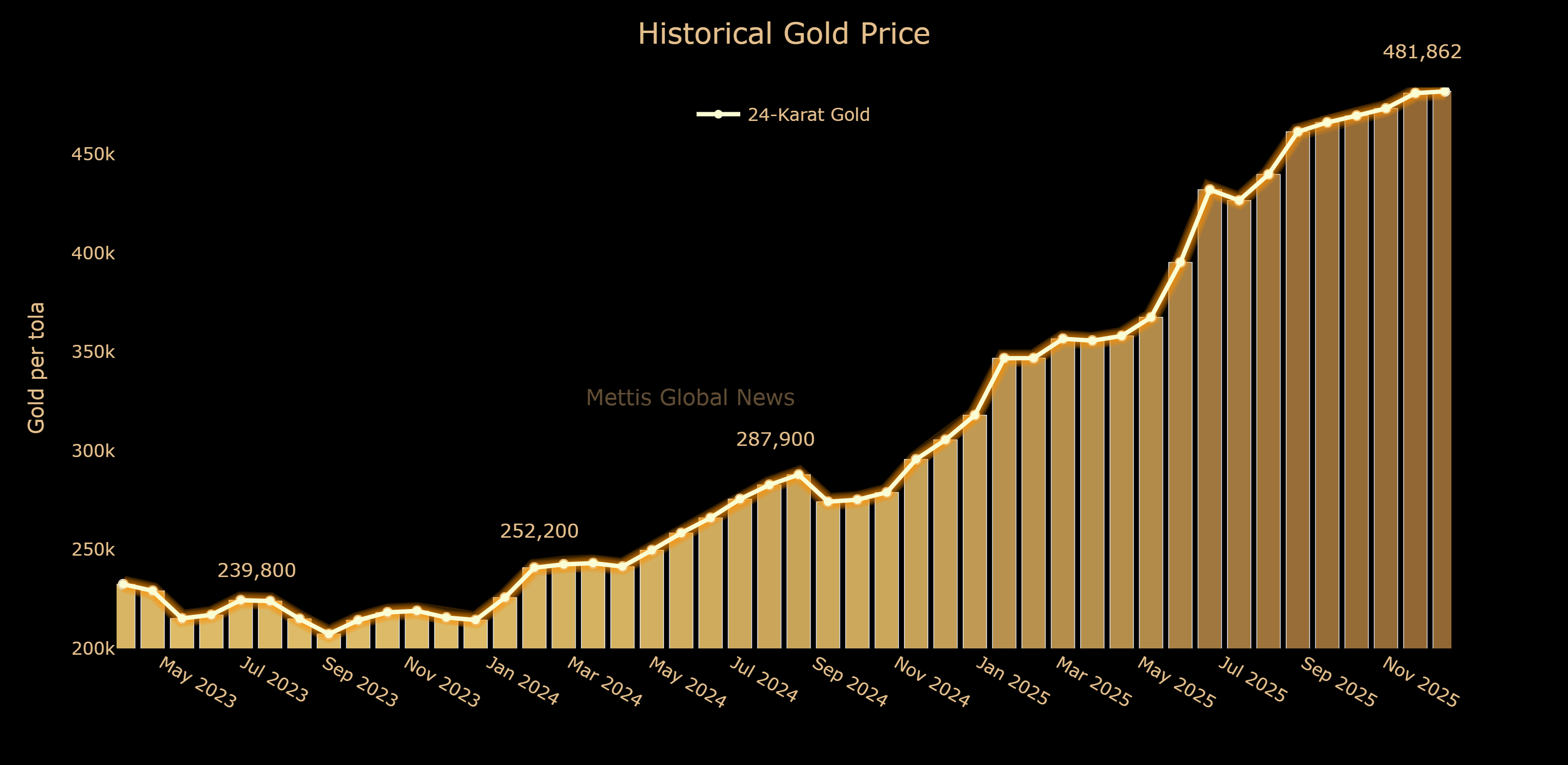
Similarly, silver prices rose in the domestic market, with 24-karat silver being sold at Rs9,075 per tola (+Rs180) and Rs7,780 per 10-gram (+Rs154).
| PKR (24-karat per tola) | Jan 13, 2026 | Jan 12, 2026 | DoD | 1 Month | FYTD | CYTD |
|---|---|---|---|---|---|---|
| Gold | 481,862 | 480,962 | 900 | 29,600 | 131,662 | 24,900 |
| Silver | 9,075 | 8,895 | 180 | 2,611 | 5,293 | 1,357 |
Globally, spot gold traded near $4,593 an ounce, down $5 or 0.11% from the previous session, amid profit booking and uncertainty withing the economy.
PIOC book closure starts January 27

Pioneer Cement Limited (PSX: PIOC) share transfer books will remain closed from January 27 to February 2, 2026, for the purpose of determining eligibility for the public offer by Maple Leaf Cement Factory Limited, according to the company’s filing on PSX revealed today.
The offer, managed by Next Capital Limited, is for the acquisition of up to 26,623,096 shares, representing approximately 11.72% of Pioneer Cement’s issued share capital.
PSX, Finance Ministry outline 2026 Public Debt strategy
The government outlined its roadmap and key initiatives for 2026 on public debt management, highlighting strategies for both domestic and external liabilities and ongoing reforms to strengthen transparency and market efficiency.
The Pakistan Stock Exchange (PSX), in partnership with the Debt Management Office of the Ministry of Finance, hosted a high-level session on Public Debt at the Dr. Shamshad Akhtar Auditorium.
The event brought together senior representatives from commercial banks, brokerage firms, asset management companies, the State Bank of Pakistan (SBP),Central Depository Company (CDC), National Clearing Company of Pakistan Limited (NCCPL).
As well as industry bodies including the Pakistan Stock Brokers Association (PSBA), Mutual Funds Association of Pakistan (MUFAP), and Fund Managers Association of Pakistan (FMAP).
The gathering provided a platform for in-depth discussions on debt management practices and capital market reforms.
The forum featured detailed presentations by leading figures, including PSX Chief Executive Officer Farrukh H. Sabzwari, Adviser to the Finance Minister Khurram Schehzad, Adviser on Debt Management Omar M. Khan, and Director Domestic Debt at the Ministry of Finance Khaliq Uz Zaman.
The government’s roadmap for 2026 was presented, offering comprehensive insights into public debt management policies and the broader approach toward managing both domestic and external liabilities, as reported by APP.
The discussion highlighted improvements in Pakistan’s macroeconomic environment that support effective debt management, alongside a review of progress made in public debt issuance during 2025, supported by key performance indicators.
The session also examined reforms undertaken in Shariah-compliant debt instruments, including enhancements in issuance mechanisms and secondary market trading at PSX, with participants reviewing trends in traded volumes and market participation.
An interactive question-and-answer segment concluded the session, enabling participants to share feedback and exchange views on further strengthening debt markets.
Adviser to the Finance Minister Khurram Schehzad emphasized that Pakistan’s debt management framework is centered on transparency and long-term sustainability.
He noted that in 2026, the government will continue prioritizing market reforms and ensuring efficient, transparent debt auctions to bolster investor confidence and maintain macroeconomic stability.
Adviser on Debt Management Omar M. Khan stressed the need for timely execution of reforms, quoting the Finance Minister while outlining targets across key areas of internal and external debt.
He urged market participants to propose innovative ideas, particularly in the development of new Shariah-compliant instruments, to broaden the investor base.
He also acknowledged the role of improved market mechanisms in achieving efficient pricing and enhancing transparency.
PSX CEO Farrukh H. Sabzwari emphasized the importance of sustained collaboration between the Ministry of Finance, capital market infrastructure institutions, and market participants.
He noted that such coordination is essential for supporting Pakistan’s economic resilience and growth.
The event concluded with a comprehensive discussion and Q&A session.
This marked another step toward strengthening engagement between the government and financial sector stakeholders in advancing Pakistan’s debt management and capital market development.
USA slaps 25% tariff on countries trading with Iran
The United States signaled a new escalation in economic pressure against Iran, with a proposed policy that would impose a 25% tariff on any country continuing to do business with the Islamic Republic of Iran.
The measure would apply to all trade conducted with the U.S. by those countries and was described as taking effect immediately.
The announcement was made by President Donald J. Trump in a post on his Truth Social platform.
He said the tariff decision was “final and conclusive” and warned that any nation maintaining commercial ties with Iran would face penalties on trade with the United States.
Earlier, Trump said Iran was approaching a moment of major change, and that the country was “looking at FREEDOM, perhaps like never before,” adding that the United States “stands ready to help.”
Tensions between the United States and Iran have remained high amid, ongoing internal unrest in Iran, with demonstrations spreading across multiple cities and drawing international scrutiny over the government’s response.
The new U.S. measure raises questions about countries like Pakistan, which has recently been expanding its agricultural and trade relations with Iran.
In November 2025, Pakistan and Iran agreed to strengthen collaboration in agriculture, food security, and trade, including plans for Iran to import 350,000 livestock from Pakistan. Discussions also focused on wheat, rice, maize, and fodder exports, as well as technology transfers and joint ventures in modern irrigation and drought-resistant crops.
With Pakistan aiming to achieve $10 billion in bilateral trade with Iran, would the proposed U.S. tariffs could disrupt these agreements.
The statement did not outline how the tariff would be implemented or which countries would be affected, and no immediate response was issued by U.S. government agencies or foreign governments, as of yet.
The situation is expected to draw close attention from international markets and U.S. allies with economic ties to Iran.
Pak-Qatar General Takaful set to go public next week
Pak-Qatar General Takaful Limited (PQGTL), a pioneer in Shariah-compliant non-life insurance solutions in Pakistan, is set to launch its Initial Public Offering (IPO) next week, aims to raise up to Rs 420 million.
The book-building process for the IPO is scheduled for January 21–22, with investor registration opening on January 16. PQGTL plans to issue 30 million shares at a floor price of Rs10 per share and a ceiling price of Rs14 per share.
Of the total shares, 75% (22.5m shares) will be allocated to institutional investors, while 25% (7.5m shares) will be offered to the general public. The public subscription window is scheduled for January 28–29, according to a statement released
Following the IPO, PQGTL will become the first dedicated general (non-life) takaful company listed on the Pakistan Stock Exchange (PSX), coinciding with the KSE-100 Index hitting record highs.
The listing is part of PQGTL’s strategy to strengthen its paid-up capital, meet regulatory requirements for non-life insurers and takaful operators, and support future growth initiatives.
Arif Habib Limited has been appointed as the consultant and book runner for the IPO.
This move follows the successful listing of Pak-Qatar Family Takaful Limited (PQFTL) last month, which raised Rs901m in Pakistan’s first-ever Islamic insurance sector IPO.
PQFTL’s IPO was oversubscribed 3.5 times, showing strong investor appetite for Shariah-compliant financial products in Pakistan.
The proceeds from the IPO will be utilized to fund strategic initiatives, including investments in software and intangible assets, hardware and infrastructure upgrades, marketing and brand development, human resource enhancement.
The proceeds will also be used for the establishment of new branches as well as the transformation of existing branches to enhance operational efficiency and customer experience.
PQGTL is part of the Pak-Qatar Group, a pioneer in Islamic financial services in Pakistan and backed by Qatar-based financial institutions.
The company offers a comprehensive range of Shariah-compliant general takaful products and will be the first dedicated general takaful operator to trade on the PSX.
Last week, the Securities and Exchange Commission of Pakistan (SECP) approved PQGTL’s IPO prospectus, highlighting the strong momentum in IPO activity on the PSX during FY2025–26.
PQGTL’s offering will be the sixth IPO on the PSX Main Board this fiscal year, marking a significant milestone for Pakistan’s Islamic insurance sector.
Pakistan Railways to kick off ML-I work in July 2026
Main Line-I (ML-I) work from Karachi Port is set to begin in July 2026, which marks a major step toward modernizing Pakistan’s north–south rail corridor and enhancing cargo handling and transportation efficiency.
During his recent visit to Karachi, Federal Minister for Railways Muhammad Hanif Abbasi met with Chairman Karachi Port Trust (KPT), Rear Admiral (R) Shahid Ahmed, to finalize strategies for improving port logistics and freight movement.
Both officials agreed on strengthening the railway system to ensure efficient transportation of cargo from the port, APP reported.
The meeting also highlighted plans to modernize the 54-kilometer railway section between KPT and Pipri and operate four daily freight trains to boost rail-based cargo movement.
Minister Abbasi emphasized ongoing reforms in Pakistan Railways, aimed at shifting freight from road to rail, expanding cargo handling capacity, and upgrading infrastructure connected to Karachi Port.
Efforts include digitization measures such as the Rail Tag system for real-time tracking, operational weigh bridges to curb overloading, and the introduction of free Wi-Fi and ATM facilities at major stations to enhance passenger services.
Both the railways ministry and KPT reaffirmed their commitment to jointly improving Karachi Port’s logistics efficiency, aligning with broader efforts to modernize Pakistan’s rail network, strengthen trade connectivity, and support national economic growth.
The initiative builds on earlier ML-I plans, including a previous agreement with the Asian Development Bank which set the stage for a comprehensive upgrade of Pakistan’s north–south rail corridor.
PKR remains flat against USD
The Pakistani rupee (PKR) gained by 1.14 paisa against the US dollar in Monday’s interbank session to settle the trade at PKR 280.01 per USD, compared to previous closing of 280.02.
Throughout the day, the currency saw an intraday high (bid) of 280.30 and a low (ask) of 281.05.
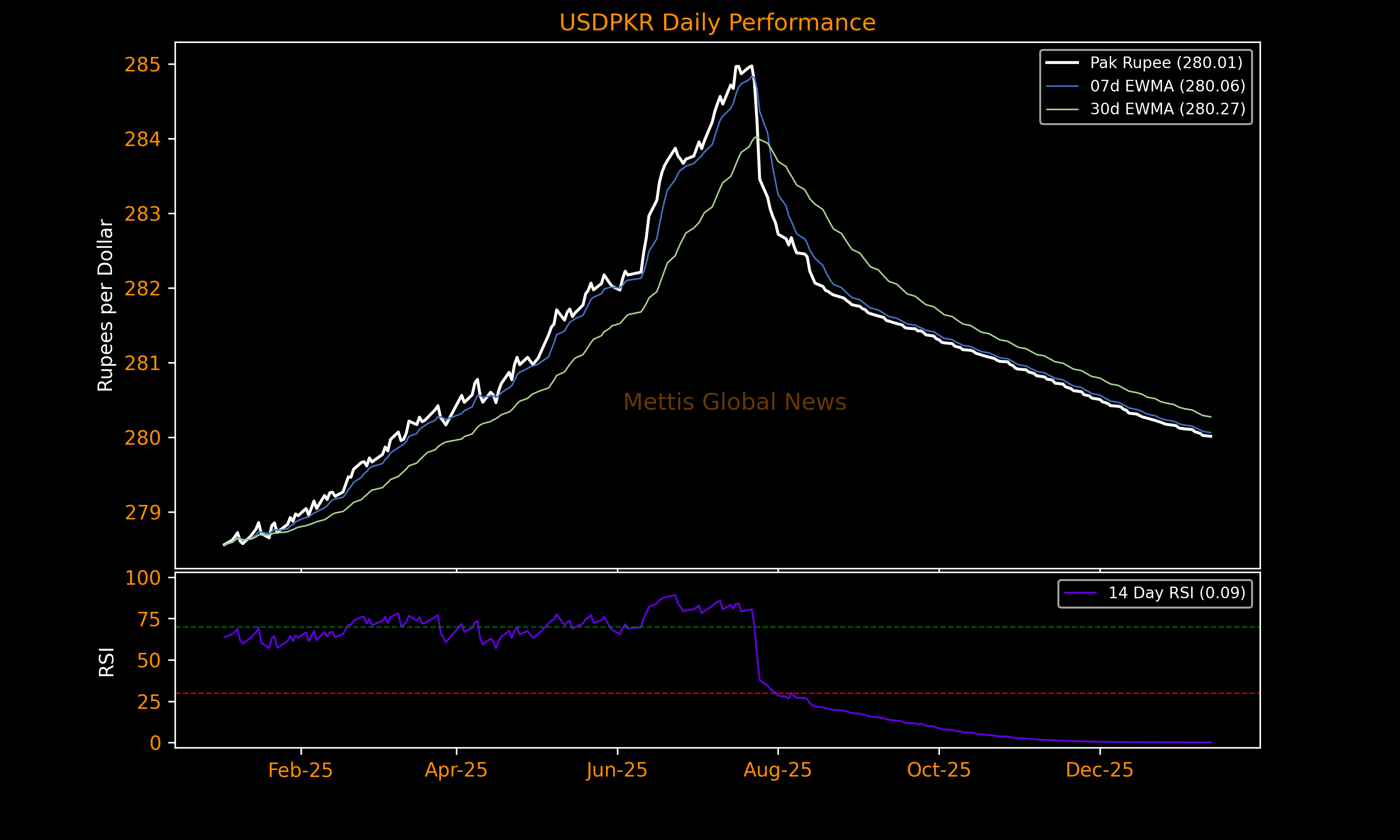
In the open market, exchange companies quoted the dollar at 280.40 for buying and 281.05 for selling.
In comparison to major currencies, PKR depreciated 1.11 rupees or 0.34% against the Euro, closing at 327.25 compared to the previous value of 326.14.
Against the British Pound, PKR decreased by 67.07 paisa or 0.18% to 376.74 compared to 376.07 a day ago.
The local unit fell 1.52 rupees or 0.44% against Swiss franc to close at 351.62.
Against the Japanese Yen, PKR’s value appreciated 0.26 paisa or 0.15% to close the session at 1.7749 versus 1.7775 a day ago.
Pakistani Rupee deteriorated 4.21 paisa or 0.10% against Chinese Yuan to close at 40.15 from 40.11.
The local currency strengthened by 0.30 paisa or 0.00% against Saudi Riyal to 74.67. While it increased by 0.31 paisa or 0.00% against the U.A.E Dirham to close at 76.24.
During the current fiscal year, PKR has rose against the US Dollar by 3.75 rupees or 1.34%. While it has increased 11.10 paisa or 0.04% so far this calendar year.In the Money Market, the benchmark 6 Month Karachi Interbank Bid and Offer rates inched down by 3bps to 10.11% and 10.36%.
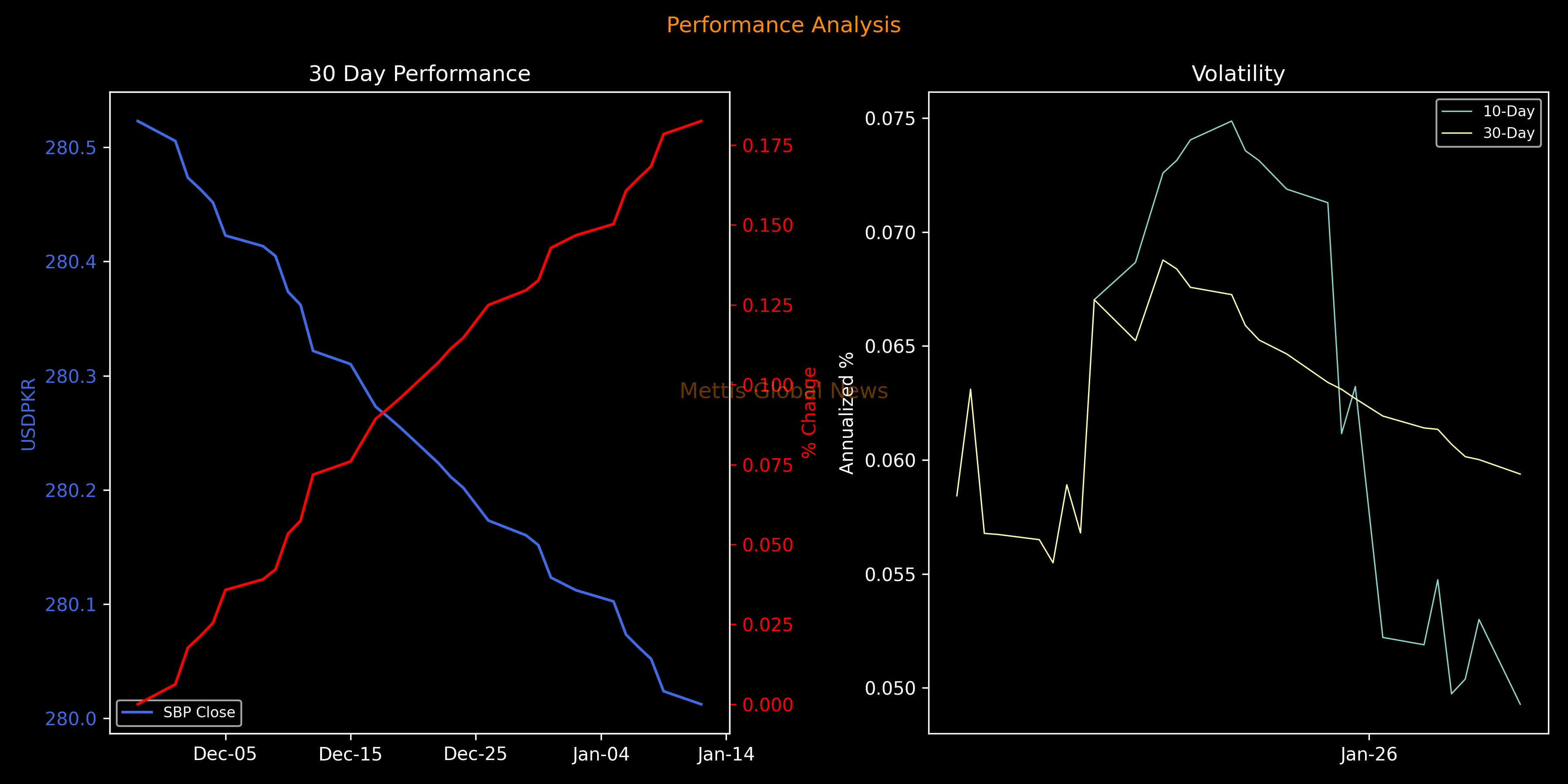
Performance Summary
| Currency | Jan 12, 2026 | Jan 09, 2026 | 1D | 7D | 1M | FYTD | CYTD | |||||
|---|---|---|---|---|---|---|---|---|---|---|---|---|
| USD | 280.0121 | 280.0235 | 0.0114 | 0.00% | 0.0901 | 0.03% | 0.3096 | 0.11% | 3.7524 | 1.34% | 0.1110 | 0.04% |
| EUR | 327.2502 | 326.1434 | -1.1068 | -0.34% | 0.1052 | 0.03% | 1.8334 | 0.56% | 5.4069 | 1.65% | 1.6003 | 0.49% |
| GBP | 376.7423 | 376.0716 | -0.6707 | -0.18% | -0.7752 | -0.21% | -1.5457 | -0.41% | 12.1143 | 3.22% | 0.4295 | 0.11% |
| CHF | 351.6195 | 350.0950 | -1.5245 | -0.43% | 0.9986 | 0.28% | 1.1861 | 0.34% | 3.7079 | 1.05% | 1.6031 | 0.46% |
| JPY | 1.7749 | 1.7775 | 0.0026 | 0.15% | 0.0099 | 0.56% | 0.0256 | 1.44% | 0.1951 | 10.99% | 0.0143 | 0.81% |
| SAR | 74.6679 | 74.6709 | 0.0030 | 0.00% | 0.0160 | 0.02% | 0.0318 | 0.04% | 0.9925 | 1.33% | 0.0266 | 0.04% |
| AED | 76.2353 | 76.2384 | 0.0031 | 0.00% | 0.0245 | 0.03% | 0.0926 | 0.12% | 1.0321 | 1.35% | 0.0406 | 0.05% |
| CNY | 40.1474 | 40.1053 | -0.0421 | -0.10% | -0.0239 | -0.06% | -0.4156 | -1.04% | -0.5440 | -1.36% | -0.0746 | -0.19% |
52 Week Performance
| Currency | High | Low | Trading Band | % Since High | % Since Low | High Date | Low Date | Days Since High | Days Since Low |
|---|---|---|---|---|---|---|---|---|---|
| USD | 278.6523 | 284.9710 | 6.3187 | -0.49% | 1.77% | 20-Jan-25 | 22-Jul-25 | 357 | 174 |
| EUR | 284.6665 | 335.1574 | 50.4909 | -13.01% | 2.42% | 13-Jan-25 | 03-Jul-25 | 364 | 193 |
| GBP | 338.2418 | 390.0418 | 51.8000 | -10.22% | 3.53% | 13-Jan-25 | 26-Jun-25 | 364 | 200 |
| CHF | 303.4906 | 359.7698 | 56.2792 | -13.69% | 2.32% | 03-Feb-25 | 23-Jul-25 | 343 | 173 |
| JPY | 1.7701 | 1.9999 | 0.2298 | -0.27% | 12.68% | 14-Jan-25 | 22-Apr-25 | 363 | 265 |
| SAR | 74.2381 | 75.9801 | 1.7420 | -0.58% | 1.76% | 13-Jan-25 | 16-Jul-25 | 364 | 180 |
| AED | 75.8661 | 77.5864 | 1.7203 | -0.48% | 1.77% | 20-Jan-25 | 22-Jul-25 | 357 | 174 |
| CNY | 38.0088 | 40.1474 | 2.1386 | -5.33% | 0.00% | 13-Jan-25 | 12-Jan-26 | 364 | 0 |
Karachi: Sealing of Cotton Exchange Building Raises Serious Concerns for Cotton Industry
The sealing of the historic Karachi Cotton Exchange Building on December 12, 2025, by the Federal Investigation Agency (FIA) in coordination with the Evacuee Trust Property Board (ETPB) has triggered widespread concern and uncertainty across Pakistan’s cotton and textile sector, an industry that forms the backbone of the national economy.
Established in 1934, the Karachi Cotton Exchange has long served as a central institution for the country’s cotton trade. For decades, it has played a crucial role in determining cotton market trends and facilitating transparent price discovery through the Cotton Rate Committee, whose benchmark prices are used nationwide by cotton traders, ginners, spinners, textile mills, and exporters.
Officials of the Karachi Cotton Association (KCA) stated that the institution operates under a mixed ownership structure, with both government and private stakeholders, and maintains a professional and long-standing working relationship with the Ministry of Commerce. According to KCA officials, the matter concerning the building’s lease was already under due legal process, and all necessary documentation related to the renewal of the lease from the Karachi Metropolitan Corporation (KMC) had been submitted by association officers several years ago.
Sources within the association revealed that a hearing on the matter was held on January 9, while a final hearing is scheduled for January 13, from which positive progress and resolution were expected. However, before the legal process could reach its conclusion, FIA officials reportedly visited the premises on Friday, ordered the offices to be vacated, and subsequently sealed the building.
Representatives of the Cotton Exchange expressed concern over the manner in which the action was carried out, stating that the sealing took place after official working hours and that several key officers and stakeholders were not formally informed in advance. They further pointed out that the official notices themselves indicate that once legal requirements are fulfilled, the premises may be de-sealed, raising questions about the urgency and timing of the action.
Industry stakeholders warn that the suspension of operations at the Cotton Exchange, particularly the halt of the Cotton Rate Committee, has caused serious disruption to the cotton and textile supply chain. In the absence of officially notified reference prices, market participants are facing difficulties in finalizing trade deals, negotiating contracts, and determining fair pricing mechanisms, leading to uncertainty and potential financial losses.
Representatives of major industry bodies, including the All Pakistan Textile Mills Association (APTMA), have voiced strong concerns over the situation. They have emphasized that the cotton and textile sector employs millions of people directly and indirectly, and any prolonged disruption could have adverse implications for exports, industrial activity, and employment.
Industry leaders confirmed that they are actively engaging with relevant authorities and government departments in hopes of an early resolution. They expressed optimism that the issue will be resolved through legal channels, allowing the Cotton Exchange to resume its operations and restore confidence in the market.

Stakeholders stressed that safeguarding key market institutions like the Karachi Cotton Exchange is essential for ensuring stability, transparency, and continuity in Pakistan’s cotton and textile industry, particularly at a time when the sector is already facing economic and global market challenges.
Matco Foods shifts Gujranwala plant to FFL
Matco Foods Limited (PSX: MFL) has approved the transfer of its immovable property measuring 3.47 acres (27.76 Kanals) in Tehsil Kamoki, District Gujranwala, along with the building, plant, machinery, and equipment, to its wholly-owned subsidiary, Falak Foods Limited (FFL).
The transaction will be executed as non-cash consideration, with FFL issuing new shares at par value to Matco Foods, resulting in an increase in FFL’s issued and paid-up share capital.
Matco Foods will continue to hold 100% shareholding of FFL, according to the company’s filing on PSX revealed today.
Apple leads global smartphone market with 20% share in 2025,

Apple led the market with a 20% share, the largest among the top five brands
Global smartphone shipments rose 2% year-on-year in 2025, lifted by stronger demand and economic momentum in emerging markets, Counterpoint Research said on Monday.
Apple led the market with a 20% share, the largest among the top five brands, supported by solid demand in emerging and mid-sized markets and strong sales of the iPhone 17 series, said Counterpoint analyst Varun Mishra.
Manufacturers pulled shipments forward early in the year to get ahead of tariffs, but the effect eased as 2025 progressed, leaving second-half volumes largely unaffected, the firm said.
Samsung ranked second with a 19% share on modest shipment growth, while Xiaomi placed third with a 13% share, backed by steady demand in emerging markets.
The global smartphone market is expected to soften in 2026 amid chip shortages and rising component costs, as chipmakers prioritise AI data centres over handsets, Counterpoint research director Tarun Pathak said.
PPRA unveils major digital reforms in public procurement
The Public Procurement Regulatory Authority (PPRA) has introduced sweeping reforms to modernize Pakistan’s public procurement framework, aligning it with the Prime Minister’s Digital Pakistan Vision and global best practices.
At the heart of this transformation is the e-Pak Acquisition and Disposal System (EPADS), which is now set to enter a more advanced phase with the launch of EPADS 2.0, as reported by APP.
Managing Director PPRA Hasnat Ahmed Qureshi said the authority introduced a comprehensive reform programme in 2024 after a diagnostic review by international and local consultants.
He said the initiative followed the subsequent approval of a reform roadmap by the Prime Minister.
The reforms span e-procurement, legal amendments, capacity building, and institutional restructuring.
He noted that EPADS has already been implemented across the federal government and three provinces, significantly digitizing procurement operations.
To date, 9,846 procuring agencies and around 43,000 suppliers, including nearly 600 foreign vendors, have registered on the platform.
During FY2024-25 alone, more than 526,000 procurement transactions valued at Rs1.41tr were processed through EPADS.
Hasnat Ahmed Qureshi highlighted that EPADS is fully integrated with key national institutions, including the Federal Board of Revenue (FBR), NADRA, and the Securities and Exchange Commission of Pakistan (SECP).
He said the system is also linked with the Pakistan Engineering Council (PEC), Financial Accounting and Budgeting System (FABS), Provincial Revenue Authorities (PRAs), and the Drug Regulatory Authority of Pakistan (DRAP).
Dedicated real-time dashboards have also been provided to oversight bodies such as the Auditor General of Pakistan (AGP), NAB, PEC, and the Competition Commission of Pakistan (CCP).
“With institutional integration and real-time oversight, EPADS has transformed public procurement into a transparent and fully verifiable system, strengthening accountability and enhancing public confidence,” the PPRA chief remarked.
According to Hasnat Ahmed Qureshi, the shift to digital procurement has curbed collusive practices and boosted competition, with open tenders now attracting an average of five to seven bidders, compared to two to three bidders under the manual system.
EPADS also captures petty purchases and RFQs, offers an effective grievance redressal mechanism, restricts blacklisted firms, and flags procurement delays.
It also enables live streaming of large-scale bids exceeding Rs500m for goods and services and Rs1bn for works.
Outlining the roadmap ahead, Hasnat Ahmed Qureshi announced that EPADS 2.0 a smarter, more user-friendly, and dynamic platform will be launched at the federal level in January 2026, followed by Gilgit-Baltistan and AJK in February, and provincial rollout in March.
Advanced monitoring and analytical reporting will begin in July, while donor-funded procurements will be routed through EPADS by September 2026.
An Online Procurement Academy is planned for October, and adoption of Open Contracting Data Standards (OCDS) is targeted for December 2026.
On the regulatory front, PPRA is pursuing amendments to the PPRA Ordinance 2002, finalizing the Public Procurement Rules 2025, and harmonizing regulations and standard bidding documents nationwide.
The new rules introduce mandatory e-procurement and e-disposal, third-party oversight, independent grievance redressal, procurement cells, and professionalization of procurement functions.
“These regulatory changes aim to remove ambiguity, enhance transparency, ensure fairness, and promote competition and efficiency,” he stated.
Further, it was shared that capacity building remains a key priority, with over 10,000 officials trained so far, including 2,499 officials and suppliers during FY2024-25, in collaboration with institutions such as NUST, LUMS, IBA, and Air University.
A standardized competency framework is also being developed to accredit procurement professionals.
As part of institutional reforms, PPRA has hired technical experts and IT professionals through competitive processes and established procurement cells within procuring entities.
It has also digitized internal operations, set up a modern EPADS training facility, and launched a 16-hour dedicated help desk for continuous support.
Concluding the briefing, Hasnat Ahmed Qureshi said the ongoing reforms mark a decisive move toward modern procurement governance, embedding transparency, accountability, and efficiency throughout the procurement cycle.
He added that these measures are strengthening Pakistan’s credibility in line with international standards.
CY26 buying, macros propel PSX further higher
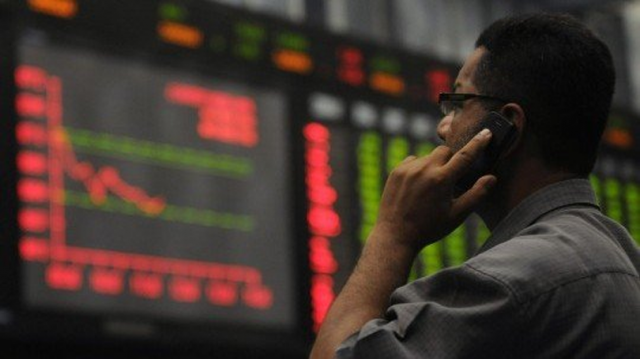
Bank-led buying drives KSE-100 up by 3% WoW despite late profit-taking
Pakistan’s equity market opened the new year on a strong footing as the benchmark KSE-100 index extended its bullish momentum in the second week, climbing 5,375 points, or 3% week-on-week (WoW), to close at 184,410.
The rally was triggered by renewed buying in heavyweight stocks amid improved market participation, supportive macroeconomic indicators, and positive company-specific developments, while easing yields in the latest T-bill auction and robust remittances further strengthened investor sentiment. On a day-on-day basis, the bullish momentum at the Pakistan Stock Exchange (PSX) continued unabated on Monday as the KSE-100 index surged past 182k, closing at 182,408, up 3,373 points (+1.88%).
On Tuesday too, the market’s surge continued, when the index gained 2,654 points (+1.45%) to close at 185,602. The powerful and sustained bullish trend remained intact on Wednesday as well, with the bourse maintaining its full strength and closing at a fresh all-time high of 186,518. In the initial five sessions of CY26, the index added a massive 12,464 points (+7.2%).
However, following the sharp rally, the PSX witnessed its first profit-taking session on Thursday, where the index closed at 185,543, down 976 points (-0.52%). On Friday, the PSX took a breather and the KSE-100 remained volatile, swinging in both directions before closing at 184,410, down 1,133 points (-0.61%). Despite the decline, the CY26-to-date gains stood strong at 5.95%, equivalent to a rise of 10,356 points.
Arif Habib Limited’s (AHL) weekly report noted that the KSE-100 index climbed from 179,035 points last week to 184,410 in the outgoing week, gaining 5,375 points (+3%), supported by a rally in heavyweight stocks driven by new year buying, and positive company-specific news and updates.
Among economic developments, the government through a T-bill auction raised Rs979.3 billion against the target of Rs850 billion. Yields were down across all tenors by 28.6 to 33.8 basis points. Participation remained strong at Rs2,554.6 billion.
Worker remittances reached $3.6 billion in Dec’25, marking a 17% year-on-year (YoY) increase. Cumulatively, 1HFY26 remittances clocked in at $19.7 billion, up 11% YoY.
AHL mentioned that tariff rebasing, following shift from financial year to calendar year, was likely to pull the power purchase price down by Rs0.51 per kilowatt-hour (kWh) in CY26 versus FY26. Cotton arrivals in factories remained stable as of end-Dec’25. In Punjab, cotton arrivals declined 4% in CY25, while Sindh arrivals improved by 4% YoY. However, total production are estimated at 6.8 million bales in FY26, representing a significant 33% shortfall against projections.
Meanwhile, the central government debt stood at Rs77.5 trillion as of Nov’25 compared with Rs70.4 trillion in Nov’24, up 10.2% YoY and 0.7% month-on-month, AHL added.
JS Global’s Syed Danyal Hussain, in his report, said that the benchmark KSE-100 index extended its bullish run in the second week of the year, closing at 184,410, up 3% WoW. The rally was largely led by banks, which contributed 57% to index gains, while cement stocks (8%) and auto shares (5%) provided limited support. Market participation improved notably, with average daily traded volumes rising 25% WoW.
On the macro front, he said, Pakistan recorded monthly remittances of $3.6 billion in Dec’25, reflecting a 17% YoY increase. Meanwhile, total public debt declined by Rs345 billion to Rs77.5 trillion in 5MFY26, largely supported by the transfer of State Bank’s profits to the government.
In policy developments, the government was exploring options to seek relaxations from the IMF ahead of the FY27 budget, with key proposals including a phased reduction in super tax over the next four years and lower power tariffs to enhance competitiveness.
Separately, the gas-sector circular debt climbed to Rs3.2 trillion, driven mainly by a sharp rise in late payment surcharges (Rs1.45 trillion). In the T-bill auction, the government raised Rs979 billion against the target of Rs850 billion, with yields falling by 29-33 basis points across different tenors. SBP’s reserves rose $141 million to $16 billion.
PM thanks overseas Pakistanis as remittances hit record $3.6bn in December
Inflows jump 16.5% year-on-year, lifting first-half FY26 remittances to $19.7bn
Prime Minister Shehbaz Sharif has thanked overseas Pakistanis after remittances rose to a record $3.6 billion in December 2025, giving a major boost to the country’s economy.
In a statement, the prime minister said remittances increased 16.5% compared to the same month last year, calling it a sign of the “strong confidence” of overseas Pakistanis in the government’s economic policies.
He said by rejecting what he described as “propaganda” and continuing to support Pakistan’s construction and development through remittances, overseas Pakistanis had shown deep commitment to the country. The remarks were a reference to the opposition PTI’s anti-government stance.
Describing overseas Pakistanis as a “valuable national asset”, Shehbaz said the nation took pride in their contribution and that their welfare and well-being remained among the government’s top priorities.
State broadcaster Radio Pakistan reported that overall foreign remittances rose 13% in December to reach the historic high of $3.6 billion. The surge pushed total remittances in the first half of fiscal year 2025-26 to $19.7 billion, a sharp 41% increase compared with the same period last year.
According to a country-wise breakdown, Saudi Arabia remained the largest source of remittances with $813 million, followed by the United Arab Emirates with $726 million, the United Kingdom with $560 million and the United States with $302 million.
Adviser to the Finance Minister Khurram Schehzad said the record inflows reflected continued trust of overseas Pakistanis in the government’s economic direction. He said the strong involvement of the diaspora in the economy was a guarantee of long-term stability, sustainable growth and a brighter future.
Remittance inflows continued their strong upward trend during the first half of FY26, providing vital support to Pakistan’s external account at a time of weakening export performance.
According to data released by the State Bank of Pakistan, remittances rose 11% year-on-year to $19.7 billion during the first half of FY26, highlighting the growing role of overseas Pakistanis in stabilising the economy.
The growth was driven by a sharp surge in December inflows, which climbed 17% year-on-year to a record $3.6 billion, up from $3.1 billion in the same month last year.
On a month-on-month basis, remittances increased 13%, showing sustained momentum toward the end of the calendar year. Brokerage firms, including Topline Securities, attributed the rise to higher manpower exports in previous years, a narrowing gap between formal and informal exchange rates and the continuation of government incentive schemes to encourage official remittance flows.
Looking ahead, analysts have maintained a full-year FY26 remittance target of $41 billion, up 7.5% from $38 billion in FY25. If achieved, it would rank among the highest annual inflows in Pakistan’s history.
Economists, however, cautioned that while rising remittances help ease short-term balance-of-payments pressures, lasting external stability will depend on long-delayed trade, industrial and export-led structural reforms.
Gold price in Pakistan rises Rs7,700 per tola

Gold price in Pakistan increased on Monday, with 24-karat gold being sold at Rs480,962 per tola, up Rs7,700.
Similarly, 24-karat gold per 10-gram was sold at Rs412,347 after a gain of Rs6,602, according to rates shared by the All-Pakistan Gems and Jewelers Sarafa Association (APGJSA).
The price of 22-karat gold was also quoted higher at Rs377,998 per 10-gram.
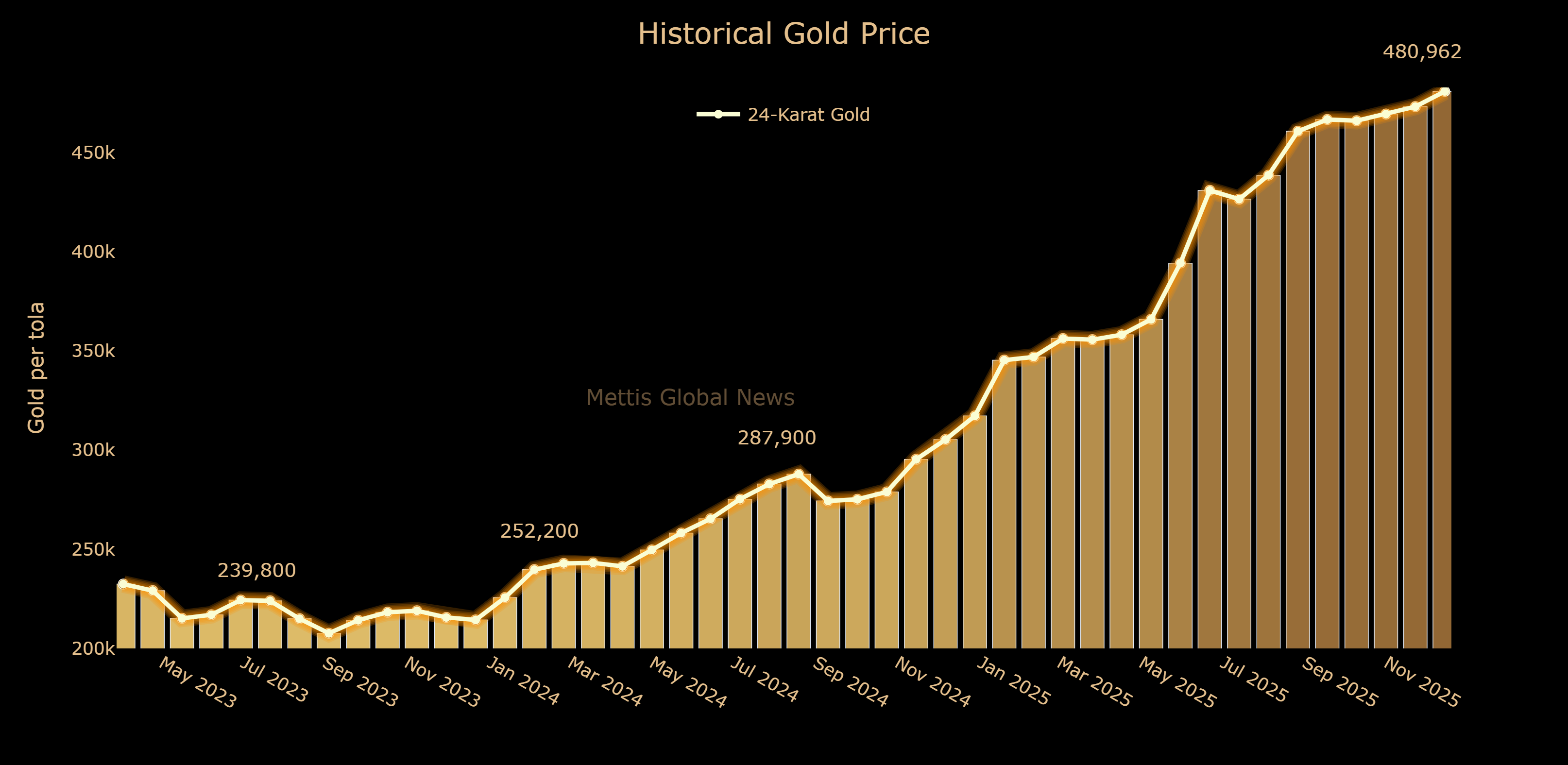
Similarly, silver prices rose in the domestic market, with 24-karat silver being sold at Rs8,895 per tola (+Rs430) and Rs7,626 per 10-gram (+Rs369).
| PKR (24-karat per tola) | Jan 12, 2026 | Jan 10, 2026 | DoD | 1 Month | FYTD | CYTD |
|---|---|---|---|---|---|---|
| Gold | 480,962 | 473,262 | 7,700 | 28,700 | 130,762 | 24,000 |
| Silver | 8,895 | 8,465 | 430 | 2,431 | 5,113 | 1,177 |
Globally, spot gold traded near $4,595 an ounce, up $55.4 or 1.22% from the previous session, as safe havens became an investor umbrella amid a perfect storm of geopolitical turmoil, economic uncertainty, and mounting pressure on the Federal Reserve to slash interest rates, in a dramatic Monday trading session.
Pakistan makes major strides in regulatory reforms
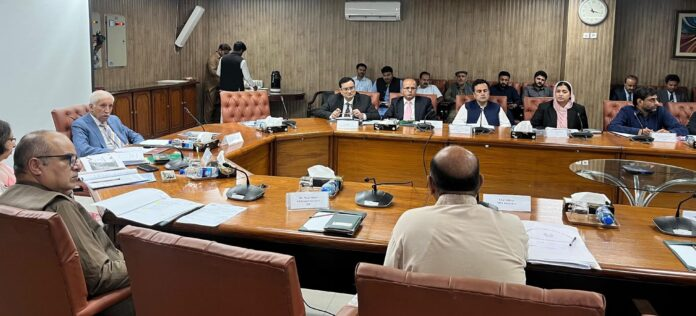
Enhances transparency, business ease as country ranks 6th among 50 economies in WB’s 2024 ‘Business Entry’ indicator
Pakistan has taken bold steps forward in modernising its regulatory landscape, delivering significant enhancements to anti-money laundering safeguards, corporate transparency, and the simplicity of starting a business, initiatives that have positioned the country as a more competitive and compliant player on the global stage.
At the heart of these achievements is the Securities and Exchange Commission of Pakistan (SECP), which earned the title of national “Reforms Champion” from the prime minister in December 2025 during the launch of the National Regulatory Reforms initiative. The recognition highlights the regulator’s dedication to institutional integrity, digital innovation, greater ease of doing business, and updating the Companies Act, 2017, to international standards.
In the 2024-25 financial year, the SECP-led national risk assessments drove forward the AML/CFT National Action Plan and worked closely with domestic and international partners to meet the Financial Action Task Force requirements.
A key milestone was the introduction of a dedicated Corporate Ultimate Beneficial Owner (UBO) Registry through extensive amendments to the Companies Regulations, 2024. Fully aligned with OECD guidelines, the new framework requires companies to issue formal notices to shareholders to identify and verify the indirect ultimate beneficial owners – the natural persons who truly control or benefit from a company – effectively preventing the misuse of anonymous corporate structures for illicit purposes.
In February 2025, the SECP launched a risk-based beneficial ownership supervision methodology that complies completely with FATF standards. By concentrating on higher-risk cases, the system ensures ownership information remains accurate, up to date, and protected against money laundering or terrorist financing risks.
To strengthen compliance across sectors, the SECP organised 14 capacity-building sessions, both in-person and virtual, reaching over 900 participants from capital market institutions, securities brokers, non-banking financial companies, the insurance sector, and various corporate entities including limited liability partnerships. These efforts successfully promoted risk-based supervisory practices nationwide.
SECP also provided vital support to the International Monetary Fund’s Governance and Corruption Diagnostic Assessment mission, coordinating with stakeholders and applying global benchmarks to advance national governance and AML/CFT priorities.
Operationally, the regulator maintained strong collaboration with the Financial Monitoring Unit to streamline Suspicious Transaction Reports and financial intelligence sharing, while ensuring swift implementation of directives from the National Counter Terrorism Authority, provincial authorities, and United Nations Security Council Resolutions on targeted financial sanctions.
For listed companies, the SECP continued rigorous enforcement of disclosure obligations. Under the Companies Act, 2017, the 2019 Listed Companies (Code of Corporate Governance) Regulations, and Pakistan Stock Exchange rules, these firms must prepare annual audited financial statements in line with Pakistan-adopted International Financial Reporting Standards, including detailed directors’ reports and audits by quality-rated professionals. The statements are presented at annual general meetings, filed with the SECP, the exchange, and the registrar, and made publicly available on company and exchange websites.
Interim reporting requirements include board-approved quarterly unaudited accounts and half-yearly statements subject to limited external review. The Securities Act, 2015, mandates timely, accurate, and equitable disclosure of material or price-sensitive information to maintain market fairness.
Ownership transparency is bolstered by the Securities Act provisions requiring prompt notification of changes by directors, executives, and major shareholders, alongside accessible registers. Ultimate beneficial ownership details are filed and regularly updated with the registrar under the broader Companies Act framework.
One of the most practical and far-reaching reforms is the SECP’s fully digital one-window registration platform, eZfile. It integrates services from the Federal Board of Revenue, for instance, National Tax Number issuance, the Employees’ Old-Age Benefits Institution, provincial social security, labour, and excise departments in Punjab, Sindh, and Balochistan.
Identity verification is automated through NADRA CNIC checks and registered mobile number validation. Approved companies receive a single combined certificate covering federal and provincial requirements, along with fully electronic certificates and certified copies.
Since 2021, the Financial Institution portal has enabled banks to access records in real time, significantly reducing corporate bank account opening times. SECP has also connected its systems with the Small and Medium Enterprises Development Authority, Intellectual Property Organisation, Pakistan Single Window, Public Procurement Regulatory Authority, Financial Monitoring Unit, and numerous entities under the Pakistan Regulatory Modernisation Initiative.
The results are compelling: Pakistan now ranks sixth among 50 economies in the World Bank’s 2024 Business Ready “Business Entry” indicator. SECP topped a World Bank-IFC survey of 65 federal regulators for digital government-to-business services.
Earlier reforms had already placed Pakistan among the top 10 global improvers in ease of doing business, achieving a 58-point improvement in the “Starting a Business” category.
Nearly all company incorporations are now conducted online, and new registrations have risen 51% since 2020, reaching 35,087 in 2024-25 – with 21,542 in the first half of calendar year 2025 alone. These comprehensive reforms have elevated Pakistan’s international standing while creating a more transparent, efficient, and attractive environment for business and investment.
Rewiring Pakistan’s growth model

Deregulation, export orientation, investment mark recalibration of strategy
Pakistan’s economic policy framework is increasingly being shaped by sector-specific reforms aimed at correcting long-standing structural distortions and reviving growth. Among the most significant developments are the gradual deregulation of the sugar sector, a renewed emphasis on an ambitious agriculture export strategy, and sustained efforts to attract foreign direct investment (FDI).
These initiatives are closely interlinked and reflect a broader shift away from heavy state intervention towards market-oriented, export-driven and investment-friendly policies. While challenges remain, official data and historical experience suggest that progress in these areas could strengthen Pakistan’s external position, raise productivity and generate much-needed employment.
The sugar sector has historically symbolised Pakistan’s interventionist economic approach. For decades, it operated under extensive government controls, including administratively fixed sugarcane support prices, restrictions on exports and imports, regulated stock releases and recurring subsidies. Although these measures were intended to stabilise prices and protect farmers, they often produced the opposite effect.
According to the Pakistan Bureau of Statistics, sugarcane production has exhibited sharp fluctuations over the past decade, rising from 78.9 million tonnes in 2019-20 to 85.4 million tonnes in 2020-21, before falling to 75.2 million tonnes in 2021-22 and rebounding to 82.3 million tonnes in 2022-23. Such volatility has been driven not only by weather conditions but also by policy uncertainty and distorted incentives.
The sector expanded beyond economically efficient capacity. The rapid growth in the number of sugar mills, particularly during the 1990s and 2000s, was not matched by gains in productivity or competitiveness. As a result, Pakistan repeatedly faced cycles of surplus and shortage, forcing the government to subsidise exports or allow costly imports. These interventions imposed a fiscal burden and undermined trust within the supply chain, especially as delayed payments to farmers became routine. Despite being among the world’s leading sugarcane producers, Pakistan failed to establish itself as a consistent exporter, with exports remaining sporadic and policy-dependent.
Recent moves towards deregulation represent an attempt to break from this legacy. By easing export restrictions and reducing direct administrative controls, policymakers aim to allow market signals to guide production and pricing decisions. The Ministry of National Food Security and Research has indicated that greater flexibility in sugar exports is intended to reduce surplus accumulation and fiscal exposure. In global comparison, the potential remains significant. According to the United States Department of Agriculture, major producers such as Brazil exported more than 25 million tonnes of sugar in 2024, while India exported over five million tonnes. Pakistan’s historically negligible export presence underscores the opportunity cost of prolonged regulation. However, the transition carries short-term risks, particularly for consumers, underscoring the need for adequate buffers and transparent market oversight.
Reform of the sugar sector is closely tied to a broader reassessment of agriculture’s role in Pakistan’s economy. Agriculture continues to be a cornerstone of economic activity, contributing about 20.9% of GDP and employing nearly 38.5% of the labour force, according to the Pakistan Economic Survey 2024-25.
Yet its contribution to exports has remained limited, largely due to dependence on a narrow range of low-value commodities such as rice and cotton. This concentration has made export earnings vulnerable to global price cycles, climate shocks and quality constraints.
Historical trade data illustrate these vulnerabilities. Rice exports peaked at 4.3 million tonnes in 2018-19 but lost momentum in subsequent years as competition intensified and quality issues constrained access to premium markets. Cotton exports similarly declined as domestic production fell and international competitiveness eroded. These trends exposed the limitations of a commodity-centric export model and strengthened the case for diversification and value addition.
Policymakers are now promoting a more ambitious agriculture export strategy that prioritises processed foods, horticulture, meat, dairy and specialised crops. Official figures from the Pakistan Bureau of Statistics show that agricultural exports increased to approximately $3.14 billion in FY24 from $2.68 billion in FY23, indicating early gains from diversification efforts.
The government has articulated longer-term ambitions to raise agri-exports beyond $5 billion annually by the end of the decade, contingent on improvements in productivity, logistics and compliance with international standards.
A key historical constraint has been weak post-harvest infrastructure. Limited cold storage, inadequate transport facilities and poor quality certification have reduced the competitiveness of Pakistani produce in high-value markets. Current initiatives emphasise investment in cold chains, storage facilities and laboratories aligned with international sanitary and phyto-sanitary requirements. These steps reflect lessons from past initiatives that faltered due to infrastructure gaps and inconsistent coordination between federal and provincial authorities.
Foreign direct investment is a critical enabler of this transformation. Pakistan’s FDI experience has been uneven, closely tracking macroeconomic stability and policy credibility. According to the State Bank of Pakistan, FDI inflows peaked at $5.4 billion in FY08 but declined sharply in subsequent years amid political uncertainty and economic volatility. After falling to around $2.2 billion in FY23, inflows recovered modestly to about $2.8 billion in FY24, suggesting renewed but still cautious investor interest.
Recent policy efforts aim to broaden the sectoral base of FDI, with agriculture and agri-processing receiving greater attention. Initiatives such as the Special Investment Facilitation Council have been established to streamline approvals and reduce bureaucratic delays, addressing long-standing investor concerns.
Authorities are actively engaging potential investors from the Gulf, China and Southeast Asia, highlighting opportunities in corporate farming, food processing and agri-logistics. Proposed investments exceeding $500 million in refrigerated transport and processing facilities signal growing interest in export-oriented agriculture. The convergence of deregulation, export orientation and investment facilitation marks a strategic recalibration of Pakistan’s growth model. Historical experience suggests that partial reforms and policy reversals undermine credibility and deter long-term investment.
To avoid repeating past mistakes, reforms must be sustained, transparent and supported by complementary measures, including access to credit, crop insurance and extension services for small farmers. Without these safeguards, the social and political sustainability of reforms could be compromised. Sectoral developments in sugar deregulation, agriculture exports and foreign investment attraction reflect an effort to correct deep-rooted inefficiencies and unlock Pakistan’s economic potential. While the transition entails risks, the costs of inaction are far greater.
If reforms are implemented consistently and supported by institutional capacity, these shifts could strengthen export performance, stabilise external accounts and lay the foundation for more inclusive and resilient growth.
Stabilisation without growth is failing Pakistan

When economy experiences stabilisation, reforms and rising poverty together, economic growth is missing
Pakistan’s economic outlook in 2026 reflects two contrasting trends. On the one hand, there is stabilisation, improvement in macroeconomic indicators and reform initiatives; on the other, there is deterioration in social indicators and a decline in real incomes for nearly 80% of households, as documented by the latest Household Integrated Economic Survey (HIES).
In nominal terms, average monthly household income has nearly doubled since 2018, rising faster in urban areas (from Rs53,010 to Rs96,767) than in rural areas (from Rs41,545 to Rs82,179). Household consumption also grew by 113%, led by housing, energy, clothing and transport, with faster growth among higher-income groups.
However, once inflation is taken into account, real incomes have declined for most households. During this period, Pakistan experienced the highest inflation in the last 50 years, which eroded the savings of the majority of households.
According to the HIES, income inequality is more pronounced in urban areas, where rich households earn above Rs146,920 while the poorest remain below Rs42,412. Since 2018-19, income increased by 119.25% in the fifth (top earners) quintile, compared with 80.45% in the first quintile, indicating faster gains for higher-income households.
This is not surprising, as top earners have a deeper asset base, including financial assets. Inequality itself is not necessarily problematic as long as overall real incomes are rising, which is currently not the case.
The share of household income from remittances increased from 4.96% in 2018-19 to 7.77% in 2024-25, consistent with the higher levels of emigration observed in recent years. More people are now seeking opportunities outside Pakistan, even though the traditional labour market in the Gulf region is also constrained. When the economy is simultaneously experiencing stabilisation, some reforms and rising poverty, the primary reason is evident: economic growth is missing.
Real GDP growth rates between the two HIES reports tell the story. Growth was -0.47% in 2019-20, 3.98% in 2020-21, 5.97% in 2021-22, 0.29% in 2022-23, 2.38% in 2023-24 and 2.68% in 2024-25. These figures translate into an average GDP growth of just 2.47%.
This is barely in line with population growth, which stands at around 2.55%. This has two implications. First, the only growth we are witnessing is largely population-driven, with little contribution from productivity, which is sadly declining. Second, in per capita terms, the economy has effectively stopped growing. As Nadeemul Haque recently wrote, “Growth is the only durable exit: it raises revenues without raising rates, creates foreign exchange without borrowing, and turns stabilisation from a recurring emergency into a permanent solution.”
So, what shift do we need? Historically, Pakistan has relied on demand-side policies and state capitalism to induce growth. In its early years, the country adopted infrastructure investment and licensed businesses to kick-start growth, which yielded some dividends. However, nationalisation reversed these gains, effectively crippling the private sector.
In the past decade, Pakistan again adopted a demand-side approach by leveraging Chinese investment and presenting it as a “game changer”. The underlying philosophy was the same: infrastructure investment in transport and energy would create sufficient incentives for the private sector to invest, produce and export. That vision has failed, as the data clearly show.
Supply-side economics, by contrast, suggests that the key to higher levels of sustained economic growth lies in the reduction of tax rates, ease of doing business, reduced government spending, sound money, free trade and privatisation.
While the government is taking measures on some fronts, such as tariff reforms and privatisation, it is not adopting a comprehensive approach. In particular, excessive taxation and regulation are weighing heavily on businesses. As a result, the government itself, which depends on tax revenues, is struggling despite progress on several fronts.
In Pakistan’s case, an additional supply-side constraint must be addressed: energy. A decade ago, the problem was the absence of reliable energy; today, it is the surplus of expensive electricity. In both cases, the outcome is the same. Large industrial users cite energy costs as a major obstacle to competitive production. While the solar revolution is benefiting households, small businesses and farms, large-scale industrial units still require cheap and reliable grid electricity.
If Pakistan continues to rely on demand management alone, it will remain dependent on macroeconomic tools that can deliver stabilisation but not growth. By carving out a coherent supply-side economic policy, we can unlock productivity, wealth creation and prosperity, laying the foundation for long-term and sustainable economic growth.
Mari Energies maintains AAA rating

The Pakistan Credit Rating Agency (PACRA) has maintained Mari Energies Limited’s long-term rating at AAA and short-term rating at A1+ which shows the company’s robust financial strength, effective governance, and resilient business model.
The rating outlook remains stable, underlined confidence in Mari Energies’ sustained operational and financial performance.
During FY25, the company underwent a major rebranding initiative, evolving from a conventional oil and gas operator to a diversified energy enterprise.
This transformation aligns with Mari Energies’ long-term strategy to expand beyond petroleum into sectors such as mining, data centers, and clean energy initiatives, positioning it competitively in Pakistan’s evolving energy landscape.
Mari Energies’ proved and probable (2P) reserves increased by approximately 110 MMBOE, achieving a Reserve Replacement Ratio of 278%.
Key drivers included production from Ghazij, Mari HRL, SML–SUL, Shewa, and new discoveries at Pateji, Spinwam, and Soho.
In addition, net contingent resources (2C) grew by ~174 MMBOE, with 109 MMBOE upgraded to reserves, bringing the total reserves and resources (2P + 2C) to 952 MMBOE, a 17% increase year-on-year, extending the company’s reserve life to 20 years.
Operationally, Mari Energies achieved its highest-ever sales capacity of 127 KBOEPD, while actual hydrocarbon sales remained stable at 107.2 KBOEPD, supported by new discoveries and increased production in Waziristan and Mari fields.
Production growth came despite indigenous gas curtailments and delays in commissioning the Shewa transmission pipeline.
Financially, Mari Energies reported net sales of Rs177.1bn and net profit of Rs65.1bn, demonstrating resilience in the face of lower oil prices, PKR appreciation, and wellhead charges on Mari Field.
With an equity base of Rs272bn and strong cash flows, the company is well-positioned to fund capital expenditures internally.
Mari Energies has also expanded its exploration portfolio, currently holding 72 exploration licenses (ELs) and 15 development & production licenses (D&PLs) across 155,756 sq. km.
Internationally, the company operates in Offshore Block-5, Abu Dhabi, and domestically, it is pursuing green hydrogen, CO₂ management, and advanced energy infrastructure projects.
Subsidiaries Mari Technologies Limited and SKY47 are developing 5 MW data centers in Islamabad and Karachi, while Mari Minerals is advancing mining operations through joint ventures and strategic acquisitions.
The company’s credit strength is reinforced by a stable ownership structure, with Fauji Foundation holding 40% and the Government of Pakistan and OGDCL holding 20% each.
Combined with robust governance and a largely debt-free capital structure, Mari Energies is positioned to maintain operational efficiency and continue its growth trajectory.
PACRA emphasized that Mari Energies’ focus on market leadership, portfolio diversification, and risk management will be critical in sustaining its strong credit profile.
Gold, silver rally amid geopolitical turmoil
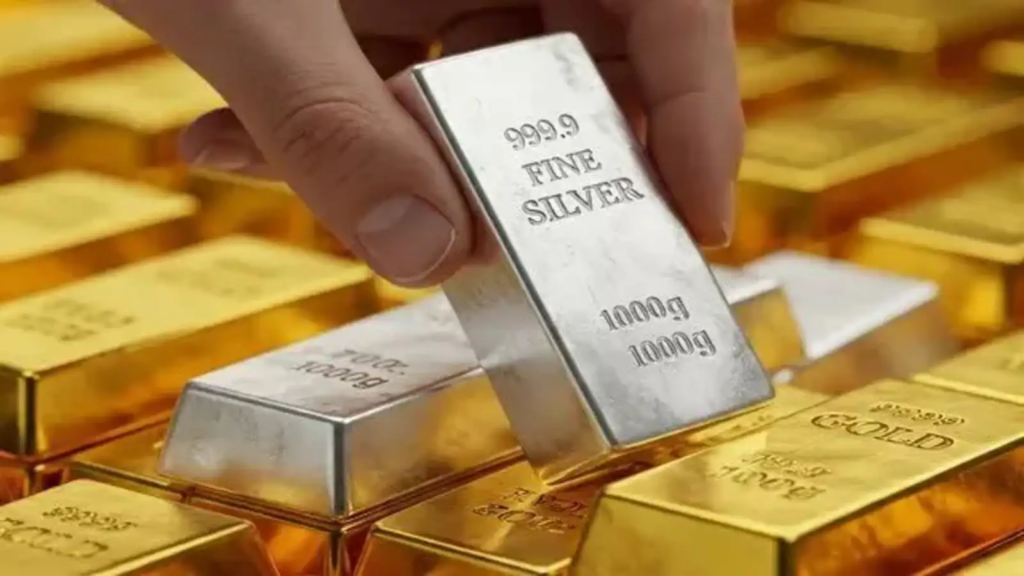
Gold has push passed the $4,600-per-ounce barrier while silver also touched historic peaks, as safe havens became an investor umbrella amid a perfect storm of geopolitical turmoil, economic uncertainty, and mounting pressure on the Federal Reserve to slash interest rates, in a dramatic Monday trading session.
Currently, Spot gold has retreated, it was up 1.47% at $4,574.02 an ounce as of [11:38 am] PST, according to data reported by Mettis Global.
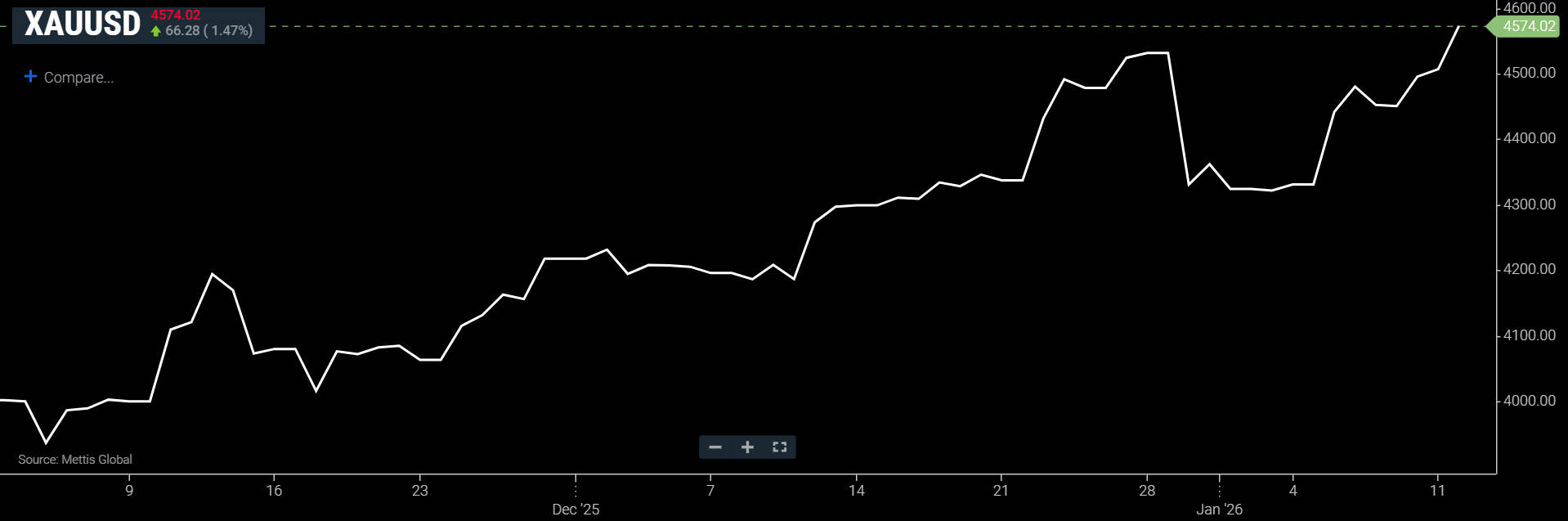
February U.S. gold futures advanced 2% to $4,591.10.
“The geopolitical risk factor is clearly the main driver behind the intraday bullish momentum we’re witnessing in both gold and silver markets,” explained Kelvin Wong, senior market analyst at OANDA, CNBC reported.
Escalating tensions in Iran, with Tehran warning of potential strikes against American military installations should President Donald Trump follow through on threats to intervene militarily in support of demonstrators.
The Iranian situation represents just one element of a broader pattern of U.S. international assertiveness under Trump, including the recent removal of Venezuelan President Nicolas Maduro and ongoing discussions regarding Greenland’s acquisition.
Domestic economic signals are also influencing market sentiment. Friday’s employment report revealed weaker-than-anticipated job creation in December, with losses concentrated in construction, retail, and manufacturing.
Despite the disappointing headline number, the unemployment rate’s decline suggests the labor market isn’t experiencing rapid deterioration.
Adding to the pressure, Fed Chair Jerome Powell disclosed Sunday that the Trump administration had threatened criminal charges related to his Congressional testimony, a move Powell characterized as a “pretext” designed to compel rate reductions.
A weakening dollar, which pulled back from month-long highs, provided additional support for precious metals.
Gold and silver typically benefit during periods of low interest rates and heightened geopolitical or economic uncertainty, as they don’t generate yield.
Silver surged 3.5% to $82.72 per ounce after reaching an all-time high of $83.96. Platinum jumped 3.2% to $2,345.40 following its December 29 record of $2,478.50. Palladium advanced 3.3% to $1,875.68.
LSE Capital enforces close period on trading

LSE Capital Limited (PSX: LSECL) has declared a close period effective January 12, 2026, in compliance with Pakistan Stock Exchange regulations on price-sensitive information.
The close period will remain in effect until the company communicates its decision to the PSX.
During this close period, LSE Capital Limited has implemented strict trading restrictions that prohibit the Board of Directors, Chief Executive Officer (CEO), and executive management from dealing in the company’s shares.
These restrictions apply to both direct and indirect trading in LSECL shares throughout the duration of the close period, according to the company’s filing on PSX revealed today.
Oil inches up on Iran unrest, Venezuela caps gains

Crude oil futures climbed Monday as intensifying protests in Iran raised supply concerns from the OPEC producer, though Venezuelan export plans and oversupply forecasts limited the advance.
Brent crude futures went up by $0.02, or 0.03%, to $63.36 per barrel, according to data by Mettis Global.
West Texas Intermediate (WTI) crude futures increased by $0.01, or 0.02%, to $59.11 per barrel by [12:30 pm] PST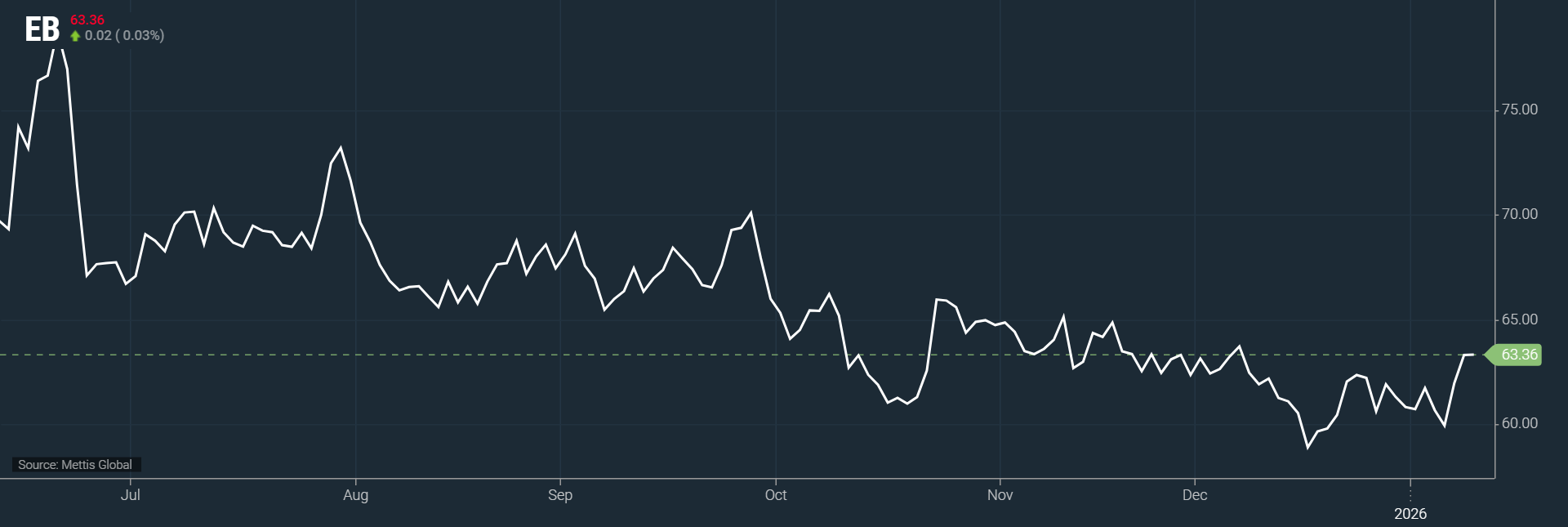
Both benchmark contracts surged more than 3% last week, marking their strongest weekly performance since October.
The rally came as Iran’s clerical establishment escalated its crackdown on the largest demonstrations the country has seen since 2022.
President Donald Trump has repeatedly warned against using force on protesters and is expected to meet senior advisers Tuesday to discuss Iran options, according to CNBC.
Venezuela is expected to restart oil shipments soon following President Nicolas Maduro’s ouster. Trump said last week Caracas would turn over as much as 50 million barrels of sanctioned oil to the United States.
This has triggered a scramble among oil companies to secure tankers and organize shipping operations from Venezuelan vessels and deteriorating ports.
Oil prices are expected to remain range-bound without a clear demand revival or significant supply disruption. Oil futures are increasingly showing an oversupply narrative as markets move into 2026.
Supply disruptions from Russia amid ongoing Ukrainian attacks targeting Russian energy facilities and possible tougher U.S. sanctions on Russian energy are also potentially being monitored.
Etihad Town hands over Gardens Phase II early, unveils Phase III in Rahim Yar Khan

Etihad Town has delivered possession of Etihad Gardens Phase II ahead of schedule and launched Phase III at a ceremony in Rahim Yar Khan.
Etihad Town has delivered possession of Etihad Gardens Phase II in just one and a half years, completing the development well ahead of its committed timeline and marking another milestone for the real estate group in southern Punjab.
The formal handover took place during a ceremony at the Etihad Gardens Phase II site, where customers received possession of their plots in the presence of senior management and invited guests. The event was co hosted by media personalities Waseem Badami and Vasay Chaudhary and was attended by a large number of investors, partners and local stakeholders.
During the same gathering, Etihad Town announced the launch of Etihad Gardens Phase III, extending the master planned community in Rahim Yar Khan. The new phase is directly connected to Phase I and is accessible from Main Sadiq Canal Road, positioning it as a continuation of the existing development with improved road links and infrastructure.
According to the company, Phase III has been designed to build on the success of the earlier phases, offering enhanced connectivity, planned amenities and long term investment potential for buyers. The new phase is part of Etihad’s wider expansion strategy in the region, where demand for planned residential schemes has been steadily increasing.
Speaking to the media at the event, Shujaullah Khan, Chief Operating Officer of Etihad Group, said the early delivery of Phase II reflected the company’s approach to planning and execution.
“Delivering Etihad Gardens Phase II ahead of time is the result of strong planning, effective leadership, and the dedication of our higher management and teams. At Etihad, timelines are commitments, not estimates. The launch of Phase III further reinforces our confidence in delivering sustainable, well planned communities,” he said.
Etihad Gardens Phase III is the ninth real estate project undertaken by the group, which has developments across Lahore, Sialkot and Rahim Yar Khan. With the handover of Phase II, Etihad has now delivered four of its projects ahead of schedule, following the earlier completion of three previous schemes within committed timelines.
The company has also confirmed that Etihad Town Premium Enclave Lahore is scheduled to be delivered later this month, adding another major project to its portfolio in the provincial capital.
SMEDA to host first ‘Made in Pakistan’ SME cluster expo this month
The three-day event will be organised by the Small and Medium Enterprises Development Authority (SMEDA) at Expo Center, Lahore
Pakistan will host first ‘Made in Pakistan: SME Cluster Showcase Expo 2026’ – a landmark exhibition which aims to strengthen the country’s micro, small and medium enterprise ecosystem, expand market access and position SME clusters as a competitive pillar of the national economy.
The three-day (Jan 24-26, 2026) event will be organised by the Small and Medium Enterprises Development Authority (SMEDA) at Expo Center, Lahore.
“The expo is envisioned as a multi-year national platform that will evolve over time from product visibility and cluster recognition into structured B2B partnerships, subcontracting ecosystems, export readiness and global buyer linkages,” according to CEO SMEDA Nadia J. Seth.
Last week, Special Assistant to Prime Minister on Industries & Production Haroon Akhtar Khan announced that a historic national-level SME Cluster Expo would be held at Lahore’s Expo Center from January 24 to 26 under Prime Minister Shehbaz Sharif’s vision to transform SME clusters into an organized, competitive and sustainable pillar of the national economy.
He emphasised that women-led enterprises and micro businesses would be given priority at the event aimed at enhancing market access, value-chain integration and export opportunities for MSMEs.
The CEO SMEDA says Pakistan’s SMEs form the backbone of economy and are concentrated in regional and sectoral clusters but most of them, especially women-led businesses and microenterprises, face challenges related to visibility, investment readiness and access to high-value domestic and international markets.
The ‘cluster showcase’ aims to bridge these gaps by providing a platform that will connect SMEs with corporate buyers, policymakers, investors, financial institutions and international stakeholders, she says.
She says the inaugural edition will establish Pakistan’s first national SME cluster exhibition baseline, promote local products and strengthen competitiveness in line with the vision of Prime Minister Shehbaz Sharif. Over three days, it will combine a national exhibition with business matchmaking and policy dialogue, she adds.
SMEDA launches certification program to help Pakistani SMEs compete globally
As for the selection criteria, officials say, clusters and exhibitors related to agro-food and processing, textiles and handicraft, surgical instruments and light engineering, leather and leather products, furniture, marble and granite, ICT and services from all over the country are encouraged to participate and will be selected in a transparent manner. “SME exhibitors will be nominated by recognised trade bodies and must demonstrate quality, innovation or market readiness, with special preference and support for women-led and microenterprises,” say officials.
The program will have a high-profile opening ceremony, cluster-specific pavilions, exhibitor stalls, dedicated enclaves, expert panels and SME Awards Ceremony recognizing excellence and innovation, according to the plan.
SMEDA officials expect a robust participation of corporate buyers and procurement heads, government and regulatory stakeholders, financial institutions and development partners, foreign missions and trade attachés, as well as media, students and the general public.
Govt, Roche agree on free cancer medicines
Free cancer medicines worth up to Rs10 million per patient will be provided to eligible patients from Islamabad, Azad Jammu & Kashmir and Gilgit-Baltistan.
The provision will be made under a five-year agreement between the Ministry of National Health Services, Regulations and Coordination and Roche Pakistan
The agreement marks one of the largest public-private collaborations in oncology treatment in the country.
Under the agreement, medicines for breast, lung and liver cancer will be supplied to patients receiving treatment at Pakistan Institute of Medical Sciences (PIMS), Islamabad, with the programme set to begin immediately and expand based on outcomes, according to the press release.
The initiative targets thousands of patients from federally administered and underserved regions, where access to advanced cancer therapies remains limited due to high costs.
The cost of treatment for a single cancer patient can reach Rs9.8m, according to health ministry estimates. Under the agreed framework, Roche Pakistan will bear approximately Rs9m per patient, while the Government of Pakistan will contribute around Rs1m.
Overall, 70% of the treatment cost will be covered by Roche, with the remaining 30% funded by the government.
The agreement was formalised at the Ministry of National Health Services in Islamabad, with Federal Minister for Health Syed Mustafa Kamal, senior health officials and representatives of Roche Pakistan in attendance.
The arrangement aims to reduce the affordability gap in cancer treatment and improve access to life-saving medicines for patients who would otherwise be unable to bear the financial burden.
The programme is initially limited to PIMS but may be extended to other regions and healthcare facilities if the model proves effective.
Cancer treatment costs remain a major challenge in Pakistan, particularly for advanced therapies used in solid tumours such as breast, lung and liver cancers.
The initiative is expected to ease pressure on public hospitals while setting a precedent for future public-private healthcare financing models.
Oil prices spike on Iran unrest, Venezuela supply worries

Crude oil prices climbed on Friday amid rising concerns over potential disruptions in Iran’s oil production and uncertainties surrounding Venezuelan exports.
Both major benchmarks, Brent and West Texas Intermediate (WTI), rebounded after two consecutive days of losses, with Brent set to rise about 2.8% for the week and WTI up roughly 1.5%.
Brent crude futures went up by $0.55, or 0.89%, to $62.54 per barrel, according to data by Mettis Global.
West Texas Intermediate (WTI) crude futures increased by $0.51, or 1.88%, to $58.27 per barrel by [5:10 pm] PST.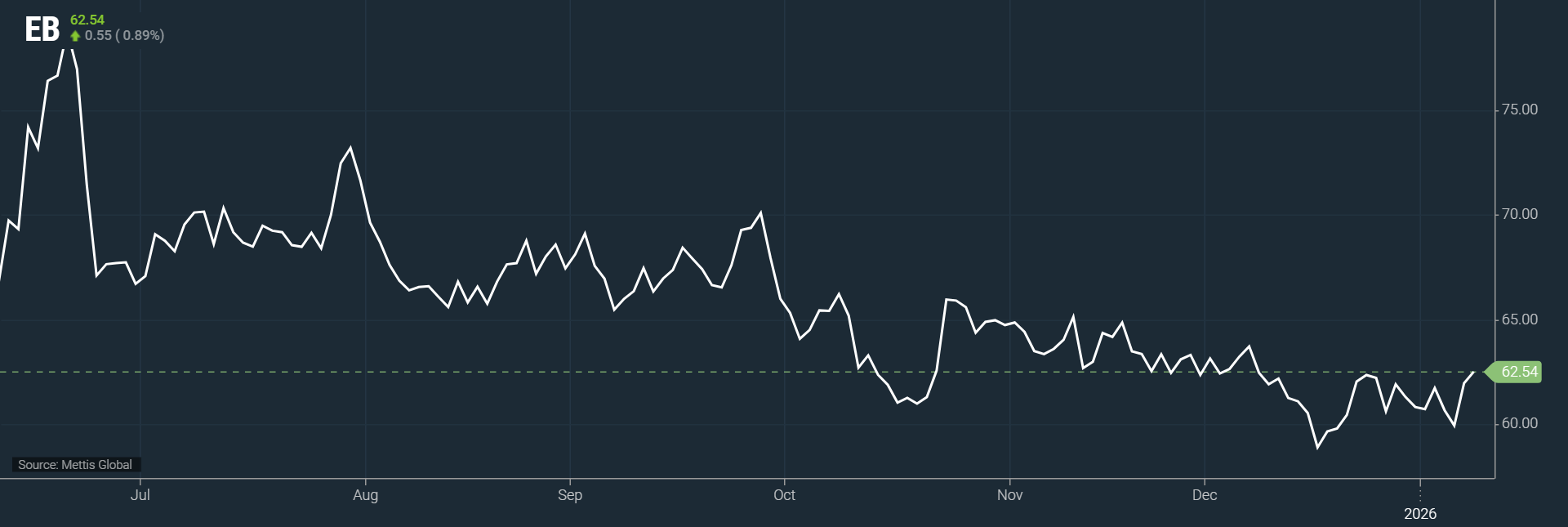
The gains attributed to intensifying unrest in Iran, which has sparked fears of supply interruptions.
Nationwide protests, particularly in Tehran, Mashhad, and Isfahan, coupled with a reported internet blackout, have heightened worries that oil output or logistics could be affected, according to CNBC.
Meanwhile, tensions from the ongoing Russia Ukraine conflict continue to create uncertainty around Russian oil exports, adding further pressure on global supply.
The situation in Venezuela has also drawn investor attention.
Following the capture of President Nicolás Maduro, the U.S. government is negotiating with oil majors and trading houses, including Chevron, Vitol, and Trafigura, to market up to 50m barrels of Venezuelan crude stored by state-run PDVSA amid sanctions and tanker seizures.
The outcome of these negotiations is expected to significantly influence global oil flows and pricing.
Despite the recent price surge, analysts caution that global crude inventories remain high, and oversupply could limit further gains.
While geopolitical risks are currently driving volatility, structural demand weakness and steady production from other regions continue to temper market optimism.
PKR rises by 3 paisa against USD
The Pakistani rupee (PKR) rose by 2.83 paisa against the US dollar in Friday’s interbank session to settle the trade at PKR 280.02 per USD, compared to previous closing of 280.05.
Throughout the day, the currency saw an intraday high (bid) of 280.4 and a low (ask) of 281.05.
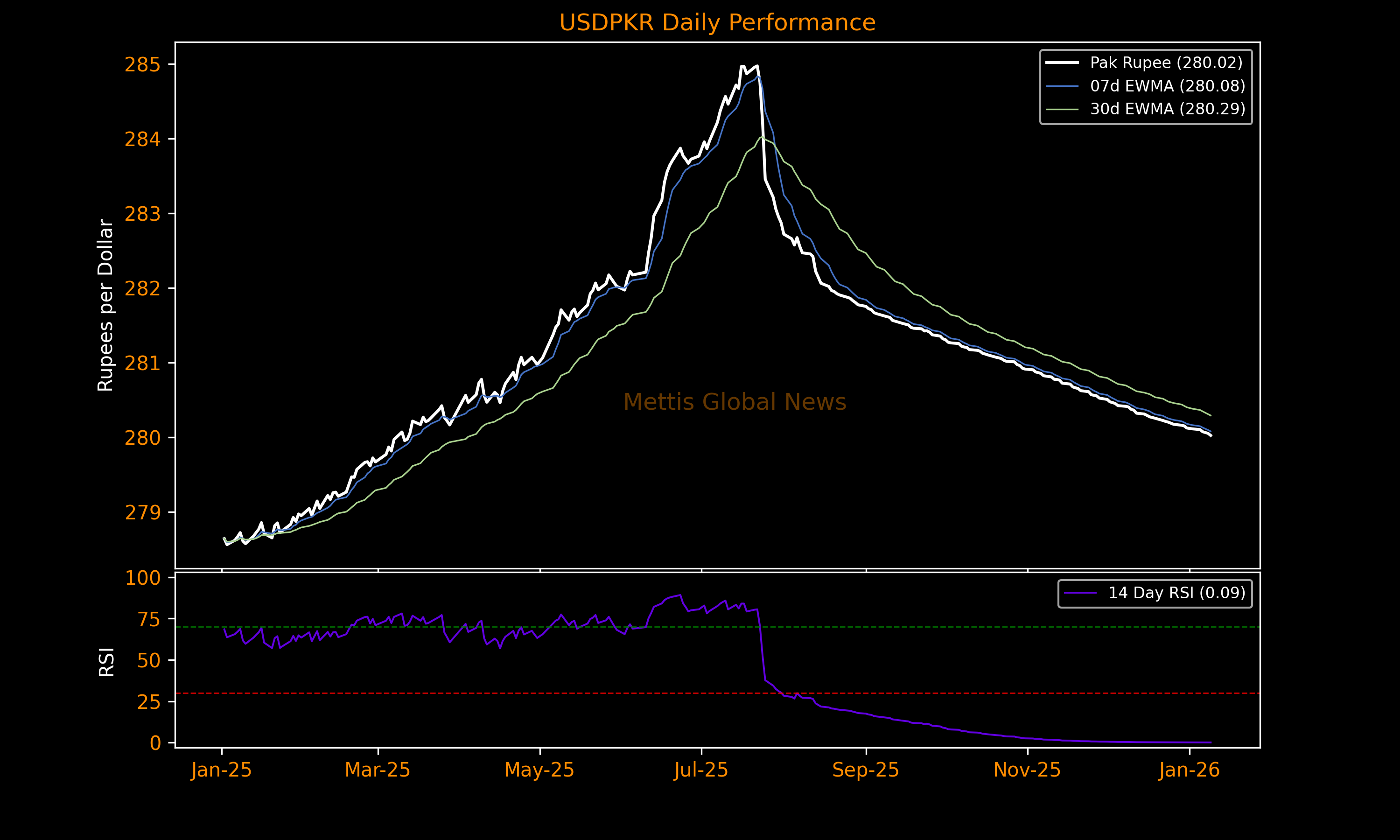
In comparison to major currencies, PKR rose 87.31 paisa or 0.27% against the Euro, closing at 326.14 compared to the previous value of 327.02.
Against the British Pound, PKR increased by 43.01 paisa or 0.11% to 376.07 compared to 376.50 a day ago.
The local unit rose 1.02 rupees or 0.29% against Swiss franc to close at 350.10.
Against the Japanese Yen, PKR’s value gained 1.18 paisa or 0.66% to close the session at 1.7775 versus 1.7893 a day ago.
Pakistani Rupee rose 0.41 paisa or 0.01% against Chinese Yuan to close at 40.11 from 40.11.
The local currency rose by 0.96 paisa or 0.01% against Saudi Riyal to 74.67. While it rose by 0.77 paisa or 0.01% against the U.A.E Dirham to close at 76.24.
During the current fiscal year, PKR has increased against the US Dollar by 3.74 rupees or 1.34%. While it has appreciated 9.96 paisa or 0.04% so far this calendar year.In the Money Market, the benchmark 6 Month Karachi Interbank Bid and Offer rates inched down by 4bps to 10.14% and 10.39%.
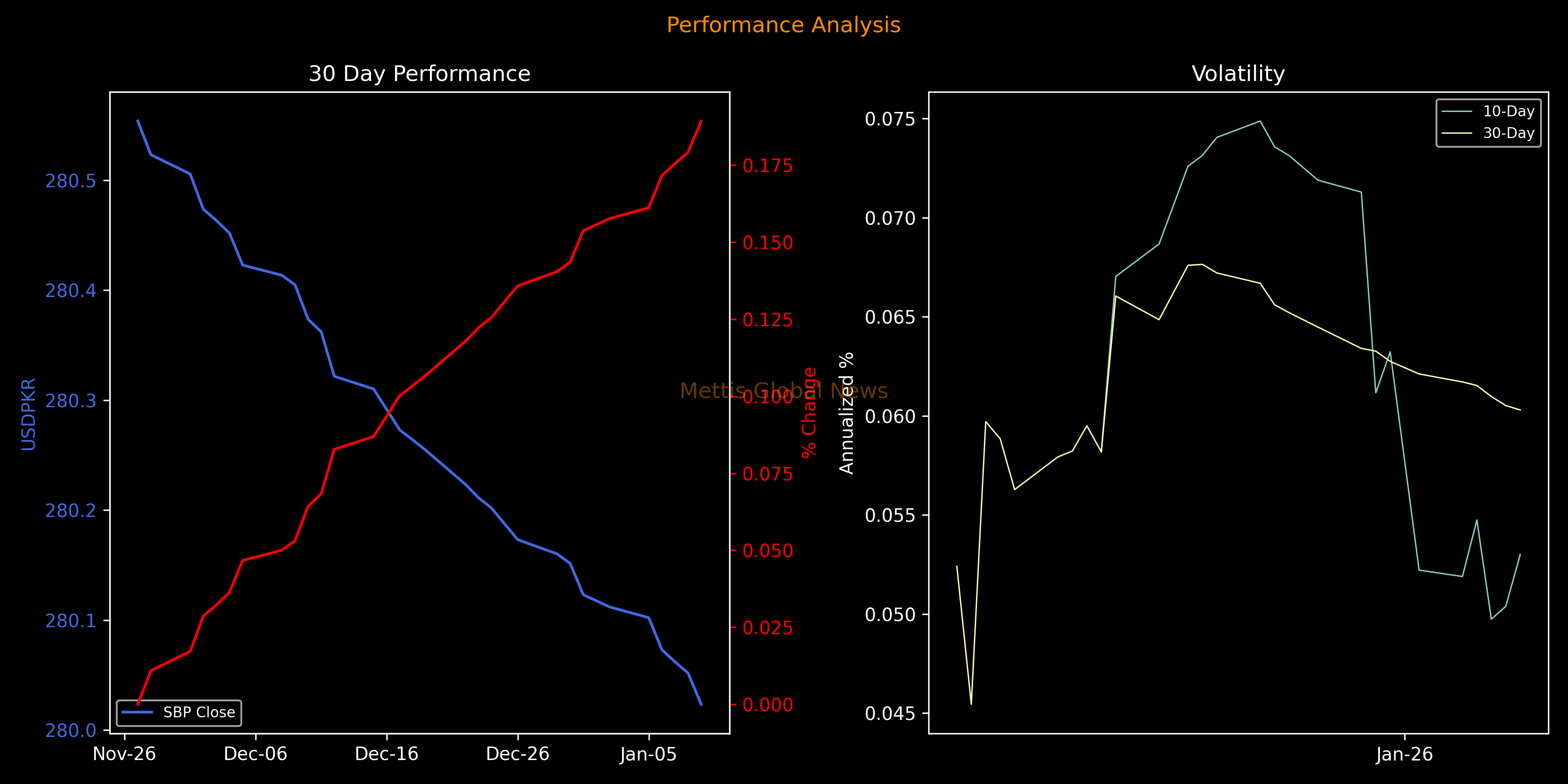
Performance Summary
| Currency | Jan 09, 2026 | Jan 08, 2026 | 1D | 7D | 1M | FYTD | CYTD | |||||
|---|---|---|---|---|---|---|---|---|---|---|---|---|
| USD | 280.0235 | 280.0518 | 0.0283 | 0.01% | 0.0885 | 0.03% | 0.3813 | 0.14% | 3.7410 | 1.34% | 0.0996 | 0.04% |
| EUR | 326.1434 | 327.0165 | 0.8731 | 0.27% | 2.6101 | 0.80% | 0.2198 | 0.07% | 6.5137 | 2.00% | 2.7071 | 0.83% |
| GBP | 376.0716 | 376.5017 | 0.4301 | 0.11% | 0.9732 | 0.26% | -2.2359 | -0.59% | 12.7850 | 3.40% | 1.1002 | 0.29% |
| CHF | 350.0950 | 351.1182 | 1.0232 | 0.29% | 3.0468 | 0.87% | -2.3492 | -0.67% | 5.2324 | 1.49% | 3.1276 | 0.89% |
| JPY | 1.7775 | 1.7893 | 0.0118 | 0.66% | 0.0068 | 0.38% | 0.0170 | 0.96% | 0.1925 | 10.83% | 0.0117 | 0.66% |
| SAR | 74.6709 | 74.6805 | 0.0096 | 0.01% | 0.0217 | 0.03% | 0.0439 | 0.06% | 0.9895 | 1.33% | 0.0236 | 0.03% |
| AED | 76.2384 | 76.2461 | 0.0077 | 0.01% | 0.0282 | 0.04% | 0.1079 | 0.14% | 1.0290 | 1.35% | 0.0375 | 0.05% |
| CNY | 40.1053 | 40.1094 | 0.0041 | 0.01% | -0.0532 | -0.13% | -0.4452 | -1.11% | -0.5019 | -1.25% | -0.0325 | -0.08% |
52 Week Performance
| Currency | High | Low | Trading Band | % Since High | % Since Low | High Date | Low Date | Days Since High | Days Since Low |
|---|---|---|---|---|---|---|---|---|---|
| USD | 278.5750 | 284.9710 | 6.3960 | -0.52% | 1.77% | 10-Jan-25 | 22-Jul-25 | 364 | 171 |
| EUR | 284.6665 | 335.1574 | 50.4909 | -12.72% | 2.76% | 13-Jan-25 | 03-Jul-25 | 361 | 190 |
| GBP | 338.2418 | 390.0418 | 51.8000 | -10.06% | 3.71% | 13-Jan-25 | 26-Jun-25 | 361 | 197 |
| CHF | 303.4906 | 359.7698 | 56.2792 | -13.31% | 2.76% | 03-Feb-25 | 23-Jul-25 | 340 | 170 |
| JPY | 1.7586 | 1.9999 | 0.2413 | -1.06% | 12.51% | 10-Jan-25 | 22-Apr-25 | 364 | 262 |
| SAR | 74.2144 | 75.9801 | 1.7657 | -0.61% | 1.75% | 10-Jan-25 | 16-Jul-25 | 364 | 177 |
| AED | 75.8440 | 77.5864 | 1.7424 | -0.52% | 1.77% | 10-Jan-25 | 22-Jul-25 | 364 | 171 |
| CNY | 37.9910 | 40.1235 | 2.1325 | -5.27% | 0.05% | 10-Jan-25 | 05-Jan-26 | 364 | 4 |
Govt approves National Policy Framework to reform gemstones sector
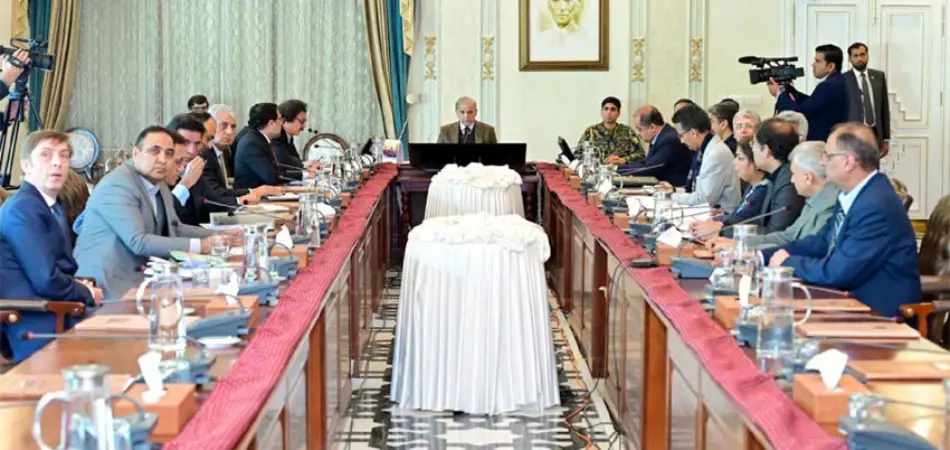
The government has accorded in-principle approval to a National Policy Framework aimed at reforming Pakistan’s gemstones sector and aligning it with international standards, with directions to implement all assigned actions for the current year.
Prime Minister Muhammad Shehbaz Sharif, chairing a meeting in Islamabad where he emphasized that Pakistan possesses vast gemstone reserves and emphasized the need for priority-based geological surveys to determine their location and value.
He directed that consultations with relevant institutions, provincial governments and stakeholders be ensured during the process, according to Radio Pakistan.
The prime minister instructed that immediate steps be taken to establish international-standard laboratories and certification systems, while creating a conducive environment for foreign investment should remain a top priority under the policy framework.
He further stated that two model Centers of Excellence related to gemstones be established during the current year, noting that despite abundant reserves, Pakistan’s gemstone exports remain negligible.
It was also stressed that private companies, especially young entrepreneurs, should be encouraged to enter the sector.
The meeting was informed that the Ministry of Industries and Commerce has identified key issues and developed priority policy measures which, through reforms over five years, aim to achieve a one billion dollar export target for the sector.
During the current year the policy framework will focus on integrating the gemstone value chain into the national economy, promoting value addition through in-country processing, adopting modern technology, launching private-sector training programs and introducing the “Brand Pakistan” initiative.
The prime minister also directed the Ministry of Finance to ensure the immediate provision of available financial resources for the development of the gemstones sector.
Pakistan, UAE eye expanded cooperation in emerging technologies
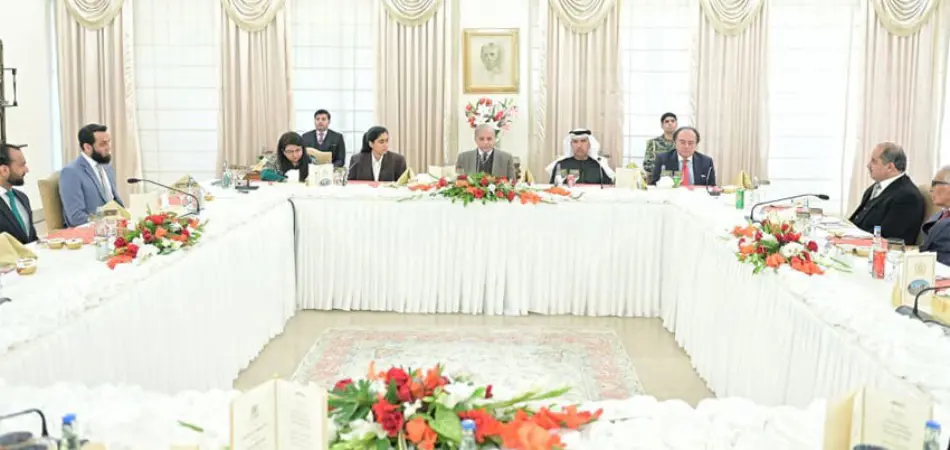
Pakistan–UAE relations are steadily progressing from traditional fraternal ties toward enhanced economic cooperation and investment, with a growing focus on private-sector collaboration and emerging technologies.
Prime Minister Shehbaz Sharif highlighted that both countries share deep-rooted and brotherly relations based on mutual trust and respect, noting that recent high-level engagements have helped build stronger confidence between investors and business communities of both sides.
The prime minister made these remarks during a meeting with a business delegation of the UAE’s Sajwani Group in Islamabad, according to Radio Pakistan.
Shehbaz Sharif said the recent visit of UAE President Sheikh Mohamed bin Zayed Al Nahyan to Pakistan has further strengthened bilateral partnership and created a favourable environment for expanding cooperation.
He emphasized that Pakistan attaches special importance to business-to-business collaboration in areas such as information technology, digital innovation, blockchain, and other emerging technologies, and welcomed the increasing interest of UAE investors in Pakistan’s digital economy.
The prime minister said the UAE’s investment capacity, innovation, and global reach, combined with Pakistan’s human capital and capabilities, offer a strong foundation for mutually beneficial economic development.
Expressing confidence in the future of bilateral ties, he said that with strong political support from the leadership of both countries, enhanced private-sector cooperation would take Pakistan–UAE economic relations to new heights.
The Sajwani Group reaffirmed its commitment to further cooperation and exploring new investment and economic partnership opportunities in Pakistan.
Weekly SPI increases by 0.12% WoW
Pakistan’s short-term inflation Sensitive Price Indicator (SPI) increased by 0.12% compared to the previous week, while it rose by 3.20% compared to the same period last year, according to the Pakistan Bureau of Statistics (PBS).
During the week, out of 51 essential items, prices of 21 items (41.18%) increased, 8 items (15.68%) decreased, while 22 items (43.14%) remained unchanged, according to PBS data.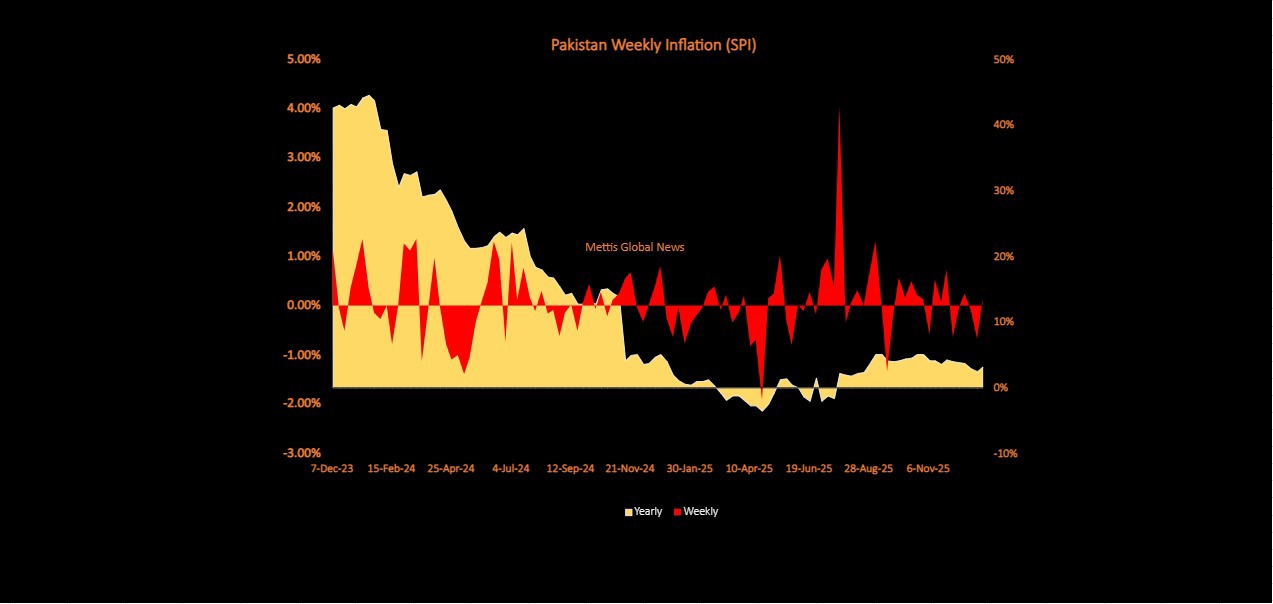
The major increase during the week was observed in the prices of wheat flour, which rose by 5.07%, followed by chicken up 2.86%, garlic increasing 2.44%, chilies powder for higher by 1.01%.
LPG rising 0.88%, tea prepared up 0.73%, shirting increasing 0.56%, sugar rising 0.58% and bread edging up by 0.22%.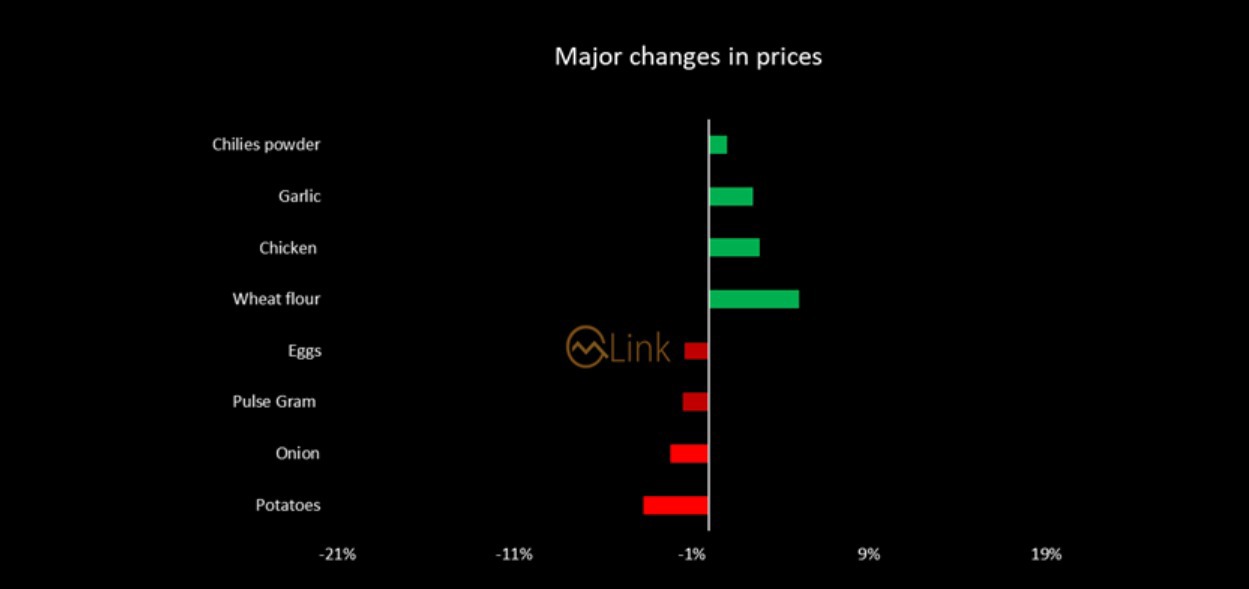
On the other hand, the major decrease was recorded in the prices of potatoes, which declined by 3.73%, onion down 2.20%, pulse gram falling 1.51%,
Eggs easing 1.44%, pulse mash falling 0.65%, pulse masoor down 0.38%, bananas declining 0.21% and tomatoes lower by 0.05%.
The year-on-year trend for the current week depicts an increase of 2.83% in the Sensitive Price Indicator (SPI).
The major annual increase was observed in the prices of Wheat Flour, which surged by 31.12%, followed by Gas Charges for Q1 up 29.85%, Beef increasing 13.15%, Chilies Powder rising 13.01%, Sugar higher by 11.18%.
Bananas and Firewood up by 10.57% each, Gur rising 10.50%, Powder Milk up 9.51%, Shirting higher by 8.73%, Lawn Printed increasing 8.29% and Eggs rising 8.03%.
On the contrary, a significant year-on-year decrease was recorded in the prices of Tomatoes, which plunged by 57.04%, followed by Potatoes down 48.71%, Onion declining 41.33%, Garlic lower by 39.07%.
Pulse Gram falling 30.97%, Tea Lipton decreasing 17.79%, Pulse Mash down 14.34%, Pulse Masoor falling 8.92%, LPG declining 1.22% and Diesel easing 0.30%.
The average price of Sona urea stood at Rs4,346 per 50 kg bag, up by 0.54% from last week’s price, and a 4.19% decrease from last year.
Meanwhile, the average Cement price rose to Rs1,404 per 50 kg bag, which is 0.20% lower than the previous week, and 0.48% above last year.
PBS calculates short-term inflation using the SPI on a weekly basis to assess the price movement of essential commodities at shorter interval of time so as to review the price situation in the country.
SPI comprises 51 essential items collected from 50 markets in 17 cities of the country.
PSX Closing Bell: Just a Little Dip
The benchmark KSE-100 Index concluded Friday’s trading session at 184,409.67, showing a decrease of 1,133.34 points or 0.61%.
The index traded in a range of 2,479.49 points showing an intraday high of 186,180.32 (+637.31) and a low of 183,700.83 (-1,842.18) points.
The total volume of the KSE-100 Index was 393.48 million shares.
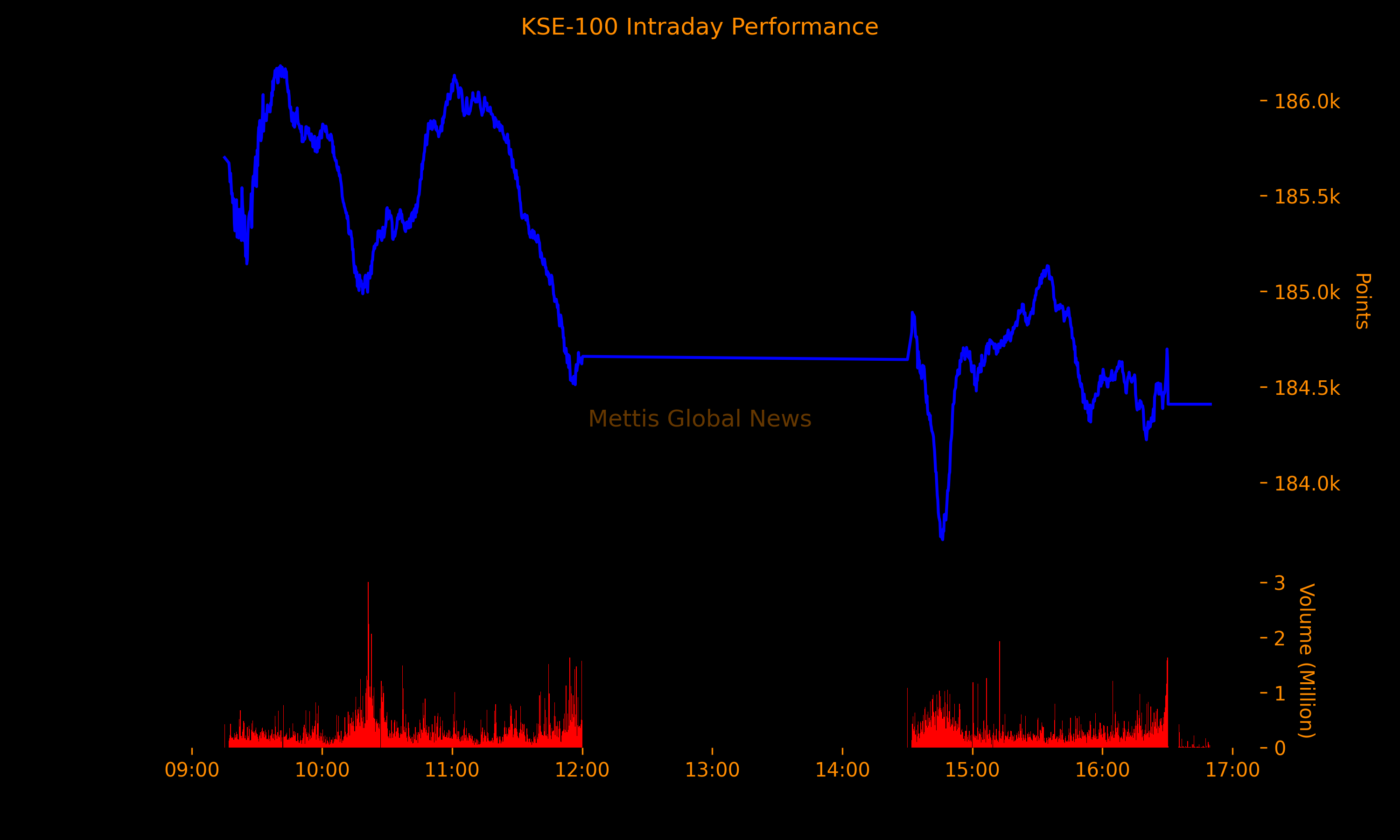
Of the 100 index companies 30 closed up, 69 closed down, while 1 were unchanged.
Top losers during the day were PTC (-3.45%), AGP (-3.02%), SSOM (-2.79%), NATF (-2.71%), and GHGL (-2.47%).
On the other hand, top gainers were AICL (+4.17%), FFL (+4.11%), KTML (+3.24%), IBFL (+2.79%), and NML (+2.40%).
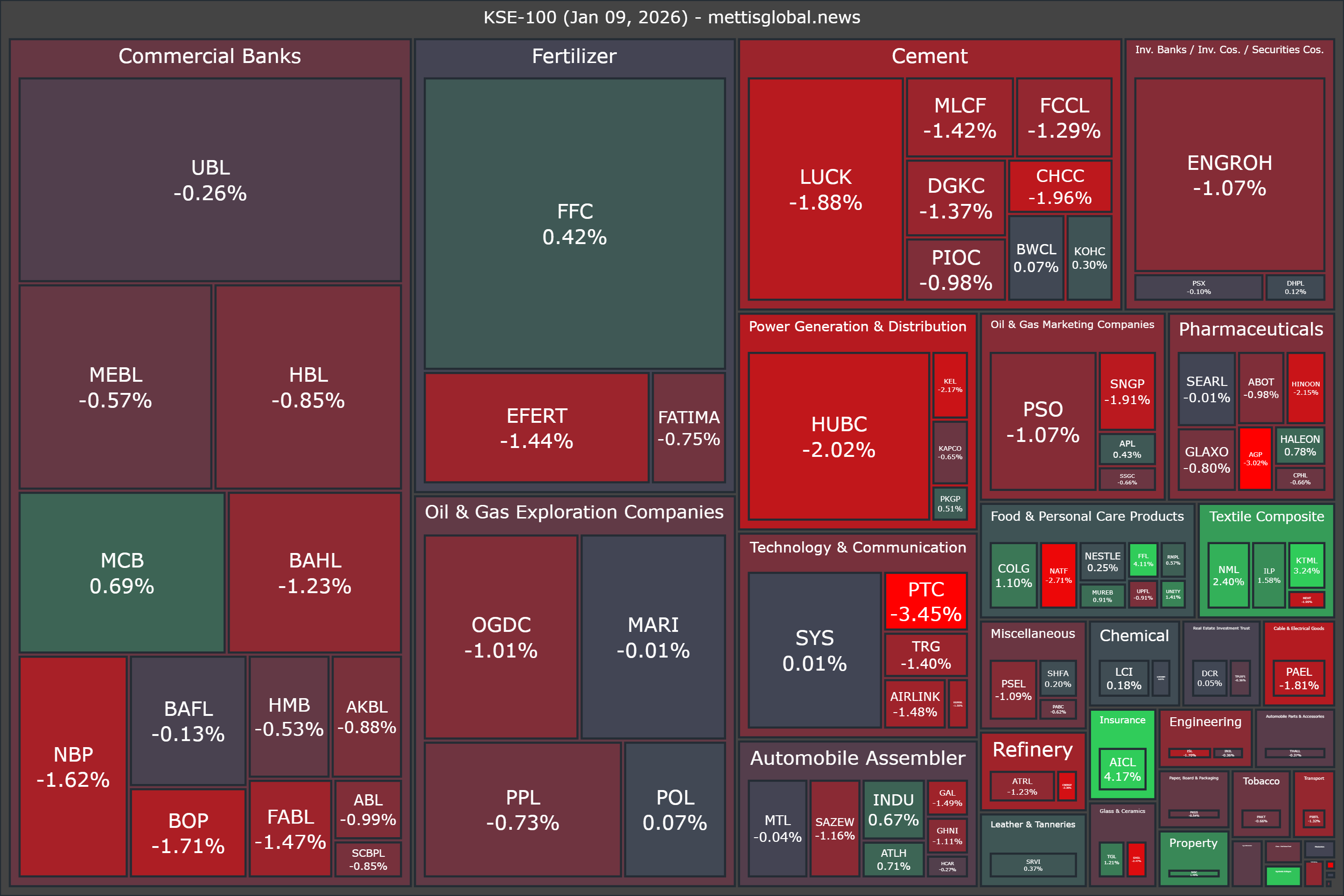
In terms of index-point contributions, companies that dragged the index lower were HUBC (-148.77pts), LUCK (-142.82pts), ENGROH (-89.91pts), NBP (-74.84pts), and EFERT (-73.48pts).
Meanwhile, companies that added points to the index were FFC (+73.58pts), AICL (+42.54pts), MCB (+42.52pts), NML (+23.34pts), and KTML (+19.54pts).
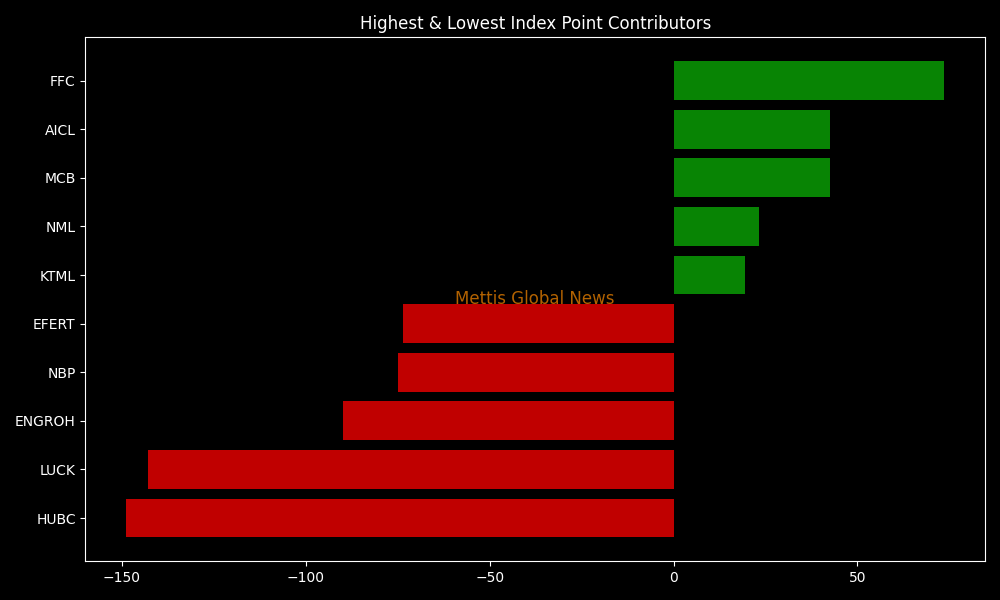
Sector-wise, KSE-100 Index was let down by Commercial Banks (-337.65pts), Cement (-250.69pts), Power Generation & Distribution (-164.10pts), Oil & Gas Exploration Companies (-104.92pts), and Inv. Banks / Inv. Cos. / Securities Cos. (-90.27pts).
While the index was supported by Textile Composite (+50.22pts), Insurance (+42.54pts), Food & Personal Care Products (+11.12pts), Property (+10.33pts), and Leather & Tanneries (+4.98pts).
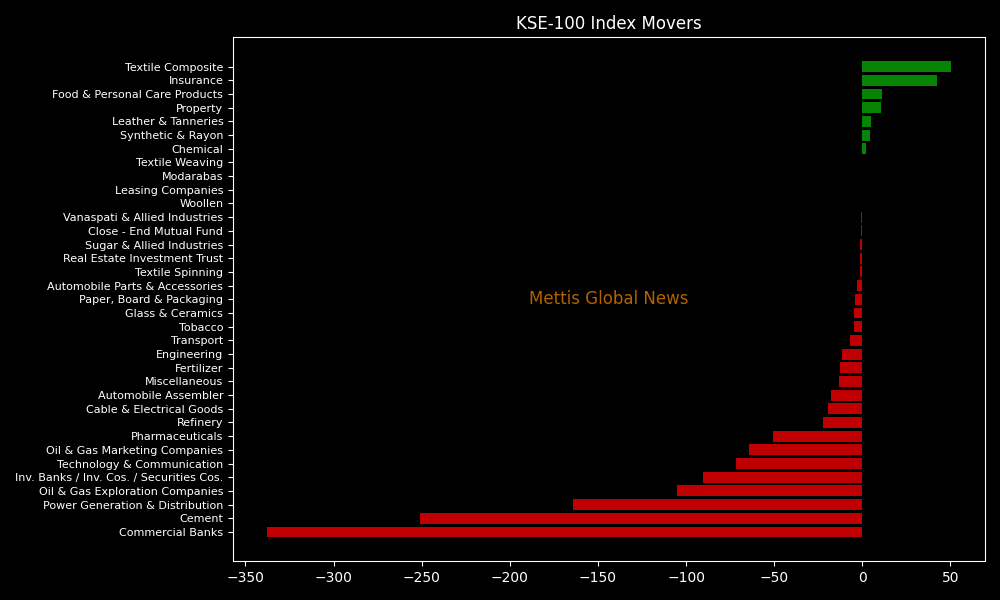
In the broader market, the All-Share Index closed at 110,382.58 with a net loss of 501.36 points or 0.45%.
Total market volume was 1,033.85 million shares compared to 1,433.99m from the previous session while traded value was recorded at Rs52.92 billion showing a decrease of Rs38.41bn.
There were 502,609 trades reported in 483 companies with 162 closing up, 271 closing down, and 50 remaining unchanged.
| Symbol | Price | Change % | Volume |
|---|---|---|---|
| FFL | 22.02 | 4.11% | 75,814,554 |
| HASCOLNC | 20.18 | 0.15% | 68,348,929 |
| MDTL | 7.61 | 11.75% | 56,234,533 |
| BML | 6.22 | 0.65% | 42,945,520 |
| BOP | 41.94 | -1.71% | 36,964,385 |
| TOMCL | 54.76 | 5.53% | 32,779,718 |
| PAEL | 61.81 | -1.81% | 29,385,239 |
| AGHA | 9.1 | -3.60% | 23,800,144 |
| PTC | 60.15 | -3.45% | 23,204,083 |
| PIBTL | 20.85 | -1.32% | 22,473,395 |
To note, the KSE-100 has gained 58,782 points or 46.79% during the fiscal year, whereas it has increased 10,355 points or 5.95% so far this calendar year.
Ghandhara Tyre to suspend plant operations temporarily
Ghandhara Tyre & Rubber Company Limited (PSX: GTYR) will suspend plant operations on Monday, January 12, 2026, due to a decline in gas availability from the SSGC system, resulting in low gas pressure.
Despite the temporary suspension, all regional offices will remain operational, ensuring continued supply of tyres to customers, according to the company’s filing on PSX.
The company emphasizes that the reduced gas supply is not expected to impact overall sales, as distribution and customer deliveries will continue through the operational regional offices.
Gold price in Pakistan rises Rs3,400 per tola
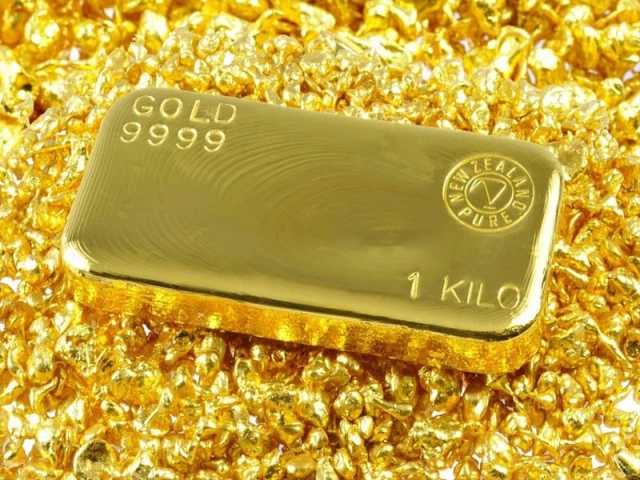
Gold price in Pakistan increased on Friday, with 24-karat gold being sold at Rs469,562 per tola, up Rs3,400.
Similarly, 24-karat gold per 10-gram was sold at Rs402,573 after a gain of Rs2,915, according to rates shared by the All-Pakistan Gems and Jewelers Sarafa Association (APGJSA).
The price of 22-karat gold was also quoted higher at Rs369,038 per 10-gram.
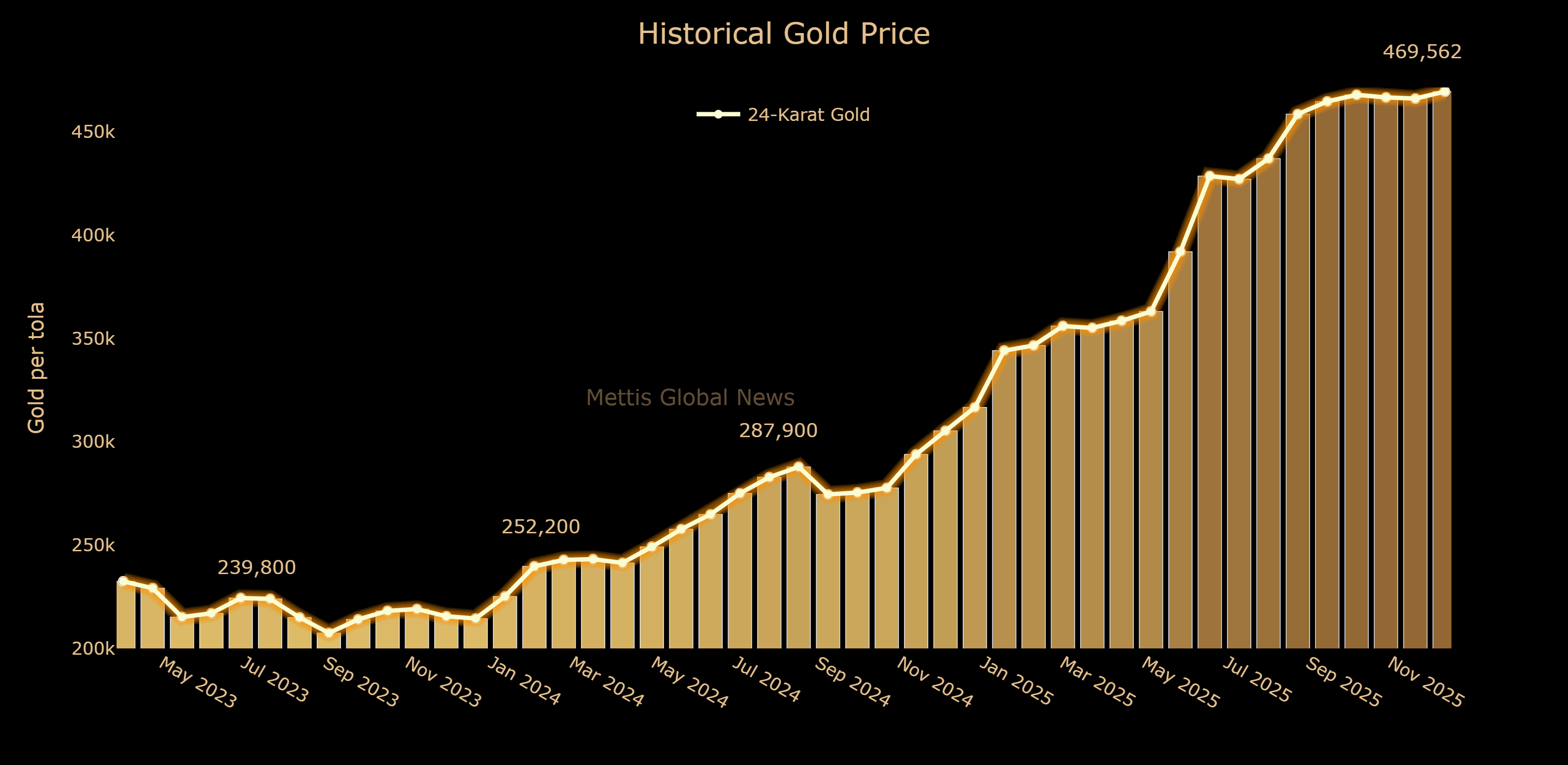
Similarly, silver prices rose in the domestic market, with 24-karat silver being sold at Rs8,195 per tola (+Rs70) and Rs7,025 per 10-gram (+Rs60).
| PKR (24-karat per tola) | Jan 09, 2026 | Jan 08, 2026 | DoD | 1 Month | FYTD | CYTD |
|---|---|---|---|---|---|---|
| Gold | 469,562 | 466,162 | 3,400 | 26,500 | 119,362 | 12,600 |
| Silver | 8,195 | 8,125 | 70 | 1,828 | 4,413 | 477 |
Globally, spot gold traded near $4,475 an ounce, down $0.6 from the previous session.
KATI president calls on youth to invest with confidence as PSX gains momentum
BY SARFARAZ ALI
KARACHI: As the Pakistan Stock Exchange (PSX) continues its phenomenal upward momentum towards the end of December 2025, President of the Korangi Association of Trade and Industry (KATI), Muhammad Ikram Rajput, has urged young people to actively participate in the share market, calling it a positive indicator of the country’s improving economic outlook. Speaking in an exclusive interview with PSMU news- paper, Rajput said the strong perfor- mance of the stock exchange reflects growing economic stability and re- newed investor confidence.
“The stock market is moving strongly to- wards improvement, which clearly shows that our country’s economic position is be- coming more stable and positive,” he said. “This is a very encouraging sign, and I hope this growth continues so that our economy moves upward and the nation progresses.” Emphasizing the importance of exports for sustainable economic development, the KATI president said export-led growth remains the backbone of a strong economy.
“For the development of the country, ex- ports are the most important factor. When exports increase, economic growth and stability naturally follow,” Rajput said, urging the government to provide relief in taxes and other related matters. “Just as steps are taken to control gas and electricity prices, the in- terest rate should also be brought down to single digits. This will significantly boost ex- ports and help drive long-term economic de- velopment.” Rajput also highlighted the vital role of chambers of commerce in bridging the gap between the business community and the government.
“The role of the Chamber is to serve as a bridge between businesses and the govern- ment. Our responsibility remains the same to convey the concerns of the industrial sector and work towards their resolution,” he said, adding that issues such as law and order con- tinue to pose challenges for industrialists and must be addressed on priority.
Referring to recent security developments,
the KATI president expressed gratitude that Karachi was saved from a major tragedy.
“Allah Almighty has protected Karachi from a serious incident, and no amount of grati- tude is enough,” he said while appreciating the timely action of the Sindh Police and pay- ing tribute to the Inspector General Sindh, Additional IG, and the entire police force, along with other law enforcement agencies. “Had this incident occurred, it could have caused heavy losses and pushed our economy in a negative direction.” While maintain- ing a balanced stance, Rajput ac- knowledged the development initia- tives of the Sindh Government.
“We have criticized the government where necessary, but constructive development work should also be appreciated,” he said. He particularly praised infrastructure projects in Korangi, including the underpass, Shaheed Bhutto Expressway (Shahrah-e-Bhutto), and upcoming road projects. He also welcomed public transport initiatives such as the Green Line and the introduction of modern buses, including double-decker buses.
“In the past, we admired cities like London for their transport systems. By the grace of Allah, Karachi is now moving in that direc- tion,” he said, adding that positive progress is also visible in healthcare, education, and institutions like NICVD.
Encouraging public participation in the stock market, Rajput said investing in shares has become more accessible than ever.
“People should actively participate in the stock exchange, buy shares, and invest,” he said, referring to a recent initiative by re- nowned businessman Arif Habib, which al- lows individuals to start investing with very small amounts. “This is a very positive step and should be encouraged.”
Praising Habib’s credibility, Rajput said the initiative has received an encouraging re- sponse. “InshaAllah, the PSX index will con- tinue to rise further, and we will witness even stronger growth in the near future.”
PSX Closing Bell: A Step Back, Not a Fall
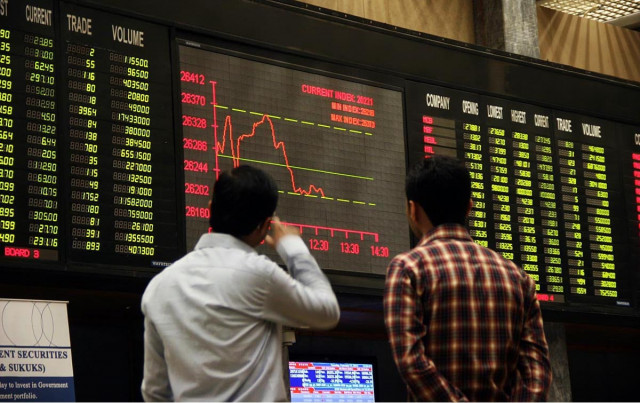
The benchmark KSE-100 Index concluded Thursday’s trading session at 185,543.01, showing a decrease of 975.70 points or 0.52%.
The index traded in a range of 2,705.80 points showing an intraday high of 187,905.16 (+1,386.45) and a low of 185,199.36 (-1,319.35) points.
The total volume of the KSE-100 Index was 576.35 million shares.
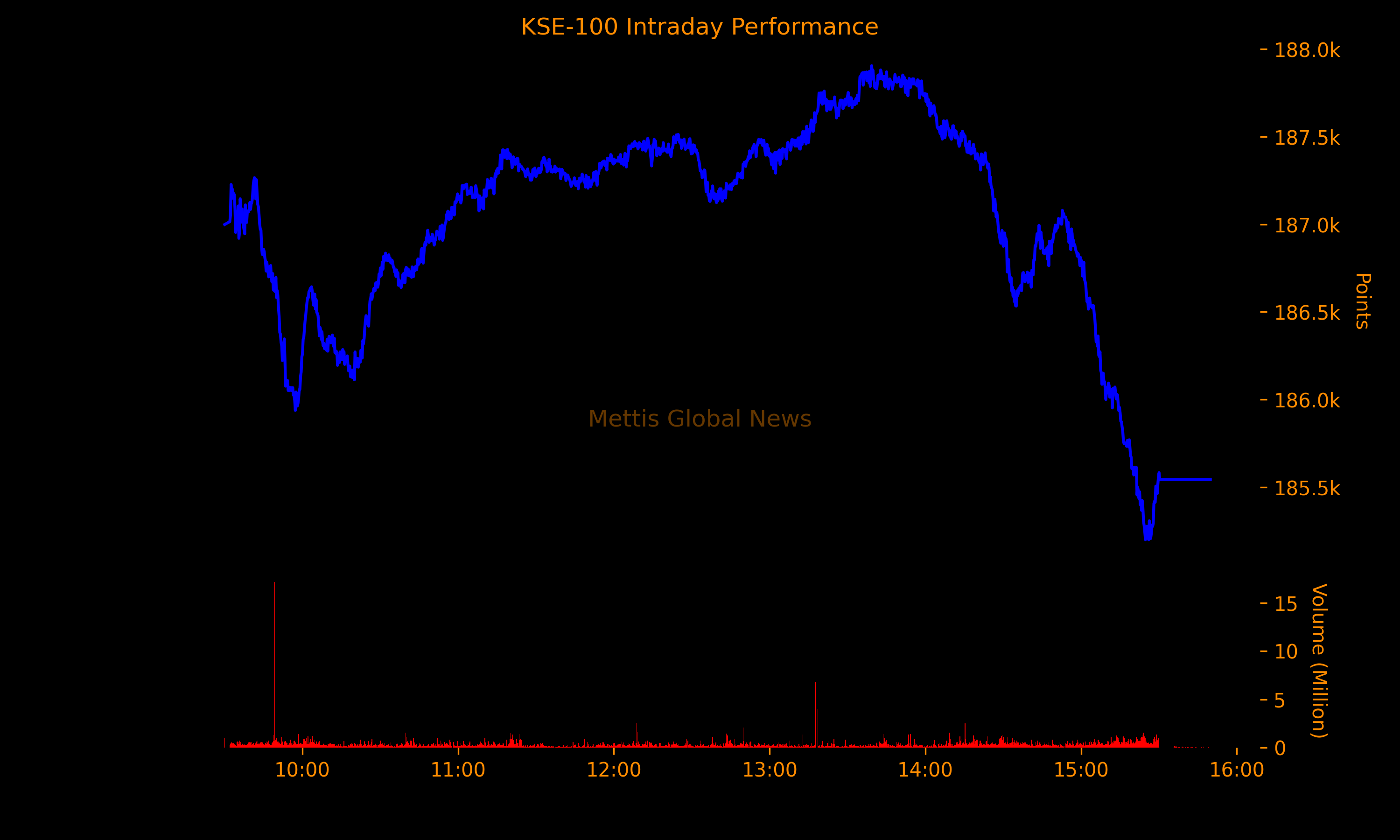
Of the 100 index companies 46 closed up, 53 closed down, while 1 were unchanged.
Top losers during the day were ENGROH (-3.61%), YOUW (-3.57%), MEBL (-2.68%), PTC (-2.64%), and SEARL (-2.63%).
On the other hand, top gainers were AICL (+10.00%), SHFA (+6.78%), PAEL (+6.71%), HALEON (+4.64%), and THALL (+4.29%).
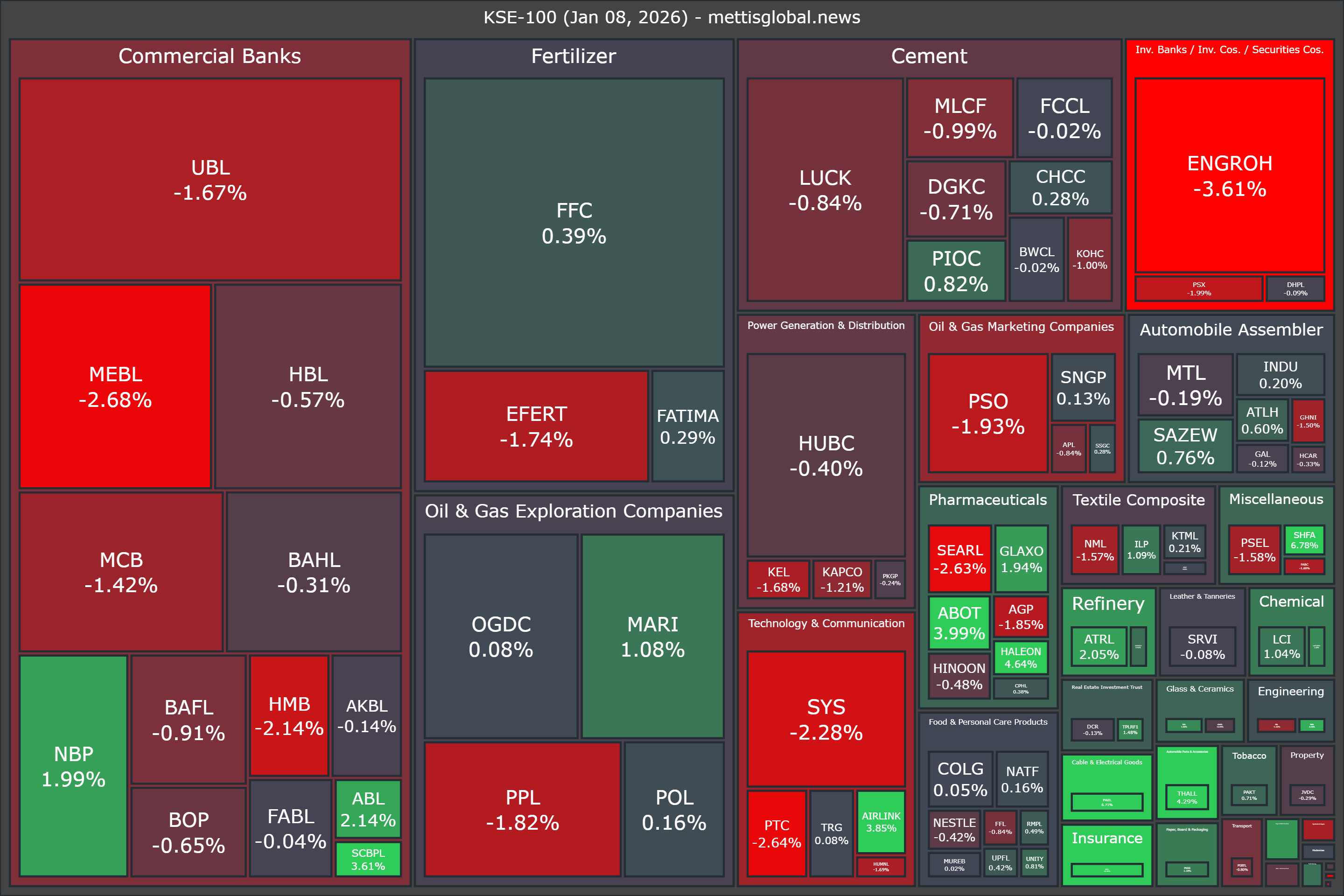
In terms of index-point contributions, companies that dragged the index lower were ENGROH (-315.02pts), UBL (-246.90pts), MEBL (-204.69pts), SYS (-117.12pts), and PPL (-102.13pts).
Meanwhile, companies that added points to the index were AICL (+92.80pts), NBP (+89.94pts), PAEL (+68.52pts), FFC (+68.06pts), and MARI (+64.70pts).
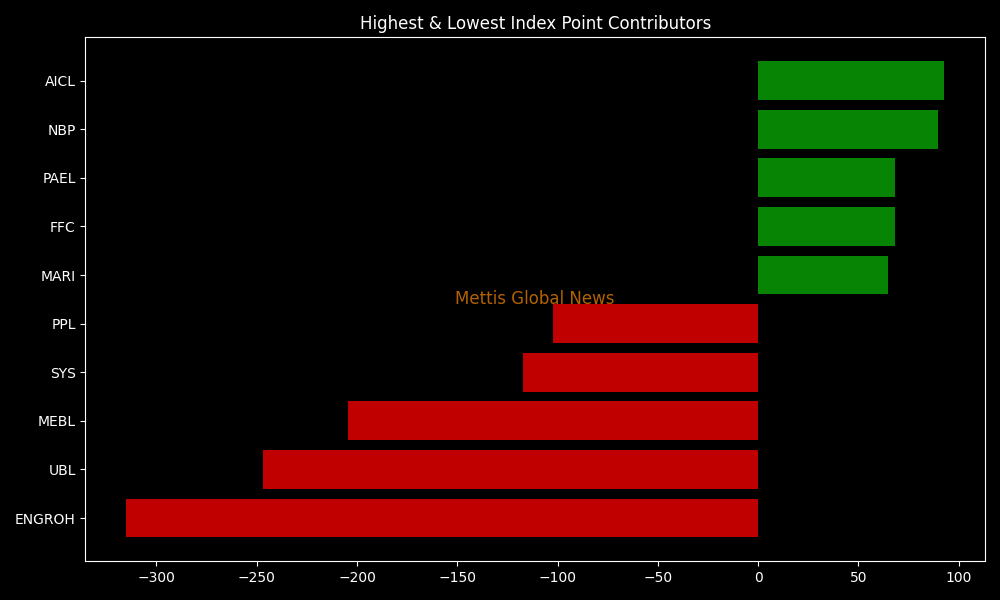
Sector-wise, KSE-100 Index was let down by Commercial Banks (-559.09pts), Inv. Banks / Inv. Cos. / Securities Cos. (-332.07pts), Technology & Communication (-126.51pts), Cement (-90.55pts), and Oil & Gas Marketing Companies (-76.86pts).
While the index was supported by Insurance (+92.80pts), Cable & Electrical Goods (+68.52pts), Automobile Parts & Accessories (+34.13pts), Pharmaceuticals (+31.33pts), and Refinery (+25.54pts).
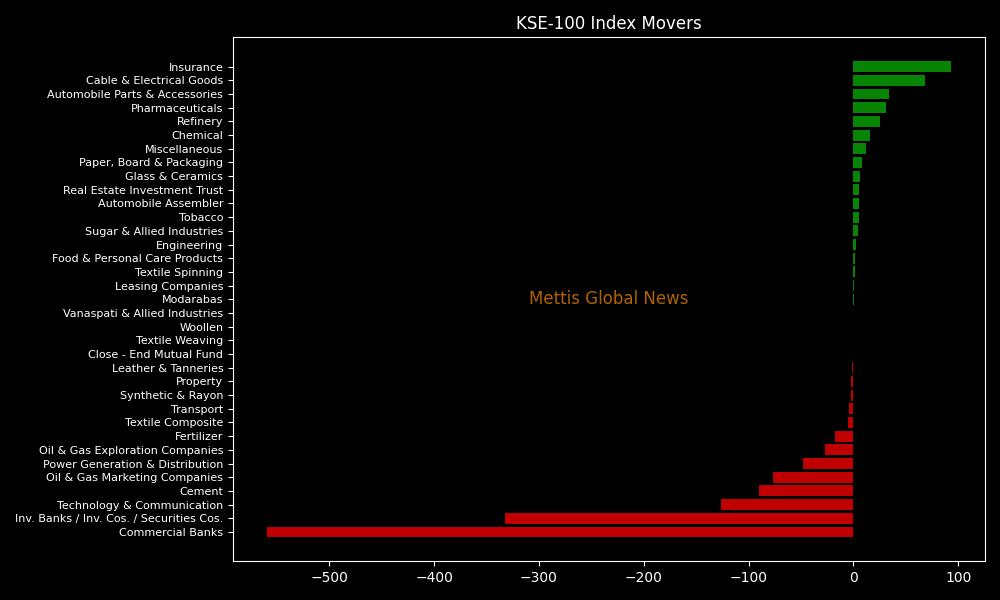
In the broader market, the All-Share Index closed at 110,883.94 with a net loss of 234.71 points or 0.21%.
Total market volume was 1,433.99 million shares compared to 1,329.49m from the previous session while traded value was recorded at Rs91.34 billion showing an increase of Rs4.75bn.
There were 643,944 trades reported in 481 companies with 209 closing up, 245 closing down, and 27 remaining unchanged.
| Symbol | Price | Change % | Volume |
|---|---|---|---|
| AGHA | 9.44 | 9.64% | 131,879,869 |
| PAEL | 62.95 | 6.71% | 76,297,603 |
| HASCOLNC | 20.15 | 9.99% | 59,909,175 |
| BML | 6.18 | 1.48% | 57,654,832 |
| TREET | 33.98 | 4.59% | 54,056,214 |
| KEL | 6.44 | -1.68% | 52,446,354 |
| CNERGY | 7.82 | 0.90% | 46,976,797 |
| BOP | 42.67 | -0.65% | 45,444,627 |
| MDTL | 6.81 | -1.45% | 38,006,681 |
| WTL | 1.82 | -1.62% | 31,186,188 |
To note, the KSE-100 has gained 59,916 points or 47.69% during the fiscal year, whereas it has increased 11,489 points or 6.60% so far this calendar year.
Zarea accelerates digital expansion with AI and global domain

Zarea Limited (PSX: ZAL) has advanced its digital transformation and global expansion strategy through a series of strategic initiatives aimed at strengthening its technology base, brand identity, and intellectual property portfolio.
The company has acquired the premium five-letter global domain, a high-value digital asset within the global domain ecosystem, according to the company’s filing on PSX.
The acquisition enhances Zarea’s international brand positioning and adds strategic value to its intangible assets as it pursues global market expansion.
A comprehensive technology upgradation has also been completed across Zarea’s digital and enterprise platforms.
The transformation covered planning, design, development, pilot optimization, and full implementation, resulting in a scalable and resilient technology ecosystem.
ERP and supply chain capabilities have been strengthened through integration of AI-enabled tools with core ERP systems, alongside the development of custom supply chain management software.
These enhancements support optimized supplier management, intelligent procurement, and data-driven decision-making.
The upgraded infrastructure is built on modern cloud-native technologies, including Next.js, React.js, Node.js, and AWS-based cloud services such as RDS.
The improvements have enhanced system performance, data warehousing and processing, security, reliability, scalability, backend robustness, and user experience, delivering a faster and more intuitive digital platform.
As part of its focus on artificial intelligence, Zarea has launched Zarea AI – Your Commodities Assistant, positioned as Pakistan’s first AI-enabled commodities assistant.
The tool offers intelligent commodity discovery, market intelligence, sourcing support, pricing insights, improved platform navigation, and other value-added features for users.
In addition, Zarea Limited has completed trademark and copyright registration in Pakistan, formally securing legal protection for its brand identity and proprietary digital platform.
Collectively, these developments strengthen Zarea Limited’s digital infrastructure, operational efficiency, and intangible asset base, supporting long-term growth and reinforcing its global expansion ambitions.
EFERT secures increased gas allocation from Habib Rahi Limestone reservoir
Engro Fertilizers Limited (PSX:EFERT) is to receive an enhanced gas allocation of 105 MMscfd from the Habib Rahi Limestone (HRL) reservoir for its Base Plant, which the Government of Pakistan has approved.
Previously supplied on an as-available basis, the gas volume has now been formally allocated to the company, the company’s statement on PSX revealed today.
The government has also approved that, in the event of natural depletion of the HRL gas reservoir, Mari Energies Limited may backfill the depleted volumes from its existing consumers, including Engro Fertilizers, using the Ghazi/Shawal reservoir.
PKR holds steady against USD
The Pakistani rupee (PKR) remained mostly flat with a slight rise by 1.03 paisa against the US dollar in Thursday’s interbank session to settle the trade at PKR 280.05 per USD, compared to previous closing of 280.06.
Throughout the day, the currency saw an intraday high (bid) of 280.3 and a low (ask) of 281.1.
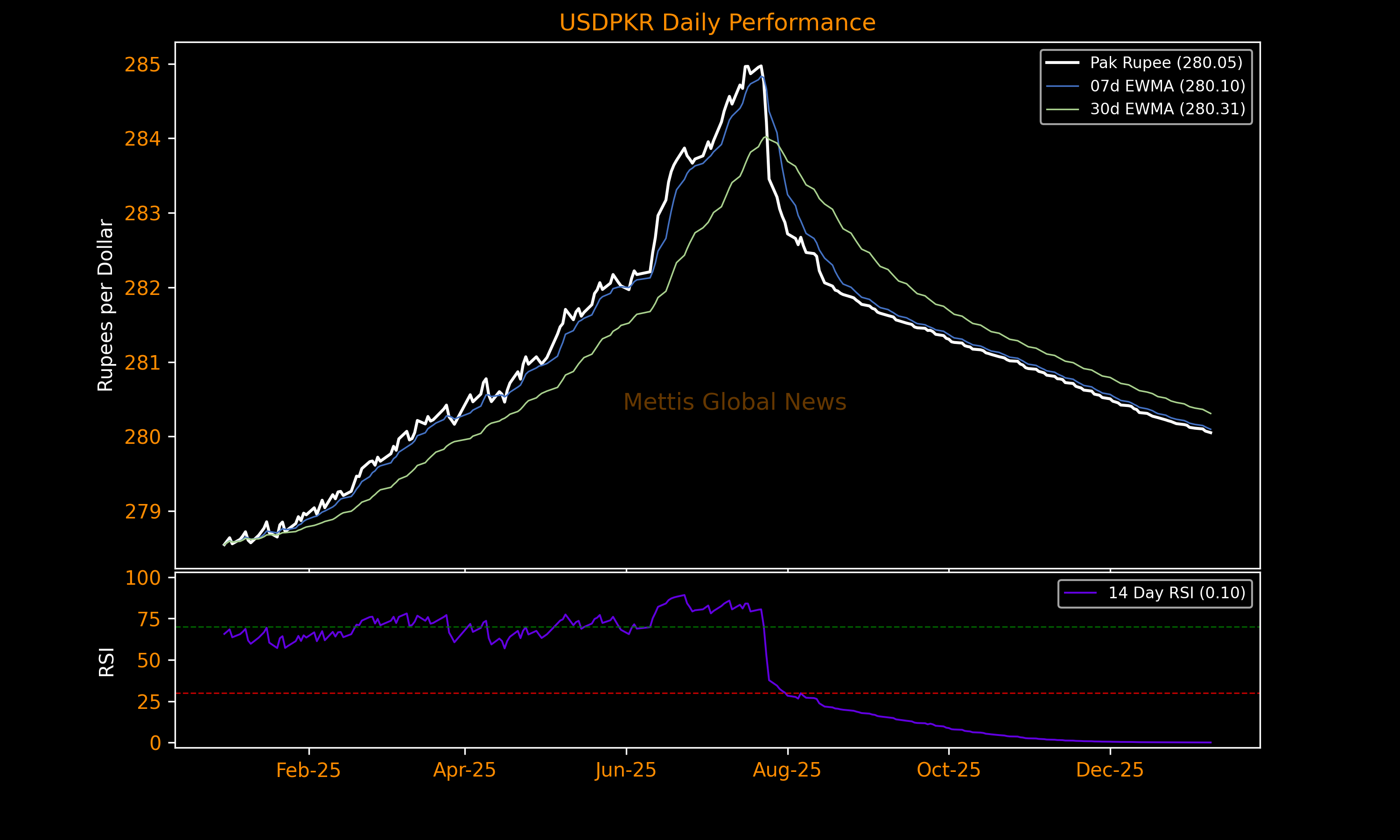
In comparison to major currencies, PKR strengthened 15.21 paisa or 0.05% against the Euro, closing at 327.02 compared to the previous value of 327.17.
Against the British Pound, PKR strengthened by 1.30 rupees or 0.34% to 376.50 compared to 377.80 a day ago.
The local unit gained 56.40 paisa or 0.16% against Swiss franc to close at 351.12.
Against the Japanese Yen, PKR’s value gained 0.03 paisa or 0.02% to close the session at 1.7893 versus 1.7896 a day ago.
Pakistani Rupee weakened 4.44 paisa or 0.11% against Chinese Yuan to close at 40.11 from 40.06.
The local currency weakened by 0.22 paisa against Saudi Riyal to 74.68. While it rose by 0.28 paisa or 0.00% against the U.A.E Dirham to close at 76.25.
During the current fiscal year, PKR has strengthened against the US Dollar by 3.71 rupees or 1.33%. While it has appreciated 7.13 paisa or 0.03% so far this calendar year.In the Money Market, the benchmark 6 Month Karachi Interbank Bid and Offer rates fell by 11bps to 10.18% and 10.43%.
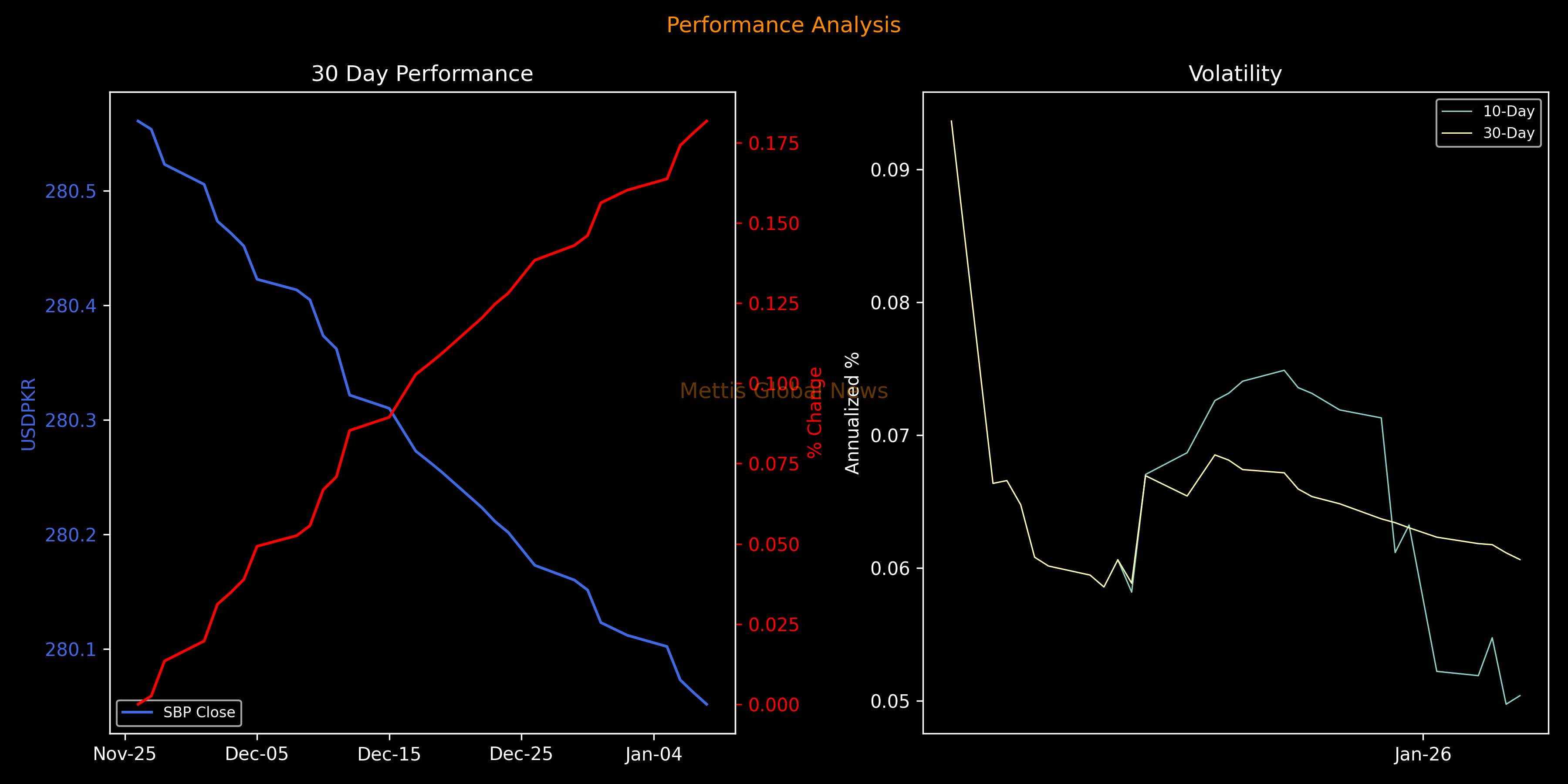
Performance Summary
| Currency | Jan 08, 2026 | Jan 07, 2026 | 1D | 7D | 1M | FYTD | CYTD | |||||
|---|---|---|---|---|---|---|---|---|---|---|---|---|
| USD | 280.0518 | 280.0621 | 0.0103 | 0.00% | 0.0713 | 0.03% | 0.3617 | 0.13% | 3.7127 | 1.33% | 0.0713 | 0.03% |
| EUR | 327.0165 | 327.1686 | 0.1521 | 0.05% | 1.8340 | 0.56% | -0.0263 | -0.01% | 5.6406 | 1.72% | 1.8340 | 0.56% |
| GBP | 376.5017 | 377.8038 | 1.3021 | 0.35% | 0.6701 | 0.18% | -2.7105 | -0.72% | 12.3549 | 3.28% | 0.6701 | 0.18% |
| CHF | 351.1182 | 351.6822 | 0.5640 | 0.16% | 2.1044 | 0.60% | -2.0847 | -0.59% | 4.2092 | 1.20% | 2.1044 | 0.60% |
| JPY | 1.7893 | 1.7896 | 0.0003 | 0.02% | -0.0001 | -0.01% | 0.0163 | 0.91% | 0.1807 | 10.10% | -0.0001 | -0.01% |
| SAR | 74.6805 | 74.6783 | -0.0022 | -0.00% | 0.0140 | 0.02% | 0.0247 | 0.03% | 0.9799 | 1.31% | 0.0140 | 0.02% |
| AED | 76.2461 | 76.2489 | 0.0028 | 0.00% | 0.0298 | 0.04% | 0.1026 | 0.13% | 1.0213 | 1.34% | 0.0298 | 0.04% |
| CNY | 40.1094 | 40.0650 | -0.0444 | -0.11% | -0.0366 | -0.09% | -0.4442 | -1.11% | -0.5060 | -1.26% | -0.0366 | -0.09% |
52 Week Performance
| Currency | High | Low | Trading Band | % Since High | % Since Low | High Date | Low Date | Days Since High | Days Since Low |
|---|---|---|---|---|---|---|---|---|---|
| USD | 278.5750 | 284.9710 | 6.3960 | -0.53% | 1.76% | 10-Jan-25 | 22-Jul-25 | 363 | 170 |
| EUR | 284.6665 | 335.1574 | 50.4909 | -12.95% | 2.49% | 13-Jan-25 | 03-Jul-25 | 360 | 189 |
| GBP | 338.2418 | 390.0418 | 51.8000 | -10.16% | 3.60% | 13-Jan-25 | 26-Jun-25 | 360 | 196 |
| CHF | 303.4906 | 359.7698 | 56.2792 | -13.56% | 2.46% | 03-Feb-25 | 23-Jul-25 | 339 | 169 |
| JPY | 1.7586 | 1.9999 | 0.2413 | -1.72% | 11.77% | 10-Jan-25 | 22-Apr-25 | 363 | 261 |
| SAR | 74.2144 | 75.9801 | 1.7657 | -0.62% | 1.74% | 10-Jan-25 | 16-Jul-25 | 363 | 176 |
| AED | 75.8440 | 77.5864 | 1.7424 | -0.53% | 1.76% | 10-Jan-25 | 22-Jul-25 | 363 | 170 |
| CNY | 37.9910 | 40.1235 | 2.1325 | -5.28% | 0.04% | 10-Jan-25 | 05-Jan-26 | 363 | 3 |
PSX to resume trading in GoP Ijarah Sukuk
Trading in Government of Pakistan (GoP) Ijarah Sukuk (GIS) issued on January 09, 2025 will resume at the Pakistan Stock Exchange (PSX) with revised profit rates following the earlier suspension linked to rental payment matters.
According to a PSX notice dated December 29, 2025, trading in 3-year, 5-year and 10-year Fixed Rental Rate (FRR) as well as Variable Rental Rate (VRR) GoP Ijarah Sukuk will restart from Friday, January 09, 2026.
The instruments will be tradeable on the basis of revised profit rates applicable from January 09, 2026 till July 09, 2026, reflecting the latest six-month weighted average yields and auction spreads, according to the notice issued by PSX.
Under the revised rates, the 3-year VRR Sukuk (P03VRR090128) with maturity on January 09, 2028 will carry a net profit rate of 9.3867%, the 5-year VRR Sukuk (P05VRR090130) maturing on January 09, 2030 will offer 9.4267%, while the 10-year VRR Sukuk (P10VRR090135) maturing on January 09, 2035 will have a net profit rate of 9.8267%.
| Security Code | Security Name | Net Profit Rate Currently Applicable (%) | Latest 6-Month Weighted Average Yield (%) [As of 07-Jan-26] | Spread % [As per 08-Jan-25 Auction] | Net Profit Rate % [Applicable from 09-Jan-26 till 09-Jul-26] |
| P03VRR090128 | 03 Year Variable Rental Rate – Maturity Date 09-Jan-28 | 10.1974 | 10.0867 | -0.7 | 9.3867 |
| P05VRR090130 | 05 Year Variable Rental Rate – Maturity Date 09-Jan-30 | 10.2374 | 10.0867 | -0.66 | 9.4267 |
| P10VRR090135 | 10 Year Variable Rental Rate – Maturity Date 09-Jan-35 | 10.6374 | 10.0867 | -0.26 | 9.8267 |
The adjustment follows the application of auction spreads ranging between -0.26% and -0.70% to the latest 6-month weighted average yield of 10.0867% as of January 07, 2026.
Karachi port makes waves with first ferry terminal
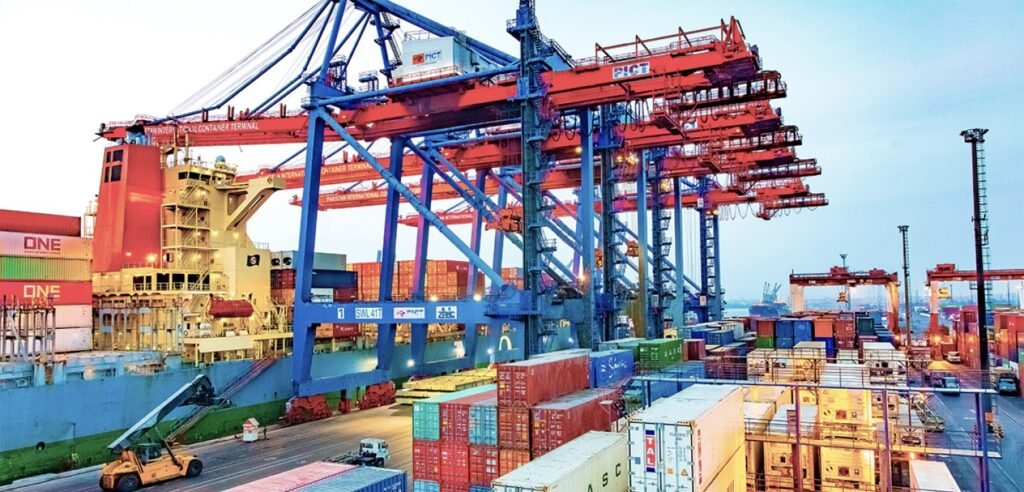
The government has inaugurated Pakistan’s first-ever ferry terminal at Karachi Port Trust (KPT), a move aimed at promoting coastal tourism, enhancing regional connectivity, and strengthening the country’s blue economy.
Federal Minister for Maritime Affairs, Muhammad Junaid Anwar Chaudhry, presided over the ceremony and described the project as a landmark step toward introducing modern, safe, and sustainable maritime passenger transport in Pakistan, according to a press release issued.
The ferry service is expected to commence later this month, supporting the Prime Minister’s vision of harnessing maritime resources to diversify economic activities.
“This ferry service is not just about transportation; it is a gateway to economic opportunities, tourism promotion, and regional integration,” Junaid Anwar Chaudhry said.
He noted that this is the first ferry service license ever issued in Pakistan, calling it a historic achievement for the maritime sector.
The minister added that the inauguration would boost confidence among investors and demonstrate the government’s commitment to creating a facilitative environment for private sector participation.
He highlighted ongoing policy reforms, infrastructure development, and public-private partnerships spearheaded by the Ministry of Maritime Affairs to expand the country’s blue economy.
Furthermore, it was also revealed that there is strong investor interest, with several businessmen seeking licenses to operate ferry services.
He expressed confidence that private sector involvement would drive growth in maritime tourism, create jobs, and benefit industries such as hospitality, transport, and allied sectors.
Encouraging innovation, the minister urged businesses to propose new ideas for collaboration with Pakistani ports, promising full support and facilitation from the government.
In a related announcement, he said the Port Qasim Authority would soon unveil plans for a state-of-the-art industrial zone, designed to provide modern infrastructure for investors and boost industrial activity, exports, and economic growth.
The event was attended by senior officials from the Ministry of Maritime Affairs, KPT management, representatives of the shipping and business communities, and other stakeholders, all of whom lauded the initiative as a major step toward revitalizing Pakistan’s maritime sector.
This latest development builds on the government’s ongoing efforts to modernize Pakistan’s maritime economy, following recent initiatives such as the launch of the country’s first Fishing Technology Museum and the Mahi-Dost digital traceability app.
Together, these projects demonstrate a coordinated strategy to integrate innovation, sustainability, and heritage preservation, unlocking new economic opportunities while protecting marine resources and advancing the nation’s blue economy.
Zuma Resources shifts from Textile to Tech
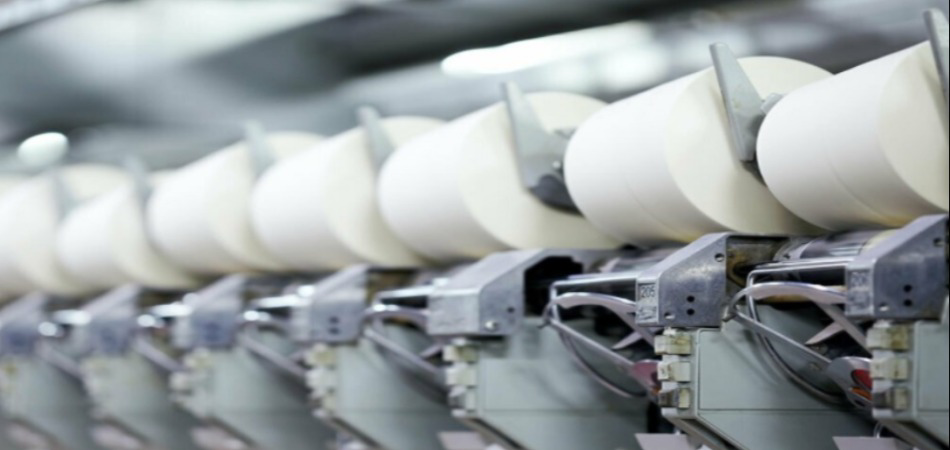
Zuma Resources Limited (PSX: ZUMA) has changed its principal line of business from Textile to Technology Investing & Development as part of a strategic diversification initiative.
The transition positions the company to align with high-growth, innovation-driven sectors of the economy.
The revised business focus centers on developing and acquiring assets in companies engaged in technology-based goods and services, according to the company’s statement on PSX revealed today.
Technology investing is widely regarded as a growth-oriented segment, driven by rapid innovation and expanding digital adoption across industries.
Under the new framework, Zuma Resources will engage in IT investing, partnerships, and strategic collaborations across a diversified portfolio. Targeted areas include technology and AI-enabled services, electric vehicle (EV) technology, healthcare technology, e-commerce, and other related sectors.
The change in the principal line of business has received regulatory approval, and the company’s updated Memorandum and Articles of Association now show the revised strategic direction.
Pakistan eyes cooperation with UAE-based business group in blockchain, AI, tokenization

A high-level business delegation from the Dubai-based Sajwani Group met Finance Minister Muhammad Aurangzeb in Islamabad
Pakistani officials and a high-level delegation from a UAE-based business group discussed cooperation in the tokenization of real-world assets, blockchain-based platforms and AI-driven solutions, the Finance Division said on Wednesday.
Pakistan has recently undertaken efforts to regulate its fast-growing crypto and digital assets market by bringing virtual asset service providers (VASPs) under a formal licensing regime. Islamabad says it aims to regulate virtual assets to curb illicit transactions and facilitate innovation in blockchain-based financial services.
A high-level business delegation from the Dubai-based Sajwani Group, which owns the renowned real estate company DAMAC Properties, met Finance Minister Muhammad Aurangzeb in Islamabad.
“The visiting delegation expressed strong interest in partnering with the Government of Pakistan and offered technical expertise, advisory support and capacity building in areas such as tokenization of real-world assets, blockchain-based platforms, AI-driven solutions and modern digital infrastructure,” the Finance Division said in a statement.
The Sajwani delegation highlighted global best practices and private-sector innovation that could support Pakistan in enhancing transparency, efficiency, investor access and financial inclusion. It said these practices would also align with the country’s legal and regulatory framework.
The Sajwani delegation also held a separate meeting with Pakistan’s IT Minister Shaza Fatima Khawaja to explore collaboration in Pakistan’s growing digital and technology ecosystem, the IT ministry said in a press release.
Khawaja briefed the delegation on the government’s digital policies and reforms aimed at building an inclusive, innovation-driven digital economy.
Both sides discussed outsourcing opportunities, recognition and deployment of Pakistan’s tech talent, and the role of property technology (PropTech) and tokenization in unlocking savings, improving efficiency and increasing liquidity across the real estate and financial sectors, the IT ministry said.
“The Sajwani delegation praised the talent of Pakistani youth and the country’s digitization framework, and expressed strong confidence in Pakistan’s vast potential for PropTech, tokenization and technology-led investment,” the ministry said.
PM directs banks to further simplify, expand credit mechanisms
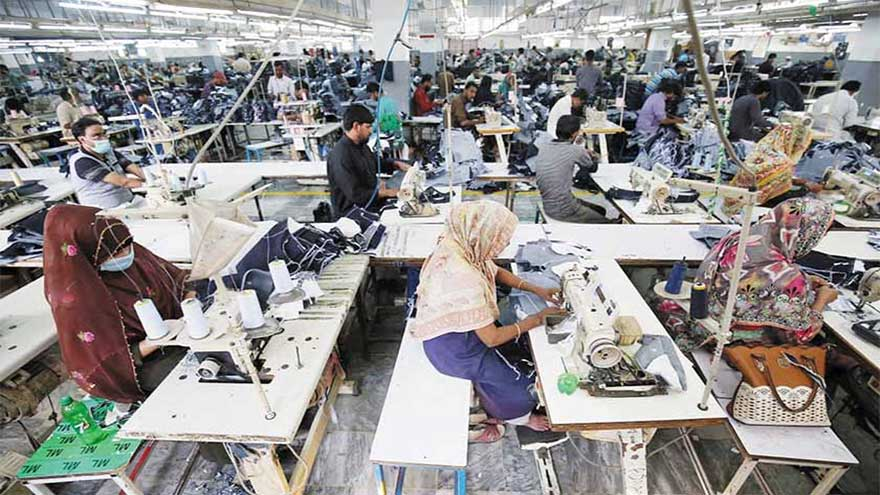
He orders easing credit for SMEs, small farmers to boost economic inclusion
Prime Minister Muhammad Shehbaz Sharif on Wednesday directed the State Bank of Pakistan and commercial banks to further simplify and expand credit mechanisms for small and medium enterprises (SMEs), new businesses and small farmers amid terming improved access to finance a top government priority for economic growth and inclusion.
The prime minister made these remarks while chairing a meeting on facilitation of loans for SMEs, small farmers here, a Prime Minister’s Office news release said.
PM Shehbaz Sharif emphasized that priority financing should be ensured for service providers to promote innovation in the agriculture sector. He also instructed that modern technology and machinery loans for SMEs and small farmers be made more accessible to enhance productivity and competitiveness.
The prime minister directed his Special Assistant on Industries and Production, Haroon Akhtar, along with the SMEDA team, to undertake visits to all provinces, including Gilgit-Baltistan and Azad Jammu and Kashmir, and work closely with provincial governments to formulate a comprehensive, coordinated SME facilitation policy.
Prime Minister Shehbaz Sharif said that SMEs constitute the backbone of economies and industries in developed countries and stressed the need to replicate such models in Pakistan. He also directed that youth should be provided entrepreneurship training to encourage new business startups and expand economic activity.
The prime minister also added that he would personally chair and regularly monitor progress in this area. He announced that a sub-committee would be constituted soon to develop actionable recommendations for further simplifying credit access for the private sector particularly SMEs and agriculture to accelerate business activity and economic growth in the country.
The officials briefed the meeting on trends in private sector lending over recent years, including loans for business expansion, machinery and modern technology. It was informed that compared to 2021–22, bank lending to the private sector had improved significantly by December 2025, with the number of borrowers doubling to over 303,000 and total credit volume reaching Rs1.1 trillion.
The meeting was also told that an estimated three million farmers benefited from agricultural credit during the current year, compared to 2.8 million last year. Banks are prioritizing loans for new businesses and modern machinery, while agricultural financing now covers crops, modern equipment, livestock and fisheries.
The SMEDA officials informed the meeting that it would soon launch a programme to enhance financial literacy and awareness among SMEs. Participants were also briefed on Punjab’s program providing loans to service providers for supplying modern agricultural machinery, and the State Bank’s fully digital “Zarkhez-e App,” launched to facilitate small farmers, which is benefiting a large number of users.
NEPRA cuts electricity tariffs by Rs93 paisa per unit
According to the notification, the reduction has been decided on account of fuel cost adjustment for November and will be passed on to consumers through their January electricity bills.
The National Electric Power Regulatory Authority (NEPRA) has announced a 93 paisa per unit cut in electricity tariffs after issuing a notification applicable to consumers across the country.
According to the notification, the reduction has been decided on account of fuel cost adjustment for November and will be passed on to consumers through their January electricity bills.
It stated that the relief is applicable to all categories of consumers nationwide, including Karachi. However, the authority clarified that lifeline consumers will not benefit from the reduction.
This reduction came a week after the Central Power Purchasing Agency’s (CPPA) requested the NEPRA to refund Rs0.72/unit to consumers in January bills, potentially giving consumers relief of over Rs5.6 billion.
Fuel price adjustments are reviewed monthly by NEPRA to reflect changes in global fuel prices and generation costs, with the impact passed on to consumers through subsequent billing cycles.
Gold price in Pakistan falls Rs600 per tola
Gold price in Pakistan decreased on Thursday, with 24-karat gold being sold at Rs466,162 per tola, down Rs600.
Similarly, 24-karat gold per 10-gram was sold at Rs399,658 after a decline of Rs515, according to rates shared by the All-Pakistan Gems and Jewelers Sarafa Association (APGJSA).
The price of 22-karat gold was also quoted lower at Rs366,366 per 10-gram.
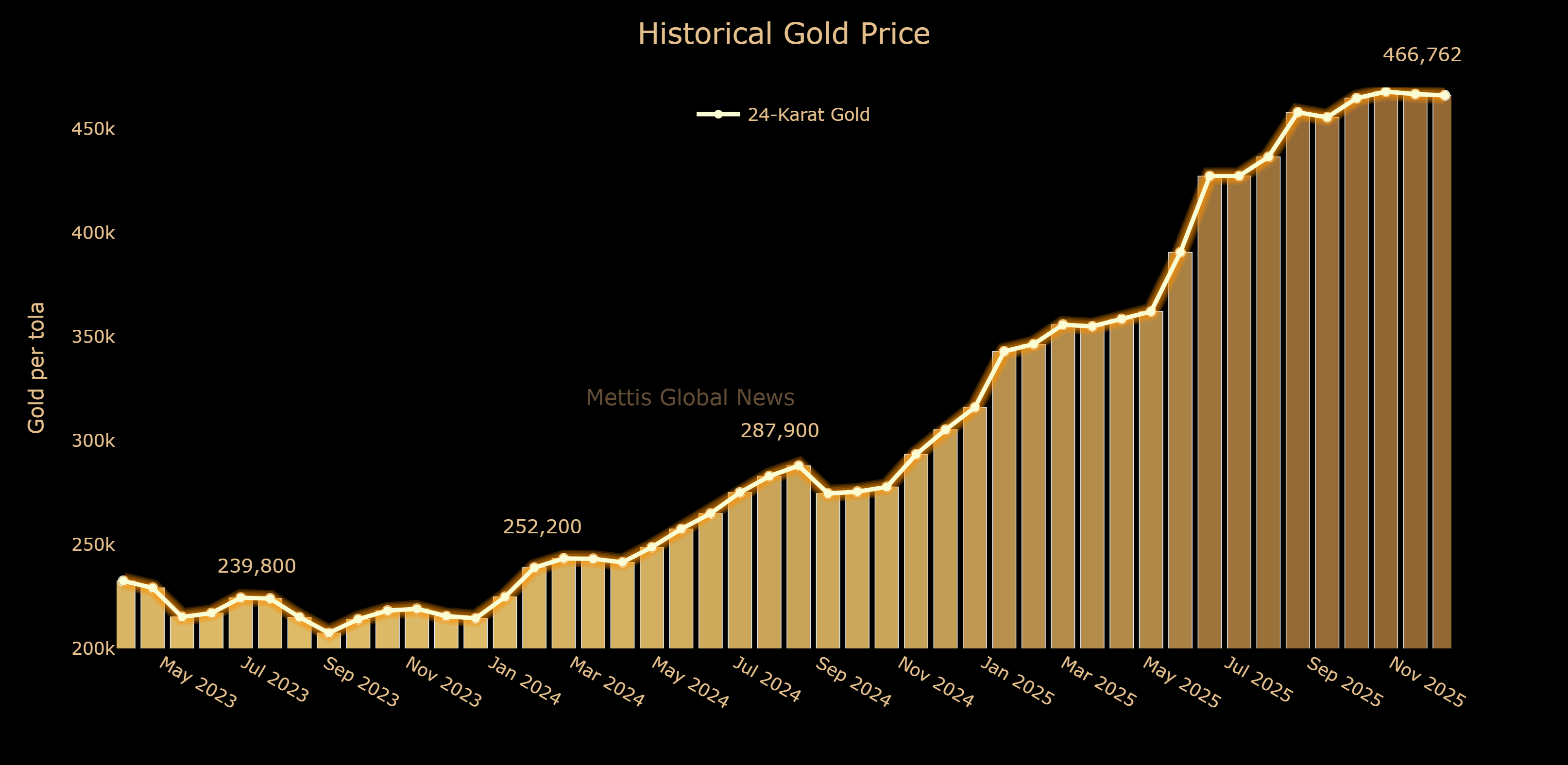
Similarly, silver prices fell in the domestic market, with 24-karat silver being sold at Rs8,125 per tola (-Rs236) and Rs6,965 per 10-gram (-Rs203).
| PKR (24-karat per tola) | Jan 08, 2026 | Jan 07, 2026 | DoD | 1 Month | FYTD | CYTD |
|---|---|---|---|---|---|---|
| Gold | 466,162 | 466,762 | -600 | 24,300 | 115,962 | 9,200 |
| Silver | 8,125 | 8,361 | -236 | 2,023 | 4,343 | 407 |
Globally, spot gold traded near $4,431 an ounce, down $31.1 or 0.70% from the previous session, as a firmer U.S. dollar weighed on the market ahead of a key U.S. jobs report that could shape expectations for future Federal Reserve policy, while geopolitical risks remained in focus.
Pakistan gets first HKC certified ship recycling yard

Pakistan has operationalised its first ship recycling facility certified under the Hong Kong International Convention (HKC).
The development formally aligns the country’s shipbreaking industry with international standards on environmental protection, hazardous waste management and worker safety.
The certification has been granted to the Prime Green Recycling Yard, making it the first facility in Pakistan to meet the requirements of the Hong Kong International Convention for the Safe and Environmentally Sound Recycling of Ships.
The convention was adopted under the International Maritime Organization (IMO), according to the press release.
The move is being viewed as a structural shift for an industry that has long drawn international scrutiny over unsafe labour practices and environmental risks.
Federal Minister for Maritime Affairs Muhammad Junaid Anwar Chaudhry, speaking at the site, said the HKC certification brings Pakistan’s ship recycling framework in line with IMO benchmarks, particularly in the handling of hazardous materials, waste disposal systems and occupational health and safety protocols.
The convention sets mandatory standards covering the entire lifecycle of ship recycling, including inventory control of hazardous materials, emergency preparedness, worker training, and environmentally compliant dismantling processes.
Pakistan is among the world’s major ship recycling countries with the industry concentrated mainly in Gadani, Balochistan.
At its peak, Gadani was one of the largest shipbreaking hubs globally, supplying a substantial share of scrap steel to the domestic market.
The sector remains a key source of employment and raw material for Pakistan’s construction and manufacturing industries, while also reducing reliance on imported steel and conserving foreign exchange.
Despite its economic importance, the industry has faced persistent challenges due to outdated infrastructure, weak regulatory enforcement and safety lapses.
International shipowners, increasingly bound by environmental, social and governance (ESG) standards, have shifted vessels toward HKC-compliant yards, limiting Pakistan’s access to higher-value recycling contracts.
The Prime Green certification is intended to address this gap and restore confidence among global shipping companies.
The Ministry of Maritime Affairs said the government is pursuing a broader plan to modernise the Gadani Ship Recycling Zone, focusing on infrastructure upgrades, regulatory reforms, and stronger oversight mechanisms.
Worker safety has been identified as a central pillar of the reforms, with enhanced safety protocols, training requirements and monitoring systems expected to be rolled out across the sector.
Junaid Chaudhry said the government was working closely with industry stakeholders, including the Pakistan Ship Breakers Association, to formalise operations and improve compliance.
He noted that coordination between the public and private sectors would be critical to scaling HKC certification across additional yards.
The wider adoption of HKC standards could enable Pakistan to reclaim a larger share of the global ship recycling market, generate thousands of jobs, and improve the sector’s environmental and labour compliance profile.
The Prime Green Recycling Yard certification is expected to serve as a template for future upgrades across Gadani, with the longer-term goal of positioning Pakistan as a competitive and responsible ship recycling destination in the region.
Govt approves Mari field gas allocation for fertilizer plants
The Government has approved the allocation and pricing of gas from the Ghazij and Shawal discoveries in the Mari Field of Mari Energies Limited (PSX: MARI), located in Daharki, District Ghotki, Sindh, for supply to fertilizer plants.
Under the approved allocation, Fauji Fertilizer Company’s Port Qasim plant will receive 104 MMscfd of raw gas, equivalent to 80 MMscfd of processed gas.
Fatima Fertilizer’s Sheikhupura plant has been allocated 68 MMscfd of raw gas (52 MMscfd processed), while Agritech’s Daud Khel plant will receive 50 MMscfd of raw gas (38 MMscfd processed).
| S. No | Fertilizer Plants | Raw Gas Allocation (MMscfd) | Processed Gas Supply (MMscfd) | Utilization Rate (%) |
| 1 | FFC (Port Qasim), Karachi | 104 | 80 | 76.90% |
| 2 | Fatimafert. (Sheikhupura) | 68 | 52 | 76.50% |
| 3 | Agritech (Daud Khel) | 50 | 38 | 76.00% |
The raw gas will be delivered to the respective fertilizer customers at the Mari gas field delivery point.
The gas price at the delivery point will be equal to the applicable wellhead price as notified by OGRA from time to time, according to the company’s statement on PSX revealed today.
The fertilizer customers will enter into bilateral gas sale and purchase agreements with Mari Energies.
The customers will install gas processing and compression facilities for injection of processed gas into the Sui companies’ network and will enter into third-party access arrangements with the Sui companies under the Third Party Access Rules, 2018 and the Pakistan Gas Network Code.
For gas supply to FFC (Port Qasim), SNGPL and SSGC will also make gas swap arrangements.
Mari Energies may supply any available volumes from the Ghazij/Shawal reservoirs to any of its customers, including SNGPL and SSGCL, as swing gas on an as-and-when-available basis.
In case of natural depletion of the HRL gas reservoir supplying fertilizer plants, Mari Energies may backfill the depleted volumes of its existing consumers from the Ghazij/Shawal reservoir.
The Government has also approved the de-allocation of 110 MMscfd gas from the HRL reservoir in the Mari Field previously allocated to GENCO-II.
The existing allocation of 26 MMscfd gas to Engro Fertilizer’s base plant from the HRL reservoir has been enhanced to 105 MMscfd.
Additionally, the earlier allocation of up to 110 MMscfd gas to SNGPL from Mari Deep, which expired in June 2024, has been regularized and reallocated.
PNSC launches construction of 1,100-TEU container ship
The construction of a new 1,100 twenty-foot equivalent unit (TEU) container ship for the Pakistan National Shipping Corporation (PNSC) has officially begun which marks a significant step toward bolstering Pakistan’s maritime capabilities and reducing dependence on international shipping operators.
The project was formally launched during a steel-cutting ceremony at Karachi Shipyard and Engineering Works (KSEW), inaugurated by Federal Minister for Maritime Affairs Muhammad Junaid Anwar Chaudhry, according to a press release issued.
Officials from the Ministry of Maritime Affairs, PNSC, and KSEW attended the event.
Speaking at the ceremony, the minister termed the initiative a major strategic development for the national maritime industry, noting that it demonstrates the government’s focus on reviving the shipping and shipbuilding sectors in line with broader economic objectives.
The vessel is being built locally using indigenous expertise and resources, reflecting the expanding technical capacity of Pakistan’s shipbuilding industry.
Constructing the ship domestically is expected to strengthen maritime infrastructure and lessen reliance on foreign shipping lines.
According to the minister, the addition of the container vessel to PNSC’s fleet will help save valuable foreign exchange by lowering freight payments to overseas carriers while improving the corporation’s ability to facilitate the country’s import and export trade.
He highlighted that nearly 95% of Pakistan’s trade is carried by sea, underscoring the importance of a robust maritime sector for economic resilience and growth. Shipping and ship repair, he added, remain central pillars of the National Maritime Policy.
The project is also anticipated to generate jobs for skilled and semi-skilled workers and promote industrial development and technology transfer at Karachi Shipyard.
Once completed, the new ship is expected to enhance PNSC’s operational reach and competitiveness, providing greater support to Pakistan’s trade logistics amid ongoing global supply chain uncertainties.
The minister reiterated the government’s resolve to continue investing in shipping and shipbuilding to reduce logistics costs, improve trade efficiency, and advance the country’s blue economy.
Pakistan, Visa align on digitizing govt payments
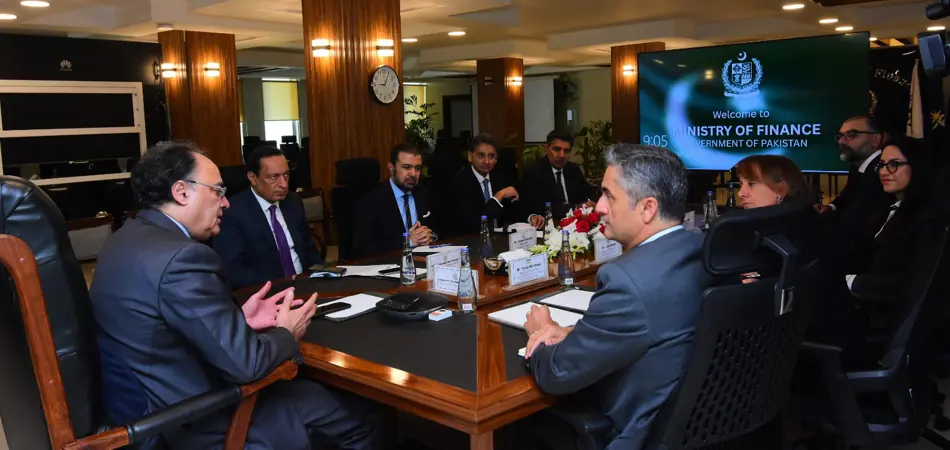
Pakistan’s finance ministry and global payments firm Visa agreed to expand technical coordination on digitizing government payments and strengthening the country’s digital payments infrastructure.
The focus was on leveraging macroeconomic stabilization to accelerate cashless transactions and expand financial inclusion, according to the press release.
The development took shape during a meeting in Islamabad between Finance Minister Senator Muhammad Aurangzeb and a Visa delegation led by Tareq Muhmood, Regional President for Central Europe, Middle East and Africa.
The engagement matters as Pakistan seeks to widen its tax base, improve transparency in public finances, and reduce reliance on cash amid ongoing economic reforms.
The finance minister linked the push for digital payments to progress under the IMF-supported program and reforms spanning taxation, energy, state-owned enterprises, public debt management and privatization including steps to speed up asset sales.
He said the government is prioritizing end-to-end digitization of receipts and expenditures to improve efficiency and service delivery, with implementation being coordinated at the highest level.
Discussions centered on payment infrastructure and acceptance, including expansion into Tier-2 and Tier-3 cities, support for small and nano businesses, and tools such as QR codes and tap-to-phone.
Fraud prevention, cash displacement and competition across payment channels were also discussed, showed regulators’ focus on managing risk while encouraging innovation.
Visa shared feedback from banks and fintechs operating in Pakistan, citing growing interest in digital payments following macroeconomic stabilization.
Emerging areas such as remittances, e-commerce and tourism-related spending by overseas Pakistanis were reviewed, alongside regulated use cases for new technologies including blockchain and digital assets, particularly for remittances, public debt and government payments.
Pakistan is pursuing reforms to payment rails through the State Bank of Pakistan and plans to operationalize the Pakistan Digital Authority as part of a broader digital economy agenda.
Greater use of digital payments is seen as supportive of financial inclusion and documentation of the economy, with potential spillovers for revenue collection and growth.
Both sides agreed to continue technical engagement and knowledge-sharing with regulators to support Pakistan’s digital payments ecosystem as reforms progress.
The Visa delegation included senior regional and Pakistan-based executives.
Gold slips on firm dollar, U.S. jobs data in focus

Gold prices edged lower on Thursday as a firmer U.S. dollar weighed on the market ahead of a key U.S. jobs report that could shape expectations for future Federal Reserve policy, while geopolitical risks remained in focus.
Spot gold fell 1.05% to $4,434 an ounce as of [12:17 PM] PST, according to data reported by Mettis Global.
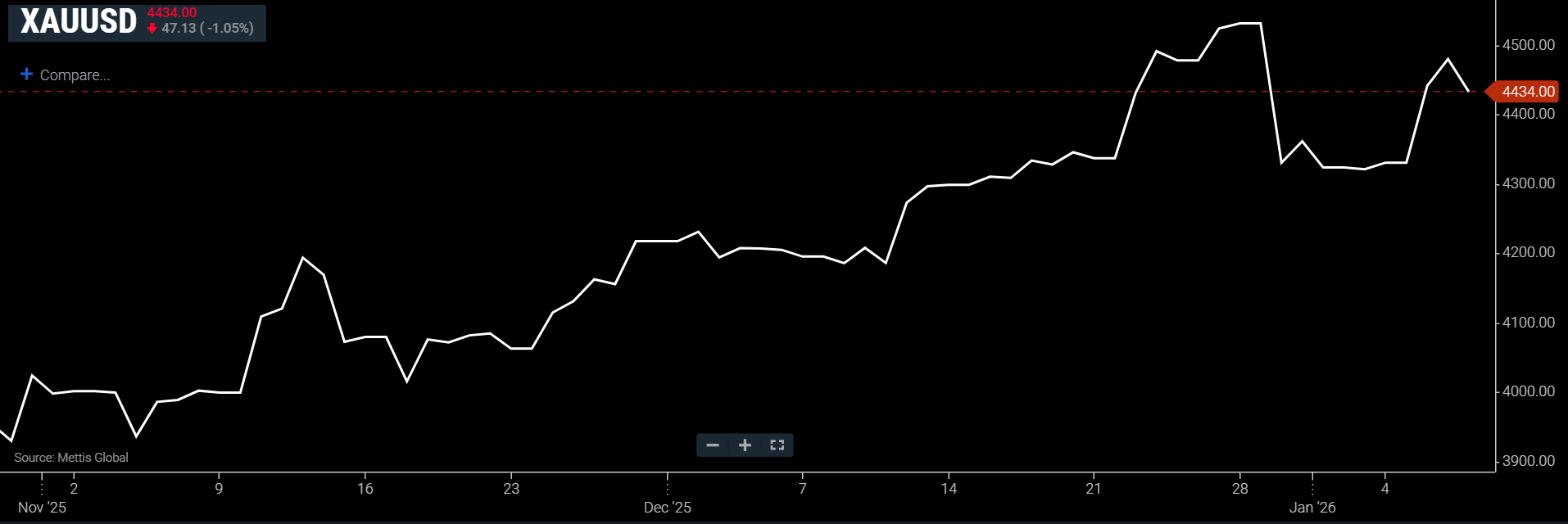
U.S. gold futures for February delivery also declined 0.3% to $4,449.60, CNBC reported.
Market participants are balancing geopolitical tensions with macroeconomic signals from the United States, said Bernard Sin, regional director for Greater China at MKS PAMP.
He pointed to U.S. pressure on Venezuela and speculation over potential flashpoints under former President Donald Trump’s so-called “Donroe Doctrine,” alongside incoming U.S. economic data.
Recent softer U.S. jobs data has strengthened expectations of further Fed rate cuts, which typically support non-interest-bearing assets such as gold.
However, sentiment remains cautious, with investors wary of volatility and profit-taking at elevated price levels, Sin added.
Gold is trading about $110 below its record high of $4,549.71 reached on December 29, with gains capped by dollar strength and selling at higher levels.
Data released on Wednesday showed U.S. job openings fell to a 14-month low in November, while hiring remained sluggish, signalling easing demand in the labour market.
Attention now turns to Friday’s U.S. non-farm payrolls report for further clues on the Fed’s policy outlook.
Geopolitical concerns also lingered after the United States seized two Venezuela-linked oil tankers in the Atlantic Ocean on Wednesday, including one sailing under the Russian flag, as part of Washington’s efforts to influence oil flows in the region.
In other precious metals, spot silver slipped 0.4% to $77.85 an ounce, after hitting an all-time high of $83.62 on December 29.
Platinum fell 0.8% to $2,288.23 an ounce, easing after touching a record high of $2,478.50 last Monday, while palladium lost 0.5% to $1,756.42 an ounce.
Pakistan Stock Exchange hits another milestone, crosses 187,000 points

Investor confidence continued to strengthen as the Pakistan Stock Exchange (PSX) extended its record-breaking rally, crossing yet another historic milestone on Wednesday.
On the third trading day of the business week, the market opened on a strong footing, with buying momentum pushing the benchmark KSE-100 Index beyond the 187,000-point mark for the first time in history.
During intraday trading, the index surged by more than 1,900 points, reaching an all-time high of 187,015 points. The market remained firmly in the green as investors kept their foot on the gas, driven by optimism over economic indicators and expectations of monetary easing.
Heavy buying was witnessed across key sectors, including automobile assemblers, cement, commercial banks, fertilizers, oil and gas exploration companies, oil marketing companies (OMCs), power generation, and refineries. Major stocks such as Hubco, Mari Petroleum, POL, PPL, PSO, SSGC, Waves, HBL, Meezan Bank (MEBL), National Bank (NBP), and MCB Bank traded in positive territory, adding fuel to the rally.
Market players said the bulls are clearly in control, and the overall mood remains upbeat. The sustained rally suggests that investors are betting on better days ahead.
It is worth noting that in the previous trading session, the KSE-100 Index had already made history by closing at 185,062 points after gaining 2,653 points.
Analysts believe the ongoing buying spree is largely driven by expectations that the Monetary Policy Committee (MPC) may announce a cut in the policy rate at its meeting scheduled later this month.
This hope has kept the market’s spirits high and encouraged investors to stay in the game.
Govt prioritizes privatization of loss making SOEs
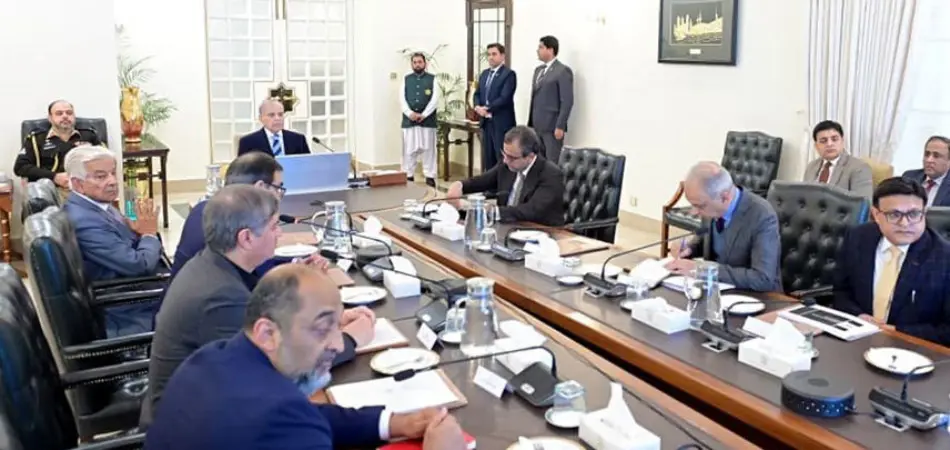
The government has prioritized the privatization of loss-making state-owned enterprises as a key part of its economic reform agenda, with the privatization of Pakistan International Airlines (PIA) identified as the first major step.
Prime Minister Muhammad Shehbaz Sharif stated this while chairing a meeting in Islamabad on matters related to the Privatization Commission. He said the successful privatization of 75% shares of PIA would set the direction for future reforms, according to Radio Pakistan.
The Prime Minister directed concerned officials to accelerate the reform process and work on the digitization of the Privatization Commission.
He emphasized that skilled manpower from the private sector and market should be hired on merit and through a fully transparent process.
He also ordered a third-party audit of the Privatization Commission’s projects by an international-standard firm and directed further strengthening of the Commission’s public relations and marketing departments.
The meeting was informed that the privatization of power distribution companies will be carried out in two phases.
In the first phase, Islamabad Electric Supply Company, Gujranwala Electric Power Company, and Faisalabad Electric Power Company will be privatized, while Hyderabad Electric Supply Company and Sukkur Electric Power Company will be privatized in the second phase.
PKR remains flat against USD
The Pakistani rupee (PKR) remained mostly flat with a slight rise by 1.10 paisa against the US dollar in Wednesday’s interbank session to settle the trade at PKR 280.06 per USD, compared to previous closing of 280.07.
Throughout the day, the currency saw an intraday high (bid) of 280.4 and a low (ask) of 281.1.
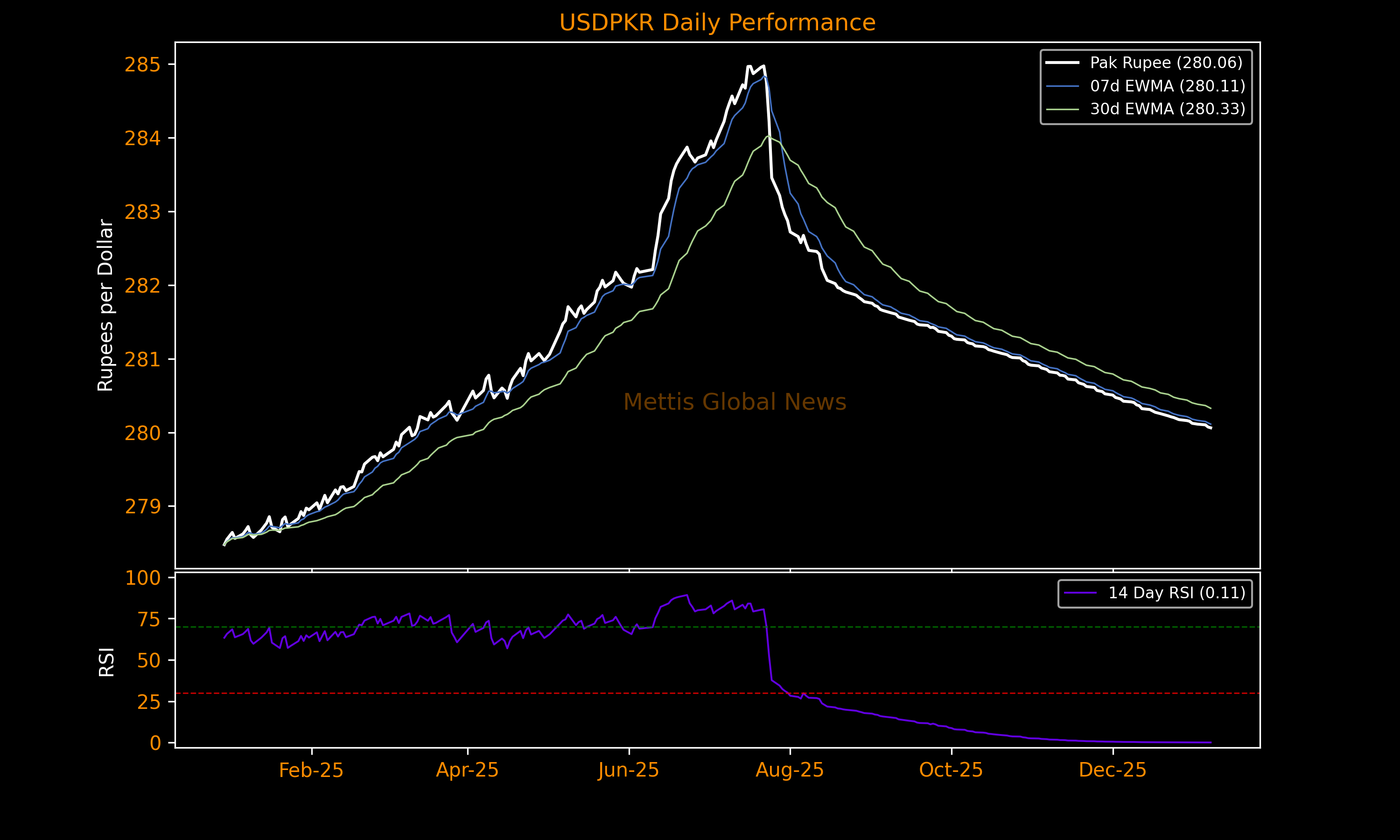
In the open market, exchange companies quoted the dollar at 280.50 for buying and 281.10 for selling.
In comparison to major currencies, PKR increased 1.46 rupees or 0.44% against the Euro, closing at 327.17 compared to the previous value of 328.62.
Against the British Pound, PKR rose by 2.06 rupees or 0.54% to 377.80 compared to 379.86 a day ago.
The local unit rose 2.37 rupees or 0.67% against Swiss franc to close at 351.68.
Against the Japanese Yen, PKR’s value rose 0.36 paisa or 0.20% to close the session at 1.7896 versus 1.7932 a day ago.
Pakistani Rupee appreciated 5.64 paisa or 0.14% against Chinese Yuan to close at 40.06 from 40.12.
The local currency decreased by 0.21 paisa or 0.00% against Saudi Riyal to 74.68. While it rose by 0.30 paisa or 0.00% against the U.A.E Dirham to close at 76.25.
During the current fiscal year, PKR has strengthened against the US Dollar by 3.70 rupees or 1.32%. While it has appreciated 6.10 paisa or 0.02% so far this calendar year.In the Money Market, the benchmark 6 Month Karachi Interbank Bid and Offer rates inched down by 1bps to 10.29% and 10.54%.
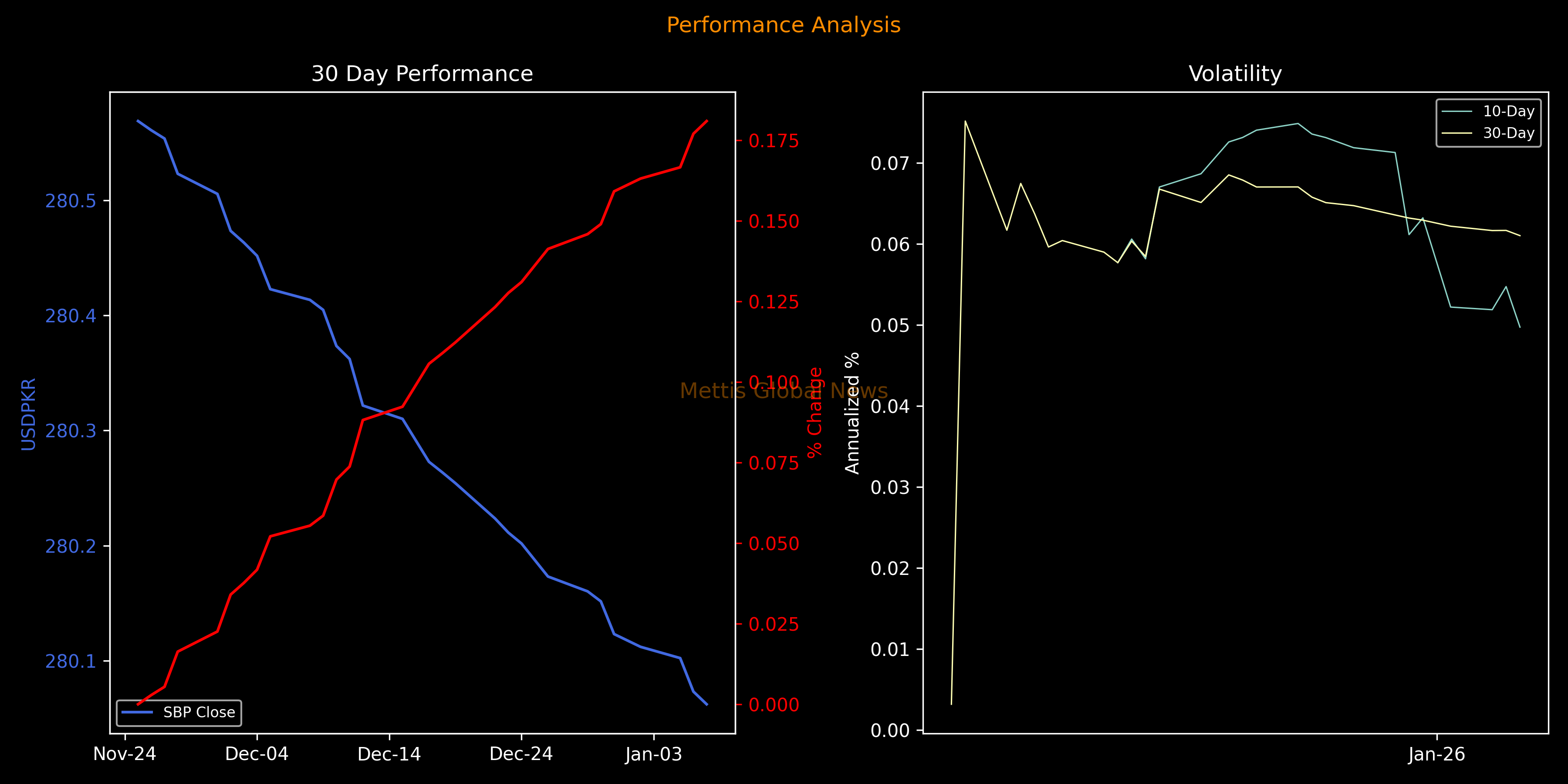
Performance Summary
| Currency | Jan 07, 2026 | Jan 06, 2026 | 1D | 7D | 1M | FYTD | CYTD | |||||
|---|---|---|---|---|---|---|---|---|---|---|---|---|
| USD | 280.0621 | 280.0731 | 0.0110 | 0.00% | 0.0610 | 0.02% | 0.3607 | 0.13% | 3.7024 | 1.32% | 0.0610 | 0.02% |
| EUR | 327.1686 | 328.6238 | 1.4552 | 0.44% | 1.6819 | 0.51% | -0.0974 | -0.03% | 5.4885 | 1.68% | 1.6819 | 0.51% |
| GBP | 377.8038 | 379.8632 | 2.0594 | 0.55% | -0.6320 | -0.17% | -3.4113 | -0.90% | 11.0528 | 2.93% | -0.6320 | -0.17% |
| CHF | 351.6822 | 354.0524 | 2.3702 | 0.67% | 1.5404 | 0.44% | -2.3545 | -0.67% | 3.6452 | 1.04% | 1.5404 | 0.44% |
| JPY | 1.7896 | 1.7932 | 0.0036 | 0.20% | -0.0004 | -0.02% | 0.0231 | 1.29% | 0.1804 | 10.08% | -0.0004 | -0.02% |
| SAR | 74.6783 | 74.6762 | -0.0021 | -0.00% | 0.0162 | 0.02% | 0.0453 | 0.06% | 0.9821 | 1.32% | 0.0162 | 0.02% |
| AED | 76.2489 | 76.2519 | 0.0030 | 0.00% | 0.0270 | 0.04% | 0.1013 | 0.13% | 1.0185 | 1.34% | 0.0270 | 0.04% |
| CNY | 40.0650 | 40.1214 | 0.0564 | 0.14% | 0.0078 | 0.02% | -0.3959 | -0.99% | -0.4616 | -1.15% | 0.0078 | 0.02% |
52 Week Performance
| Currency | High | Low | Trading Band | % Since High | % Since Low | High Date | Low Date | Days Since High | Days Since Low |
|---|---|---|---|---|---|---|---|---|---|
| USD | 278.5750 | 284.9710 | 6.3960 | -0.53% | 1.75% | 10-Jan-25 | 22-Jul-25 | 362 | 169 |
| EUR | 284.6665 | 335.1574 | 50.4909 | -12.99% | 2.44% | 13-Jan-25 | 03-Jul-25 | 359 | 188 |
| GBP | 338.2418 | 390.0418 | 51.8000 | -10.47% | 3.24% | 13-Jan-25 | 26-Jun-25 | 359 | 195 |
| CHF | 303.4906 | 359.7698 | 56.2792 | -13.70% | 2.30% | 03-Feb-25 | 23-Jul-25 | 338 | 168 |
| JPY | 1.7586 | 1.9999 | 0.2413 | -1.73% | 11.75% | 10-Jan-25 | 22-Apr-25 | 362 | 260 |
| SAR | 74.2144 | 75.9801 | 1.7657 | -0.62% | 1.74% | 10-Jan-25 | 16-Jul-25 | 362 | 175 |
| AED | 75.8440 | 77.5864 | 1.7424 | -0.53% | 1.75% | 10-Jan-25 | 22-Jul-25 | 362 | 169 |
| CNY | 37.9910 | 40.1235 | 2.1325 | -5.18% | 0.15% | 10-Jan-25 | 05-Jan-26 | 362 | 2 |
PSX Closing Bell: Rise Up

The benchmark KSE-100 Index concluded Wednesday’s trading session at 186,518.71, showing an increase of 1,456.61 points or 0.79%.
The index traded in a range of 2,118.41 points showing an intraday high of 187,015.11 (+1,953.01) and a low of 184,896.70 (-165.40) points.
The total volume of the KSE-100 Index was 569.86 million shares.
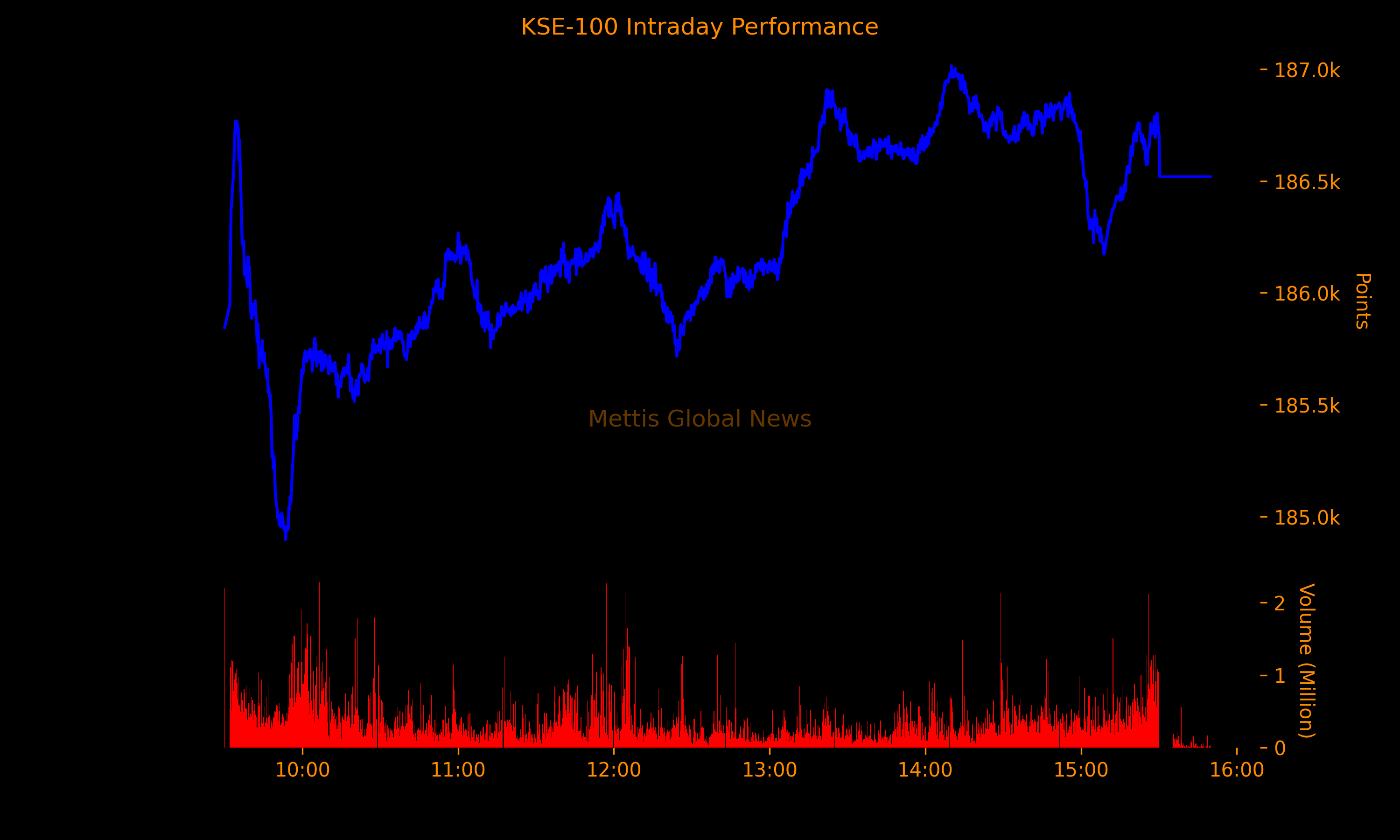
Of the 100 index companies 72 closed up, 28 closed down, while 0 were unchanged.
Top gainers during the day were YOUW (+8.25%), AICL (+7.97%), PTC (+6.38%), SAZEW (+6.27%), and HALEON (+5.62%).
On the other hand, top losers were PSEL (-5.51%), FABL (-2.17%), HMB (-1.64%), JVDC (-1.55%), and UBL (-1.43%).
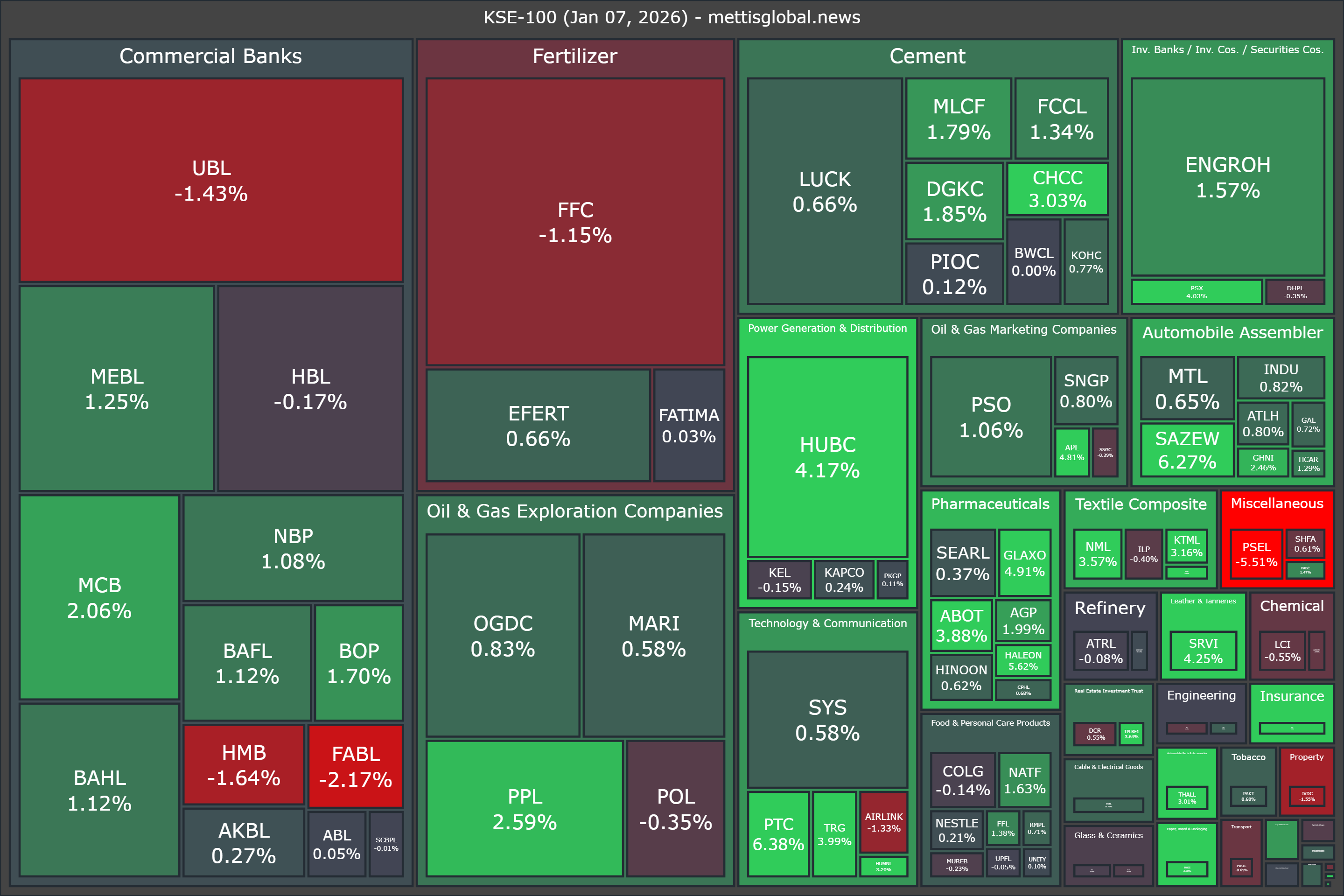
In terms of index-point contributions, companies that propped up the index were HUBC (+295.68pts), PPL (+142.03pts), ENGROH (+134.54pts), MCB (+126.73pts), and MEBL (+94.30pts).
Meanwhile, companies that dragged the index lower were UBL (-214.96pts), FFC (-202.14pts), PSEL (-65.70pts), FABL (-35.05pts), and HMB (-32.12pts).
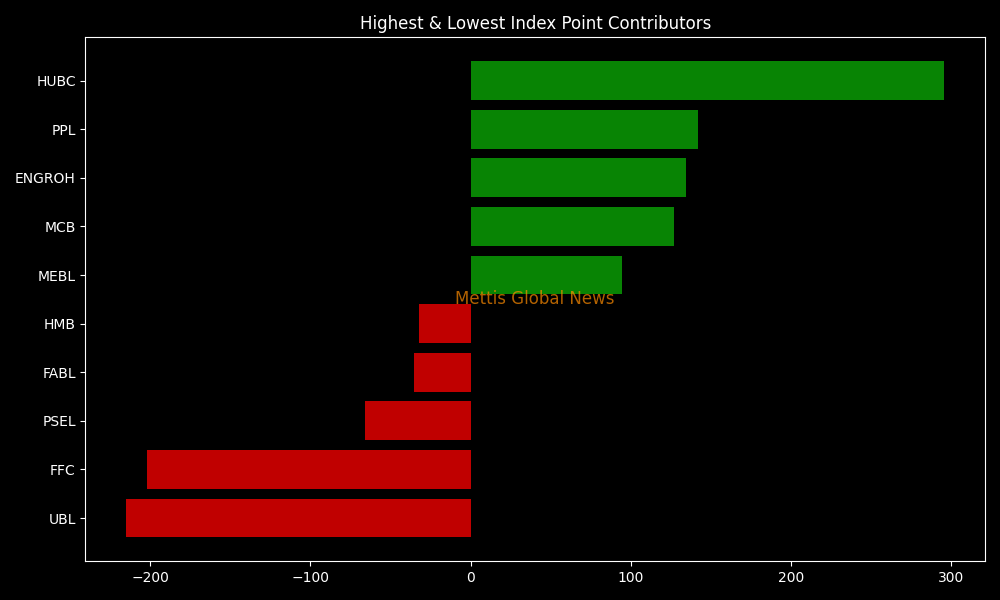
Sector-wise, KSE-100 Index was supported by Power Generation & Distribution (+296.49pts), Oil & Gas Exploration Companies (+219.73pts), Cement (+183.76pts), Inv. Banks / Inv. Cos. / Securities Cos. (+165.76pts), and Technology & Communication (+141.75pts).
While the index was let down by Fertilizer (-167.53pts), Miscellaneous (-64.06pts), Property (-10.92pts), Chemical (-7.28pts), and Transport (-3.41pts).
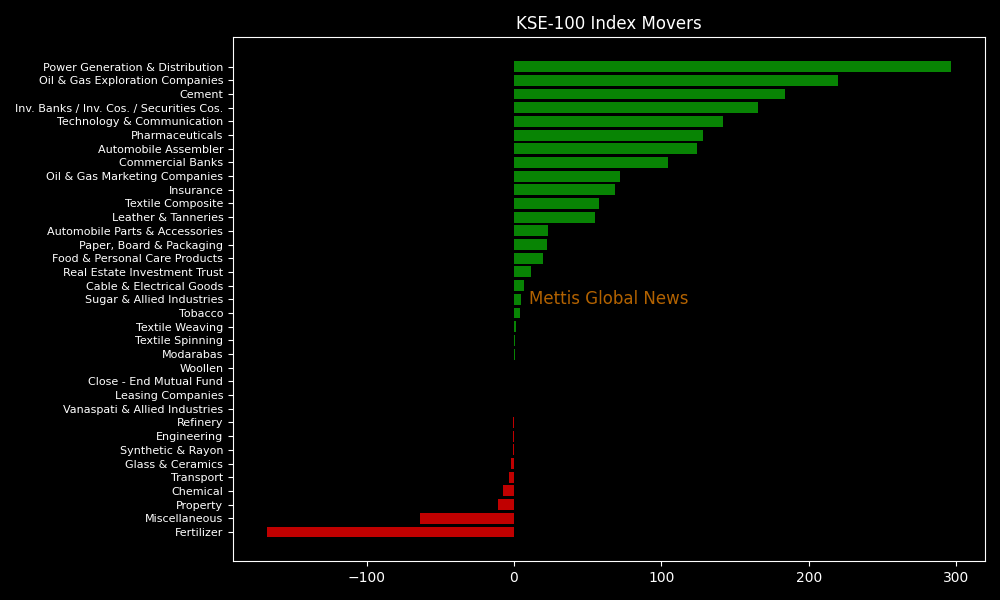
In the broader market, the All-Share Index closed at 111,118.65 with a net gain of 877.22 points or 0.80%.
Total market volume was 1,329.49 million shares compared to 1,306.06m from the previous session while traded value was recorded at Rs86.59 billion showing an increase of Rs1.26bn.
There were 606,913 trades reported in 485 companies with 298 closing up, 161 closing down, and 26 remaining unchanged.
| Symbol | Price | Change % | Volume |
|---|---|---|---|
| KEL | 6.55 | -0.15% | 77,888,594 |
| HASCOLNC | 18.32 | 7.14% | 58,647,439 |
| BOP | 42.95 | 1.70% | 54,525,966 |
| TELE | 13.06 | 1.01% | 46,930,240 |
| MDTLNC | 6.91 | 3.44% | 44,825,045 |
| PTC | 63.99 | 6.38% | 43,343,942 |
| WTL | 1.85 | 0.54% | 43,065,557 |
| TRG | 77.68 | 3.99% | 41,303,935 |
| AHCL | 17.76 | 1.60% | 33,636,829 |
| TSBL | 4.08 | 4.35% | 31,392,848 |
To note, the KSE-100 has gained 60,891 points or 48.47% during the fiscal year, whereas it has increased 12,464 points or 7.16% so far this calendar year.
Lucky Investments surpasses Rs130bn AUM within a year

Lucky Investments Limited has surpassed Rs130 billion in assets under management (AUM) within its first year of operations, a rare pace of growth that places it among the fastest-scaling Islamic asset managers in Pakistan’s capital market.
The achievement shows accelerating demand for Shariah-compliant investment products at a time when Islamic finance is expanding its share across Pakistan’s mutual fund.
Lucky Investments began operations in 2025 and introduced its first Islamic mutual fund in April of that year.
Within nine months, the company expanded its offering to seven Islamic funds along with multiple investment plans, attracting both retail and institutional investors.
Crossing Rs130bn in AUM in such a short period is significant in a market where asset managers typically take several years to reach comparable scale, according to the press release.
Industry data shows that Islamic mutual funds have been one of the fastest-growing segments of Pakistan’s asset management industry, supported by rising financial inclusion, preference for Shariah-compliant savings, and increased participation from corporate and pension investors.
Chief Executive Officer Mohammad Shoaib, CFA, said the AUM growth shows investor trust in Shariah-compliant investment structures and professional fund management.
He noted that the company’s focus remains on long-term wealth creation through Islamic financial solutions.
The company operates under a dedicated Shariah governance framework, with oversight from an independent Shariah advisor and a board comprising experienced professionals from Pakistan’s financial sector.
Its governance structure aligns with regulatory requirements set by the Securities and Exchange Commission of Pakistan (SECP) for Islamic asset management companies.
Adding to its profile, Lucky Investments was recently recognized as Emerging Islamic Finance Entity of the Year 2025 South Asia at the 10th Islamic Finance Forum of South Asia, showing its rapid rise within the regional Islamic finance ecosystem.
Lucky Investments Limited is a group company of the Yunus Brothers (Lucky) Group, one of Pakistan’s largest conglomerates with interests spanning cement, textiles, energy, and financial services.
The group’s entry into Islamic asset management comes as competition intensifies among AMCs to capture a growing pool of Shariah-compliant savings.
With Islamic banking and mutual funds continuing to gain market share in Pakistan’s financial system, the pace at which Lucky Investments has accumulated assets underscores the sector’s momentum and the increasing role of Islamic asset managers in mobilizing domestic savings.
Gas prices to remain unchanged for six months

Pakistan will be keeping gas prices unchanged for the next six months, provide enhanced gas supply to domestic consumers, and export surplus LNG to international markets, which marks a significant milestone in petroleum and gas sector reforms.
The 12th meeting of the National Assembly Standing Committee on Petroleum was chaired by Syed Mustafa Mehmood, during which Federal Minister for Petroleum Ali Pervaiz Malik informed members that negotiations with Qatar have concluded to divert Pakistan’s excess LNG cargoes abroad while honoring contractual obligations.
He emphasized that Qatar has been a reliable supplier during global supply challenges, and Pakistan values this strategic partnership, according to a press release issued.
Highlighting ongoing reforms, Ali Pervaiz Malik shared that circular debt in the gas sector has been controlled, with no fresh debt creation, and enhanced gas supply is being provided nationwide.
Managing Directors of Sui companies reported operational improvements, including a reduction in Unaccounted-for Gas (UFG) losses SNGPL from 9% to 5% and SSGC from 17% to 10% and the deployment of IoT-based monitoring systems to improve real-time pressure monitoring.
MD SNGPL also noted that gas supply hours have been extended from 5:00 am to 10:00 pm to benefit consumers during winter, while the government is working with the World Bank on capacity building for the Directorate General of Petroleum Concessions.
The Committee appreciated the progress made in reforms, governance, and consumer-focused measures in Pakistan’s petroleum and gas sector.
Pakistan explores tokenisation for digital finance

Pakistan is evaluating the responsible adoption of emerging financial technologies, including tokenisation, artificial intelligence and blockchain infrastructure, as part of its ongoing financial sector reforms and digital transformation efforts.
The focus on these technologies formed the backdrop of a meeting held by Federal Minister for Finance and Revenue Senator Muhammad Aurangzeb with a Sajwani business delegation led by Syed Zeeshan Shah, Chairman of One Group.
The engagement centered on global trends in tokenisation, AI, blockchain and digital infrastructure, and how these tools could support Pakistan’s reform agenda within the existing legal and regulatory framework.
The visiting delegation expressed interest in partnering with the Government of Pakistan, according to the press release by the ministry of finance.
They offered technical expertise, advisory support and capacity building in areas including tokenisation of real-world assets, blockchain-based platforms, AI-driven solutions and modern digital infrastructure.
The delegation pointed to international best practices and private-sector innovation that could help enhance transparency, efficiency, investor access and financial inclusion, while remaining compliant with national laws and regulations.
The discussions took place as Pakistan explores compliant blockchain infrastructure for sovereign and real-world assets.
Such technologies, if deployed prudently, could help deepen capital markets, attract international investment and support sustainable economic growth.
Senator Aurangzeb reiterated the government’s emphasis on responsible innovation, strong governance and strict regulatory compliance.
He said Pakistan is engaging credible international partners to evaluate new technologies that could help strengthen the country’s financial ecosystem.
He added that any future collaboration would be guided by national priorities, transparency and applicable laws and policies.
The delegation included representatives from One Group, DAMAC Group, Prypco and One Homes.
Gold price in Pakistan falls Rs1,200 per tola

Gold price in Pakistan decreased on Wednesday, with 24-karat gold being sold at Rs466,762 per tola, down Rs1,200.
Similarly, 24-karat gold per 10-gram was sold at Rs400,173 after a decline of Rs1,028, according to rates shared by the All-Pakistan Gems and Jewelers Sarafa Association (APGJSA).
The price of 22-karat gold was also quoted lower at Rs366,838 per 10-gram.
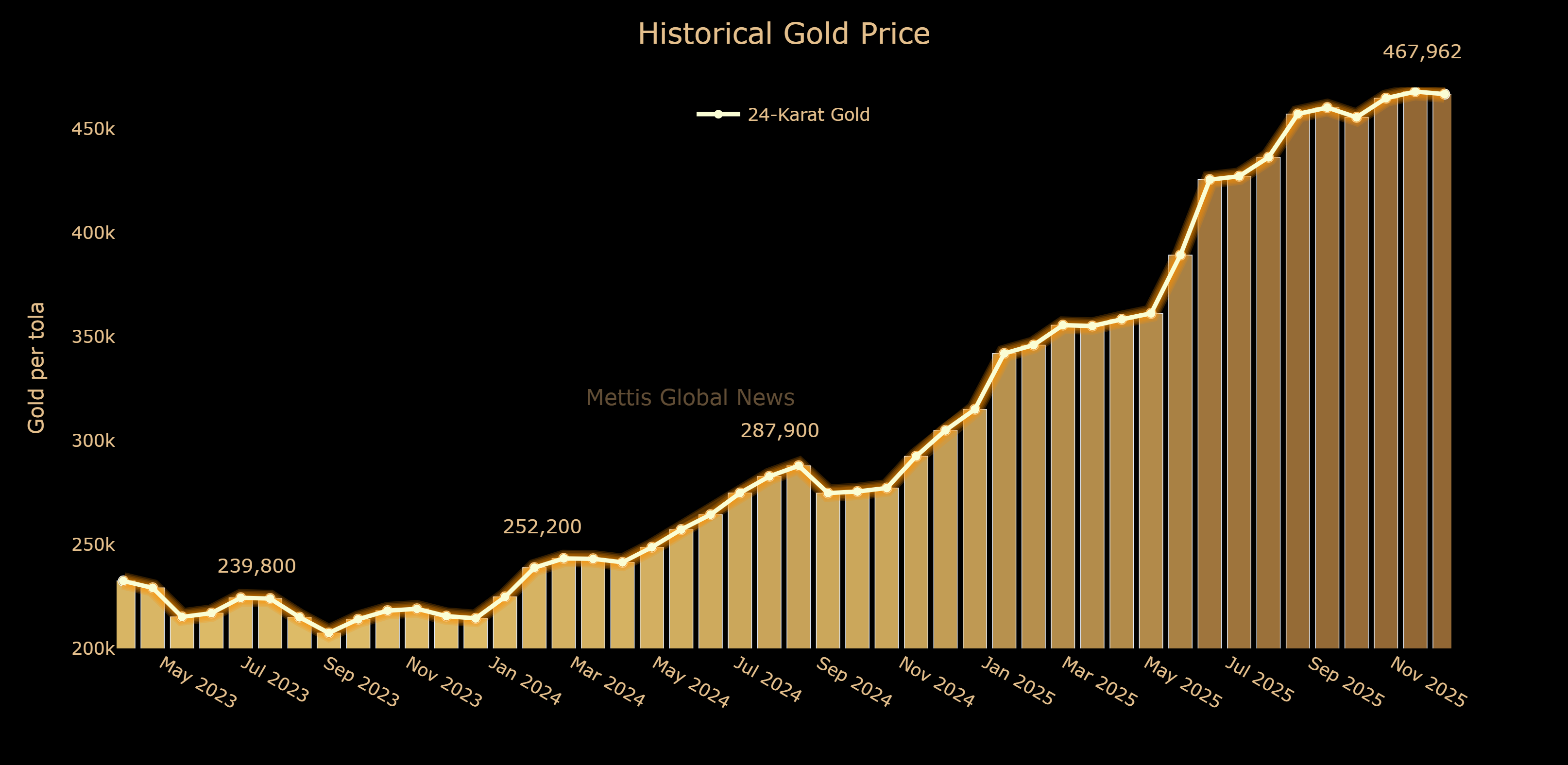
On the other hand, silver prices remained unchanged in the domestic market, with 24-karat silver being sold at Rs8,361 per tola and Rs7,168 per 10-gram.
| PKR (24-karat per tola) | Jan 07, 2026 | Jan 06, 2026 | DoD | 1 Month | FYTD | CYTD |
|---|---|---|---|---|---|---|
| Gold | 466,762 | 467,962 | -1,200 | 23,000 | 116,562 | 9,800 |
| Silver | 8,361 | 8,361 | 0 | 2,259 | 4,579 | 643 |
Globally, spot gold traded near $4,464 an ounce, down $29.1 or 0.65% from the previous session.
CDNS revises profit rates on National Savings Schemes

The Central Directorate of National Savings (CDNS) has revised profit rates on various savings schemes, effective January 5, 2026, adjusting returns across both conventional and Islamic instruments in line with the prevailing market and monetary conditions.
As per the latest update, the profit rate on Defence Savings Certificates (DSC) has been reduced by 23 basis points to 11.08% per annum for a 10-year tenure.
Similarly, returns on Behbood Savings Certificates (BSC), Pensioners Benefit Accounts (PBA), and Shuhada Family Welfare Accounts (SFWA) have been lowered by 24 basis points to 12.48% per annum, applicable for a 10-year tenure.
Meanwhile, the profit on Regular Income Certificates (RIC) has been reduced by 36 basis points to 10.56% per annum for a 5-year tenure.
The rates for Special Savings Certificates (SSC) and Special Savings Accounts (SSA) have been raised by 40 basis points, now offering 11.00% per annum for a 3-year tenure.
For shorter durations, Short Term Savings Certificates (STSC) will yield 10.32% per annum for three months, 10.36% per annum for six months, and 10.68% per annum for twelve months.
The Savings Account has been reduced by 50 basis points, now offering 9.00% per annum on a running account basis.
In the Islamic segment, the Sarwa Islamic Savings Account (SISA) provides a return of 9.96% per annum on a running basis, up 4 basis points from the previous rate.
The Sarwa Islamic Term Account (SITA) offers 9.96% per annum for one year (up 4 basis points from the previous rate), 10.20% per annum for three years (down 10 basis points), and 10.44% per annum for five years (down 12 basis points).
Additionally, the Premium Prize Bonds (Registered) carry a return of 2.92% per annum with bi-annual profit distribution, unchanged from the previous rate.
The revision reflects CDNS’s regular review of profit rates to align returns on national savings schemes with market dynamics, policy rates, and overall economic trends.
PSX roars into 2026 with record 7-day gain
Pakistan’s equity market has staged an exceptional rally, with the benchmark KSE-100 Index recording a historic 7-day calendar year (CY) gain of around 11,000 points in 2026.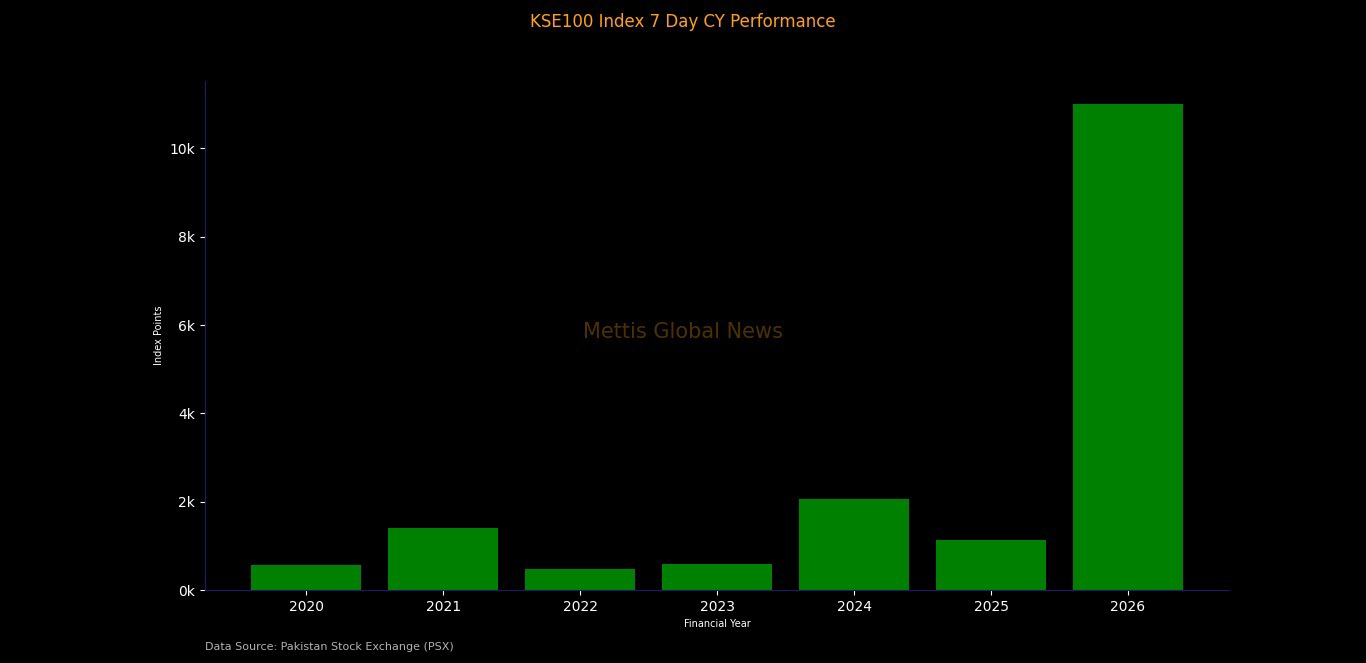
This surge marked one of the strongest short-term performances in the history of the Pakistan Stock Exchange (PSX).
Investor sentiment remains upbeat on expectations of further monetary easing, backed by an improving external account, ongoing reform momentum, and political stability.
The rally far exceeds gains recorded in prior years, emphasized a sharp shift in market confidence and strong buying interest across key sectors.
A comparison with past years shows that the index added 561.15 points in 2020, followed by a stronger rise of 1,398.04 points in 2021, before retreating to gains of 486.23 points in 2022 and 587.07 points in 2023 amid heightened macroeconomic uncertainty.
Momentum improved notably in 2024, when the KSE-100 Index advanced by 2,063.86 points over a 7-day CY period, while 2025 saw a still-respectable increase of 1,128.22 points, setting the stage for the unprecedented rally witnessed in 2026.
| Fiscal Year (FY) | 1st Half Year (1HY) | 2nd Half Year (2HY) |
| 2013 | 22.49% | 24.25% |
| 2014 | 20.26% | 17.38% |
| 2015 | 8.36% | 7.06% |
| 2016 | -4.60% | 15.14% |
| 2017 | 26.53% | -2.60% |
| 2018 | -13.09% | 3.56% |
| 2019 | -11.56% | -8.54% |
| 2020 | 20.16% | -15.50% |
| 2021 | 27.11% | 8.23% |
| 2022 | -5.83% | -6.85% |
| 2023 | -2.70% | 2.55% |
| 2024 | 50.66% | 25.61% |
| 2025 | 46.76% | 9.12% |
| 2026 | 38.55% | ?? |
Market participants attribute the sharp upswing in 2026 to improving macroeconomic indicators, easing inflation expectations, growing optimism over potential monetary easing, and sustained participation from both local and foreign institutional investors.
Attractive equity valuations and renewed confidence in economic reforms have further supported the bullish trend as continued growth across key sectors and a 6% increase in OMC sales for December has surged the market momentum.
Historically, the Pakistan Stock Exchange has tended to slow in the second half of the fiscal year, with several years showing weaker or negative 2HY performance after a stronger first half.
This pattern was evident across much of FY13–FY23, showing recurring macroeconomic and political challenges that dampened momentum later in the year.
In contrast, recent years suggest a clear shift. FY24 and FY25 both delivered strong first-half gains and remained positive in the second half, while FY26 has already posted a solid 38.55% return in 1HY.
If recent trends persist, the second half of FY26 may also remain positive.
In the ongoing trading session, the benchmark KSE-100 Index was trading at 185,956.24, up by 894.14 points or 0.48%.
A wide intraday range of 1,871.36 points, touching a high of 186,768.06, up 1,705.96 points.
While the day’s low was recorded at 184,896.70, down 165.40 points.
Total volumes on the KSE-100 Index stands at 216.71 million shares.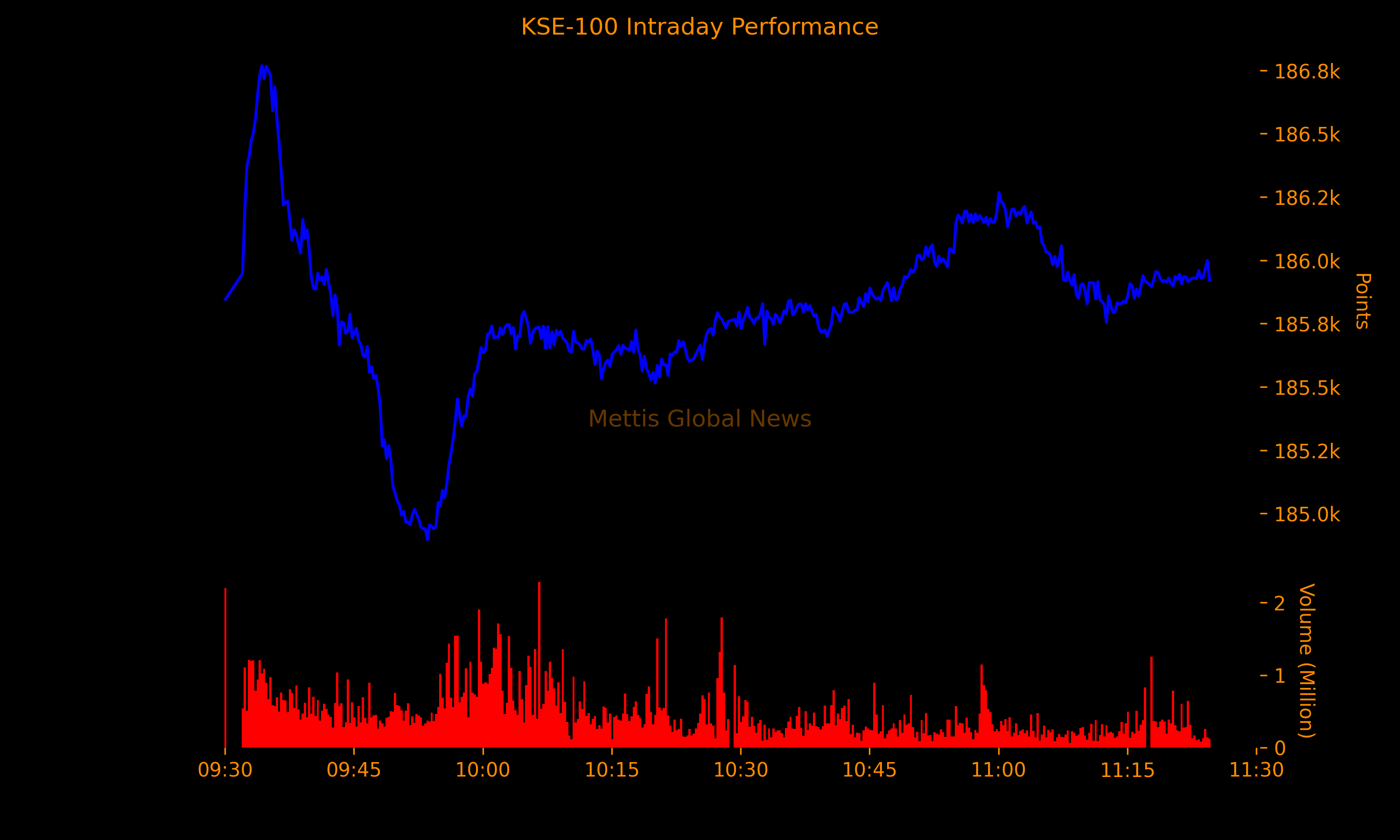
Is silver the real opportunity while gold holds steady?
Gold and silver are expected to remain at the center of investor attention in 2026, with both metals poised to benefit from macroeconomic uncertainty, shifting monetary policy, and rising demand for portfolio hedges.
While gold is projected to maintain its role as a stabilizing asset, silver is increasingly being viewed as the higher-octane opportunity, offering the potential for outsized gains if historical patterns reassert themselves.
A renewed precious metals cycle emerging, one where gold typically takes the lead before silver accelerates more aggressively.
This pattern has appeared repeatedly during past bull markets, driven by silver’s smaller market size, higher volatility, and sensitivity to both financial flows and industrial demand. As a result, silver often outperforms gold during the later stages of a metals rally.
These dynamics were highlighted in a recent metals outlook from Bank of America, where the firm’s Head of Metals Research, Michael Widmer, emphasized gold’s enduring importance as a portfolio hedge while pointing to silver as a potential standout performer.
The bank forecasts the average gold price could reach around $4,538 per ounce in 2026, with a possible move toward $5,000, supported by tightening supply, rising mining costs, and strengthening investment demand.
Currently, gold prices were already moving higher in early trading, with spot gold up 2.05% at $4,444.51 an ounce as of [10:48 a.m.] PST, according to Mettis Global.
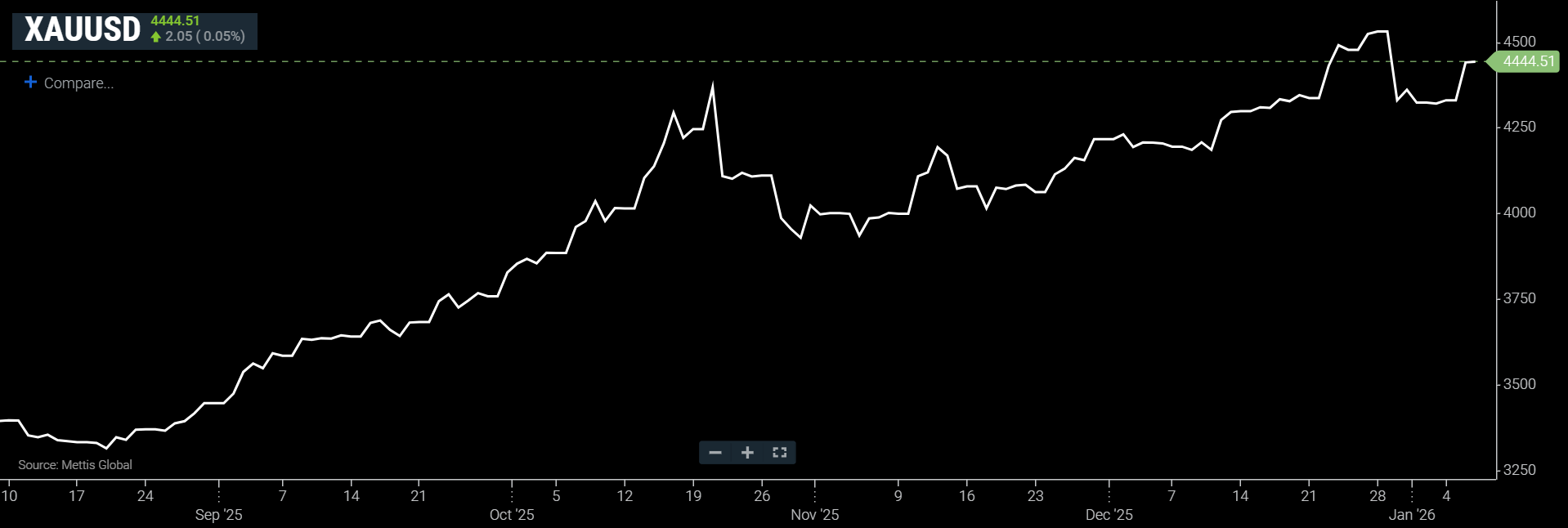
At the same time, the report argues that silver’s upside could be substantially larger.
The current gold-to-silver ratio sits near 59:1, well above long-term historical norms.
In past market extremes, the ratio has compressed to 32:1 in 2011 and even 14:1 in 1980, according to NAI500.
Silver prices also advanced alongside gold, with spot silver up 2.37% at $78.55 an ounce by [10:48 a.m.] PST, Mettis Global data show.
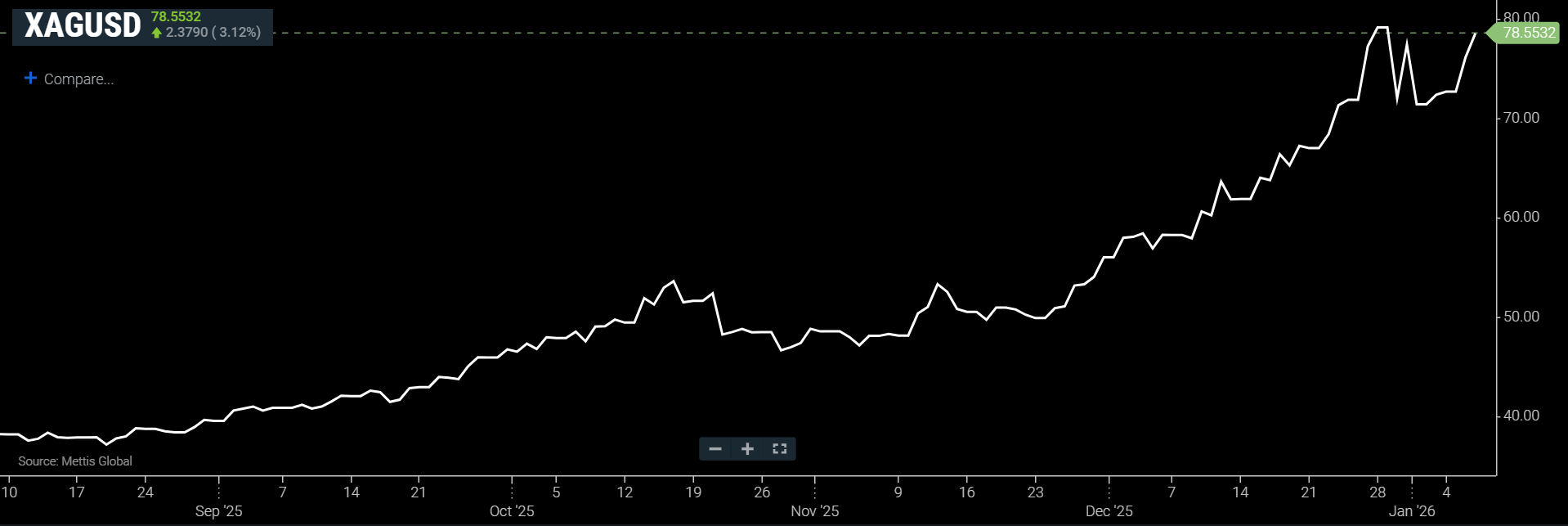
A partial return toward those levels would mathematically imply silver prices far above current levels, potentially testing ranges that would represent historic highs.
One of silver’s key advantages lies in its dual identity. Like gold, it benefits from safe-haven demand during periods of financial stress, but unlike gold, it also plays a critical role in industrial applications.
Growing use in solar panels, electronics, and other technologies tied to the energy transition could provide an additional demand tailwind if global manufacturing activity strengthens.
Investment positioning also favors silver from a relative perspective.
While gold has already seen notable inflows particularly from ETFs and institutional investors silver exposure remains comparatively modest. Should investor sentiment rotate more aggressively toward precious metals, capital inflows into silver could have a disproportionate price impact.
Gold, however, continues to rest on a solid fundamental base. Production among major North American miners is expected to decline modestly in 2026, while all-in sustaining costs are projected to rise to roughly $1,600 per ounce, helping to underpin prices.
The report also notes that even a relatively small increase in investment demand could be enough to propel gold to new record levels.
Central bank behavior remains another critical support factor. Gold holdings have already overtaken U.S. Treasury allocations in many reserve portfolios, yet gold still represents a relatively small share of total reserves on average. Models suggest there is room for further accumulation, reinforcing expectations of continued official-sector demand.
With traditional equity–bond portfolios facing growing challenges, precious metals are increasingly being viewed as effective diversifiers.
Overall, the outlook suggests a familiar division of roles: gold acting as the portfolio anchor, and silver as the more volatile but potentially more rewarding player.
If historical trends, ratio dynamics, and demand drivers align, silver could emerge as the most eye-catching performer in the next phase of the precious metals cycle.
BAFL gets in-principle SBP approval for Afghanistan deal
Bank Alfalah Limited (PSX: BAFL) has received in-principle approval from the State Bank of Pakistan allowing Ghazanfar Bank, Afghanistan to commence due diligence on BAFL’s Afghanistan operations and business.
Approval has also been granted by the Central Bank of Afghanistan, enabling Ghazanfar Bank to proceed with the due diligence process.
Following these regulatory clearances, Bank Alfalah will allow the intended buyer to conduct due diligence of its Afghanistan operations, according to the company’s statement on PSX revealed today.
The development follows the earlier disclosure made to the Pakistan Stock Exchange on December 4, 2025 regarding the receipt of a non-binding offer from Ghazanfar Bank for the acquisition of BAFL’s Afghanistan operations.
The proposed transaction remains subject to satisfactory completion of due diligence and execution of definitive agreements.
It is also subject to compliance with applicable laws and regulations, and receipt of all necessary regulatory and legal approvals from relevant authorities in Pakistan and Afghanistan.
Pakistan Railways targets Rs1tr revenue after $2bn ADB loan

Pakistan Railways has secured a $2 billion loan from the Asian Development Bank for the construction of a new 480-kilometre railway track between Karachi and Rohri.
The project is expected to reduce travel time on the route by at least five hours and represents one of the largest infrastructure investments in the rail sector in decades.
Pakistan Railways has also set a revenue target of Rs1 trillion by June 2026.
Federal Minister for Railways Muhammad Hanif Abbasi stated that the target is part of a broader plan to expand rail infrastructure, improve operational efficiency, and increase freight and passenger capacity across the network.
The Karachi Rohri track is scheduled to break ground in July 2026 and is planned for completion within two and a half to three years, according to the press release.
In parallel, work is underway under the Reko Diq-linked rail plan to develop a 900-kilometre route from Rohri to Nokundi.
This includes 500 kilometres of new track and the rehabilitation of 400 kilometres of existing infrastructure, along with the addition of the 87-kilometre Nokundi Taftan section to improve rail connectivity with Iran.
Pakistan Railways is also expanding regional and provincial routes. A 54-kilometre People’s Train corridor is being developed in Balochistan at a cost of Rs4bn, while eight regional routes are planned in Punjab.
Provinces including Punjab, Sindh and Balochistan have allocated funds to operate branch lines, with discussions ongoing with Khyber Pakhtunkhwa.
On the operations side, the railway has shifted 155 stations to solar power and reported its highest-ever daily revenue of Rs300 million.
A 1,700-kilometre fibre optic network is being laid to support digitisation, while ticketing has moved to mobile platforms through the Rabta App.
Pakistan Railways is also implementing a Rs8.9bn digital systems project with FWO and a $85 million logistics project with DP World at Pipri Yard to improve freight handling.
Passenger services are being upgraded in phases, with security cameras, Wi-Fi, and improved dining facilities being added to major trains by the end of 2026.
Connectivity projects with Central Asia and Iran, including the Islamabad Tehran Istanbul rail service, are under review pending security clearance.
Oil drops on Trump’s plan to bring Venezuelan crude to U.S

Oil prices have fallen after U.S President Donald Trump said Venezuela’s interim authorities will turn over between 30 million and 50 million barrels of oil to the United States following the ouster of authoritarian leader Nicolás Maduro.
Brent crude futures went down by $0.7, or 1.15%, to $60 per barrel, according to data by Mettis Global.
West Texas Intermediate (WTI) crude futures decreased by $0.9, or 1.58%, to $56.23 per barrel by [11:56 am] PST.
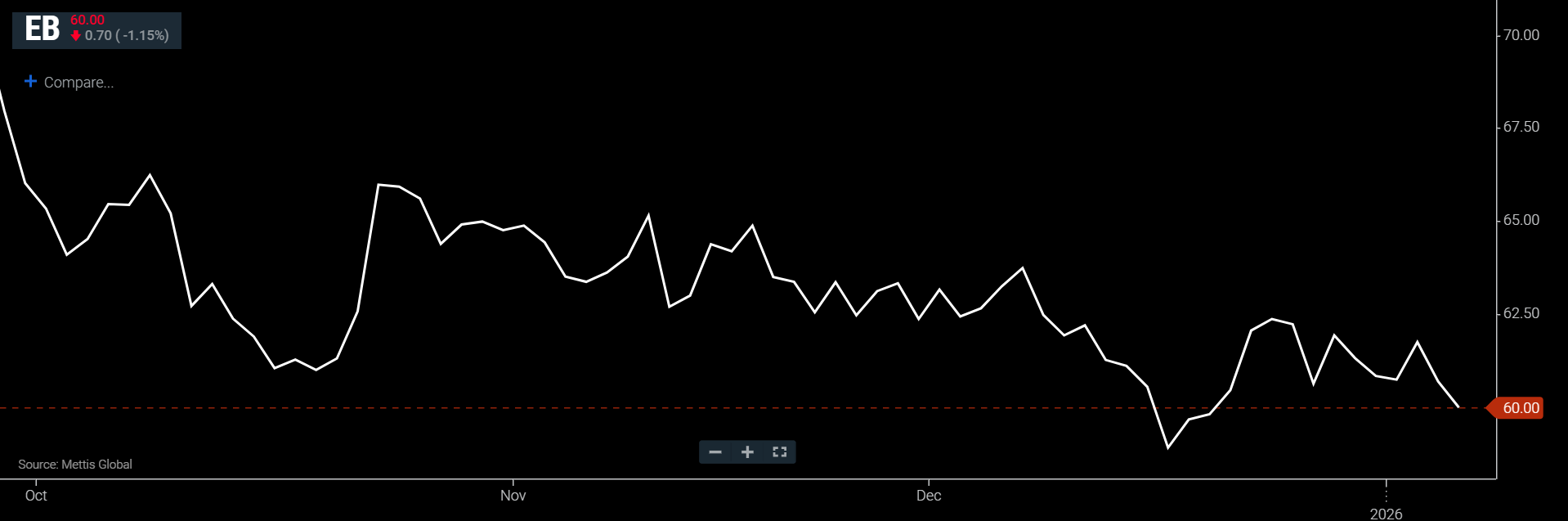
President Trump in a social media post said the oil, which he described as “high quality” and “sanctioned,” will be sold at market prices, with the proceeds controlled by him as president to benefit both Venezuela and the United States, CNBC reported.
Further he had instructed Energy Secretary Chris Wright to execute the plan immediately, with the oil to be transported by storage ships and delivered directly to unloading docks in the United States.
The announcement came three days after U.S. forces captured Maduro and his wife in Caracas and transported them to New York, where they face federal drug-trafficking conspiracy charges.
The Wall Street Journal reported Tuesday that Trump plans to meet Friday at the White House with representatives from Chevron, ConocoPhillips, Exxon Mobil, and other domestic producers to discuss significant investments in Venezuela’s oil sector.
President Trump has said U.S. oil companies could ultimately invest billions of dollars to rehabilitate Venezuela’s aging oil production infrastructure.
Chevron is currently the only U.S. oil company operating in Venezuela. The assets of ConocoPhillips and Exxon Mobil were nationalized during the mid-2000s under former President Hugo Chávez.
Gold prices increase by Rs3,200 per tola in Pakistan

Gold extended gains for a second day as global prices rose $32 to $4,456 per ounce. Locally, 24-karat gold reached Rs467,962 per tola while silver climbed to Rs8,361.
Gold prices continued their upward trend for the second consecutive day as strong gains were recorded in both international and local markets on Tuesday.
In the international market, the price of gold surged by $32 per ounce, pushing the new global rate to $4,456 per ounce.
The surge was also reflected in domestic markets, where prices rose sharply. The price of 24-karat gold per tola moved up by Rs3,200, taking the new rate to Rs467,962. Similarly, the price of 10 grams of gold rose by Rs2,743 to reach Rs401,201.
Silver prices also moved upward alongside gold. The price of silver per tola increased by Rs338 to Rs8,361, while the rate of 10 grams of silver rose by Rs290 to Rs7,168.
A significant jump in gold prices was also recorded a day earlier as well. On the previous day, gold surged to $4,424 per ounce in the international market.
At the local level, prices rose by Rs9,200 per tola and Rs 7,888 per 10 gram to Rs464,762 and Rs398,458, respectively.
Pakistan Stock Exchange Announces Election of New Chairman and Pays Tribute to the Late Chairperson

Press Release
Karachi — 06 January 2026: Pakistan Stock Exchange Limited (PSX) today announced that its Board of Directors has elected Mr. Ruhail Mohammad as Chairman of the Board for the remainder of the Board’s term, following the sad demise of the former Chairperson, Dr. Shamshad Akhtar.The Board’s election of Mr. Ruhail Mohammad was made in accordance with applicable legal and regulatory requirements and took place at a Board meeting held today at 11:30 a.m. (PST).
The Board placed on record its highest appreciation for the exemplary leadership of Dr. Shamshad Akhtar during her tenure as Chairperson of PSX. The Board acknowledged that she steered the Exchange through a period marked by significant challenges with exceptional courage, wisdom, and grace, and that she upheld the highest standards of governance, integrity, and professionalism across the capital market ecosystem.
The Board also recognized Dr. Akhtar’s visionary contributions to policy formulation and strategic initiatives that materially advanced Pakistan’s fixed income market, including enabling the Government of Pakistan to access Shariah compliant government securities. The Board expressed deep regret at her passing and affirmed that she leaves a strong and enduring legacy of leadership and service.
The Board also extended its gratitude to Dr. Akhtar for her service and conveyed condolences to her family. In recognition of her outstanding contributions, the Board resolved to name the PSX auditorium the “Dr. Shamshad Akhtar Auditorium” as a lasting tribute.
Mr. Ruhail Mohammad, the newly appointed Chairman of the PSX Board brings with him over three decades of distinguished leadership experience across diverse sectors, with deep expertise in strategic oversight, institutional governance, and organisational development. Widely respected for his principled judgement, analytical depth, and people-centric leadership style, he has consistently contributed at the highest levels of corporate and boardroom decision-making. His extensive exposure to complex regulatory environments, long-term strategic planning, and enterprise-wide risk management positions him well to guide the PSX in advancing its mandate of transparency and sustainable growth.
During his tenure on the PSX Board, particularly as Chairman of the BAC, he has played a pivotal role in strengthening PSX’s governance architecture. His stewardship has been instrumental in enhancing financial discipline and reinforcing internal control frameworks. Through his thoughtful engagement, independence of thought, and unwavering commitment to best governance practices, he has earned the confidence of the Board and management.
He is currently CEO of Lucky Electric Power Company Limited and has extensive board experience, having served on the boards of Engro Corporation and its various subsidiaries, K‑Electric, NBP Funds, the Pakistan Institute of Corporate Governance, the British Overseas School, the KP Energy Board (PEDO), and as Chairman of Pakistan Mercantile Exchange Limited. He currently sits on the boards of Lucky Group entities, Network of Organizations Working For People With Disabilities in Pakistan (NOWPDP-NGO), EFU Life Assurance and Pakistan Stock Exchange, and is Chairman of Dawood Lawrencepur Limited.
He is a CFA charterholder and holds an MBA from the Institute of Business Administration, Pakistan. He attended the Advanced Management Program at INSEAD and completed an Agri-business certification at Harvard Business School.
The Board expressed confidence in Mr. Ruhail Mohammad’s ability to lead PSX through its next phase of development while honoring the legacy of Dr. Shamshad Akhtar.
UBL becomes Pakistan’s largest listed company at PSX
United Bank Limited (PSX:UBL) has reached a historic milestone, becomes the largest listed company at the Pakistan Stock Exchange (PSX) by market capitalization during today’s trading session.
UBL’s market cap crossed Rs 1.275tr (approximately $4.5bn), surpassing Oil & Gas Development Company Limited (OGDC), which had held the top position for many years, according to Sohail Mohammed, CEO of Topline Securities, in a recent LinkedIn post.
This achievement turns to be a landmark moment for Pakistan’s banking sector and the broader equity market.
Just three years ago, UBL’s market capitalization stood at below $500 million, highlighting the scale and pace of its transformation.
UBL’s ascent stands as a testament to strategic execution, resilient fundamentals, and sustained shareholder value creation, positioning it as a bellwether for Pakistan’s equity market going forward.
Currently, at the time of writing, shares were trading at Rs510, up Rs22.2, representing a 4.55% increase.
Oil up more than 1% in choppy trade

Brent crude futures up, US WTI gains
Oil prices increased by more than 1% on Monday as traders assessed the possible impact on crude flows from Venezuela, home to the world’s largest oil reserves, following the US capture of Venezuelan President Nicolas Maduro.
Brent crude futures were up 96 cents, or 1.58%, at $61.71 a barrel by 12:56pm EDT. US WTI crude gained 95 cents, or 1.66%, to $58.27. Both benchmarks rose more than $1 in late morning trade after falling more than $1 earlier in a choppy session, as investors digested news of Maduro’s capture and that Washington would take control of the OPEC member whose crude exports had been under a US embargo that remains in place.
The Trump administration did not consult with oil companies Exxon Mobil, ConocoPhillips or Chevron Corp about Venezuela before or after US forces captured Maduro, according to four oil industry executives familiar with the matter.
Gold, silver prices rise for second consecutive day in local, global markets

Price of 24-carat gold increases by Rs3,200
Gold and silver prices continued to climb on Tuesday, marking the second consecutive day of significant gains in both international and domestic markets.
In the international bullion market, gold rose by $32 per ounce to reach $4,456 per ounce.
The increase was reflected in local markets, where the price of 24-carat gold per tola jumped by Rs3,200 to Rs467,962. The rate for 10 grams of gold increased by Rs2,743 to Rs401,201.
Silver prices also rose, with the per tola rate increasing by Rs338 to Rs8,361, while 10 grams rose by Rs290 to Rs7,168.
The surge followed Monday’s sharp increase. In the international bullion market, the price of gold rose by $92 per ounce, reaching $4,424 per ounce.
The increase was reflected in local bullion markets, where the price of 24-carat gold rose by Rs9,200 per tola to Rs464,762. The rate for 10 grams of gold increased by Rs7,888 to Rs398,458.
Silver prices also moved higher in the domestic market. The price of silver rose by Rs267 per tola to Rs8,023, while the rate for 10 grams increased by Rs229 to Rs6,878.
Government tightens gas supply, reviews Winter load management

Audit shows over 97% complaints resolved as SNGPL, SSGC report higher gas supply
Federal Minister for Petroleum Ali Pervaiz Malik chaired a meeting on Monday to review the gas supply situation, winter load management and consumer complaint redressal across the country. The meeting also examined an Oil and Gas Regulatory Authority (OGRA) audit report on compliance with service standards for complaint handling.
According to an official statement, Sui Northern Gas Pipelines Limited (SNGPL) and Sui Southern Gas Company (SSGC) briefed the meeting on gas supply arrangements for the ongoing winter season. The companies said that, in line with the directions of Prime Minister Shehbaz Sharif, gas supply to domestic consumers had been enhanced to provide relief during winter.
SNGPL reported that it supplied an additional 95 million cubic feet per day (mmcfd) of gas in December 2025 compared to December 2024, while SSGC supplied 32 mmcfd more gas during the same period. The minister expressed satisfaction that gas supply to domestic consumers this winter was better than last year.
The meeting was informed that IoT-based monitoring and Town Border systems had been deployed at tail ends of the gas network to automatically generate alarms in case of pressure drops. While appreciating the initiative, the minister directed SSGC to further improve pressure management and alarm systems, particularly in tail-end areas, to ensure timely response and uninterrupted supply.
The minister instructed both Sui companies to maintain adequate gas pressure and ensure consistent service delivery, especially for domestic consumers. OGRA presented its audit report on compliance with service standards. According to the audit, 98.5% of consumer complaints at SNGPL and 97% at SSGC were resolved.
PSX rebounds strongly, reaches historic milestone of 185,000 points

The PSX rebounded with the KSE-100 index rising by 2,642.53 points to a record high of 185,050.76, after initially dropping 853.20 points to 181,555.03, reflecting a 0.47% decline.
The Pakistan Stock Exchange (PSX) rebounded after registering losses during intraday trading to cross another milestone amid strong buying rally.
The KSE-100 index surged by 2,642.53 points to reach all-time high of 185,050.76 points compared to previous close of 182,408.23 points.
Earlier, the benchmark index plunged by 853.20 points to 181,555.03 points, reflecting a negative change of 0.47 percent.
A day earlier, the benchmark KSE-100 index on Monday closed bullish, gaining 3,373.31 points, a positive change of 1.88 percent, to settle all time high at 182,408.24 points compared to 179,034.93 points on the previous trading day, according to PSX data.
During the session, the ready market witnessed a trading volume of 1,384.300 million shares with a traded value of Rs 78.095 billion, against 1,113.099 million shares valuing Rs 64.340 billion in the previous session. Market capitalization increased to Rs 20.509 trillion from Rs 20.213 trillion a day earlier.
Out of 483 active companies in the ready market, 256 advanced, 197 declined, while 30 remained unchanged.
Salaried class pays over Rs266 billion in income taxes

Contribute twice as much as real estate as FBR leans on documented sectors
Salaried individuals paid Rs266 billion in income tax during the first half of the current fiscal year, contributing nearly one rupee out of every Rs10 collected in income taxes across the country.
Tax contributions by salaried persons, in both the public and private sectors, remained more than double the taxes paid by the real estate sector during the same period, according to provisional figures compiled by the Federal Board of Revenue (FBR) for the JulyDecember period.
The statistics showed that salaried persons paid a little over Rs266 billion in income taxes, higher by Rs23 billion, or 9%, compared to the same period of the last fiscal year. The Rs266 billion income tax payments by salaried individuals were exclusive of book adjustments. In the last fiscal year, the income tax contribution, excluding book adjustments, stood at Rs243 billion.
Sources said that after adding book adjustments, the figure had already crossed Rs300 billion by the end of the first half of the current fiscal year. It is also exclusive of payments that a few contractual employees make under Section 153-B of the income tax law, the sources added.
Pakistan’s salaried class remains unduly burdened and is a victim of the FBR’s lethargic approach, which places the burden of tax collection on the existing pool of taxpayers, mainly salaried individuals and manufacturers. The salaried class pays about 38% of its gross income in taxes, which is significantly higher compared to regional countries and relative to the real estate sector and retailers.
In his address to the Pakistan Business Council (PBC) last month, the national coordinator of the Special Investment Facilitation Council (SIFC), Lt Gen Sarfraz Ahmed, had said: “We have made a mess of our fiscal situation and so the only thing the government can think of is taxation – and you (businessmen) are the easiest prey because you are already documented, already visible.” The details showed that non-corporate employees paid the highest amount, Rs117 billion, in income tax, up 14% from last year. Corporate sector employees contributed Rs82 billion, also 13% higher than last year.
The FBR struggled to achieve its downward-revised tax target of Rs6.5 trillion and had to resort to taking heavy advances and slowing payments of taxpayers’ refunds. Yet, it could hardly show a 10% increase in collection, which was only half the growth rate required to meet this year’s annual tax target.
The FBR collected Rs3.03 trillion in income taxes during the first half of the fiscal year, with nearly one-tenth coming from salaried persons who pay taxes on their gross incomes without the option of adjusting their expenses.
Employees of provincial governments paid Rs39 billion in income tax, a 7% reduction compared to a year earlier. In contrast, federal government employees contributed Rs27 billion, an increase of 8%.
The government’s new tax on wealthy pensioners, introduced in this year’s budget for pensions exceeding Rs10 million annually, yielded very little, suggesting that annual collections may hardly reach Rs1 billion.
While succumbing to pressure from within, the government last month again allowed retired employees to claim more than one pension, undermining its stated objective of introducing pension reforms and cutting expenditure.
While the salaried class continues to see rising tax contributions, collections from traders remain limited. Several enforcement measures, including a ban on economic transactions by ineligible persons, were diluted or reversed.
The real estate sector also faced higher taxes, with increased rates for non-filers and the introduction of a new category for late filers. Withholding tax collections on plot sales rose by two-thirds to Rs87 billion, while collections on plot purchases fell 29% to Rs39 billion. In the budget, the government had lowered taxes on the purchase of plots but increased the rate on sales.
Cumulatively, the government collected Rs126 billion in withholding taxes from the real estate sector during the first half of the fiscal year, up by 17%.
Last month, the FBR had sharply increased property valuations for the Islamabad Capital Territory, particularly for residential and commercial areas under development. However, it later reversed these increases until the end of January. Valuations were raised by up to 900% for the C-sector of Islamabad, while those for the B-sector were increased by up to 150%.
SBP, PBA warns double returns schemes to be potential scams

The State Bank of Pakistan (SBP) and Pakistan Banks’ Association (PBA) have issued a comprehensive public awareness message warning citizens about fraudulent investment schemes promising unrealistic double returns.
The initiative aims to protect Pakistani consumers from increasingly sophisticated financial scams.
The joint campaign highlights a critical message for Pakistani investors: schemes promising double returns are highly likely to be scams.
The SBP and PBA emphasize that consumers should never trust any investment scheme without proper verification from authorized financial institutions.
The SBP fraud awareness campaign carries a powerful message in Urdu “Double returns ka waada? Scam hone ka imkaan sab se zyada!” (Promise of double returns? Highest chance of being a scam!).
The campaign emphasizes that while scammers may be cunning, Pakistani citizens are smarter and more vigilant.
Investment scams have proliferated across Pakistan, particularly through digital platforms and social media channels.
The SBP-PBA campaign addresses the urgent need for consumer education in an increasingly digital financial landscape.
Intermarket Securities eyes auto trading expansion
Intermarket Securities Limited (PSX: IMS) approved the incorporation of a wholly owned subsidiary and a Rs150m investment in AFT Japan Co., Ltd., subject to applicable regulatory approvals.
The newly proposed subsidiary, to be named AFT Pakistan or any other available name, is planned to operate in the automobile trading business through IT-enabled platforms.
The approved investment in AFT Japan Co., Ltd. will be made through this subsidiary, in continuation of an earlier decision dated September 02, 2025.
These approvals were granted at the company’s board meeting held on January 05, 2026, according to the company’s filing on PSX revealed today.
The company also clarified that the associated company’s name was previously mentioned incorrectly as ATF Japan Co., Ltd., which has been corrected to AFT Japan Co., Ltd.
Govt domestic debt, liabilities nears Rs55tr in November
The total government domestic debt and liabilities have increased by 12.12% to Rs54.82 trillion in November 2025, compared to Rs48.89tr in November 2024, the latest data released by the State Bank of Pakistan (SBP) showed.
On a sequential basis, domestic debt and liabilities have risen by 1.2% compared to Rs54.17tr in October 2025.
According to details provided by the State Bank of Pakistan (SBP), the larger portion of the debt was permanent debt, which totaled Rs42.66tr, signifying a growth of 19.67% YoY.
This comprised Rs41.76tr in federal government bonds, Rs475bn in SBP’s on-lending to the government of Pakistan against SDRs allocation, Rs421bn worth of prize bonds, and the remaining Rs3bn in market loans.
The floating debt dropped by 13.22% in November to Rs8.36tr compared toRs9.64tr in the same period last year.
Market Treasury Bills comprised the major proportion of the total floating debt, and stood at Rs8.23tr in November 2025.
On the other hand, the government’s unfunded debt increased by 10.63% YoY to Rs3.15tr in November 2025, primarily due to a significant rise of 11.35% YoY in saving schemes, which amounted to Rs3.08tr compared to Rs2.77tr in the SPLY.
Foreign currency loans increased significantly as they clocked in at Rs381bn in November 2025, compared to Rs373bn in November 2024.
Borrowing through Naya Pakistan Certificates also reduced by 18.99% YoY to Rs64bn in November 2025.
Similarly, on a sequential basis, it fell by 7.25% in November compared to Rs69bn in October.
Moving forward, domestic liabilities of the government dropped by 35.48% YoY and were reported at Rs200bn in the review month.
Liven Pharma evaluates Hoover Pharma acquisition

Liven Pharma Limited (PSX: LIVEN) is engaged in preliminary discussions with Hoover Pharma (Private) Limited regarding a potential acquisition.
The talks remain at an early, exploratory stage, with both sides assessing the viability and feasibility of a possible transaction.
No final decision has been taken so far, and the discussions are focused on evaluating strategic fit and potential benefits, according to the company’s statement on PSX revealed today.
Any potential transaction would remain subject to further evaluation, regulatory clearances, and the outcome of detailed due diligence.
The ongoing deliberations do not represent a definitive agreement or commitment at this point.
The disclosure aims to maintain transparency for the market and stakeholders as discussions continue.
Govt launches Pakistan’s first fishing technology museum
The government took a major step toward modernizing its fisheries sector with the launch of two landmark initiatives designed to promote sustainability, transparency and export growth in the maritime economy.
Federal Minister for Maritime Affairs Muhammad Junaid Anwar Chaudhry inaugurated the country’s first Fishing Technology Museum in Karachi and simultaneously carried out the soft launch of the Mahi-Dost digital traceability application, according to a press release issued.
The newly established museum documents the transformation of fishing in Pakistan, charting the journey from traditional artisanal practices to cutting-edge modern technologies.
Envisioned as a national hub for research, education and policymaking, it also seeks to preserve the cultural heritage of coastal communities amid rapid technological change in the sector.
Addressing fishermen, researchers and business representatives, the minister described the museum as a strategic pillar of Pakistan’s blue economy rather than a conventional exhibition space.
He said it would bridge indigenous knowledge with modern innovations, including artificial intelligence–based sonar systems and eco-friendly fishing gear, to support evidence-based decision-making.
Highlighting the vast but underutilized potential of Pakistan’s exclusive economic zone, he noted that illegal, unreported and unregulated (IUU) fishing continues to cause significant economic and environmental losses.
The museum’s archival and research facilities, he added, would help shape reforms and train future marine scientists and fisheries managers to address overfishing and climate-related challenges.
Alongside the museum, the Mahi-Dost app introduces a digital catch-to-consumer traceability system built on blockchain and GPS technology.
Through QR code-based data entry, fishermen can document catches in real time, ensuring compliance with international standards such as EU Catch Certification and IUU regulations, the US Marine Mammal Protection Act and Indian Ocean Tuna Commission requirements.
The minister said the app would strengthen dolphin-safe fishing practices and create transparent supply chains, directly enhancing Pakistan’s seafood exports, currently estimated at about $500 million.
Pilot projects, he noted, have already shortened EU approval timelines and opened access to premium global markets for small-scale fishermen.
It is expected that the combined impact of the museum and the digital platform to improve monitoring, control and surveillance, reduce regional IUU fishing losses estimated at $1 billion, and advance Pakistan’s Blue Economy Policy and Sustainable Development Goal 14, which focuses on protecting marine life.
The government remains committed to integrating innovation with heritage, the minister said, to ensure a resilient and sustainable future for the country’s maritime sector.
PSX Closing Bell: Bulls Charge Past 183,000 Points

The benchmark KSE-100 Index concluded Monday’s trading session at 182,408.23, showing an increase of 3,373.30 points or 1.88%.
The index remained positive throughout the day showing an intraday high of 183,964.37 (+4,929.44) and a low of 179,535.46 (+500.53) points.
Notably, the index crossed the 180,000-point milestone for the first time and went on to reach the 183,000 level, a significant psychological breakthrough.
This also marked the third consecutive trading day since the start of 2026 that the index hit at an all-time high.
The total volume of the KSE-100 Index was 633.10 million shares.
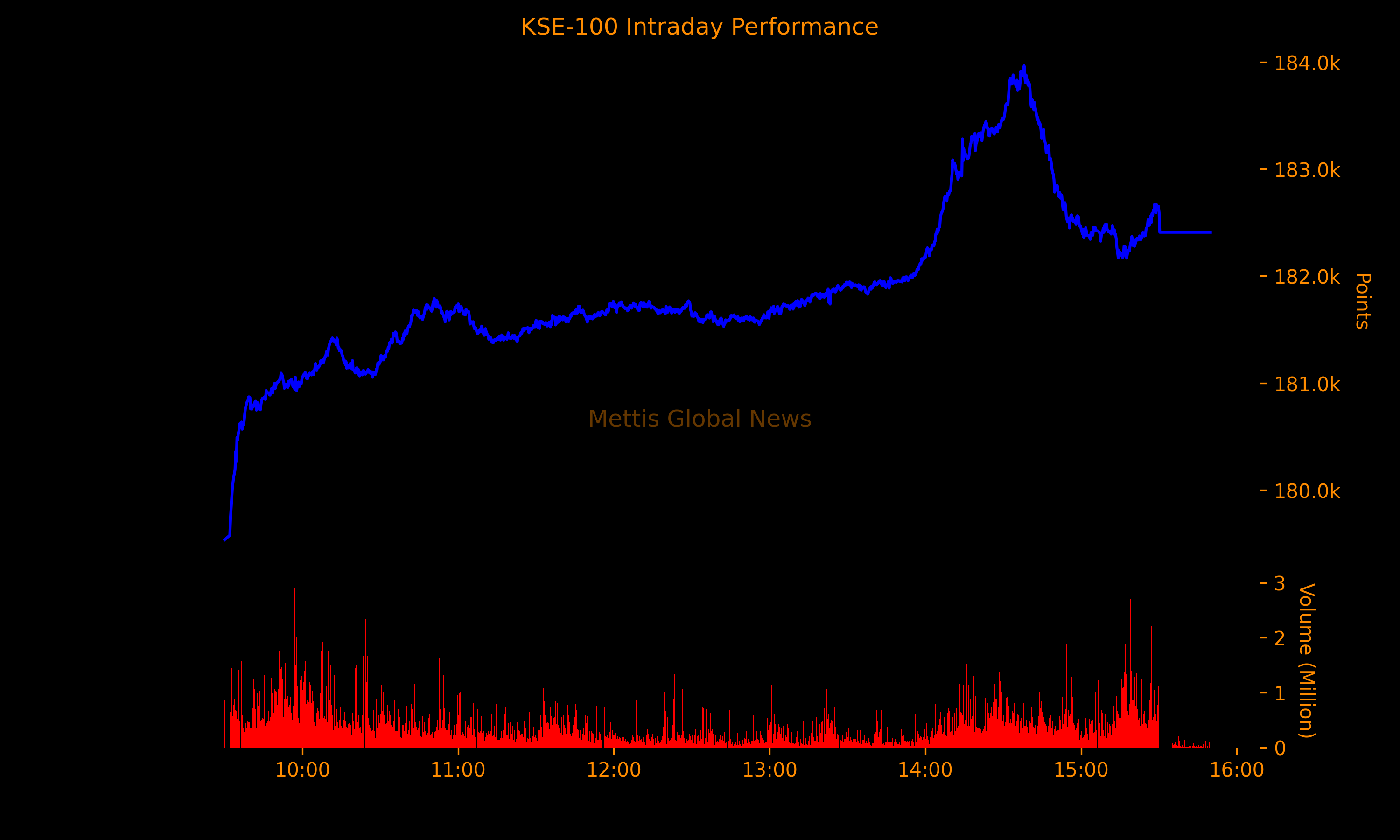
Of the 100 index companies 73 closed up, 25 closed down, while 2 were unchanged.
Top gainers during the day were PIBTL (+8.09%), FABL (+5.58%), HMB (+5.22%), MEHT (+5.18%), and UBL (+5.12%).
On the other hand, top losers were PSEL (-2.74%), DHPL (-1.72%), MUREB (-1.48%), JDWS (-1.16%), and RMPL (-0.82%).

In terms of index-point contributions, companies that propped up the index were UBL (+709.35pts), HBL (+331.36pts), ENGROH (+276.30pts), MCB (+180.84pts), and EFERT (+178.68pts).
Meanwhile, companies that dragged the index lower were PSEL (-35.61pts), PPL (-19.38pts), SYS (-11.11pts), DHPL (-6.89pts), and ATRL (-6.54pts).
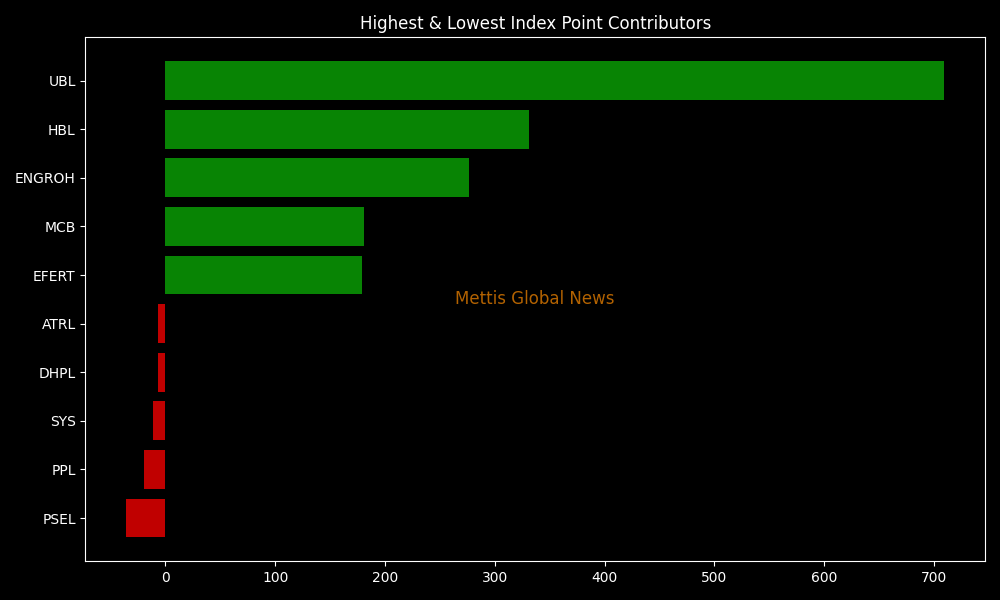
Sector-wise, KSE-100 Index was supported by Commercial Banks (+1922.00pts), Fertilizer (+393.70pts), Inv. Banks / Inv. Cos. / Securities Cos. (+272.03pts), Cement (+227.68pts), and Automobile Assembler (+112.89pts).
While the index was let down by Miscellaneous (-26.36pts), Automobile Parts & Accessories (-4.18pts), Sugar & Allied Industries (-3.01pts), Close – End Mutual Fund (-1.17pts), and Glass & Ceramics (-1.02pts).
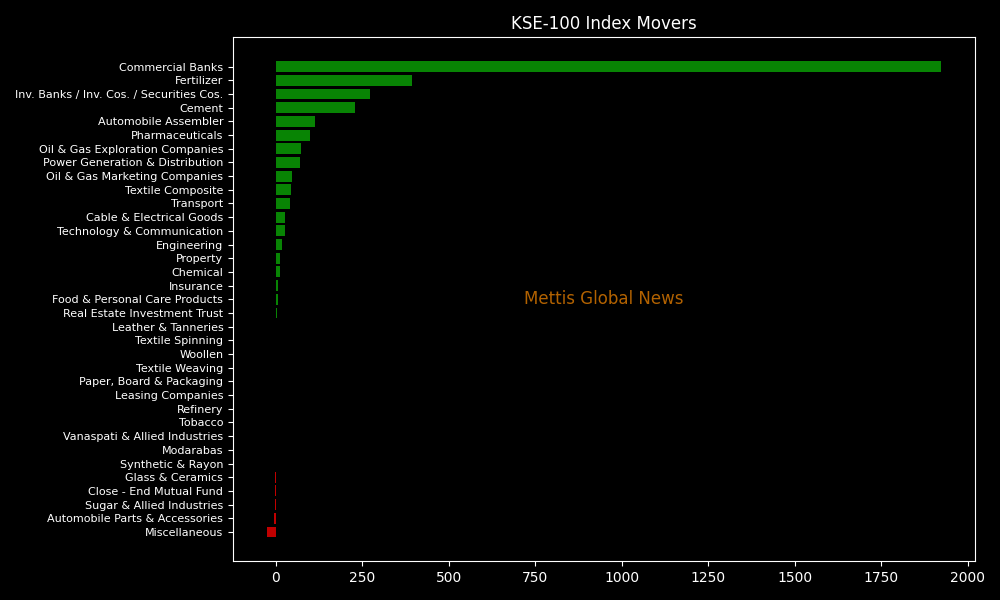
In the broader market, the All-Share Index closed at 108,970.93 with a net gain of 1,578.20 points or 1.47%.
Total market volume was 1,384.30 million shares compared to 1,113.10m from the previous session while traded value was recorded at Rs78.10 billion showing an increase of Rs13.76bn.
There were 604,409 trades reported in 483 companies with 256 closing up, 197 closing down, and 30 remaining unchanged.
| Symbol | Price | Change % | Volume |
|---|---|---|---|
| BOP | 43.09 | 1.80% | 95,463,191 |
| PIBTL | 21.78 | 8.09% | 79,721,729 |
| KEL | 6.34 | -0.16% | 75,183,971 |
| TELE | 12.87 | 8.79% | 74,355,620 |
| HASCOLNC | 17.22 | 5.45% | 63,514,102 |
| WTL | 1.84 | 2.79% | 57,180,157 |
| MDTLNC | 5.68 | -2.74% | 48,393,689 |
| CNERGY | 7.65 | 1.86% | 43,310,326 |
| PAEL | 59.06 | 2.66% | 36,512,524 |
| AHCL | 17.27 | 4.23% | 32,831,840 |
To note, the KSE-100 has gained 56,781 points or 45.20% during the fiscal year, whereas it has increased 8,354 points or 4.80% so far this calendar year.
CJP Afridi calls for reforms to expedite tax litigation, warns of economic risks
PSMU Desk
ISLAMABAD: Chief Justice of Pakistan, Justice Yahya Afridi, expressed concerns over the negative impact of prolonged tax litigation on investor confidence and economic stability. Speaking at a high-level meeting at the Supreme Court, Justice Afridi emphasized that delayed tax cases not only strain fiscal resources but also weaken economic growth and investor trust.
The meeting, aimed at devising strategic reforms to accelerate the resolution of high-impact tax cases, highlighted the judiciary’s commitment to ensuring timely justice and predictability in matters crucial to the national economy.
Justice Afridi noted that prolonged tax disputes are a significant barrier to progress and called for systemic reforms that would enhance the efficiency of legal processes directly affecting economic outcomes. The proposed strategies include:
- Fast-tracking high-priority tax cases with major implications for the economy.
- Improved coordination between tax authorities and the judiciary.
- Strengthened case management and legal preparedness.
- Exploring institutional measures to ensure consistent and swift adjudication.
The discussion is part of a broader effort to reform the justice sector, aimed at improving governance, reducing systemic delays, and aligning judicial processes with economic priorities.
The meeting was attended by Justice Miangul Hassan Aurangzeb, the FBR Chairman, and senior officials, who engaged in an in-depth discussion on addressing long-standing tax disputes. They underscored the importance of reducing litigation backlogs, providing legal certainty, and safeguarding public revenue to ensure sustainable economic development.
FM Dar holds key talks with Chinese leaders ahead of 7th Pakistan-China Strategic Dialogue
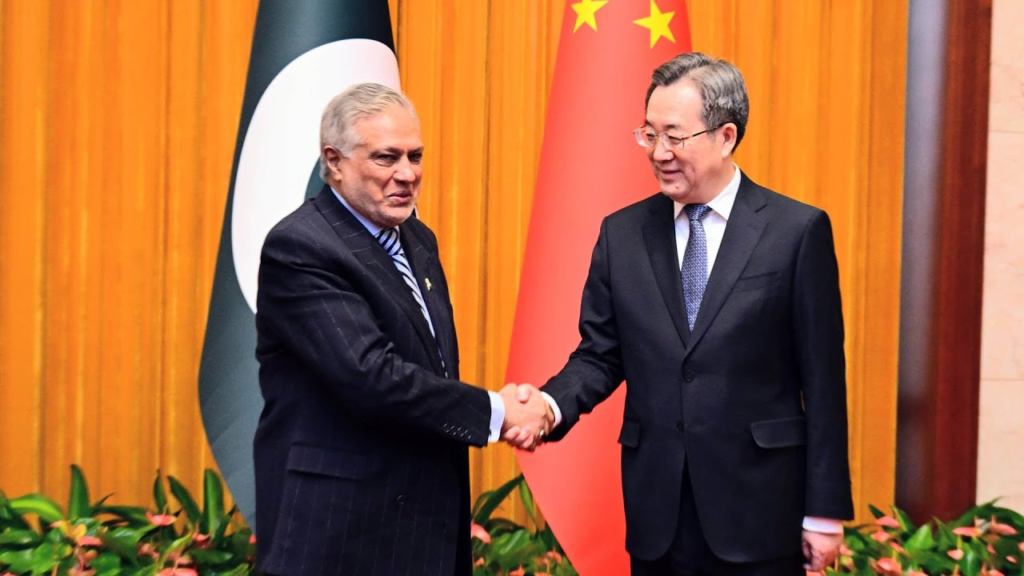
PSMU Monitoring Desk
BEIJING: Deputy Prime Minister and Foreign Minister Ishaq Dar of Pakistan held high-level discussions with top Chinese officials in Beijing yesterday, setting the stage for the 7th Pakistan-China Foreign Ministers’ Strategic Dialogue.
In a statement issued by Pakistan’s Foreign Office (FO), it was confirmed that Dar met with Chinese Executive Vice Premier Ding Xuexiang, where both sides reaffirmed their strong commitment to further deepening the all-weather strategic cooperative partnership between the two nations. The leaders also highlighted Pakistan’s steadfast support for China’s core national interests.
During the meeting, both sides celebrated the milestone of 75 years of diplomatic relations, agreeing to use this anniversary as a platform to advance cooperation under the China-Pakistan Economic Corridor (CPEC) framework. The discussions also focused on setting a forward-looking agenda for the future of their bilateral relationship.
Vice Premier Ding Xuexiang extended New Year greetings to the leadership and people of Pakistan, reflecting the deep and enduring bilateral ties between the two countries.
In another important engagement, Dar also met with Liu Haixing, Minister of the International Department of the Communist Party of China (CPC). The two sides expressed satisfaction over the steady progression of bilateral ties, particularly in terms of party-to-party exchanges and regional developments. They also reviewed the progress of CPEC projects and discussed future collaborations.
The leaders also began planning how to jointly commemorate the 75th anniversary of Pakistan-China diplomatic relations in a way that would be befitting and meaningful, further cementing the enduring partnership between the two countries.
Otsuka Pakistan resumes production
Otsuka Pakistan Limited (PSX: OTSU) has restarted its production with effect from January 05, 2026, following the successful completion of its planned annual maintenance.
The company said the temporary shutdown was part of routine maintenance activities, and operations have now resumed as scheduled, according to the company’s information on PSX revealed today.
At the time of writing, OTSU shares were trading at Rs355.50, up Rs14.63, representing a 4.29% increase.
Govt approves 600MHz spectrum auction, paving way for 5G

Pakistan is set to auction 600 megahertz of spectrum next month to improve internet speed and ensure more reliable connectivity across the country.
Addressing an event in Islamabad, Minister for Information Technology Shaza Fatima said the federal cabinet has approved the spectrum auction.
She stated that the move will help enhance 4G performance and support the rollout of 5G services.
The minister reiterated the government’s commitment to capacity building for the youth, describing young people as the country’s greatest asset.
She said that more than half a million youth have been trained in various fields over the past one and a half years, according to Radio Pakistan.
She also highlighted the government’s focus on digital transformation, noting that efforts are underway to shift towards fully digitized governance.
Expressing satisfaction over the growth of the IT sector, she said information technology exports have crossed $3.8bn this year, recording average growth of around 20%.
Gold price in Pakistan rises Rs9,200 per tola

Gold price in Pakistan increased on Monday, with 24-karat gold being sold at Rs464,762 per tola, up Rs9,200.
Similarly, 24-karat gold per 10-gram was sold at Rs398,458 after a gain of Rs7,888, according to rates shared by the All-Pakistan Gems and Jewelers Sarafa Association (APGJSA).
The price of 22-karat gold was also quoted higher at Rs365,266 per 10-gram.
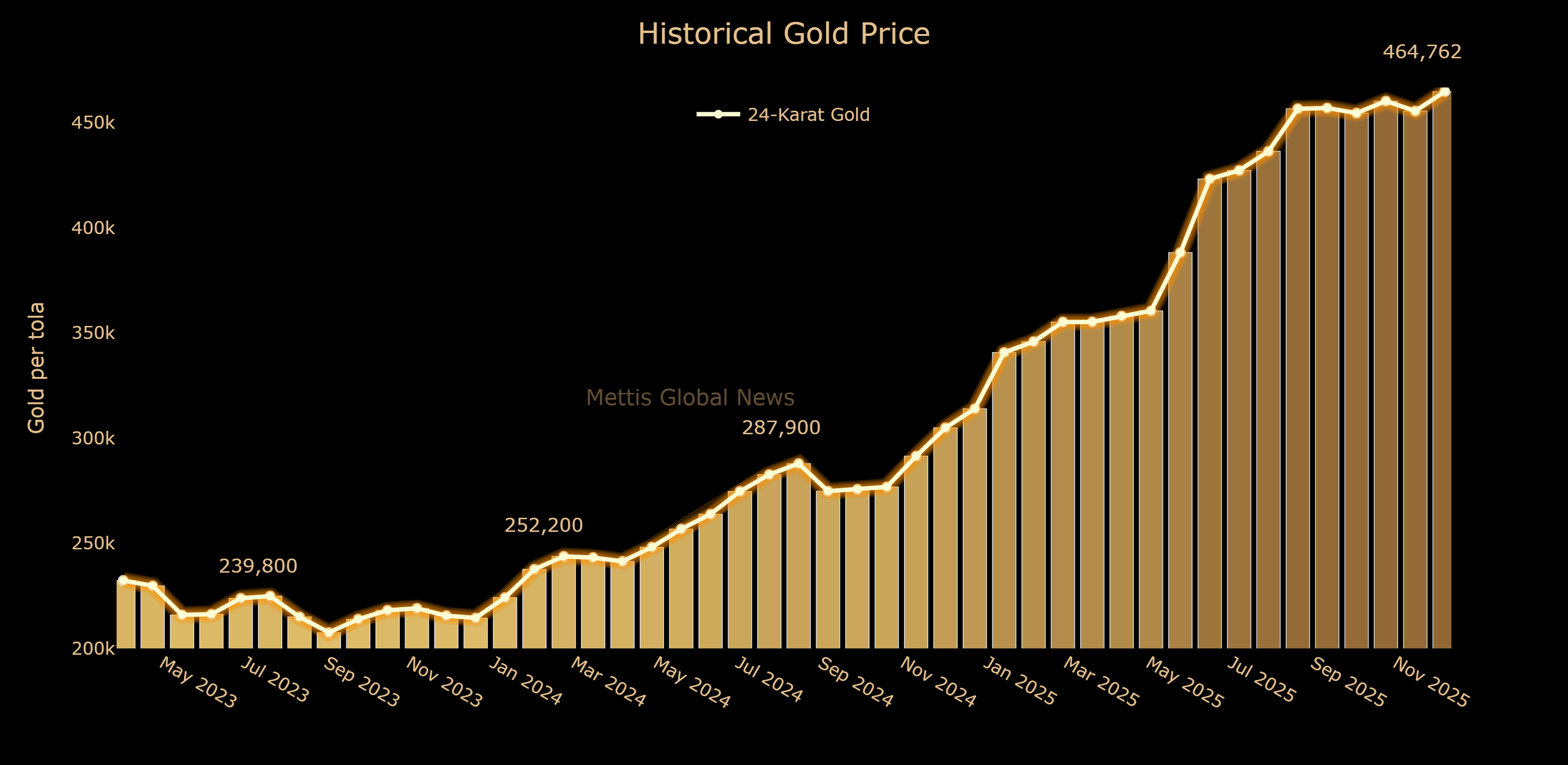
Similarly, silver prices rose in the domestic market, with 24-karat silver being sold at Rs8,023 per tola (+Rs267) and Rs6,878 per 10-gram (+Rs229).
| PKR (24-karat per tola) | Jan 05, 2026 | Jan 03, 2026 | DoD | 1 Month | FYTD | CYTD |
|---|---|---|---|---|---|---|
| Gold | 464,762 | 455,562 | 9,200 | 22,600 | 114,562 | 7,800 |
| Silver | 8,023 | 7,756 | 267 | 1,951 | 4,241 | 305 |
Globally, spot gold traded near $4,420 an ounce, up $48.2 or 1.10% from the previous session, after reports that the United States had captured Venezuelan President Nicolás Maduro over the weekend, heightening geopolitical uncertainty and driving investors toward safe-haven assets.
FIA introduces pre-departure desks for hassle-free travel
Federal Investigation Agency (FIA) has established pre-departure facilitation desks across all its zones nationwide to assist international travelers with immigration procedures, clearance requirements, and travel-related queries.
The initiative aims to provide passengers with timely guidance before their arrival at airports, helping them avoid last-minute complications during immigration processing, as reported by APP.
The facilitation desks will offer information on travel documentation, visa requirements, and immigration rules to ensure smoother departures.
The move is part of efforts to strengthen public service delivery by addressing travelers’ concerns in a professional and efficient manner, particularly for those facing uncertainty regarding immigration regulations.
Passengers have been advised to approach the facilitation desks prior to travel to prevent inconvenience, delays, or off-loading at airports.
The service is expected to enhance overall efficiency and improve the travel experience for outbound passengers.
Key Pakistan Market Stats and Economic Indicators
Market Data and Economic Indicators
| Weekly Performance | ||
|---|---|---|
| Jan 02, 2026 | Dec 26, 2025 | |
| PKR InterBank | 280.1120 | 280.1731 |
| KSE100 Index | 179,034.93 | 172,400.73 |
| Avg Daily Volume | 1,036,417,340 | 736,060,522 |
| Gold (Karachi) Rs/10 gm | 394,600 | 405,831 |
| KIBOR 6M | 10.58 | 10.66 |
| 10Y PIB | 11.43 | 11.48 |
| EUR | 1.172 | 1.1772 |
| GBP | 1.346 | 1.35 |
| CHF | 0.7923 | 0.7895 |
| JPY | 156.84 | 156.57 |
| CNY | 6.9937 | 7.0067 |
| GOLD | 4,330.50 | 4,532.63 |
| SILVER | 72.66 | 79.1609 |
| Open Market Rates | ||
| Jan 02, 2026 | Dec 26, 2025 | |
| USD | 281.15 | 281.20 |
| EUR | 331.62 | 333.07 |
| GBP | 380.66 | 381.73 |
| JPY | 1.84 | 1.84 |
| AED | 77.27 | 77.34 |
| SAR | 75.42 | 75.39 |
| SBP Data | ||
| T-Bill Auction Cutoff Yield | Dec 24, 2025 | Dec 10, 2025 |
| 1M | 10.4859 | 10.8492 |
| 3M | 10.4878 | 10.9881 |
| 6M | 10.4799 | 10.9999 |
| 12M | 10.4880 | 11.2681 |
| PIB Auction Cutoff Yield | Dec 17, 2025 | Nov 05, 2025 |
| 2Y | 10.7760 | 11.4792 |
| 3Y | 10.8389 | 11.4900 |
| 5Y | 11.1900 | 11.6390 |
| 10Y | 11.6650 | 12.0005 |
| 15Y | 11.9999 | 12.2500 |
| Interest Rate Corridor | Dec 16, 2025 | May 06, 2025 |
| SBP Policy Rate | 10.50 | 11.00 |
| SBP Reverse Repo Rate | 11.50 | 12.00 |
| SBP Repo Rate | 9.50 | 10.00 |
| Weekly Indicators | ||
| Dec 26, 2025 | Dec 19, 2025 | |
| SBP FX Reserves * | 15,915.10 | 15,902.48 |
| Bank FX Reseves * | 5,097.10 | 5,120.10 |
| Total FX Reserves * | 21,012.20 | 21,022.58 |
| Jan 01, 2026 | Dec 24, 2025 | |
| SPI (Combined Group) | 333.96 | 336.22 |
| Change – WoW (pct) | -0.67 | -0.09 |
| Change – YOY (pct) | 2.41 | 2.83 |
| Monthly Indicators | ||
| December | November | |
| Consumer Price Index (Base 2015-16) | 280.53 | 281.78 |
| Change – MOM (pct) | -0.45 | 0.40 |
| Change – YOY (pct) | 5.61 | 6.15 |
| WholeSale Price Index (Base 2015-16) | 313.72 | 316.44 |
| Change – MOM (pct) | -0.86 | -0.16 |
| Change – YOY (pct) | 0.57 | 1.06 |
| Sensitive Price Indicator (Base 2015-16) | 335.96 | 335.39 |
| Change – MOM (pct) | 0.17 | 0.52 |
| Change – YOY (pct) | 3.64 | 4.02 |
| December | November | |
| Exports * | 2,317.00 | 2,420.00 |
| Imports * | 6,022.00 | 5,306.00 |
| Trade Balance * | -3,705.00 | -2,886.00 |
| November | October | |
| Home Remittances * | 3,188.89 | 3,419.61 |
| November | October | |
| Total Foreign Investment * | 104.44 | 273.71 |
| November | October | |
| Current Account Balance * | 100.00 | -291.00 |
| November | October | |
| REER Index | 104.7613 | 103.9176 |
| Change – MOM (pct) | 0.81 | 2.18 |
| Change – YOY (pct) | 1.69 | 3.12 |
| October | September | |
| Large Scale Manufacturing Index | 118.43 | 114.15 |
| Change – MOM (pct) | 3.75 | 1.55 |
| Change – YOY (pct) | 8.33 | 2.20 |
| Quarterly Indicators | ||
| Sep 30, 2025 | Jun 30, 2025 | |
| Pakistan’s External Debt * | 134,911.00 | 134,970.66 |
| National Accounts – Growth Rates (%) | Q1- FY26 | Q4 – FY25 |
| Agriculture | 2.89 | 1.05 |
| Industry | 9.38 | 20.26 |
| Services | 2.35 | 4.10 |
| Total | 3.71 | 6.17 |
| Annual Indicators | ||
| FY25 | FY24 | |
| GDP Growth Rate | 3.09 | 2.58 |
| Agriculture | 1.51 | 6.40 |
| Manufacturing | 1.96 | 3.03 |
| Commodity Sector | 3.10 | 3.17 |
| Services Sector | 3.09 | 2.25 |
| Per capita GNI (MP) $ | 1,812.00 | 1,663.00 |
| Budget Deficit (As % of GDP) | -5.40 | -6.80 |
| Total Debt & Liabilities (As % of GDP) | 82.10 | 81.30 |
| Total Debt & Liabilities (Rs. Billion) | 94,197.00 | 85,457.00 |
| Trade Balance * (July – June) | -26,346.00 | -24,104.00 |
| Worker Remittances *(July – June) | 38,299.16 | 30,250.82 |
| Foreign Investment * (July – June) | 1,806.86 | 1,963.61 |
| Current Account Balance * (July – June) | 2,106.00 | -2,072.00 |
| Annual Inflation Rate % (July -June) | 4.49 | 23.41 |
Pakistan, China renew commitment to All-Weather partnership
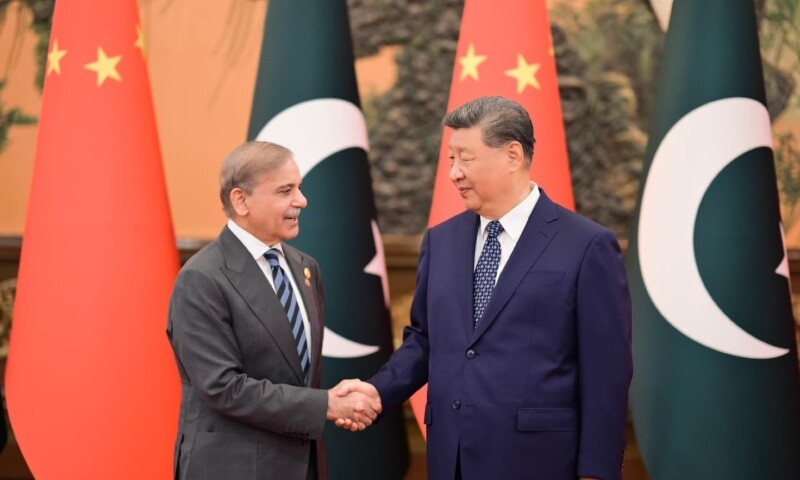
Pakistan and China have reaffirmed their commitment to further strengthening their All-Weather Strategic Cooperative Partnership, emphasizing the depth of bilateral ties.
Both sides highlighted the historic significance of the 75th anniversary of the establishment of diplomatic relations and agreed to use the milestone as an opportunity to advance cooperation across multiple sectors, according to Radio Pakistan.
The reaffirmation was made during a series of high-level meetings and dialogues held in Beijing.
Key focus areas included the China-Pakistan Economic Corridor (CPEC), trade and investment, multilateral coordination, and enhanced people-to-people exchanges, with an emphasis on delivering tangible economic and regional benefits.
The understanding was reached during the 7th Round of the Pakistan-China Foreign Ministers’ Strategic Dialogue, where the entire spectrum of bilateral relations was reviewed alongside discussions on regional and global developments.
The two countries reaffirmed that their long-standing friendship remains vital for peace, stability, and prosperity for both nations and the wider region, and agreed to enhance coordination at bilateral as well as multilateral fora.
The engagements involved Deputy Prime Minister and Foreign Minister Senator Mohammad Ishaq Dar, China’s Executive Vice Premier Ding Xuexiang, and Chinese Foreign Minister Wang Yi.
During the meetings, Vice Premier Ding Xuexiang appreciated Pakistan’s consistent support to China on issues of core interest and conveyed New Year greetings to the leadership and people of Pakistan.
Year-long commemorative activities were represented when Deputy Prime Minister Ishaq Dar and Chinese Foreign Minister Wang Yi jointly unveiled the official logo for the 75th anniversary of Pakistan-China diplomatic relations.
This step marked the beginning of celebrations to commemorate the historic milestone in a befitting and memorable manner.
Gold, silver surge on USA, Venezuela tensions

Gold prices jumped on Monday, with gains spreading across the precious metals complex, after reports that the United States had captured Venezuelan President Nicolás Maduro over the weekend, heightening geopolitical uncertainty and driving investors toward safe-haven assets.
Spot gold was up 2.12% at $4,433.54 an ounce as of [11:27 am] PST, according to data reported by Mettis Global.
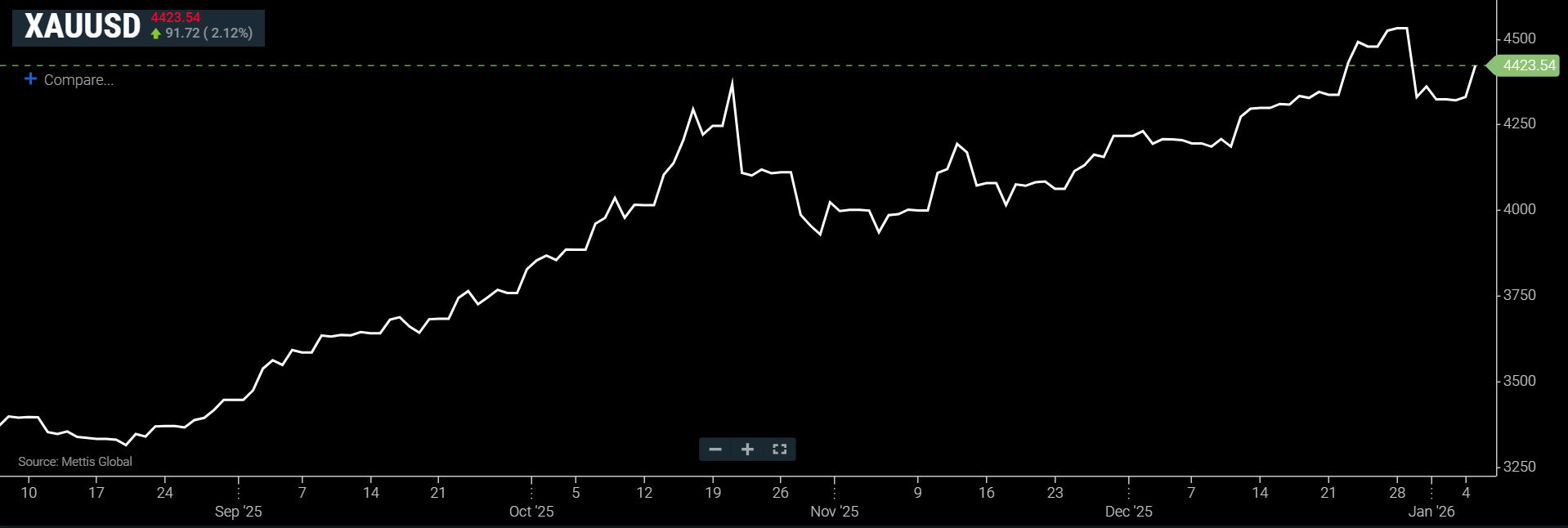
U.S. gold futures for February delivery rose 2.1% to $4,419.90 an ounce, extending a rally fueled by political risk and expectations of looser monetary policy, reported by CNBC.
According to Tim Waterer, chief market analyst at KCM Trade, renewed turmoil in Venezuela has strengthened demand for defensive assets.
He said gold and silver are benefiting as investors seek protection against escalating geopolitical risks.
Gold’s latest advance adds to an extraordinary run last year, when bullion surged 64%, marking its strongest annual performance since 1979.
Support came from geopolitical tensions, aggressive interest-rate cuts, heavy central bank buying and strong inflows into gold-backed exchange-traded funds.
Prices reached a record high of $4,549.71 on December 26, 2025.
Meanwhile, Philadelphia Federal Reserve President Anna Paulson said on Saturday that additional rate cuts may not come quickly following last year’s easing cycle.
Her remarks contrast with market expectations, as investors continue to price in at least two U.S. Federal Reserve rate cuts this year.
Precious metals typically perform well in environments marked by lower interest rates and heightened geopolitical or economic uncertainty, as they do not yield interest.
Silver outperformed again, with spot prices jumping 4.4% to $75.82 an ounce.
The metal had reached an all-time high of $83.62 on December 29 and ended last year up an extraordinary 147%, its strongest annual gain on record.
Silver’s rally has been driven by supply tightness, rising industrial and investment demand, and its designation as a critical mineral in the United States last year.
Platinum also advanced, rising 2.2% to $2,190.55 an ounce after hitting a record high of $2,478.50 last week. Palladium gained 1.8% to $1,667.45 an ounce, rounding out broad-based strength across the precious metals market.
Oil edges lower amid Venezuela political upheaval

Global crude oil prices edged lower as heightened uncertainty surrounded Venezuela following the overthrow of President Nicolás Maduro in a U.S.-backed regime change led by the Trump administration.
Markets weighed the potential for long-term supply growth against near-term risks of disruption in the oil-rich South American nation.
Brent crude futures went down by $0.33, or 0.54%, to $60.42 per barrel.
West Texas Intermediate (WTI) crude futures decreased by $0.35, or 0.61%, to $56.97 per barrel by [11:45 am] PST.
Speaking at a press conference from his Mar-a-Lago residence in Florida on Saturday, U.S. President Donald Trump stressed that expanding American involvement in Venezuela’s oil industry is a central objective of the political transition.
He said major U.S. oil companies are expected to invest billions of dollars to rehabilitate the country’s deteriorated energy infrastructure.
However, Trump confirmed that the U.S. embargo on Venezuelan oil exports remains in effect for now, according to CNBC.
Venezuela is a founding member of the Organization of the Petroleum Exporting Countries (OPEC) and holds the world’s largest proven crude oil reserves, estimated at 303bn barrels around 17% of global reserves according to the U.S. Energy Information Administration.
Despite this vast resource base, the country’s oil output has collapsed over the past two decades.
Production peaked at about 3.5m barrels per day (bpd) in the late 1990s but has since fallen sharply to roughly 800,000 bpd, according to data from energy consultancy Kpler.
Currently, Chevron remains the only U.S. oil major operating in Venezuela, exporting approximately 140,000 bpd by the end of the fourth quarter of 2025, Kpler data shows.
‘Mineral marvel’ to be showcased at Riyadh forum
FM for Petroleum informed KSA ambassador Pakistan will participate in forum later this month following Saudi invite
Federal Minister for Petroleum Ali Pervaiz Malik on Friday discussed cooperation in the minerals and energy sectors with Nawaf bin Saeed Ahmad Al-Malkiy, Ambassador of the Kingdom of Saudi Arabia to Pakistan, with a focus on participation in the upcoming Future Minerals Forum in Riyadh.
According to an official statement, Malik informed the ambassador that Pakistan would fully participate in the forum later this month following an invitation from the Saudi government. He said a dedicated pavilion titled “Pakistan – The Mineral Marvel” would be established to showcase the country’s geological potential to the international mining community.
The Pakistani delegation, led by the petroleum minister, will include representatives from 13 state-owned and private sector mineral companies. A 90-minute Country Showcase Session will also be held at the forum, featuring Malik, chief executives of participating companies, foreign investors and international experts. The session will focus on accelerating development in the mineral sector. Malik said the pavilion would also serve as a prelude to the Pakistan Mineral Investment Forum 2026, scheduled to be held in April in Islamabad, and would be used to attract international participation for the event.
Al-Malkiy welcomed the participation in the Riyadh forum and said both countries had significant potential for cooperation in minerals and energy. He expressed confidence that the Future Minerals Forum would provide a useful platform to explore collaboration.
Trade deficit widens to $19b
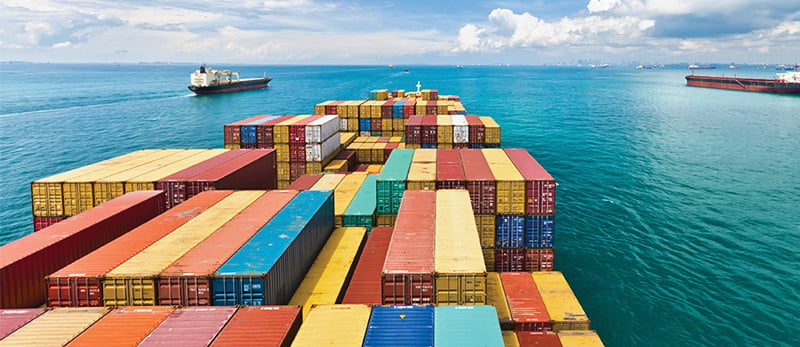
Exports drop further; imports increase at faster pace
Pakistan has booked over $19 billion trade deficit during the first half of the current fiscal year as exports further plunged and imports increased faster than projections on the back of trade liberalisation, keeping the external sector stability under pressure.
The Pakistan Bureau of Statistics (PBS) reported on Friday that the gap between imports and exports reached $19.2 billion during the July-December period. The deficit was nearly $5 billion, or 35%, higher than the same period of last fiscal year, according to the national data collecting agency.
The half year’s deficit was also equal to two-thirds of the annual official target, indicating that the central bank may have to buy more dollars from the local market than initially planned to keep the foreign exchange reserves at reasonably comfortable levels.
The trade summary showed that exports fell against all the three monitored benchmarks — month-on-month, year-on-year and half year.
PBS stated that exports fell to $15.2 billion during the first half of the current fiscal year, down 8.7% on a yearly basis. In absolute terms, exports were $1.5 billion less than the same period of last year. Six-month exports were equal to only 42% of the annual target.
The government has cut import taxes in the budget to liberalise trade and based on World Bank’s estimates, the trade liberalisation should result in 14% increase in exports compared to only a 7% rise in imports. However, the results of the first half of the fiscal year have not supported the World Bank’s assumptions.
Exporters are complaining about the overvalued rupee, which according to them has eroded their profitability. The national coordinator of the Special Investment Facilitation Council last month called for making the exchange rate regime more reflective of the ground realities.
The rupee-dollar parity remained around Rs280.1 to a dollar on Friday. The central bank is letting the rupee appreciate but in a gradual fashion with gain of one or two paisa every day against the greenback.
Contrary to exports, imports grew to $34.4 billion during the July-December period, a jump of $3.5 billion, or 11.3%, compared to a year ago. Imports were equal to more than half of the annual target and were putting pressure on the external sector.
However, the central bank is offsetting the higher import cost through increased inflows of remittances and major purchases of foreign currency from the local market.
PBS stated that exports further decreased to $2.3 billion in December, down $594 million, or 20.4%, from the same month of last year. It was the fifth consecutive month of decline in exports.
Imports grew 2% to over $6 billion in December. It was the sixth consecutive month when imports stayed above $5 billion and for the first time crossed $6 billion in the current fiscal year. In absolute terms, imports increased $118 million last month.
As a result, the trade deficit widened one-fourth to $3.7 billion, up $712 million. On a month-on-month basis, the trade deficit also increased 28% due to the reduction in exports and the double-digit increase in imports.
As exporters were already struggling to remain globally competitive, they faced yet another challenge at the hands of the Federal Board of Revenue (FBR). The tax machinery has directed its field formations to pick at least 70 exporters for scrutiny of their income tax returns.
The FBR stated that an analysis carried out at its headquarters revealed that a significant number of exporters, associations of persons and companies substantially reduced their declared taxable income for tax year 2025 after the taxation regime for export proceeds was modified from the final tax to the minimum tax, according to the FBR’s instructions.
These instructions showed that all field formations were directed to closely examine the declarations of major exporters falling within their respective jurisdictions to ascertain whether there was any abnormal reduction, inconsistency or change in declaration patterns after the amendment.
However, Pakistan Retail Business Council Chairman Ziad Bashir complained to the prime minister about the FBR’s action. “At a time when Pakistan’s export sector is already under stress owing to some of the highest effective tax burdens, energy tariffs, interest rates and financing costs in the region, the issuance of such broad, open-ended scrutiny instructions sends a deeply troubling signal to the business community,” Ziad wrote to the PM.
The FBR was forced to give a public explanation after the hue and cry made by the exporters. In a press statement issued on Thursday, the FBR said “in order to mitigate the possibility of any bonafide or other errors, the field formations were directed to pursue the returns and process them in accordance with the law, wherever any legal inconsistency is identified.”
Conducting desk audits of returns and ensuring compliance with tax laws is the statutory and primary responsibility of the FBR, it added. The FBR said that to prevent any inconsistency, misuse or undue inconvenience to taxpayers, this exercise has been initiated under the supervision of the FBR headquarters.
PSX tops 179,000 as equities extend rally
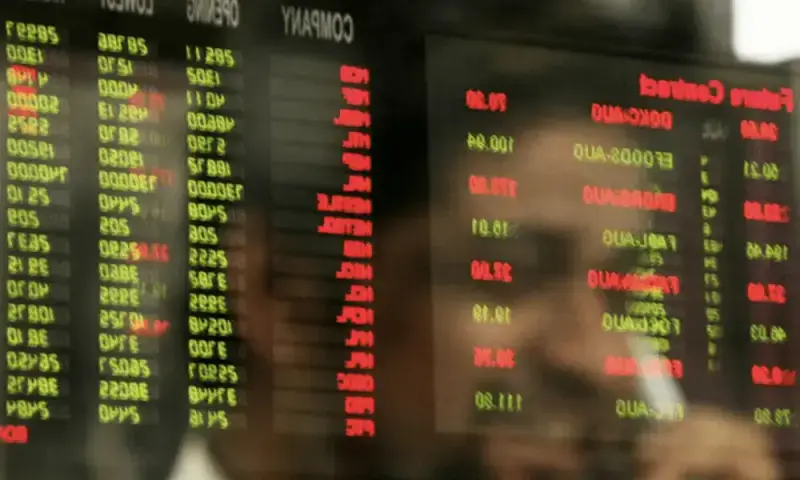
Index jumps 1.52% as banks, fertiliser stocks lead gains despite foreign selling
Pakistan equities extended their bullish run at the start of 2026, with the benchmark KSE-100 Index surging 1.52% on Friday to close slightly above 179,000, driven largely by sustained buying from local institutional investors. The rally followed a strong weekly performance marked by gains in banking, fertiliser and energy stocks, while robust fertiliser sales data further boosted investor sentiment. Despite foreign investors remaining net sellers, broad-based participation and heavy trading volumes underscored growing confidence in the market’s near-term outlook.
“The rally was once again driven by domestic institutional buying, with broad-based participation across blue-chip stocks, reinforcing the prevailing positive trend,” said Ali Najib, Deputy Head of Trading at Arif Habib Limited.
At the close of trading, the benchmark KSE-100 Index posted a gain of 2,679.44 points, or 1.52%, to settle at 179,034.93.
According to Arif Habib Limited (AHL), the Pakistan Stock Exchange (PSX) witnessed a strong start to 2026, with the KSE-100 Index gaining 3.85% on a week-on-week basis. On Friday, market breadth remained positive as 64 shares closed higher, while 35 declined. United Bank Limited (UBL), Engro Fertilisers (EFERT) and Engro Holdings (ENGROH) were the major contributors to index gains, rising by 4.73%, 10.0% and 2.89%, respectively. In contrast, Lucky Cement (LUCK), Maple Leaf Cement (MLCF) and DG Khan Cement (DGKC) emerged as the biggest drags on the index, shedding 0.54%, 1.09% and 1.16%, respectively.
On the macroeconomic front, data from the Pakistan Bureau of Statistics (PBS) showed that Pakistan recorded a trade deficit of $3.7 billion in December 2025. Exports during the month stood at $2.3 billion, reflecting a sharp decline of 20.4% year-on-year and 4.3% month-on-month, while imports rose to $6.0 billion, up 2.0% year-on-year and 13.5% month-on-month. Cumulatively, during the first half of FY26, the trade deficit widened by 34.6% year-on-year to $19.2 billion.
Meanwhile, the government is reportedly considering imposing a levy of up to 5% on the import of mobile phones and electronic devices under a proposed policy framework for 202633, a move expected to be positive for Airlink, whose shares gained 1.21%. From a technical perspective, AHL noted that immediate support for the KSE-100 is placed at 175,000 points, while 182,000 points represents the near-term upside target for the coming week.
A Topline Securities market review said the KSE-100 Index continued its bullish momentum, gaining 1.52% to close at 179,039. The rally was attributed to recent buying by local institutions on new allocations. Investor interest was particularly evident in the fertiliser sector, following Topline Securities Limited’s report, “Pakistan Fertiliser – Urea sales for Dec 2025 at an all-time high of 1,356,000 tonnes; inventory at 0.31 million tonnes.” The fertiliser sector closed 2.7% higher.
The top positive contribution to the index came from UBL, EFERT, ENGROH, PPL, OGDC and FFC, which cumulatively added 1,663 points. In terms of traded value, Bank of Punjab (Rs4.28 billion), PSO (Rs3.98 billion), PPL (Rs3.33 billion), OGDC (Rs3.24 billion), MARI (Rs3.16 billion), HUBC (Rs2.56 billion) and MEBL (Rs2.55 billion) dominated trading activity. Traded volume and value for the day stood at 1.1 billion shares and Rs64 billion, respectively.
Overall trading volume in the Ready Market was recorded at approximately 1.11 billion shares, compared with 1.40 billion in the previous session. The value of shares traded stood at Rs64.34 billion.
Shares of 484 companies were traded in the Ready Market. Of these, 253 stocks closed higher, 201 declined and 30 remained unchanged.
Bank of Punjab was the volume leader, with trading in 102.5 million shares, gaining Rs1.89 to close at Rs42.23. It was followed by K-Electric with 100.09 million shares, losing Rs0.12 to close at Rs6.35, and Media Times Limited with 43.63 million shares, gaining Re1 to close at Rs5.84.
Foreign investors sold shares worth Rs7 billion, according to data released by the National Clearing Company.
HBL Pakistan Manufacturing PMI hits 10-month high
The HBL Pakistan Manufacturing PMI, compiled by S&P Global, edged up to 52.8 in December, rising from 52.3 in November and marking the highest reading since February. The reading reflects a solid rise in production alongside stronger demand, with new orders accelerating at their fastest pace since March. Respondents linked the uptick to business expansion and improved product quality.
Encouragingly, new export orders registered growth for the first time in six months, with businesses attributing the uplift to stronger international demand and better product quality.
Despite higher output, capacity pressures remained subdued as work backlogs declined at one of the sharpest rates on record. Employment levels ticked higher for the second consecutive month, with firms pointing to greater workloads and extended hours in expectation of stronger order inflows. Input purchases rose once again, with manufacturers stockpiling to hedge against potential price hikes. Hence, raw material inventories posted their steepest increase since the survey began.
Humaira Qamar, Head of Equities & Research at HBL, commented on the latest release: “Business confidence strengthened to its highest level since July, supported by expectations of improved economic and inflationary conditions. This optimism was shared by the State Bank in its latest MPC decision when it surprised markets with a 50bps rate cut, signaling greater confidence in inflation averaging within the 5-7 percent range and meeting its June 2026 FX reserve target.”
The PMI is derived from monthly surveys of private sector firms, tracking changes in output, new orders, employment, and inventories. For investors and analysts, it serves as a leading indicator of economic momentum and turning points in the business cycle, often preceding shifts in official GDP data.
Gold per tola drops by Rs4,700 in Pakistan

Gold prices in Pakistan decreased on Saturday in line with their decline in the international market. In the local market, gold price per tola reached Rs455,562 after a reduction of Rs4,700 during the day.
Similarly, 10-gram gold was sold at Rs390,570 after it decreased by Rs4,030, according to rates shared by the All-Pakistan Gems and Jewellers Sarafa Association (APGJSA).
On Friday, gold price per tola reached Rs460,262 after a gain of Rs5,700 during the day.
The international rate of gold was down by $47 to reach $4,332 per ounce (with a premium of $20).
Meanwhile, the price of silver decreased by Rs106 to reach Rs7,756 per tola.
CCP penalises Mezan Beverages Rs150m for misleading branding

The Competition Commission of Pakistan (CCP) has taken a major enforcement action against deceptive marketing practices.
The regulator has imposed a penalty of Rs150 million on Mezan Beverages (Private) Limited for engaging in deceptive marketing practices.
The Commission found that Mezan’s “Storm” energy drink imitated the packaging and trade dress of PepsiCo’s Sting energy drink.
It noted that the overall look, colour scheme, bottle design, and branding elements were closely replicated, creating a strong likelihood of consumer confusion at the point of sale.
The CCP concluded that the conduct amounted to parasitic copying and constituted deceptive marketing under Pakistan’s competition law, according to the press release.
The case dates back to 2018, when PepsiCo Inc. filed a complaint alleging that Mezan had deliberately designed Storm to benefit from the established goodwill of Sting in Pakistan’s energy drink market.
Instead of responding to the allegations on merit, Mezan repeatedly challenged the CCP’s jurisdiction and pursued prolonged litigation, obtaining stay orders from the Lahore High Court in 2018 and again in 2021.
These legal challenges delayed the inquiry for several years and prevented the Commission from concluding the matter in a timely manner.
In June 2024, the Lahore High Court dismissed Mezan’s petition, upheld the CCP’s authority to proceed with the case, and ruled that early challenges to show-cause notices were not maintainable.
The Court also clarified that regulatory proceedings are independent of trademark disputes and observed that Mezan had used litigation tactics to delay the process, allowing the inquiry to resume after years of suspension.
In its detailed order, the CCP held that Mezan’s Storm energy drink adopted a red-dominant colour scheme, bold slanted white lettering, aggressive visual motifs, and a bottle shape and presentation closely resembling Sting.
The Commission emphasized that deception is assessed based on the overall commercial impression rather than minor differences examined side by side.
It noted that an ordinary consumer with imperfect recollection was likely to be misled.
The Commission further ruled that Mezan’s registered trademark for “Storm” did not grant immunity from regulatory action.
It stated that trademark registration cannot shield conduct that results in consumer deception or passing-off.
While imposing the Rs150 million fine, the CCP reiterated that copycat branding and misleading packaging will not be tolerated.
Such practices would face strict action regardless of the size or local status of the company, reinforcing its commitment to protecting consumers and ensuring fair competition in Pakistan’s market.
Cement dispatches post marginal December growth

Pakistan’s cement industry recorded a growth of 1.47% in December 2025, with total cement dispatches reaching 4.347 million tons (mt) compared to 4.284mt in the same month of the previous fiscal year, according to data released by the All Pakistan Cement Manufacturers Association (APCMA).
The increase was driven primarily by stronger domestic demand. Local cement dispatches rose by 6.42% to 3.725mt in December 2025, up from 3.5mt in December 2024.
In contrast, export dispatches continued their downward trend, falling sharply by 20.66% to 621,685 tons from 783,550 tons a year earlier, said a press release issued.
Region-wise data shows that North-based cement mills performed better than their southern counterparts. Total dispatches by North-based mills increased by 5.56% to 3.153mt in December 2025, compared to 2.987mt in the same month last year.
South-based mills, however, recorded a decline of 7.94%, with despatches falling to 1.19mt from 1.29mt.
Domestic sales in the northern region rose significantly, with North-based mills despatching 3.153mt locally in December 2025, marking a 9.75% increase over 2.873mt in December 2024.
On the other hand, domestic dispatches by South-based mills declined by 8.81% to 572,263 tons from 627,519 tons during the same period last year.
Exports remained concentrated in the southern region.
South-based mills exported 621,685 tons in December 2025, reflecting a 7.14% decline from 669,461 tons in December 2024. No exports were recorded from North-based mills during the month.
During the first six months of the current fiscal year (July–December 2025), total cement dispatches increased by 9.67% to 25.783mt, compared to 23.510mt in the corresponding period of last fiscal year.
Domestic dispatches during this period rose by 13.11% to 21.152mt from 18.7mt, while export dispatches declined by 3.73% to 4.631mt from 4.81mt.
North-based mills dispatched 17.915mt domestically during July–December 2025, showing a 14.67% increase over 15.623mt in the same period last year. However, exports from the northern region dropped by 18.53% to 808,506 tons, compared to 992,413 tons a year earlier. Overall, total dispatches by North-based mills rose by 12.68% to 18.723mt during the first half of the current fiscal year.
South-based mills also posted growth during the six-month period, with domestic dispatches increasing by 5.22% to 3.237mt from 3.077mt.
Exports from the South remained largely flat at 3.822mt, marginally higher than 3.818mt recorded in the same period last year.
As a result, total dispatches by South-based mills increased by 2.39% to 7.059mt during the first six months of the current fiscal year.
Cement dispatches post marginal December growth

Pakistan’s cement industry recorded a growth of 1.47% in December 2025, with total cement dispatches reaching 4.347 million tons (mt) compared to 4.284mt in the same month of the previous fiscal year, according to data released by the All Pakistan Cement Manufacturers Association (APCMA).
The increase was driven primarily by stronger domestic demand. Local cement dispatches rose by 6.42% to 3.725mt in December 2025, up from 3.5mt in December 2024.
In contrast, export dispatches continued their downward trend, falling sharply by 20.66% to 621,685 tons from 783,550 tons a year earlier, said a press release issued.
Region-wise data shows that North-based cement mills performed better than their southern counterparts. Total dispatches by North-based mills increased by 5.56% to 3.153mt in December 2025, compared to 2.987mt in the same month last year.
South-based mills, however, recorded a decline of 7.94%, with despatches falling to 1.19mt from 1.29mt.
Domestic sales in the northern region rose significantly, with North-based mills despatching 3.153mt locally in December 2025, marking a 9.75% increase over 2.873mt in December 2024.
On the other hand, domestic dispatches by South-based mills declined by 8.81% to 572,263 tons from 627,519 tons during the same period last year.
Exports remained concentrated in the southern region.
South-based mills exported 621,685 tons in December 2025, reflecting a 7.14% decline from 669,461 tons in December 2024. No exports were recorded from North-based mills during the month.
During the first six months of the current fiscal year (July–December 2025), total cement dispatches increased by 9.67% to 25.783mt, compared to 23.510mt in the corresponding period of last fiscal year.
Domestic dispatches during this period rose by 13.11% to 21.152mt from 18.7mt, while export dispatches declined by 3.73% to 4.631mt from 4.81mt.
North-based mills dispatched 17.915mt domestically during July–December 2025, showing a 14.67% increase over 15.623mt in the same period last year. However, exports from the northern region dropped by 18.53% to 808,506 tons, compared to 992,413 tons a year earlier. Overall, total dispatches by North-based mills rose by 12.68% to 18.723mt during the first half of the current fiscal year.
South-based mills also posted growth during the six-month period, with domestic dispatches increasing by 5.22% to 3.237mt from 3.077mt.
Exports from the South remained largely flat at 3.822mt, marginally higher than 3.818mt recorded in the same period last year.
As a result, total dispatches by South-based mills increased by 2.39% to 7.059mt during the first six months of the current fiscal year.
SBP targets to raise around Rs5tr: Auction Calendar Jan 26–Mar 26
The government is targeting to raise Rs4.9 trillion during the three months from January 2026 to March 2026 through the auction of Market Treasury Bills (MTBs) and Pakistan Investment Bonds (PIBs), according to the auction calendars released by the State Bank of Pakistan (SBP).
The breakup of the target reveals that the government is targeting to borrow Rs3.25tr during this period through MTBs, Rs1.35tr through PIBs Fixed Rate, and Rs300bn through PIBs Floating Rate.
| Category | Target Amount (Rs Bn) |
| MTBs | 3,250 |
| PIBs (Fixed Rate) | 1,350 |
| PIBs (Floating Rate) | 300 |
| Total | 4,900 |
SBP plans to conduct six auctions of MTBs in the next three months to meet this target.
In January, two auctions are scheduled: the first one to be held on January 07, with a target of Rs850bn, while the second auction is scheduled for January 21, with a target of Rs700bn.
Moreover, two auctions are also scheduled for February, one on February 04, with a target of Rs550bn, and the second on February 18, with the target of Rs400bn.
Moving forward, two auctions for MTBs are scheduled to be held within March 2026, the first one being on March 04, with a target of Rs350bn, while the second auction is scheduled for March 16, with a target of Rs400bn.
Additionally, SBP aims to raise Rs1.65tr through the sale of PIBs, which includes Rs1.35tr through the sale of PIBs Fixed Rate, and Rs300bn through PIBs semiannual floaters.
For the fixed-rate bonds, SBP will conduct three auctions this quarter, with targets of Rs450bn each on January 14, February 06, and March 11.
The PIB auction target calendar breakup is given below:
| Security Details | 02-Year | 03-Year | 05-Year | 10-Year | 15-Year |
| Issue Date | 15-Jan-26 | 15-Jan-26 | 15-Jan-26 | 15-Jan-26 | 15-Jan-26 |
| Coupon Rate | Zero | 10.25% | 10.50% | 11.00% | Zero |
For the semiannual bonds, the central bank has planned six auctions. The 10-year PIB, will be issued on January 08, 2026, carries a coupon rate of 10.4639%.
Pakistan proposes 5% levy on mobile imports to fund local manufacturing effort
Government expects to collect $368m under new electronic device manufacturing policy
The government is likely to impose up to 5% levy on the import of mobile phones and electronic devices in the new proposed policy for the period 2026-33.
During the entire period, the government expects to collect $368 million through the levy, which will be spent on the localisation of mobile phone manufacturing.
Already high tax rates are being charged on the import of mobile phones to give a push to the localisation drive. The Mobile and Electronic Device Manufacturing Policy has been finalised and is awaiting presentation to the prime minister. Special Assistant to the Prime Minister (SAPM) Haroon Akhtar Khan chaired a meeting on the proposed policy, which was attended by Secretary Industries and Production Saif Anjum, Engineering Development Board (EDB) CEO Hammad Mansoor and representatives of mobile phone manufacturers.
During the meeting, a detailed briefing was given on the new policy. SAPM stated that the policy had been designed after extensive consultations with all stakeholders and covered mobile phones, laptops and other electronic devices, making it a comprehensive and broad-based policy.
He added that the policy represented a major shift from simple assembly to full-scale manufacturing and was essential for the promotion of local production and exports. Under the policy, international brands will be encouraged to manufacture electronic tdevices in Pakistan, while local brands will be empowered to expand their manufacturing capabilities.
He stated that the policy clearly defined phase-wise manufacturing targets and timelines, and the transition from assembling to manufacturing was on Pakistan’s doorstep, with the country’s economic progress closely linked to that shift. According to the EDB, the policy aims to achieve 50% localisation in mobile phones by 2033. It sets a target of 70% e-waste recovery through organised systems, which will have a positive impact on the environment. Additionally, 50,000 skilled workers will be trained, including 15,000 specialised professionals.
SAPM informed the meeting that the new proposed policy would be presented to the prime minister in the near future.
Under the previous policy, 37 licences were issued by the Pakistan Telecommunication Authority (PTA) for local assembly. As a result, production grew from 0.1 million units in 2019 to 30.1 million units. According to the PTA’s projections for 2025, 93% of market demand was met domestically while imports dropped from 16 million units (2019) to 2.04 million units in 2025.
Apart from those, Pakistan exported 230,000 mobile phones to the United Arab Emirates and Gulf Cooperation Council (GCC) states. Also, mobile companies invested $250-300 million and created 50,000 to 60,000 direct and indirect jobs.
Electricity consumers given Rs8.35 per unit relief in 2025, Power Division claims

Annual report reveals talks with IPPs eliminated financial burden of Rs3,400b on consumers and national exchequer
The Power Division has released its annual performance report for 2025, highlighting ‘historic reforms, improved financial discipline, significant consumer relief and major strides towards sustainable development’ in the energy sector.
According to the report, the government, through prudent policies and effective decision-making, achieved notable progress in addressing long-standing challenges facing the power sector.
It said transparent and successful negotiations with Independent Power Producers (IPPs) eliminated a cumulative financial burden of Rs3,400 billion on consumers and the national exchequer. As a result, electricity tariffs were reduced by Rs8.35 per unit for domestic consumers and up to Rs16.68 per unit for industrial consumers.
The report stated that closure of inefficient and obsolete power plants helped reduce an additional Rs7 billion burden on electricity consumers. It added that a special relief package of Rs22.98 per unit was introduced for industrial and agricultural consumers, boosting productive activities and supporting economic growth.
By cancelling unnecessary power projects amounting to 9,500 megawatts, the government provided a relief of Rs1 per unit to consumers, while reducing circular debt by Rs780 billion without taking on new loans was termed a major financial achievement. The abolition of Rs35 PTV fee from electricity bills also addressed long-standing public grievances.
During 2025, the privatisation process of three power distribution companies (DISCOs) was initiated to improve efficiency and service delivery.
The report further noted that tariffs for electric vehicle charging stations were reduced by 44 per cent, encouraging the adoption of modern and environmentally friendly transport.
Special relief measures were also extended to flood-affected areas through bill waivers and payment concessions.
Transparency was enhanced through the launch of the ‘Apna Meter, Apni Reading’ mobile app, empowering consumers to submit meter readings directly, while the introduction of the 118 helpline helped eliminate preferential treatment and ensured equal service for all consumers.
The report said competitive and transparent bidding led to a 40 per cent reduction in smart meter prices, and improvements in the smart metering system are expected to benefit consumers by over Rs100 billion annually.
It added that 55 per cent of electricity generation in the country now comes from environment-friendly sources, positioning Pakistan as a prominent player in the regional green energy landscape.
Reaffirming its commitment, the Power Division said it would continue to provide electricity to domestic and industrial consumers in line with international prices and standards. It expressed confidence that the journey of reforms, transparency and public relief would continue with full momentum in 2026 as well.
VEON Group invests $20m in Mobilink Bank

Global digital operator VEON Group is investing $20 million in Mobilink Bank to support the bank’s growth and expansion of digital Islamic banking services in Pakistan.
This follows a $15m capital injection made by VEON in January 2025, which reflects the company’s confidence in Mobilink Bank’s growth trajectory and its integrated digital financial ecosystem with JazzCash.
Mobilink Bank, a subsidiary of VEON Group, is part of a global digital network serving over 150 million connectivity customers and 140 million monthly active digital users across five countries, representing more than 6% of the world’s population, according to a press release issued.
VEON Group is listed on Nasdaq under the ticker VEON.
The capital will be directed towards scaling Mobilink Bank’s micro, small, and medium enterprise (MSME) financing portfolio, enhancing its Islamic banking offerings, and accelerating its transformation into a technology-driven, digitally native bank.
The investment also aims to expand access to regulated financial services for underserved communities, including small businesses and women entrepreneurs.
Commenting on the development, Aamir Ibrahim, VEON Group Executive Committee Member and Chairman of Mobilink Bank, said, “This continued investment demonstrates VEON’s long-term commitment to Pakistan and our confidence in the ongoing transformation of the country’s digital financial services sector.
It will strengthen Mobilink Bank and JazzCash’s ability to deliver on strategic priorities, invest in robust technology infrastructure, and promote inclusive digital banking.”
Haaris Mahmood Chaudhary, President and CEO of Mobilink Bank, added, “This funding will accelerate the growth of our Shariah-compliant banking services, helping small businesses formalize cash flows, access regulated credit, and build financial resilience.
As a future-ready digital bank, our priority remains delivering technology-enabled solutions that empower entrepreneurs, particularly women and underserved communities, across Pakistan.”
Mobilink Bank’s growing deposit base and MSME-focused lending are enabling small businesses to move from informal cash usage to formal banking channels.
Additionally, women-centric financial products and green financing initiatives are supporting inclusive growth and resilience amid Pakistan’s economic and climate challenges.
PKR remains flat against USD

The Pakistani rupee (PKR) remained mostly flat, slightly appreciated by 1.11 paisa against the US dollar in Friday’s interbank session to settle the trade at PKR 280.11 per USD, compared to previous closing of 280.12.
Throughout the day, the currency saw an intraday high (bid) of 280.6 and a low (ask) of 281.15.
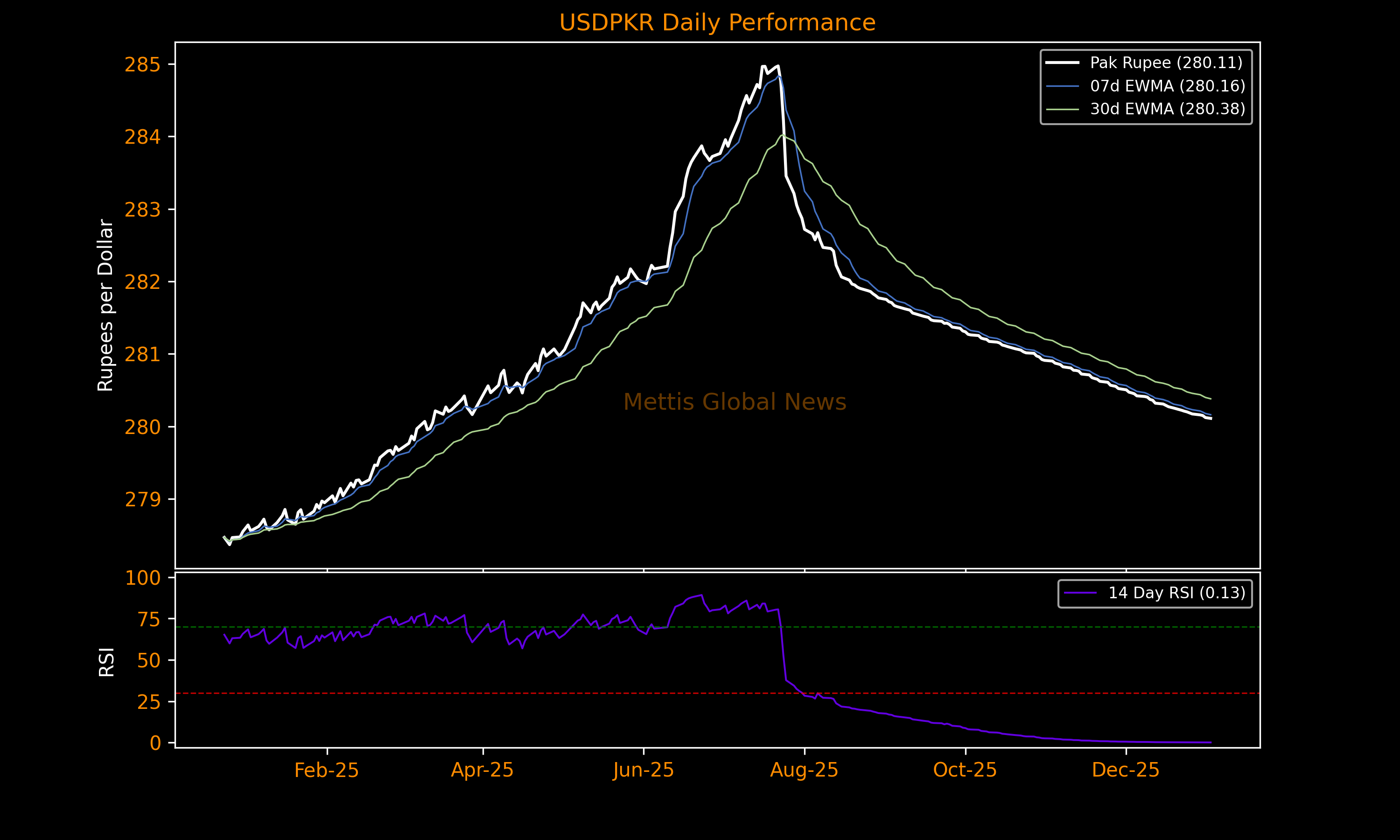
In the open market, exchange companies quoted the dollar at 280.50 for buying and 281.15 for selling.
In comparison to major currencies, PKR strengthened 9.70 paisa or 0.03% against the Euro, closing at 328.75 compared to the previous value of 328.85.
Against the British Pound, PKR gained by 12.70 paisa or 0.03% to 377.04 compared to 377.17 a day ago.
The local unit strengthened 8.08 paisa or 0.02% against Swiss franc to close at 353.14.
Against the Japanese Yen, PKR’s value increased 0.49 paisa or 0.27% to close the session at 1.7843 versus 1.7892 a day ago.
Pakistani Rupee increased 2.07 paisa or 0.05% against Chinese Yuan to close at 40.05 from 40.07.
The local currency rose by 0.19 paisa against Saudi Riyal to 74.69. While it strengthened by 0.93 paisa or 0.01% against the U.A.E Dirham to close at 76.27.
During the current fiscal year, PKR has strengthened against the US Dollar by 3.65 rupees or 1.30%. While it has gained 1.11 paisa so far this calendar year.In the Money Market, the benchmark 6 Month Karachi Interbank Bid and Offer rates fell by 7bps to 10.33% and 10.58%.
PSX Closing Bell: Bulls Keep the Flame Alive

The benchmark KSE-100 Index concluded Friday’s trading session at 179,034.93, showing an increase of 2,679.44 points or 1.52%.
The index remained positive throughout the day showing an intraday high of 179,467.83 (+3,112.34) and a low of 176,709.51 (+354.02) points.
Support by improving economic indicators highlighted in the latest Outlook report, including rising industrial activity, easing inflation, continued growth across key sectors and a 6% increase in OMC sales for December has surged the market momentum to reach all time high levels of 179,000.
The total volume of the KSE-100 Index was 513.44 million shares.
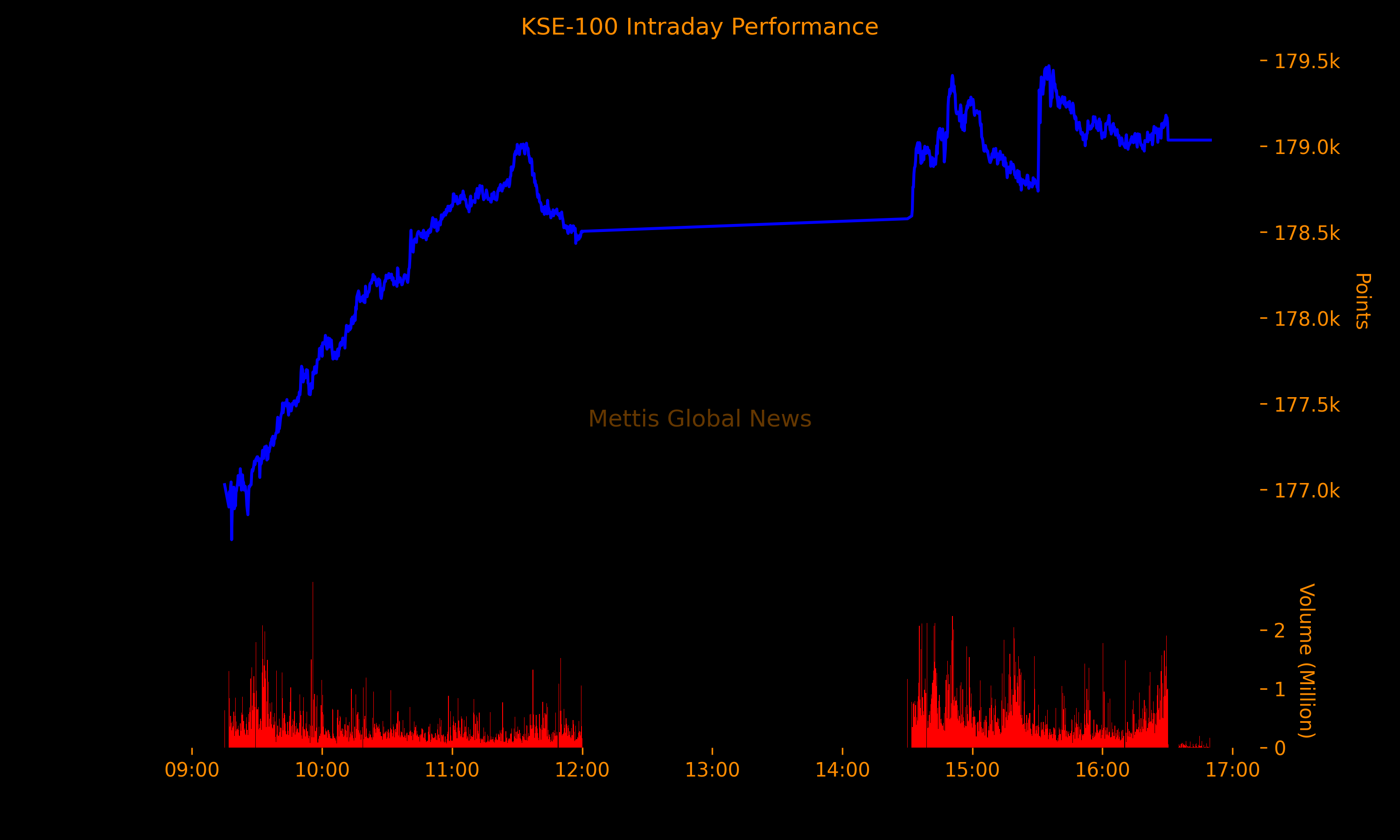
Of the 100 index companies 64 closed up, 35 closed down, while 1 were unchanged.
Top gainers during the day were EFERT (+8.03%), JVDC (+5.08%), BOP (+4.93%), UBL (+4.73%), and ISL (+4.71%).
On the other hand, top losers were BNWM (-2.49%), DHPL (-2.22%), KEL (-1.85%), KTML (-1.80%), and PKGS (-1.49%).
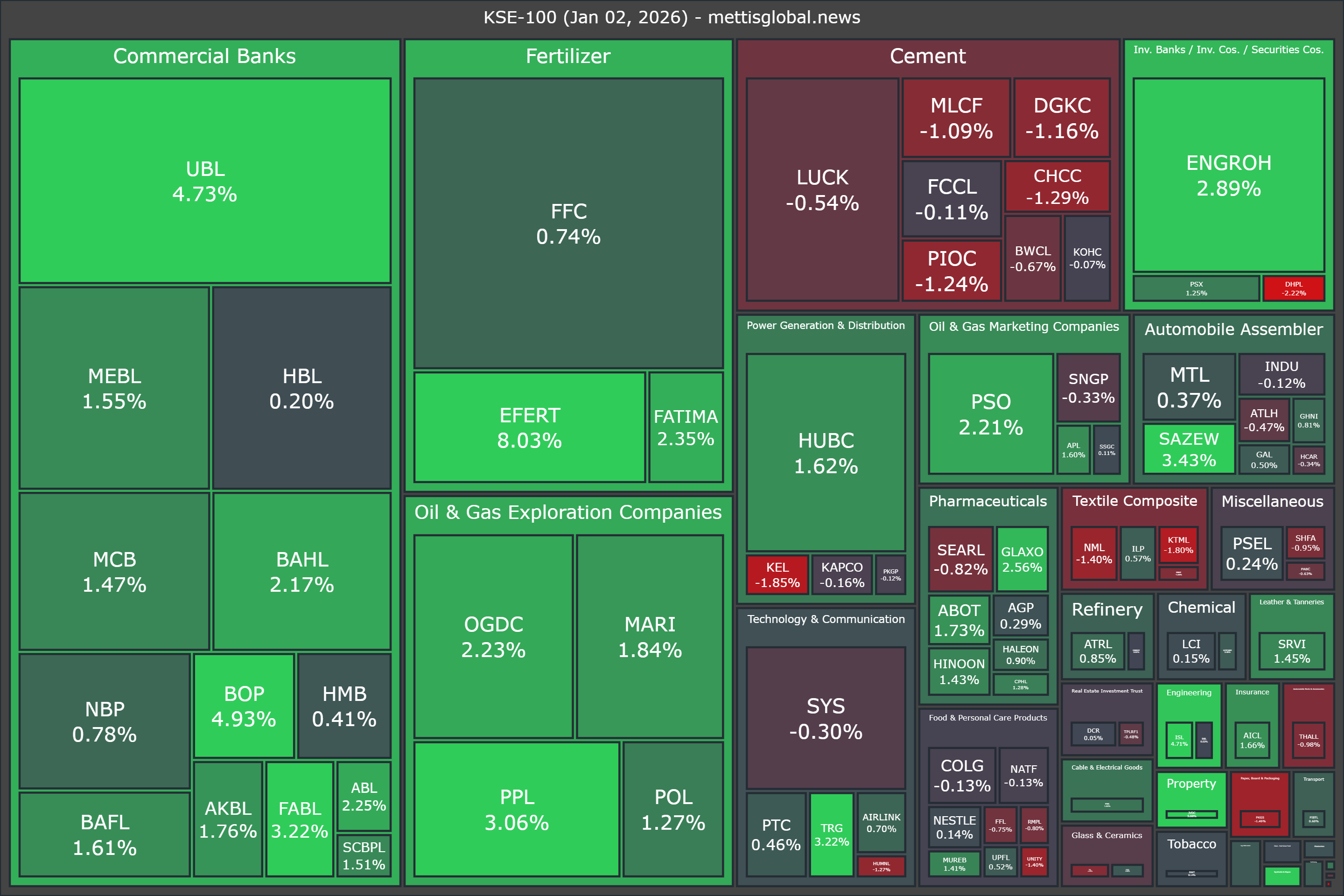
In terms of index-point contributions, companies that propped up the index were UBL (+625.16pts), EFERT (+374.55pts), ENGROH (+229.05pts), PPL (+165.05pts), and OGDC (+141.08pts).
Meanwhile, companies that dragged the index lower were LUCK (-38.62pts), MLCF (-20.71pts), DGKC (-19.70pts), PIOC (-16.78pts), and CHCC (-15.83pts).
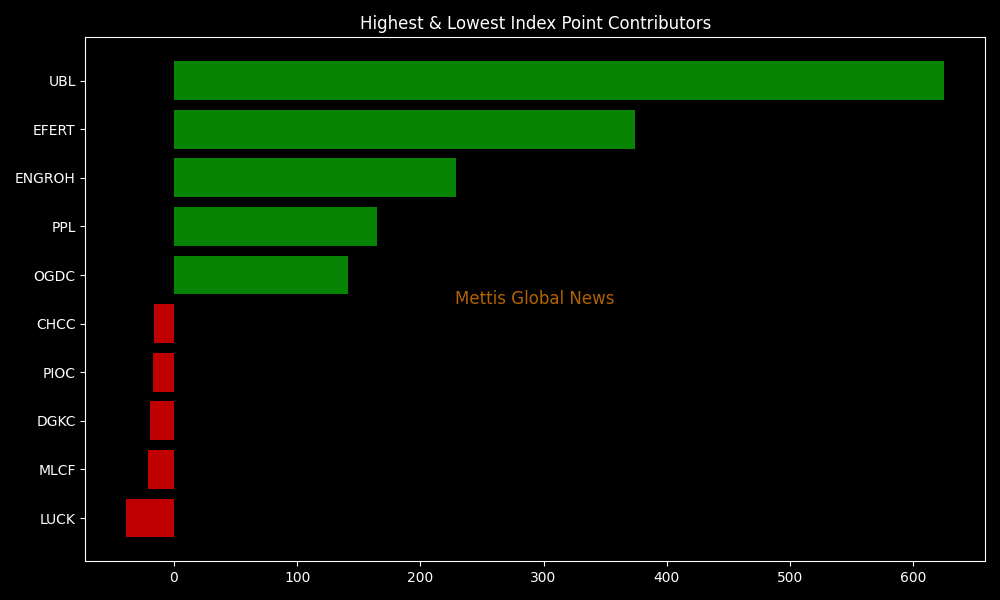
Sector-wise, KSE-100 Index was supported by Commercial Banks (+1207.84pts), Fertilizer (+540.82pts), Oil & Gas Exploration Companies (+448.75pts), Inv. Banks / Inv. Cos. / Securities Cos. (+229.81pts), and Power Generation & Distribution (+98.77pts).
While the index was let down by Cement (-121.27pts), Textile Composite (-22.28pts), Paper, Board & Packaging (-10.34pts), Automobile Parts & Accessories (-7.65pts), and Miscellaneous (-3.87pts).
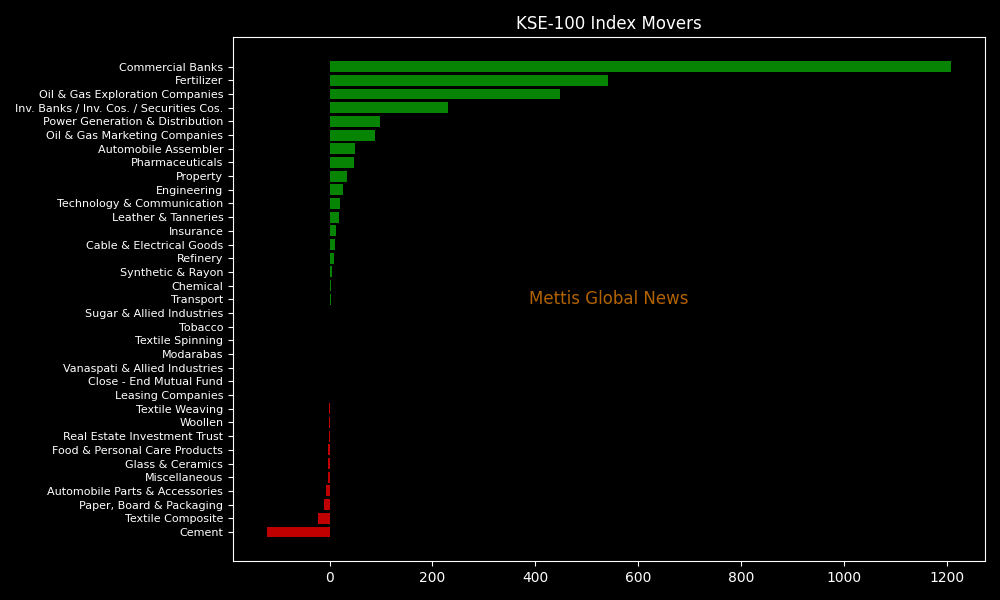
In the broader market, the All-Share Index closed at 107,392.73 with a net gain of 1,297.66 points or 1.22%.
Total market volume was 1,113.10 million shares compared to 1,402.65m from the previous session while traded value was recorded at Rs64.34 billion showing an increase of Rs15.92bn.
There were 511,018 trades reported in 484 companies with 253 closing up, 201 closing down, and 30 remaining unchanged.
| Symbol | Price | Change % | Volume |
|---|---|---|---|
| BOP | 42.33 | 4.93% | 102,545,745 |
| KEL | 6.35 | -1.85% | 100,904,860 |
| MDTLNC | 5.84 | 20.66% | 43,632,061 |
| PIBTL | 20.15 | 0.60% | 42,452,431 |
| PAKQATAR | 23.98 | 10.00% | 35,325,054 |
| PRL | 37.93 | 1.72% | 25,600,874 |
| WTL | 1.79 | -1.10% | 25,188,443 |
| CNERGY | 7.51 | 0.00% | 25,132,330 |
| BML | 6.09 | 1.50% | 21,161,504 |
| CSIL | 11.78 | 9.99% | 19,601,232 |
To note, the KSE-100 has gained 53,408 points or 42.51% during the fiscal year, whereas it has increased 4,981 points or 2.86% so far this calendar year.
OGDC finds gas in Hangu, Lumshiwal formations
Oil & Gas Development Company Limited (PSX: OGDC) has reported a gas discovery from the Hangu and Lumshiwal formations at Bilitang-1, an exploratory well located in district Kohat of Khyber Pakhtunkhwa province, a significant development in the TAL Block.
Bilitang-1 is operated under the TAL Joint Venture comprising Oil & Gas Development Company Limited (OGDCL) with a 30% working interest, MOL Pakistan Oil & Gas Co. B.V. as operator with 10%, Pakistan Petroleum Limited (PPL) holding 30%, Pakistan Oilfields Limited (POL) 25%, and Government Holdings Private Limited (GHPL) 5%.
The well was spudded on August 10, 2025, and successfully drilled to a total depth of 4,011 meters TVD, according to the company’s statement issued today.
Based on the interpretation of LWD and wireline log data, the exploratory targets Hangu and Lumshiwal formations were tested and flowed gas at a rate of approximately 1.58 million standard cubic feet per day (MMscfd) on a 40/64-inch choke, with a wellhead flowing pressure of 164 psi.
The discovery has de-risked further exploration potential in the TAL Block and opened up new upside opportunities.
It is expected to contribute toward enhancing Pakistan’s energy security through indigenous resources while adding to the hydrocarbon reserves base of OGDCL, its joint venture partners, and the country.
Trade Deficit expands 28% in December
Pakistan’s trade deficit widened sharply by 28.38% month-on-month (MoM) to $3.705 billion in December 2025, compared to $2.886bn in November.
The increase was driven by a strong surge in imports alongside a decline in exports, according to provisional data released by the Pakistan Bureau of Statistics (PBS).
On a year-on-year (YoY) basis, the trade deficit expanded by 23.79% from $2.993bn in December 2024, as imports edged higher while exports recorded a notable contraction.
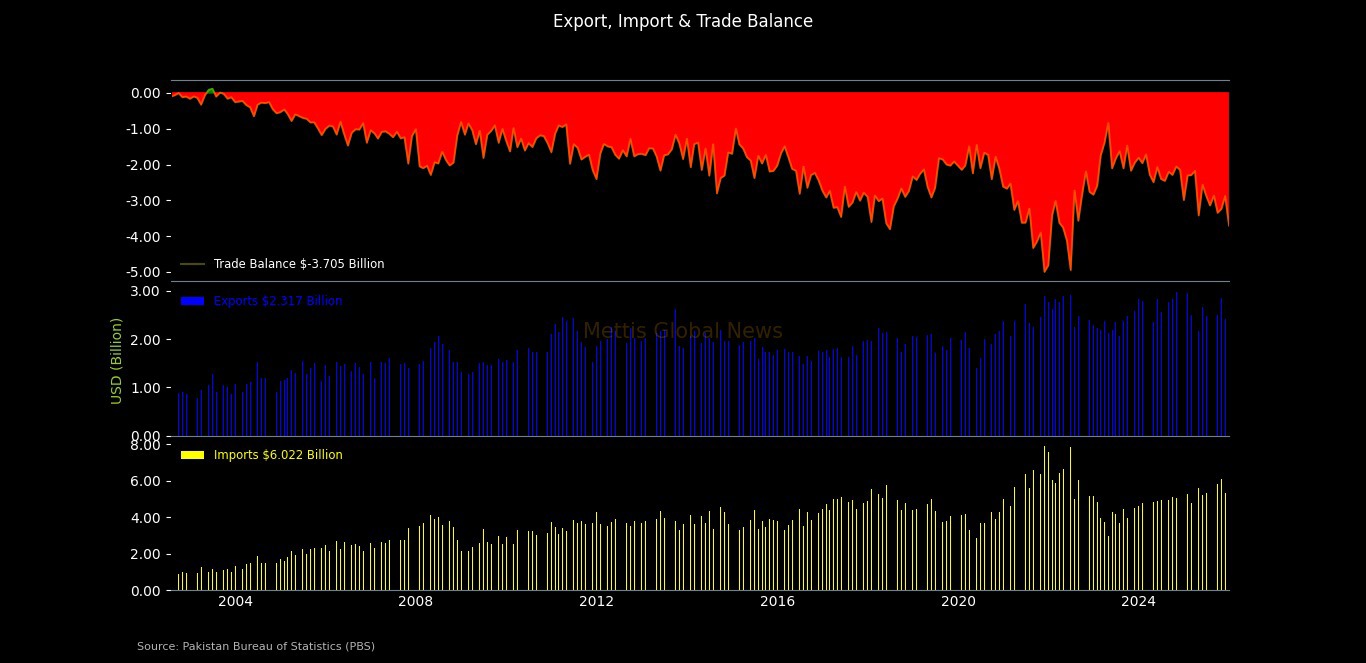
Monthly Performance:
Exports in December 2025 stood at $2.317bn, registering a 4.26% MoM decline compared to November, showing continued pressures on outbound trade.
Imports, however, jumped to $6.022bn, up 13.49% MoM, significantly outweighing the drop in exports and driving the wider monthly trade gap.
Yearly Performance:
The YoY comparison pointed to persistent weaknesses in Pakistan’s external trade position.
Exports fell 20.41% YoY from $2.911bn in December 2024, while imports increased by 2.0% YoY from $5.904bn, resulting in a higher trade deficit of $3.705bn.
Cumulative Trend (July – December FY26):
During the first six months of FY26, exports totaled $15.184bn, down 8.7% YoY, while imports rose 11.28% YoY to $34.388bn.
As a result, the cumulative trade deficit widened significantly to $19.204bn, marking a 34.57% increase compared to the same period last year.
Despite fluctuations on a monthly basis, the data emphasizes ongoing structural challenges for Pakistan’s trade sector.
Declining exports and rising import demand continue to exert pressure on the country’s balance of payments.
Gold price in Pakistan rises Rs5,700 per tola

Gold price in Pakistan increased on Friday, with 24-karat gold being sold at Rs460,262 per tola, up Rs5,700.
Similarly, 24-karat gold per 10-gram was sold at Rs394,600 after a gain of Rs4,887, according to rates shared by the All-Pakistan Gems and Jewelers Sarafa Association (APGJSA).
The price of 22-karat gold was also quoted higher at Rs361,729 per 10-gram.
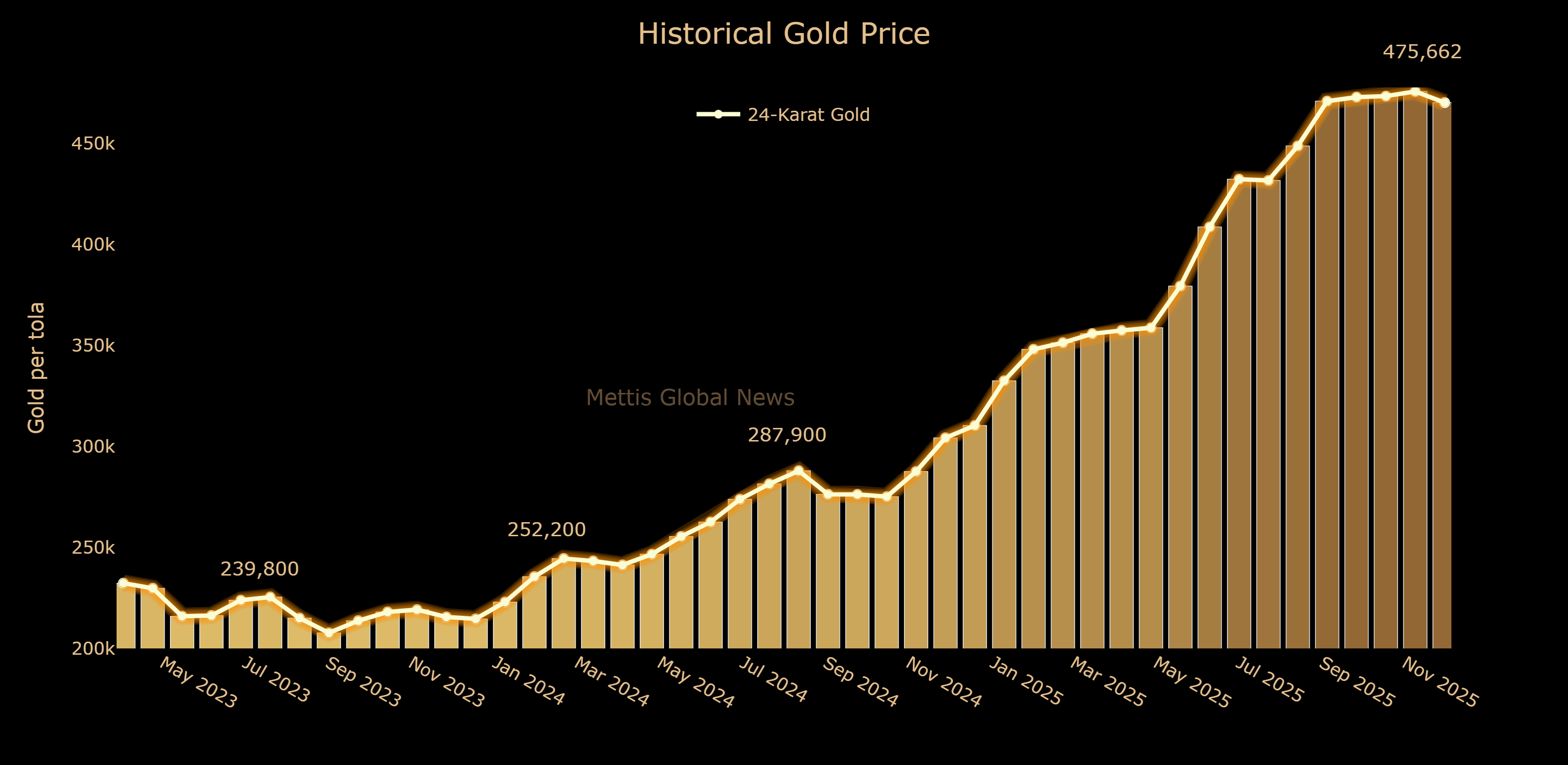
Similarly, silver prices rose in the domestic market, with 24-karat silver being sold at Rs7,862 per tola (+Rs227) and Rs6,740 per 10-gram (+Rs195).
| PKR (24-karat per tola) | Jan 02, 2026 | Jan 01, 2026 | DoD | 1 Month | FYTD | CYTD |
|---|---|---|---|---|---|---|
| Gold | 460,262 | 454,562 | 5,700 | 17,100 | 110,062 | 3,300 |
| Silver | 7,862 | 7,635 | 227 | 1,777 | 4,080 | 144 |
Globally, spot gold traded near $4,388 an ounce, up $40.2 or 0.92% from the previous session, supported by ongoing global uncertainty and growing expectations of monetary easing later this year.
OMO Result: SBP injects Rs13.5tr into market
The State Bank of Pakistan (SBP) conducted a reverse repo and Shariah Compliant Modarabah based Open Market Operation (OMO) today, in which it cumulatively injected a total of Rs13.55 trillion into the market of which Rs12.99tr were injected through reverse repo OMO.
| Summary of OMO Result (Conventional) | |||||||
| Amount (Rs in Million) | Rate (%) | Quotes | |||||
| Tenor | Type | Offered | Accepted | High – Low | Accepted | Offered | Accepted |
| 7D | Reverse Repo (Injection) | 845,900 | 750,000 | 10.56-10.51 | 10.51* | 13 | 13 |
| 14D | 12,240,000 | 12,240,000 | 10.56-10.51 | 10.51 | 20 | 20 | |
| Total | 13,085,900 | 12,990,000 | |||||
*Total amount offered at 10.51% was Rs290,000m, out of which SBP accepted Rs194,100m on pro-rata basis
Meanwhile, the remaining Rs558bn was injected through Shariah-compliant Modarabah-based OMO.
| Summary of OMO Result (Shariah) | |||||||
| Amount (Rs in Million) | Rate (%) | Quotes | |||||
| Tenor | Type | Offered | Accepted | High – Low | Accepted | Offered | Accepted |
| 7D | Reverse Repo (Injection) | 358,000 | 358,000 | 10.56-10.55 | 10.55 | 02 | 02 |
| 14D | 258,000 | 200,000 | 10.54-10.54 | 10.54* | 02 | 02 | |
| Total | 616,000 | 558,000 | |||||
*Total amount offered at 10.54% was Rs258,000m, out of which SBP accepted Rs200,000m on pro-rata basis.
Explanatory Note
Open Market Operation is a tool used by SBP to inject or mop up funds from the banking system, based on liquidity requirements, via the purchase or sale of eligible securities.
Operationally, in case of OMO (Injections), SBP lends funds to banks/Primary Dealers (PDs) against eligible collateral to address liquidity shortage in the system.
For OMO (Injections), marketable government securities, i.e. Market Treasury Bills (MTBs) and Pakistan Investment Bonds (PIBs) are eligible securities.
In OMO (Mop-up), SBP sells MTBs to banks in exchange for funds to remove surplus liquidity from the system.
Eligible collateral for OMO (Mop-up) includes selling MTBs (on repo or outright basis) to banks for removing excess liquidity from the system.
In case of Bai-Muajjal, a Shariah compliant tool for managing liquidity in the Islamic banking system, GOP Ijara Sukuk are eligible securities.
Banks and PDs are eligible counterparties to OMO transactions. For Bai Muajjal transactions, Islamic banks and specialized Islamic windows of conventional banks are eligible counterparties.
Weekly SPI decreases by 0.67%
Pakistan’s short-term inflation, measured by the Sensitive Price Indicator (SPI), decreased by 0.67% compared to the previous week, while it increased by 2.41% on a year-on-year basis, according to the Pakistan Bureau of Statistics (PBS).
During the week, out of 51 essential items, prices of 12 items (23.53%) increased, 13 items (25.49%) decreased, while 26 items (50.98%) remained unchanged, according to PBS data.
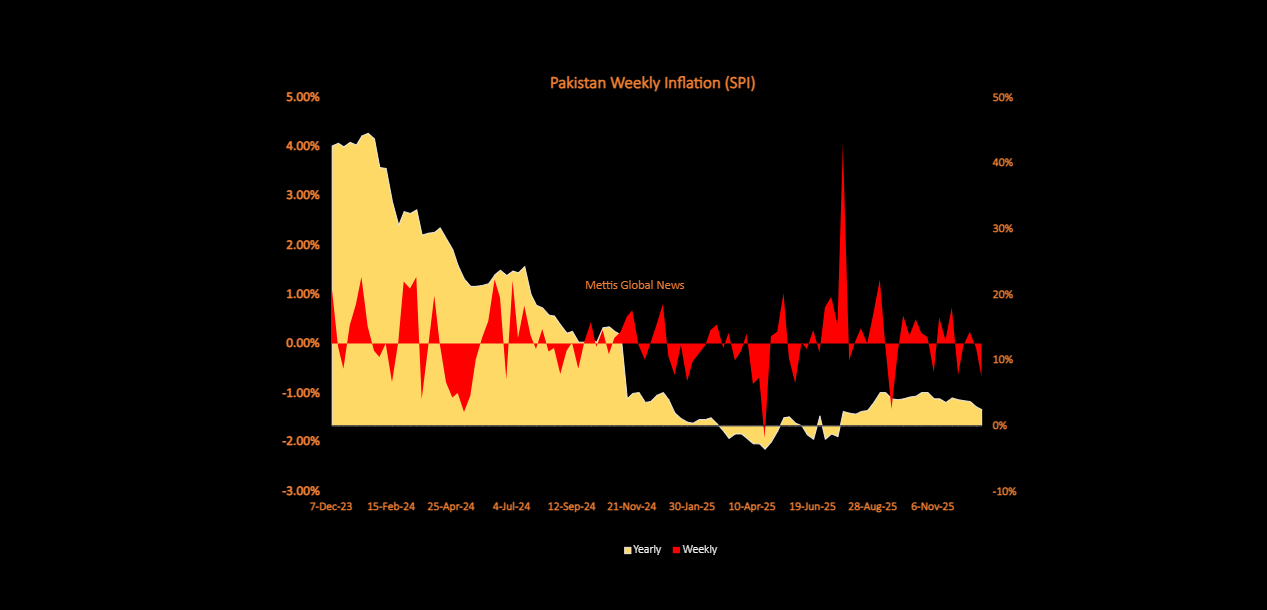
The major weekly increase was recorded in the prices of chicken, which rose by 2.37%, followed by wheat flour up 1.88%, tomatoes increasing 1.72%, bananas higher by 1.13% and garlic rising 1.11%.
Rice basmati broken edged up by 0.96%, rice IRRI-6/9 by 0.75%, vegetable ghee (2.5 kg) by 0.44% and firewood by 0.01%.
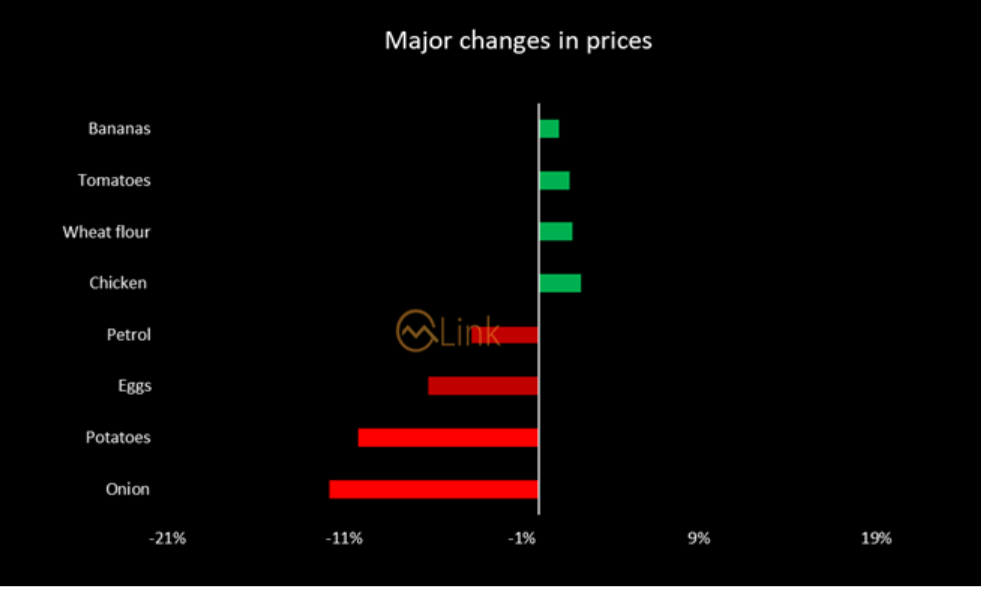
On the other hand, the major weekly decrease was observed in the prices of onions, which fell by 11.84%, followed by potatoes down 10.21%, eggs lower by 6.25%, petrol declining 3.89% and diesel easing 3.20%.
Sugar decreased by 2.88%, pulse gram by 2.32%, pulse masoor by 1.80%, LPG by 1.31%, gur by 1.12% and pulse mash by 1.05%.
The year-on-year trend for the current week depicts an increase of 2.41% in the Sensitive Price Indicator (SPI).
The major annual increase was observed in the prices of gas charges for Q1, which surged by 29.85%, followed by wheat flour up 24.98%, beef rising 12.95%, sugar increasing 11.90% and bananas higher by 10.63%.
Gur rose by 10.57%, firewood by 10.43%, chilies powder by 10.31%, powdered milk by 9.51%, lawn printed by 8.29%, shirting by 8.07% and mutton by 7.43%.
On the contrary, a significant year-on-year decrease was recorded in the prices of tomatoes, which plunged by 70.52%, followed by potatoes down 52.25%, onions lower by 40.54% and garlic declining 37.35%.
Pulse gram fell by 31.06%, tea Lipton by 17.79%, pulse mash by 14.01%, pulse masoor by 8.38%, LPG by 2.23% and diesel by 0.30%.
The average price of Sona urea stood at Rs4,323 per 50 kg bag, up by 0.63% from last week’s price, and a 4.76% decrease from last year.
Meanwhile, the average Cement price rose to Rs1,407 per 50 kg bag, which is 0.17% lower than the previous week, and 0.25% above last year.
PBS calculates short-term inflation using the SPI on a weekly basis to assess the price movement of essential commodities at shorter interval of time so as to review the price situation in the country.
SPI comprises 51 essential items collected from 50 markets in 17 cities of the country.
SCRA ends week above Rs29bn
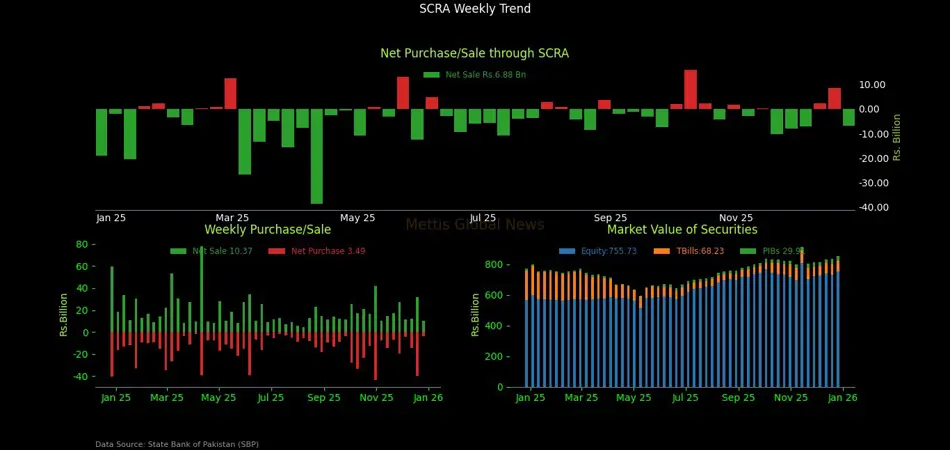
The SCRA balance decreased by Rs.1.328bn during the week ending Dec 26, 2025 to close at Rs.29.375bn.
According to data published by the SBP, the week marked a net selling of securities to the tune of Rs.6.877bn.
During the week SCRA received a total inflow of Rs.12.124bn through remittances, sale of securities and dividends. Inward remittances amount was Rs.1.402bn, sale of securities were recorded at Rs.10.367bn while dividend received was Rs.354.75m.
Total outflows from SCRA through outward remittances, purchase of securities and taxes were recorded at Rs.13.452bn.
Outward remittances were Rs.9.92bn, total securities purchased amounted to Rs.3.49bn and total tax paid was Rs.42.43m.
Market value of investments made in Equity, T-Bills and PIBS changed by Rs.24bn, Rs.-4.136bn and Rs.82.01 m to close at Rs.755.73bn, Rs.68.234bn and Rs.29.913bn.
HIES 2024–25 launched to strengthen data-driven governance
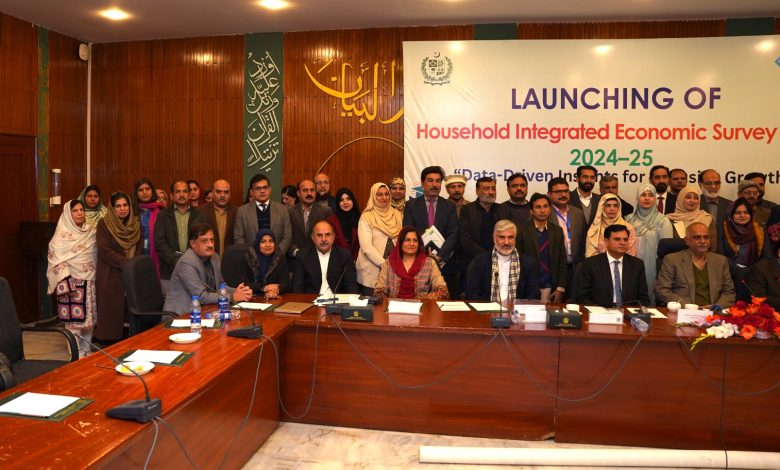
Pakistan Bureau of Statistics (PBS) on Thursday launched the Household Integrated Economic Survey (HIES) 2024–25, a nationwide survey aimed at improving public welfare by guiding policies on education, health, income, and cost of living through reliable data.
The initiative is expected to support better service delivery and informed decision-making for millions of households across the country, according to a press release issued.
The event was attended by Federal Minister for Planning, Development and Special Initiatives Ahsan Iqbal and hosted by Chief Statistician Dr. Naeem uz Zafar (SI), along with Muhammad Sarwar Gondal (SI), Member (SS/RM), and Ms. Rabia Awan, Deputy Director General (PSLM/PCS).
Senior officials from the Ministry of Planning, members of the Technical Committee, key stakeholders, and officers of the Pakistan Bureau of Statistics (PBS) were also present.
PBS has completed and released the results of the HIES 2024–25 and described it as a major milestone in strengthening Pakistan’s national data system.
Endorsed by the Technical Committee, the survey provides a comprehensive picture of socio-economic conditions and serves as a key tool for evidence-based policymaking.
Addressing the ceremony, the Federal Minister said the Planning Ministry and PBS have evolved into modern, data-driven institutions.
He noted that institutional backlogs are being cleared and analytical capacity is being strengthened to better serve national development goals.
Highlighting key achievements, he referred to Pakistan’s digital population census, Digital Agriculture Census, and the Economic Survey, stating that HIES will help researchers, policymakers, and businesses make informed decisions that directly benefit citizens.
The Minister said the survey reflects economic challenges faced since 2018 and the impact of global crises, particularly on the middle class.
However, he expressed confidence that Pakistan has moved into a recovery phase and is progressing toward sustainable growth.
He projected GDP growth of around 4% during the current fiscal year and said the government’s cautious economic approach aims to protect public interests while ensuring long-term stability.
Emphasizing social development, he said the survey highlights improvements in health, digital access, and household income but stressed the urgent need to address the education emergency, with millions of children still out of school.
He added that political stability, policy continuity, and implementation of the “5Es Framework” under URAAN Pakistan are essential to achieving inclusive development and improving living standards nationwide.
The Household Integrated Economic Survey, conducted since 1963, supports monitoring of socio-economic indicators and Sustainable Development Goals.
The 2024–25 edition is the first fully digital survey, covering 32,000 households across Pakistan through an integrated ERP-based system.
PBS stated that the survey results show progress in education, health, digital connectivity, and income levels, providing a strong foundation for people-centric and inclusive development policies.
NBP issues foreign exchange rates
The treasury management division of the National Bank of Pakistan (NBP) on Friday, issued the following exchange rates.
These NBP forex rates serve as a currency benchmark for the day’s trading activity, offering an insight into prevailing market open rates.
This is part of the bank’s routine FX market update, offering transparency on foreign currency valuation and aiding in informed financial decisions.
| Ready Transaction Rates | |||
| Currency | Symbol | TT Selling | TT Buying |
| US DOLLAR | USD | 280.50 | 280.00 |
| EURO | EUR | 329.97 | 329.38 |
| JAPANESE YEN | JPY | 1.7896 | 1.7865 |
| BRITISH POUND | GBP | 378.29 | 377.61 |
| SWISS FRANC | CHF | 354.50 | 353.87 |
| CANADIAN DOLLAR | CAD | 204.61 | 204.25 |
| AUSTRALIAN DOLLAR | AUD | 187.96 | 187.63 |
| SWEDISH KRONA | SEK | 30.53 | 30.48 |
| NORWEGIAN KRONE | NOK | 27.94 | 27.89 |
| DANISH KRONE | DKK | 44.18 | 44.10 |
| NEWZEALAND DOLLAR* | NZD | 161.75 | 161.46 |
| SINGAPORE DOLLAR | SGD | 218.49 | 218.10 |
| HONGKONG DOLLAR | HKD | 36.01 | 35.94 |
| KOREAN WON* | KRW | 0.1943 | 0.1940 |
| CHINESE YUAN | CNY | 40.23 | 40.16 |
| MALAYSIAN RINGGIT* | MYR | 69.17 | 69.05 |
| THAI BAHT* | THB | 8.93 | 8.91 |
| U.A.E DIRHAM | AED | 76.37 | 76.24 |
| SAUDI RIYAL | SAR | 74.80 | 74.66 |
| QATAR RIYAL* | QAR | 76.85 | 76.71 |
| KUWAITI DINAR* | KWD | 912.43 | 910.81 |
| Conversion Rates for Frozen FCY Deposits | Settlement Date | |
| USD | 280.0962 | Tuesday, 6 January 2026 |
| GBP | 377.0655 | |
| EUR | 328.8049 | |
| JPY | 1.789 | |
NBP rates are not valid for transactions over 5,000 USD or equivalent in other currencies (cumulative basis).
*The listed currencies are not available to NBP’s customers.
Govt prioritizes oil and gas digitization
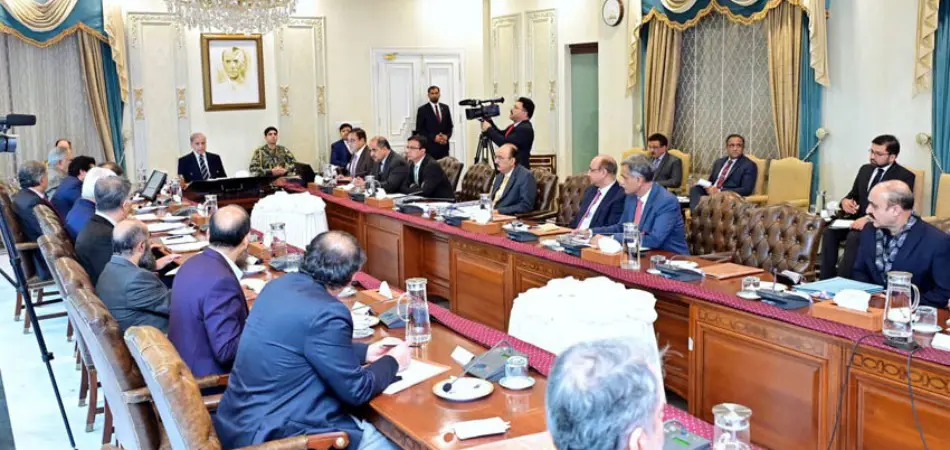
The government has ordered the fast-track digitization of Pakistan’s oil and gas supply chain, covering the entire process from imports to final consumption.
The move is aimed at curbing smuggling, strengthening oversight and improving transparency across the sector.
While chairing a high-level meeting on petroleum sector matters in Islamabad, Prime Minister Shehbaz Sharif stressed that the digital monitoring of oil and gas transportation and distribution would strengthen oversight, reduce losses and contribute positively to the national exchequer.
He underlined that boosting domestic exploration and the discovery of new oil and gas reserves must remain a key national priority to lower the country’s dependence on costly energy imports and conserve foreign exchange.
The meeting was briefed on the overall roadmap for the petroleum and gas sector, during which informed that the Oil and Gas Development Company Limited has made a significant oil and gas discovery in the Nashpa Block located in Kohat district.
The newly discovered reserves are expected to produce approximately 4,100 barrels of oil per day, according to Radio Pakistan.
The prime minister welcomed the development, congratulated the nation on the discovery and commended the performance of the institutions involved.
Participants were also revealed that gas supply to domestic consumers during the current winter season has shown noticeable improvement, with better pressure levels compared to last year.
Further, reported that progress on RLNG connections is advancing swiftly, with the target of providing 350,000 connections set to be achieved by June.
In addition, pipelines linked to the Shewa and Bettani gas fields have been commissioned, while construction work on the pipeline from the Kot Palak gas field is currently underway, reflecting continued expansion of the country’s gas infrastructure.
Pakistan Railways to steam ahead with upgrades
Pakistan Railways is set to upgrade all passenger trains in phases by the end of the current year to provide commuters with a safer, more comfortable, and modern travel experience.
Minister for Railways Muhammad Hanif Abbasi said the initiative is part of ongoing reforms aimed at transforming Pakistan Railways into a passenger-friendly and financially strong organization.
He said the upgradation will include improved safety features, better onboard facilities, and modernization of train coaches, according to Radio Pakistan.
The minister expressed satisfaction over the improved performance of the railway department, particularly in the freight sector, which generated record revenue of over Rs17bn during the first half of the current financial year.
He added that if the current pace continues, freight revenue is expected to exceed Rs38bn by the end of the financial year.
Muhammad Hanif Abbasi said reforms will continue at full pace to make Pakistan Railways a secure, efficient, and modern transport system.
Govt to release Rs32m for Rawalpindi Bar Association

The federal government will disburse Rs32 million next week to the Rawalpindi Bar Association as the first installment of financial assistance for lawyers affected by the Kachehri remodeling project.
The move came alongside the implementation of the 26th and 27th Constitutional Amendments that have restructured the judicial framework, Law Minister Senator Azam Nazeer Tarar said.
Addressing the Rawalpindi Bar Association, the minister said the 26th and 27th Constitutional Amendments led to the establishment of the Federal Constitutional Court, according to the press release.
The court is a 13-member body comprising judges from all four provinces and Islamabad.
He said the court is intended to strengthen constitutional adjudication, promote balanced provincial representation and improve transparency in the judicial system.
On the Kachehri remodeling project, Tarar said 64 lawyers’ chambers were demolished or affected during the renovation.
Under the approved package, the federal government will provide Rs500,000 per chamber, with Rs32m to be transferred to the Bar’s account by next week.
He added that the Punjab government would also extend compensation through a mutually agreed mechanism in line with constitutional principles and the rule of law.
The minister said coordination between the government and bar representatives helped resolve the disruption caused by the project.
He reiterated that bar associations and bar councils should remain independent of political influence, emphasizing that professional performance rather than political affiliation should determine leadership within the legal community.
He also highlighted broader judicial and legal reforms, including improvements in legal education and the Law Graduate Assessment Test (Law-GAT).
The measures are aimed at raising professional standards and addressing longstanding concerns such as non-functional law colleges.
Earlier, Rawalpindi Bar Association President Sardar Manzar Bashir outlined the difficulties faced by lawyers following the demolition of chambers due to the Kachehri remodeling project.
Secretary Asad Mahmood Malik, Senior Lawyer Pakistan Bar Council, Ahsan Bhoon and other senior lawyers senior also spoke at the event.
PTCL Group injects Rs15bn into U Microfinance Bank
PTCL Group has approved a capital injection of Rs15 billion ($53 million) into U Microfinance Bank Limited to support the bank’s growth and development of its digital banking platform.
Pakistan Telecommunication Company Limited (PTCL), the parent company of U Microfinance Bank, said the investment is one of the largest equity injections in the microfinance banking sector.
The bank received the first tranche of Rs4bn on December 31, 2025, according to the press release.
Mr. Hatem Bamatraf, Chairman of U Microfinance Bank and Group Chief Executive Officer of PTCL Group, said the capital injection aligns with the Group’s broader focus on financial inclusion and innovation.
He said the investment shows confidence in U Microfinance Bank’s digital transformation strategy and its capacity to support the development of Pakistan’s microfinance banking sector.
U Microfinance Bank President and Chief Executive Officer Tooran Asif said the support from PTCL Group and the State Bank of Pakistan comes as the bank prepares to move into the next phase of its digital transformation in 2026.
He said the strategy centers on strengthening digital capabilities and rolling out additional financial products and services to broaden access for customers across the country.
PSX Mid-Day: Bulls in the Driver’s Seat

The Pakistan Stock Exchange (PSX) continued its bullish run into the new year, with the benchmark KSE-100 Index rocketing past the 179,000 level to a fresh all-time high by mid-day today.
The index touched a record 179,016.88, making another historic milestone in ongoing market strength.
The total volume of the KSE-100 Index was 236.20 million shares.
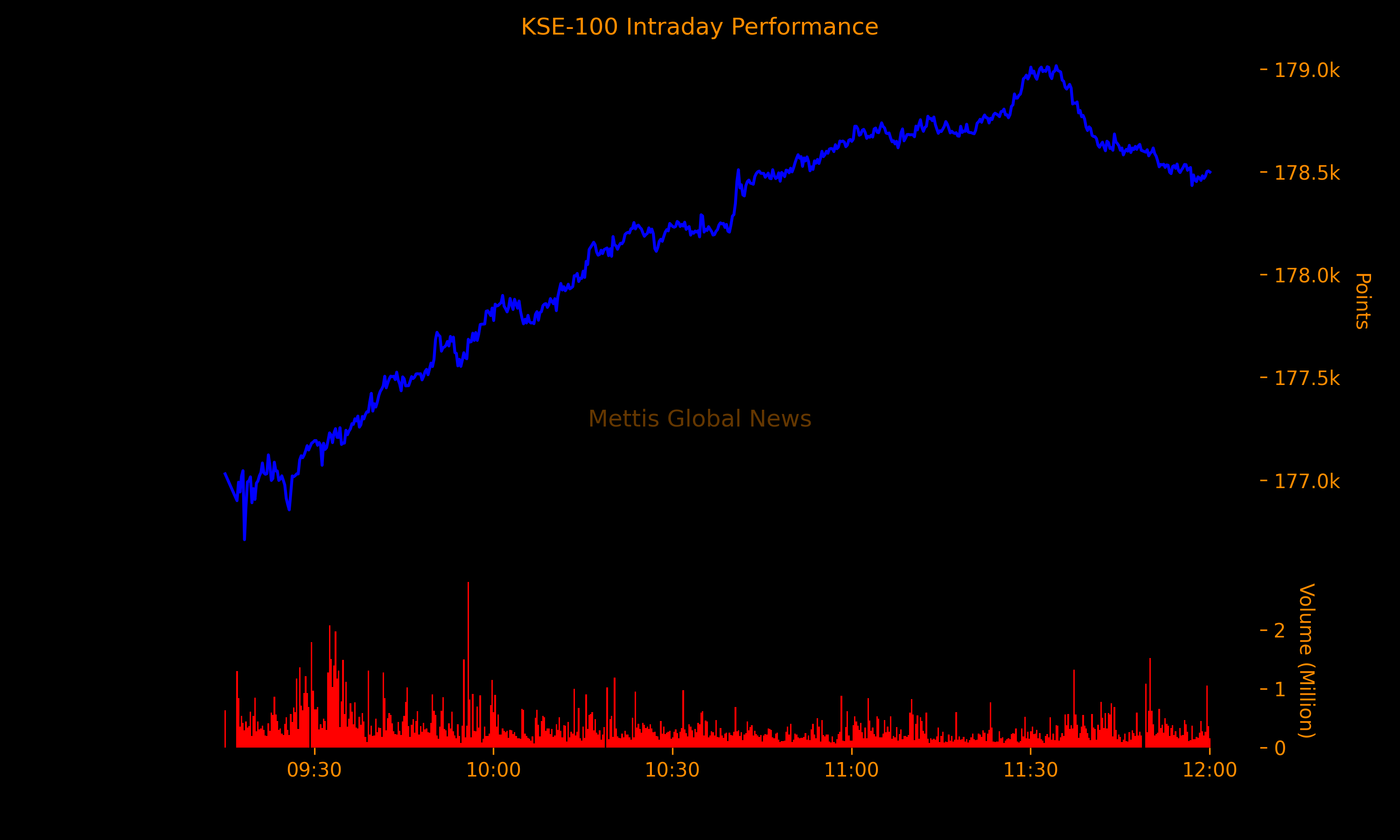
The rally builds on yesterday’s historic performance when the KSE-100 Index crossed the 176,000 mark for the first time.
Support by improving economic indicators highlighted in the latest Outlook report, including rising industrial activity, easing inflation, continued growth across key sectors and a 6% increase in OMC sales for December has surged the market momentum.
Top gainers during mid-day were JVDC (+5.35%), EFERT (+5.01%), FABL (+4.47%), IBFL (+3.48%), and PPL (+3.20%).
POL makes hydrocarbon discovery at Bilitang-1

Pakistan Oilfields Limited (PSX: POL) recorded a significant exploration achievement at the Bilitang-1 exploratory well in the TAL Block, where hydrocarbons were discovered following drilling operations that reached a total depth of 4,011 meters.
The well was spudded on August 10, 2025, and the discovery marks further progress in the company’s upstream exploration activities.
Drill Stem Tests conducted to evaluate the Hangu and Lumshiwal formations delivered a gas flow rate of 1.58 million standard cubic feet per day at a 40/64-inch fixed choke, with a flowing wellhead pressure of 164 psi.
An acid stimulation job is currently underway to enhance production potential from these formations, according to the company’s filing on PSX.
In addition, a Drill Stem Test for the Lockhart formation is planned, with further details to be shared as testing progresses.
A Drill Stem Test is used to isolate and assess geological formations by measuring pressure behavior and collecting fluid samples, helping determine the probability of commercial production.
Actual production levels may vary from test results.
Pakistan Oilfields Limited holds a 25% pre-commerciality working interest in the project, reinforcing its strategic position in the TAL Block and its contribution to Pakistan’s hydrocarbon exploration landscape.
CCP steps up action against cartels, deceptive marketing in 2025

The Competition Commission of Pakistan (CCP) significantly intensified its enforcement drive in 2025, imposed penalties worth Rs2.36bn on companies involved in cartelization, price manipulation, prohibited agreements, and deceptive marketing practices, while recovering Rs932.5m through active follow-up and adjudication.
The Commission also made notable progress in tackling its long-pending litigation, cutting its court case backlog by 70% during the year, said a press release issued.
Through early hearing applications, improved legal representation, and sustained follow-up, the CCP secured decisions in 434 cases out of 567 pending as of August 2023, an average resolution rate of nearly one case every two days.
During the year, the Commission issued 11 major orders under the Competition Act, 2010.
These included five orders related to cartelization and prohibited agreements, four concerning deceptive marketing, and one order in the fast-moving consumer goods (FMCG) sector where a show-cause notice was withdrawn due to insufficient evidence.
A major highlight of 2025 was the CCP’s approval of second-phase mergers, including the acquisition of Telenor Pakistan and Orion Towers by Pakistan Telecommunication Company Limited (PTCL).
The PTCL–Telenor transaction was described as one of the most complex merger assessments globally, involving competition analysis across five distinct markets.
Sector-wise, the largest penalties were imposed on Aisha Steel Mills Limited and International Steels Limited, which were fined a combined Rs1.56bn for price-fixing.
The Fertilizer Manufacturers of Pakistan Advisory Council and six of its member companies were penalized Rs375m for collusive conduct, while the Pakistan Poultry Association and eight Day Old Chicks (DOC) companies were fined Rs155m for fixing prices.
Additional penalties were levied against Hyundai Nishat Motors, Al-Ghazi Tractors, British Lyceum, Kingdom Valley, pharmaceutical distributors, and transporters’ associations for engaging in deceptive marketing and anti-competitive agreements.
As part of its enforcement actions, the CCP issued 47 show-cause notices during the year.
These included 14 notices related to deceptive marketing practices involving FMCG companies, certification service providers, and veterinary medicine suppliers.
Twenty notices were issued to school systems for anti-competitive conduct, while 13 notices were served under Section 4 of the Competition Act for cartelization, targeting ten sugar mills, two steel mills, and an edible oil transporters’ association.
On the recovery front, the Rs932.56m collected in 2025 pushed total penalty recoveries over the past two years to more than Rs1.194bn an unprecedented increase compared to the Rs200m recovered during the previous 17 years since the Commission’s establishment.
In addition to enforcement, the CCP reviewed 159 merger transactions across 34 sectors, including energy and power, telecommunications, financial services, manufacturing, consumer goods, real estate, and logistics.
Key transactions reviewed included Shell Pakistan’s acquisition by Wafi Energy, SadaPay’s share transfer, Lotte Chemical Pakistan’s transaction, Total Parco’s restructuring, and the acquisition of TCS Logistics.
Looking ahead, the Commission has further plans to expand its presence by setting up offices in major cities.
The move aims to strengthen market oversight, enhance engagement with stakeholders, and ensure more effective enforcement of competition laws across the country.
Pharma industry booms in 2025, thanks to deregulation and structural reforms

Several local manufacturers expanded into new lines such as vaccines, biotechnology-based products
Pakistan’s pharmaceutical industry is flying high in the wake of deregulation and structural reforms, which gave strength to an ailing industry that was facing shutdowns.
The reforms have helped improve the domestic healthcare system by enabling pharma firms to overcome a medicine shortage crisis and remove fake and black medicine markets. They have managed to advance manufacturing through innovation and hit a historic boom in exports in the outgoing year 2025.
Pakistan Pharmaceutical Manufacturers Association (PPMA) Senior Vice Chairman Kamran Nasir told Business Recorder that the pharmaceutical industry in 2025 witnessed a significant positive shift, primarily driven by the deregulation of non-essential medicine pricing in February 2024, in which SIFC [Special Investment Facilitation Council] played a critical role.
Pakistan develops its first-ever indigenous biomolecule to make anti-rabies vaccine
“The development has been centric in restoring commercial viability across the sector and has paved the way for renewed investment in pharmaceutical manufacturing, infrastructure, and export-oriented growth,” he said.
As a direct outcome of deregulation, the industry recorded a remarkable growth of approximately 34% in pharmaceutical exports in fiscal year 2025. Equally important, it helped resolve persistent shortages of medicines that had become unviable to manufacture due to prolonged price controls. “Prior to these reforms, margins had been severely compressed, plants were nearing closure, and several multinational companies were contemplating or executing exits from the market,” said Nasir, who is also Group MD of pharma firm OBS & CEO AGP Limited.
Stakeholders aiming to position Pakistan as a $5 billion to $10 billion pharmaceutical export industry by 2030.
“Deregulation has reversed this trend by enabling sustainable operations, improving medicine availability, and ensuring continued patient access.”
Furthermore, improved financial viability and availability of monetary resources have allowed pharmaceutical companies to diversify and invest in advanced therapeutic segments. “In 2025, several local manufacturers expanded into new lines such as vaccines, biotechnology-based products, and other advanced pharmaceutical solutions. These investments are critical in positioning Pakistan beyond conventional generics and provide the country with greater leverage to emerge as a competitive, top-tier player in the global pharmaceutical landscape, capable of offering higher-value and innovative healthcare solutions,” the PPMA VC said.
This policy shift has also allowed the industry to realign its long-term vision, with stakeholders now collectively aiming to position Pakistan as a $5 billion to $10 billion pharmaceutical export industry by 2030. Improved pricing flexibility has enabled companies to invest in plant upgrades, modern infrastructure, higher regulatory compliance standards, and to pursue stringent international regulatory approvals—key prerequisites for sustained export growth, he said.
Another major milestone in 2025 has been the institutional reform of DRAP [Drug Regulatory Authority of Pakistan] under the leadership of its CEO, Dr. Obaidullah. The authority has undergone meaningful structural and policy reforms focused on transparency, efficiency, and facilitation, benefiting both the industry and the public at large. These efforts have been formally recognized at the highest level, with DRAP being awarded as a “Champion Regulator” by the Prime Minister of Pakistan. “The reorientation of DRAP toward a more collaborative and reform-driven approach has contributed significantly to the sector’s improved performance,” Nasir said.
Suggestions on draft document sought: DRAP revises requirements for establishment of pharma uni
Going forward, continued regulatory stability, further digitization of regulatory processes, encouragement of research and development, and targeted government support for export facilitation will be essential to maintain this growth trajectory, he said. Strengthening local API (active pharmaceutical ingredients/ raw material) manufacturing, fostering innovation, and aligning with global quality benchmarks will be key to realizing the industry’s long-term potential, he added.
CCP, DRAP ink MoU to strengthen Pakistan’s pharma sector
Pharma firms win WHO, PIC/S prequalification
PPMA former chairman Tauqeer Ul Haq said that at least 8 Pakistani pharmaceutical firms won prestigious international recognition for producing quality medicine of global standards, including WHO prequalification, PIC/S recognition, and MHRA (Medicines and Healthcare products Regulatory Agency) accreditation in recent times.
These pre-qualifications and recognitions have opened doors for pharma firms to expand the country’s exports to the regulated high-end world markets including the US, Europe and the Gulf Cooperation Council (GCC) countries – a step towards achieving the government set export target of $30 billion by the industry in five years.
“Another 10 to 15 companies are expected to receive such global certifications over the next one to two years,” Haq estimated.
Some 80% ‘disappeared medicines’ are back
More than 80% of ’disappeared medicines’ are back in production and in retail markets in the past 22 months in Pakistan, overcoming a drug shortage crisis that had plagued the country. This has increased patient access to medicines to a new high in recent times, according to PPMA.
Around 200 medicines had gone out of production some two years ago after their cost of production surpassed their retail prices in the country, causing huge shortages and an uproar by patients and medical professionals alike. The drugs included life-saving ones that were used to treat diseases including TB (tuberculosis), cancer, diabetes, along with those that help with cardiovascular issues and those prescribed by psychiatrists.
Out of some 200 disappeared medicines, around 160 are once again available at affordable prices in the domestic markets, according to Tauqeer Ul Haq.
Exports hit a two-decade high growth of 34% in FY25
Pakistan’s pharmaceutical exports growth hit a two-decade high of 34% in the fiscal year ended June 30, 2025, securing the fifth position among the fastest-growing export categories in the country with sales of the locally produced medicines rising to $457 million in overseas markets in FY25.
PPMA reported that the pharma exports had stood at $341 million in the prior year of FY24. The surge of 34% was the highest visible growth of pharma exports during the past two decades. The previous best was recorded at 32% in 2009, according to the association.
On the other hand, the export of therapeutic goods – including pharmaceuticals, surgicals, food supplements, medical devices and nutraceuticals – registered at $909 million in FY25, just $91 million shy away from a $1 billion threshold.
Industry deploys AI, other advanced technology
Pakistan’s pharma sector is increasingly deploying artificial intelligence (AI) and advanced technologies to improve drug development processes and detect drug reactions, according to PPMA former chairman Haroon Qasim.
From startup-led telemedicine platforms to large-scale industry events focused on AI integration, the sector is gearing up for a tech-driven future.
Highlighting a transformative shift, he said: “AI and digital technologies are steadily transforming Pakistan’s pharmaceutical sector across multiple fronts—from drug development to patient engagement, the applications are growing.”
Pak-Afghan border closure impacts exports
The Pakistan Pharmaceutical Manufacturers Association (PPMA) was concerned over the prolonged closure of the Pak-Afghan border amid a political crisis. This severely impacted pharmaceutical exports to Afghanistan that was one of Pakistan’s key export markets for medicines. The disruptions have led to delays and losses in trade, causing substantial revenue losses for Pakistani pharma companies. The PPMA has expressed its concern before the government, urging it to address issues and ensure cross-border trade. The closures have not only affected businesses but have also jeopardized access to essential medicines in Afghanistan, further exacerbating health challenges in the region.
Pakistan Share Market Updates

The calm after the storm: Pakistan’s inflation in 2025
Although inflation slowed this year, the cost of living has remained a challenge
The year 2025 was a period of much-needed calm for Pakistan’s economy, as inflation finally eased after consecutive years of double-digit blows. The outgoing year marked a period of remarkable disinflation, but also highlighted the ongoing challenges of cost of living and economic management.
According to Arif Habib Limited, headline CPI averaged just 4.49% during FY25, a sharp cooldown from 23.4% in the previous year.
“This remarkable disinflation was largely driven by tight monetary policy, reduced subsidies, disciplined fiscal management under the IMF [International Monetary Fund] programme, and a notable drop in imported inflation as global commodity prices softened,” the brokerage house said in its latest report titled Pakistan Strategy 2026 – The Equity Edge Continues.
However, Amreen Soorani from Al-Meezan Investments explained that although inflation slowed, “the cost of living remained a challenge as an increase in wages did not catch up to the accumulated 50%+ price surge of the previous two years”.
Prices continued to rise in Pakistan, albeit at a slower pace in 2025, “hence the year witnessed disinflation, not deflation, which is falling prices,” she said.
Monthly inflation, as reported by the Pakistan Bureau of Statistics (PBS), showed that the first quarter of 2025 was quiet, with inflation recorded at 2.4% in January, 1.5% in February, and 0.7% in March, reflecting the impact of strong base effects and soft global commodity prices.
By April, inflation further eased to just 0.3%, making the early part of the year one of the lowest in recent history.
However, the inflation rate picked up pace in the second quarter, with May at 3.5% and June at 3.2%, as seasonal adjustments and higher demand began to influence prices. July saw a sharper rise to 4.1%, followed by a slight moderation in August at 3%.
The latter part of the year observed a more significant hike, amid an uptick in food prices and seasonal supply-side shocks, with inflation jumping to 5.6% in September, 6.2% in October, and 6.1% in November.
This overall trend displayed how low base effects early in the year kept the headline inflation rate subdued, while supply disruptions, floods, and seasonal factors contributed to a gradual increase in the second half of 2025.
The State Bank of Pakistan (SBP) responded by easing the policy rate, cutting it cumulatively by 1,150 basis points from its peak at 22%, bringing it down to 10.5% by year-end.
“The pace was largely seen as appropriate, though cautious. Some critics argued the cuts were too slow given the high real positive rates, stifling industrial growth,” said Soorani.
“However, the SBP maintained a buffer to guard against volatile energy prices and other changes in the global trade landscape,” she added.
Market sentiment, notes Waqas Ghani, Head of Research at JS Global, remains divided, but expectations for further easing persist. “We see scope for only one more 50bp cut, with the policy rate expected to bottom out at around 10%.”
Food and core inflation
Seasonal floods impacted output and logistics, pushing food inflation up to 5.5% month-on-month in September. “But the impact proved significantly milder and shorter-lived than expected as November even recorded a decline of 0.2% MoM in the food index, signalling a return to stability,” read the AHL report.
“For the remainder of FY26e, food inflation is expected to average only 0.4% per month, even after accounting for typical seasonal swings such as Ramadan. This provides a crucial buffer against broader price pressures, especially in a country where food carries heavy weight in the consumption basket,” it added.
Core inflation, excluding food and energy, has also remained steady, projected at 7.44% for FY26, with a similar trend expected into FY27. “This indicates that despite the rebound in headline CPI, fundamental inflationary pressures remain contained.”
Outlook for FY26 and FY27
With the low base of 2025, inflation is expected to normalise upwards, with FY26 headline inflation projected around 6.9%, says analysts, comfortably within the SBP’s medium-term target of 5–7%.
For FY27, inflation is expected to drift gently upward to around 8%. “This mild upward drift reflects the continued normalization of economic conditions rather than any significant deterioration,” said AHL.
Risks include exchange-rate volatility, global commodity price swings, renewed energy tariff adjustments, or supply disruptions.
“Going forward, floods and heavy rainfall could disrupt agricultural supply, adding to inflation risks. Volatility in energy prices stemming from global commodity fluctuations or domestic subsidy and pass-through adjustments may raise transportation and manufacturing costs. Meanwhile, exchange-rate instability could amplify import-cost inflation, particularly if disruptions along the Afghan border persist and constrain trade flows,” says Ghani, JS Global Head of Research.
“There is a need to continue strengthening external and fiscal buffers to absorb potential shocks and support the economic recovery, while maintaining coordinated monetary and fiscal policies and advancing structural reforms to ensure sustainable growth,” added Ghani.
2025 was a year of relief for Pakistanis, with disinflationary trends providing breathing room and anchoring inflation expectations.
“Our current account expectation for this year is a $1.4–1.6 billion deficit, and next year it will be around $2.8 billion, which is still a manageable level,” says Sana Tawfik, Head of Research at AHL.
“Reserves are building up, with the State Bank’s target at $17 billion by June 2026, so there is no concern on parity,” she added.
Yet, the cost of living remains high in Pakistan, and the economy continues to face seasonal and external shocks. Careful policy management will be needed to keep inflation under control while supporting growth in 2026 and beyond.
Systems Limited appoints Saquib Ahmad as Global Chief Growth Officer
Saquib Ahmad has assumed the role of Global Chief Growth Officer at Systems Limited, one of Pakistan’s largest software firms.
In this capacity, he will focus on accelerating international growth, strengthening market presence, and advancing strategic expansion across both established and emerging markets, the company said in a statement released on Thursday.
“With more than 27 years of leadership experience across the telecom and IT sectors, Saquib brings a strong track record in enterprise sales, business development, and large-scale growth strategy. His career spans senior roles across Pakistan, the Middle East, Europe, and Asia, where he has led high-performing teams and delivered sustained, multimillion-dollar revenue growth,” read the statement.
Before this role, Saquib served as Country Managing Director for SAP across Pakistan, Afghanistan, Iraq, and Bahrain.
His earlier leadership positions include tenures at Oracle, Comptel, Nokia Siemens Networks, and Siemens in markets including the UAE, Spain, and Germany.
A recipient of the Presidential Award Aizaz-e-Sabqat for academic excellence, Saquib has also contributed to leading business and industry platforms such as TIE Islamabad, OICCI, and the Pakistan Business Council, the company added.
Last month, Systems Limited announced plans to purchase Confiz Pakistan (Private) Limited through a merger.
Systems Limited was founded in 1977 as a private limited company and was converted into a publicly listed company in 2005. SYS was listed on PSX in 2015.
The company’s principal activity is the development and trading of software and business process outsourcing services. In short, SYS assists its clients in their digital transformation journey. Besides having a strong footprint in the local market, the company has a firm presence in the US, UK, EU and the Middle East.
PSX Closing Bell: Hold On, We’re Going Up

The benchmark KSE-100 Index concluded Thursday’s trading session at 176,355.49, showing an increase of 2,301.17 points or 1.32%.
The index remained positive, hitting an all time high of 176,658.38 (+2,604.06) and a low of 174,437.70 (+383.38) points.
The total volume of the KSE-100 Index was 799.09 million shares.
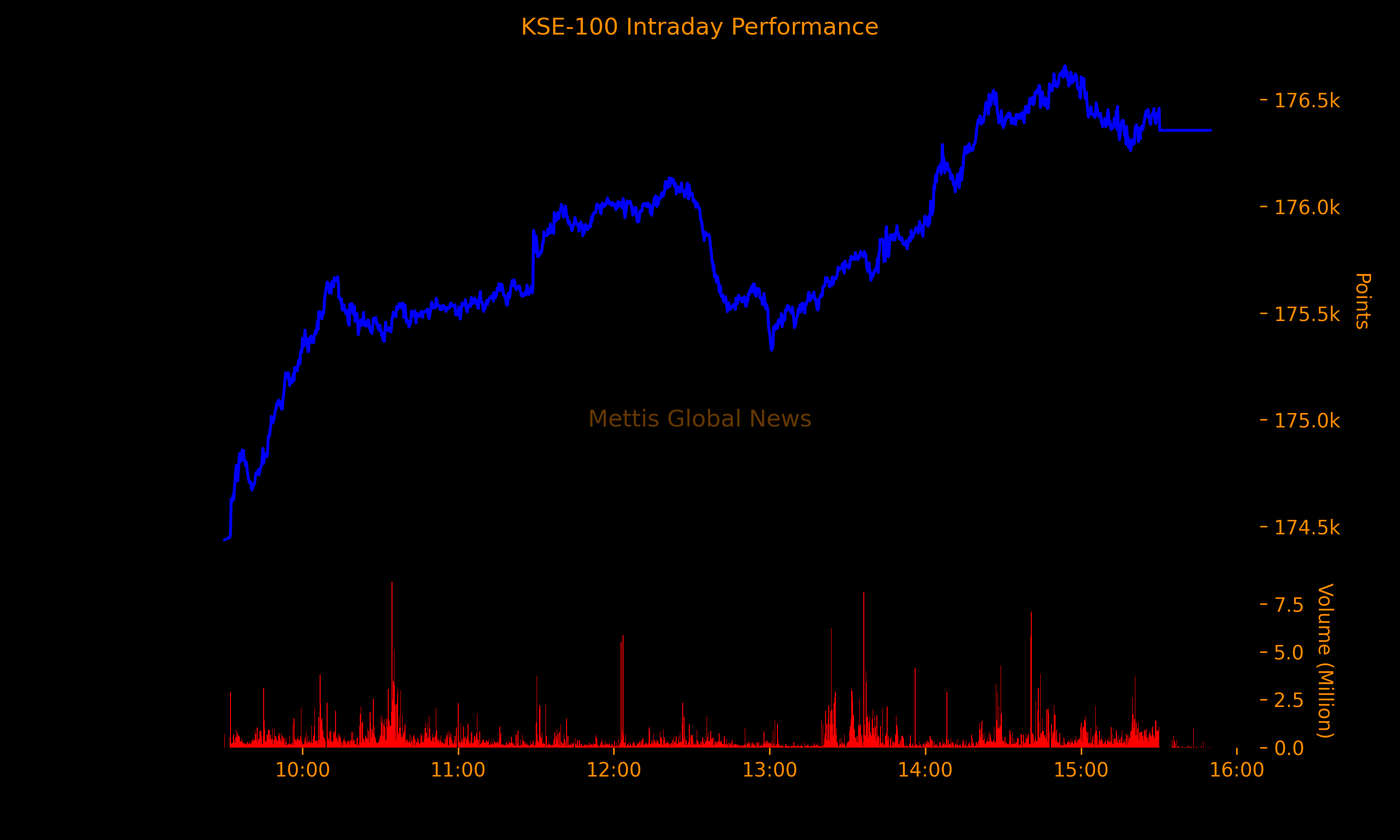
Of the 100 index companies 77 closed up, 23 closed down, while 0 were unchanged.
Top gainers during the day were SSOM (+10.00%), KEL (+9.11%), PIBTL (+6.37%), TGL (+5.98%), and SEARL (+5.91%).
On the other hand, top losers were PGLC (-1.88%), PTC (-1.77%), SRVI (-1.75%), PKGP (-1.54%), and IBFL (-1.53%).
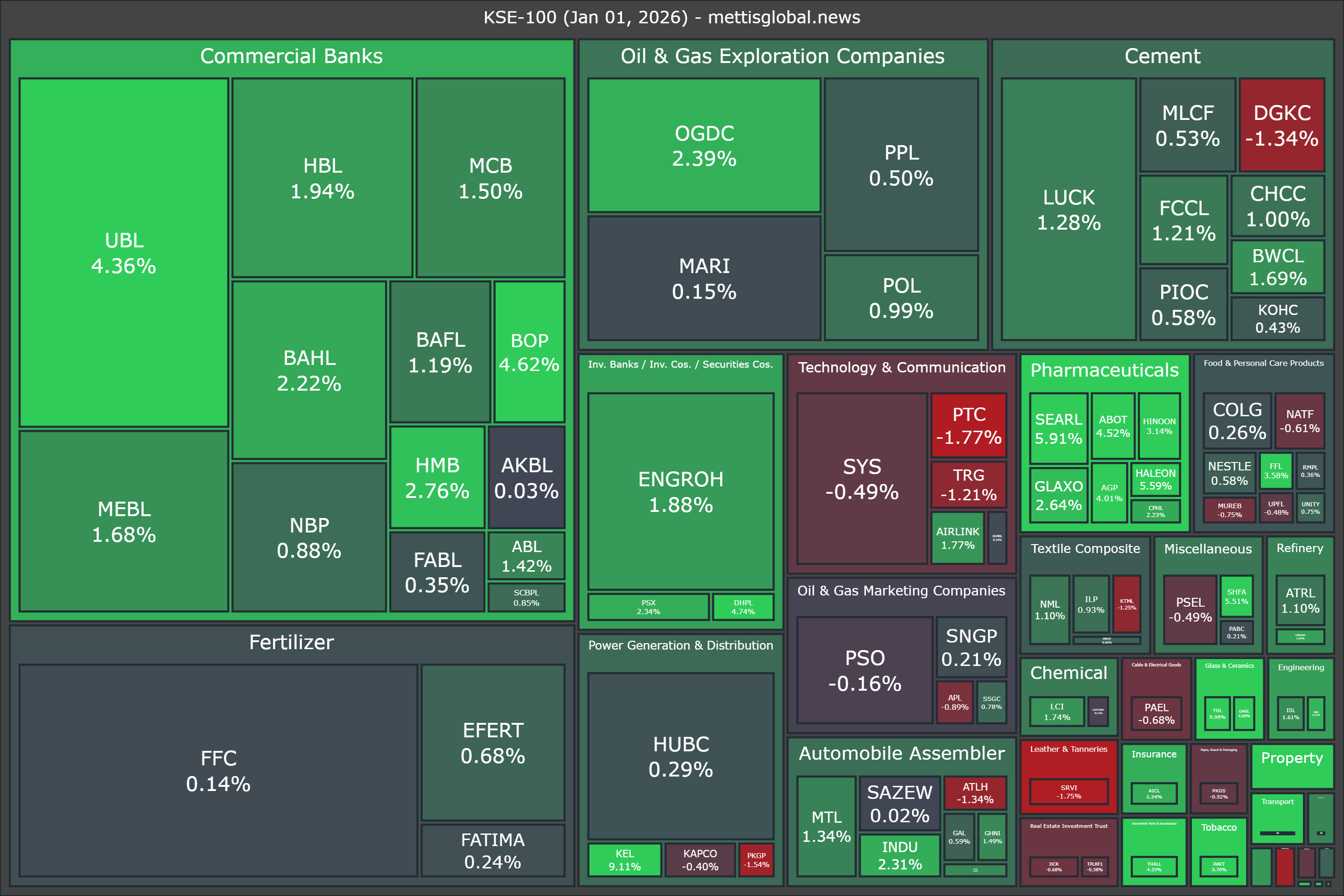
In terms of index-point contributions, companies that propped up the index were UBL (+552.61pts), OGDC (+147.89pts), ENGROH (+146.03pts), HBL (+125.51pts), and MEBL (+114.23pts).
Meanwhile, companies that dragged the index lower were SYS (-25.23pts), DGKC (-22.98pts), SRVI (-22.03pts), PTC (-21.22pts), and TRG (-10.63pts).
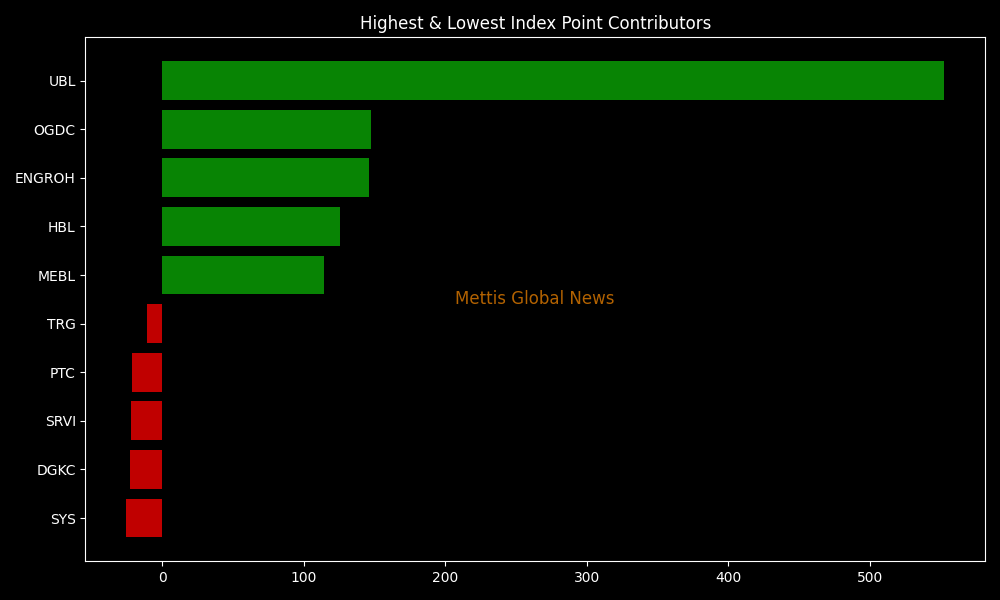
Sector-wise, KSE-100 Index was supported by Commercial Banks (+1203.00pts), Oil & Gas Exploration Companies (+210.18pts), Pharmaceuticals (+196.98pts), Inv. Banks / Inv. Cos. / Securities Cos. (+182.53pts), and Cement (+139.41pts).
While the index was let down by Technology & Communication (-44.61pts), Leather & Tanneries (-22.03pts), Real Estate Investment Trust (-7.36pts), Cable & Electrical Goods (-6.75pts), and Oil & Gas Marketing Companies (-4.73pts).
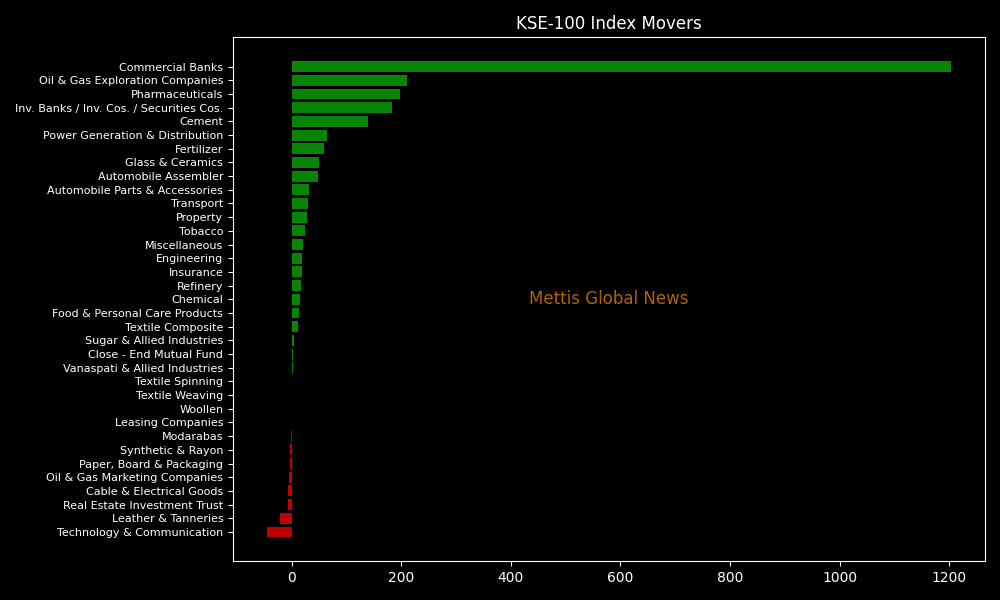
In the broader market, the All-Share Index closed at 106,095.07 with a net gain of 1,480.56 points or 1.42%.
Total market volume was 1,402.65 million shares compared to 957.24m from the previous session while traded value was recorded at Rs48.42 billion showing an increase of Rs4.19bn.
There were 459,009 trades reported in 484 companies with 336 closing up, 116 closing down, and 32 remaining unchanged.
| Symbol | Price | Change % | Volume |
|---|---|---|---|
| KEL | 6.47 | 9.11% | 372,705,153 |
| PIBTL | 20.03 | 6.37% | 139,940,959 |
| BOP | 40.34 | 4.62% | 55,417,664 |
| TSBL | 3.78 | -2.33% | 50,676,922 |
| LSECL | 5.95 | 14.64% | 46,343,933 |
| WTL | 1.81 | 5.23% | 38,802,871 |
| TELE | 12.06 | 6.44% | 37,781,686 |
| FFL | 21.42 | 3.58% | 37,614,715 |
| SLGL | 22.13 | -4.57% | 28,009,750 |
| SEARL | 127.06 | 5.91% | 24,525,700 |
To note, the KSE-100 has gained 50,728 points or 40.38% during the fiscal year, whereas it has increased 2,301 points or 1.32% so far this calendar year.
FBR misses tax target by Rs330b
Mini budget looms as six-month revenue collection rises at slower pace of 10%
The Federal Board of Revenue (FBR) has missed its reduced target for the first half-year by Rs330 billion, which is less than official estimates, helping to lower the risks of a mini-budget that could impact users of solar panels, mobile phones, and bank account holders.
Against the original target, the shortfall was as high as Rs545 billion for the July-December period of the current fiscal year, according to provisional figures. The collection, nonetheless, was better than the FBR’s own expectations, as it had briefed the prime minister a couple of weeks ago that the target could be missed by a margin of Rs564 billion.
The key contributing factor was Rs391 billion collections made on the last day of the month, as the banks were kept opened till 10pm in the hope of getting maximum possible revenues. The FBR also paid 47% less refunds in December compared to a year ago. However, the monthly shortfall was Rs20 billion, which was much lower than the hits taken on the revenues in the previous months.
The six-month collection was higher by only 10% compared to the last fiscal year, a pace that is far lower than the needed growth rate of collecting nearly Rs14 trillion in revenues in this fiscal year.
Chairman FBR Rashid Langrial enjoys the support of the Prime Minister’s House, which thinks that, despite missing the target, the bottom line was improving. According to the provisional figures, the FBR pooled Rs6.16 trillion during the July-December period, falling short of the downward target by Rs330 billion. It was also Rs545 billion less than the original target of Rs6.7 trillion for the same period.
During the last programme review, the International Monetary Fund (IMF) had cut the FBR’s target by Rs214 billion to adjust the impact of lower than projected inflation and economic growth and the floods. Both sides had also agreed that in case the revenue shortfall kept widening, the government would bring a mini-budget of at least Rs200 billion in January. The chances of the mini budget remain, but these are now less due to a relatively lower shortfall and tight control on development expenditures.
The sources said that Pakistan had assured the IMF that it will take Rs200 billion worth of additional tax measures in January to compensate for any slippages in the budget surplus by increasing the income tax rates on landline and mobile phones and cash withdrawals from banks.
These agreed measures included an increase in sales tax on solar panels and expanding the web of federal excise duty (FED) to confectionery and biscuits. The government’s back-up measure includes increasing the withholding tax on cash withdrawals to 1.5%, an increase of almost 100%. The government currently charges 0.8% on cash withdrawals from a person whose name does not appear in the active taxpayers’ list.
According to another back-up measure, Pakistan had informed the IMF that it may increase the withholding tax on landline phones from 10% to 12.5%, a surge of 25% in the tax burden on households having a landline connection. It is expected to generate Rs20 billion annually.
In another regressive measure, which could hurt every individual, the government may increase the withholding tax on cellular calls from 15% to 17.5%. This is expected to generate an additional Rs24 billion every year, said the sources.
The government has agreed to increase the sales tax from 10% to 18%. Sources said that another proposal was to impose 16% FED on confectionery and biscuits to raise Rs70 billion in revenues every year.
The details showed that, as against the original target of Rs3.3 trillion, the FBR collected Rs3.03 trillion in income tax, showing 9% growth in the collection. The sales tax collection amounted to Rs2.09 trillion, falling short of the target but still there was 10% increase.
Likewise, the federal excise duty collection remained at Rs400 billion with 11% increase over the last year. The customs duty collection fell short of the target and stayed at Rs642 billion, registering 8% increase over the last year.
Against the monthly original target of Rs1.56 trillion, the FBR collected Rs1.425 trillion in December. However, this collection was the result of paying 47% less refunds compared to a year ago. The FBR paid Rs38 billion in refunds in December as against Rs72 billion a year ago. Meanwhile, exporters complained to Prime Minister Shehbaz Sharif on Wednesday against the FBR’s decision to scrutinise their income tax returns. The Chairman of Pakistan Retail Business Council Ziad Bashir complained to the PM that the FBR’s recent decision to scrutinise tax returns could “easily be misconstrued as an attempt to provoke friction between the business community and the elected leadership.
The FBR on Tuesday had issued instructions to field formations about scrutinising the tax returns of exporters on the suspicion that they understated their incomes. “I am directed to state that analysis carried out at the FBR Headquarters reveals that a significant number of exporters, individuals, associations of persons and companies have substantially reduced their declared taxable income for Tax Year 2025” after the taxation regime for export proceeds has been modified from final tax to minimum tax, according to the FBR’s instructions.
These instructions showed that all field formations were directed to closely examine the declarations of major exporters falling within their respective jurisdictions to ascertain whether any abnormal reduction, inconsistency, or change in declaration patterns is evident after the said amendment. The field formations were further told to furnish a list of such exporters falling in the above category as per the following, latest by 1st Jan, 2025. The FBR has sought a list of at least 70 exporters from field formations.
Bashir on Wednesday wrote to PM Sharif against the FBR’s action.
“At a time when Pakistan’s export sector is already under stress owing to some of the highest effective tax burdens, energy tariffs, interest rates and financing costs in the region, the issuance of such broad, open-ended scrutiny instructions sends a deeply troubling signal to the business community,” said Bashir. “This could easily be misconstrued as an attempt to provoke friction between the business community and the elected leadership, something that would serve no national interest,” according to Bashir.
The council chairman further stated that exporters are currently operating in an environment marked by declining global demand, intense regional competition and structurally higher domestic costs. He said that the manner in which the current instructions have been framed effectively creates unrestricted discretionary space at the field level.
“If this trajectory continues, one is compelled to ask whether the system is inadvertently or otherwise signalling that exporters should simply wind up their businesses,” he added. However, the FBR management said that exporters would not be targeted by any means and would monitor the cases that would be selected to avoid any undue hardships to them.
SBP reserves increases by around $13m in a week
The foreign exchange reserves held by the State Bank of Pakistan (SBP) increased by $12.6 million or 0.08% WoW to $15.92 billion during the week ended on December 26, 2025, data released by State Bank of Pakistan showed on Thursday.
On the other hand, the country’s total reserves decreased by $10.4m or 0.05% WoW to $21.01bn.
The reserves held by commercial banks fell by $23m or 0.45% WoW to $5.1bn.
In the current fiscal year, SBP-held reserves have increased by $6.85bn or 75.58%.
Meanwhile, the current calendar year has seen an increase of $4.2bn or 35.9%.
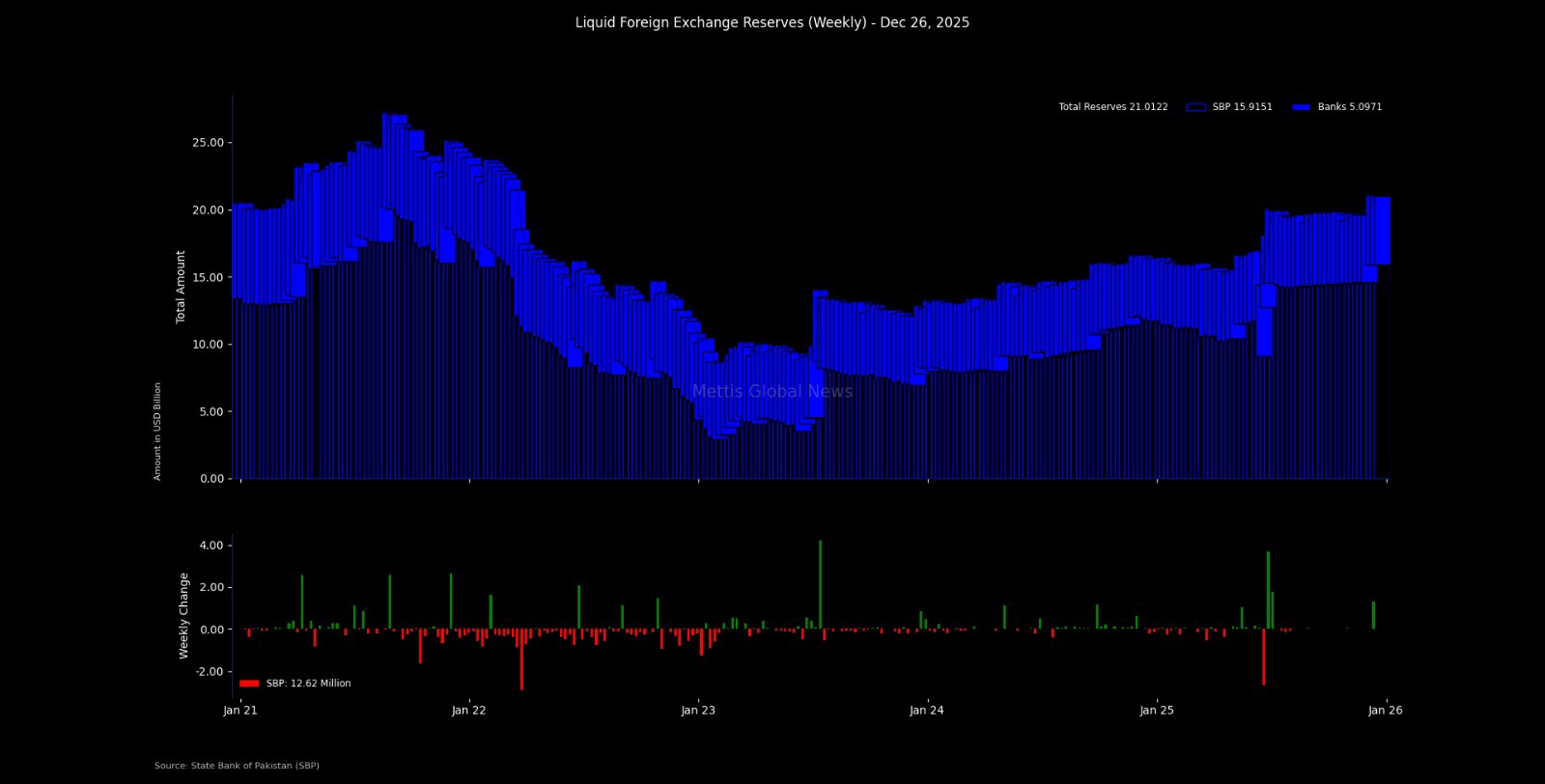
| Foreign reserves held by | December 26, 2025 | December 19, 2025 | Change | % Change |
|---|---|---|---|---|
| State Bank of Pakistan | 15,915.1 | 15,902.5 | 12.6 | 0.08% |
| Net Foreign Reserves Held by Banks | 5,097.1 | 5,120.1 | -23.0 | -0.45% |
| Total Liquid Foreign Reserves | 21,012.2 | 21,022.6 | -10.4 | -0.05% |
Amount in USD Million
The State Bank of Pakistan also released monthly data showing its foreign exchange reserves increased in November 2025, with SBP-held reserves rising by $85.9m to $14,588.8m, compared to $14,502.9m in October 2025.
On a year-on-year basis, SBP’s reserves rose by $2,551m, or 21.19%, from $12,037.9m in November 2024.
Net foreign reserves held by commercial banks stood at $4,548.3m, down from $4,671.1m a month earlier, showing a decline of $122.80 million.
Compared to $4,090.6 million in November last year, commercial banks’ reserves increased by $457.7m, or 11.19%.
Total liquid foreign exchange reserves held by the country at the end of November 2025 stood at $19,137.1m, compared to $19,174m in the previous month, reflecting a net decrease of $36.9m.
On a yearly basis, Pakistan’s total reserves increased by $3,008.6m, or 18.66%, from $16,128.5m in November 2024.
Looking at the fiscal year trend, reserves have shown significant recovery from $15,598.7m in January 2025, marking an improvement of $3,538.4m, or 22.71%, over the ten-month period ending November 2025.
Gold prices extend decline for third consecutive day

On the first day of 2026, prices of gold and silver fell further amid weakness in the global bullion market.
Gold prices in Pakistan continued their downward trend on Thursday, recording a decline for the third consecutive day in both international and local markets.
On the first day of 2026, prices of gold and silver fell further amid weakness in the global bullion market.
In the international bullion market, the price of gold dropped by $24 per ounce to settle at $4,322. Following the global trend, prices in the local bullion market also declined. The price of 24-carat gold per tola fell by Rs2,400 to Rs454,562.
Similarly, the price of 10 grams of 24-carat gold decreased by Rs2,058, bringing it down to Rs389,713.
Silver prices also witnessed a decline during the day. In the local market, the price of silver per tola dropped by Rs83 to Rs7,635, while the price of 10 grams of silver fell by Rs71 to Rs6,545.
Market analysts attribute the continued decline in precious metal prices to fluctuations in the global market, profit-taking by investors, and changing economic indicators. Traders expect volatility in the coming days as international economic developments and currency movements continue to influence bullion prices.
December inflation rises to 5.6%
Pakistan’s headline Consumer Price Index (CPI) inflation rose to 5.6% year-on-year (YoY) in December 2025, compared from 6.1% increase in November 2025, the Pakistan Bureau of Statistics (PBS) reported today.
This compares to 4.1% recorded in December 2024.
On a month-on-month (MoM) basis, inflation decreased by 0.4% in December 2025, reversing the 0.4% increase recorded in the previous month and marking a sharper decline compared to a 0.1% rise in December 2024.
_20260101104115420_bf4c78.jpeg)
Cumulatively, on a 6MFY26 basis, the average CPI stands at 5.15% compared to 7.3% in the same period last year.
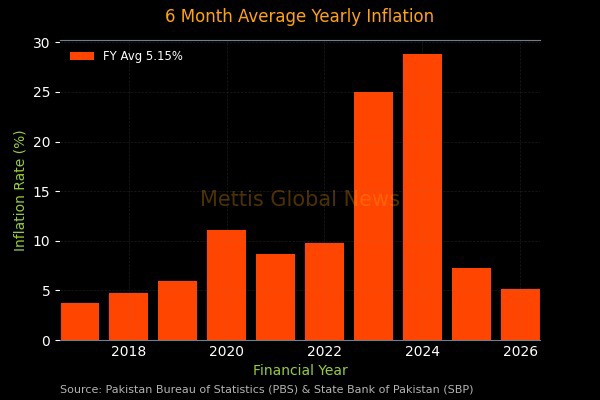
In urban areas, CPI inflation stood at 5.8% YoY, down from 6.1% in November but higher than 4.4% in December 2024. On a monthly basis, urban inflation decreased by 0.4%, compared to a 0.5% increase in the previous month and a 0.1% decline in December 2024.
Meanwhile, rural CPI inflation eased to 5.4% YoY in December, compared to 6.3% in November and 3.6% in December 2024. On a MoM basis, rural prices fell by 0.6%, reversing the 0.2% increase recorded in the previous month and contrasting with a 0.3% rise in December 2024.
The Sensitive Price Index (SPI), which tracks weekly changes in essential items, registered a 2.5% YoY increase in December 2025, down from 4.2% a month earlier and matching the 4.2% recorded in December 2024. On a MoM basis, it fell 0.8%, reversing the 0.4% rise in November and matching the 0.8% increase seen in December 2024.
Separately, Wholesale Price Index (WPI) inflation moderated to 0.6% YoY, compared to 1.1% in the previous month and 1.9% in December 2024. On a monthly basis, wholesale prices decreased by 0.9%, following a 0.2% decline in November and a 0.4% drop in December 2024.
Core inflation indicators showed mixed trends. Non-food non-energy (NFNE) inflation in urban areas rose to 6.9% YoY from 6.6% in November, though lower than 8.1% in December 2024.
In rural areas, NFNE inflation remained elevated at 8.1% YoY, slightly down from 8.2% in November but significantly lower than 10.7% in December 2024.
The 20% weighted trimmed mean measure showed urban core inflation at 5.5% YoY, up from 5.3% in November and down from 6.2% in December 2024.
Rural trimmed mean inflation stood at 6.0% YoY, easing from 6.4% in November and 6.5% in December 2024.
The data indicates that while headline inflationary pressures have moderated since November, the pace of annual price growth remains above last year’s levels. However, the month-on-month decline suggests some near-term relief in price pressures across both urban and rural areas.
Lucky Investments introduces Shariah-compliant energy fund

Lucky Investments Limited has introduced the Lucky Islamic Energy Fund (LIEF), a Shariah-compliant, sector-focused equity fund designed to provide investors with exposure to Pakistan’s growing energy sector through ethical and disciplined investing.
The launch coincides with gradual reforms in Pakistan’s energy sector, driven by rising demand, policy initiatives, efficiency improvements, and an increasing shift toward renewable and sustainable energy sources.
These developments have enhanced the sector’s attractiveness for long-term investors.
The Fund will primarily invest in Shariah-compliant listed energy companies across exploration and production, refining, power generation, and renewable energy, with the objective of achieving long-term capital growth, according to the press release.
With this addition, Lucky Investments continues to expand its Islamic investment offerings while contributing to the development of Pakistan’s Islamic capital markets.
Investor confidence in the company is evident in its assets under management (AUMs) which currently exceed Rs130bn and establish it as the fastest-growing asset management company in Pakistan in 2025.
Commenting on the launch, Mohammad Shoaib, CFA, Chief Executive Officer of Lucky Investments Limited, said the energy sector remains central to Pakistan’s economic revival and long-term sustainability.
He added that the Lucky Islamic Energy Fund offers investors a focused, Shariah-compliant opportunity to participate in this critical sector while aligning investments with faith-based values.
The open-end Shariah-compliant sector equity fund is benchmarked against the KMI-30 Index and is classified as a high-risk fund, suitable for investors with a long-term investment horizon.
The Fund offers flexibility, with no minimum holding period or redemption penalty.
All investments will be made under the supervision of Mufti Muhammad Hassaan Kaleem, Shariah Advisor to Lucky Investments, ensuring continuous compliance with Islamic principles within a robust governance and risk management framework.
The launch of LIEF underscores Lucky Investments’ commitment to channeling capital toward priority sectors of the economy through responsible, Shariah-aligned investment solutions.
Govt eliminates Rs3.4tr power sector burden

Independent Power Producers (IPPs) eliminated a cumulative financial burden of Rs3.40 trillion on consumers and the national exchequer through successful and transparent renegotiations.
As a result, electricity tariffs were reduced by Rs8.35 per unit for domestic consumers and by up to Rs16.68 per unit for industrial consumers, as outlined in the Power Division’s annual performance review for 2025, according to APP.
The report attributes this achievement to wide-ranging reforms, stronger financial discipline and improved governance in the power sector, backed by consistent policy direction and effective decision-making.
These measures helped resolve several long-standing challenges while supporting progress toward a cleaner and more sustainable energy mix.
Further savings were achieved through the shutdown of inefficient and outdated power plants, easing an additional Rs7billion burden on electricity users.
To support economic activity, a targeted relief package of Rs22.98 per unit was extended to industrial and agricultural consumers, providing a boost to productivity and growth.
The government also cancelled surplus power projects with a combined capacity of 9,500 megawatts, resulting in a further relief of Rs 1 per unit for consumers.
At the same time, circular debt was reduced by Rs780bn without contracting new loans, a move described in the report as a major fiscal milestone.
The removal of the Rs 35 PTV fee from electricity bills was another step aimed at addressing a long-standing public concern.
On the structural front, the privatization process for three power distribution companies (DISCOs) was initiated during 2025 to enhance efficiency and service quality.
In support of cleaner transport, tariffs for electric vehicle charging stations were cut by 44%, encouraging the shift toward environmentally friendly mobility.
The report also highlighted relief measures for flood-affected regions, including bill waivers and flexible payment arrangements.
Consumer empowerment and transparency were strengthened through the launch of the “Apna Meter, Apni Reading” mobile application, allowing users to submit meter readings directly.
In addition, the introduction of the 118 helpline aimed to ensure equal treatment and eliminate preferential service.
Competitive and transparent procurement practices led to a 40% reduction in smart meter prices, with improvements in the smart metering system expected to generate annual consumer benefits exceeding Rs 100bn.
The report noted that 55% of the country’s electricity generation now comes from environment-friendly sources, placing Pakistan among leading regional players in green energy adoption.
Reiterating its policy direction, the Power Division said electricity supply to domestic and industrial consumers would continue to align with international pricing and service standards.
It expressed confidence that the momentum of reforms, transparency and public relief would remain strong throughout 2026.
PSX Mid-Day: Surging Into 2026 with Strength

The Pakistan Stock Exchange opened the new year on a strong note, with the KSE-100 Index crossing the 176,000 mark for the first time,
The index reached mid-day high of 176,132.52 (+2,078 points), which reflected lively market activity, with 558 million shares exchanged.
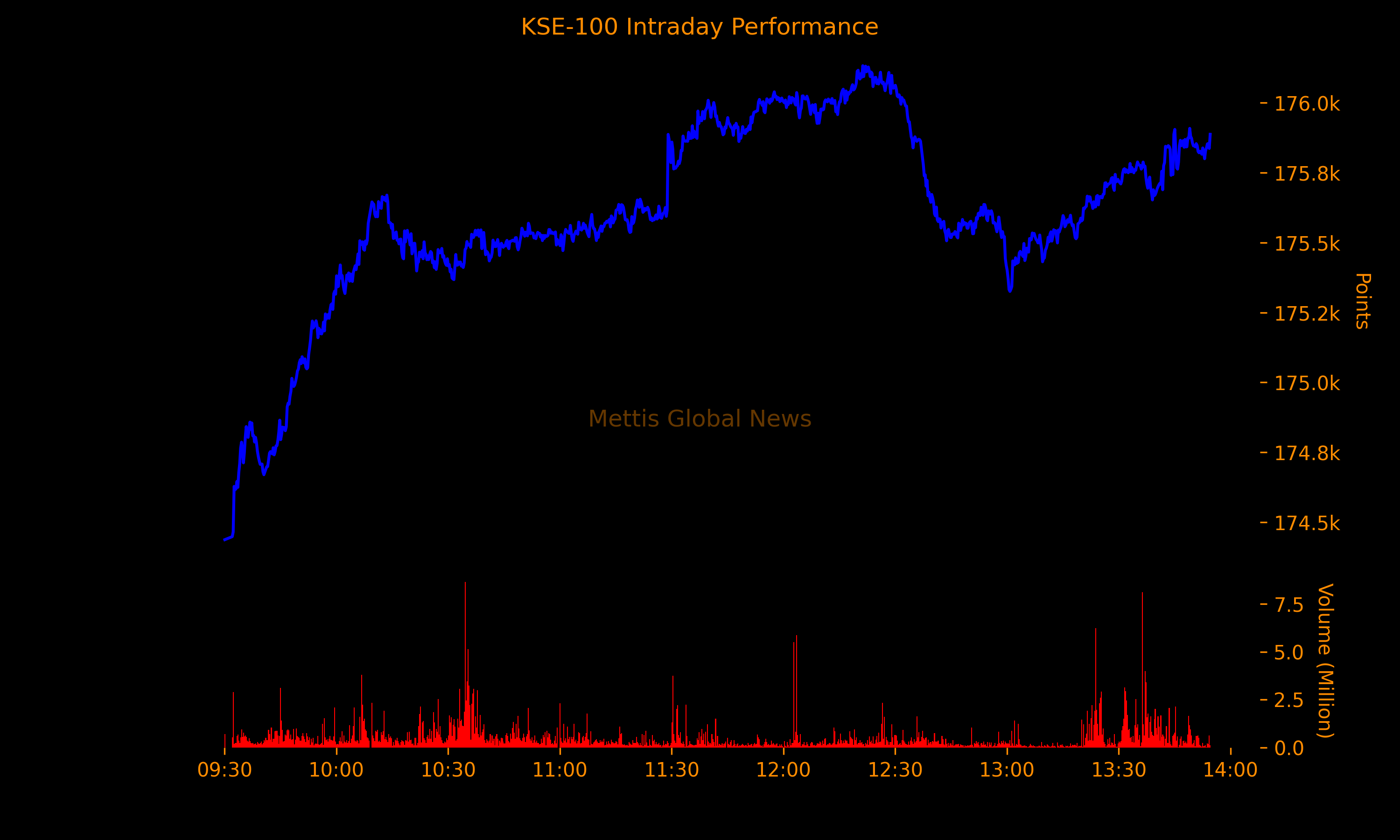
The early momentum comes amid broadly positive economic indicators highlighted in the latest Outlook report, including rising industrial activity, easing inflation, and continued growth in key sectors, which are keeping investor sentiment upbeat.
The early rally past 176,000 sets a promising tone for 2026, with markets showing optimism as the year begins.
Top gainers during mid-day were SSOM (+10.00%), PIBTL (+7.81%), KEL (+7.25%), DHPL (+5.30%), and HALEON (+5.00%).
Oman approves 2026 budget with deficit of $1.4 billion, state news agency says
Oman, a small Gulf oil producer, approved on Thursday its 2026 budget with a deficit of 530 million Omani Rials

Oman, a small Gulf oil producer, approved on Thursday its 2026 budget with a deficit of 530 million Omani Rials ($1.38 billion), which accounts for 1.3% of national output, the state news agency reported.
Ministries told to submit FY26 budget proposals
- Oman expects total spending of 11.977 billion rials in 2026, up 1.5% from 2025, the state news agency said.
- The Gulf country, which is largely reliant on oil, based this year’s budget on an average oil price of $60 per barrel.
- It expects revenues of 11.447 billion rials, up 2.4% from 2025, the state news agency added.
- Oman said it expects the public debt to reach 14.6 billion Omani rials ($38.02 billion) by the end of 2026, which accounts for 36% of national output.
South Korea Dec exports beat forecasts, wraps 2025 at a record
Imports also gained 4.6% in December from a year earlier to $57.40 billion
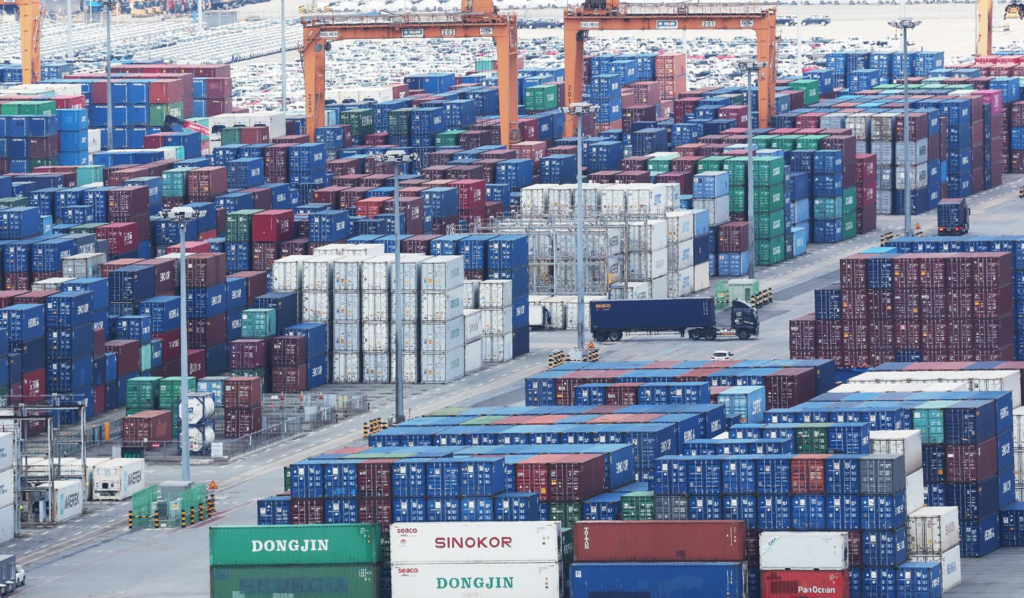
South Korea’s exports rose in December for a seventh consecutive month and wrapped 2025 at a record as exports have surpassed $700 billion for the first time, government data showed on Thursday.
Exports from Asia’s fourth-largest economy, a bellwether for global trade, rose 13.4% in December to $69.58 billion, trade data showed, beating a median 9.0% increase tipped in a Reuters poll of economists.
Imports also gained 4.6% in December from a year earlier to $57.40 billion.
Exports gained 3.8% during 2025 to $709.7 billion.
OGDC strengthens Pakistan’s energy reserves with Baragzai X-01 Discovery
The Oil and Gas Development Company Limited (PSX:OGDC), operator of the Nashpa Exploration License with a 65% stake, in partnership with Pakistan Petroleum Limited (PPL) holding 30% and Government Holdings (Private) Limited (GHPL) with 5%, has made a notable oil and gas discovery at the Baragzai X-01 (Slant) exploratory well in the Datta Formation, District Kohat.
During the cased-hole Drill Stem Test (DST-02) in the Jurassic-age Datta Formation, the well produced 4,100 barrels of oil per day (BOPD) and 10.5 million standard cubic feet of gas per day (MMSCFD) at 32/64” choke size, with a wellhead flowing pressure of 3,880 psig.
The Baragzai X-01 (Slant) well, which began drilling on December 30, 2024, reached a total depth of 5,170 meters into the Kingriali Formation, according to the company’s statement issued today.
Approximately 187 meters of the Datta Formation were encountered.
Strong hydrocarbon shows during drilling, petrophysical evaluations from open-hole wireline logs, and fracture indications from image logs prompted the cased-hole drill stem test.
Earlier, successful cased-hole testing (CHDST-01) in the Triassic-age Kingriali Formation had already indicated hydrocarbon potential.
This discovery is expected to contribute to closing the energy supply demand gap using indigenous resources and will strengthen the hydrocarbon reserves of OGDCL, its joint venture partners, and Pakistan.
2026 seen driving stronger trade, investment between Pak, USA
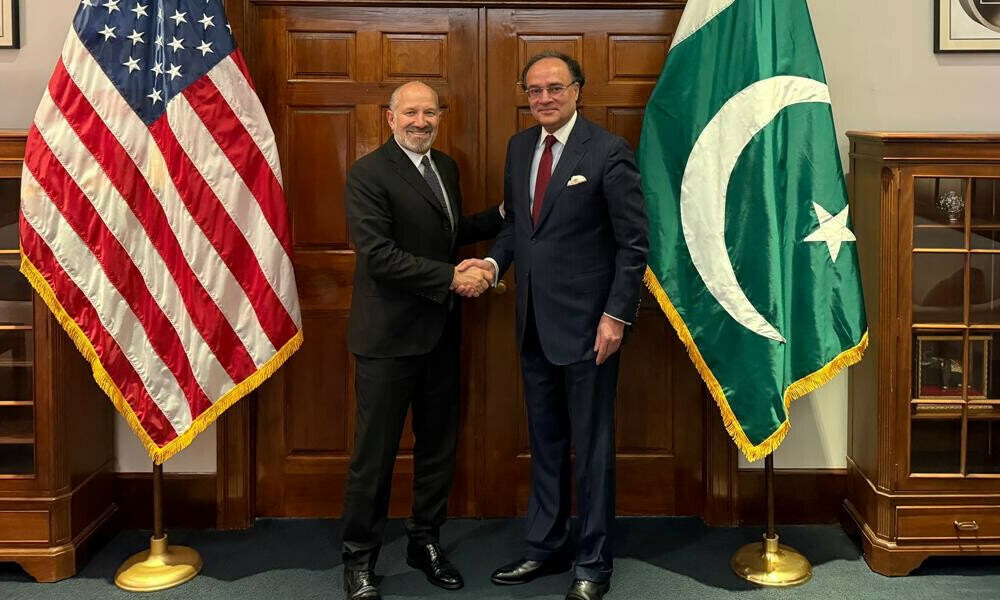
Pakistan and the United States entered 2026 with a renewed emphasis on strengthening economic cooperation, building on the positive momentum achieved during 2025, which was widely seen as a strong year for advancing trade, investment, and long-term partnership between the two countries.
Pakistan’s Ambassador to the United States, Rizwan Saeed Sheikh, said that the 2025 marked an important shift in bilateral ties, with focus on expanding economic cooperation alongside continued collaboration in traditional areas such as counterterrorism, health, and education, according to a press release issued.
He noted that both sides identified economic connectivity as a central pillar of future relations, aimed to transform the longstanding partnership into one driven by trade, investment, and private-sector collaboration.
According to the ambassador, sectors including information technology, minerals, energy, hospitality, and tourism emerged as key areas with strong potential for mutually beneficial engagement and sustainable growth over time.
Ambassador Rizwan Sheikh said that regular leadership-level engagements during 2025 reflected a shared commitment to strengthening bilateral ties and aligning priorities, particularly in advancing business-to-business linkages and encouraging investment flows.
Looking ahead to 2026, he emphasized the importance of moving from dialogue to implementation, stressing that the focus should now be on converting identified opportunities into concrete economic outcomes.
He expressed confidence that deeper economic cooperation would also contribute to stronger people-to-people contacts and a more resilient Pakistan–US relationship, adding that both countries should aim to review tangible progress by the end of the coming year.
Pakistan, Saudi Arabia reaffirm strong bilateral ties
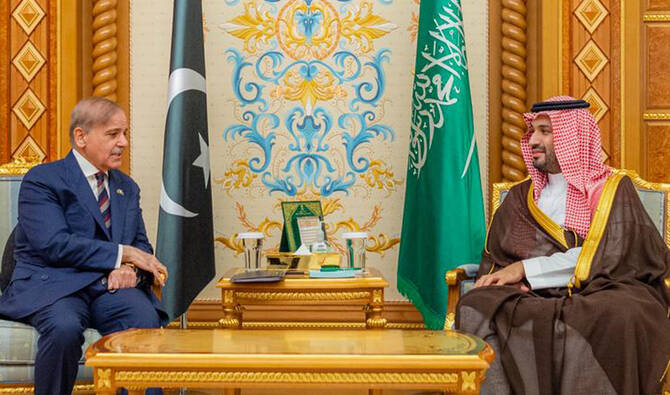
Pakistan and Saudi Arabia reaffirmed their strong bilateral ties and commitment to further strengthening cooperation.
The understanding was reaffirmed during a telephonic conversation between Prime Minister Muhammad Shehbaz Sharif and Saudi Crown Prince and Prime Minister Mohammed bin Salman bin Abdulaziz Al Saud.
Both leaders agreed to deepen the long-standing fraternal bonds between the two countries, which have attained new heights in recent months, as reported by Radio Pakistan.
During the discussion, Prime Minister Shehbaz Sharif emphasized the need to maintain unity and harmony within the Muslim Ummah in view of the current challenges.
Expressing Pakistan’s complete solidarity with Saudi Arabia, he stressed the importance of maintaining regional peace and stability through dialogue and diplomacy.
The Prime Minister conveyed his respectful regards for the Custodian of the Two Holy Mosques, King Salman bin Abdulaziz Al Saud, as well as for the Crown Prince.
He acknowledged the Crown Prince’s warmth and affection towards Pakistan.
Crown Prince Mohammed bin Salman appreciated the telephone call and reiterated the Kingdom’s desire to expand cooperation with Pakistan in all areas of mutual interest.
He also expressed his desire to undertake an official visit to Pakistan in the coming year.
ZUMA approves accounts, revamps leadership
Zuma Resources Limited (PSX: ZUMA), formerly Bilal Fibres Limited, held a meeting of its Board of Directors today in which several key decisions were approved.
The Board approved the company’s quarterly accounts for the period ended 30 September 2025.
The Board accepted the resignation of Mr. Naeem Omer as Chief Executive Officer, and Mr. Muhammad Usman Saber was appointed as his replacement with effect from 01 January 2026.
A change in leadership at the board level was also approved, with Mr. Syed Tahir Nawazish appointed as Chairman in place of Mr. Muhammad Aslam Bhatti, effective 01 January 2026.
In addition, the resignation of Mr. Muhammad Ijaz Shahid as Company Secretary was accepted, and Mr. Muhammad Saeed was appointed as the new Company Secretary with effect from 01 January 2026.
The aforementioned information was disseminated through a notification to Exchange.
Pakistan’s short-term FX liabilities reach around $31bn
Due to maturing foreign currency loans, securities, and deposits, Pakistan’s foreign currency assets are expected to see a net outflow of $30.96bn, according to the latest liquidity report released by the State Bank of Pakistan (SBP).
The total outflow is categorized based on residual maturity, with the most pressing concern being the more than three months up to one-year segment, which accounts for a substantial $20.36bn.
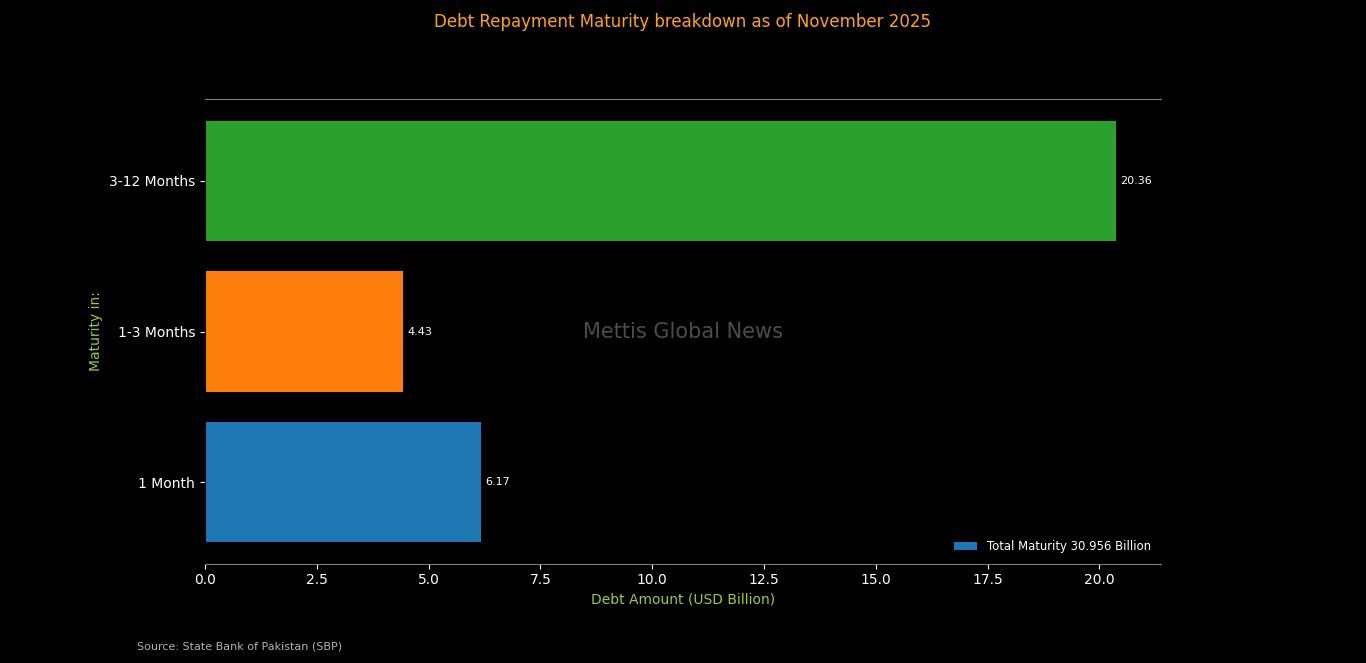
Meanwhile, outflows of $6.17bn are due within the next month, and an additional $4.43bn is payable between the one-to-three-month window.
The principal outflows amount to $27.41bn, of which $17.94bn falls in the more than three-month up to one-year maturity range. Interest payments add another $3.55bn to the financial burden.
Aggregate short and long positions in forwards and futures indicate a net shortfall of $1.99bn. Short positions dominate at $2.28bn, while long positions provide partial offset at $286m.
Additionally, contingent liabilities in foreign currency total $1.18bn, primarily comprising other contingent liabilities that fall due within the next month.
These figures underline the near-term strain on Pakistan’s external account, which emphasizes the critical need for continued inflows, timely rollovers, and prudent management of external liabilities to preserve reserve adequacy.
Furthermore, Pakistan’s official reserve assets totaled $24.49bn as of November 30, 2025, according to the latest data released by the State Bank of Pakistan (SBP), even as the country faces significant short-term foreign currency obligations.
The reserve portfolio is anchored by foreign currency reserves in convertible currencies, which constitute $12.94bn of the total holdings. This represents the most liquid component of the central bank’s external buffers.
Gold holdings provide substantial support to the reserve position, with the SBP maintaining 2.082 million fine troy ounces valued at $8.73bn. This precious metal stockpile serves as a strategic hedge against currency volatility and external shocks.
Currency and deposits with various institutions account for $11.11bn of the reserves. Of this amount, $6.77bn is deposited with other national central banks, the Bank for International Settlements, and the International Monetary Fund, while $4.33bn is held with banks headquartered outside the reporting country. An additional $13.71m is placed with domestic banks’ foreign branches.
Beyond official reserves, Pakistan holds an additional $92.65m in other foreign currency assets, comprising securities, deposits, loans, and financial derivatives not classified under official reserve assets.
Petrol, diesel get new year price cut

Welcoming the New Year with much-needed relief, the federal government has slashed petroleum prices for the next fortnight, effective January 1, 2026.
According to a notification by the Petroleum Division, the price of petrol has been cut by Rs10.28 per litre, bringing the new ex-depot rate down to Rs253.17 per litre, applicable until January 15.
Meanwhile, high-speed diesel (HSD) has been reduced by Rs8.57 per litre to Rs257.08 per litre.
The price revision follows recommendations from the Oil and Gas Regulatory Authority (OGRA) and reflects recent movements in international oil markets.
In the previous fortnightly review, the government had reduced diesel prices by Rs14 per litre while keeping petrol rates unchanged.
Petrol, primarily used by commuters on motorcycles, rickshaws, and small vehicles, directly affects the daily expenses of middle and lower-middle income households.
Any reduction in its price offers immediate relief to urban commuters and salaried workers.
On the other hand, high-speed diesel powers the backbone of Pakistan’s transport and agricultural sectors.
Used extensively in trucks, buses, trains, tractors, tube-wells, and threshers, HSD prices are considered highly inflationary, as they feed directly into the cost of transporting goods, especially vegetables and other food items.
Despite zero general sales tax (GST) on petroleum products, consumers continue to pay substantial government charges.
Pakistan on track to become a global crypto leader by 2030

Pakistan’s rapid adoption of cryptocurrencies and proactive regulatory approach could position the country as a global crypto leader by 2030.
In a recent conversation with the Pakistan Crypto Council CEO Bilal bin Saqib, the former CEO of Binance Changpeng “CZ” Zhao highlighted Pakistan’s ability to quickly implement crypto regulations and policies, and noted the country’s forward-looking approach and its tech-savvy, youthful population, as reported by cointelegraph.
“I’m impressed to see a country of this size executing a clear vision with such speed,” he said. “If this pace continues, Pakistan could be one of the world’s leading crypto nations within five years.”
This year, Pakistan has made significant strides in formalizing its crypto ecosystem.
Key developments include the creation of the Pakistan Virtual Assets Regulatory Authority, granting licenses to major crypto exchanges such as Binance and HTX, building a Bitcoin reserve, and exploring tokenization of real-world assets to attract foreign investment and increase liquidity.
The former executive also expressed optimism about Pakistan’s plan to tokenize its stock market. “Which country wouldn’t want the global population to invest directly in their stocks?” he said.
“Tokenization allows people worldwide to buy stock tokens, effectively bringing international investment directly into Pakistan’s market.”
For individual entrepreneurs and smaller businesses, he emphasized blockchain’s accessibility compared to traditional banking or AI startups.
“Starting a bank or building an AI company requires massive resources, from data to computing power,” he noted.
“Blockchain, on the other hand, offers far lower barriers to entry and tremendous opportunities for innovation.”
Pakistan’s proactive stance on crypto, coupled with its young population and regulatory clarity, positions it as a potential powerhouse in the digital asset space over the coming years.
Govt pushes development of new deep-sea ports
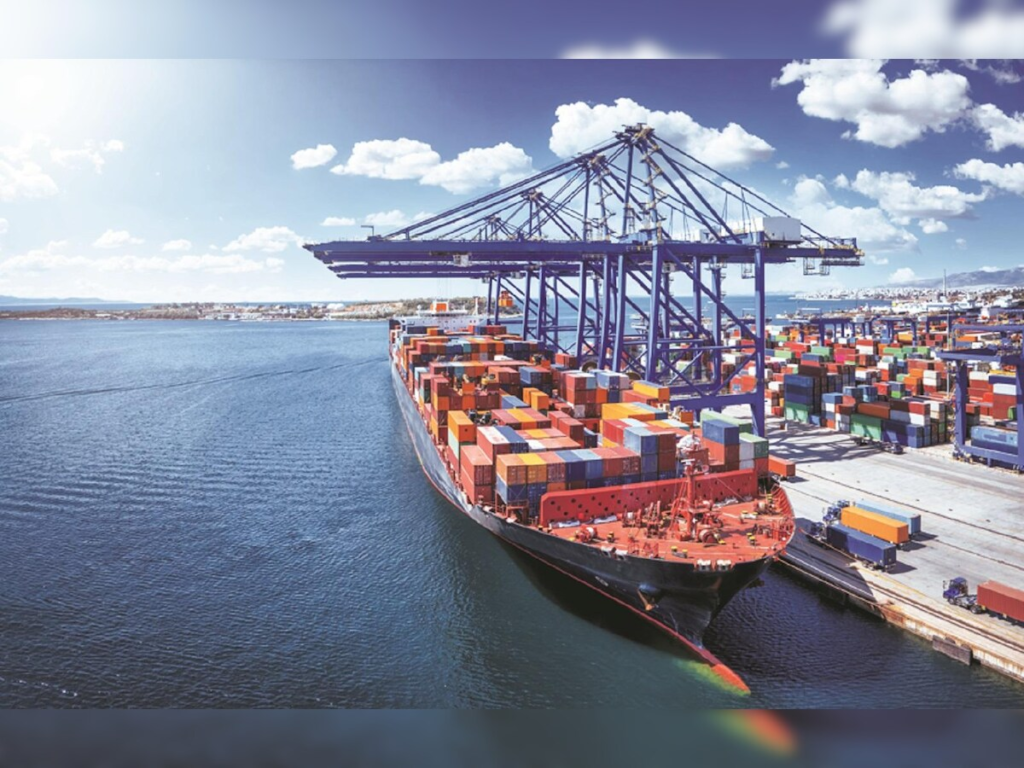
The government has emphasized the need to balance economic growth with strong environmental protections while developing new deep-sea ports along Pakistan’s coastline.
Such ports are crucial to support rising industrial activity, regional trade, and increasing shipping volumes, as well as to ease pressure on existing facilities.
Plans include the development of both major and smaller business-model ports to prepare for the next century of maritime expansion and economic transformation, according to a press release issued.
Federal Minister for Maritime Affairs Muhammad Junaid Anwar Chaudhry, chairing a high-level, multi-agency committee meeting on the project, emphasized the importance of collaboration among stakeholders.
The meeting was attended by representatives from 10 organizations, including the Ministry of Maritime Affairs’ Technical Advisor Jawad Akhtar, who briefed the minister on the committee’s performance, site identification processes, and study methodology.
Committee members presented an assessment framework for three proposed sites Port 1, Port 2, and Port 3 focusing on technical feasibility, including natural depth, marine access, and coastal conditions to determine operational suitability and long-term viability.
The framework also evaluated land availability, future expansion potential, environmental sensitivity, and potential impacts on local communities and livelihoods.
In addition, the committee reviewed hinterland connectivity through road, rail, and logistics networks, as well as the strategic and economic value of each port, covering trade facilitation, regional development, and risk management across environmental, technical, security, and regulatory domains.
The initiative is part of the government’s long-term “Hundred Years Vision 2047-2147” to establish three to four deep-sea ports at strategic locations along the coastline, incorporating modern cargo handling, green energy integration, and digital port management systems.
Work is underway on a comprehensive feasibility report, including technical findings, hydrographic maps, satellite data, and investment recommendations, for submission to the Maritime Ministry.
Pakistan’s coastline stretches over 1,000 kilometers from Sir Creek in Sindh to Jiwani in Balochistan, encompassing an Exclusive Economic Zone of 240,000 square kilometers and a continental shelf of nearly 50,000 square kilometers.
With GDP projected to reach $1 trillion between 2030 and 2035, maritime trade and related industries are expected to experience significant growth, with Karachi Port, Port Qasim, and Gwadar Port projected to reach full capacity between 2035 and 2045.
PKR ends 2025 weaker against USD
The Pakistani rupee (PKR) closed 2025 at 280.1231 against the US dollar at the end of the year, depreciating by 1.57 paisa, or around 0.56%, compared with last year’s closing level of 278.55 per USD.
However, the currency appreciated by 40 paisa, or around 0.14%, from 280.5231 at the end of last month.
It also posted a day-on-day appreciation of 2.84 paisa, or nearly 0.01%, from the previous session’s close of 280.1515 in the final trading session.
Throughout the day, the currency saw an intraday high (bid) of 280.40 and a low (ask) of 281.15.
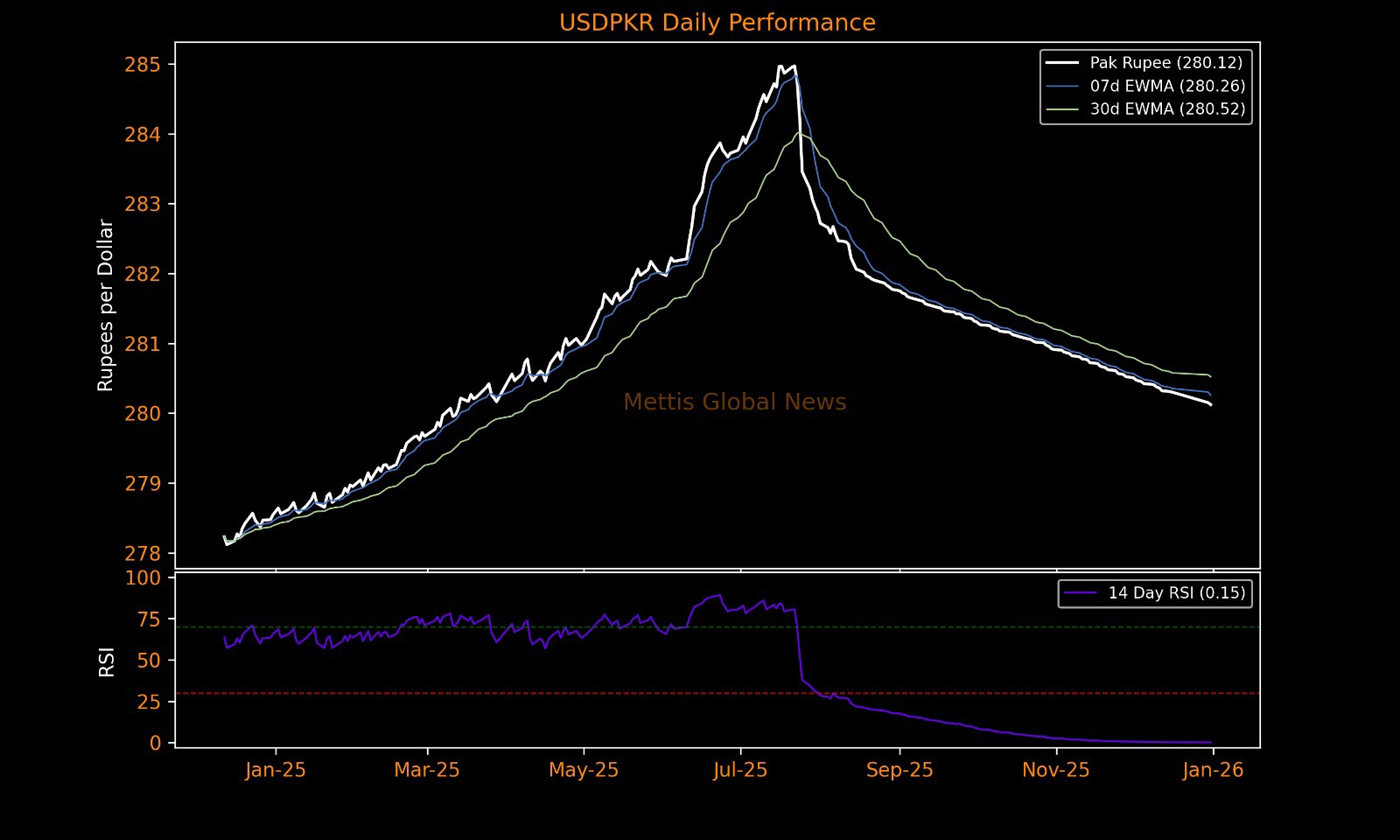
In the open market, exchange companies quoted the dollar at 280.50 for buying and 281.20 for selling.
In comparison to major currencies, PKR gained 78.98 paisa or 0.24% against the Euro, closing at 328.85 compared to the previous value of 329.64.
Against the British Pound, PKR increased by 1.27 rupees or 0.34% to 377.17 compared to 378.44 a day ago.
The local unit rose 1.76 rupees or 0.50% against Swiss franc to close at 353.22.
Against the Japanese Yen, PKR’s value rose 0.76 paisa or 0.42% to close the session at 1.7892 versus 1.7968 a day ago.
Pakistani Rupee deteriorated 0.05 paisa against Chinese Yuan to close at 40.07 from 40.07.
The local currency deteriorated by 0.34 paisa against Saudi Riyal to 74.69. While it increased by 0.56 paisa or 0.01% against the U.A.E Dirham to close at 76.28.
During the current fiscal year, PKR has increased against the US Dollar by 3.64 rupees or 1.30%. While it has weakened 1.57 rupees or 0.56% so far this calendar year.
This heatmap presents monthly percentage changes in USD/PKR across financial years, illustrating periods of rupee appreciation (green) and depreciation (red).
Key Value-Based Observations:
FY2019 was one of the worst years for the rupee, with a total depreciation of -24.09%, driven by sharp monthly losses such as -6.22% in October, -4.73% in November, -4.42% in May, and -7.57% in June.
FY2022 recorded a cumulative -23.09% decline, with heavy pressure in July (-3.01%), August (-2.38%), September (-2.50%), and May (-6.44%), reflecting widening external imbalances.
FY2023 marked the most volatile phase, posting a -28.37% annual fall.
The year included an extreme -15.47% move in January, alongside -14.42% in July and -7.85% in March, highlighting the impact of exchange-rate liberalization and severe FX shortages.
In contrast, FY2021 closed with a +6.67% annual gain, supported by positive months such as October (+3.40%), February (+1.27%), and March (+3.50%), indicating relative currency stability.
FY2024 shows signs of stabilization, ending +2.75% for the year, with notable appreciation in September (+6.19%) and October (+2.23%), offsetting weaker months like August (-6.18%).
FY2025 reflects contained volatility, with most monthly changes ranging between -0.61% and +0.30%, resulting in a -1.91% cumulative move, suggesting tighter FX management.
FY2026 (partial) currently shows modest gains, totaling +1.30%, with monthly appreciation clustered around +0.14% to +0.39%, pointing to continued stability.
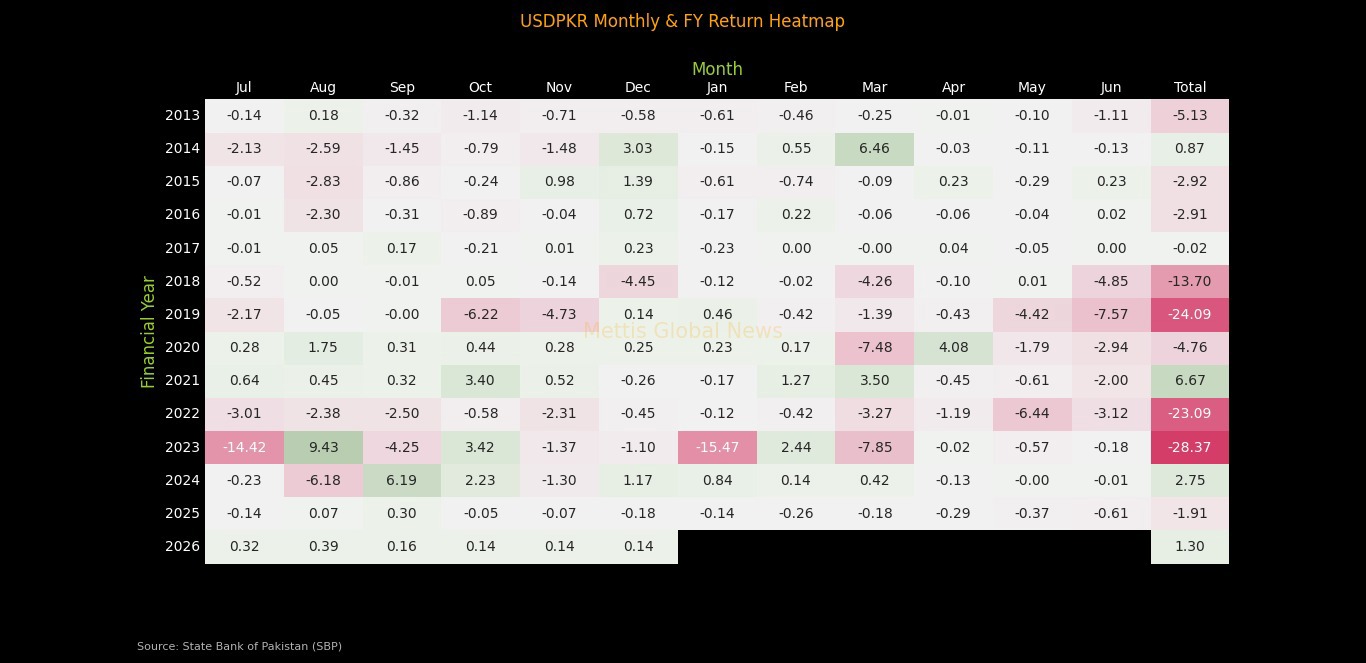
The USD/PKR exchange rate showed a clear shift from volatility to stability during the July–December period.
In July, the rupee experienced relatively sharp daily movements, with notable gains and losses throughout the month.
The largest appreciation was recorded on July 25, when the rupee strengthened by 0.27 percent, followed by another strong move of 0.19 percent on July 24.
On the downside, the steepest daily depreciation in July was seen on July 16, when the rupee weakened by 0.10 percent, while several other days posted declines in the range of 0.05 to 0.09 percent, reflecting heightened market volatility.
In contrast, August marked a phase of moderation, with most daily changes confined to a narrow band between 0.00 and 0.07 percent.
The strongest movement during the month was observed on August 13, when the rupee depreciated by 0.07 percent, while the majority of sessions recorded marginal fluctuations of 0.01 to 0.03 percent, indicating a more balanced foreign exchange market.
Stability became more pronounced in September, as daily movements largely hovered around 0.00 to 0.01 percent.
The pattern of subdued volatility persisted through November and December, with daily movements predominantly capped at 0.01 percent and several sessions showing no change at all.
December, in particular, reflected one of the most stable periods, as nearly all recorded values ranged between 0.00 and 0.01 percent, highlighting a marked reduction in speculative activity.
KSE-100 caps a stellar 2025

Pakistan’s benchmark equity index, the KSE-100, delivered a robust performance in calendar year 2025, posted a return of 51% and closing at a fresh all-time high.
This marks the third consecutive year of strong double-digit gains, following returns of 55% in CY23 and an exceptional 84% in CY24.
With this performance, the KSE-100 ranked as the second-best performing frontier market globally, trailing only Romania during the year.
According to the findings of Arif Habib Limited, the KSE-100 has generated an average annual return of 64% over the past three years, placing it among the top-performing equity markets worldwide over this period.
In dollar terms, the market recorded cumulative returns of 3.5x over three years an achievement unmatched by any other market on a comparable three-year basis.
The equity market also significantly outperformed most alternative asset classes. Over the same timeframe, returns from real estate stood at 17%, Pakistan Investment Bonds (PIBs) and T-bills at 12% each, Defence Savings Certificates at 11%, and bank deposits at 9%. Gold emerged as the only competing asset class with higher returns of 65%.
Despite intermittent short-term volatility, the long-term performance of the KSE-100 highlights its structural resilience and growth potential.
Historical returns remain strong, with annualized gains of 23% over 30 years, 27% over 25 years, 21% over 20 years, 23% over 15 years, 22% over 10 years, and a notable 37% over the last five years, underscoring the market’s sustained long-term appeal for investors.
PSX Closing Bell: A Soft Landing

The benchmark KSE-100 Index concluded Wednesday’s session and the final trading day of the year at 174,054.32, showing a decrease of 418.47 points or 0.24%.
The index traded in a range of 1,668.57 points showing an intraday high of 175,232.90 (+760.11) and a low of 173,564.33 (-908.46) points.
On a year-on-year basis, the benchmark index has delivered a remarkable rally, closing up nearly 59,000 points from 115,126.90 on December 31, 2024, one of the strongest annual performances in PSX history, driven by macroeconomic stabilization, easing inflationary pressures, and renewed investor confidence.
The total volume of the KSE-100 Index was 414.47 million shares.
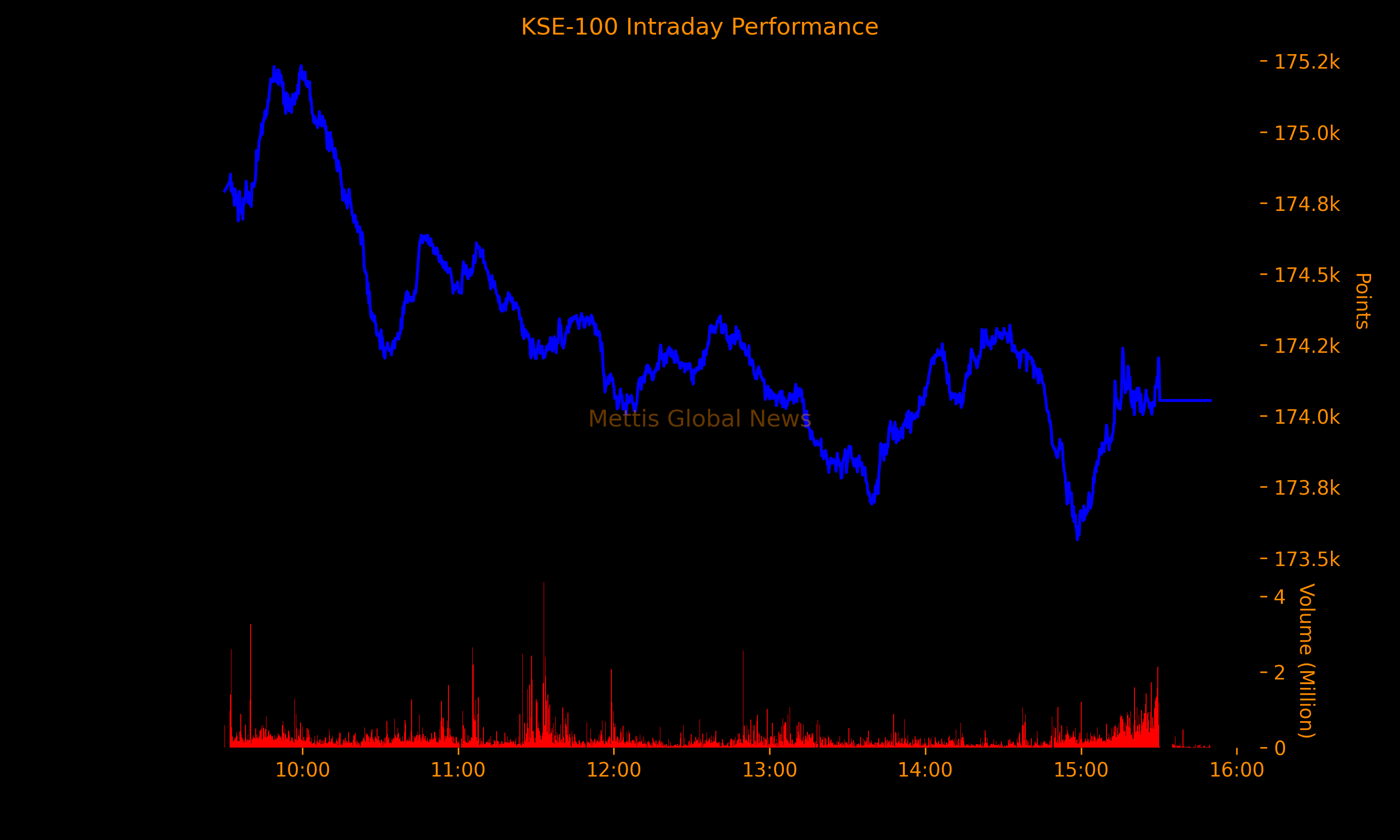
Of the 100 index companies 46 closed up, 53 closed down, while 1 were unchanged.
Top losers during the day were CHCC (-4.60%), DGKC (-3.66%), FCCL (-3.00%), KOHC (-2.92%), and PSEL (-2.81%).
On the other hand, top gainers were JVDC (+10.00%), ATLH (+4.63%), THALL (+4.07%), KEL (+3.67%), and MTL (+2.23%).
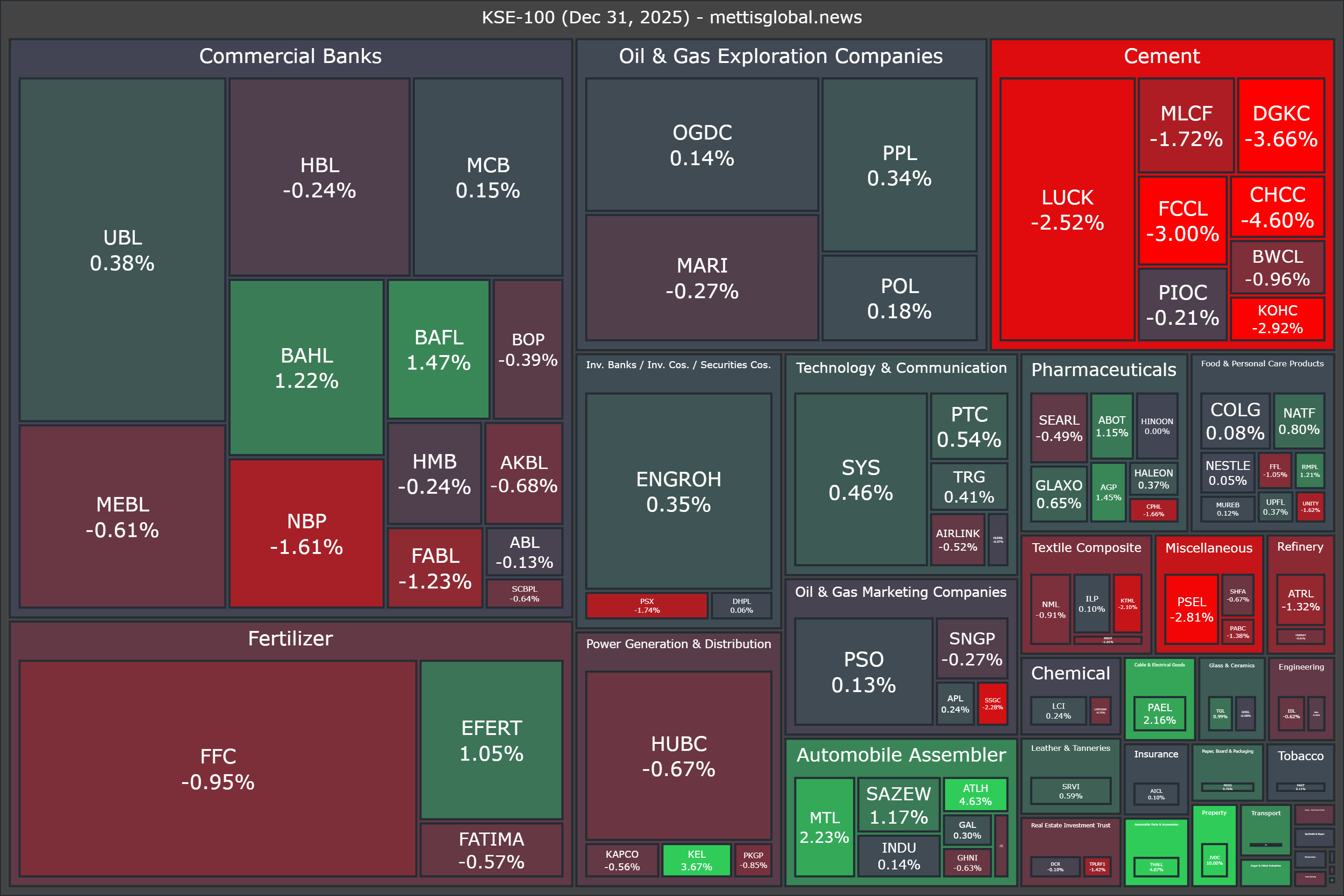
In terms of index-point contributions, companies that dragged the index lower were LUCK (-183.83pts), FFC (-165.49pts), NBP (-68.76pts), DGKC (-65.14pts), and CHCC (-58.53pts).
Meanwhile, companies that added points to the index were BAHL (+59.63pts), JVDC (+58.14pts), EFERT (+48.10pts), UBL (+48.07pts), and BAFL (+38.20pts).
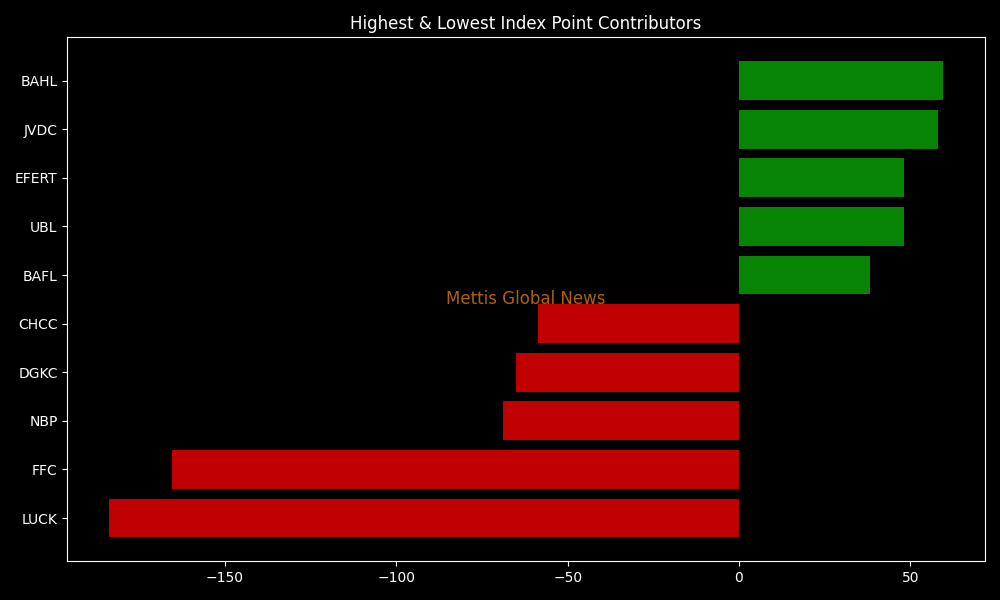
Sector-wise, KSE-100 Index was let down by Cement (-430.81pts), Fertilizer (-126.72pts), Miscellaneous (-45.34pts), Power Generation & Distribution (-32.24pts), and Textile Composite (-23.26pts).
While the index was supported by Automobile Assembler (+75.59pts), Property (+58.14pts), Technology & Communication (+30.07pts), Automobile Parts & Accessories (+29.27pts), and Cable & Electrical Goods (+20.94pts).
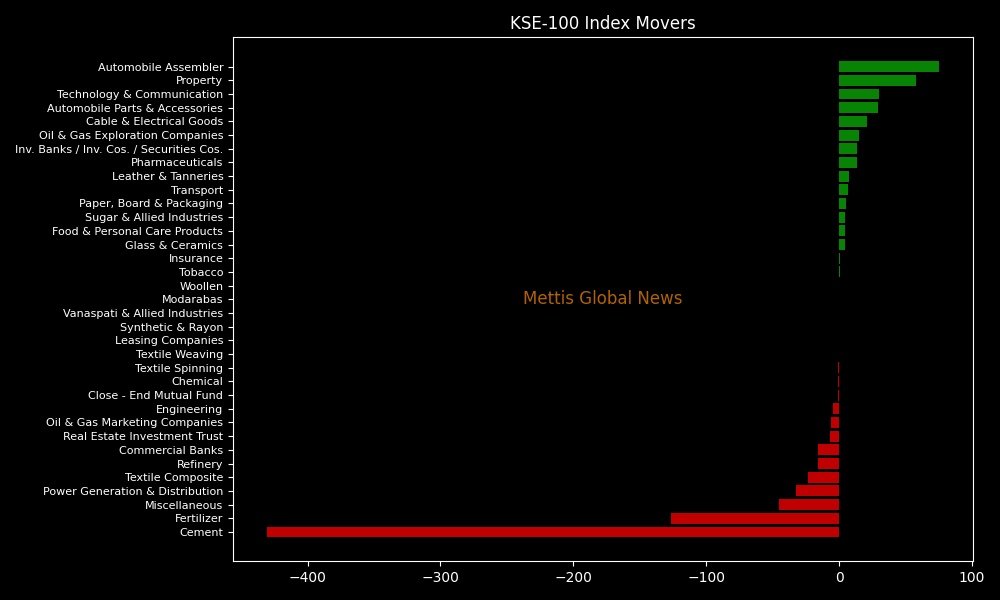
In the broader market, the All-Share Index closed at 104,614.51 with a net loss of 36.82 points or 0.04%.
Total market volume was 957.24 million shares compared to 851.04m from the previous session while traded value was recorded at Rs44.23 billion showing a decrease of Rs0.67bn.
There were 446,072 trades reported in 481 companies with 221 closing up, 223 closing down, and 37 remaining unchanged.
| Symbol | Price | Change % | Volume |
|---|---|---|---|
| KEL | 5.93 | 3.67% | 95,895,736 |
| PIAHCLA | 32.72 | 2.93% | 61,810,848 |
| PIBTL | 18.83 | 1.46% | 47,666,048 |
| TSBL | 3.87 | -3.01% | 47,115,317 |
| WTL | 1.72 | -1.71% | 43,921,211 |
| PAEL | 57.34 | 2.16% | 33,089,548 |
| AGHA | 8.54 | 4.66% | 31,387,400 |
| FNEL | 18.17 | 6.76% | 28,167,321 |
| SLGL | 23.19 | 10.01% | 26,016,067 |
| PTC | 59.47 | 0.54% | 23,847,180 |
To note, the KSE-100 has gained 48,427 points or 38.55% during the fiscal year, whereas it has increased 58,927 points or 51.18% so far this calendar year.
PTCL completes 100% acquisition of Telenor Pakistan

Pakistan Telecommunication Company Limited (PTCL) has completed the acquisition of 100% shareholding of Telenor Pakistan (Private) Limited and Orion Towers (Private) Limited.
The development signifies the conclusion of a transaction that had been disclosed in phases over the past three years, according to the company’s statement issued today.
Earlier communications dated January 31, 2023; August 29, 2023; December 14, 2023; April 8, 2024; June 27, 2024; October 1, 2025; and December 8, 2025 covered phase-wise disclosures relating to the acquisition of Telenor Pakistan (Private) Limited and Orion Towers (Private) Limited (the “Transaction”).
PTCL on December 31, 2025 acquired complete ownership of both entities.
The shares have been duly transferred in the name of Pakistan Telecommunication Company Limited.
At the time of writing, the share price stood at Rs.59.53, up by Rs.0.38 or 0.64%.
DGKC sets LC for 11,000 TPD clinker line
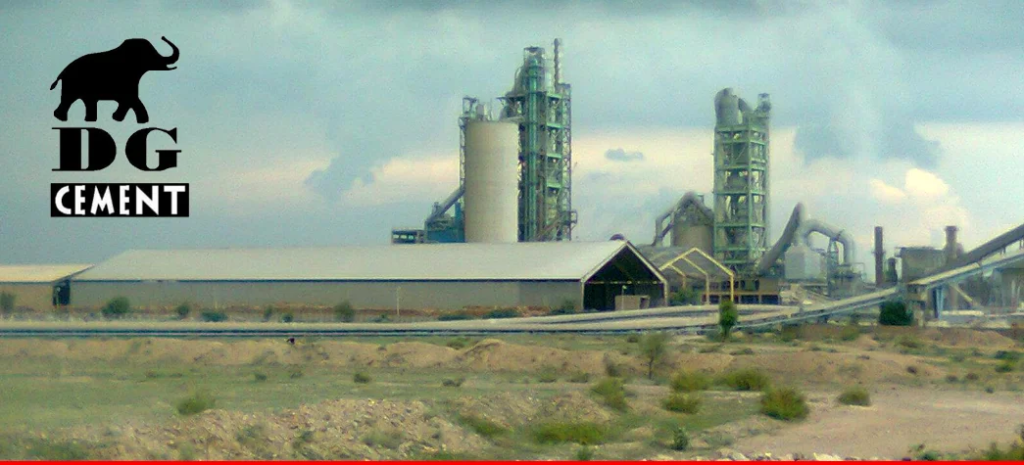
D.G. Khan Cement Company Limited (PSX: DGKC) has established a Letter of Credit for the installation of Pakistan’s largest single clinker production line.
The brownfield project involves setting up an 11,000 tons per day clinker production line at Mauza Khofli Sattai, Dera Ghazi Khan site.
The aforementioned information was disseminated through a notification to Exchange.
At the time of writing, the company’s share price stood at Rs. 237.25, down 1.39 points, or 0.58%.
Gold’s Great Breakout: A Year-End Retrospective on Monetary Policy and Real Assets

As 2025 draws to a close, the financial world is reflecting on a historic year where the tether between paper currency and tangible value finally snapped.
At Mattis Global, our analysis of the Federal Funds Rate (FFR) versus Gold prices reveals a profound shift in global investor sentiment—one that validates our core thesis of transitioning from “Riba” (interest-based debt) to “Bai” (partnership-based real assets).
The Historical Inverse Correlation
A look at the long-term chart shows that Gold and the FFR have historically shared a delicate, often inverse, relationship.
The GFC Era: During the Great Financial Crisis, the Fed slashed rates from 5.25% to near-zero (0.15%) within six months. While markets panicked, Gold remained a pillar of stability.
The $700 to $2,000 Surge: Between 2009 and 2016, as the Fed held rates at historic lows to stimulate growth, Gold prices surged, effectively tripling in value.
The Pandemic Ceiling: During the 2020 COVID-19 crisis, rates were again dropped to zero. However, Gold struggled to decisively break the $2,000 psychological barrier, eventually retreating as the Fed initiated a rapid-fire hiking cycle to combat inflation.
2024-2025: The Year of the Great Decoupling
The real story began in March 2024. As the market shifted its expectations from “higher for longer” to imminent rate cuts, Gold finally shattered the $2,100 ceiling. This breakout opened the proverbial floodgates.
Driven by both FFR cut expectations and actual cuts, Gold embarked on an aggressive bullish channel, reaching an astonishing peak of $4,550 per ounce earlier this year. This was not just a price move; it was a vote of no confidence in the debt-fueled monetary system.
Current Market Pulse: The January 9 Pivot
In recent weeks, Gold has shown negative sensitivity to news suggesting the Fed may pause further cuts. The market is currently “hinged” on the direction of the FFR, which remains a tracker for the broader health of the US economy.
All eyes are now fixed on January 9, 2026, for the release of the Non-Farm Payroll (NFP) data. This report will be the primary catalyst for Gold’s next major move. A weak labor report may force the Fed’s hand toward further cuts, potentially reigniting the rally toward new all-time highs.
Shanghai Exchange pays tribute to Dr. Shamshad Akhtar
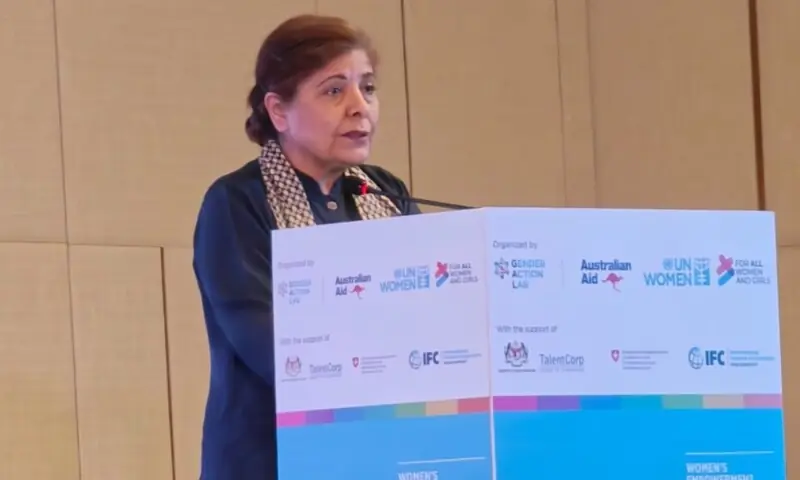
The Pakistan Stock Exchange (PSX) has received a formal letter of condolence from the Shanghai Stock Exchange (SSE) following the sad demise of Dr. Shamshad Akhtar, former Chairperson of the PSX Board.
In the condolence letter addressed to the Board of Directors of Pakistan Stock Exchange Limited, the Shanghai Stock Exchange expressed profound sorrow over the passing of Dr. Shamshad Akhtar.
It described her as a visionary leader and acknowledged her significant contributions to Pakistan’s economy and capital markets.
On behalf of the Shanghai Stock Exchange, the letter conveyed deepest sympathies to the PSX Board, management, employees, and Dr. Akhtar’s family.
It highlighted her instrumental role in strengthening economic cooperation between Pakistan and China, particularly in the area of capital market collaboration.
The letter also recalled the growing partnership between PSX and SSE, noting that Pakistan Stock Exchange entered into a Memorandum of Understanding (MoU) with the Shanghai Stock Exchange last year.
It further acknowledged that cooperation in training and market data sharing had made meaningful progress under Dr. Akhtar’s leadership.
Recognising the loss as immense, the Shanghai Stock Exchange stated that Dr. Akhtar’s legacy, leadership, and accomplishments would undoubtedly endure and continue to inspire the capital market community.
The message concluded by reaffirming solidarity with Pakistan Stock Exchange during this period of grief and transition, offering full support to the Board and the broader PSX family.
Shanghai Exchange pays tribute to Dr. Shamshad Akhtar
The Pakistan Stock Exchange (PSX) has received a formal letter of condolence from the Shanghai Stock Exchange (SSE) following the sad demise of Dr. Shamshad Akhtar, former Chairperson of the PSX Board.
In the condolence letter addressed to the Board of Directors of Pakistan Stock Exchange Limited, the Shanghai Stock Exchange expressed profound sorrow over the passing of Dr. Shamshad Akhtar.
It described her as a visionary leader and acknowledged her significant contributions to Pakistan’s economy and capital markets.
On behalf of the Shanghai Stock Exchange, the letter conveyed deepest sympathies to the PSX Board, management, employees, and Dr. Akhtar’s family.
It highlighted her instrumental role in strengthening economic cooperation between Pakistan and China, particularly in the area of capital market collaboration.
The letter also recalled the growing partnership between PSX and SSE, noting that Pakistan Stock Exchange entered into a Memorandum of Understanding (MoU) with the Shanghai Stock Exchange last year.
It further acknowledged that cooperation in training and market data sharing had made meaningful progress under Dr. Akhtar’s leadership.
Recognising the loss as immense, the Shanghai Stock Exchange stated that Dr. Akhtar’s legacy, leadership, and accomplishments would undoubtedly endure and continue to inspire the capital market community.
The message concluded by reaffirming solidarity with Pakistan Stock Exchange during this period of grief and transition, offering full support to the Board and the broader PSX family.
DGKC sets LC for 11,000 TPD clinker line
D.G. Khan Cement Company Limited (PSX: DGKC) has established a Letter of Credit for the installation of Pakistan’s largest single clinker production line.
The brownfield project involves setting up an 11,000 tons per day clinker production line at Mauza Khofli Sattai, Dera Ghazi Khan site.
The aforementioned information was disseminated through a notification to Exchange.
At the time of writing, the company’s share price stood at Rs. 237.25, down 1.39 points, or 0.58%.
Thatta Cement expands wind power capacity
Thatta Cement Company Limited (PSX: THCCL) is advancing its renewable energy strategy following the successful completion and commissioning of its 4.8 MW wind power project.
The company’s Board of Directors has approved the development of an additional wind power project with an installed capacity of 7.5 MW, according to the company’s statement issued today.
Upon completion of the new project, the company’s total installed renewable energy capacity will rise to 17.3 MW.
This will comprise two wind power projects with capacities of 4.8 MW and 7.5 MW, alongside an existing 5 MW solar power installation.
The expansion is expected to significantly strengthen the share of renewable energy in the company’s overall energy mix and underscores its continued commitment to sustainable and environmentally responsible practices.
The investment in renewable energy projects is anticipated to deliver substantial cost savings while supporting efforts to reduce the country’s dependence on fossil fuels.
At the time of writing, the company’s share price stood at Rs 84.70, down Rs 2.10, or 2.54%.
Pakistan, ADB formalize $304m climate resilience projects
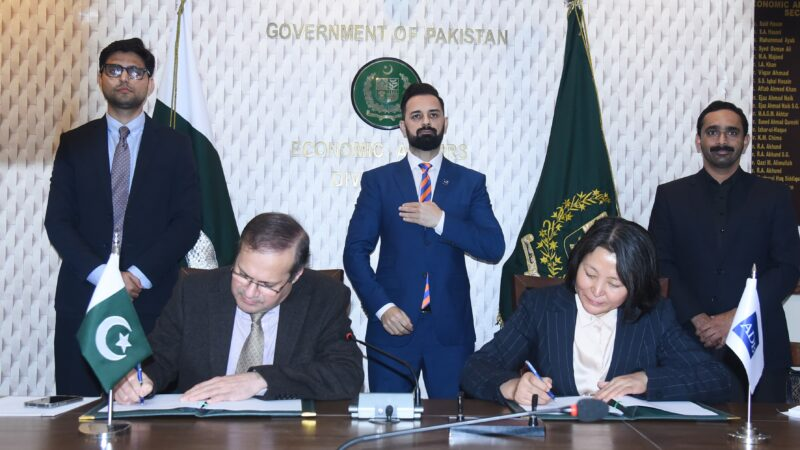
Pakistan and the Asian Development Bank (ADB) have formalized two climate resilience projects valued at 304.5 million dollars through agreements signed on Tuesday.
The documents were signed by Secretary Economic Affairs Muhammad Humair Karim on behalf of the Government of Pakistan, while ADB was represented by its Country Director, Ms. Emma Fan, according to a press release issued.
The initiatives include the Sindh Coastal Resilience Sector Project, costing $180.5m, and the Punjab Climate Resilient and Low Carbon Agriculture Mechanization Project with an allocation of $124m.
The Sindh project focuses on improving water management and flood protection systems, rehabilitating natural coastal barriers, and enhancing the capacity of institutions and local communities for effective climate planning.
More than 3.8 million residents of Thatta, Sujawal, and Badin districts are expected to benefit.
The Punjab agriculture project aims to strengthen climate-resilient farming practices in 30 districts of the province.
Key components include providing small farmers with access to climate-friendly machinery, promoting residue management to discourage crop burning, setting up training and testing centers, and supporting the economic empowerment of 15,000 women through skills development and diversified livelihoods.
Pakistan’s economy expands 3.71% in Q1FY26
Pakistan’s economy registered a notable acceleration in the first quarter of fiscal year 2025-26, with Gross Value Added (GVA) growing 3.71% year-on-year, according to the latest Quarterly National Accounts (QNA) released by the Pakistan Bureau of Statistics (PBS).
The estimates, approved by the 115th National Accounts Committee (NAC) on December 30, 2025, also incorporate revisions to all four quarters of FY25, reflecting updated data from public and private sector sources.
The improvement in overall economic performance marks a clear turnaround from 1.56% growth recorded in the same quarter last year.
The recovery was largely driven by a sharp rebound in industrial activity, while services maintained moderate expansion and agriculture showed gradual improvement.
Quarterly GDP Growth by Sector (%)
| Sector | FY25 Q1 | FY26 Q1 |
|---|---|---|
| Agriculture | 1.01 | 2.89 |
| Industry | 0.12 | 9.38 |
| Services | 2.24 | 2.35 |
| Total GDP (GVA) | 1.56 | 3.71 |
Source: QNA Q1FY26
The summary data shows that industry emerged as the principal growth engine, lifting overall GDP growth.
Services continued to provide stability, while agriculture, despite structural weaknesses, posted a better performance compared to last year’s low base.
Agriculture recorded 2.89% growth in Q1 FY26, nearly tripling from last year’s 1.01%. However, this improvement was uneven across sub-sectors.
Crop production remained under pressure, with the crops sub-sector contracting by 3.65%, largely due to continued weakness in cotton output and declining performance of other crops.
Important crops showed marginal improvement compared to last year but remained in negative territory, while cotton ginning suffered a sharper contraction, reflecting lower cotton arrivals.
Despite this, livestock provided strong support to agricultural growth, expanding 6.29%, significantly higher than the previous year.
The increase was primarily attributed to a decline in input costs, particularly green fodder prices, which improved margins for livestock producers.
Forestry and fishing sectors recorded modest growth, maintaining their historical trends.
Agriculture Sector Growth (%)
| Sub-Sector | FY25 Q1 | FY26 Q1 |
|---|---|---|
| Crops | -0.75 | -3.65 |
| Livestock | 1.97 | 6.29 |
| Forestry | 0.48 | 2.13 |
| Fishing | -0.07 | 0.91 |
Source: QNA Q1FY26
The industrial sector delivered a robust 9.38% expansion, a sharp reversal from near stagnation a year earlier.
Manufacturing growth strengthened to 5.78%, supported by recovery in both large-scale and small-scale manufacturing.
Large-scale manufacturing turned positive after contraction last year, with strong contributions from automobiles, transport equipment, food products, non-metallic mineral products and rubber-based industries, although machinery and equipment continued to lag.
Construction activity emerged as a major driver, growing 21.03%, underpinned by a significant increase in cement production and improved performance across key construction indicators.
Energy-related industries also posted exceptional growth, as electricity, gas and water supply expanded 25.46%, reflecting higher output from power companies, a substantial increase in government subsidies, and a decline in electricity price deflators.
In contrast, mining and quarrying remained in contraction, reflecting lower production of gas, crude oil, limestone and other minerals.
Industrial Sector Growth (%)
| Sub-Sector | FY25 Q1 | FY26 Q1 |
|---|---|---|
| Manufacturing | 1.78 | 5.78 |
| Construction | -3.29 | 21.03 |
| Electricity, Gas & Water | -0.77 | 25.46 |
| Mining & Quarrying | -5.80 | -4.13 |
Source: QNA Q1FY26
The services sector recorded 2.35% growth, broadly stable compared to the same quarter last year, though underlying performance varied significantly across segments.
Wholesale and retail trade showed improvement, benefiting from stronger agricultural and manufacturing output.
Transport and storage activity also strengthened, supported by higher production of commercial vehicles and lower price deflators.
Accommodation and food services continued their steady upward trend, while finance and insurance rebounded sharply from last year’s contraction, reflecting improved financial sector performance.
Public administration and social security posted strong growth, driven by revised government budget data across federal, provincial and local governments.
Education and health services also expanded at a faster pace, supported by updated information from the private sector and the budget.
However, the information and communication sector experienced a sharp contraction of 28.70%, primarily due to a decline in the output of mobile telecommunications companies, which weighed on overall services growth.
Services Sector Growth (%)
| Sub-Sector | FY25 Q1 | FY26 Q1 |
|---|---|---|
| Wholesale & Retail Trade | 0.56 | 3.08 |
| Transport & Storage | 1.95 | 3.16 |
| Finance & Insurance | -3.51 | 10.36 |
| Information & Communication | 3.44 | -28.70 |
| Public Administration | 3.73 | 8.08 |
Source: QNA Q1FY26
Overall, the Q1 FY26 figures suggest that Pakistan’s economic recovery is increasingly being powered by industry and public-sector-driven services, while agriculture continues to face structural challenges, particularly in crop production.
The sustainability of this momentum will become clearer with the release of Q2 FY26 estimates, scheduled for the last week of March 2026, PBS said.
PSX crosses 174,000 milestone for first time with strong investor confidence

PSX hit a historic high of 174,411 points, rising over 1,900 points in intraday trading. Investor confidence drove the surge, with the KSE-100 index closing at 172,400.73 points on Friday.
The Pakistan Stock Market (PSX) kicked off the new business week on a strong note as it has crossed the 174,000 points mark for the first time in history, reflecting growing investor confidence.
During intraday trading, the market saw a sharp rise, with the benchmark KSE-100 Index gaining more than 1,900 points. The index reached a record high of 174,411 points, marking a major achievement for the stock market.
The sharp increase in stock market points reflects strong investor confidence and positive market sentiment, which continues to drive growth in the stock exchange.
On Friday, the benchmark index closed on bullish note, gaining 1,570.51 points, a positive change of 0.92 percent, to settle at 172,400.73 points compared to 170,830.22 points on the previous trading day, according to PSX data.
During the session, the ready market witnessed a trading volume of 797.999 million shares with a traded value of Rs 38.062 billion, against 811.558 million shares valuing Rs 29.795 billion in the previous session. Market capitalization increased to Rs 19.465 trillion from Rs 19.361 trillion a day earlier.
Out of 482 active companies in the ready market, 221 advanced, 229 declined, while 32 remained unchanged.
Pakistan seeks to convert $1b UAE deposit into investment: DPM
On Saturday, Deputy Prime Minister and Foreign Minister Ishaq Dar said Pakistan is seeking to convert part of its financial support from the United Arab Emirates into long-term investment to reduce external debt.
The statement came after talks with UAE President Sheikh Mohamed bin Zayed Al Nahyan during his visit to Islamabad.
Dar said Pakistan was engaged with the UAE on converting $1 billion in deposits into equity investment, potentially involving stakes in companies linked to the Fauji Fertilizer Group, a move that would end Pakistan’s repayment obligation on that portion of the funds.
Speaking at a year-end briefing, Dar said Pakistan had already begun discussions with the UAE on rolling over the first $1 billion tranche, but Islamabad now wanted to replace short-term borrowing with investment.
“They will be acquiring some shares, and this liability will end,” Dar said, adding that discussions were under way for the transaction to be completed by March 31.
CCP steps up crackdown on deceptive marketing in 2025

The Competition Commission of Pakistan (CCP) significantly stepped-up enforcement during 2025, cracked down on deceptive marketing practices across real estate, consumer goods, automobiles, education, cosmetics, and agricultural machinery to protect consumers and ensure fair competition.
In the real estate sector, the CCP launched a major inquiry into misleading advertisements by housing societies and developers after intelligence from its Market Intelligence Unit (MIU) and Office of Fair Trade (OFT) revealed widespread misrepresentation, according to a press release issued.
Many projects falsely claimed to be located in the Islamabad Capital Territory (ICT) or misled consumers by portraying themselves as approved by the Capital Development Authority (CDA).
The Commission invited consumers, investors, and overseas Pakistanis to submit evidence through its online complaint portal.
A case involved Kingdom Valley (Pvt.) Limited, which was fined Rs150 million for falsely marketing “Kingdom Valley Islamabad,” misrepresenting associations with the Naya Pakistan Housing Program and NAPHDA, and making deceptive NOC claims.
During 2025, the Islamabad High Court dismissed the company’s writ petition, while the Competition Appellate Tribunal (CAT) rejected a stay on penalty recovery.
The CCP recovered Rs27m by attaching bank accounts, and the CAT ordered the company to deposit 50% of the penalty and submit post-dated cheques for the remaining amount.
In the consumer goods sector, the CCP conducted a nationwide investigation into mercury-based skin whitening creams.
The probe found several products containing dangerously high mercury levels while falsely claiming to be safe, with the toxic ingredient concealed from product labels, posing serious health risks.
The automobile sector also saw enforcement action, as the CCP imposed a Rs25m fine on Nishat Hyundai Motors for deceptive pricing practices during the launch of the Hyundai Tucson.
The Commission found that so-called “introductory prices” were offered for less than 24 hours before an immediate increase, with disclaimers displayed in barely readable text.
In education, British Lyceum (Pvt.) Limited was fined Rs5m for a misleading newspaper advertisement that exaggerated teachers’ salaries and made unverifiable claims about the institution’s size, affiliations, and governance.
The agricultural machinery sector faced similar scrutiny, with Al-Ghazi Tractors Limited fined Rs40m for falsely claiming “up to 30% extra diesel savings,” a claim the CCP ruled was unsubstantiated and misleading for farmers.
Meanwhile, the Competition Appellate Tribunal upheld several key CCP enforcement actions during 2025. CAT dismissed Reckitt Benckiser’s appeal in the Strepsils case due to non-prosecution, effectively maintaining a Rs150m penalty for misleading health claims.
It also upheld CCP’s findings against At-Tahur (Pvt.) Limited (PREMA Milk) for harmful misleading comparative advertising.
In another case, the Tribunal confirmed CCP’s decision against 3N LIFEMED Pharmaceuticals for falsely claiming international quality certifications, though it reduced the penalty on mitigating grounds.
CAT further upheld the order against Diamond Paints for deceptive marketing, reducing the fine in light of the company’s admission and compliance-focused conduct.
PKR remains flat against USD
The Pakistani rupee (PKR) gained by 0.87 paisa or 0.00% against the US dollar in Tuesday’s interbank session to settle the trade at PKR 280.15 per USD, compared to previous closing of 280.16.
Throughout the day, the currency saw an intraday high (bid) of 280.15 and a low (ask) of 280.15.

In the open market, exchange companies quoted the dollar at 280.50 for buying and 281.25 for selling.
In comparison to major currencies, PKR appreciated 20.64 paisa or 0.06% against the Euro, closing at 329.64 compared to the previous value of 329.85.
Against the British Pound, PKR weakened by 73.07 paisa or 0.19% to 378.44 compared to 377.71 a day ago.
The local unit strengthened 10.10 paisa or 0.03% against Swiss franc to close at 354.98.
Against the Japanese Yen, PKR’s value fell 0.25 paisa or 0.14% to close the session at 1.7968 versus 1.7943 a day ago.
Pakistani Rupee weakened 10.02 paisa or 0.25% against Chinese Yuan to close at 40.07 from 39.97.
The local currency rose by 0.44 paisa or 0.01% against Saudi Riyal to 74.69. While it decreased by 0.18 paisa or 0.00% against the U.A.E Dirham to close at 76.28.
During the current fiscal year, PKR has gained against the US Dollar by 3.61 rupees or 1.29%. While it has decreased 1.60 rupees or 0.57% so far this calendar year.In the Money Market, the benchmark 6 Month Karachi Interbank Bid and Offer rates unchanged by 0bps to 10.40% and 10.65%.

Performance Summary
| Currency | Dec 30, 2025 | Dec 29, 2025 | 1D | 7D | 1M | FYTD | CYTD | |||||
|---|---|---|---|---|---|---|---|---|---|---|---|---|
| USD | 280.1515 | 280.1602 | 0.0087 | 0.00% | 0.0598 | 0.02% | 0.3716 | 0.13% | 3.6130 | 1.29% | -1.6015 | -0.57% |
| EUR | 329.6403 | 329.8467 | 0.2064 | 0.06% | 0.4766 | 0.14% | -4.9488 | -1.50% | 3.0168 | 0.92% | -39.5583 | -12.00% |
| GBP | 378.4427 | 377.7120 | -0.7307 | -0.19% | -0.0033 | -0.00% | -7.8296 | -2.07% | 10.4139 | 2.75% | -28.7371 | -7.59% |
| CHF | 354.9817 | 355.0827 | 0.1010 | 0.03% | 0.1432 | 0.04% | -6.9381 | -1.95% | 0.3457 | 0.10% | -46.5440 | -13.11% |
| JPY | 1.7968 | 1.7943 | -0.0025 | -0.14% | -0.0006 | -0.03% | -0.0024 | -0.13% | 0.1732 | 9.64% | -0.0134 | -0.75% |
| SAR | 74.6911 | 74.6955 | 0.0044 | 0.01% | 0.0180 | 0.02% | 0.0861 | 0.12% | 0.9693 | 1.30% | -0.5495 | -0.74% |
| AED | 76.2815 | 76.2797 | -0.0018 | -0.00% | 0.0121 | 0.02% | 0.0960 | 0.13% | 0.9859 | 1.29% | -0.4453 | -0.58% |
| CNY | 40.0723 | 39.9721 | -0.1002 | -0.25% | -0.2025 | -0.51% | -0.4386 | -1.09% | -0.4689 | -1.17% | -1.9108 | -4.77% |
52 Week Performance
| Currency | High | Low | Trading Band | % Since High | % Since Low | High Date | Low Date | Days Since High | Days Since Low |
|---|---|---|---|---|---|---|---|---|---|
| USD | 278.4772 | 284.9710 | 6.4938 | -0.60% | 1.72% | 30-Dec-24 | 22-Jul-25 | 365 | 161 |
| EUR | 284.6665 | 335.1574 | 50.4909 | -13.64% | 1.67% | 13-Jan-25 | 03-Jul-25 | 351 | 180 |
| GBP | 338.2418 | 390.0418 | 51.8000 | -10.62% | 3.06% | 13-Jan-25 | 26-Jun-25 | 351 | 187 |
| CHF | 303.4906 | 359.7698 | 56.2792 | -14.51% | 1.35% | 03-Feb-25 | 23-Jul-25 | 330 | 160 |
| JPY | 1.7586 | 1.9999 | 0.2413 | -2.13% | 11.30% | 10-Jan-25 | 22-Apr-25 | 354 | 252 |
| SAR | 74.1416 | 75.9801 | 1.8385 | -0.74% | 1.73% | 31-Dec-24 | 16-Jul-25 | 364 | 167 |
| AED | 75.8163 | 77.5864 | 1.7701 | -0.61% | 1.71% | 30-Dec-24 | 22-Jul-25 | 365 | 161 |
| CNY | 37.9910 | 40.0723 | 2.0813 | -5.19% | 0.00% | 10-Jan-25 | 30-Dec-25 | 354 | 0 |
Gold price in Pakistan falls Rs10,700 per tola

Gold price in Pakistan decreased on Tuesday, with 24-karat gold being sold at Rs459,462 per tola, down Rs10,700.
Similarly, 24-karat gold per 10-gram was sold at Rs393,914 after a decline of Rs9,174, according to rates shared by the All-Pakistan Gems and Jewelers Sarafa Association (APGJSA).
The price of 22-karat gold was also quoted lower at Rs361,100 per 10-gram.
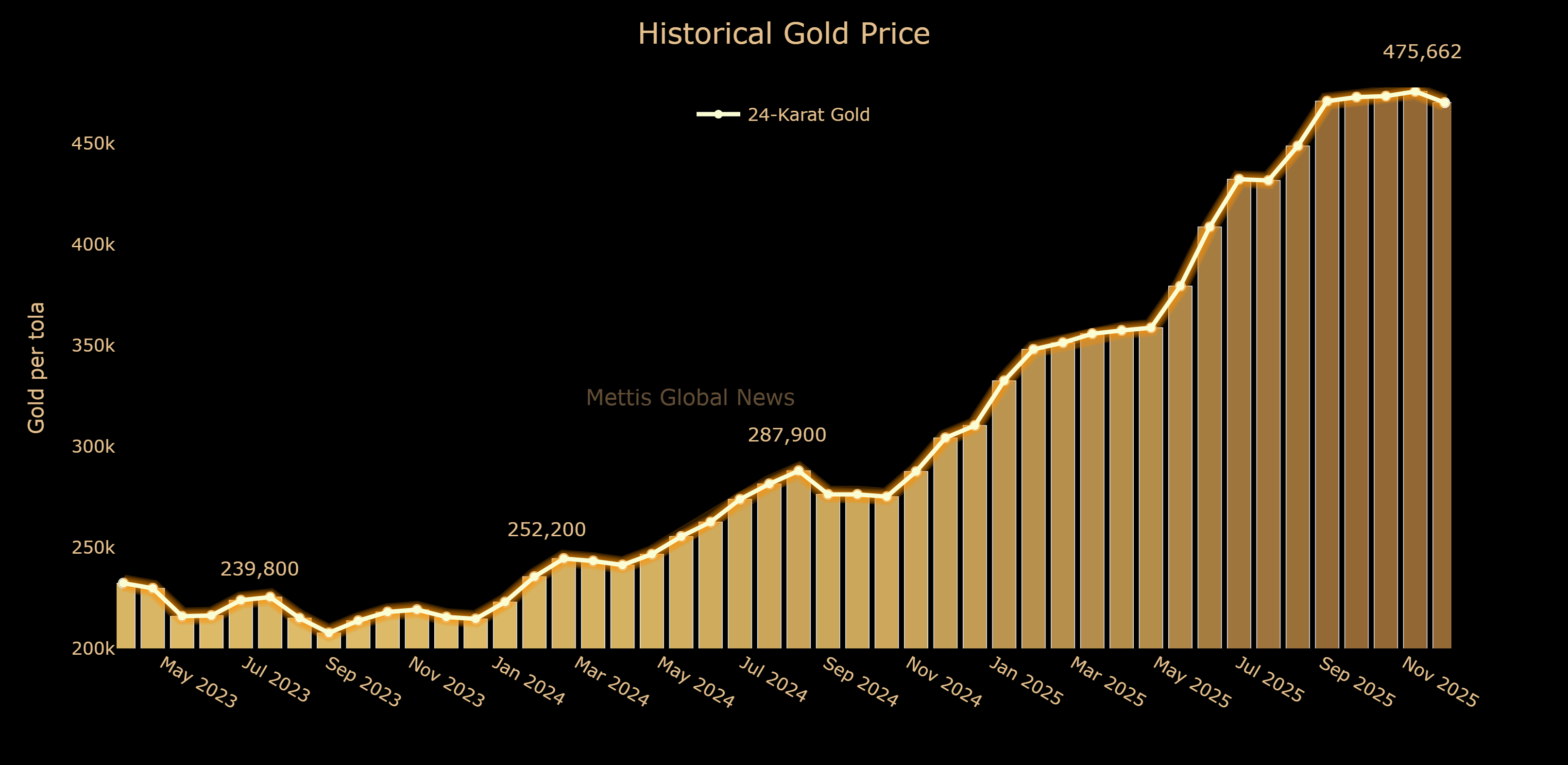
Similarly, silver prices fell in the domestic market, with 24-karat silver being sold at Rs7,930 per tola (-Rs145) and Rs6,798 per 10-gram (-Rs125).
| PKR (24-karat per tola) | Dec 30, 2025 | Dec 29, 2025 | DoD | 1 Month | FYTD | CYTD |
|---|---|---|---|---|---|---|
| Gold | 459,462 | 470,162 | -10,700 | 12,600 | 109,262 | 186,862 |
| Silver | 7,930 | 8,075 | -145 | 1,967 | 4,148 | 4,580 |
Globally, spot gold traded near $4,369 an ounce, up $23.9 or 0.55% from the previous session, as it reversed a 14 day slump caused by year-end profit-taking that pulled precious metals lower from their recent highs.
Pakistan introduces first Skills Impact Bond

Pakistan has put in place its first private-capital-funded Skills Impact Bond, backed by a Rs1bn guarantee from the Ministry of Finance.
The initiative introduces an outcome-linked financing structure for technical and vocational training that ties public repayments to employment results rather than upfront spending.
The Pakistan Skills Impact Bond (PSIB) is structured as a three-year instrument, with the initial Rs1bn pilot tranche guaranteed by the federal government, according to the press release.
The programme is designed to fund large-scale technical skills training.
Repayments are conditioned on independently verified outcomes, including certification, job placement and a minimum six-month employment retention period for each trainee.
Unlike traditional public sector training programmes that disburse funds based on inputs such as enrolment or infrastructure, the PSIB shifts financial risk to private investors, who provide upfront capital.
Government-backed payments are triggered only if agreed outcomes are achieved.
Those involved in the programme said subsequent tranches are expected to progressively reduce reliance on sovereign guarantees.
They are also expected to introduce partial repayment mechanisms linked to a nominal share of trainee salaries, creating a more sustainable, market-linked model.
The initiative is anchored within Pakistan’s newly developed Social Impact Financing Framework.
The framework identifies education and human capital as the top national priority, followed by gender equality, health and well-being, population stabilisation, climate resilience, and poverty and migration.
The framework was developed through a multi-stakeholder process involving policymakers, development partners, financial institutions, technology providers and international organisations.
The skills bond is being implemented through the National Vocational and Technical Training Commission (NAVTTC), which will oversee programme execution, training standards and outcome verification.
The Bank of Punjab is participating as a key financial partner, while the British Asian Trust is acting as programme manager.
The UK’s Foreign, Commonwealth & Development Office (FCDO) is also supporting the initiative.
According to programme details, at least 40% of trainees under the PSIB will be women, reflecting efforts to address gender gaps in workforce participation and income generation.
The training focus includes technical and high-value digital skills aligned with domestic industry demand and overseas employment markets, as well as Pakistan’s growing freelance economy.
Finance Minister Senator Muhammad Aurangzeb said the government’s role in providing the Rs1bn guarantee is intended to be catalytic rather than permanent.
The measure is aimed at attracting private capital and establishing credibility for outcome-based social financing in Pakistan.
He noted that the longer-term objective is to transition toward a model that operates without government balance-sheet exposure and draws participation from institutional and capital market investors.
The launch event also included the signing of financing documents, including investor and issuer agreements, formalising the structure of the bond and the roles of participating stakeholders.
Senior government officials, development partners, private sector representatives and international organisations attended the ceremony.
NAVTTC Executive Director Muhammad Amir Jan said the programme shows a shift toward a demand-driven and outcome-based skills ecosystem.
The approach is supported by governance reforms, enhanced financial transparency, stronger provincial coordination and closer industry linkages.
He added that skills training is being repositioned as a strategic investment in human capital rather than a series of standalone interventions.
Federal Minister for Education and Professional Training Dr. Khalid Maqbool Siddiqui described the initiative as part of broader efforts to strengthen education and skills systems amid economic and demographic pressures.
Representatives from the Bank of Punjab, the British Asian Trust and the British High Commission also outlined their respective roles in supporting the programme.
The PSIB marks Pakistan’s first application of a social impact bond structure in the skills and employment sector, introducing performance-linked financing.
The model comes at a time when policymakers are seeking to improve training effectiveness, employment outcomes and fiscal efficiency while leveraging private capital for public policy goals.
Gold price in Pakistan falls Rs10,700 per tola
Gold price in Pakistan decreased on Tuesday, with 24-karat gold being sold at Rs459,462 per tola, down Rs10,700.
Similarly, 24-karat gold per 10-gram was sold at Rs393,914 after a decline of Rs9,174, according to rates shared by the All-Pakistan Gems and Jewelers Sarafa Association (APGJSA).
The price of 22-karat gold was also quoted lower at Rs361,100 per 10-gram.
Similarly, silver prices fell in the domestic market, with 24-karat silver being sold at Rs7,930 per tola (-Rs145) and Rs6,798 per 10-gram (-Rs125).
| PKR (24-karat per tola) | Dec 30, 2025 | Dec 29, 2025 | DoD | 1 Month | FYTD | CYTD |
|---|---|---|---|---|---|---|
| Gold | 459,462 | 470,162 | -10,700 | 12,600 | 109,262 | 186,862 |
| Silver | 7,930 | 8,075 | -145 | 1,967 | 4,148 | 4,580 |
Globally, spot gold traded near $4,369 an ounce, up $23.9 or 0.55% from the previous session, as it reversed a 14 day slump caused by year-end profit-taking that pulled precious metals lower from their recent highs.
Pak Qatar Family Takaful debuts on PSX tomorrow
Pak Qatar Family Takaful Limited will commence trading on its Main Board starting Wednesday, December 31, 2025, with settlement on a T+2 basis, and make the first settlement date Friday, January 2, 2026.
The company’s shares, with a face value of Rs10 each, will open at Rs18.02 per share, as determined through the Book Building process, according to a notice by the exchange.
The shares are eligible for settlement via the Central Depository Company (CDC) and the National Clearing Company of Pakistan Limited (NCCPL), where the company will trade under the symbol “PAKQATAR.”
Pak Qatar Family Takaful will be listed in the “Insurance” sector of PSX and is considered Shariah-compliant, qualifying for inclusion in the PSX-KMI All Share Islamic Index (KMIALLSHR).
The company’s share registrar is M/s CDC Share Registrar Services Limited, located at CDC House, Karachi.
Retail payment volumes reach 2.8bn in Q1FY26
Retail payment activity in Pakistan climbed to 2.8bn transactions in the first quarter of FY26, with digital channels accounting for 90% of total volumes, showing the accelerating shift toward mobile and app-based banking.
According to first quarterly payment systems review of FY26 published by State Bank of Pakistan (SBP).
The total value of retail payments reached Rs166tr during the quarter, up 6% from the previous quarter, while transaction volumes rose 10% on a quarterly basis.
Growth was largely driven by increased usage of mobile banking applications across banks, branchless banking providers and electronic money institutions.
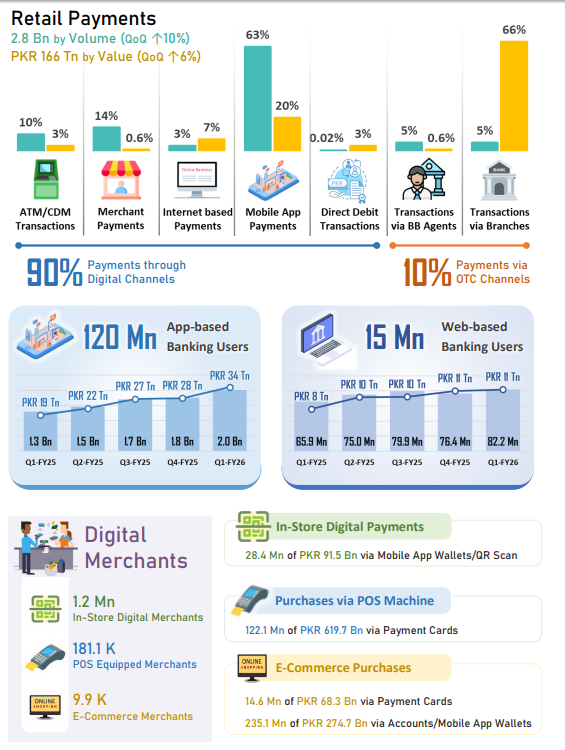
Digital payment channels processed 2.5bn transactions during the quarter, compared to 87% of total retail payments in the same period last year.
The value of transactions routed through digital platforms stood at Rs55tr, highlighting their expanding role in everyday financial activity.
Mobile app-based payments remained the dominant digital channel, handling 2.0bn transactions with a combined value of Rs33.7tr.
These payments accounted for 81% of all digital transactions and were used for person-to-person transfers, bill payments and merchant transactions across online and physical retail outlets.
The Raast instant payment system continued to record strong growth. Person-to-person transactions rose 31% to 535m, valued at Rs11.3tr.
Person-to-merchant transactions doubled to 4.3m, amounting to Rs17.0bn.
In total, Raast processed 544m transactions worth Rs12.8tr during the quarter.
Internet banking usage also increased, while the number of payment cards in circulation reached 61.3m.
Debit cards accounted for 90% of the total, while credit cards made up around 4%.
Card-based payments at point-of-sale terminals and through e-commerce platforms averaged 1.5m transactions per day.
The country’s network of 20,527 ATMs processed 267m transactions worth Rs4.5tr, with each ATM handling an average of 142 transactions daily and an average transaction size of Rs16,800.
Despite the rapid growth in digital payments, physical channels remained active.
Bank branches processed 137m transactions amounting to Rs110tr, while 756,480 branchless banking agents facilitated 129m transactions valued at Rs0.9tr through over-the-counter services.
The data points to a continued structural shift in Pakistan’s payment ecosystem, with digital platforms increasingly driving transaction volumes while traditional channels continue to support high-value and cash-based payments.
Gold recovers from recent pullback

Gold prices made a strong comeback on Tuesday, reversed a 14 day slump caused by year-end profit-taking that pulled precious metals lower from their recent highs.
However, spot gold was down 3.79% at $4,360.71 an ounce as of [11:49 am] PST, from record high of over 4,500, according to data reported by Mettis Global.
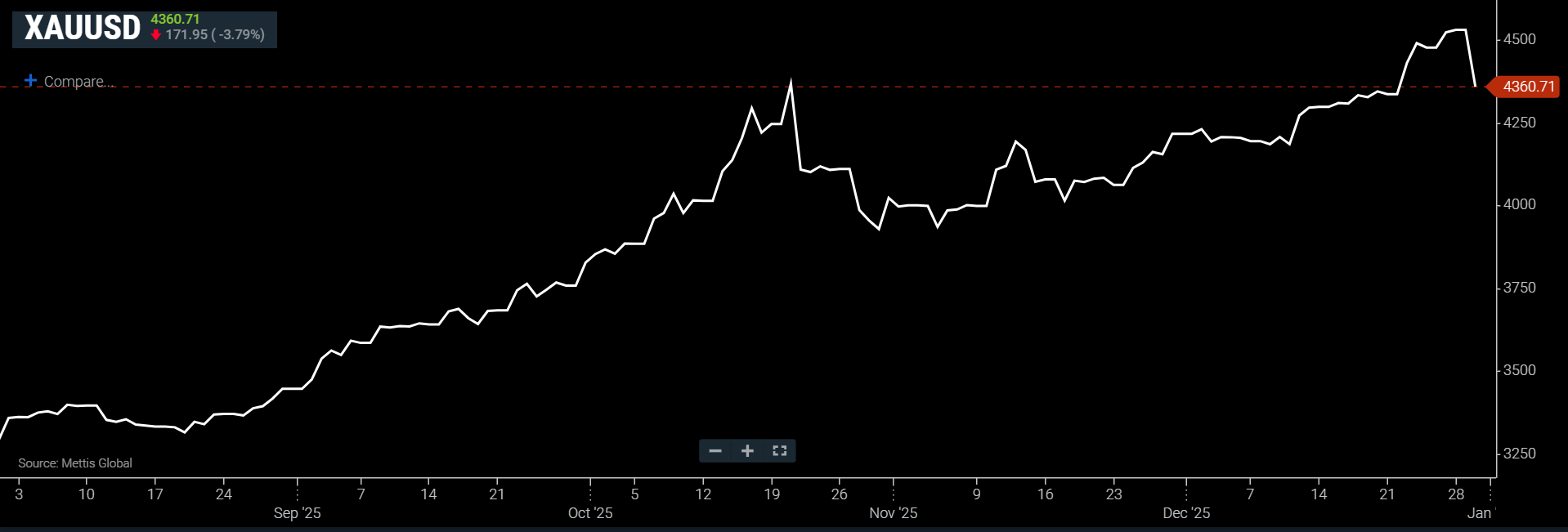
U.S. gold futures for February delivery rose 0.8% to $4,377.80 per ounce.
“The recent surge in gold had become stretched, leaving leveraged long positions vulnerable to a pullback,” said Kelvin Wong, senior market analyst at OANDA, according to CNBC.
Both gold and silver saw their relative strength indices (RSI) fall from overbought territory earlier this week, which signaled a cooling in momentum.
Bullion has enjoyed a remarkable 2025, climbing 66% year-to-date.
Silver also rebounded, rising 3% to $74.41 per ounce after hitting an all-time high of $83.62 in the previous session.
Despite Monday’s steep decline the largest daily drop since August 2020 silver remains up driven by its classification as a critical U.S. mineral, supply shortages, and growing industrial and investment demand.
Other precious metals followed a similar trend. Spot platinum gained 1.1% to $2,132.86 per ounce after recording its biggest single-day drop on Monday, while palladium rose 1.1% to $1,634.29 per ounce following a 16% decline in the previous session.
PBA contextualizes ADR, IDR trends, urges reforms
The Pakistan Banks Association (PBA) has responded to recent media reports on the banking sector and emphasized that some coverage relying on outdated statistics provides an incomplete picture of current performance.
The PBA clarified that reports citing an Advance-to-Deposit Ratio (ADR) of 35% are based on June 2025 data.
Lending activity has since picked up, with the ADR rising to around 38% by November 2025, according to a press release issued.
This growth is fueled by Rs 1.5tr in new private sector credit during the current fiscal year, reflecting active deployment of liquidity by banks.
Addressing comparisons with regional peers such as India and Bangladesh, the PBA said these are misleading unless fiscal frameworks are also considered.
Unlike its neighbors, Pakistan relies heavily on commercial banks to finance the government’s operations, with banks shouldering nearly 99.8% of the deficit financing.
The Association noted that such structural burdens make it unrealistic to expect lending ratios comparable to those of neighboring economies.
The PBA also highlighted the challenge posed by Pakistan’s large informal economy. Currency in Circulation (CIC) stood at approximately Rs11tr in November 2025 around 34% of GDP and more than double the levels seen in India and Bangladesh.
With cash outside the banking system equivalent to nearly 31% of total deposits, banks face limitations in lending to informal sectors.
Despite these challenges, the banking sector has shown strong growth in priority areas. In the SME segment, the borrower base surged 57% year-on-year to 276,578 businesses, with financing rising 41% to Rs 691 billion in FY25.
Agricultural lending also rebounded after five years of decline, with borrowers increasing to nearly 2.9 million and disbursements hitting a record Rs 2.58tr.
The digital transformation of the sector has accelerated as well. App-based banking transactions more than doubled from 2.8bn in FY23 to 6.2bn in FY25, while Raast transactions grew eight-fold to nearly 1.3bn over the same period.
The PBA concluded that while banks remain a key engine of the economy, achieving lending ratios comparable to regional peers will require reduced government reliance on bank financing and a broader shift from cash to digital documentation.
Meezan Bank Appoints Dr Syed Amir Ali as President & CEO
Meezan Bank Limited (MEBL), Pakistan’s largest Islamic bank, has announced the appointment of Dr Syed Amir Ali as its President and Chief Executive Officer, effective 30 December 2025. He succeeds Irfan Siddiqui, the founding President and CEO of the bank.
The development was disclosed in a notice submitted to the Pakistan Stock Exchange (PSX) on Tuesday. According to the notification, Dr Syed Amir Ali will assume leadership of the bank, while Irfan Siddiqui will continue to serve as a member of Meezan Bank’s Board of Directors.
The Board of Directors placed on record its deep appreciation for Irfan Siddiqui’s visionary leadership, tireless efforts, and invaluable contributions in establishing Meezan Bank as one of Pakistan’s most successful corporate institutions and a global trendsetter in Islamic banking. The board acknowledged that his pioneering role laid the foundation of Islamic banking in Pakistan and steered the bank through a remarkable journey of growth and excellence.
Dr Syed Amir Ali brings with him over two decades of experience in finance, treasury, investment, and corporate banking. A seasoned Islamic banking professional, he has worked with leading domestic and international organizations, including A.F. Ferguson & Co., Shell, BankIslami Pakistan Limited, and Meezan Bank.
He holds multiple prestigious qualifications, including Chartered Financial Analyst (CFA) from The CFA Institute (USA), Chartered Certified Accountant (ACCA) from the UK, and Chartered Accountant (CA) from the Institute of Chartered Accountants of Pakistan. He also possesses an MBA from Hamdard University, Karachi, and an LL.B. from the University of Karachi.
Dr Amir Ali first joined Meezan Bank in 2006, where he led the Corporate and Investment Banking Group. He later moved to BankIslami in 2018 and rejoined Meezan Bank in 2023. His appointment is expected to further strengthen the bank’s leadership and strategic direction in Pakistan’s Islamic banking sector.
UAE’s space ambitions take off in a stellar 2025
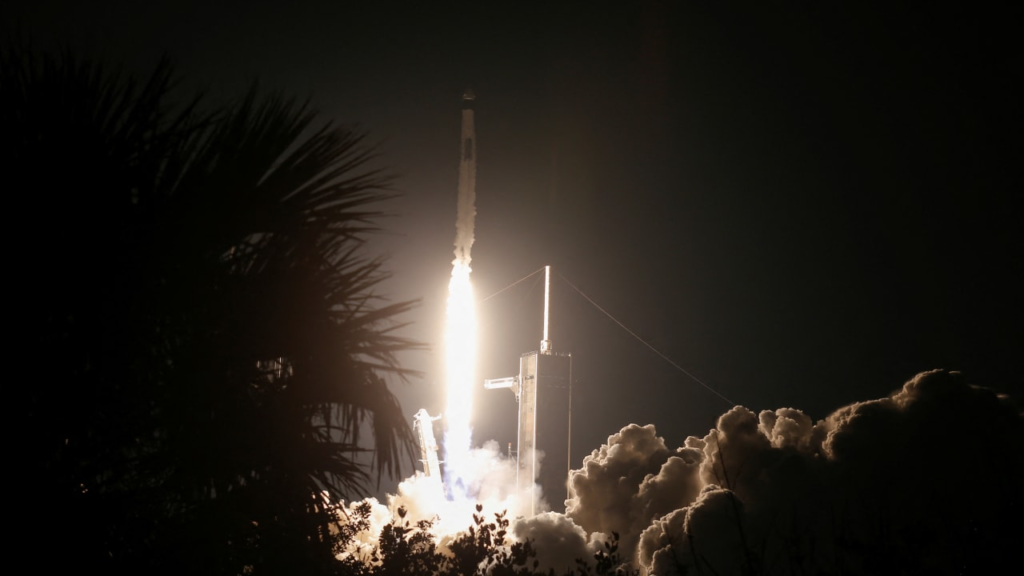
The United Arab Emirates strengthened its standing as a global center for advanced technology and space science in 2025, marked a year of major achievements that highlighted its transition toward a knowledge-based, innovation-driven economy.
Over the course of the year, the UAE significantly expanded its orbital infrastructure and deepened international partnerships, accelerating progress in lunar exploration and Earth observation.
Several strategic satellites were deployed, including Thuraya-4, MBZ-SAT, Al Ain Sat-1, HCT-SAT1 and the Foresight Constellation, APP reported.
The launch of Etihad-SAT delivered the country’s first domestically developed radar satellite capability, while the PHI-1 mission represented the first modular satellite platform created under the Payload Hosting Initiative in collaboration with the UN Office for Outer Space Affairs.
A key milestone came in February when the Mohammed Bin Rashid Space Centre (MBRSC) signed a partnership with Thales Alenia Space to develop the Crew and Science Airlock for NASA’s Lunar Gateway.
The 15-year agreement secures a permanent UAE presence aboard the lunar station and positions the country to send its first astronaut to the moon.
Further advancing its lunar ambitions, MBRSC also signed an agreement with Firefly Aerospace to supply the lander for the Rashid 2 Rover mission to the far side of the moon. Cooperation with France’s National Centre for Space Studies was expanded to equip the rover with CASPEX cameras and advanced systems.
Rashid 2 has successfully completed environmental and mechanical testing inside the UAE and has been cleared for shipment to the United States ahead of its planned 2026 launch.
In another landmark achievement, Space42 oversaw the integration and testing of three Synthetic Aperture Radar satellites—Foresight-3, Foresight-4 and Foresight-5—within the UAE for the first time.
The satellites will deliver imagery with up to 25-centimetre resolution to support disaster response, climate monitoring and urban planning.
Regional collaboration also gained momentum in December with the launch of the “813” Arab Satellite, a UAE-led initiative aimed at harnessing space-based data to advance sustainable development across the Arab world.
To support long-term growth of the sector, the UAE rolled out advanced satellite engineering programmes through the National Space Academy in partnership with EDGE Group.
Meanwhile, the UAE Space Agency completed the Critical Design Review for the Emirates Mission to the Asteroid Belt, a seven-year endeavour to explore the main asteroid belt between Mars and Jupiter.
Together with the continued scientific output of the Hope Probe’s Mars atmospheric mission, these developments highlight the UAE’s emergence as a leading contributor to global space exploration and advanced technological innovation.
Mastering the market: Patience, persistence, and profit

By Sumaira Ibrahim,
Editorial Strategist, PSMU
The equity market is akin to running your own business, where both profits and losses are part of the journey. In the early stages, just like any startup, you’ll need to invest time, money, and effort. There may be setbacks or mistakes before you start seeing any returns. Similarly, the stock market often involves initial losses or slow growth as you learn the ropes.
Patience is crucial in this process. Success in the stock market doesn’t happen overnight. It requires discipline, continuous learning, and resilience through challenging times. With consistency, experience, and the right mindset, your investments will have the potential to grow and reward you in the long run.
Always remember: Patience is the key to success in the stock market.
Market outlook and investment strategy for 2026: Insights from Nadeem Danka

By Nadeem Danka
Senior Market Analyst
According to renowned market analyst Nadeem Danka, the market is poised for significant developments in 2026, particularly in specific sectors. His insights highlight opportunities for long-term investors and shed light on strategic stock picks to prioritize in the coming months. Here’s a refined overview of his analysis:
1. Banking Sector: Stability Amid Growth: Nadeem Danka identifies Bank of Punjab (BoP) and National Bank as top picks within the banking sector. These institutions are expected to maintain stable growth due to their strong fundamentals. While the market is currently at its peak, he advises long-term investors not to sell or drastically alter their portfolios. The first week of January 2026 will mark a critical period where the full scope of market trends will become clearer. According to Danka, the banking sector is likely to experience moderate upward movement, accompanied by corrections and redemptions. Although the market will not likely reach or exceed the 180 mark in terms of index value, gradual growth is expected in the months ahead.
2. Cement Sector: Kohat, Maple Leaf, and DGKC Lead the Way: In the cement industry, Kohat Cement, Maple Leaf Cement, and DG Khan Cement (DGKC) are seen as strong performers. These companies are positioned well for steady growth, driven by continued demand in the construction sector. Cement stocks remain a top priority for investors who seek stability, particularly during the period of gradual market growth predicted through March 2026.
3. Pharma Sector: The pharmaceutical sector is another area of great optimism, with Searle Company leading the charge. Danka points out that Searle stands out due to its exceptional gross profit margin of 55%, a figure unmatched by most competitors in the market. This strong profitability, combined with a diverse product range and a robust brand name, makes Searle a top pick.
In addition to its impressive financials, the company is also poised to eliminate its high financial costs, which previously depressed its performance. With predictions that Searle will be debt-free by March 2026, the company’s future outlook looks brighter than ever. Danka projects the company’s share price could potentially double within the next six months, reaching a target range of Rs 200 to 225 by June 2026.
4. Steel Sector: While Mughal Steel has had a relatively quiet performance, Danka sees significant potential in the coming months. He notes that by mid-2026, Mughal Steel will undergo significant transformations, both operationally and financially, making it a key stock to watch. Investors who are looking for emerging opportunities in the steel sector should consider Mughal Steel as a potential strong performer within the next six months.
Danka emphasizes the importance of investing in companies with strong earnings and consistent dividend payouts. He believes that companies underperforming in these areas will struggle to deliver meaningful returns in the near future. As such, investors should focus on sectors like banking, cement, and pharma, where the potential for growth is stable and earnings are solid. Searle, in particular, is positioned to offer a great upside, while banks and cement companies continue to be top priorities. For the steel sector, Mughal Steel remains a strong contender for investors looking to capitalize on upcoming changes in the industry.
Nadeem Danka’s analysis reflects an optimistic view for 2026, especially for long-term investors with a focus on blue-chip stocks. The market will continue to experience gradual upward momentum with corrections along the way, making it an ideal time for investors to stay focused on sectors with strong fundamentals. With Searle Company leading the way in pharma, alongside strong banking and cement stocks, 2026 is set to be a year of moderate but steady growth in the market.
An interview with Kamran Nasir – AGP CEO: Pharma sector outlook, challenges, and growth plans
By Nadia Anwar
Senior Reporter & Anchorperson
PSMU: How do you view the global pharma sector, especially in Pakistan and India?
AGP-CEO: The pharma sector is emerging as a key player in both India and Pakistan’s economies. While Pakistan struggles with its export challenges and high import bills, pharma is one sector with tremendous potential for growth. Although it may take time, pharma could soon rival textiles as one of Pakistan’s top export industries. However, the process of registering pharmaceutical products can take up to two years, but the future is bright.
PSMU: Why are multinational companies leaving Pakistan, and what role has AGP played in this shift?
AGP-CEO: The departure of multinationals stems from Pakistan’s unpredictable policies, severe devaluation, high taxes, and the inability to repatriate profits due to foreign exchange issues. AGP, as part of the OBS Group, has made 20% of acquisitions in the local market and is now among the top 10 pharma companies. While 80% of the market was once multinational, today, 80% is local, which reflects these changes in the industry.
PSMU: What impact does the US-imposed tariff on India have on Pakistan’s pharma sector?
AGP-CEO: While Pakistan could have benefited more, capacity limitations and high input costs, such as electricity, have hindered growth. However, recent government decisions to reduce electricity costs may help. Pakistan needs to improve its competitiveness to fully capitalize on this opportunity.
PSMU: What policies should the government adopt to attract foreign investment?
AGP-CEO: The government must focus on improving security and infrastructure, especially in regions like Balochistan and KPK. Additionally, economic policies must be consistent, with a focus on exports to address the country’s $100 billion debt. A large parallel economy also adds to the tax burden, so reform is crucial for attracting investment.
PSMU: How has deregulation of non-essential medicines affected AGP’s margins?
AGP-CEO: Deregulation, a policy already implemented in developed countries, has helped improve AGP’s margins by 15-20%. However, high devaluation and interest rates have offset these gains, and we still haven’t reached our 2018–2019 profit levels. The policy will encourage healthy competition and a more flexible pricing mechanism.
PSMU: What is your stance on high interest rates, and how do they impact the business community?
AGP-CEO: While the business community is frustrated by high interest rates, I believe the central bank is correct in maintaining a stable economic environment. Pakistan needs to focus on structural reforms and stabilize interest and exchange rates to prevent the boom-bust cycle that leads to inflation and IMF interventions.
PSMU: Is AGP working on local production of raw materials, or do you rely on imports?
AGP-CEO: Currently, 90% of our raw materials are imported. Manufacturing Active Pharmaceutical Ingredients (APIs) locally is a challenge due to low market demand. However, if the government provides incentives for API manufacturing, AGP will be among the first to start local production, which could significantly reduce dependency on imports.
PSMU: What is AGP’s growth strategy, and why should investors consider the company?
AGP-CEO: AGP is one of the fastest-growing pharmaceutical companies in Pakistan. We have the highest gross profit margins in the industry, and our acquisition strategy is focused on expanding our market share. With continued growth, strong financials, and a promising outlook, AGP offers an attractive investment opportunity.
AGP’s strategic acquisitions, focus on growth, and the rising importance of the pharma sector in Pakistan position the company for success in the coming years. Despite challenges such as high input costs and political instability, AGP’s leadership and industry expertise make it a key player in the local pharmaceutical market.
PSX Closing Bell: A Step in the Right Direction

The benchmark KSE-100 Index concluded Monday’s trading session at 173,896.34, showing an increase of 1,495.61 points or 0.87%.
The index remained positive throughout the day showing an intraday high of 174,411.72 (+2,010.99) and a low of 173,200.41 (+799.68) points.
The total volume of the KSE-100 Index was 360.62 million shares.
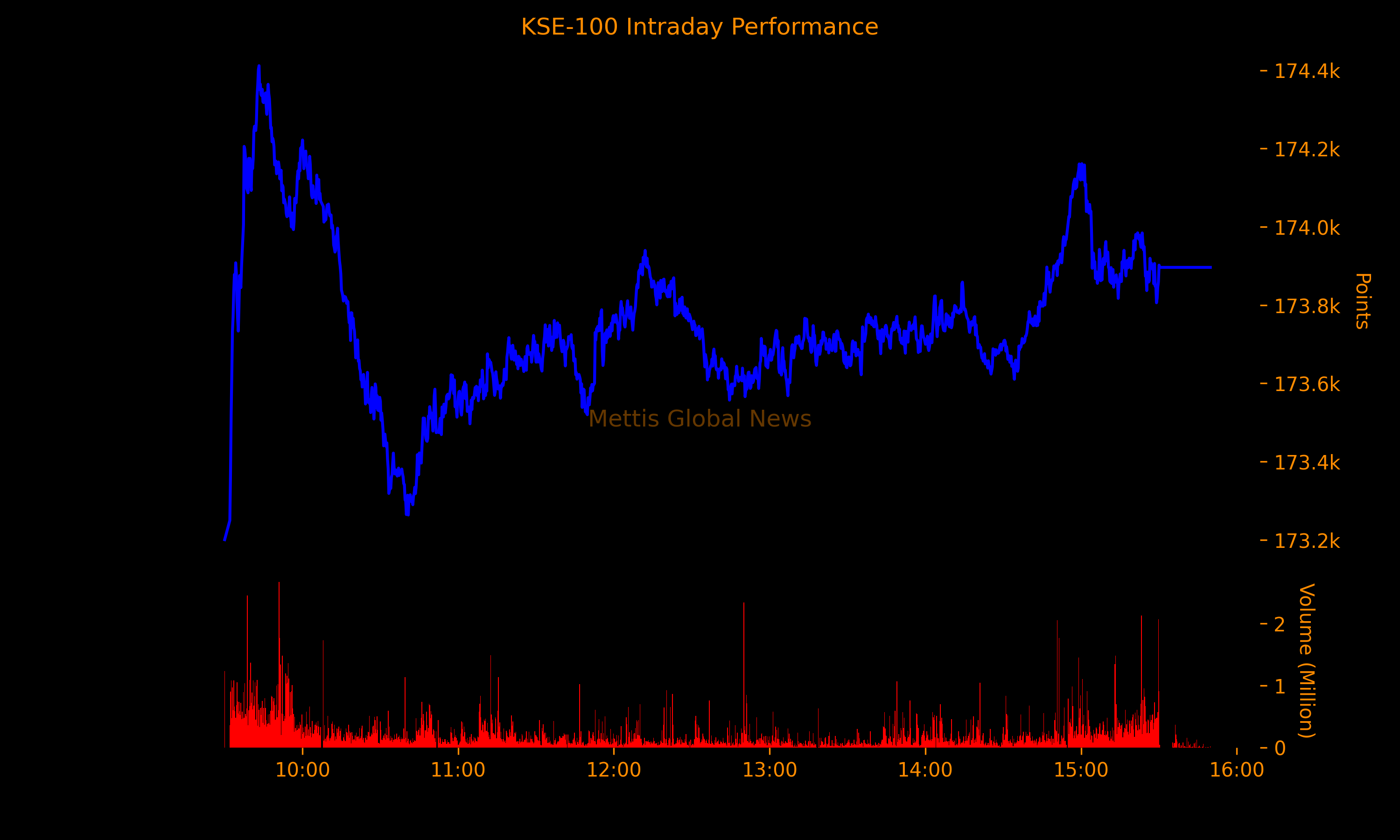
Of the 100 index companies 52 closed up, 47 closed down, while 1 were unchanged.
Top gainers during the day were FFL (+10.02%), PTC (+10.00%), FCCL (+4.68%), AKBL (+3.75%), and SEARL (+3.16%).
On the other hand, top losers were BOP (-2.95%), JDWS (-2.29%), MEHT (-1.97%), HGFA (-1.95%), and CHCC (-1.63%).
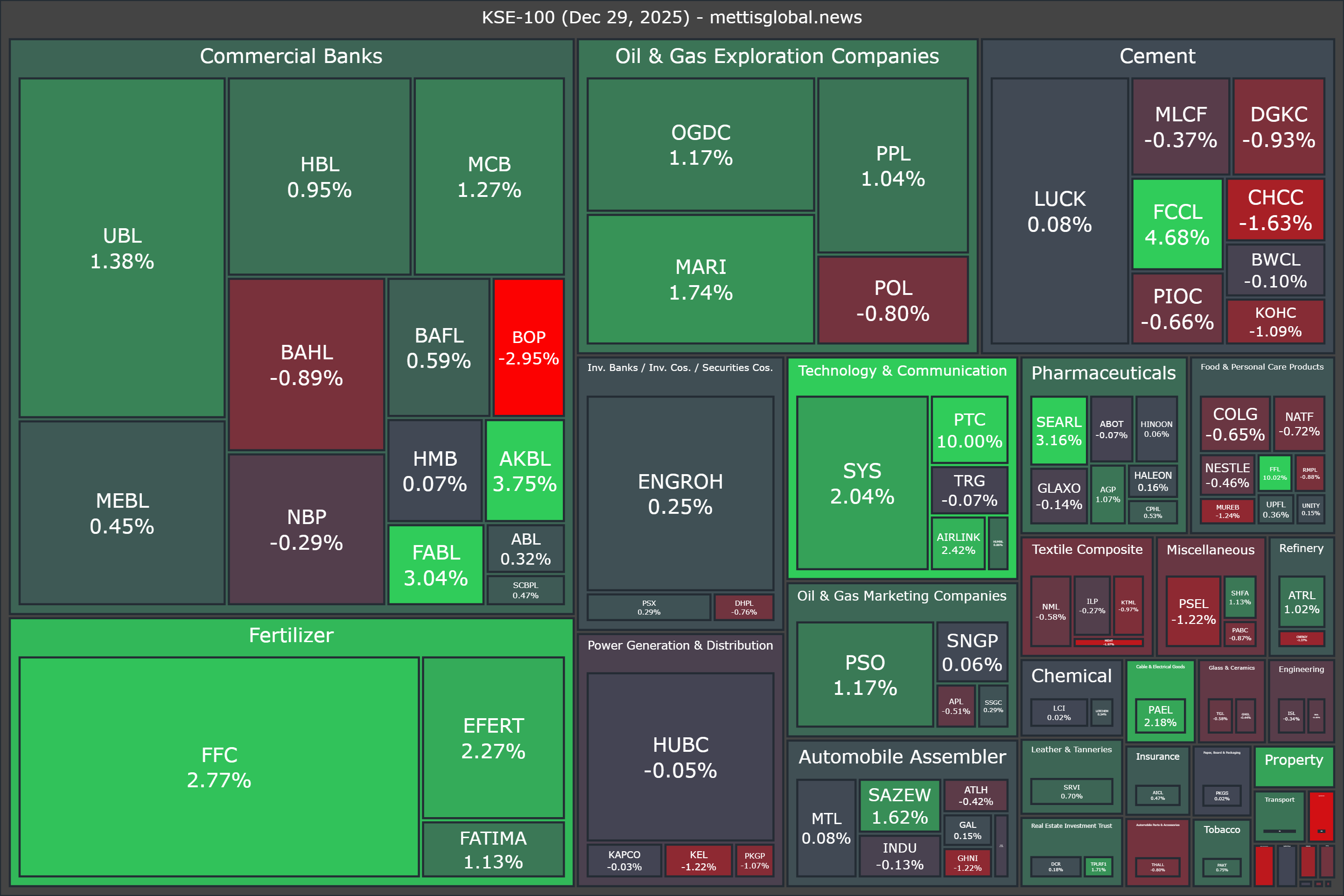
In terms of index-point contributions, companies that propped up the index were FFC (+471.75pts), UBL (+170.47pts), PTC (+109.53pts), EFERT (+102.95pts), and SYS (+102.11pts).
Meanwhile, companies that dragged the index lower were BOP (-55.54pts), BAHL (-43.99pts), POL (-21.69pts), CHCC (-21.33pts), and DGKC (-17.24pts).
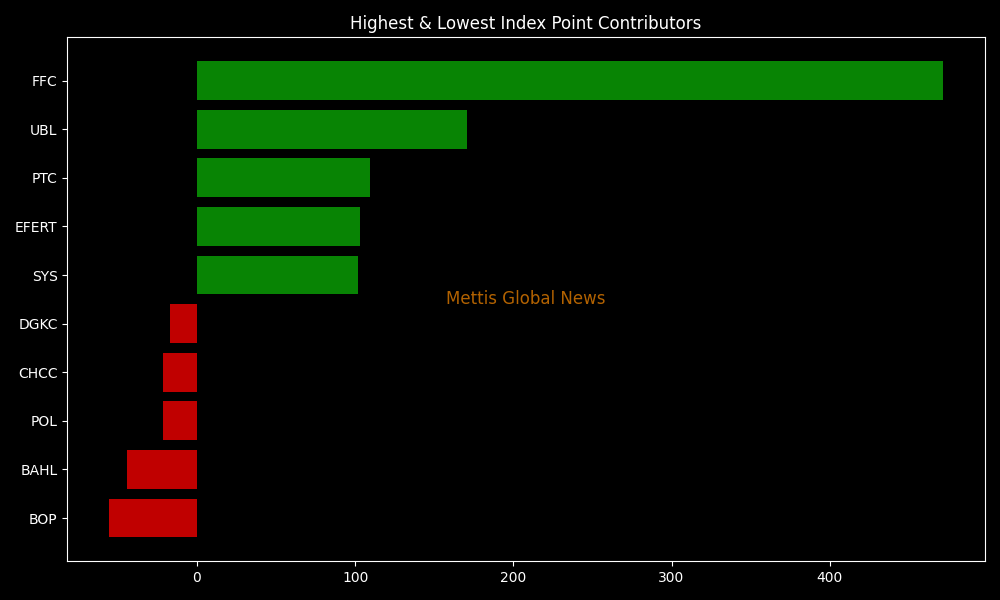
Sector-wise, KSE-100 Index was supported by Fertilizer (+593.05pts), Commercial Banks (+334.70pts), Technology & Communication (+229.52pts), Oil & Gas Exploration Companies (+201.95pts), and Oil & Gas Marketing Companies (+42.31pts).
While the index was let down by Textile Composite (-18.61pts), Power Generation & Distribution (-13.54pts), Miscellaneous (-13.44pts), Automobile Parts & Accessories (-5.95pts), and Sugar & Allied Industries (-5.79pts).
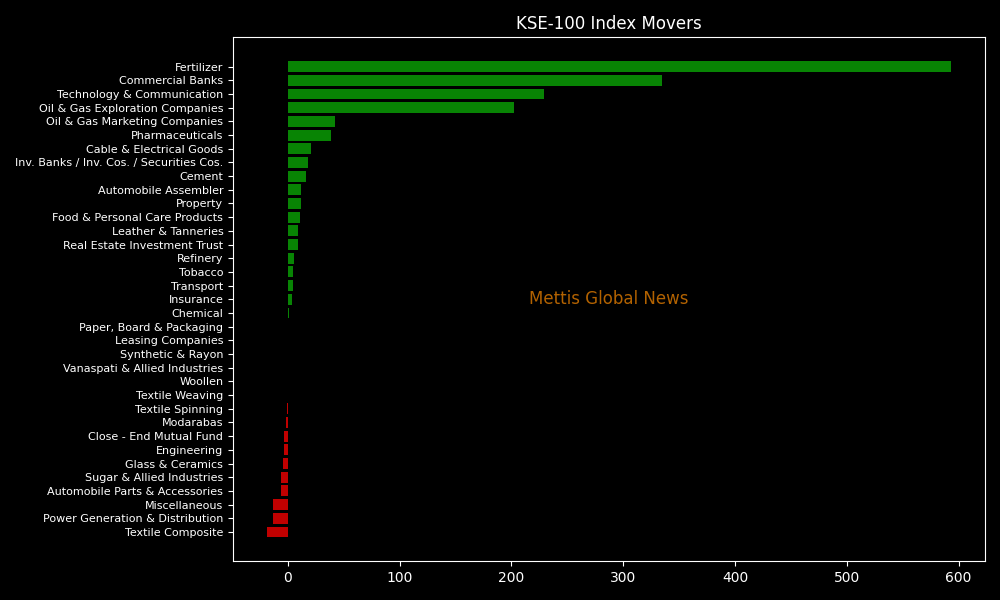
In the broader market, the All-Share Index closed at 104,139.24 with a net gain of 655.29 points or 0.63%.
Total market volume was 858.05 million shares compared to 798.00m from the previous session while traded value was recorded at Rs42.87 billion showing an increase of Rs4.81bn.
There were 402,395 trades reported in 484 companies with 176 closing up, 272 closing down, and 36 remaining unchanged.
| Symbol | Price | Change % | Volume |
|---|---|---|---|
| WTL | 1.71 | 3.01% | 52,850,161 |
| DSLNC | 7.42 | -4.50% | 51,360,416 |
| PTC | 59.62 | 10.00% | 42,555,911 |
| BOP | 38.88 | -2.95% | 42,299,577 |
| TSBL | 3.36 | -15.15% | 39,954,758 |
| PIAHCLA | 28.9 | -5.99% | 38,865,024 |
| FFL | 20.97 | 10.02% | 30,954,904 |
| PIBTL | 18.65 | 1.03% | 29,621,772 |
| FCCL | 58.88 | 4.68% | 28,199,324 |
| CSIL | 7.71 | -7.00% | 21,120,479 |
To note, the KSE-100 has gained 48,269 points or 38.42% during the fiscal year, whereas it has increased 58,769 points or 51.05% so far this calendar year.
FBR suspends six officials over sugar mill absenteeism
The Federal Board of Revenue (FBR) has suspended six officials after they were found absent without authorization from their monitoring assignments at sugar mills, raising concerns over enforcement gaps in the government’s sugar production oversight mechanism.
The officials were deployed to ensure continuous monitoring of sugar production aimed at preventing tax evasion and maintaining transparency in output reporting, according to the press release.
Their absence was detected during routine verification by the Large Tax Office (LTO) Lahore, which supervises attendance and performance of monitoring teams in its jurisdiction.
Following the findings, LTO Lahore initiated disciplinary proceedings against the officials under applicable service rules and ordered their immediate suspension to prevent any disruption in the monitoring process.
The action shows stricter internal controls as authorities seek to tighten compliance in a sector historically linked to tax leakages and pricing distortions.
Sugar mill monitoring plays a key role in safeguarding sales tax collection and tracking production volumes, particularly during the crushing season when output directly affects sugar prices and supply in the domestic market.
Any lapse in monitoring can weaken regulatory oversight and revenue enforcement.
The FBR stated that disciplinary action would continue against officials found negligent in their duties. This shows heightened scrutiny across field formations.
The move forms part of broader efforts to strengthen tax administration and improve accountability.
APTMA warns closure hurting cotton trade
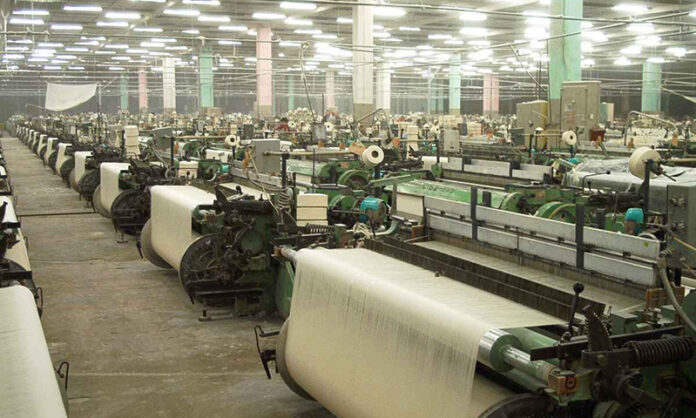
The All Pakistan Textile Mills Association (APTMA) has expressed serious concern over the continued closure and sealing of the Cotton Exchange building in Karachi, warning that the move is severely disrupting the country’s cotton and textile trade.
In a formal letter, APTMA stated that the prolonged shutdown has rendered the Karachi Cotton Association (KCA) ineffective, undermining a critical institution that plays a central role in the textile value chain.
The association emphasized that the KCA’s Daily Spot Rate of cotton serves as a key benchmark for indicative cotton pricing across the country.
According to APTMA, textile mills, banks, and insurance companies rely heavily on the Daily Spot Rate to determine daily cotton prices, assess borrowing limits, and insure cotton stocks.
The absence of this benchmark due to the closure has created uncertainty and operational challenges for stakeholders across the sector.
The letter further noted that the Cotton Exchange functions as a vital marketplace for cotton traders and brokers, and its sealing has badly affected trade activity and the livelihoods of hundreds of people.
APTMA highlighted that the Cotton Exchange is an iconic institution that has supported Pakistan’s cotton trade and economy since 1940.
APTMA warned that the continued closure is resulting in colossal losses to the cotton and textile sectors at a time when they are already facing multiple challenges.
The association has urged the relevant authorities to intervene urgently and facilitate the reopening of the Cotton Exchange building to prevent further disruption and financial damage.
The association also conveyed its willingness to provide any additional information required to help resolve the issue and restore normal functioning of the cotton market.
Silver heads for best year in over seven decades

Silver surged to unprecedented levels, vaulting past $80 an ounce, as a frenetic rally driven by speculative demand collided with ongoing supply constraints.
Prices swung sharply during Monday’s session, plunging below the prior close after the initial spike before stabilizing later in the day, according to Bloomberg.
Spot silver was up 0.13%% at $79.26 an ounce as of [10:15 am] PST, according to data reported by Mettis Global.
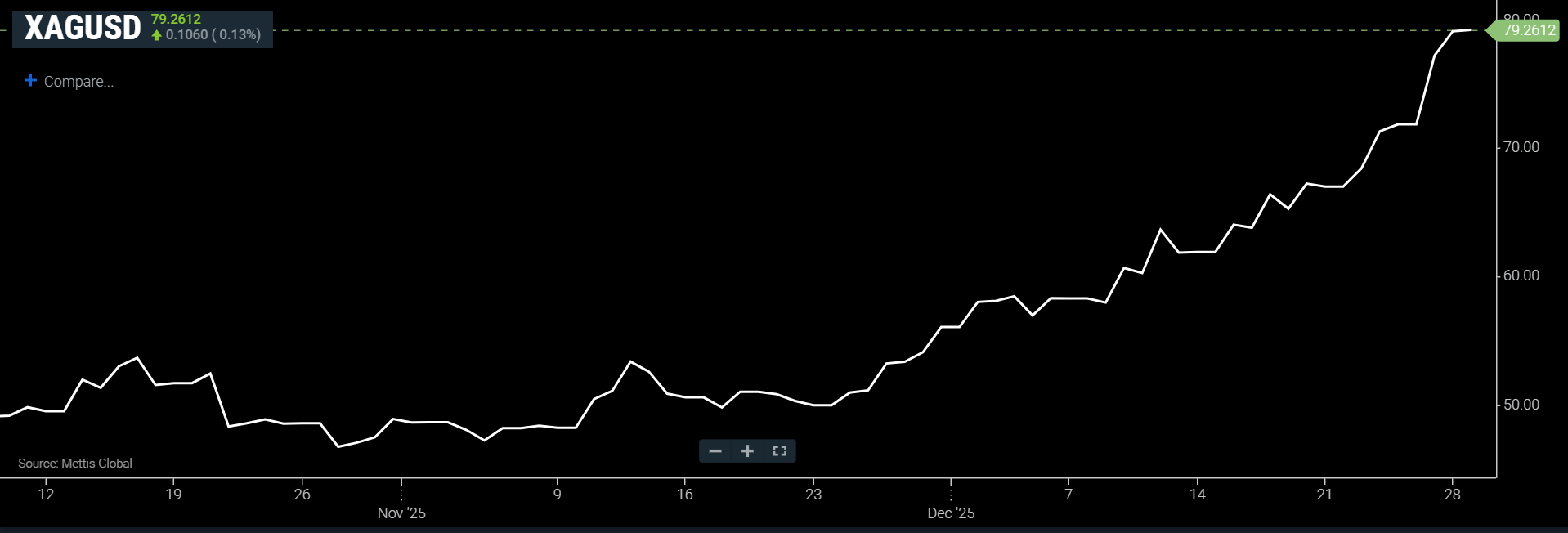
The rally has been reinforced by a softer US dollar and escalating geopolitical uncertainty, factors that have fueled strong investor interest across the precious metals complex.
Gold and platinum have also climbed to record highs during the broader upswing.
Market excitement intensified over the weekend after Tesla chief executive Elon Musk weighed in on concerns about China’s export policies, remarking on X that silver plays a critical role in numerous industrial applications.
His comment added to already elevated investor enthusiasm, despite noting that China’s latest measures do not represent a meaningful policy shift.
Beijing’s export rules, announced by the Ministry of Commerce in late October, largely extend existing restrictions.
While China is one of the world’s largest silver producers mainly as a byproduct of base-metal mining it is also the biggest global consumer, meaning exports account for a relatively small share of its output.
Silver’s rapid ascent up more than 40% this month alone puts it on track for its strongest annual gain since records began in the early 1950s.
The move caps a powerful year for precious metals, supported by aggressive central-bank buying, steady inflows into exchange-traded funds, and a series of interest-rate cuts by the US Federal Reserve.
Lower interest rates have boosted the appeal of non-yielding assets like silver, and traders are increasingly positioning for additional monetary easing in 2026, extending momentum into the year ahead.
Gold price in Pakistan falls Rs5,500 per tola
Gold price in Pakistan decreased on Monday, with 24-karat gold being sold at Rs470,162 per tola, down Rs5,500.
Similarly, 24-karat gold per 10-gram was sold at Rs403,088 after a decline of Rs4,715, according to rates shared by the All-Pakistan Gems and Jewelers Sarafa Association (APGJSA).
The price of 22-karat gold was also quoted lower at Rs369,510 per 10-gram.
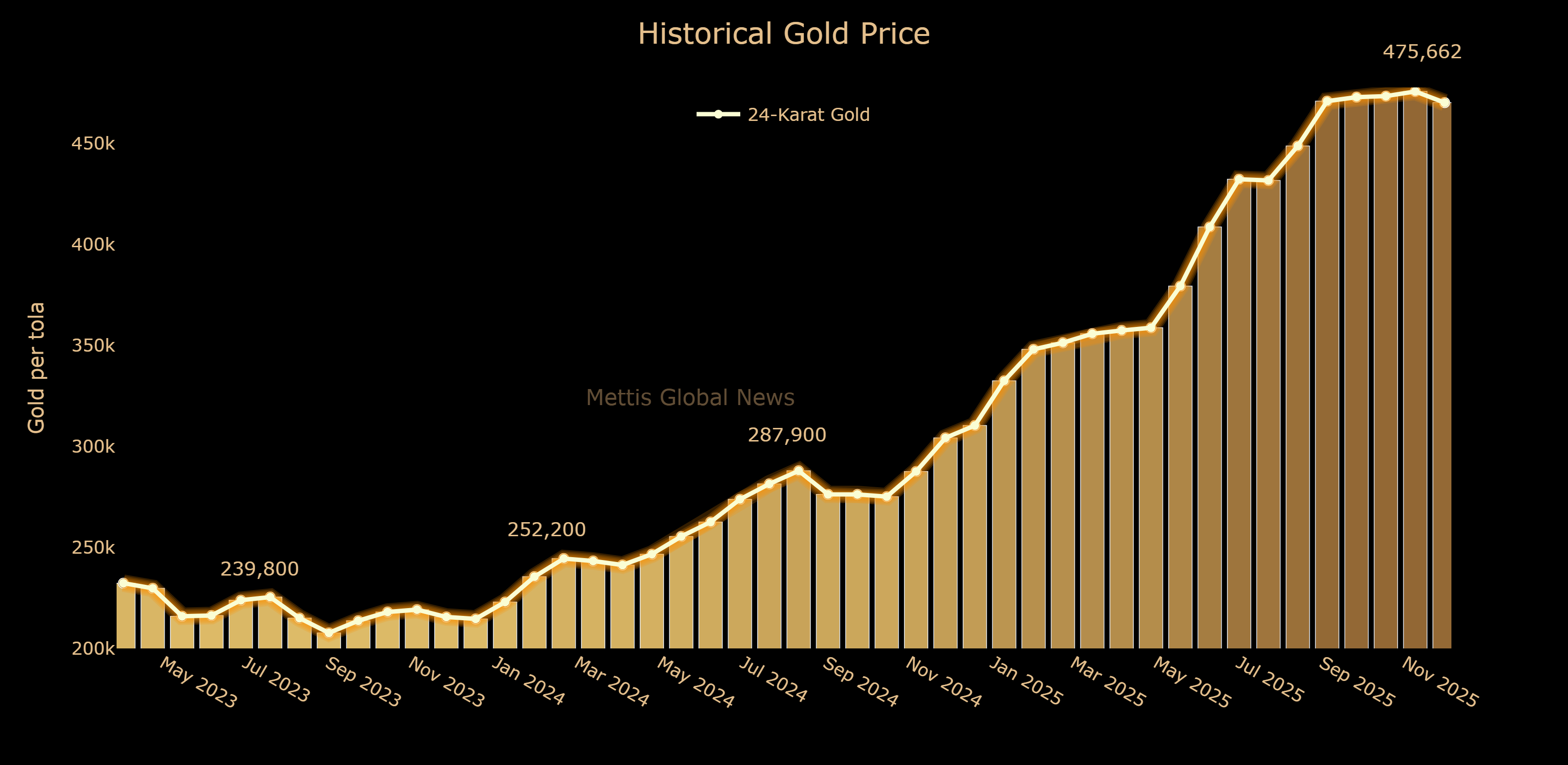
Similarly, silver prices fell in the domestic market, with 24-karat silver being sold at Rs8,075 per tola (-Rs332) and Rs6,923 per 10-gram (-Rs284).
| PKR (24-karat per tola) | Dec 29, 2025 | Dec 27, 2025 | DoD | 1 Month | FYTD | CYTD |
|---|---|---|---|---|---|---|
| Gold | 470,162 | 475,662 | -5,500 | 26,000 | 119,962 | 197,562 |
| Silver | 8,075 | 8,407 | -332 | 2,166 | 4,293 | 4,725 |
Globally, spot gold traded near $4,475 an ounce, down $51.3 or 1.13% from the previous session.
SBP expresses condolences on Dr. Shamshad Akhtar’s passing
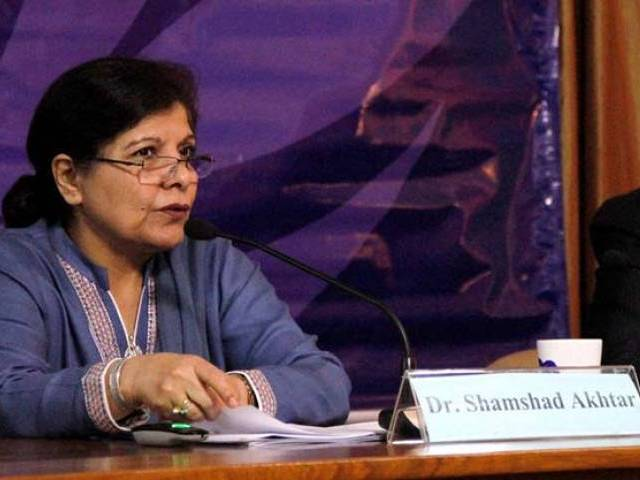
The State Bank of Pakistan has expressed deep sorrow on the passing of Dr. Shamshad Akhtar, the country’s first female Governor of the central bank.
Dr. Akhtar, renowned for her exemplary leadership, integrity, and dedication to public service, played a pivotal role in strengthening the State Bank of Pakistan and advancing sound monetary and financial sector policies, according to a press release by the External Communications Department, SBP.
Her tenure left a lasting legacy that continues to inspire future generations.
In addition to her historic role at the State Bank, Dr. Akhtar served Pakistan and the international community through senior leadership positions at the Asian Development Bank, the World Bank, and the United Nations.
She also served as Caretaker Federal Minister for Finance and Revenue and Chairperson of the Pakistan Stock Exchange. Her distinguished career as an economist and global development leader significantly enhanced Pakistan’s standing in international financial and multilateral institutions.
The State Bank of Pakistan expressed its deepest condolences to Dr. Akhtar’s family, friends, and loved ones, noting that she will be remembered with respect and gratitude as a visionary leader and devoted servant of the nation.
“May her soul rest in eternal peace,” the Bank added.
Pakistan, UAE renew commitment to strong ties
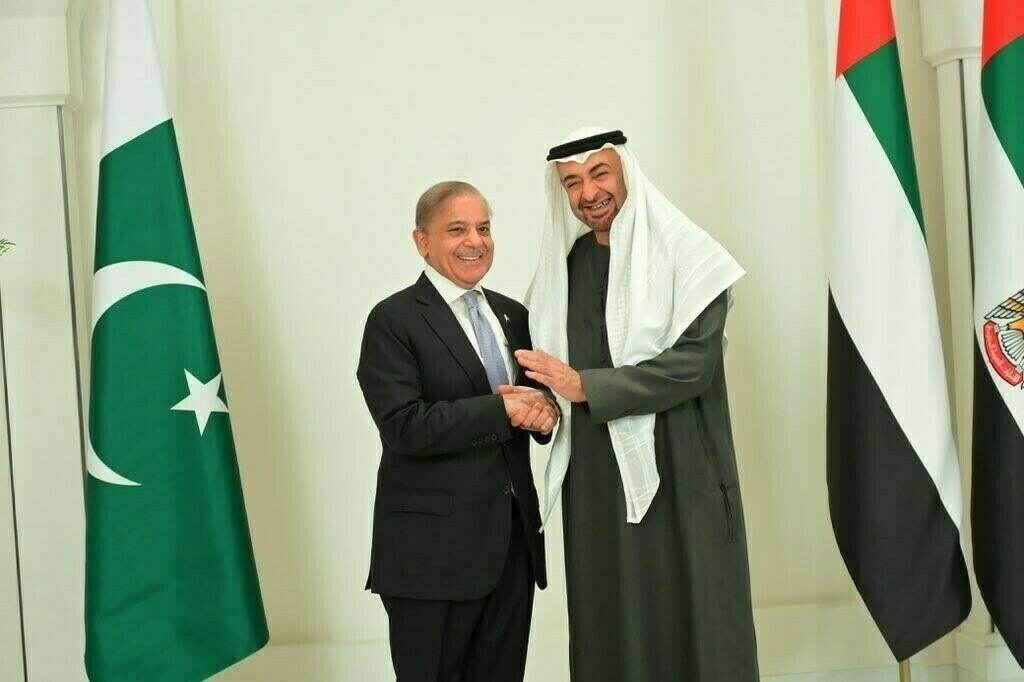
The Government of Pakistan on Friday reaffirmed the enduring and expanding partnership between Pakistan and the United Arab Emirates as Prime Minister Muhammad Shehbaz Sharif welcomed UAE President Sheikh Mohamed bin Zayed Al Nahyan on an official visit.
The meeting was described as warm, cordial and forward-looking, according to APP.
President of the United Arab Emirates and Ruler of Abu Dhabi Sheikh Mohamed bin Zayed Al Nahyan was accorded a grand red-carpet welcome upon his arrival in Pakistan at the invitation of Prime Minister Shehbaz Sharif.
In a post on his official X account, the prime minister said it was a pleasure to welcome “my dear brother” Sheikh Mohamed bin Zayed Al Nahyan, he also noted that the visit added to the warmth and festive spirit as both countries approach the New Year.
The two leaders exchanged views on further strengthening longstanding fraternal relations, expanding cooperation in investment, energy, infrastructure, IT and people-to-people exchanges.
Prime Minister Shehbaz Sharif said he held “most cordial and constructive talks” with the UAE president, during which the two leaders reviewed the full spectrum of bilateral cooperation and exchanged views on efforts aimed at promoting peace and prosperity.
He reaffirmed Pakistan’s pride in its longstanding, deep-rooted and fraternal ties with the UAE, further emphasized that the relationship continues to grow stronger under the leadership and patronage of Sheikh Mohamed bin Zayed Al Nahyan.
Pakistan plans $14.5m halal meat exports to Tajikistan
Pakistan is set to expand its trade footprint in Central Asia, with planned halal meat exports to Tajikistan totalling 143,000 tons, valued at $14.5 million.
This was shared by Ambassador Muhammad Saeed Sarwar, Pakistan’s envoy to Tajikistan, during a joint session with Pakistani media in Dushanbe.
He also highlighted the potential of a Preferential Trade Agreement (PTA) between the two nations, describing it as a strong possibility.
He emphasized that trade liberalization would play a key role in fostering regional economic integration, with bilateral trade projected to reach $300 million in the coming years.
The Ambassador underlined the halal meat sector as a major opportunity for bilateral commerce, noting that Pakistan’s exports would significantly expand trade in halal products.
He also stressed the importance of direct flights, calling for effective marketing strategies and the involvement of travel agents to ensure regular operations and facilitate business and tourism exchanges.
Central Asia, particularly Tajikistan, holds strategic importance for Pakistan, Ambassador Sarwar noted, with the Embassy committed to advancing academic and educational ties alongside trade.
On the Tajik side, First Deputy Minister of Education and Science, Hoshimzoda Homid Hasan, announced that Pakistan and Tajikistan have agreed to sign a Memorandum of Understanding (MoU) for student and faculty exchanges.
During a meeting with a visiting delegation of Pakistani journalists, Hasan lauded Avicenna Tajik State Medical University for its pivotal role in strengthening bilateral relations and emphasized that institutional collaboration is a shared vision of both governments.
He added that top leadership in both countries remains committed to people-to-people ties, vital for sustaining enduring bilateral relations, and sees collaboration in medical tourism and sciences as a driver for economic growth.
This initiative marked a significant step in enhancing Pakistan-Tajikistan trade and educational cooperation, with the halal meat sector leading the way in commercial engagement.
Pakistan, Brazil to expand livestock, dairy & meat cooperation

Pakistan and Brazil have agreed to significantly expand their bilateral cooperation in the livestock, dairy and meat industries.
This marked a major step towards modernising Pakistan’s agri-based economy under the facilitation of the Special Investment Facilitation Council (SIFC).
The understanding was reached during high-level engagements between the two sides, where both countries acknowledged the vast untapped potential for collaboration in meat processing, dairy development and livestock value chains.
As part of this cooperation, Pakistan and Brazil are considering the establishment of a joint working group aimed at improving meat processing standards.
The joint working group is expected to play a pivotal role in transferring technical expertise, harmonising standards and enhancing Pakistan’s capacity to meet global market demands, particularly in halal meat exports.
In a major development for the dairy sector, both sides have agreed to introduce Brazil’s advanced genetics and modern dairy technology in Pakistan.
This initiative aims to improve herd productivity, milk yields and overall efficiency, while supporting the long-term modernisation of Pakistan’s dairy industry, which remains one of the largest in the world but largely informal.
The proposed livestock and dairy reforms will have far-reaching economic benefits.
Beyond strengthening food security, the reforms are expected to generate new employment opportunities, particularly in rural areas, while providing a fresh impetus to Pakistan’s export potential in meat and dairy products.
Brazil, one of the world’s leading exporters of meat and agricultural products, brings extensive experience in large-scale livestock management, feedlot systems and export-oriented production models.
Pakistan, with its sizeable livestock population and growing investor interest, is well-positioned to leverage this expertise.
SIFC’s proactive role has been highlighted as a key driver behind this progress.
By facilitating cross-border partnerships, streamlining coordination among stakeholders and improving the investment climate, SIFC is helping reposition Pakistan’s livestock and meat sector on the global map.
These efforts are giving the sector a new global identity, enhanced competitive strength and rising investor confidence, and aligned Pakistan’s broader strategy to diversify exports, attract foreign investment and achieve sustainable economic growth.
The Pakistan-Brazil collaboration is expected to gain momentum in the coming months as technical discussions advance and concrete project frameworks are finalised.
Former SBP governor Dr Shamshad Akhtar passes away

Burial of ex-finance minister to take place after Asr prayers tomorrow
Dr Shamshad Akhtar, former caretaker minister for finance and State Bank of Pakistan governor, has passed away at the age of 70.
Sources confirmed the death of Dr Shamshad, saying that it was a sudden death as she was not suffering from any serious illness.
Corporate Pakistan Group (CPG) Founder and former minister Muhammad Azfar Ahsan shared with Business Recorder that he came to know of Dr Shamshad’s death from the former SBP governor’s sister, who resides abroad.
“With deep sorrow, we share the sad news that our very own CPGian Dr. Shamshad Akhtar (Pakistan’s former Minister for Finance & Governor, State Bank of Pakistan) has passed away. Inna Lillahey Wa Inna Illaihey Rajeyoon.
“May Allah (SWT) grant her the highest place in Jannah and give strength and patience to her family, friends, and colleagues. Aameen,” Azfar wrote in a post.
Burial of the deceased will take place after Asr prayers on Sunday at Sultan Mosque in DHA, Karachi.
In a statement, President Asif Ali Zardari expressed deep grief over passing of the former central bank governor.
President Zardari paid rich tribute to Dr Shamshad for her distinguished services in the fields of economics and financial management. He further prayed for the elevation of the departed soul’s ranks and for the bereaved family to bear this loss with fortitude.
OPINION: A new world order for Asia’s energy transition
Dr Shamshad Akhtar’s brief introduction
Dr Shamshad was a distinguished diplomat and economist who also served as a United Nations Under-Secretary-General and the tenth Executive Secretary of the Economic and Social Commission for Asia and the Pacific (ESCAP).
Dr Shamshad held several high-level positions at the UN, including Special Senior Advisor on Economics and Finance to the Secretary-General and Assistant Secretary-General for Economic Development. A key figure in global policy, she led the UN-wide coordination for the post-2015 development agenda and served as the UN Sherpa for the G20.
Her leadership in the banking sector is equally notable. She served as the first female governor of the SBP, she also chaired the central bank board and represented the country as a governor of the IMF. Her tenure earned her consecutive “Asia’s Best Central Bank Governor” awards from Emerging Markets and The Banker, and she was recognised by The Wall Street Journal Asia as one of the region’s top ten professional women.
Dr Shamshad appointed chairperson of PSX board
Dr Shamshad’s international experience includes serving as Vice President for the Middle East and North Africa at the World Bank, where she led the response to the Arab Spring. She also spent 15 years at the Asian Development Bank (ADB), serving as Special Senior Advisor to the President.
An accomplished academic, she was a Fulbright Fellow at Harvard University and held a PhD and a Master’s in Development Economics from the UK, following an MSc in Economics from Quaid-e-Azam University, Islamabad.
She was appointed as chairperson of the Pakistan Stock Exchange (PSX) Board of Directors in June 2024.
She has conducted analytical work on Pakistan economy on different subjects as Chair of the Pakistan Reform Insurance Committee, Capital Markets reforms and the Special Economic Zones etc.
Pakistan stocks to remain best-performing asset class in 2026: AHL
Equities to outpace gold, dollar in 2026, says the report

Pakistan Stock Exchange (PSX) is expected to remain the best-performing asset class in 2026, supported by improving macroeconomic stability, easing inflationary pressures, and sustained domestic liquidity, according to Arif Habib Limited’s Pakistan Investment Strategy 2026: The Equity Edge Continues.
“In 2026, equities remain the top choice, with the KSE-100 projected to grow by 21.60%, significantly outperforming gold (5.15%), silver (7.89%), and T-Bills (10.05%),” read the report.
“The KSE-100’s strong 5-year CAGR (Compound Annual Growth Rate) of 31.31% further reinforces its growth potential, while alternatives like bank deposits (10.81%), USD/PKR (12.45%), and PIBs (12.77%) offer lower returns, making equities the preferred asset class for growth in 2026.”
AHL has set a December 2026 target for the KSE-100 Index at 208,000 points, “implying an upside of 21.6% from the closing level on 23 Dec 2025. Our index target is based on target price mapping and justified P/E.”
The report highlights a supportive macro backdrop, marked by declining inflation, a stable currency, improving foreign exchange reserves, and a manageable current account deficit.
With inflation projected to remain within single digits and policy rates expected to ease gradually, equities are increasingly positioned as a more attractive alternative to fixed-income instruments.
The report noted that merger and acquisition and Initial Public Offering (IPO) activity is surging, with AHL “planning 10–12 offerings in CY26 across sectors including FMCG, pharmaceuticals, oil & gas, automotive, IT, real estate, and financial services, projected to raise over Rs20 – 25 billion, signalling a robust capital-market pipeline.”
The report projected corporate earnings growth at a modest 5.9%; however, equities remain the most compelling asset class, offering meaningful relative value. “Market valuations remain compelling, with the KSE-100’s forward P/E estimated at 8.0x, in line with its long-term average,” it said.
AHL also points to structural reform momentum as a medium-term positive, citing the privatisation of Pakistan International Airlines (PIA) and progress on power-sector restructuring as important signals for markets.
“The PIA privatisation transaction is more than a sale; it is a catalyst for broader economic revitalisation,” read the report.
“Momentum is now building across the remaining Phase I assets. Preparations for IESCO, GEPCO, and FESCO are advancing swiftly, with financial advisors on board and Expressions of Interest expected in early 2026, as per media reports. As relatively efficient DISCOs, these entities are being positioned to attract strong investor appetite and set the tone for deeper power sector reforms.”
The report noted that although the outlook remains constructive, risk remain “spanning macroeconomic execution, external vulnerabilities, policy uncertainty, and global geopolitical developments, all of which could influence investor sentiment and asset performance”.
AHL highlighted that the Pakistan programme with the International Monetary Fund (IMF) remains crucial to ensure macroeconomic stability.
“Failure to meet IMF performance criteria could delay upcoming tranche disbursements, creating renewed uncertainty around external financing. Such delays may weaken investor confidence, elevate sovereign borrowing costs, and intensify pressure on the balance of payments, thereby constraining policy room,” it said.
China passes revised foreign trade law to bolster trade war capabilities
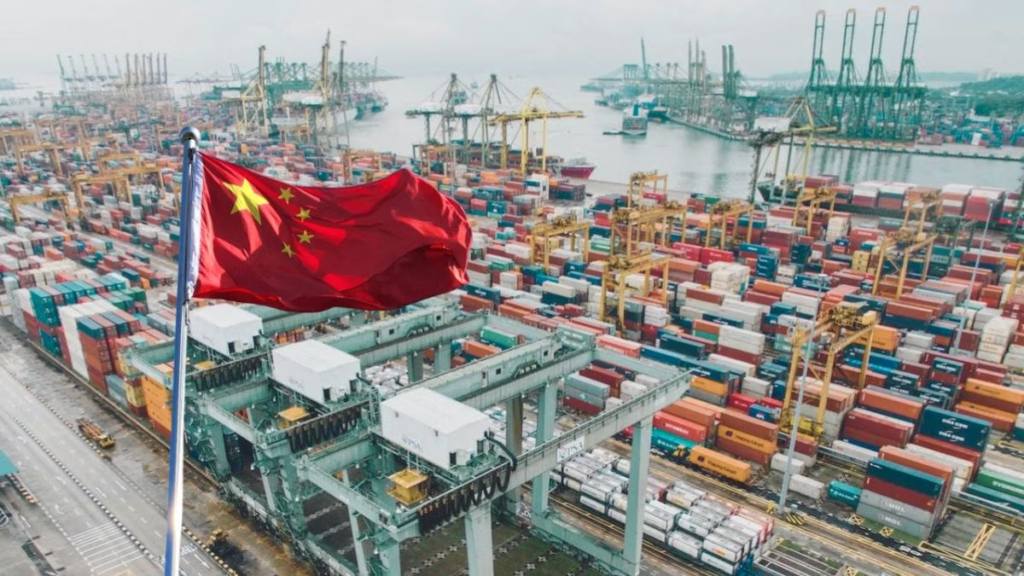
The latest revision to the Foreign Trade Law, approved by China’s top legislative body, will take effect on March 1, 2026
China on Saturday passed revisions to a key piece of legislation aimed at strengthening Beijing’s ability to wage trade war, curb outbound shipments from strategic minerals to sex dolls, and further open its $19 trillion economy.
The latest revision to the Foreign Trade Law, approved by China’s top legislative body, will take effect on March 1, 2026, state news agency Xinhua reported on Saturday.
The world’s second-largest economy is overhauling its trade-related legal frameworks partly to convince members of a major trans-Pacific trade bloc created to counter China’s growing influence that the manufacturing powerhouse deserves a seat at the table, as Beijing seeks to reduce its reliance on the U.S.
Adopted in 1994 and revised three times since China joined the World Trade Organization in 2001, most recently in 2022, the Foreign Trade Law empowers policymakers to hit back against trading partners that seek to curb its exports and to adopt mechanisms such as “negative lists” to open restricted sectors to foreign firms.
The revision also adds a provision that foreign trade should “serve national economic and social development” and help build China into a “strong trading nation”, Xinhua said.
It further “expands and improves” the legal toolkit for countering external challenges, according to the report.
China’s industrial profits tumble at fastest pace in over a year
The revision focuses on areas such as digital and green trade, along with intellectual property provisions, key improvements China needs to make to meet the standards of the Comprehensive and Progressive Agreement for Trans-Pacific Partnership, rather than the trade defence tools the 2020 revamp honed in on following four years of tariff war with the first Trump administration.
Beijing is also sharpening the wording of its powers in anticipation of potential lawsuits from private firms, which are becoming increasingly prominent in China, according to trade diplomats.
“Ministries have become more concerned about private sector criticism,” said one Western trade diplomat with decades’ of experience working with China. “China is a rule-of-law country, so the government can stop a company’s shipment, but it needs a reason.”
“It’s not totally lawless here. Better to have everything written out in black and white,” they added, requesting anonymity, as they were not authorised to speak with media.
China’s private exporting firms attracted global attention in November after the French government moved to suspend the Chinese e-commerce platform Shein amid an uproar over childlike sex dolls sold on its marketplace into the French market.
The Chinese government increasingly could also find itself at odds with private enterprise when seeking to carry out sweeping bans, such as Beijing’s prohibition of all Japanese seafood imports, as Asia’s top two economies continue to feud over Taiwan, trade diplomats say.
SBP rolls out new climate stress testing guidelines

The State Bank of Pakistan (SBP) has issued new guidelines requiring banks, DFIs and microfinance banks to conduct climate stress testing, adding climate-related shocks to the existing stress testing framework to strengthen the financial sector’s resilience against physical and transition risks arising from climate change.
In a circular issued by the Financial Stability Department, SBP said the guidelines expand on its earlier stress testing framework introduced in 2020 and reflect the growing significance of climate change for the domestic economy and financial system.
SBP noted that regulated financial institutions must now assess the impact of climate-related risks on their lending portfolios and overall financial position.
Under the instructions, all regulated financial institutions are required to conduct single-factor climate stress tests in addition to their regular stress testing exercises.
These tests will be based on end-December data and carried out by the second quarter of the following year, although the first iteration may be completed by the end of the third quarter of calendar year 2026 using end-December 2025 data.
SBP has also made it mandatory for sample Domestic Systemically Important Banks (D-SIBs) to incorporate climate-related risks into their annual Macro Stress Testing exercises.
The results must be included in the relevant sections of the Internal Capital Adequacy Assessment Process (ICAAP) documents and submitted to SBP by June 30 of the following year.
The central bank said it will also conduct its own in-house climate stress testing exercises as part of its supervisory process and may engage with banks on risk mitigation measures and contingency plans based on the outcomes.
SBP supervisory teams may additionally review the climate stress testing frameworks and processes adopted by regulated institutions.
SCRA ends week around Rs31bn
The SCRA balance increased by Rs194.19 million during the week ending Dec 19, 2025 to close at Rs30.7bn.
According to data published by the SBP, the week marked a net buying of securities to the tune of Rs8.53bn.
During the week SCRA received a total inflow of Rs47.19bn through remittances, sale of securities and dividends. Inward remittances amount was Rs15.55bn, sale of securities were recorded at Rs31.56bn while dividend received was Rs79.14m.
Total outflows from SCRA through outward remittances, purchase of securities and taxes were recorded at Rs47bn. Outward remittances were Rs6.57bn, total securities purchased amounted to Rs40.1bn and total tax paid was Rs329.19m.
Market value of investments made in Equity, T-Bills and PIBS changed by Rs-9.97bn, Rs7.1bn and Rs4.78bn to close at Rs731.73bn, Rs72.37bn and Rs29.83bn.
Key uplift projects including Autobhan Road Phase-III reviewed

Vice Chairman of the Hyderabad SITE Association of Trade and Industry, Esar Kumar, attended a high-level meeting chaired by Commissioner Hyderabad Division, Fayaz Hussain Abbasi, where key city development projects, including the Autobhan Road Phase-III and other critical infrastructure initiatives, were reviewed in detail.
During the meeting, Esar Kumar highlighted significant issues faced by the city’s business and industrial areas. He emphasized that the water supply lines serving industries in SITE Hyderabad pass beneath the under-construction roads. He urged the administration to establish an alternative system to ensure uninterrupted water supply, allowing industrial operations to continue smoothly during the development work.
Furthermore, Kumar recommended the removal of the NTDC wall to improve traffic flow and reduce congestion on Autobhan Road, thereby enhancing the city’s overall transport efficiency. Other infrastructure and business-related operational challenges were also discussed, with an emphasis on developing effective strategies for their resolution.
Accompanying Kumar, Finance Secretary Aslam Bawani stressed that these development projects should not be limited to road construction or physical infrastructure alone but should also ensure improved facilities and services for the local business community and the general public.
The Hyderabad SITE Association of Trade and Industry appreciated the proactive approach of the district administration in providing a meaningful platform for stakeholders, particularly the business community, to present their concerns and suggestions.
The Association reaffirmed its commitment to continue supporting the administration for sustainable city development and a business-friendly environment.
Deputy Commissioner Hyderabad, Zain-ul-Abedin Memon, presented all issues comprehensively, demonstrating command over all matters under discussion.
Jul-Nov food exports decline 38% YoY: minister

Federal Minister for National Food Security and Research Rana Tanveer Hussain has expressed grave concern over Pakistan’s declining food exports, revealing that they dropped to USD1.95 billion between July and November, down from USD3.15 billion during the same period last year — a staggering 38 percent decline.
Speaking at the Lahore Chamber of Commerce & Industry (LCCI) on Friday, the minister described the situation as “extremely alarming” and outlined multiple factors contributing to this worrying trend.
Minister Hussain identified several key reasons for the sharp fall in agricultural exports, including low per-acre crop yields, inadequate investment in research and development, smuggling of agricultural goods, hoarding practices, and inconsistent government policies.
He highlighted a critical demographic challenge facing the nation: Pakistan’s population is growing by approximately 4.7 million people annually, while agricultural production and food supply are failing to keep pace. This growing imbalance, he warned, poses serious risks for the country’s future food security.
Providing detailed figures, the minister revealed that rice exports suffered the most severe blow, plummeting nearly 50 percent from USD1.5 billion to USD769 million. Vegetable exports declined by 39 percent, falling from USD110 million to USD66 million, while oilseeds and nuts exports witnessed a dramatic 64 percent drop, shrinking from USD262 million to merely USD92 million.
The situation regarding per-acre agricultural productivity is equally concerning. Over the past two years, yields for major crops have consistently declined. Wheat production decreased from 3,200 kilograms per acre, rice yields fell from 2,714 kilograms to 1,494 kilograms per acre, and cotton production dropped to just 590 kilograms per acre.
Minister Hussain stated that Prime Minister Shehbaz Sharif is deeply concerned about the declining exports and has directed government officials to engage directly with the business community to provide every possible support for reversing this trend. He acknowledged that high production costs, expensive energy, and a complicated tax system are creating major obstacles for exporters.
The minister emphasized that consultation with the business community has been more extensive during the past two years than ever before. The Prime Minister has established working groups for different sectors, led by representatives from the business community, to ensure that ground realities are incorporated into policy-making.
Outlining the government’s broader economic strategy, the federal minister said the goal is to promote an export-based economy to reduce the current account deficit. He shared some positive developments, noting that Pakistan’s foreign exchange reserves have reached USD21 billion. The policy rate has decreased from 22 percent to 12.5 percent and is expected to reach single digits within the next one to one and a half years.
However, he cautioned that while remittances provide temporary relief, they are not a permanent solution. “The real solution lies in increasing exports,” he stated, adding that agriculture is the backbone of the economy and that national security cannot be achieved without food security.
Minister Hussain expressed confidence that Pakistan possesses vast resources, skilled human capital, and strategic geographic advantages, but stressed that progress requires focus, hard work, and consistency from both the government and the business community. He assured attendees that their recommendations would be conveyed to the Prime Minister and relevant forums, pledging full support to boost exports.
LCCI President Faheem ur Rehman Saigol, who welcomed the minister along with Senior Vice President Tanveer Ahmed Sheikh, Vice President Khurram Lodhi, and Executive Committee members Ahad Amin Malik, Shoaib Akhtar, Aamir Ali, and Iftikhar Ahmed, warned that if the current export decline continues, maintaining the rupee’s artificial stability will become impossible. Further depreciation, he cautioned, would increase both inflation and industrial costs.
Saigol pointed out that Pakistan is fundamentally a textile-based economy, with approximately 60 percent of exports linked to textiles. However, declining cotton production and quality are undermining value addition. He noted that long-staple cotton is being exported while short-staple cotton is used domestically, which limits the export potential of high-quality value-added textiles and garments.
The LCCI President identified high electricity and energy prices as the biggest threats to export competitiveness and demanded the immediate removal of the infrastructure cess imposed by the Sindh government. He revealed that exporters have paid approximately USD9.15 billion under this cess, yet there has been no transparent audit of how these funds have been utilized.
Wall Street hovers near record highs in post-Christmas session

US stock indexes hovered near all-time highs in thin post-Christmas trading on Friday, supported by signs of a resilient economy and renewed investor interest in AI-related companies.
The benchmark S&P 500 hit an intraday record high before pulling back slightly, while the blue-chip Dow Jones Industrial Average was about 0.5 percent from its December 12 peak.
US stocks rebounded after last week’s selloff, when AI and technology stocks faced pressure from concerns over lofty valuations and high capital expenditures denting profits.
However, resilient economic data, the prospect of further policy easing under a new Federal Reserve chair next year and fresh appetite for AI stocks fueled a market recovery, putting the S&P 500, Dow and Nasdaq on track for a third straight year of gains.
“2026 is likely going to be a ‘prove-it’ year for markets. Companies must deliver tangible productivity and margin gains from AI and other investments,” said Brian Jacobsen, chief economist at Annex Wealth Management.
Analysts expect profit for S&P 500 companies to increase 15.5 percent in 2026, an improvement from a 13.2 percent growth forecast for 2025, according to data compiled by LSEG.
The S&P 500 has risen more than 17 percent so far in 2025, driven by megacap tech companies for much of the year, but the rally has broadened of late, with investors piling into cyclical sectors such as financials and materials.
Traders are waiting to see if the “Santa Claus rally” — a seasonal phenomenon where the S&P 500 posts gains in the last five trading days of the year and the first two in January, according to Stock Trader’s Almanac — can happen this time. That period began on Wednesday and will run through January 5.
At 11:42 a.m. ET, the Dow Jones Industrial Average fell 65.06 points, or 0.13 percent, to 48,666.10. The S&P 500 lost 0.48 points, or 0.01 percent, to 6,931.57, while the Nasdaq Composite gained 12.11 points, or 0.05 percent, to 23,625.41.
Nvidia climbed 1.4 percent after the AI chip designer agreed to license chip technology from startup Groq and hire its CEO.
Target rose 1.7 percent after the Financial Times reported the retailer is facing pressure from hedge fund Toms Capital Investment Management, which has made a significant investment in the company.
US-listed shares of precious metal miners such as First Majestic, Coeur Mining and Endeavour Silver rose between 0.3 percent and 2.2 percent, as silver and gold prices smashed fresh records again. Declining issues outnumbered advancers by a 1.37-to-1 ratio on the NYSE and by 1.71-to-1 on the Nasdaq.
The S&P 500 posted 17 new 52-week highs and no new lows, while the Nasdaq Composite recorded 33 new highs and 126 new lows.
Asian equities eye strong weekly gains

Most Asian equities were set for their strongest week in more than a month on Friday, buoyed by a rally in technology shares, with Taiwan’s benchmark index hitting a record high and South Korea’s KOSPI climbing to a two-week peak.
A robust rally in artificial intelligence-related stocks has been a key driver behind the surge in Taiwan and South Korean stocks, with heavyweight chipmakers and tech suppliers benefiting from robust demand for AI infrastructure. An MSCI gauge of emerging Asian equities inched 0.1 percent higher on Friday, heading for a 1.7 percent gain this week in what could be its best week since late November. South Korea and Taiwan make up 40 percent of the index.
Taiwan equities rose as much as 0.8 percent in their fifth straight session of gains and hit a record high of 28,590.91. The benchmark has gained 3 percent so far this week, poised for its best week since late November.
South Korea’s KOSPI climbed as much as 0.8 percent to its highest level since December 12. It has risen 2.5 percent this week, set for its strongest week since early December.
Among other stock markets, Singapore traded largely flat but was on track for its best week since October-end with a 1.5 percent gain.
Philippine stocks rose 0.1 percent, heading for a 2.2 percent weekly gain in what could be their best week since late November.
Stocks in Thailand shed 0.4 percent and those in Malaysia slipped 0.3 percent on Friday. However, both markets were up about 0.5 percent for the week. Among currencies, the Malaysian ringgit rose 0.3 percent, hitting its highest point since 2021. The region’s best currency of 2025 has appreciated more than 1 percent this week, eyeing its best week since mid-May.
“The ringgit continues to benefit from Malaysia’s stable macro backdrop, ongoing structural reforms and selective investor flows,” analysts at Kenanga Investment Bank said in an earlier note.
UAE unveils nationwide projects
The infrastructure sector in the United Arab Emirates experienced significant activity in 2025, with the declaration and implementation of numerous strategic projects.
These initiatives were aimed at supporting economic growth and advancing comprehensive development across the country.
These initiatives show a national vision focused on improving quality of life, enhancing stability, and promoting well-being for residents through investments in transport, utilities, energy, and public infrastructure.
Among the most prominent declarations was a high-speed rail project connecting Abu Dhabi and Dubai as reported APP.
The rail line is designed to reduce travel time between the two emirates to approximately 30 minutes, with trains operating at speeds of up to 350 kilometres per hour.
The project is expected to generate an economic contribution exceeding AED145bn over the next 50 years.
During the UAE Government Annual Meetings held in November, national road development programmes valued at more than AED170bn through to 2030 were unveiled.
These projects aim to enhance the efficiency of the federal road network and improve traffic flow between the emirates.
At the emirate level, the Abu Dhabi Projects and Infrastructure Centre (ADPIC) signed public-private partnership contracts worth AED22bn during 2025.
As of last October, the total number of public-private partnership projects under development exceeded 600.
Dubai revealed several large-scale infrastructure projects during the year.
These include the development of Al Fay Street at a cost of AED1.5bn, and the construction of entry and exit points for Dubai Islands from the Bur Dubai side via a new 1,425-metre bridge costing AED786m.
The emirate is also developing a stormwater drainage system in four areas at a cost of AED1.439bn as part of the Tasreef project.
In addition, work is progressing on the 30-kilometre Dubai Metro Blue Line, which will include 14 new stations serving approximately one million people.
Additional projects valued at AED7.6bn include the operation of four main transmission stations with a capacity of 132 kilovolts, along with the extension of 228 kilometres of underground cables.
In Sharjah, the Al Layyah Canal project was inaugurated in the Al Khalidiya suburb, featuring service facilities and new public spaces.
The emirate also inaugurated the Airport Station in the Umm Fannin area with a capacity of 220 kilovolts, at a cost exceeding AED500 million.
Sharjah completed the extension of the main water pipeline from Kalba to Wadi Al Helo at a value of AED43.77m, introduced the Independence Square project, and approved AED42m for internal road works in Al Ramaqia and Al Suwaihat.
In Ajman, the Department of Municipality and Planning inaugurated the Sheikh Zayed Street development project in the Al Helio area.
The project extends 2.8 kilometres and was completed at a cost of AED63m.
The Emirates Council for Balanced Development also revealed the commencement of the Masfout Gate project, aimed at developing key facilities in the area and linking natural and heritage landmarks through connected walking trails.
Ras Al Khaimah International Airport revealed the development of a dedicated VIP terminal and private aircraft hangars in cooperation with Falcon Executive Aviation.
The facilities will span more than 18,000 square metres and support private aviation and tourism services.
In Umm Al Qaiwain, the Ministry of Energy and Infrastructure launched a project valued at AED750m to upgrade and enhance Emirates Road.
The project includes expanding the road to five lanes in each direction and constructing six new bridges, contributing to improved traffic flow and reduced journey times of up to 45%.
In Fujairah, the Public Works and Agriculture Department began implementing the ninth phase of the internal roads project, extending 31 kilometres across several areas of the emirate.
The emirate also witnessed the entry into commercial operation of the Fujairah F3 independent power plant, with a generation capacity of 2.4 gigawatts.
PKR edges up against USD
The Pakistani rupee (PKR) appreciated by 2.87 paisa against the US dollar in Friday’s interbank session to settle the trade at PKR 280.17 per USD, compared to previous closing of 280.20.
Throughout the day, the currency saw an intraday high (bid) of 280.50 and a low (ask) of 280.20.
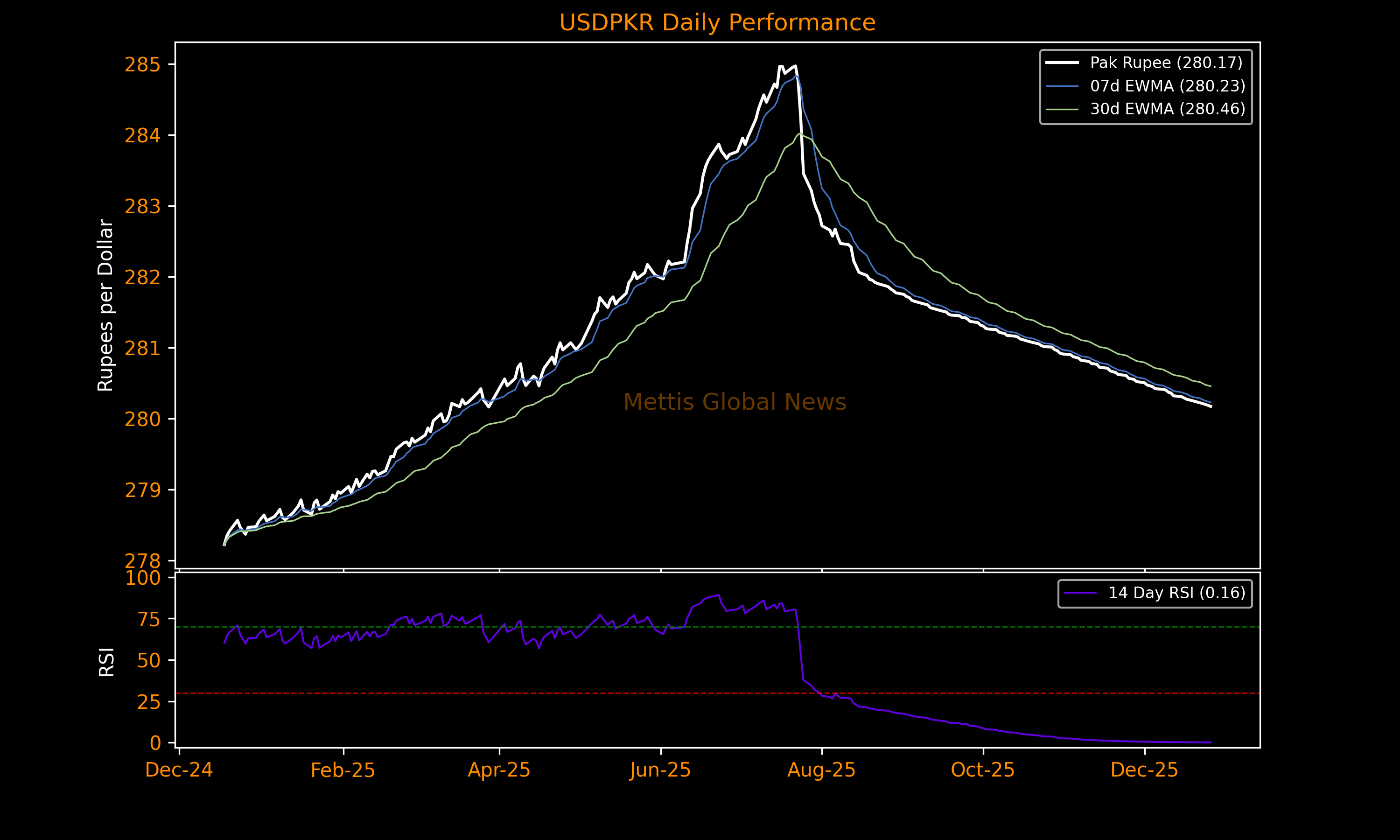
In the open market, exchange companies quoted the dollar at 280.40 for buying and 281.25 for selling.
In comparison to major currencies, PKR rose 63.62 paisa or 0.19% against the Euro, closing at 329.71 compared to the previous value of 330.34.
Against the British Pound, PKR appreciated by 1.06 rupees or 0.28% to 377.60 compared to 378.66 a day ago.
The local unit gained 1.07 rupees or 0.30% against Swiss franc to close at 354.74.
Against the Japanese Yen, PKR’s value strengthened 0.72 paisa or 0.40% to close the session at 1.7913 versus 1.7985 a day ago.
Pakistani Rupee decreased 2.78 paisa or 0.07% against Chinese Yuan to close at 39.97 from 39.94.
The local currency gained by 0.76 paisa or 0.01% against Saudi Riyal to 74.70. While it strengthened by 1.20 paisa or 0.02% against the U.A.E Dirham to close at 76.28.
During the current fiscal year, PKR has rose against the US Dollar by 3.59 rupees or 1.28%. While it has decreased 1.62 rupees or 0.58% so far this calendar year.In the Money Market, the benchmark 6 Month Karachi Interbank Bid and Offer rates inched up by 1bps to 10.41% and 10.66%.
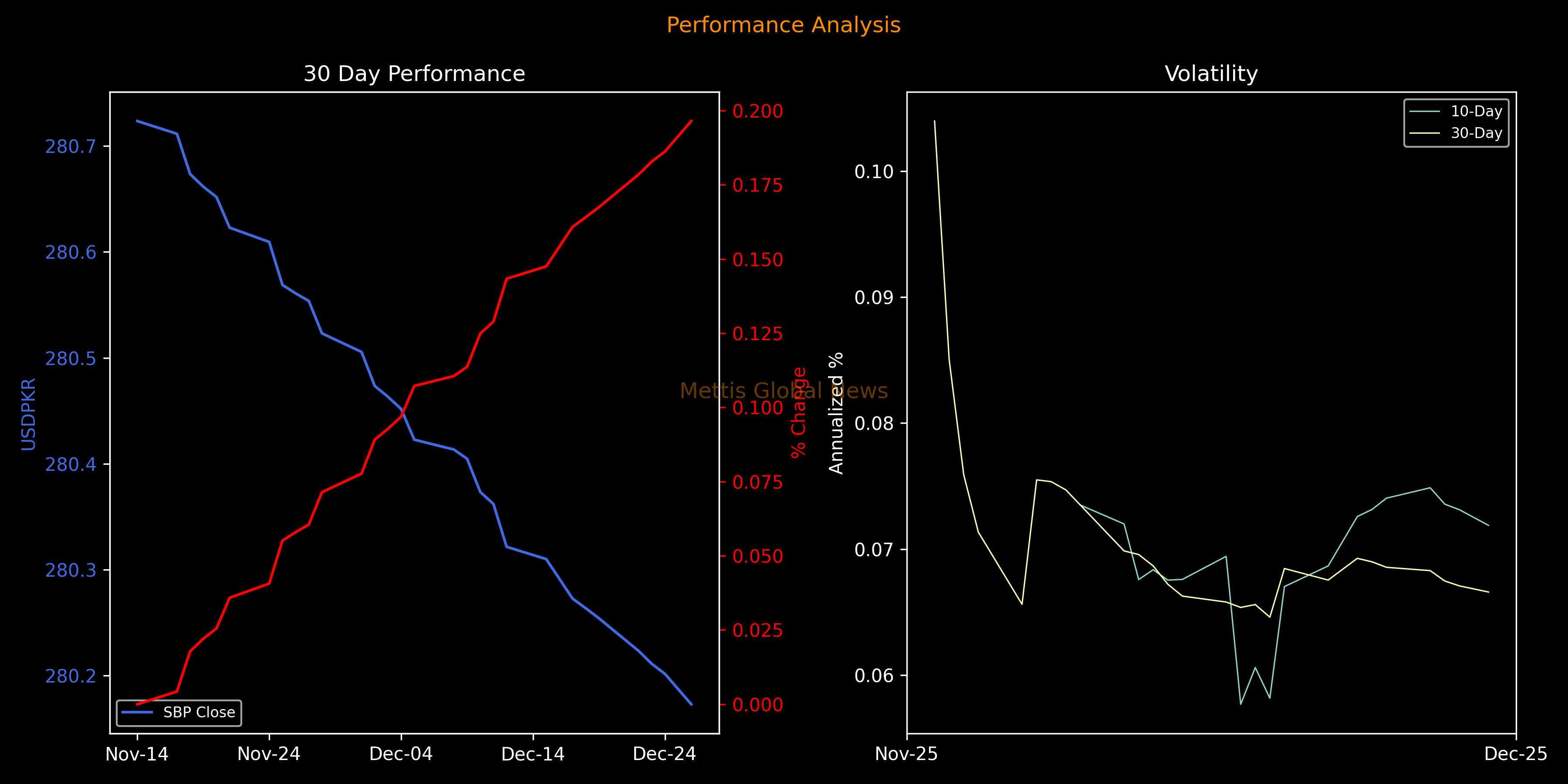
Performance Summary
| Currency | Dec 26, 2025 | Dec 24, 2025 | 1D | 7D | 1M | FYTD | CYTD | |||||
|---|---|---|---|---|---|---|---|---|---|---|---|---|
| USD | 280.1731 | 280.2018 | 0.0287 | 0.01% | 0.0811 | 0.03% | 0.3878 | 0.14% | 3.5914 | 1.28% | -1.6231 | -0.58% |
| EUR | 329.7077 | 330.3439 | 0.6362 | 0.19% | -1.5020 | -0.46% | -4.9023 | -1.49% | 2.9494 | 0.89% | -39.6257 | -12.02% |
| GBP | 377.6033 | 378.6648 | 1.0615 | 0.28% | -2.7773 | -0.74% | -7.7118 | -2.04% | 11.2533 | 2.98% | -27.8977 | -7.39% |
| CHF | 354.7394 | 355.8119 | 1.0725 | 0.30% | -2.4620 | -0.69% | -6.7137 | -1.89% | 0.5880 | 0.17% | -46.3017 | -13.05% |
| JPY | 1.7913 | 1.7985 | 0.0072 | 0.40% | -0.0039 | -0.22% | 0.0022 | 0.12% | 0.1787 | 9.98% | -0.0079 | -0.44% |
| SAR | 74.6989 | 74.7065 | 0.0076 | 0.01% | 0.0236 | 0.03% | 0.1034 | 0.14% | 0.9615 | 1.29% | -0.5573 | -0.75% |
| AED | 76.2832 | 76.2952 | 0.0120 | 0.02% | 0.0211 | 0.03% | 0.1140 | 0.15% | 0.9842 | 1.29% | -0.4470 | -0.59% |
| CNY | 39.9688 | 39.9410 | -0.0278 | -0.07% | -0.1670 | -0.42% | -0.3385 | -0.85% | -0.3654 | -0.91% | -1.8073 | -4.52% |
52 Week Performance
| Currency | High | Low | Trading Band | % Since High | % Since Low | High Date | Low Date | Days Since High | Days Since Low |
|---|---|---|---|---|---|---|---|---|---|
| USD | 278.3713 | 284.9710 | 6.5997 | -0.64% | 1.71% | 26-Dec-24 | 22-Jul-25 | 365 | 157 |
| EUR | 284.6665 | 335.1574 | 50.4909 | -13.66% | 1.65% | 13-Jan-25 | 03-Jul-25 | 347 | 176 |
| GBP | 338.2418 | 390.0418 | 51.8000 | -10.42% | 3.29% | 13-Jan-25 | 26-Jun-25 | 347 | 183 |
| CHF | 303.4906 | 359.7698 | 56.2792 | -14.45% | 1.42% | 03-Feb-25 | 23-Jul-25 | 326 | 156 |
| JPY | 1.7586 | 1.9999 | 0.2413 | -1.83% | 11.65% | 10-Jan-25 | 22-Apr-25 | 350 | 248 |
| SAR | 74.1236 | 75.9801 | 1.8565 | -0.77% | 1.72% | 26-Dec-24 | 16-Jul-25 | 365 | 163 |
| AED | 75.7875 | 77.5864 | 1.7989 | -0.65% | 1.71% | 26-Dec-24 | 22-Jul-25 | 365 | 157 |
| CNY | 37.9910 | 39.9688 | 1.9778 | -4.95% | 0.00% | 10-Jan-25 | 26-Dec-25 | 350 | 0 |
Gold price in Pakistan rises Rs500 per tola

Gold price in Pakistan increased on Friday, with 24-karat gold being sold at Rs473,362 per tola, up Rs500.
Similarly, 24-karat gold per 10-gram was sold at Rs405,831 after a gain of Rs429, according to rates shared by the All-Pakistan Gems and Jewelers Sarafa Association (APGJSA).
The price of 22-karat gold was also quoted higher at Rs372,025 per 10-gram.
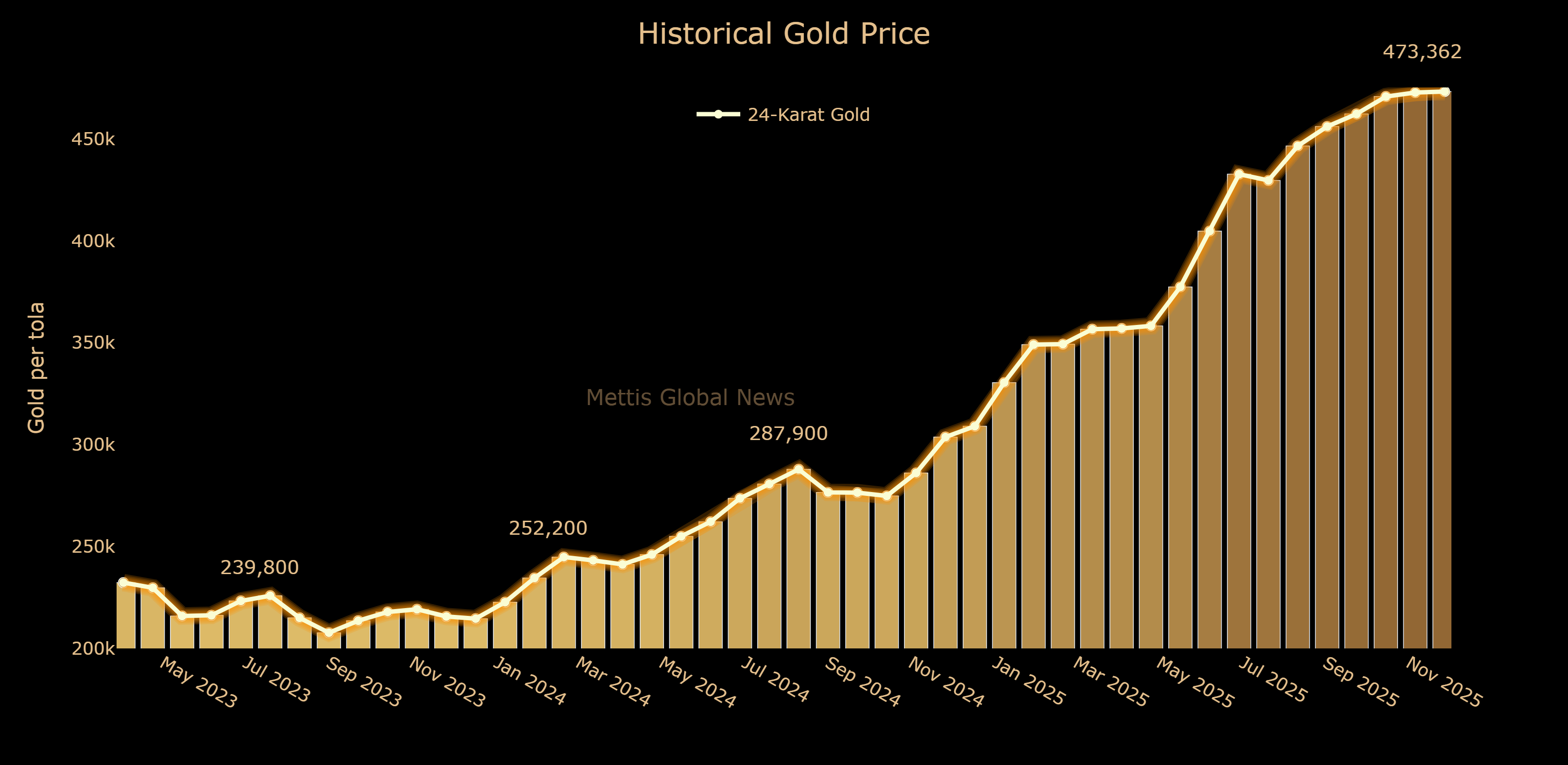
Similarly, silver prices rose in the domestic market, with 24-karat silver being sold at Rs7,945 per tola (+Rs240) and Rs6,811 per 10-gram (+Rs206).
| PKR (24-karat per tola) | Dec 26, 2025 | Dec 24, 2025 | DoD | 1 Month | FYTD | CYTD |
|---|---|---|---|---|---|---|
| Gold | 473,362 | 472,862 | 500 | 34,500 | 123,162 | 200,762 |
| Silver | 7,945 | 7,705 | 240 | 2,303 | 4,163 | 4,595 |
Globally, spot gold traded near $4,518 an ounce, up $23.2 or 0.52% from the previous session, fueled by speculative buying, thin year-end liquidity, expectations of further U.S. interest rate cuts, and rising geopolitical risks.
PSX introduces mandatory Shariah disclosure rules
Pakistan Stock Exchange (PSX) has made Shariah disclosures mandatory for listed Shariah-compliant companies, applicable from their upcoming half-yearly and annual financial statements ending December 31, 2025, and March 31, 2026.
The directive has been issued in continuation of PSX Notice dated November 27, 2025, under which PSX approved amendments to its regulations.
The amendments require relevant listed companies to report Shariah disclosures through the Public Offering and Regulatory System (PUCARS), according to PSX Notice.
PSX has now notified the official list of listed companies whose nature of business has been identified as Shariah compliant.
These companies are required to comply with Shariah disclosure requirements in their half-yearly and annual financial statements.
PSX emphasized that all companies included in the notified list must ensure strict and meticulous compliance with the Shariah disclosure requirements prescribe.
The stock exchange has also warned that non-compliance will attract financial penalties.
Any listed company failing to meet the mandatory reporting obligations will be subject to a fine of Rs100,000, along with an additional Rs2,000 per day for each day the non-compliance continues.
Weekly SPI decreases by 0.09%
Pakistan’s short-term inflation Sensitive Price Indicator (SPI) decreased by 0.09% compared to the previous week, while it rose by 2.83% compared to the same period last year, according to the Pakistan Bureau of Statistics (PBS).
During the week, out of 51 essential items, prices of 13 items (25.49%) increased, 11 items (21.57%) decreased, while 27 items (52.94%) remained unchanged, according to PBS data.
The major increase during the week was observed in the prices of chilies powder, which rose by 6.26%, followed by chicken up 5.29%, bananas increasing 2.46%, electricity charges for Q1 higher by 1.67%.
Garlic rising 1.50%, eggs up 0.58%, vegetable ghee (2.5 kg) increasing 0.56%, pulse moong rising 0.48% and mutton edging up by 0.22%.
On the other hand, the major decrease was recorded in the prices of potatoes, which declined by 10.37%, tomatoes down 9.64%, onions falling 7.43%, sugar decreasing 4.22%.
Pulse gram easing 1.76%, LPG falling 0.78%, pulse masoor down 0.74%, gur declining 0.49% and rice basmati broken lower by 0.17%.
The year-on-year trend for the current week depicts an increase of 2.83% in the Sensitive Price Indicator (SPI).
The major annual increase was observed in the prices of Gas Charges for Q1, which surged by 29.85%, followed by Wheat Flour up 22.56%, Sugar increasing 16.32%, Beef rising 13.01%, Gur higher by 12.46%.
Bananas up 11.24%, Firewood increasing 11.02%, Chilies Powder rising 10.31%, Eggs up 9.71%, Powdered Milk higher by 9.51%, Lawn Printed increasing 8.29% and Shirting rising 8.07%.
On the contrary, a significant year-on-year decrease was recorded in the prices of Tomatoes, which plunged by 74.92%, followed by Potatoes down 49.79%, Garlic declining 38.17%, Pulse Gram lower by 29.66%.
Onions falling 29.23%, Tea Lipton decreasing 17.79%, Pulse Mash down 13.14%, Electricity Charges for Q1 falling 6.87%, Pulse Masoor declining 6.62% and LPG easing 1.11%.
The average price of Sona urea stood at Rs4,296 per 50 kg bag, down by 0.05% from last week’s price, and a 5.7% decrease from last year.
Meanwhile, the average Cement price rose to Rs1,410 per 50 kg bag, which is 0.46% lower than the previous week, and 0.12% above last year.
PBS calculates short-term inflation using the SPI on a weekly basis to assess the price movement of essential commodities at shorter interval of time so as to review the price situation in the country.
SPI comprises 51 essential items collected from 50 markets in 17 cities of the country.
Pakistan Hotels Developers seeks 6-month extension in liquidation process
The liquidators of Pakistan Hotels Developers Limited (PHDL) have approached the Sindh High Court, Karachi, seeking a six-month extension in the company’s liquidation period, according to a material disclosure made to the Pakistan Stock Exchange (PSX).
The liquidators stated that the requested extension is intended to enable the completion of outstanding matters in full compliance with applicable laws and regulatory requirements.
The move is intended to ensure an orderly conclusion of the liquidation process.
The disclosure has been made in line with PSX Listing Regulations to keep the Exchange informed of material developments related to the company’s liquidation proceedings.
Gold, silver hit new peaks

Gold and silver surged to record levels on Friday, fueled by speculative buying, thin year-end liquidity, expectations of further U.S. interest rate cuts, and rising geopolitical risks.
Spot gold was up 0.81%% at $4,515.47 an ounce as of [2:16 pm] PST, according to data reported by Mettis Global.
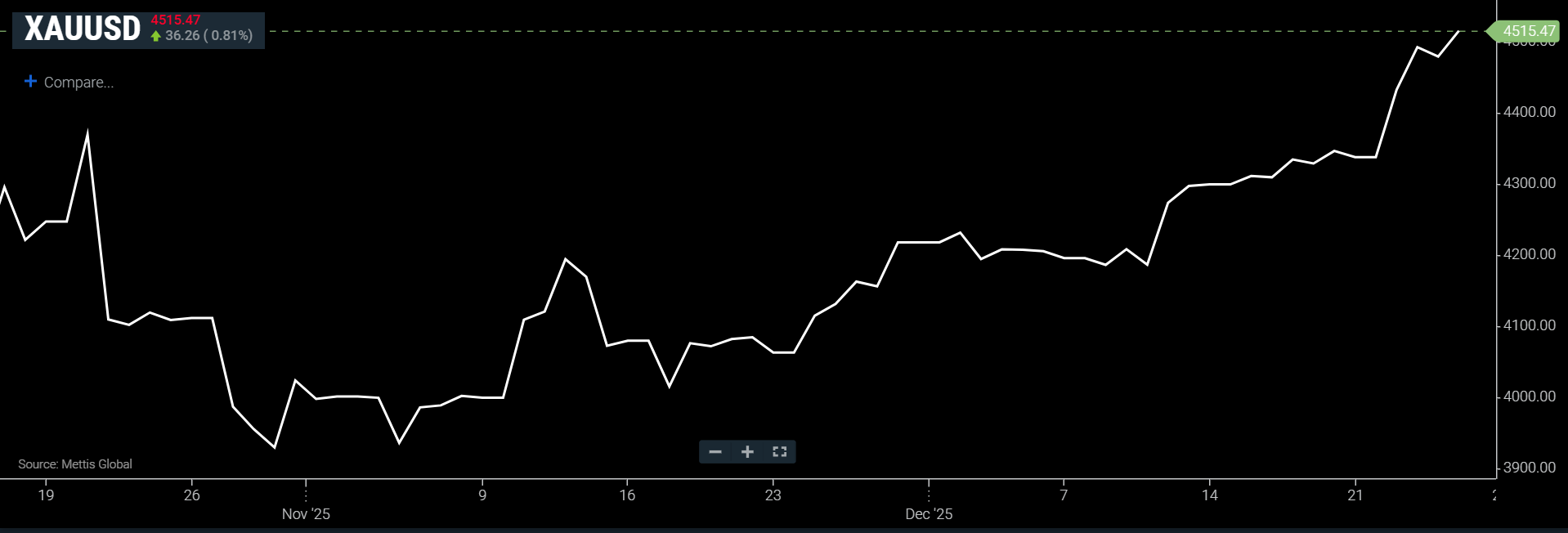
U.S. gold futures for February delivery climbed 0.7% to $4,535.20. Silver jumped 3.6% to $74.56 per ounce, after touching a record $75.14, CNBC reported.
“Momentum-driven buying and speculation have propelled gold and silver higher since early December,” said Kelvin Wong, senior market analyst at OANDA, according to CNBC.
Gold has posted its strongest annual performance since 1979, boosted by Federal Reserve easing, geopolitical uncertainty, strong central bank demand, rising ETF holdings, and the global trend toward de-dollarization.
Silver has outpaced gold, soaring 158% year-to-date, supported by structural supply deficits, its designation as a U.S. critical mineral, and robust industrial demand.
With markets pricing in two U.S. rate cuts next year, non-yielding assets like gold remain well-supported in a low-interest-rate environment.
Geopolitical developments have also played a role, including U.S. measures on Venezuelan oil and recent strikes against Islamic State militants in northwest Nigeria.
Platinum and palladium, used in automotive catalytic converters, also surged.
Spot platinum rose 7.8% to $2,393.40 per ounce, earlier hitting a record $2,429.98, while palladium gained 5.2% to $1,771.14, following a three-year high in the previous session.
Both metals have benefited from tight supply, tariff uncertainties, and shifts in investment demand from gold, with platinum up roughly 165% and palladium more than 90% year-to-date.
All major precious metals are on track for strong weekly gains.
Blue-Ex Limited joins PSX main board
The migration of Blue-Ex Limited from the Growth Enterprise Market (GEM) Board to the Main Board of PSX, effective Monday, December 29, 2025.
Trading in the shares of Blue-Ex Limited will commence on the Main Board from December 29, 2025, and transactions will be settled on a T+2 basis, with the first settlement scheduled for Wednesday, December 31, 2025.
The company has been assigned the security symbol “BLUEX” by the National Clearing Company of Pakistan Limited, according to the notice from the PSX.
The market lot will be one share with a face value of PKR 10, while the opening price on the Main Board will be the closing price of the company’s shares recorded on Friday, December 26, 2025, on the GEM Board.
Blue-Ex Limited will be quoted under the “Transport” sector in the Daily Quotation of the Pakistan Stock Exchange.
In addition, after reviewing the company’s latest financial statements and the nature of its business, PSX has deemed Blue-Ex Limited to be Shariah Compliant in accordance with the screening criteria of the KMI All Share Index.
Consequently, the company will be included in the PSX-KMI All Share Islamic Index (KMIALLSHR) from the date of its migration to the Main Board.
OMO Result: SBP injects over Rs2tr into market
The State Bank of Pakistan (SBP) conducted a reverse repo and Shariah Compliant Modarabah based Open Market Operation (OMO) today, in which it cumulatively injected a total of Rs2.06 trillion into the market of which Rs1.728tr were injected through reverse repo OMO.
| Summary of OMO Result (Conventional) | |||||||
| Amount (Rs in Million) | Rate (%) | Quotes | |||||
| Tenor | Type | Offered | Accepted | High – Low | Accepted | Offered | Accepted |
| 5D | Reverse Repo (Injection) | 1,728,750 | 1,728,750 | 10.61 – 10.51 | 10.51 | 15 | 15 |
| Total | 1,728,750 | 1,728,750 | |||||
Meanwhile, the remaining Rs335bn was injected through Shariah-compliant Modarabah-based OMO.
| Summary of OMO Result (Shariah) | |||||||
| Amount (Rs in Million) | Rate (%) | Quotes | |||||
| Tenor | Type | Offered | Accepted | High – Low | Accepted | Offered | Accepted |
| 5D | Reverse Repo (Injection) | 335,000 | 335,000 | 10.57-10.53 | 10.53 | 04 | 04 |
| Total | 335,000 | 335,000 | |||||
Explanatory Note
Open Market Operation is a tool used by SBP to inject or mop up funds from the banking system, based on liquidity requirements, via the purchase or sale of eligible securities.
Operationally, in case of OMO (Injections), SBP lends funds to banks/Primary Dealers (PDs) against eligible collateral to address liquidity shortage in the system.
For OMO (Injections), marketable government securities, i.e. Market Treasury Bills (MTBs) and Pakistan Investment Bonds (PIBs) are eligible securities.
In OMO (Mop-up), SBP sells MTBs to banks in exchange for funds to remove surplus liquidity from the system.
Eligible collateral for OMO (Mop-up) includes selling MTBs (on repo or outright basis) to banks for removing excess liquidity from the system.
In case of Bai-Muajjal, a Shariah compliant tool for managing liquidity in the Islamic banking system, GOP Ijara Sukuk are eligible securities.
Banks and PDs are eligible counterparties to OMO transactions. For Bai Muajjal transactions, Islamic banks and specialized Islamic windows of conventional banks are eligible counterparties.
Dynea Pakistan approves 2.5 MW wind power project

Dynea Pakistan Limited (PSX:DYNO) has approved the installation of a 2.5 MW wind power project at Hub, Balochistan, replaced its earlier plan for a 1.1 MW facility in order to achieve improved efficiency and economies of scale.
The decision was taken by the company’s Board of Directors and is subject to obtaining relevant regulatory approvals and finalizing contractual arrangements, according to the company’s statement issued today.
The wind power project is aimed at supporting the company’s long-term sustainability objectives.
Finalization of the EPC agreement and related arrangements is currently in progress.
Pakistan unlocks new growth frontiers in Agriculture, Tourism

Pakistan is experiencing a transformation in its agriculture and tourism sectors, with recent policy reforms and infrastructure development positioning the country as an emerging frontier for international investment in South Asia.
In a significant development for Pakistan’s agricultural economy, the government lifted a long-standing ban on cotton seed imports earlier this year, following direct advocacy from industry leaders.
The swift policy change, enacted within two months of engagement with the Prime Minister, is expected to revitalize the struggling cotton sector that underpins 60% of Pakistan’s exports through textiles.
The reform addresses a critical supply crisis, with cotton production having fallen to just 7m bales last year against industry requirements of 15m bales, according to reporting published by the internationally renowned USA Today.
The policy shift is projected to boost domestic production and reduce Pakistan’s costly $3bn annual cotton imports from the United States and Brazil.
“Seed is the backbone of agriculture, and cotton is the backbone of our economy,” said Shahzad Ali Malik, Chief Executive of Guard Agricultural Research and Services, who spearheaded the reform initiative.
Guard Agri is now advancing research into genetically modified cotton varieties to further enhance yields.
Guard Agri, operating across 42 countries with exclusive Pakistani branding, continues expanding its hybrid rice seed program.
The technology has doubled yields per acre from approximately 50 to over 100 maunds in Sindh and Balochistan provinces, directly boosting farmer incomes and reducing rural poverty.
“Pakistan offers fertile ground for growth, not just in agriculture but across industries,” Malik emphasized, highlighting opportunities for foreign investment in seed technology, machinery, and food processing sectors.
Pakistan’s tourism sector is undergoing rapid modernization, with government initiatives targeting growth from $738m in receipts during 2024 to a projected $3.3bn by 2028.
The expansion is driven by strategic infrastructure investments and regulatory reforms designed to improve accessibility and visitor experience.
Major developments include the Kohsar Tourism Expressway connecting Rawalpindi, Murree, and Azad Jammu & Kashmir, reducing travel times and opening new economic corridors.
Airport upgrades and expanded domestic carrier networks are improving connectivity between major cities and northern tourism hubs.
The government has simplified visa regimes with online application systems and visa on arrival facilities for dozens of nationalities, while plans to develop twenty new tourist destinations indicated commitment to expanding capacity and modernizing facilities.
Serena Hotels, a flagship hospitality operator with 33 properties across eight countries, is expanding its northern Pakistan presence with properties in Hunza and another under construction in Sost near the China border.
The developments focus on eco-tourism and cultural preservation while creating local employment opportunities.
Market forecasts suggest strong fundamentals for long-term tourism growth, with investment opportunities spanning hospitality development, eco-lodging, adventure tourism infrastructure, and heritage restoration projects.
Pakistan’s agricultural transformation began gaining traction in the late 1990s when Guard Agri introduced hybrid rice seeds through partnership with China’s Yuan Long Ping High Tech Agriculture Company in 1999.
Initially facing farmer resistance due to higher costs, adoption accelerated by 2009 following comprehensive training programs and field demonstrations.
The success earned recognition through national honors, including the Sitara-i-Imtiaz awarded to Malik for contributions to the agricultural sector.
However, cotton production declined dramatically from 14.5m bales in 2012, creating urgency for the recent policy reforms that have now opened pathways for sector recovery.
In tourism, international arrivals had surpassed two million before the 2020 pandemic disrupted global travel.
Recovery has been uneven, but the foundation of Pakistan’s tourism appeal remains intact: five of the world’s fourteen peaks above 8,000 meters.
Ancient UNESCO World Heritage sites including Mohenjo-Daro and Taxila, Mughal architectural masterpieces, and diverse climates offer year-round travel opportunities.
Govt completes winding-up, privatization of major SOEs
The government has made significant progress in its reform agenda for state-owned enterprises (SOEs), completed the winding-up or privatization of several key entities over the past six months.
Utility Stores, PASSCO, Pakistan International Airlines (PIA), and First Women Bank have all been marked as completed under the reform drive, which signaled a decisive move to reduce fiscal pressures on the national exchequer.
According to a post shared by Khurram Schehzad on his X account, the completion of these actions represents a major milestone, particularly as Utility Stores, PASSCO, and PIA were among the largest SOEs with substantial loss-making footprints and long-standing fiscal burdens on the government.
The reforms are also aligned with broader structural adjustment efforts aimed at stabilizing the economy.
The government has indicated that additional SOEs are in the pipeline for restructuring, privatization, or winding-up, in the near future as the reform momentum continues.
PSX Closing Bell: Slightly Off Key
The benchmark KSE-100 Index concluded Wednesday’s trading session at 170,830.22, showing a decrease of 243.51 points or 0.14%.
The index traded in a range of 946.19 points showing an intraday high of 171,587.32 (+513.59) and a low of 170,641.13 (-432.60) points.
The total volume of the KSE-100 Index was 319.89 million shares.
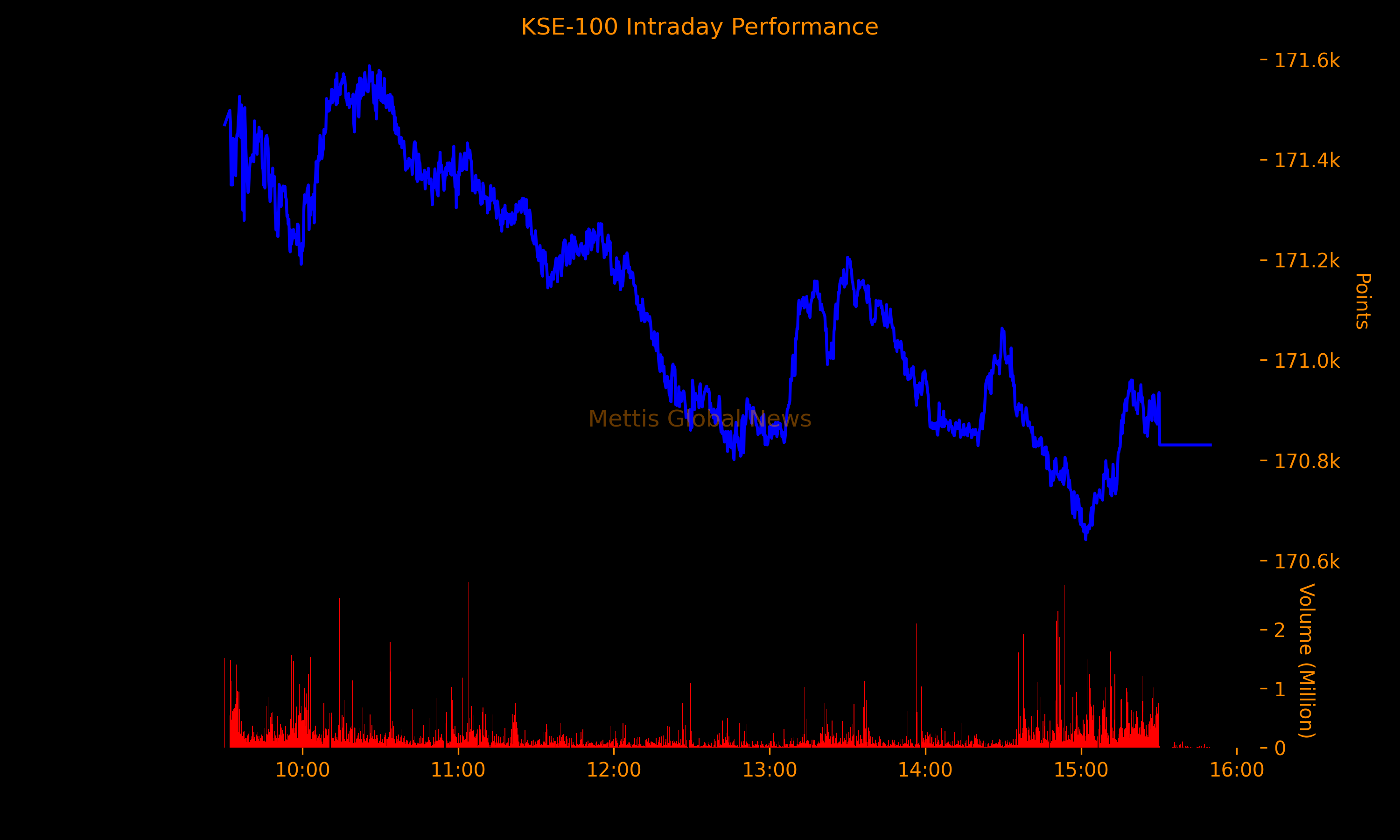
Of the 100 index companies 42 closed up, 58 closed down, while 0 were unchanged.
Top losers during the day were RMPL (-9.67%), KOHC (-7.10%), DHPL (-6.15%), GADT (-4.34%), and KEL (-3.74%).
On the other hand, top gainers were PTC (+10.01%), JVDC (+5.27%), PIBTL (+3.46%), SSGC (+2.89%), and BOP (+2.69%).
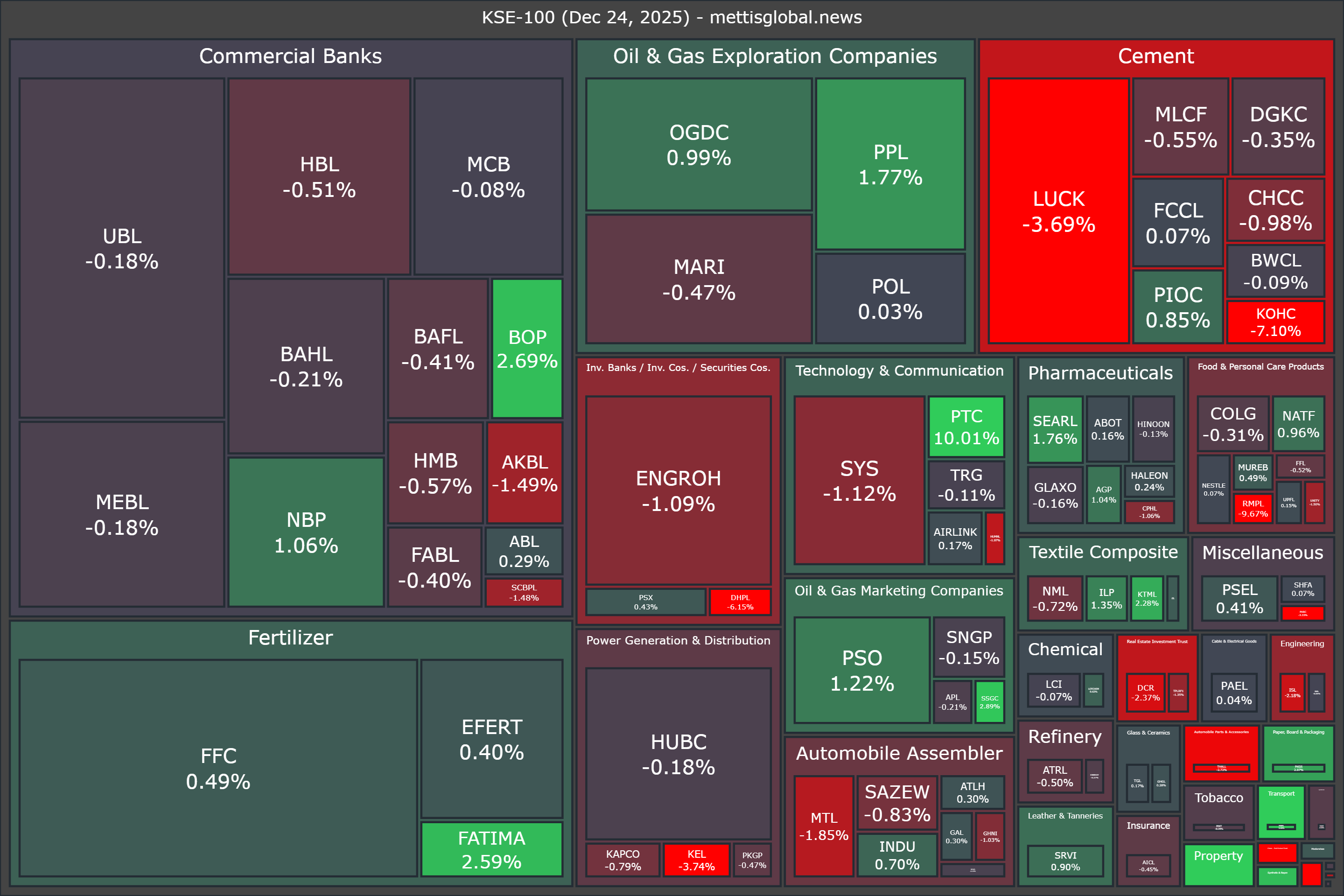
In terms of index-point contributions, companies that dragged the index lower were LUCK (-281.12pts), ENGROH (-81.37pts), KOHC (-67.95pts), SYS (-55.55pts), and RMPL (-36.76pts).
Meanwhile, companies that added points to the index were PTC (+99.62pts), PPL (+87.76pts), FFC (+82.30pts), OGDC (+57.57pts), and BOP (+48.01pts).
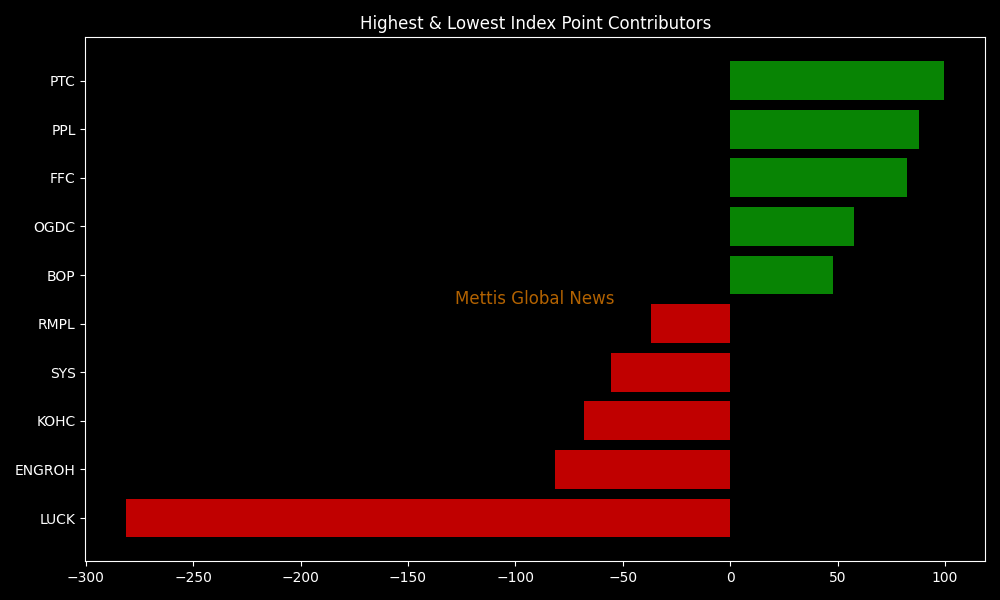
Sector-wise, KSE-100 Index was let down by Cement (-366.68pts), Inv. Banks / Inv. Cos. / Securities Cos. (-104.60pts), Commercial Banks (-41.50pts), Power Generation & Distribution (-39.19pts), and Food & Personal Care Products (-35.50pts).
While the index was supported by Fertilizer (+141.29pts), Oil & Gas Exploration Companies (+119.43pts), Oil & Gas Marketing Companies (+51.54pts), Technology & Communication (+38.86pts), and Property (+25.80pts).
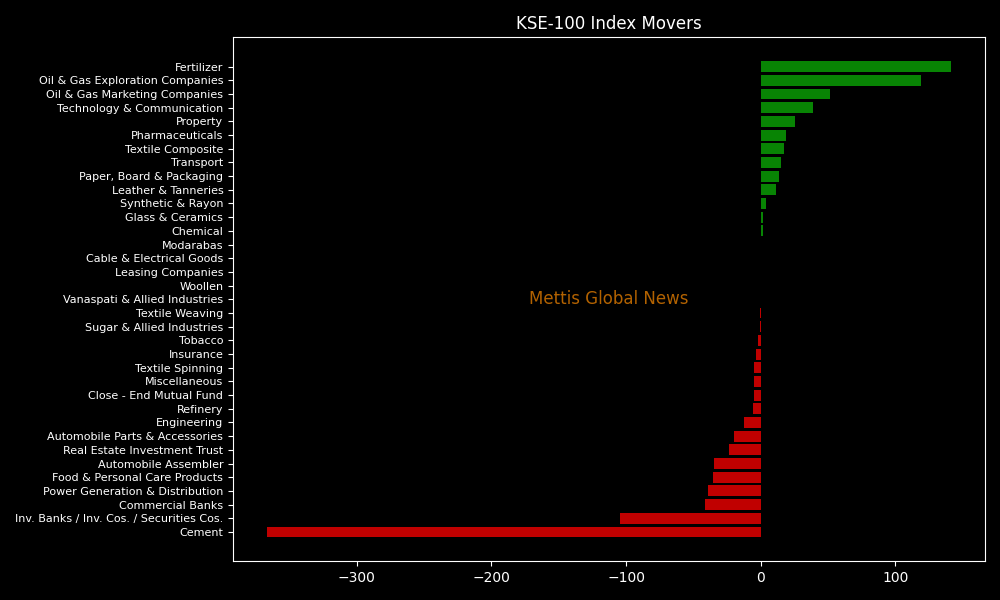
In the broader market, the All-Share Index closed at 102,922.37 with a net loss of 197.80 points or 0.19%.
Total market volume was 811.56 million shares compared to 650.14m from the previous session while traded value was recorded at Rs29.79 billion showing an increase of Rs1.54bn.
There were 367,861 trades reported in 481 companies with 172 closing up, 263 closing down, and 46 remaining unchanged.
| Symbol | Price | Change % | Volume |
|---|---|---|---|
| PIBTL | 18.25 | 3.46% | 62,126,223 |
| BOP | 38.9 | 2.69% | 61,349,318 |
| PIAHCLA | 34.16 | -9.20% | 54,392,023 |
| KEL | 5.66 | -3.74% | 50,470,977 |
| AHCL | 17.16 | 6.72% | 45,364,732 |
| LSECL | 5.69 | 21.32% | 37,023,291 |
| PTC | 54.18 | 10.01% | 34,936,324 |
| WTL | 1.73 | -1.14% | 29,866,421 |
| CSIL | 9.29 | 8.53% | 29,355,568 |
| FNEL | 17.36 | -4.09% | 22,388,705 |
To note, the KSE-100 has gained 45,203 points or 35.98% during the fiscal year, whereas it has increased 55,703 points or 48.38% so far this calendar year.
FFC joins Arif Habib led consortium
Fauji Fertilizer Company Limited (FFC) has joined the consortium that has been declared the highest-ranked bidder for the privatization of Pakistan International Airlines Corporation Limited (PIACL), according to a disclosure filed with the Pakistan Stock Exchange on Wednesday.
The fertilizer manufacturer informed the bourse that its Board of Directors has approved joining the bidding consortium led by Arif Habib Corporation Limited.
The consortium also includes Fatima Fertilizer Company Limited, The Lake City Holdings (Private) Limited, AKD Group Holdings (Private) Limited, and City Schools (Private) Limited.
The Privatization Commission declared the consortium as the highest-ranked bidder during the bidding process held on December 23, 2025, according to the company’s regulatory filing.
This development follows FFC’s earlier announcement in July 2025, when the company disclosed that the Privatization Commission had approved its Statement of Qualification.
At that time, the company’s Board had authorized management to commence buy-side due diligence of PIACL to evaluate the potential acquisition.
Under the approved arrangement, FFC has been authorized by its Board to take all necessary steps to finalize and execute requisite agreements and documents with the consortium and the Privatization Commission.
The transaction will enable the company to acquire and/or subscribe to shares of PIACL, giving FFC an equity stake in the national carrier either directly or indirectly through a special purpose vehicle formed for this purpose.
The company emphasized that completion of the transaction remains subject to several conditions, including:
- Issuance of a Letter of Acceptance by the Privatization Commission to the consortium as the successful bidder in accordance with the prescribed privatization process
- Execution of definitive agreements between the parties to the transaction
- Fulfillment of all conditions precedent to closing, including relevant corporate, regulatory approvals and consents
FFC stated it will keep the Pakistan Stock Exchange informed of any further material developments regarding the transaction.
The privatization of Pakistan’s flag carrier has been a long-discussed initiative as the government seeks to offload loss-making state enterprises and improve their operational efficiency through private sector management.
Yesterday, Arif Habib has won the auction for 75% shares of Pakistan International Airlines Corporation Limited (PIAC) with a successful bid of Rs135bn.
According to the set terms of this transaction, 7.5% (Rs10.125 billion) of the bid amount will be received by the Government of Pakistan through PIAHCL.
The remaining 92.5% (Rs124.875 billion) will be invested in PIACL in the form of new equity via a Rights Issue in two tranches: two-thirds as an upfront payment (Rs83.25 billion) and one-third as the second tranche (Rs41.625 billion), to be invested within 12 months of Financial Close.
ABL charts digital-first future
Allied Bank Limited (PSX: ABL) has positioned itself as a symbol of resilience, digital innovation, and financial stability in Pakistan’s evolving banking landscape.
This was highlighted in an in-depth interview with its Chief Executive Officer, Aizid Razzaq Gill, published in USA Today as part of a special 16-page Pakistan Special Report.
Speaking to an international audience, Gill addressed Pakistan’s long-standing perception challenges, attributing them largely to regional geopolitics and post-9/11 fallout rather than ground realities.
He emphasized that recent government efforts, coupled with growing tourism and first-hand visitor experiences, are steadily reshaping Pakistan’s global image as a welcoming and opportunity-rich country.
Gill also shared his personal journey, from studying architecture in Lahore and earning an MBA in California to building a three-decade-long career across corporate banking, risk management, and retail finance.
A Chevening scholar with a master’s degree in business economics from the University of Manchester, Gill said his decision to return to Pakistan was driven by a desire to contribute directly to the national economy.
He has led Allied Bank as CEO for the past five years.
A defining feature of Allied Bank, according to Gill, is its deeply rooted internal culture. The bank follows a strong “promote from within” philosophy introduced after its privatization two decades ago.
All of the CEO’s direct reports have spent 15–20 years at ABL, reflecting institutional continuity, leadership development, and long-term stability.
Gill noted that future leadership, including the next CEO, could well emerge from the bank’s current management trainee pool.
Strategically, Allied Bank is focused on two core pillars, robust risk management and digital transformation.
While acknowledging that Pakistan’s financial inclusion journey still requires physical branches in remote areas, Gill said ABL’s digital services in urban centers are already at, and in some cases ahead of, global standards.
The results of this strategy are evident. Around 83% of Allied Bank’s transactions are now conducted digitally, marking a dramatic behavioral shift among customers.
The bank’s digital ecosystem is supported by partnerships with global technology leaders such as Oracle, IBM, and Temenos.
ABL was the first bank in Pakistan to implement the Temenos core banking system in 2006 and continues to upgrade it.
Gill revealed that the bank is actively experimenting with artificial intelligence, large language models, and even Metaverse-based experimental branches.
He highlighted the bank’s proprietary Risk Assessment and Management System (RAMS), developed over 15 years ago, which digitized credit approvals and now manages the entire loan book.
This system has helped ABL maintain the lowest non-performing loan (NPL) ratio in Pakistan at just 1.2%, compared with an industry average of 8% or more.
Strong fundamentals underpin ABL’s performance. The bank boasts one of the highest capital adequacy ratios in the industry, a AAA local credit rating, and the highest corporate governance ratings among Pakistani banks.
These strengths have earned Allied Bank repeated international recognition, including Bank of the Year by The Banker and Financial Times for three consecutive years, and Best Digital Bank in Pakistan by Euromoney.
Beyond banking, Gill made a strong case for foreign investment in Pakistan, pointing to untapped potential in agriculture, tourism, and minerals.
He stressed that Pakistan’s banking system is well-regulated and capable of supporting long-term investment, even in challenging macroeconomic conditions.
“This is the right time to look at Pakistan,” Gill said, concluding with a message to global investors. “The country is rich in opportunity and eager for partnerships.
Allied Bank stands ready to support investment, drive inclusion, and power Pakistan’s digital and economic transformation.”
The interview’s publication in USA Today marks a rare moment of global spotlight for Pakistan’s financial sector.
It positions Allied Bank not only as a leading domestic institution, but also as a credible face of Pakistan’s economic future on the world stage.
OGDC receives sixth interest payment under TFCs

Oil & Gas Development Company Limited (PSX:OGDC) has received the sixth monthly interest payment under the Term Finance Certificates (TFCs) issued by Power Holding (Private) Limited (PHL) as part of the government-approved circular debt settlement mechanism.
The installment amounts to Rs 7.725 billion and is one of twelve equal monthly payments against a total interest obligation of Rs 92bn, according to the company’s statement issued today.
The repayments are being made in line with the framework approved by the Government of Pakistan to address circular debt in the energy sector.
Interest payments under the plan are scheduled over a twelve-month period beginning in July 2025.
Receipt of the sixth installment marks continued progress in the implementation of the settlement initiative.
GCWL goes live with strategic carbide facility
Ghani Chemworld Limited (PSX: GCWL) has officially commenced production and sale of Calcium Carbide and its related products at its project in the Hattar Special Economic Zone.
The project, executed under the guidance of Chinese and European experts, represents a strategic move to strengthen the country’s indigenous industrial market, according to the company’s statement issued today.
The facility is designed to meet modern technological standards and caters to both domestic and export demand for Calcium Carbide, a crucial input in various industrial processes.
This development is expected to enhance local production capabilities and support Pakistan’s industrial growth.
Gold price in Pakistan rises Rs2,000 per tola
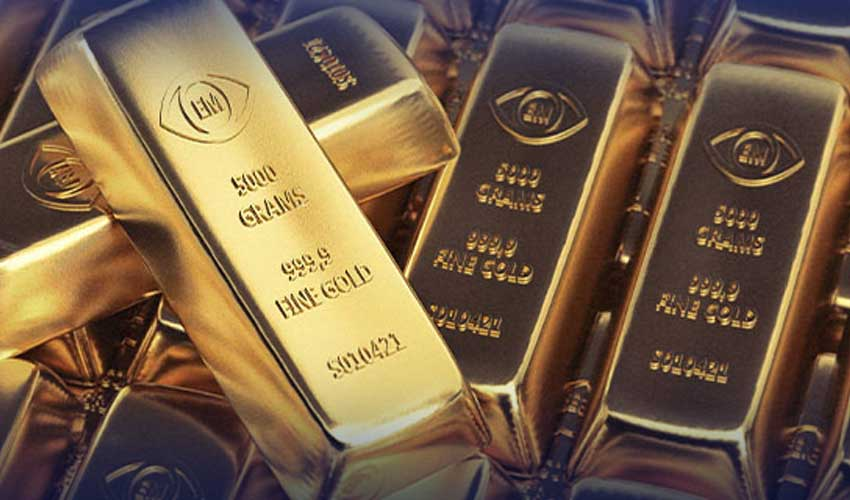
Gold price in Pakistan increased on Wednesday, with 24-karat gold being sold at Rs472,862 per tola, up Rs2,000.
Similarly, 24-karat gold per 10-gram was sold at Rs405,402 after a gain of Rs1,714, according to rates shared by the All-Pakistan Gems and Jewelers Sarafa Association (APGJSA).
The price of 22-karat gold was also quoted higher at Rs371,632 per 10-gram.
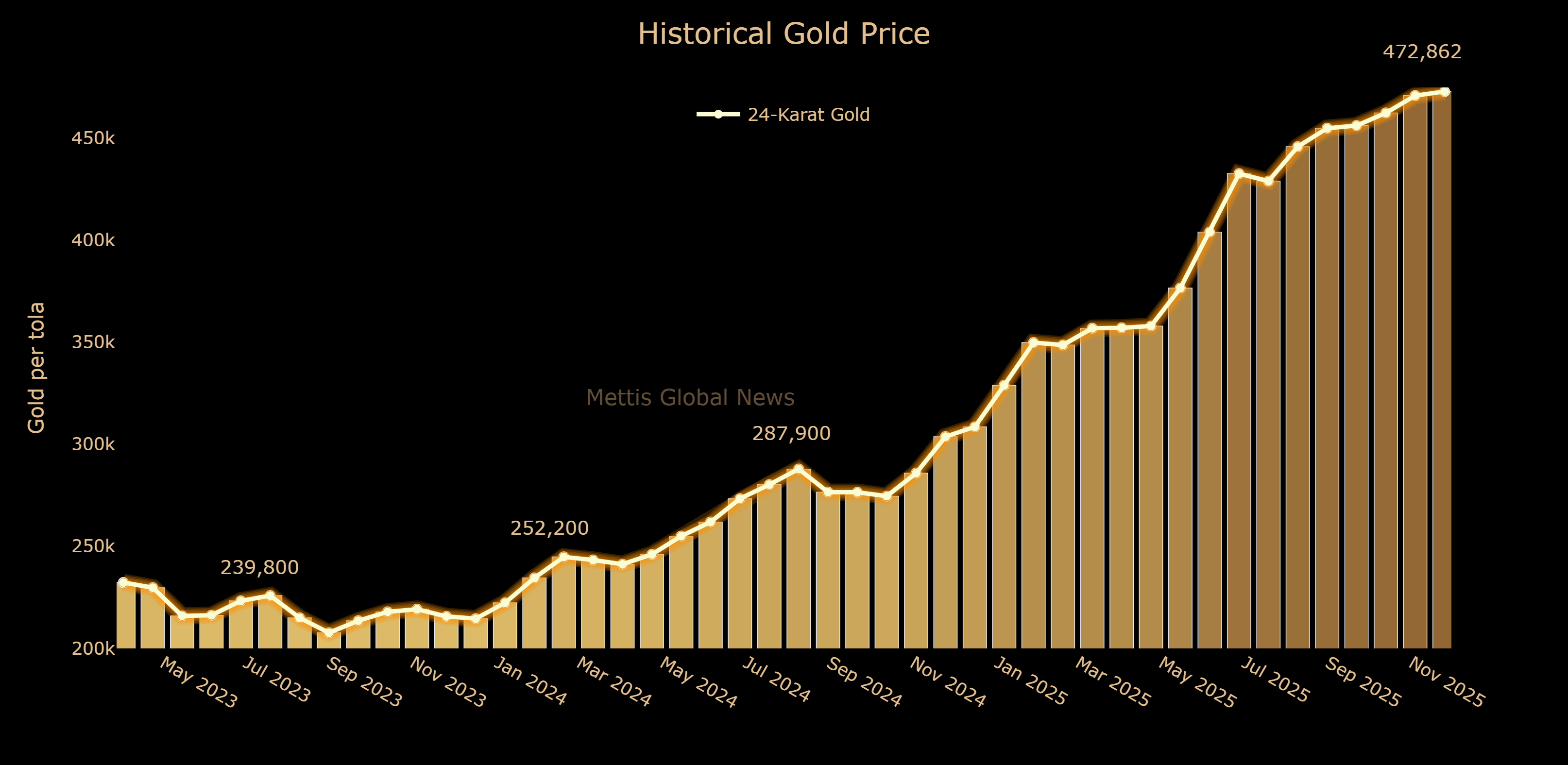
Similarly, silver prices rose in the domestic market, with 24-karat silver being sold at Rs7,705 per tola (+Rs500) and Rs6,605 per 10-gram (+Rs428).
| PKR (24-karat per tola) | Dec 24, 2025 | Dec 23, 2025 | DoD | 1 Month | FYTD | CYTD |
|---|---|---|---|---|---|---|
| Gold | 472,862 | 470,862 | 2,000 | 36,300 | 122,662 | 200,262 |
| Silver | 7,705 | 7,205 | 500 | 2,283 | 3,923 | 4,355 |
Globally, spot gold traded near $4,490 an ounce, down $12 or 0.27% from the previous session.
Pakistan redefines its energy future
Pakistan is reshaping its energy sector as part of a broader effort to support economic growth, reduce external vulnerabilities, and attract foreign investment.
New policies and infrastructure plans are being rolled out to strengthen energy security, expand domestic production, and accelerate the transition toward cleaner and more sustainable energy sources.
The petroleum sector, a cornerstone of Pakistan’s energy mix, is undergoing significant reform aimed at ensuring reliable supply while lowering import dependence and environmental costs.
These priorities were outlined by Federal Minister for Petroleum Ali Pervaiz Malik in an article published by USA Today as part of its 16-page Pakistan Special Report, which examines key sectors driving the country’s economic transformation.
In his contribution, Mr. Ali Pervaiz Malik said Pakistan’s energy strategy is anchored in improving availability, affordability, and security.
He noted that while nearly 80 to 90% of petroleum requirements are currently met through imports, new exploration policies are designed to reverse this imbalance by boosting local production.
Updated exploration and petroleum frameworks now include stronger incentives, longer lease terms, and provisions to attract international firms with advanced technology and capital.
The minister highlighted that investor confidence remains central to the reform agenda. He reaffirmed the government’s commitment to protecting investor rights, including full profit repatriation, even during periods of economic stress.
Recent policy updates, he said, reflect global best practices and are intended to provide transparency, contractual clarity, and regulatory stability.
Alongside policy reform, Pakistan is investing heavily in energy infrastructure to strengthen supply chains and reduce costs. Plans are underway to expand pipeline networks, enhance LNG import and handling capacity, and modernise refineries.
These measures aim to improve fuel quality, reduce reliance on road transport, lower emissions, and cut logistical inefficiencies across the energy value chain.
Malik stressed that Pakistan’s energy transition is being shaped by both policy direction and consumer demand.
Falling solar panel costs, rising electricity prices, and frequent power disruptions have accelerated the adoption of distributed solar solutions. Installed solar capacity surged sharply between 2022 and 2024, making Pakistan one of the fastest-growing solar markets in the region.
To support this shift, the government has aligned its energy policies with global climate commitments, including mechanisms under the Paris Agreement.
Cleaner fuel standards, infrastructure upgrades, and regulatory reform are being pursued alongside renewable expansion to ensure a balanced and diversified energy mix.
The minister also highlighted the regional and economic importance of the energy reforms. Reduced import bills, increased upstream production, and improved infrastructure are expected to strengthen Pakistan’s balance of payments while creating jobs and supporting industrial growth. Regionally, Pakistan aims to position itself as a transit hub for energy trade, refined products, and emerging clean-energy solutions.
Despite progress, Federal Minister for Petroleum acknowledged ongoing challenges, including geopolitical risks, sanctions-related supply disruptions, financing constraints, and currency volatility. However, he said continued policy consistency, regulatory discipline, and international engagement remain key to overcoming these hurdles.
By balancing traditional energy sources with renewables, strengthening domestic capacity, and fostering investor confidence, Pakistan is laying the foundation for sustainable growth and a more resilient energy future.
Arif Habib Consortium takes flight: PIA privatization deal sealed ‘Rs135b’
PROMISES REVIVAL OF NATIONAL AIRLINE

Aneel Ahmed Usmani
ISLAMABAD: In a landmark development for Pakistan’s aviation sector, the Arif Habib Corporation Limited-led consortium has emerged as the winning bidder for the privatization of Pakistan International Airlines (PIA), securing the majority stake with a final offer of Rs135 billion. The announcement marks the culmination of the government’s second televised attempt to privatize the national flag carrier.
The consortium, which includes Fatima Fertiliser Company Limited, City Schools, and Lake City Holdings Limited, now takes over 75% of PIA’s shares, with 92.5% of the proceeds earmarked for investments in the airline and the remaining 7.5% going to the federal government. Officials have confirmed that the remaining 25% stake retained by the government will remain under state ownership, with an option for the consortium to acquire it later.
Privatization Commission Chairman Muhammad Ali described the sale as a transformative step for PIA. “The Arif Habib-led consortium brings the expertise, capital, and vision necessary to revive PIA’s operational efficiency and restore its past glory,” he said.
The consortium has committed to infusing substantial capital into modernizing the airline’s fleet, enhancing operational processes, and expanding domestic and international routes. Industry analysts say the takeover could usher in a new era of professionalism, financial stability, and customer-focused service for the airline, which recently posted its first pre-tax profit in two decades.
Job security for PIA employees has been assured for 12 months, while pensions, medical benefits, and other post-retirement obligations will remain the responsibility of the holding company. Current salaries and benefits will continue under the new management.
Prime Minister Shehbaz Sharif lauded the process, calling it a “milestone in Pakistan’s economic reform agenda” and emphasizing that the government’s objective is to make PIA self-sustaining rather than simply selling it.
With 78 operational destinations and around 170 landing slots worldwide, the Arif Habib consortium now faces the challenge of turning the historic airline into a profitable and competitive carrier. Aviation experts say the move could not only strengthen Pakistan’s civil aviation sector but also boost investor confidence in the country’s privatization program.
The successful acquisition is expected to attract fresh investment, enhance service quality, and reconnect Pakistan to key international routes, signaling a promising future for the once-flagship carrier.
Round 1: Arif Habib leading, Lucky Consortium penultimate, Air Blue stands third till now
Arif Habib Ltd: 115 billion
LUCKY CEMENT: 101.5 billion
Air Blue: 26.5 billion
By Aneel Ahmed Usmani
ISLAMABAD: The second open-bidding ceremony for the privatization of Pakistan International Airlines (PIA) is currently underway in Islamabad, with a brief half-hour break during the proceedings. Three major contenders are competing for a majority stake in the national flag carrier.
During the initial round of bidding, Arif Habib Corporation Limited has emerged as the frontrunner with an offer of Rs115 billion. Following closely is Lucky Cement Limited with a bid of Rs101.5 billion, while Air Blue currently trails with Rs26.5 billion.
The competitive bidding marks a significant step in Pakistan’s efforts to privatize its national airline, attracting major players from diverse sectors and generating heightened public and media attention.
The first consortium is led by Lucky Cement Limited and includes power producer Hub Power Holdings Limited, Kohat Cement Company Limited (KOHC), and investment firm Metro Ventures. The second consortium is spearheaded by Arif Habib Corporation Limited, with partners Fatima Fertiliser Company Limited, private school network City Schools, and real estate firm Lake City Holdings Limited. The third bidder is private airline Air Blue (Private) Ltd.
This auction represents Pakistan’s second televised attempt to sell PIA after last year’s failed process, which drew only a single bid far below the government’s reference price, stalling what would have been the country’s first major privatization in nearly two decades.
The bids are being submitted in a public ceremony broadcast live on state television. Representatives of the bidding groups deposited sealed offers into a transparent box, ensuring transparency throughout the process. The bidding for the majority stake will occur in two phases, with a second open-bidding session scheduled later today.
Prime Minister Shehbaz Sharif lauded the process for its transparency and urged cabinet members to attend the ceremony. Fauji Fertiliser Company Ltd, previously seen as a leading contender for the 75% stake, formally withdrew from the bidding last week.
Under the privatization structure, 92.5% of the amount paid for the 75% stake will be invested in PIA, with the remaining 7.5% going to the government. Bidders may also have the option to acquire the remaining 25% stake retained by the state. Payment terms stipulate that two-thirds of the bid must be paid within 90 days, with the remainder due within 12 months.
The government has guaranteed 12 months of job security for PIA employees, while pension liabilities, medical benefits, and other post-retirement perks will be managed by the holding company. The airline currently operates 78 destinations worldwide and holds around 170 landing slots.
PIA’s financial outlook has improved significantly since last year. Islamabad has absorbed most of its legacy debt, the airline posted its first pre-tax profit in two decades, and international regulators, including the UK and EU, have lifted a five-year ban, reopening lucrative routes. Analysts say this could materially increase PIA’s valuation compared to the failed auction last year.
The sale of PIA forms part of Pakistan’s broader privatization agenda under the IMF bailout, which also targets stakes in state-owned banks, power distribution companies, and other loss-making enterprises to reduce fiscal drain and restore investor confidence.
IFC launches first local currency investment in Pakistan
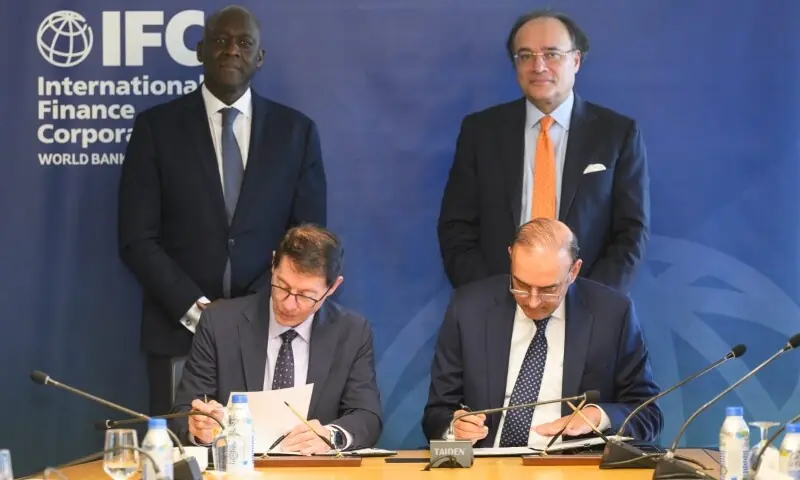
PSMU Desk
ISLAMABAD: The International Finance Corporation (IFC), the private sector arm of the World Bank Group, has announced its first local currency investment in Pakistan, aimed at strengthening the country’s agriculture sector and enhancing food security.
According to a press release issued on Tuesday, the IFC’s investment will take the form of an unfunded partial credit guarantee of up to Rs33.6 billion, supporting long-term financing from Standard Chartered Bank Pakistan Limited to Engro Fertilisers Limited.
“This marks IFC’s first Pakistani rupee-denominated investment, expanding access to long-term financing solutions in both local and foreign currency—critical for economic growth, particularly in key sectors such as agriculture and micro, small, and medium enterprises,” the release said.
The financing will enable Engro Fertilisers to mobilize local capital for strengthening the agri-value chain, maintaining production facilities, and ensuring uninterrupted supply of urea and other fertilisers to meet national demand. The project also benefits from a first-loss counter guarantee from IFC-Canada’s Facility for Resilient Food Systems.
By leveraging PKR-denominated financing, Engro Fertilisers is promoting the use of domestic capital to enhance operational resilience and support farmer programs that complement the company’s mission of reliable production.
The press release highlighted the importance of agriculture in Pakistan, contributing 24% of GDP, 70% of exports, and 40% of employment, while noting systemic challenges such as inefficient supply chains, underfunded farmer programs, low literacy, and rising input costs. The IFC investment is intended to help address these gaps.
Engro Fertilisers CEO Ali Rathore said, “Using local capital to strengthen local value chains reflects our commitment to Pakistan and to our farmers—the backbone of the economy—through reliable fertiliser production. We are grateful to IFC and Standard Chartered Bank for enabling us to advance this mission.”
IFC’s Regional Industry Head for Manufacturing, Agribusiness, and Services in the Middle East and Central Asia, Ashruf Megahed, stated, “This investment reflects the strength of our partnership with Engro Fertilisers and Standard Chartered Bank and our shared commitment to providing innovative solutions sustainably. It opens new pathways for local currency long-term financing, supporting growth and financial resilience in a sector vital to the country’s economy.”
Rehan Shaikh, CEO and Head of Coverage at Standard Chartered Pakistan, added, “This partnership demonstrates our shared vision to strengthen food security and support one of Pakistan’s most critical value chains. Standard Chartered looks forward to replicating this successful structure across our network.”
The announcement comes two months after the State Bank of Pakistan (SBP) partnered with the IFC to expand local currency financing for the private sector. Under the International Swaps and Derivatives Association (ISDA) framework, this agreement allows the multilateral institution to invest in Pakistani rupees and manage exchange rate risks, addressing the mismatch that arises when companies borrow in hard currencies but earn revenues in local currency.
The move is expected to enhance the financial resilience of local businesses while supporting long-term economic stability.
European shares muted as consumer, energy stocks limit healthcare gains

The pan-European STOXX 600 was up 0.2% at 587.91
European shares were muted on Tuesday as healthcare sector gains powered by heavyweight Novo Nordisk clinching US approval of its weight loss pill were offset by losses in consumer-facing shares.
The pan-European STOXX 600 was up 0.2% at 587.91 by 0808 GMT.
Major regional markets were largely subdued, with benchmark indexes in London and France little changed.
Shares of Novo Nordisk advanced 5.8% after the US Food and Drug Administration approved its weight-loss pill on Monday, giving the drugmaker a major competitive advantage in the increasingly lucrative weight management market.
The healthcare sector jumped 0.8%, the most among peers. Consumer discretionary shares were the biggest weights, with some luxury stocks such as Richemont falling.
Energy slipped 0.1%, after logging four consecutive sessions of gains.
Third-quarter US GDP figures, which are expected to show that the US economy had continued to grow strongly, will be on the radar in an otherwise data-light week.
Pakistan Refinery appoints interim CEO
Pakistan Refinery Limited (PSX: PRL) has appointed Mr. Zafar Ul Islam Usmani as the interim Managing Director and Chief Executive Officer, effective January 1, 2026.
This decision follows the company’s earlier declaration on September 11, 2025, according to the company’s statement issued today.
At the time of writing, shares of PRL were trading at Rs.36.10, up Rs.0.51, or 1.43%.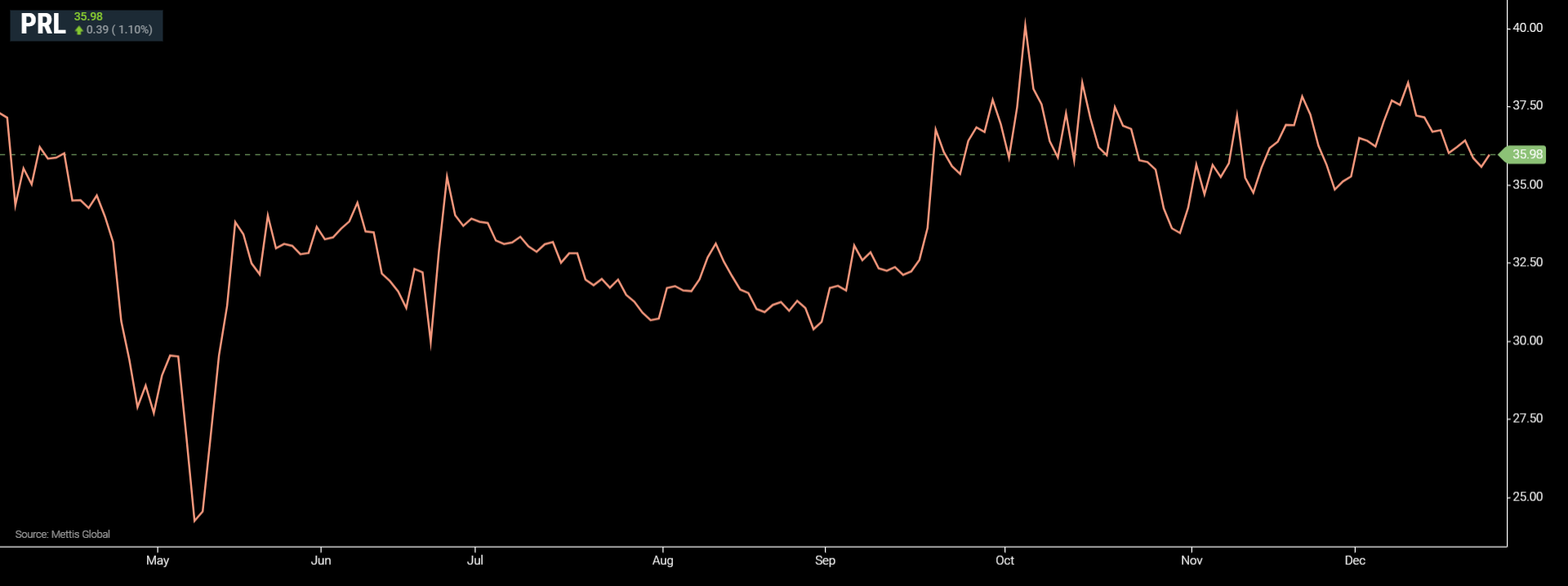
Wahdat Farms Pvt Ltd: revolutionizing Pakistan’s poultry industry with nutrient-rich eggs

The packaged and enriched eggs (PNE) segment in Pakistan’s poultry industry is witnessing remarkable growth, driven by increasing consumer awareness of health and hygiene. At the forefront of this transformation is Wahdat Poultry Farms Pvt. Ltd. (WPF), the company behind Farm Fresh Eggs, renowned for being one of the pioneers in packaged and enriched products such asOmega-3 enriched and vitamin-fortified eggs in Pakistan.
The Inception of Farm Fresh Eggs
Founded by Muhemmed Shahid Zaman and Air Marshal Aurangzeb Khan (Retd.), Wahdat Farms was established to utilize ancestral farmland to produce premium, nutrient-rich eggs—a product of unmatched quality in the Pakistani market. Aurangzeb Khan, a decorated officer with an illustrious career in the Air Force, has led significant projects, including the induction of the JF-17 Thunder, developed jointly by China and Pakistan’s Aeronautical Complex Kamra, where he served as Chairman. Muhemmed Shahid Zaman, a serial entrepreneur, has successfully spearheaded China clay Factory in Sindh & several agricultural ventures, including fish farming, modern dairy farming, organic fertilizer, and corn silage production.
Innovative and Nutrient-Rich Products
Over the past sixteen years, Farm Fresh Eggs has led the packaged and enriched egg category, establishing a strong domestic footprint while also making inroads into export markets, particularly in the Gulf region. The brand offers a rich nutritional profile, providing essential vitamins such as A, D, and E, along with key nutrients like Selenium and Omega-3 fatty acids. In a market, where consumers often have to choose between quality and affordability, Farm Fresh Eggs stands out by excelling in both. This is why they have a loyal customer base.
Wahdat Farms ensures this quality through the rigorous production process that upholds the highest hygiene and safety standards. The hens are fed a 100% vegetarian diet free from antibiotics, ensuring the birds’ health and the superior quality of their eggs. Produced in state-of-the-art, fully automated farms equipped with modern technology, the eggs are subjected to stringent hygiene protocols. A dedicated panel of nutritionists oversees the entire process to ensure that only the finest quality eggs reach consumers. As a result, the eggs are antibiotics & bacterial free nutritious, meeting international quality standards.
Positioned for Growth in a Rapidly Expanding Market
Wahdat Poultry Farm is the market leader in the packaged & eggs category.
With rising demand for healthier food options in Pakistan, the BNE segment is poised for significant growth. Wahdat Farms has strategically positioned itself to capitalize on this trend. Over the last sixteen years, the company has built a strong presence in the domestic market, offering products that meet the evolving needs of health-conscious consumers—anticipating the demand long before it became apparent.
International Market Presence
Wahdat Farms has also expanded into international markets, particularly in the Middle East, where there is high demand for premium-quality eggs. Farm Fresh Eggs are supplied to major international retail chains such as Carrefour, Metro, and McDonald’s, reflecting the trust and credibility the company has earned over the years. These global partners conduct annual quality audits, consistently awarding Wahdat Farms an A-grade rating, further solidifying its reputation as a leader in the industry.
Opportunities for Expansion
The rapid expansion of the PNE segment in Pakistan presents significant opportunities for Wahdat Farms to further scale its operations. Financial institutions can play a critical role by providing capital to enhance the value chain, improving margins and ensuring the sustainability of export activities. Such investments would boost the company’s domestic and international market reach, driving revenue growth and promoting economic advancement across Pakistan.
Wahdat Farms’ success underscores the potential for value-added products in the agricultural sector, opening new avenues for consumers, sponsors, and business partners.
A Vision for the Future
Under the leadership of Muhemmed Shahid Zaman and Air Marshal Aurangzeb Khan (Retd.), Wahdat Farms is set to continue its trajectory of growth and innovation. The company’s vision is to lead Pakistan’s egg industry by introducing new, health-focused products and expand its footprint locally and globally. With a strong foundation built on quality, trust, and sustainability, Wahdat Farms is well-poised to face future challenges and seize new opportunities.
As Pakistan’s poultry industry evolves, Wahdat Farms Pvt. Ltd. stands at the forefront, setting new benchmarks in product quality and industry practices. Through its commitment to innovation and excellence, Wahdat Farms is driving growth in the poultry sector while promoting healthier lifestyles for consumers both in Pakistan and beyond.
ECC approves Pakistan’s largest spectrum auction, opening doors for 5G
Recommendations would now be placed before the federal cabinet for final approval
The Economic Coordination Committee (ECC), chaired by Finance Minister Muhammad Aurangzeb, on Tuesday approved key recommendations for Pakistan’s largest-ever spectrum auction, enabling the country’s first commercial rollout of 5G services.
The approval is based on proposals of the Spectrum Advisory Committee, also chaired by the finance minister, following consultations with stakeholders, including users, the Pakistan Telecommunication Authority (PTA), and a review of international and regional benchmarks on spectrum pricing, payment terms, and auction design.
“We have been on the journey of Digital Pakistan, and accelerating that journey,” said Aurangzeb, adding that the spectrum auction is an important enabler in this regard.
Speaking at a press conference alongside the finance minister, Federal Minister for Information Technology and Telecommunication Shaza Fatima said the ECC’s decision clears a critical policy hurdle and that the recommendations would now be placed before the federal cabinet for final approval.
Once cleared by the cabinet, the PTA will issue an Information Memorandum, initiating formal consultations and negotiations with telecom operators.
High spectrum pricing: Govt finds itself in a catch-22 situation
“The government aims to complete the auction by the end of January or in the first week of February,” she said.
Under the plan, nearly 600 megahertz (MHz) of spectrum will be auctioned, in addition to the 274 MHz currently in use, making it the largest spectrum auction in Pakistan’s history.
Except for the 1800 MHz and 2300 MHz bands, all frequency bands will be auctioned for the first time in the country.
Meanwhile, Aurangzeb said that the recommendations were developed with a “Pakistan-first” approach, noting that spectrum pricing and payment structures were carefully designed to balance fiscal considerations with the telecom sector’s capacity to invest in network expansion.
Meanwhile, Pakistan’s IT minister admitted that a limited spectrum availability is a major reason for poor internet quality in the country, saying that around 240 million people currently operate on just 274 MHz of spectrum, far below regional peers.
She said the additional spectrum would reduce congestion, improve 3G and 4G services, and enable the introduction of 5G in Pakistan for the first time. The PTA will impose rollout obligations on winning bidders to ensure network deployment within four to six months.
The IT minister said the auction aligns with the government’s broader digital transformation agenda under the Digital Nation Pakistan Act and the “Connect 2030” plan, which targets average internet speeds of up to 100 Mbps over the next five years and aims to improve Pakistan’s position in international connectivity rankings within three years.
She added that the government has already abolished Right of Way charges to encourage investment in fibre infrastructure, noting that less than five per cent of the country is currently fibreised.
Kohinoor Mills starts commercial production at apparel division
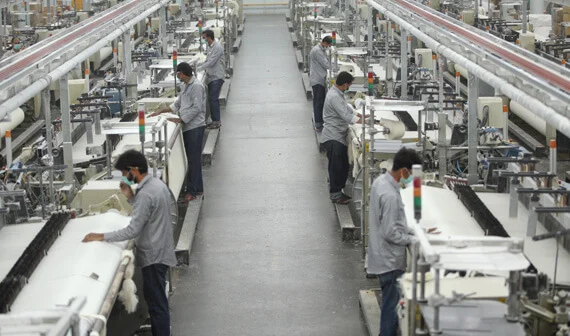
Kohinoor Mills Limited, a Pakistani textile exporter, has commenced commercial production at its apparel division. The development comes as the company seeks to expand and strengthen its footprint in the apparel industry, read a notice issued to the Pakistan Stock Exchange (PSX) on Tuesday.
The new manufacturing facility spans a production area of approximately 16,000 square metres and has an annual production capacity exceeding five million garments. As part of its ramp-up plan, the company is targeting output of 5,000 garments per day per shift by June 30, 2026.
The workforce at the apparel unit currently stands at more than 480 employees, with further hiring expected as production scales up, it added.
“The manufacturing facility has been designed to meet the requirements of modern fashion retail businesses through state-of-the-art stitching, washing, and finishing lines, enabling the production of high-quality casual wear and performance garments.
“The availability of in-house fabrics from the company’s weaving and dyeing divisions will ensure consistent quality, product standardisation, and sustainability,” read the notice.
The management believes that this forward integration “will deepen the value-added product mix, enhance customer wallet share, and contribute meaningfully to revenue growth as well as the overall profitability of the company”.
Pakistani textile exporter to establish subsidiary in US to tap global markets
Kohinoor Mills Limited is a public limited company incorporated on 21 December 1987 in Pakistan under the Companies Ordinance, 1984 (Now Companies Act, 2017).
The company is principally engaged in the business of textile manufacturing, covering weaving, bleaching, dyeing, buying, selling, and otherwise dealing in yarn, cloth and other goods and fabrics made from raw cotton and synthetic fibre, and to generate and supply electricity
Amreli Steels raises Rs1bn through share allotment
Amreli Steels Limited (PSX: ASTL) has successfully received Rs1 billion through the issuance of 40 million ordinary shares at Rs25 per share to the existing sponsor Mr. Shayan Akberali.
Each share carries a nominal value of Rs10, with a premium of Rs15 per share, according to the Company’s filing on PSX revealed today.
Following this allotment, the paid-up capital of the company has increased to Rs3.37 billion, reflecting 337,011,427 ordinary shares of Rs10 each.
The newly issued shares have been credited to Mr. Akberali’s account in the Central Depository System, completing all statutory and regulatory formalities.
The move was approved by the Securities and Exchange Commission of Pakistan (SECP) and aligns with Section 96 of the Securities Act, 2015, and PSX regulations.
The company has formally notified the Pakistan Stock Exchange and relevant regulatory bodies of the share allotment and capital increase.
Amreli Steels’ latest capital injection demonstrates continued confidence by its sponsors in the company’s growth trajectory and strengthens its financial position in the steel sector.
Pakistan, Bangladesh begin double taxation treaty revision
Pakistan and Bangladesh have opened negotiations to revise their bilateral tax treaty, with technical teams from both countries meeting in Islamabad this week to align the agreement with current international standards.
A delegation from Bangladesh’s National Board of Revenue (NBR) arrived in Pakistan on December 22 for five days of talks focused on amending the Convention for the Avoidance of Double Taxation and the Prevention of Fiscal Evasion with respect to Taxes on Income.
Muhammad Lutful Azeem, Member for International Taxes at NBR, is leading the Bangladeshi team, which includes senior tax officials and policy experts, according to the press release.
The Pakistani side is represented by the Federal Board of Revenue’s international tax division under Director General Aftab Alam.
The treaty revision comes as both countries seek to reduce tax barriers for cross-border businesses and investors.
Double taxation agreements typically specify which country can tax different types of income, preventing companies and individuals from paying taxes twice on the same earnings.
Bangladesh High Commissioner Md. Iqbal Hussain Khan met with FBR Chairman Rashid Mahmood Langrial, where both officials committed to expanding bilateral trade volumes and economic cooperation.
The two sides agreed that modernizing the tax treaty would support these broader commercial objectives.
Current trade between Pakistan and Bangladesh remains modest compared to their economic potential, with both countries identifying tax policy coordination as one element in building stronger business linkages.
Both tax authorities have committed to regular institutional exchanges on international taxation matters beyond this week’s negotiations.
NBP issues foreign exchange rates
The treasury management division of the National Bank of Pakistan (NBP) on Tuesday, issued the following exchange rates.
These NBP forex rates serve as a currency benchmark for the day’s trading activity, offering an insight into prevailing market open rates.
This is part of the bank’s routine FX market update, offering transparency on foreign currency valuation and aiding in informed financial decisions.
| Ready Transaction Rates | |||
| Currency | Symbol | TT Selling | TT Buying |
| US DOLLAR | USD | 280.60 | 280.10 |
| EURO | EUR | 330.42 | 329.83 |
| JAPANESE YEN | JPY | 1.7953 | 1.7921 |
| BRITISH POUND | GBP | 378.37 | 377.70 |
| SWISS FRANC | CHF | 355.39 | 354.75 |
| CANADIAN DOLLAR | CAD | 204.29 | 203.92 |
| AUSTRALIAN DOLLAR | AUD | 187.06 | 186.73 |
| SWEDISH KRONA | SEK | 30.43 | 30.37 |
| NORWEGIAN KRONE | NOK | 27.79 | 27.74 |
| DANISH KRONE | DKK | 44.23 | 44.16 |
| NEWZEALAND DOLLAR* | NZD | 163.20 | 162.91 |
| SINGAPORE DOLLAR | SGD | 218.18 | 217.79 |
| HONGKONG DOLLAR | HKD | 36.08 | 36.01 |
| KOREAN WON* | KRW | 0.1891 | 0.1887 |
| CHINESE YUAN | CNY | 39.96 | 39.89 |
| MALAYSIAN RINGGIT* | MYR | 69.04 | 68.91 |
| THAI BAHT* | THB | 9.02 | 9.01 |
| U.A.E DIRHAM | AED | 76.41 | 76.28 |
| SAUDI RIYAL | SAR | 74.81 | 74.68 |
| QATAR RIYAL* | QAR | 77.01 | 76.87 |
| KUWAITI DINAR* | KWD | 914.27 | 912.65 |
| Conversion Rates for Frozen FCY Deposits | Settlement Date | |
| USD | 280.197 | Friday, 26 December 2025 |
| GBP | 375.7161 | |
| EUR | 328.643 | |
| JPY | 1.7797 | |
NBP rates are not valid for transactions over 5,000 USD or equivalent in other currencies (cumulative basis).
*The listed currencies are not available to NBP’s customers.
Unity Foods appoints Mr. Amir Shehzad as new CEO
Unity Foods Limited (PSX: UNITY) has gone through a planned leadership transition, effective December 23, 2025, today, with Mr. Amir Shehzad, the current Chairman of the Board, appointed as the company’s new Chief Executive Officer.
The move comes as Mr. Farrukh Amin steps down as CEO and assumes the role of Non-Executive Director, continuing to contribute to the company’s strategic direction, said a press release issued.
During his tenure as CEO, Mr. Amin played a pivotal role in strengthening Unity Foods’ operational foundations, driving strategic initiatives, and reinforcing stakeholder confidence.
Wilmar International, a key partner, formally acknowledged his leadership and contributions to the company’s progress.
Mr. Shehzad’s appointment reflects the Board’s confidence in his leadership and deep institutional knowledge, positioning Unity Foods to continue its growth trajectory with clarity and focus.
The transition has been planned to ensure continuity, sustained strategic momentum, and ongoing collaboration with Wilmar International.
The Board of Directors expressed its gratitude to Mr. Amin for his dedicated service as CEO and looks forward to his continued involvement as Non-Executive Director, confident that under Mr. Shehzad’s leadership, Unity Foods will advance with stability, purpose, and long-term value creation.
Gold hits all time high in Pakistan, crosses Rs470k per tola

Gold price in Pakistan increased on Tuesday, with 24-karat gold being sold at Rs470,862 per tola, up Rs8,500.
Similarly, 24-karat gold per 10-gram was sold at Rs403,688 after a gain of Rs7,288, according to rates shared by the All-Pakistan Gems and Jewelers Sarafa Association (APGJSA).
The price of 22-karat gold was also quoted higher at Rs370,060 per 10-gram.
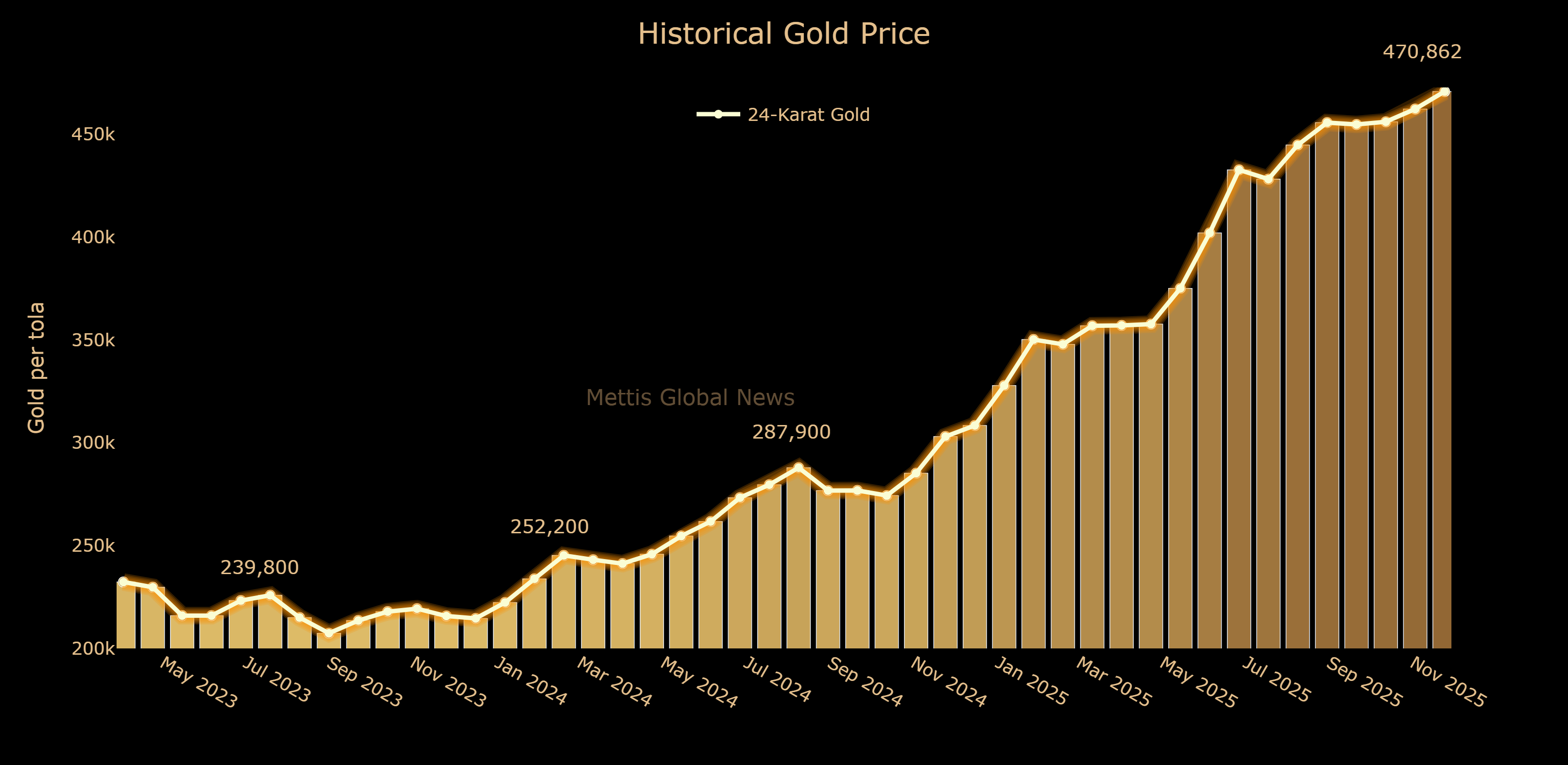
On the other hand, silver prices remained unchanged in the domestic market, with 24-karat silver being sold at Rs7,205 per tola and Rs6,177 per 10-gram.
| PKR (24-karat per tola) | Dec 23, 2025 | Dec 22, 2025 | DoD | 1 Month | FYTD | CYTD |
|---|---|---|---|---|---|---|
| Gold | 470,862 | 462,362 | 8,500 | 42,000 | 120,662 | 198,262 |
| Silver | 7,205 | 7,205 | 0 | 1,935 | 3,423 | 3,855 |
Globally, spot gold traded near $4,486 an ounce, up $27.1 or 0.61% from the previous session, on U.S.-Venezuela tensions.
US GDP shows solid growth amid AI surge
The United States is set to release its third-quarter gross domestic product (GDP) report on Tuesday. Consensus estimates from MarketWatch and Trading Economics project a 3.2% growth rate.
This would be slightly lower than the 3.8% expansion recorded in the second quarter, as reported by APP.
The report was delayed nearly two months due to a government shutdown.
It came as the US economy showed signs of resilience despite ongoing debates over labor market trends, artificial intelligence investments, and policy uncertainties.
Earlier in 2025, concerns over aggressive trade policies under President Donald Trump had weighed on economic sentiment.
However, subsequent negotiations with China and other major trading partners prevented the implementation of the most stringent tariffs, providing a boost to business confidence.
At the same time, an AI investment surge led by companies such as OpenAI and Google has helped sustain US stock markets near record levels.
Research firm Pantheon Macroeconomics estimates that third-quarter growth could have reached 3.5%, describing it as “brisk-looking,” though it cautioned that this may overstate the economy’s underlying condition.
Pantheon highlighted slower job growth and muted retail trends as indicators of steady but moderate GDP growth heading into 2026.
The firm also predicted that the Federal Reserve may implement further interest rate cuts in the new year, particularly amid the anticipated leadership change following Chair Jerome Powell’s scheduled departure.
The Federal Reserve, responding to a slowing labor market, cut interest rates for the third consecutive meeting in December, even as inflation remains above the 2% target.
The central bank’s median GDP forecast for 2026 is 2.3%, up from 1.7% projected for 2025, showing cautious optimism about the economy’s trajectory.
White House economic advisors, including Kevin Hassett, have signaled that consumers could see tangible benefits from President Trump’s policies, particularly through increased tax refunds in 2026.
However, Pantheon Macroeconomics warned that low consumer confidence may lead households to save rather than spend these windfalls, potentially limiting the boost to overall consumption.
According to S&P Global Ratings, AI-related investments are likely to support economic growth, but political uncertainty could offset some gains.
While trade policy concerns have eased, ongoing uncertainty over laws, regulations, and geopolitical developments is expected to temper investment and discretionary spending in the coming year.
Three Bidders Participate in the Privatization Process of Pakistan International Airlines’ 75% Stake

Three bids were submitted on Tuesday morning for the privatization of a 75% stake in Pakistan International Airlines (PIA), marking the completion of the first phase of the bidding process at 11:15am.
Confirming the development, Privatization Commission (PC) Chairman Muhammad Ali stated that the initial phase has concluded and the process will now move to the Privatization Commission for further evaluation.
The bids were received from pre-qualified entities including Lucky Cement, private airline Airblue, and investment firm Arif Habib. Meanwhile, Fauji Fertiliser and certain other potential bidders have withdrawn from the process.
According to Muhammad Ali, all bids were submitted by the December 22 deadline. The PC board is currently reviewing the bids and will deliberate on PIA’s reserve price, the exact value of which has not been disclosed. The government has emphasized that the privatization is critical to improving the airline’s financial stability and attracting substantial investment to restore profitability.
Once approved by the PC board, the reserve price will be forwarded to the Cabinet Committee for final approval. The PC board meeting is presently underway to determine the reference price, with the session scheduled to resume at 3:30pm.
Calling the development a milestone, Muhammad Ali remarked that this marks the first major privatization of a national asset in nearly two decades, describing it as a historic step for Pakistan.
Privatization Drive Gains Momentum
PIA has been incurring losses for several years due to rising debt, an aging fleet, and increasing competition. Previous governments attempted to privatize the airline, but those efforts faced repeated setbacks. The current administration, however, has reaffirmed its commitment to completing the reform process.
Under the privatization terms, new investors will be required to inject Rs80 billion into the airline over the next five years. Of the proceeds from the sale of 75% of PIA’s shares, 92.5% will be allocated directly to the airline for reinvestment, while the remaining 7.5% will be transferred to the government.
If any bid exceeds the approved reserve price, it will be opened accordingly. In the case of bids below the reserve price, the highest bidder will be given the opportunity to match it. Once a successful bidder is selected, they will have 90 days to acquire the remaining 25% shareholding.
To protect employees, the Privatization Commission has assured job security for PIA’s workforce for a period of one year. Additionally, the holding company will retain responsibility for pension liabilities and post-retirement benefits.
Pakistan clinches $4bn+ arms deal with Libya’s LNA

Pakistan has finalized a defense deal worth more than $4 billion with Libya’s Libyan National Army (LNA) for the sale of military equipment, Arab News reported, citing Pakistani officials, despite a longstanding United Nations arms embargo on the North African country.
According to the report, the agreement was concluded following a meeting last week in Benghazi between Pakistan’s military chief, Field Marshal Asim Munir, and Saddam Khalifa Haftar, deputy commander-in-chief of the LNA.
The officials, who are directly involved in defense affairs, spoke on condition of anonymity due to the sensitive nature of the deal.
Arab News reported that the package is among Pakistan’s largest-ever arms export agreements and includes equipment for land, sea and air forces, to be delivered over a period of around two-and-a-half years.
A draft of the agreement, as seen by the publication, lists the purchase of 16 JF-17 Thunder fighter jets, jointly developed by Pakistan and China, as well as 12 Super Mushak trainer aircraft.
Pakistani officials confirmed the items were part of the deal, though exact quantities may vary.
Two officials told Arab News the deal is valued at more than $4 billion, while others placed the figure closer to $4.6 billion.
Govt moves to ensure reliable electricity supplyGovt moves to ensure reliable electricity supply

The government is fully focused on improving the electricity transmission system to ensure reliable supply and regionally competitive rates for industries, according to a press release issued.
Chairing a meeting of the Working Group on the Power Sector, Prime Minister Shehbaz Sharif appreciated the efforts of the Energy Committee, led by Shehzad Saleem, for engaging with the private sector.
During the meeting, recommendations for reforms in the energy sector aimed at promoting economic development were presented.
The Prime Minister directed the Power Division to finalize proposals, in consultation with stakeholders, to bring electricity wheeling charges to an appropriate level.
He also highlighted that a National Program for Economic Development will be formulated once recommendations from various sectoral working groups are finalized.
The meeting discussed tariff structures, challenges in electricity transmission, appropriate pricing, and other energy-related issues. Recommendations were also made to enhance the reliability of the electricity transmission and voltage system.
SECP unveils framework for Registered Intermediaries to boost compliance

The Securities and Exchange Commission of Pakistan (SECP) has unveiled a proposed Framework for Registered Intermediaries (RIs), which marked a significant step toward strengthening regulatory compliance and digital access in the financial sector.
The development was shared during a consultative session held in Karachi with key stakeholders from the RI community, said a press release issued.
The proposed framework introduces mandatory training programs for intermediaries, that aims to enhance compliance standards and procedural efficiency.
In a notable shift, SECP plans to eliminate periodic license renewal requirements, replacing them with a continuous learning and evaluation system.
This approach is expected to elevate service standards, improve operational effectiveness, and reinforce corporate governance across the sector.
As part of the reforms, SECP also highlighted expanded access to its Financial Institutions Portal.
The portal allows instant, cost-effective digital verification of company profiles and key corporate records, furthering the regulator’s digitalization and ease-of-doing-business agenda.
The initiative signals a clear move toward modernizing Pakistan’s financial regulatory framework, combining technology-driven solutions with capacity-building measures for intermediaries.
MTL expands Africa footprint with new export deal
Millat Tractors Limited (PSX: MTL) has signed a strategic agreement with Massey Ferguson Corp. (MFC) and AGCO Limited, the global owner of the MF brand, to strengthen its international presence.
Under this collaboration, MTL has been assigned the African territory for exporting its tractors directly under the Millat brand.
This move allows Millat Tractors to expand its footprint in Africa, enhancing export growth while contributing to Pakistan’s overall machinery export sector.
Currently, MF-branded tractors are exported to Africa and other international markets via AGCO Corporation, USA, according to the company’s statement issued today.
The agreement is expected to significantly bolster MTL’s market presence in the African region and enhance long-term global business prospects.
By exporting tractors under its own brand, Millat Tractors aims to solidify its position as a key player in the international agricultural machinery market.
At the close of the trading session today, MTL shares settled at Rs518.92, showing a daily gain of 0.96%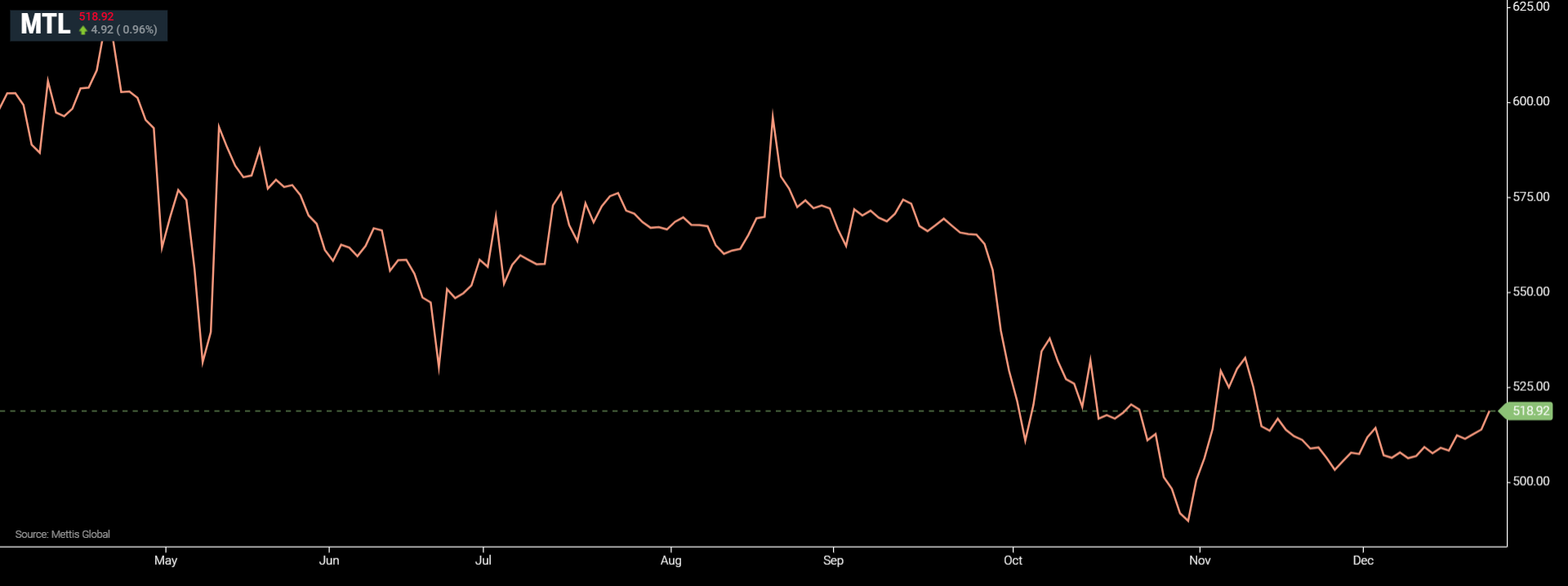
PSX posts one of its strongest years on record

Pakistan’s stock market has entered a historic phase as the benchmark KSE-100 Index crossed the 171,500 level by mid-December 2025, a strong investor confidence, higher corporate profitability, and deepening capital market participation.
According to Khurram Schehzad on his X (formerly Twitter) account, the Pakistan Stock Exchange (PSX) has delivered exceptional returns in 2025, with the market gaining 47% in US dollar terms and 48% in Pakistani rupees from January to date.
One of the most notable developments has been the rapid expansion of the investor base.
Total equity investors have reached 450,000, with 120,000 new investors added between June 2024 and November 2025, which marks a 37% increase in just over a year.
Overall participation across public markets including equities, commodities, mutual funds, and fixed-income instruments has now exceeded one million investors, an unprecedented milestone for Pakistan’s capital markets.
Corporate earnings have also shown solid momentum. Listed companies’ profitability rose 14% YoY during the January–September 2025 period, while profits in the July–September quarter alone increased 9% YoY, underpinning the rally in stock prices.
The structural strength of the market is further reflected in the growing number of large-cap firms.
The number of billion-dollar market capitalization companies listed on PSX has climbed to over 18, compared to just three in 2022, a rapid value creation across key sectors.
Looking ahead, market depth is expected to improve further with a strong pipeline of new listings.
More than 16 initial public offerings (IPOs) are expected in 2026, potentially marking one of the most active periods for capital raising in PSX history.
Mutual funds now allocate 14% of their assets to equities, up from 7% previously, though still below the long-term average of 27%, which suggesting significant room for additional equity inflows.
This can be seen as signs of a maturing capital market, supported by improving macroeconomic stability, stronger corporate balance sheets, and increasing retail and institutional participation.
PSX Closing Bell: A Minor Setback

The benchmark KSE-100 Index concluded Monday’s trading session at 171,204.17, showing a decrease of 200.31 points or 0.12%.
The index traded in a range of 1,308.98 points showing an intraday high of 172,167.63 (+763.15) and a low of 170,858.65 (-545.83) points.
The total volume of the KSE-100 Index was 326.75 million shares.
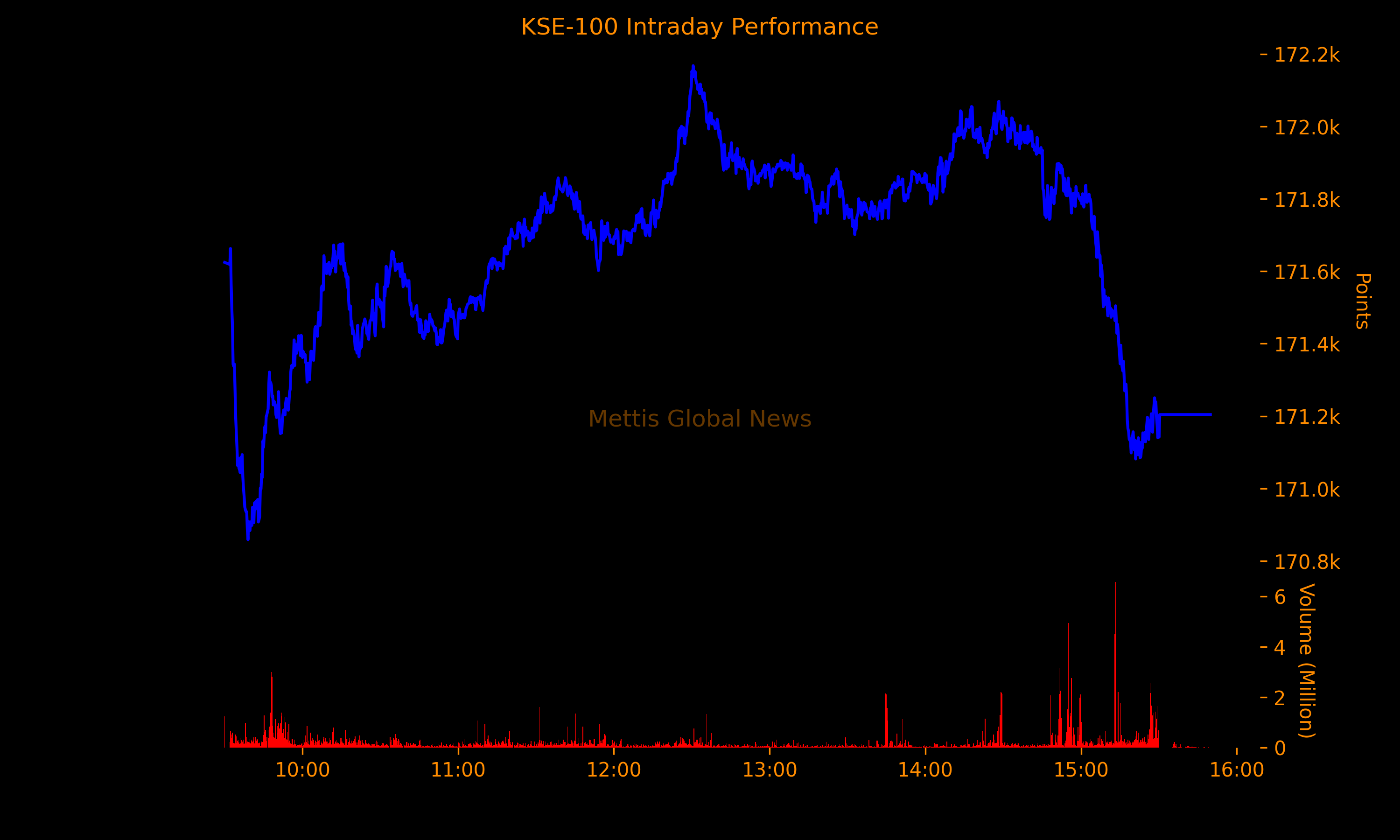
Of the 100 index companies 36 closed up, 64 closed down, while 0 were unchanged.
Top losers during the day were SSGC (-5.33%), DHPL (-4.80%), TPLRF1 (-4.28%), GHGL (-3.26%), and CHCC (-2.72%).
On the other hand, top gainers were RMPL (+10.00%), MEHT (+9.96%), KEL (+4.27%), JVDC (+2.94%), and LUCK (+2.74%).
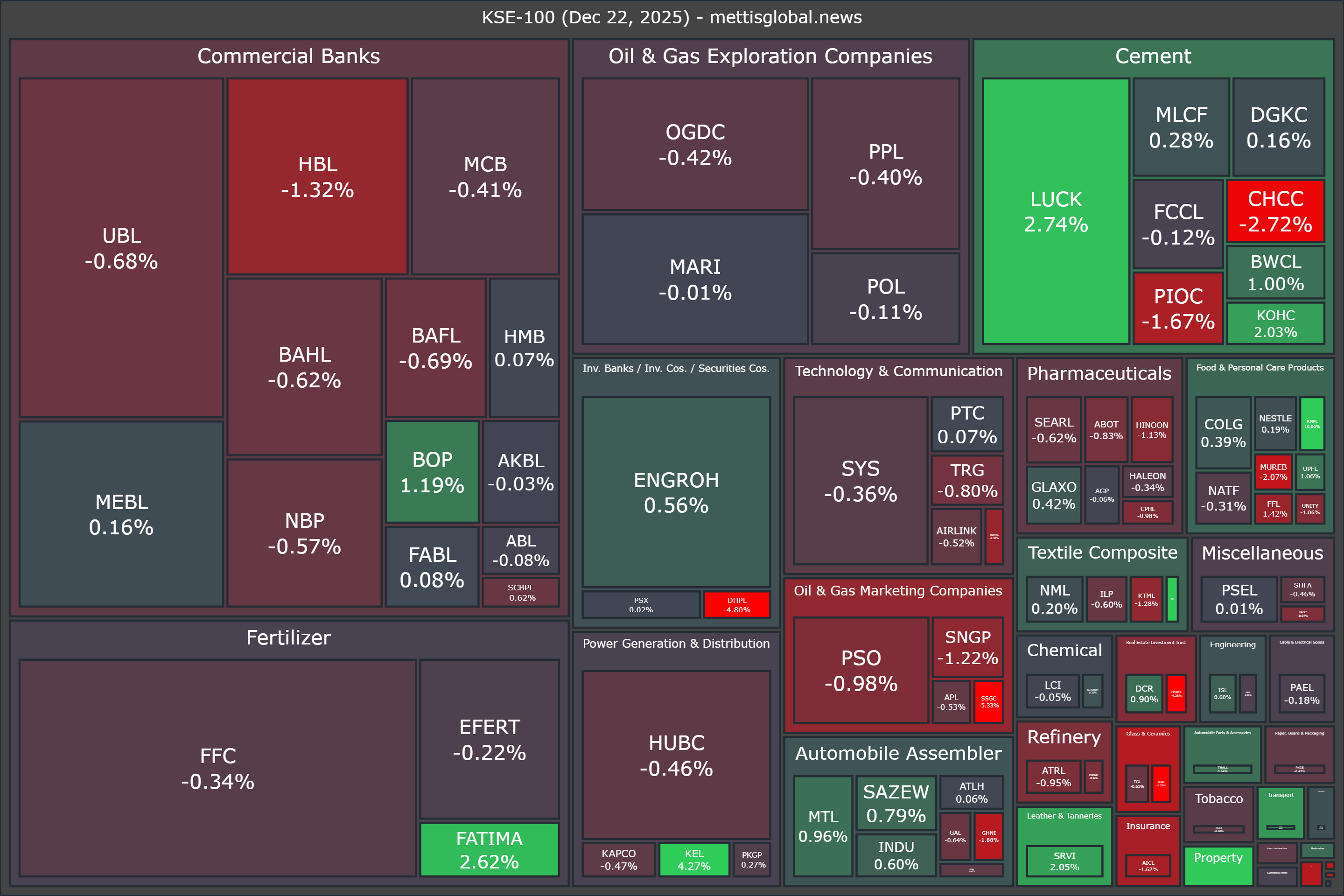
anies that dragged the index lower were HBL (-84.33pts), UBL (-83.59pts), FFC (-57.58pts), PSO (-35.90pts), and CHCC (-35.60pts).
Meanwhile, companies that added points to the index were LUCK (+204.48pts), ENGROH (+42.33pts), FATIMA (+40.34pts), RMPL (+35.27pts), and SRVI (+25.21pts).
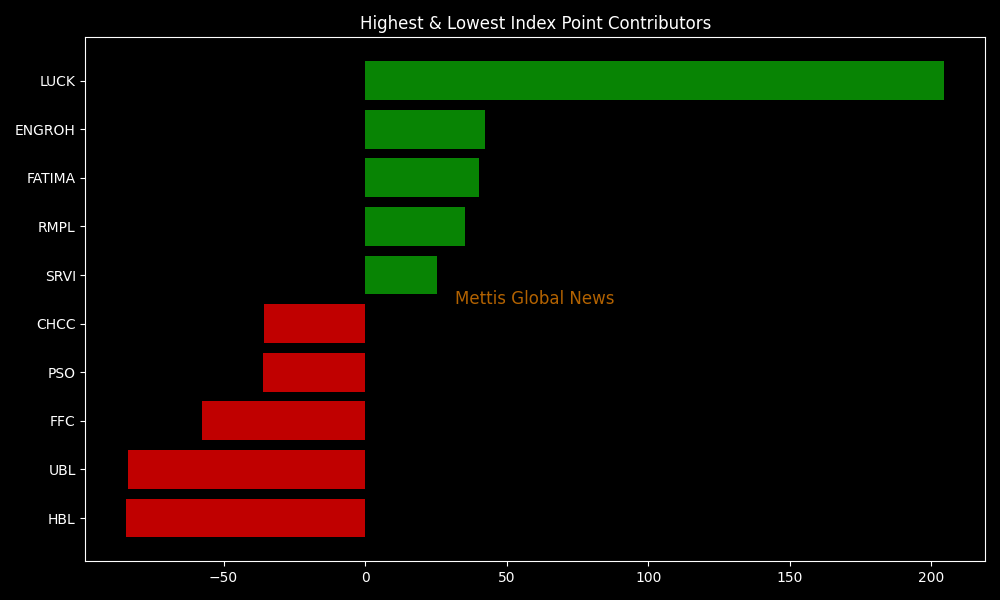
Sector-wise, KSE-100 Index was let down by Commercial Banks (-231.75pts), Oil & Gas Marketing Companies (-72.91pts), Oil & Gas Exploration Companies (-47.81pts), Technology & Communication (-32.00pts), and Fertilizer (-27.06pts).
While the index was supported by Cement (+180.39pts), Food & Personal Care Products (+25.67pts), Leather & Tanneries (+25.21pts), Inv. Banks / Inv. Cos. / Securities Cos. (+20.34pts), and Automobile Assembler (+18.49pts).
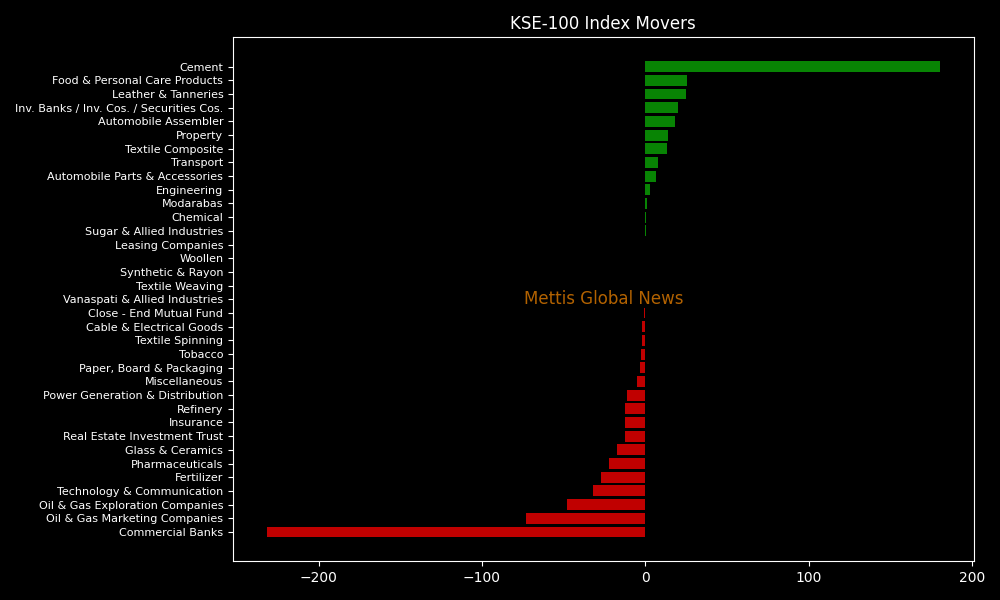
In the broader market, the All-Share Index closed at 103,326.46 with a net loss of 115.78 points or 0.11%.
Total market volume was 684.55 million shares compared to 797.53m from the previous session while traded value was recorded at Rs30.10 billion showing a decrease of Rs12.12bn.
There were 349,817 trades reported in 486 companies with 143 closing up, 288 closing down, and 55 remaining unchanged.
| Symbol | Price | Change % | Volume |
|---|---|---|---|
| KEL | 6.1 | 4.27% | 112,698,373 |
| TPLRF1 | 10.52 | -4.28% | 49,331,384 |
| PIAHCLA | 39.67 | -9.80% | 29,326,852 |
| FCL | 27.74 | 6.37% | 29,030,468 |
| BOP | 37.44 | 1.19% | 27,293,112 |
| PIBTL | 17.61 | 1.79% | 20,787,518 |
| NCPL | 58.95 | 4.97% | 19,283,707 |
| WTL | 1.78 | -0.56% | 18,682,266 |
| CSIL | 9.08 | 9.40% | 18,328,778 |
| TPL | 10.62 | -8.84% | 15,172,788 |
To note, the KSE-100 has gained 45,577 points or 36.28% during the fiscal year, whereas it has increased 56,077 points or 48.71% so far this calendar year.
TABBA GROUP TO INDEPENDENTLY PARTICIPATE IN BIDDING PROCESS
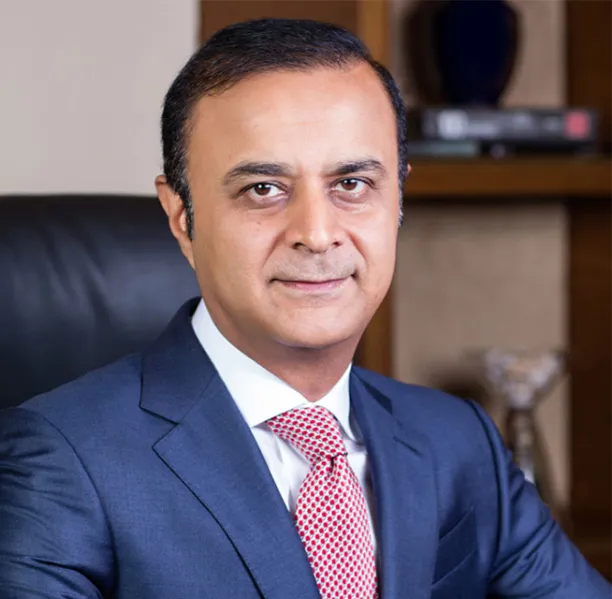
Corporate battle intensifies as bidding for PIA privatisation all set for tomorrow
By Commerce Reporter
Karachi: As Pakistan prepares for the privatisation of Pakistan International Airlines (PIA), all eyes across the corporate sector are fixed on the bidding process scheduled for tomorrow, widely seen as a decisive moment.
According to senior journalist Kamran Khan, significant behind-the-scenes developments have surfaced in recent days. The Tabba Group has formally rejected a joint-venture proposal presented by the Arif Habib Group during a Prime Minister–led meeting last week. The proposed arrangement envisioned a shared ownership structure comprising 40 percent for Arif Habib Group, 40 percent for Tabba Group, and 20 percent for Fauji Foundation, with Muhammad Ali Tabba slated to serve as Chairman of PIA (Private) Limited.
Rather than opting for a negotiated compromise, the Tabba Group has chosen to participate independently in the bidding process. The group has made it clear that it will compete openly, ruling out any pre-arranged or “stitched-up” deal.
Economist Ali Khizar described the proposal as an informal offer that appears misaligned with the current stage of the privatisation process. He suggested that the move could indicate a lack of firm financial commitment from the group that put forward the proposal. He further noted that the Tabba Group may be of the view that involving too many partners could complicate decision-making and undermine operational effectiveness.
The developments set the stage for a high-stakes contest between Pakistan’s leading business groups, now expected to compete through rival consortiums. Observers say the PIA privatisation process has evolved beyond a routine transaction and has become a critical test of transparency, financial strength, and corporate resolve.
Australian shares at over one-month high as miners and banks lead rally
The S&P/ASX 200 index closed up 0.9% at 8,699.9 points, its strongest finish since November 13
Australian shares rose for a third straight session on Monday to their highest level in more than a month, led by strength in miners and broad-based buying ahead of year-end.
The S&P/ASX 200 index closed up 0.9% at 8,699.9 points, its strongest finish since November 13.
“Today’s gains signal that the traditional Santa Claus rally has finally kicked in,” said Tony Sycamore, market analyst at IG Australia.
“If the ASX 200’s December low of 8547.1 holds, this compressed volatility leaves plenty of room for the rally to extend towards 8850 on ultra-thin volumes into year-end.”
With markets closed on Thursday and Friday for holidays, trading is expected to remain subdued into year-end, with few catalysts beyond Tuesday’s release of minutes from the central bank’s final policy meeting of the year.
Miners hit a record high as firmer iron ore and copper prices lifted Rio Tinto, BHP and Fortescue by between 1% and 1.7%.
Gold stocks rose 4.1%, tracking bullion’s fresh peak on rising US rate-cut bets and a weaker dollar.
Financials gained 0.3% and are up nearly 3% in December after a 7.4% drop in November driven by valuation and earnings concerns.
Commonwealth Bank of Australia added 0.3% and ANZ added 0.7%. Marc Jocum, investment strategy and research manager at Global X ETFs, said banks’ prospects are brightening into 2026 as markets price in higher-for-longer interest rates.
“Deposit repricing and stabilising net interest margins will support earnings even as competition remains intense.”
Investors have increased bets on further Reserve Bank of Australia tightening after hawkish signals and resilient economic data.
Markets now fully price a quarter-point rate hike by June and give roughly a 25% chance of a move by February.
Meanwhile, New Zealand’s benchmark S&P/NZX 50 closed 1.3% higher at 13,508.30 points.
PTA revises IoT and SRD regulations to boost nationwide ecosystem

The Pakistan Telecommunication Authority (PTA) has revised its regulatory framework for Internet of Things (IoT) and Short Range Devices (SRD), aiming to accelerate the development of a nationwide IoT ecosystem through both licensed and shared frequency bands.
The updated framework provides detailed guidelines for IoT service provisioning, with a strong focus on the use of shared and unlicensed spectrum for Low Power Wide Area Networks (LPWAN) on a non-interference, non-protection basis. PTA said the move aligns with international best practices and the government’s vision for digital transformation.
Under the revised policy, IoT and SRD services are categorized based on spectrum usage. Services using licensed or exclusively assigned frequency bands may be offered by Cellular Mobile Operators (CMOs) and other licensees under existing license conditions. Mission-critical IoT services will continue to operate only on licensed spectrum.
For shared and unlicensed bands, IoT, SRD and Ultra-Wideband (UWB) devices will be license-exempt, provided they comply with technical limits, type approval requirements, and operate strictly on a secondary, non-interference basis. Any device found causing harmful interference to primary services must immediately cease operation.
A key feature of the framework is the introduction of a new LPWAN license category. Issued under the Class Value-Added Services (CVAS) regime, the license will allow operators to provide long-range IoT services using shared spectrum bands specified by PTA. Licensees will be required to register gateways, comply with health and safety regulations, share network details with the regulator, and ensure that backend traffic is routed through PTA-licensed local access providers.
The framework also places restrictions on data localization, barring the storage of IoT data outside Pakistan without PTA approval, and empowers the authority to suspend services on national security grounds.
To encourage innovation, PTA has allowed test and trial deployments for research and development without an LPWAN license for up to six months, subject to strict conditions and non-commercial use.
PTA stated that the revised framework is designed to enable innovation while ensuring spectrum efficiency, interference-free operations, and regulatory oversight, paving the way for smart cities, industrial automation, and other IoT-driven applications across Pakistan.
Finnish tech giant Metso secures €70mn equipment contracts for Reko Diq copper-gold mine
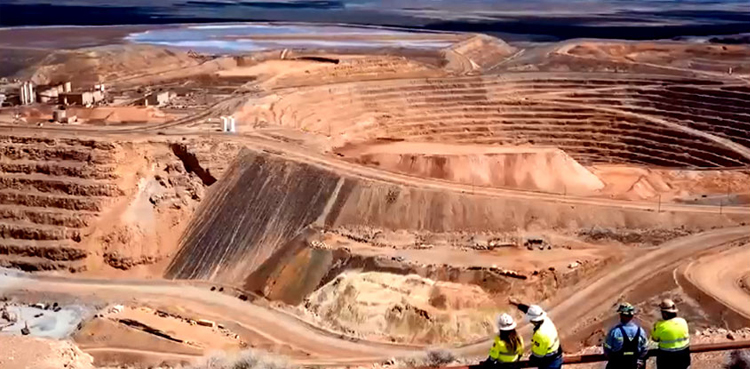
As part of the frame agreement announced in August 2025, Reko Diq Mining Company has awarded Metso, a Finnish technology company, with the remaining major contracts to supply advanced Metso Plus beneficiation and dewatering equipment for Reko Diq Mining Company’s copper-gold project in Pakistan.
“The total value of these now signed contracts is approximately €70 million. €40 million was recorded in the minerals segment’s 2025 third-quarter and €30 million in fourth-quarter order intake,” read a statement on Monday.
Barrick Gold, a Canadian mining company, owns a 50% stake in the Reko Diq mine and the governments of Pakistan and the province of Balochistan own the other 50%.
The Reko Diq mine is considered one of the world’s largest underdeveloped copper-gold areas, and its development is expected to have a significant impact on Pakistan’s struggling economy.
The project, which was delayed due to a long-running dispute that ended in 2022, is expected to start production by the end of 2028.
Finnish tech giant Metso keen to invest in Pakistan’s Reko Diq
According to the statement, Metso’s delivery for the Reko Diq beneficiation circuit includes a state-of-the-art and complete flotation flowsheet that integrates TankCell and Concorde CellTM technologies.
The circuit design features TankCell mechanical cells for the rougher and cleaner scavenger stages, and high-intensity forced-air pneumatic Concorde Cell units for the ultrafine particle cleaner scalper and recleaner duties.
“Metso’s large TankCell technology remains the baseline for the rougher circuit, while the cleaner circuit is optimised with Concorde Cell technology to bring increased metallurgical efficiency at reduced capital and operating costs. Combining the well-proven TankCell technology with Concorde Cell is a low-risk and high-benefit approach for low-grade and high-throughput flotation flowsheets such as Reko Diq,” says Antti Rinne, Vice President, Flotation at Metso.
The Concorde Cell technology will operate in conjunction with the HIGmillTM regrinding mills ordered for the project in 2024.
For concentrate filtration, Metso will deliver four Larox PF60 series filters and auxiliaries, as well as durable slurry pumps for primary and secondary stages of filtration. The delivery also includes five HRT High Rate Thickeners for different duties. All thickeners are equipped with ReactorwellTM technology, enabling superior performance.
Additionally, the order contains a mill reline machine with award-winning safety features and advanced Auto-GrappleTM functionality to service the large PremierTM ball mills ordered for the project in 2024.
Australia, NZ dollars near yen peaks, poised for 2025 gains
The kiwi traded at 90.77 yen, having jumped 1.1% on Friday to hover below a 13-month high of 90.88
The Australian and New Zealand dollars hovered close to highs on the yen on Monday after a dovish hike from the Bank of Japan, with flows out of the yen helping the two manage some decent gains for the year.
The Aussie held at 104.25 yen, having surged 1.4% on Friday to settle just below a 17-month top of 104.39 hit in early December.
The kiwi traded at 90.77 yen, having jumped 1.1% on Friday to hover below a 13-month high of 90.88.
BOJ Governor Kazuo Ueda stuck to his usual cautious rhetoric after hiking interest rates to 30-year highs on Friday, disappointing some hawks that had looked for clearer guidance on further policy tightening.
“We expect AUD/JPY to increase further over the coming months,” said Kristina Clifton, an analyst at the Commonwealth Bank of Australia. “The pair still has fundamental support from solid risk sentiment and more recently, by wider interest rate differentials between Australian and Japanese ten-year government bond yields.”
Against the dollar, the Aussie inched up 0.1% to $0.6618, having lost 0.6% last week.
As 2025 draws to a close, there is little catalyst – apart from the minutes of its central bank’s last policy meeting of the year due on Tuesday – that could be market-moving.
For the year, it has rallied 7% to end four straight years of losses, helped by a weaker US dollar and expectations that the Reserve Bank of Australia may have to resume hiking interest rates next year as inflation surged.
Ten-year Australian government bond yields jumped 43 basis points this year to 4.8% as markets moved to fully price in a rate hike from the RBA in the first half of next year.
There is a 72% probability of a follow-up move by the year end.
The kiwi dollar rose 0.2% to $0.5769, having finished last week 0.8% lower.
For the year, it is up 3.1%, with further gains being capped by easing expectations for the Reserve Bank of New Zealand.
Swaps imply rates are on hold at 2.25% throughout the first half of the year, with the first hike being fully priced not until October next year.
Blue-Ex Limited IPO oversubscribed more than fourfold
Blue-Ex Limited’s (PSX:GEMBLUEX) initial public offering (IPO) attracted applications for a total of 4,232,500 ordinary shares against the issue size of 1,000,000 shares.
The public subscription was held on December 16th and 17th, 2025, and compiled by CDC Share Registrar Service Limited.
According to the company’s statement issued today, 3,156 applications were received, with the highest number of shares applied in the “Above 2,000 Units” category, which totaled to 1,981,500 shares.
| Application Category of Shares | No. Of Applications | No. Of Shares Applied | Amount (PKR) |
| 500 | 1,762 | 881,000 | 57,265,000 |
| 1,000 | 694 | 694,000 | 45,110,000 |
| 1,500 | 160 | 240,000 | 15,600,000 |
| 2,000 | 218 | 436,000 | 28,340,000 |
| Above 2,000 Units | 322 | 1,981,500 | 128,797,500 |
| Overall Total | 3,156 | 4,232,500 | 275,112,500 |
Applications for up to 500 shares will receive full allocation, while balloting for 1,000-share applications is scheduled for December 23, 2025, however applicants for higher numbers of shares will receive full refunds.
The IPO generated a total subscription amount of Rs 275,112,500.
Customs seize Rs36.5m smuggled fuel, Mazda vehicle
Customs Enforcement in Karachi recovered 64,578 litres of smuggled Iranian diesel and petrol, valued at around Rs16.5m, and seized a Mazda vehicle used in the operation, worth approximately Rs20m.
The total value of the seizure is estimated at Rs36.5m, according to the press release.
The operation, conducted on Saturday evening at Northern By-Pass Karachi, targeted five illegal fuel dumping points operating under the guise of petrol stations.
The Mazda vehicle had a specially fabricated box for transporting petroleum products and was found unloading Iranian diesel.
The Anti-Smuggling Organization (ASO) carried out the raid under the supervision of Assistant Collector Bisma Noor Jatoi.
The operation was conducted following directions from Chief Collector Customs Enforcement Islamabad Basit Maqsood Abbasi and Collector of Customs Enforcement Karachi Moin Wani.
All recovered fuel was transferred to the Customs warehouse for official measurement.
The Federal Board of Revenue emphasized that the operation is part of ongoing efforts to prevent fuel smuggling and protect the domestic market.
BF Biosciences appoints Farhan Rafique new CEO
BF Biosciences Limited (PSX: BFBL) has appointed Muhammad Farhan Rafique as its new Chief Executive Officer, effective January 1, 2026, following the resignation of founding CEO Akhter Khalid Waheed.
According to a notice submitted to the Pakistan Stock Exchange, the Board of Directors accepted Waheed’s resignation during an emergent meeting on December 19, 2025.
The Board also expressed appreciation for her contributions in establishing and expanding the company.
Under Waheed’s leadership, BF Biosciences evolved into a recognized name in Pakistan’s pharmaceutical sector, achieving sustained growth, operational excellence, and strategic expansion.
Rafique, previously served as the company’s Chief Operating Officer, played a pivotal role in executing major initiatives under Waheed’s leadership.
His work includes leading the company’s brownfield expansion, supporting a successful Initial Public Offering (IPO), and driving digital transformation across operations.
With over 14 years of experience in the pharmaceutical industry, Rafique has held various leadership positions and brings operational insight, strategic vision, and execution capability to his new role.
The Board stated that his appointment will ensure continuity in leadership while building on the foundation established by the founding CEO.
BF Biosciences Limited remains listed on the Pakistan Stock Exchange and continues its focus on healthcare solutions and market expansion.
The company aims to create long-term value for its stakeholders amid a competitive pharmaceutical market in Pakistan.
Gold breaks $4,400, silver soars past $69 in historic rally

Gold breached the $4,400-per-ounce threshold on Monday, buoyed by expectations of U.S. rate cuts and heightened demand for safe-haven assets, with silver also hitting a historic peak.
Silver followed suit, climbing to an all-time high as investors sought shelter in precious metals.
Spot gold was up 1.48%% at $4,402.33 an ounce as of [11:22 am] PST,
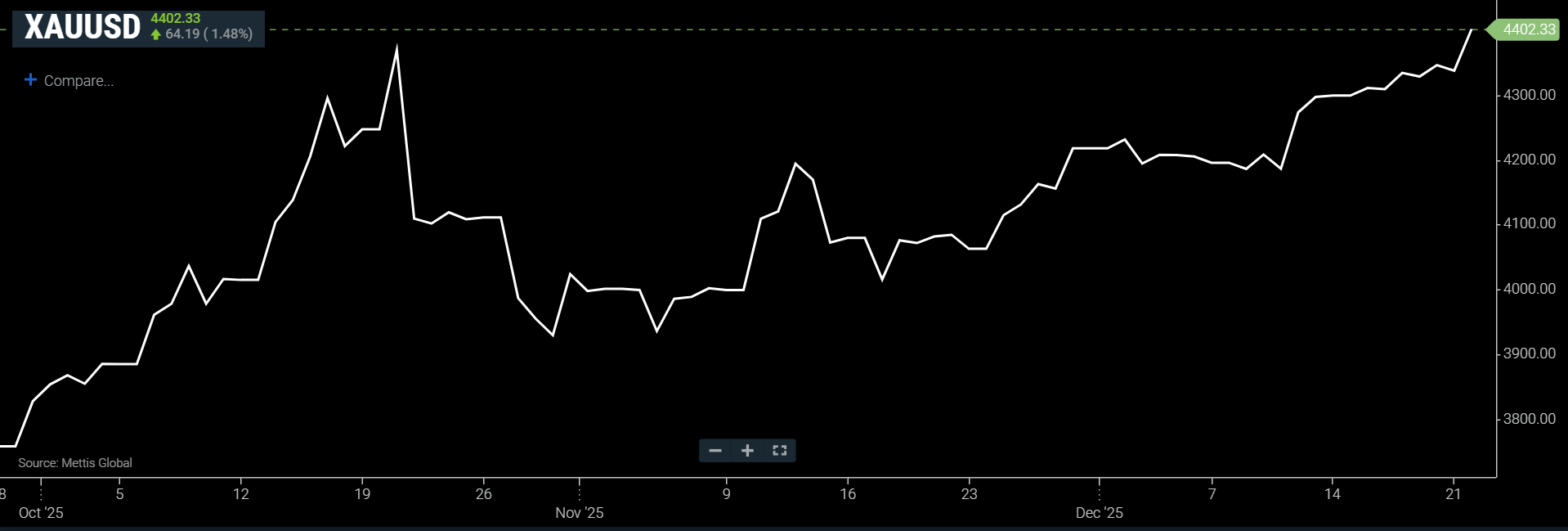
Meanwhile, spot silver jumped 3.3% to reach $69.44, setting a historic peak. U.S. gold futures for February delivery gained 0.98%, trading at $4,430.30 per ounce.
Bullion has surged 67% this year, breaking past the $3,000 and $4,000 per-ounce milestones and positioning itself for the strongest annual gain since 1979.
Silver has outpaced gold, soaring 2.4x year-to-date, supported by strong investment inflows and persistent supply shortages.
Gold’s rally is underpinned by geopolitical and trade tensions, steady central bank purchases, and expectations of lower interest rates next year.
A weaker dollar has also helped, which made gold more affordable for international buyers.
Other precious metals also experienced sharp gains, with platinum climbing 4.3% to $2,057.15 and palladium rising 4.2% to $1,786.45, a near three-year high.
China files WTO case against Indian tariffs, subsidies
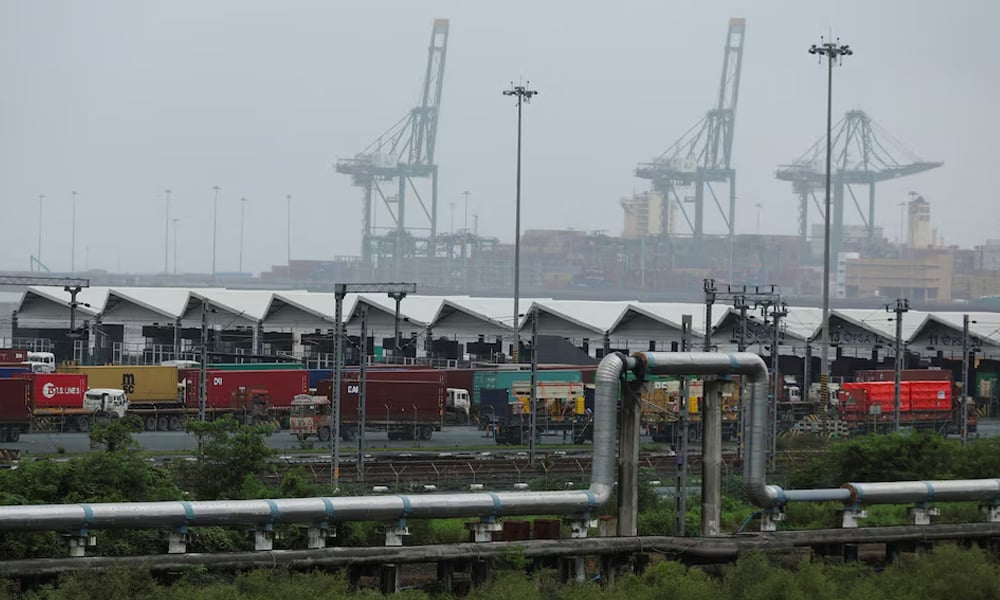
China has filed a case against India’s tariffs on information and communications technology products and Indian photovoltaic subsidies with the World Trade Organisation, the Chinese commerce ministry said in a statement released on Friday.
The Indian tariffs and subsidies “give India’s domestic industries an unfair competitive advantage, harm Chinese interests” and were in violation of WTO rules, the ministry said.
“We once again urge India to abide by its relevant commitments at the WTO and immediately correct its erroneous practices,” it added.
Govt reviews telecom infrastructure, VC sector issues

The government reviewed key challenges faced by the telecommunications infrastructure and venture capital sectors, with a focus on taxation, investment climate and growth prospects, and agreed to constitute a dedicated working group to examine proposals aimed at boosting investment and sectoral expansion.
The meeting was chaired by Federal Minister for Finance and Revenue Senator Muhammad Aurangzeb and was attended by Federal Minister for IT and Telecommunications Shaza Fatima Khawaja, Chairman Federal Board of Revenue (FBR), Chairman Securities and Exchange Commission of Pakistan (SECP), said a press release issued.
Senior officials of the Ministry of Information Technology and Telecommunication, and representatives of telecom infrastructure companies under TOWERCO Pakistan, venture capital firms, legal and regulatory advisory firms, and public sector organizations including Ignite were also present.
A delegation representing telecom infrastructure companies that build, own and operate mobile network towers, along with venture capital firms investing in Pakistan’s startup ecosystem and broader business ventures, participated in the discussions.
The delegation shared insights into their business models, operational dynamics and on-ground challenges, particularly those related to physical infrastructure deployment and regulatory compliance.
Participants presented a number of proposals aimed at rationalizing and easing elements of the existing tax regime to facilitate growth, enhance investment inflows and support expansion in the telecommunications infrastructure and venture capital sectors.
The proposals were framed in the context of strengthening digital connectivity, improving service delivery and promoting innovation-led economic activity.
Addressing the meeting, the finance minister acknowledged the critical role of telecom infrastructure companies in enabling nationwide digital connectivity and highlighted the importance of venture capital in supporting entrepreneurship, innovation and job creation.
He stressed that a predictable, transparent and growth-oriented policy and tax framework is essential for attracting long-term investment and ensuring sustainable sectoral development.
The minister reiterated the government’s commitment to private sector-led growth, particularly in technology-driven and investment-intensive sectors, noting that while fiscal considerations remain important, a balanced approach is needed to encourage business expansion, formalization and the strengthening of Pakistan’s digital and innovation ecosystem over the medium to long term.
It was agreed that a dedicated working group, comprising representatives from the Tax Policy Office and other relevant stakeholders, would be formed to carry out a detailed review of the proposals and develop actionable recommendations.
PSX Closing Bell: Down in the Valley

The benchmark KSE-100 Index concluded Friday’s trading session at 171,404.48, showing a decrease of 556.16 points or 0.32%.
The index traded in a range of 1,525.58 points showing an intraday high of 172,674.65 (+714.01) and a low of 171,149.07 (-811.57) points.
The total volume of the KSE-100 Index was 326.40 million shares.

Of the 100 index companies 32 closed up, 68 closed down, while 0 were unchanged.
Top losers during the day were DHPL (-9.80%), PGLC (-4.59%), IBFL (-4.55%), MLCF (-3.99%), and KTML (-3.84%).
On the other hand, top gainers were RMPL (+9.62%), KEL (+4.28%), YOUW (+3.60%), GADT (+3.04%), and SRVI (+2.82%).

In terms of index-point contributions, companies that dragged the index lower were FFC (-116.04pts), HBL (-97.92pts), MLCF (-79.48pts), BAFL (-58.74pts), and ENGROH (-55.45pts).
Meanwhile, companies that added points to the index were LUCK (+202.83pts), MEBL (+63.63pts), SYS (+46.55pts), UBL (+41.20pts), and SRVI (+33.81pts).

Sector-wise, KSE-100 Index was let down by Commercial Banks (-217.23pts), Fertilizer (-170.87pts), Inv. Banks / Inv. Cos. / Securities Cos. (-84.95pts), Oil & Gas Exploration Companies (-52.19pts), and Textile Composite (-20.51pts).
While the index was supported by Leather & Tanneries (+33.81pts), Food & Personal Care Products (+20.26pts), Real Estate Investment Trust (+14.97pts), Engineering (+14.67pts), and Cement (+14.31pts).

In the broader market, the All-Share Index closed at 103,442.24 with a net loss of 217.03 points or 0.21%.
Total market volume was 797.53 million shares compared to 950.15m from the previous session while traded value was recorded at Rs42.22 billion showing a decrease of Rs11.86bn.
There were 385,098 trades reported in 486 companies with 179 closing up, 261 closing down, and 46 remaining unchanged.
| Symbol | Price | Change % | Volume |
|---|---|---|---|
| KEL | 5.85 | 4.28% | 116,033,046 |
| BML | 6.08 | 0.33% | 24,746,523 |
| CSIL | 8.3 | 13.70% | 23,054,429 |
| HUMNL | 14.59 | -0.27% | 22,926,661 |
| NCPL | 56.16 | 9.62% | 22,906,260 |
| PACE | 19.2 | 2.62% | 20,201,462 |
| WTL | 1.79 | -1.10% | 18,612,012 |
| DSLNC | 7.94 | -0.13% | 17,643,353 |
| PIAHCLA | 43.98 | -2.74% | 17,566,137 |
| NPL | 71.91 | 10.01% | 17,210,999 |
To note, the KSE-100 has gained 45,777 points or 36.44% during the fiscal year, whereas it has increased 56,278 points or 48.88% so far this calendar year.
KOHC Consortium moves forward in PIA privatization bid
Kohat Cement Company Limited (PSX: KCCL), as part of a consortium including Lucky Cement Limited, Hub Power Holdings Ltd., and Metro Ventures (Pvt.) Ltd has formally initiated its bid submission process for the privatization of Pakistan International Airlines Corporation Limited (PIACL).
According to a disclosure to the Pakistan Stock Exchange (PSX), the consortium has completed its due diligence to its satisfaction and has submitted the required earnest money in line with the bidding requirements issued by the Privatization Commission.
The privatization of PIACL is being conducted through a competitive bidding process under the framework of relevant laws and regulations, with the bidding scheduled for December 23, 2025.
The outcome is subject to the consortium emerging as the successful bidder and obtaining all necessary regulatory approvals.
KCCL has requested the PSX to inform TRE Certificate holders about this development, highlighting the company’s active participation in one of Pakistan’s most closely watched privatization efforts.
The move shows growing private-sector interest in the national carrier, with the consortium poised to play a potentially transformative role in PIACL’s future operations if successful.
Mari Minerals partners with Globacore for balochistan exploration licenses
Mari Energies Limited (PSX:MARI) has disclosed a joint venture arrangement involving its wholly owned subsidiary, Mari Minerals (Private) Limited, and Globacore Minerals Limited for mineral exploration in Balochistan.
Under the agreement, the partnership relates to exploration licenses EL-322 and EL-323, located in district Chagai, according to the company’s statement issued today.
The transaction is subject to the completion of required corporate, regulatory, and governmental approvals.
As part of the arrangement, Mari Minerals will transfer a 49% working interest in the two exploration licenses to Globacore Minerals.
Despite the transfer, Mari Minerals will retain its role as the operator of the licenses and will continue to carry out exploration activities.
Lucky Cement Board clears participation in PIACL privatization bid

Lucky Cement Limited’s Board of Directors has approved the company’s participation, as part of a consortium, in the ongoing privatization process of Pakistan International Airlines Corporation Limited (PIACL), the company disclosed to the Pakistan Stock Exchange (PSX) on Friday.
The approval was granted in a board meeting held on December 18, 2025, following the satisfactory completion of detailed due diligence by the consortium.
Subject to the finalization of transaction documents to the consortium’s satisfaction, the board has authorized Lucky Cement to proceed with the submission of a financial bid, including the payment of the requisite earnest money, and to complete all other formalities outlined in the bidding and transaction documents issued by the Privatization Commission.
The disclosure follows Lucky Cement’s earlier intimation dated July 09, 2025, regarding the pre-qualification of the consortium by the Privatization Commission to participate in the privatization of PIACL.
The company further noted that the privatization of PIACL is being carried out through a competitive bidding process in line with applicable laws and regulations, with the bidding scheduled for December 23, 2025.
The transaction remains contingent upon the consortium emerging as the successful bidder, fulfillment of all conditions specified in the transaction documents, and receipt of approvals from the relevant regulatory authorities.
Lucky Cement stated that it will continue to keep the Exchange and its shareholders informed of any further material developments related to the matter.
Pakistan nears January debut of $1bn Panda Bond
Pakistan is moving closer to its debut in China’s onshore bond market, with the inaugural issuance under a planned $1 billion Panda Bond program targeted for January.
The aforementioned information was shared by Khurram Schehzad, Advisor to the Finance Minister, through his post on X today.
Federal Minister for Finance and Revenue Senator Muhammad Aurangzeb chaired a review meeting at the Finance Division to assess progress on Pakistan’s first-ever Panda Bond issuance.
The Finance Minister emphasized that Pakistan’s entry into the Chinese onshore bond market is being pursued as a structured and programmatic financing strategy, aligned with prudent debt management objectives.
The Panda Bond program is envisaged at approximately $1 billion, with the inaugural tranche planned at an equivalent of $250 million.
Preparatory work for subsequent issuances under “Panda Series II” has already commenced, with Chinese regulatory authorities fully apprised of this phased approach. Participants highlighted that prevailing market conditions remain supportive, with broad-based investor interest and orderly market functioning.
Documentation and guarantees are in place, and engagement with financial institutions is progressing as planned.
The meeting was briefed by the Debt Management Office along with senior officials of the Finance Division on approvals, investor outreach, and regulatory milestones.
According to the briefing, approvals from multilateral partners have been secured, while engagement with Chinese institutional investors has remained constructive.
The meeting noted that approvals from multilateral partners have been secured and that engagement with Chinese institutional investors has been constructive.
Investor sentiment has been particularly strong and highly constructive, with broad-based interest and encouraging feedback from a diversified investor base in this competitive inaugural issuance.
This reflects strengthening confidence in Pakistan’s macroeconomic stabilization, an improved policy and reform framework, and a positive medium-term outlook.
Final regulatory approvals from the relevant Chinese authorities are expected by early January, subject to which the inaugural issuance is planned to be launched and concluded in January.
The meeting was also informed that initial outreach has been undertaken with financial institutions for Panda Series II, with proposals expected around the closing of the inaugural issuance.
Pricing will be determined closer to market engagement, following the completion of all regulatory requirements.
Concluding the meeting, the Finance Minister expressed satisfaction with the progress achieved and reaffirmed the government’s commitment to prudent, market-based financing.
He noted that the inaugural Panda Bond issuance will further support Pakistan’s medium-term debt sustainability and help diversify the country’s funding sources.
Overseas investors repatriate $1.4bn in 5MFY26
Foreign investors ‘ repatriation of profit and dividends rose 24.46% YoY in 5MFY26 to $1.42 billion compared to $1.14bn worth of repatriation in the same period last year, the latest data issued by the central bank revealed.
The data further revealed that during the period, foreign companies repatriated $1.37bn worth of profit against the foreign direct investments (FDI) in various businesses compared to $1.09bn in SPLY, marking an increase of around 25.91% YoY in 5MFY26.
The outflow as payment against portfolio investment stood at $51.95m, compared with $54.36m in 5MFY26, witnessing a drop of 4.43% YoY from 5MFY25.
Meanwhile, in November 2025 alone, repatriation of profits and dividends by foreign firms stood at $281.44m.
Sector-wise:
Sectoral representation of the data shows that the major sectors that witnessed the highest repatriation include the Power, Financial Business, Communications, Food and Tobacco & Cigarettes sectors.
Among these, the Power sector repatriated the highest profits of $350.17m in 5MFY26 to overseas.
The data further revealed that Profit outflows from the Financial Business sector clocked in at $310.32m.
Profits outflow from the Communications sector increased significantly to $116.33m in 5MFY26.
The payments made on total foreign investment under the Food and Tobacco & Cigarettes sector stood at $103.83m and $81.2m respectively during the review period.
Country-wise:
A country-wise break up of data on repatriation of profit released by SBP revealed that firms and individual investors in China dispatched the single largest profit of $379.83m during 5MFY26, compared to $97.02m repatriated in the same period of the prior fiscal year.
To note, in the month of November alone, payments to China stood at $96.63m.
The United Kingdom witnessed the repatriation of the second-highest profits as the country repatriated $354.79m abroad during 5MFY26, compared with $412.68m in 5MFY25.
Third in line was the Netherlands, which repatriated $119.43m from Pakistan, compared to the number during SPLY, when the country remitted $29.08m as profit income from Pakistan.
Next in line was the United States with a profit repatriation of $106.71m during the review period.
Big industry output grows 8% YoY in October

Pakistan’s large-scale manufacturing sector showed a notable recovery in October 2025, with the Quantum Index of Manufacturing (QIM) rising to 118.43, reflecting improved industrial momentum amid strong performances in automobiles, cement and petroleum products.
According to provisional data with base year 2015-16, Large Scale Manufacturing Industries (LSMI) output grew 8.33% year-on-year (YoY) in October 2025, while posting a 3.75% month-on-month (MoM) increase compared to September 2025.
On a cumulative basis, the sector recorded a 5.02% growth during July–October FY26, with the QIM averaging 115.16, up from 109.65 in the same period last year.
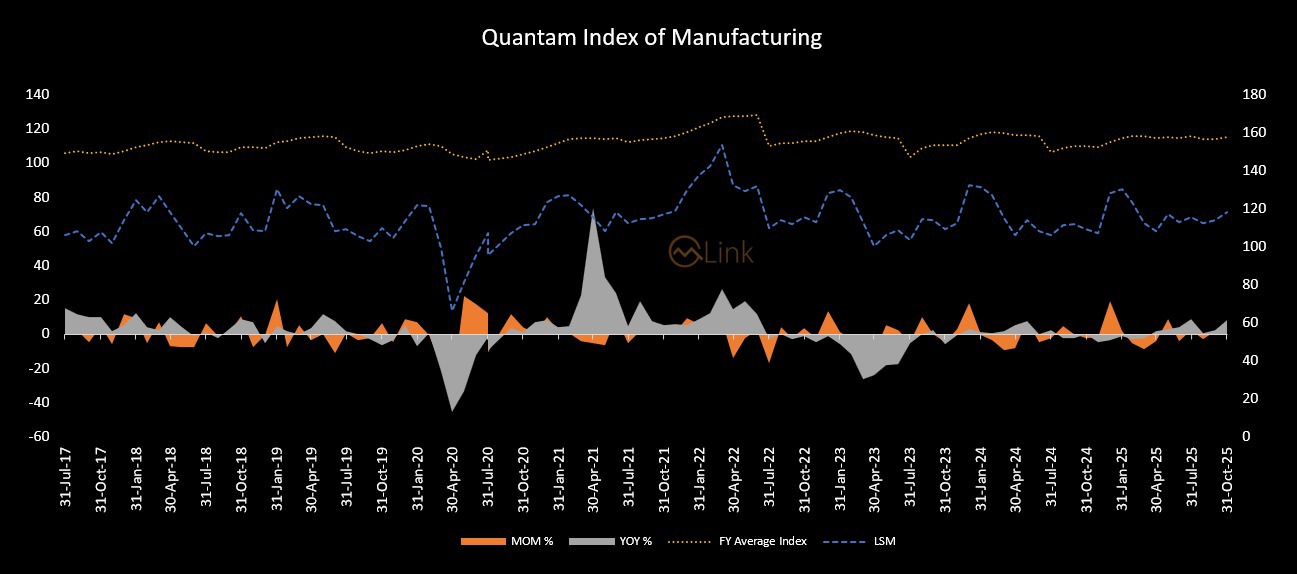
The strongest growth in October came from automobiles, which surged 65% YoY, followed by petroleum products (48.97%), cement (12.73%), and garments (10.99%).
On the cumulative front, automobiles expanded sharply by 78.89%, while cement output rose 14.58% during July–October FY26.
However, some sectors remained under pressure, notably iron & steel, chemicals, pharmaceuticals, and machinery & equipment, weighing on overall growth.
Growth of Major Manufacturing Items
| Manufacturing Sector | Weight (%) | % Change Oct-25 | % Change Jul–Oct FY26 |
|---|---|---|---|
| Cotton Yarn | 8.88 | 1.05 | 2.23 |
| Cotton Cloth | 7.29 | 0.19 | 0.26 |
| Garments | 6.08 | 10.99 | 4.69 |
| Petroleum Products | 6.66 | 48.97 | 12.25 |
| Fertilizers | 3.93 | 3.89 | 0.24 |
| Cement | 4.65 | 12.73 | 14.58 |
| Iron & Steel | 3.45 | (2.40) | (3.25) |
| Automobile | 3.10 | 65.00 | 78.89 |
The 5.02% cumulative growth during July–October FY26 was primarily driven by automobiles (1.82 percentage points), petroleum products (0.89 pp), cement (0.83 pp), garments (0.83 pp) and food (0.66 pp).
In contrast, pharmaceuticals (-0.43 pp), chemicals (-0.16 pp), iron & steel (-0.15 pp) and furniture (-0.26 pp) exerted downward pressure.
Sectoral Trend
Overall, production increased during July–October FY26 in food, beverages, tobacco, textiles, wearing apparel, petroleum products, cement, automobiles and transport equipment, signaling a broad-based but uneven recovery.
Meanwhile, output declined in wood products, chemicals, pharmaceuticals, iron & steel, machinery and furniture, indicating lingering challenges in selected industrial segments.
The October data indicate improving industrial sentiment, with sustained momentum in construction-linked and consumer-driven sectors likely to remain key for LSMI growth going forward.
Weekly SPI increases by 0.24%
_20251003092603298_af0c50_20251010094012153_327c07.webp?width=950&height=450&format=Webp)
Pakistan’s short-term inflation increased by 0.24% compared to the previous week, while it rose by 3.75% compared to the same period last year, the Pakistan Bureau of Statistics (PBS) reported on Friday.
During the week, out of 51 items, prices of 17 (33.33%) items increased, 14 (27.45%) items decreased and 20 (39.22%) items remained stable.
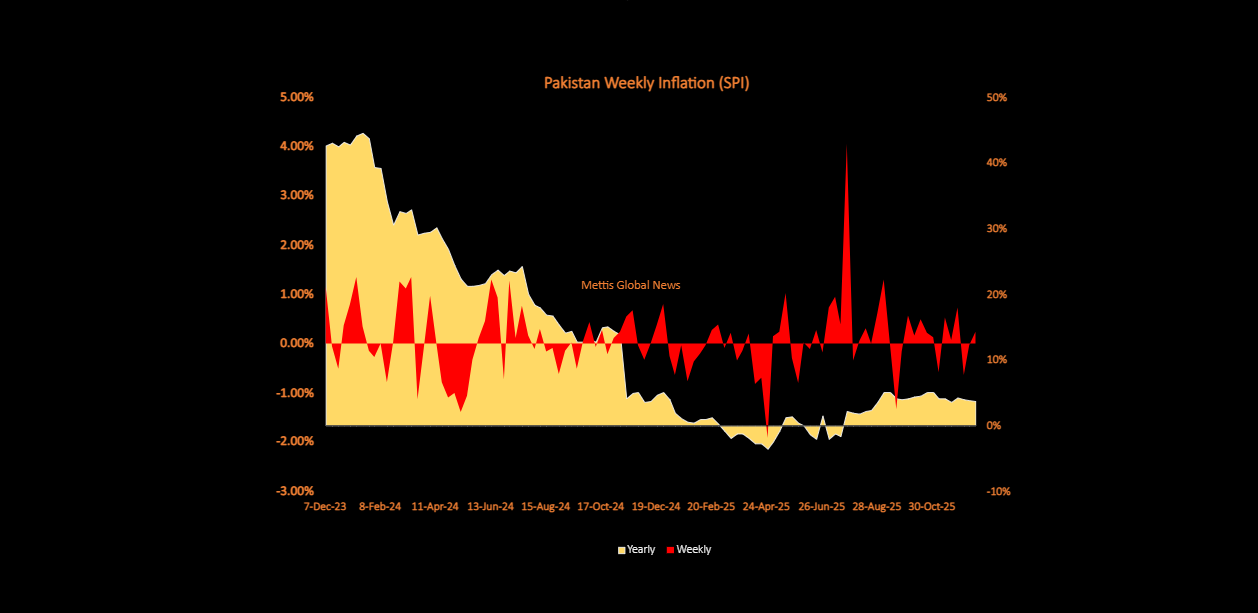
Major increase is observed in the prices of Chicken (11.11%), Chilies Powder (3.08%), Eggs (2.88%), Shirting (1.64%), Firewood (0.86%), Cooking Oil 5 Litre (0.32%), Energy Saver & Pulse Moong (0.31%) each, Mustard Oil (0.25%) and Beef (0.23%).
On the other hand, major decrease is observed in the prices of Tomatoes (11.38%), Potatoes (8.39%), Diesel (5.00%), Sugar (4.52%), Onions (3.52%), Pulse Mash (1.29%), Garlic (1.26%), Salt Powder (1.12%), Gur (1.05%) and LPG (0.14%).
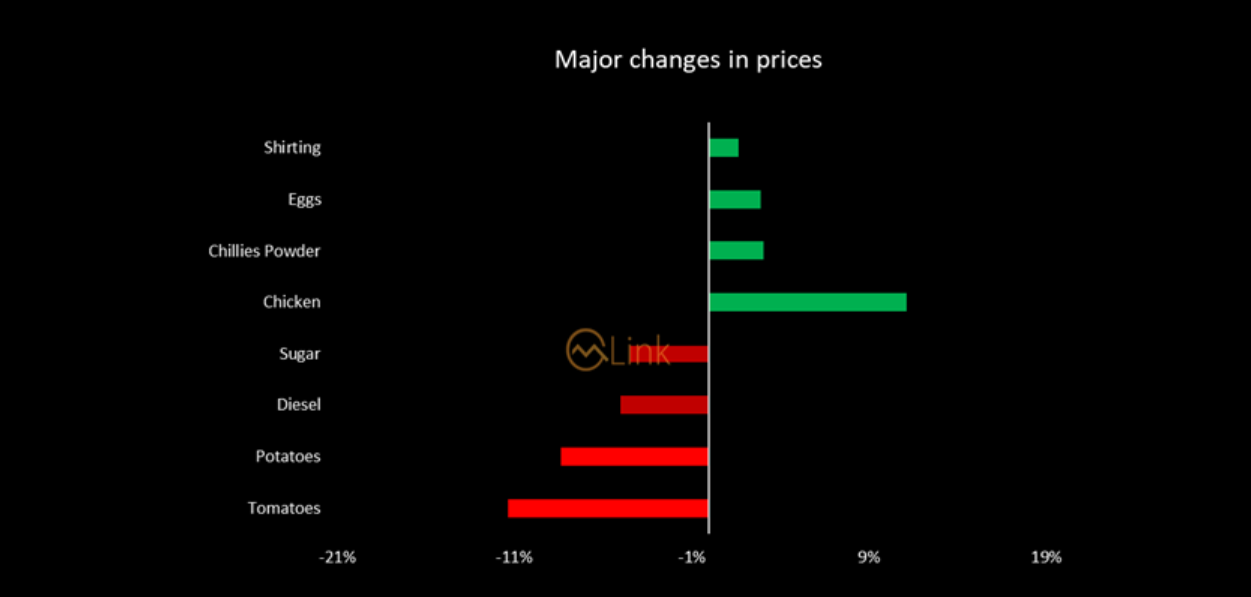
The year-on-year trend depicts increase of 3.75%.
Major increase is observed in the prices of Gas Charges for Q1 (29.85%), Sugar (24.10%), Wheat Flour (22.52%), Chicken (20.78%), Beef (13.66%), Gur (13.43%), Firewood (12.08%), Powdered Milk (9.50%), Eggs (8.75%), Lawn Printed (8.29%), Shirting (8.07%) and Bananas (7.83%),
On the contrary, decrease is observed in the prices of Tomatoes (66.49%), Potatoes (45.31%), Garlic (39.10%), Onions (29.77%), Pulse Gram (28.95%), Tea Lipton (17.79%), Pulse Mash (14.23%), Electricity Charges for Q1 (8.40%), Salt Powder (6.14%) and LPG (0.15%)
On a weekly basis, the highest increase was recorded for Q5 at 0.28%, followed by Q4 with 0.24%.
On a yearly basis, all quintiles experienced notable increases in SPI, with the highest impact observed in Q3 (3.79%) and Q4 (3.77%%).
The average price of Sona urea stood at Rs4,298 per 50 kg bag, down by 0.06% from last week’s price, and a 5.7% decrease from last year.
Meanwhile, the average Cement price rose to Rs1,416 per 50 kg bag, which is 0.59% higher than the previous week, and 0.28% above last year.
PBS calculates short-term inflation using the SPI on a weekly basis to assess the price movement of essential commodities at shorter interval of time so as to review the price situation in the country.
SPI comprises 51 essential items collected from 50 markets in 17 cities of the country.
BAPL sees public offer for 0.35% stake at Rs47.85 per share
_20251219080853100_7a1832.webp?width=950&height=450&format=Webp)
Bawany Air Products Limited (PSX:BAPL) has become the subject of a public offer following an announcement by Mohabbat Khan and his associates and family members to acquire up to 2.146 million ordinary shares.
This represents 0.35% of the company’s issued share capital, at an offer price of Rs47.85 per share, under the Securities Act, 2015 and the Listed Companies (Substantial Acquisition of Voting Shares and Takeovers) Regulations, 2017.
The public offer is conditional upon achieving a minimum acceptance level of 0.25%, equivalent to 1.502 million shares.
The aforementioned information was disseminated through a notification to PSX.
In parallel with the public offer, the acquirers are set to obtain 600 million ordinary shares, representing 98.76% of Bawany Air Products’ issued capital, at a par value of Rs10 per share, through an issuance otherwise than right.
According to the offer document, the acquirers intend to continue operating Bawany Air Products as a listed company and plan to expand its business operations to strengthen financial stability and enhance long-term growth.
Gold price in Pakistan falls Rs900 per tola

Gold price in Pakistan decreased on Friday, with 24-karat gold being sold at Rs454,862 per tola, down Rs900.
Similarly, 24-karat gold per 10-gram was sold at Rs389,970 after a decline of Rs772, according to rates shared by the All-Pakistan Gems and Jewelers Sarafa Association (APGJSA).
The price of 22-karat gold was also quoted lower at Rs357,485 per 10-gram.
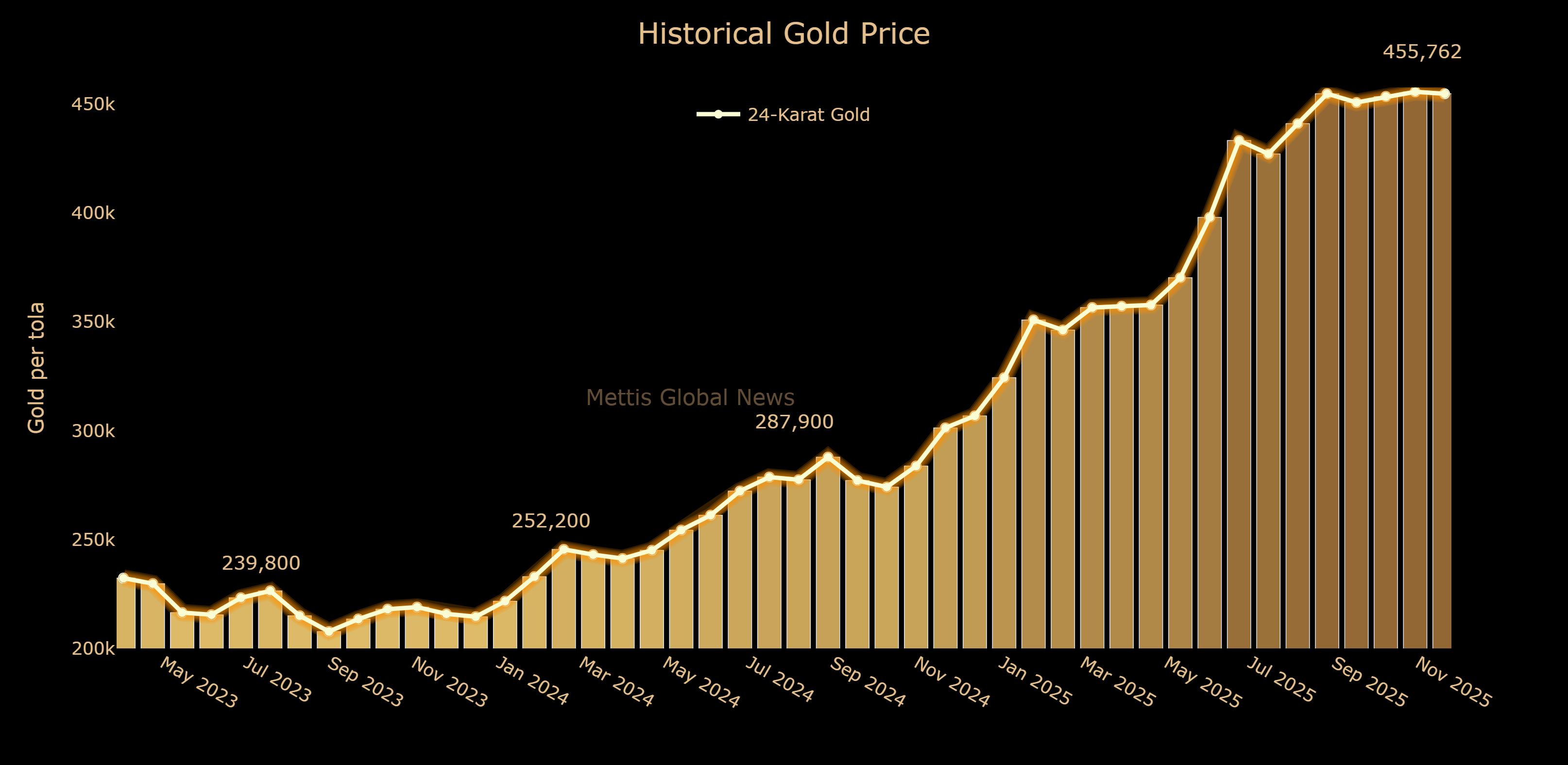
Similarly, silver prices fell in the domestic market, with 24-karat silver being sold at Rs6,848 per tola (-Rs52) and Rs5,871 per 10-gram (-Rs44).
| PKR (24-karat per tola) | Dec 19, 2025 | Dec 18, 2025 | DoD | 1 Month | FYTD | CYTD |
|---|---|---|---|---|---|---|
| Gold | 454,862 | 455,762 | -900 | 28,300 | 104,662 | 182,262 |
| Silver | 6,848 | 6,900 | -52 | 1,519 | 3,066 | 3,498 |
Globally, spot gold traded near $4,327 an ounce, down $7.5 or 0.17% from the previous session, as dollar strengthens.
Pakistan gets to the root of olive authenticity
Pakistan has moved to introduce DNA-based verification of olive varieties to improve plant authenticity and quality standards in the country’s expanding olive sector.
The initiative also involves deeper technical cooperation with Italy, building on earlier bilateral agreements focused on strengthening olive cultivation, nursery systems, and value-chain development.
The decision to adopt molecular fingerprinting of olive plants marks a shift toward formal certification of true-to-type varieties, according to the press release.
The step is critical for improving yields, oil quality, and farmer confidence as olive plantations expand across marginal and rain-fed areas of the country.
The National Institute for Genomics and Advanced Biotechnology (NIGAB) will conduct the testing, subject to the availability of verified parent genetic material.
To support this effort, Pakistan will pursue a memorandum of understanding between NIGAB and the University of Bari Aldo Moro in Italy, with technical facilitation from CIHEAM Bari.
The partnership will provide access to internationally recognized genetic (SSR) profiles, reference plant material, joint research, and training for Pakistani scientists.
The latest move follows a series of engagements between Pakistan and Italy on olive sector development.
Earlier this month, on December 5, Federal Minister for National Food Security & Research Rana Tanveer Hussain met Italian Minister of Agriculture, Food Sovereignty and Forestry Francesco Lollobrigida in Rome on the sidelines of the FAO Council.
During that meeting, both sides reviewed progress on Italian-supported initiatives, including the Olive Culture Project (2022–2024), the AICS-funded Olive Culture Scale-Up Project, and Pakistan’s commercial-scale olive cultivation programme (Phase II, 2021–2026).
Those discussions also covered upcoming memoranda of understanding on agricultural mechanization, professional capacity building, and modern farming technologies.
Italy indicated it would propose a separate MoU focused specifically on olive sector cooperation, while highlighting its quality-control systems across the olive oil production chain.
The proposed NIGAB University of Bari collaboration fits within this broader framework of cooperation and will also support the characterization of local wild olive species, including Olea europaea subspecies cuspidata, alongside imported commercial varieties.
The ministry has also directed that future plantation expansion be aligned with regional climate conditions.
As part of this approach, Tunisian olive varieties suited to high-temperature environments will be tested on a pilot basis in Cholistan, alongside detailed climatic and agronomic assessments.
Pakistan has promoted olives as a strategic crop to diversify agriculture, generate rural income, and reduce reliance on imported edible oils.
While cultivation has expanded in recent years, industry participants have raised concerns about inconsistent nursery quality and mixed plant material, issues the government expects DNA based verification to address.
Separately, a third phase of the national olive promotion programme is being prepared.
The proposed phase is expected to include public private partnerships, match grant mechanisms, and exploration of carbon credit financing to scale up plantations, processing, and exports.
During the Rome meeting earlier this month, Pakistan highlighted the international recognition of “Loralai Olive,” which won a silver medal at the New York International Olive Oil Competition 2025.
The award was cited as evidence of the sector’s export potential when quality standards are met.
Breakup of trade data in November: PBS
Pakistan’s trade deficit in November 2025 narrowed by 11% MoM to $2.92 billion, compared to $3.28bn in October 2025, according to provisional data released by the Pakistan Bureau of Statistics (PBS)
On a yearly basis, the trade gap surged 36% from $2.15bn recorded in November 2024.
Despite the monthly improvement, imports fell by 12% MoM to $5.35bn in November, down from $6.09bn in October. On a YoY basis, imports climbed 7.4% compared to $4.98bn in November 2024.
Exports posted a decline, falling 15% MoM to $2.42bn in November from $2.85bn in October. Compared to November 2024, exports also declined by 14.5%, down from $2.83bn.
In rupee terms, exports during November 2025 stood at Rs679.75bn, a 15% decrease over October 2025 and a 13.6% decline over November 2024.
Imports, meanwhile, amounted to Rs1.5tr, a decrease of 12.3% over October 2025 but an increase of 8.5% over the same month last year.
As a result, the balance of trade in November 2025 stood at (-)Rs823.03bn in rupee terms and (-)$2.92bn in dollar terms.
Fecto Cement Plant operations resume after Court ruling
Fecto Cement Limited (PSX: FECTO) has resumed operations at its Sangjani, Islamabad, cement manufacturing plant following a temporary suspension.
The Islamabad High Court declared the suspension illegal, allowing the company to restore normal production activities.
Management emphasized that the brief halt had no material impact on the company’s long-term financial position, asset base, or business continuity.
“With this development, Fecto Cement expects uninterrupted operations going forward,” the company stated, reaffirming its commitment to transparency, regulatory compliance, and shareholder value.
ECC greenlights grants worth Rs227bn
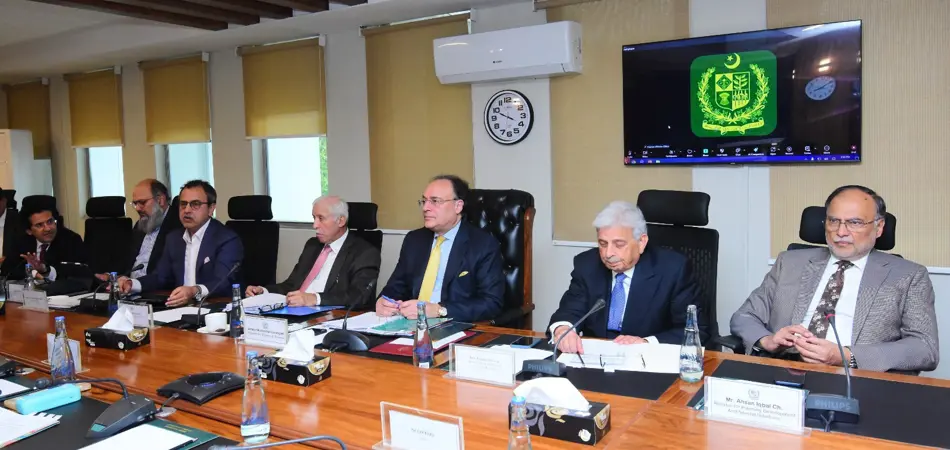
The Economic Coordination Committee (ECC) of the Cabinet approved a total of around Rs227.6 billion in additional funds and Technical Supplementary Grants for various financial, development, and social sector initiatives for the current financial year 2025-26.
These allocations cover education, youth skill development, housing, tourism, power sector support, humanitarian assistance, and defence sector projects, which showed the Committee’s commitment to sustainable development, energy efficiency, and social welfare, according to a press release issued.
The ECC met under the chairmanship of Federal Minister for Finance and Revenue Senator Muhammad Aurangzeb. The meeting included Dr. Imtiaz Ahmad, Chief Economist, Planning, Development and Special Initiatives Division, along with the Federal Ministers for Power, Petroleum, Commerce, Planning, Development and Special Initiatives, National Food Security and Research, and Investment, as well as federal secretaries and senior officials from relevant ministries, divisions, departments, and regulatory bodies.
During the meeting, Dr. Imtiaz Ahmad presented an overview of the current economic situation, highlighted improved inflation trends and food security conditions.
Headline inflation stood at 4.1% in July and 3% in August, with temporary increases in September and October due to flood-related supply disruptions.
By November, inflation moderated to 6.1%, bringing the cumulative average for July–November to 5.0%, significantly lower than 7.9% in the same period last year.
The improvement was attributed to prudent fiscal management, effective price stabilization measures, and close market monitoring.
Weekly Sensitive Price Indicator (SPI) data also showed declining prices in 10 out of 51 essential commodities, providing relief to consumers.
On the funding front, the ECC approved Rs5,760.27million for the Federal Education and Professional Training Division to establish Danish Schools in Azad Jammu and Kashmir, Gilgit-Baltistan, and Balochistan, and for the Prime Minister’s Youth Skill Development Programme through NAVTTC. The Committee advised exploring public-private partnership models for greater sustainability.
The Ministry of Housing and Works received Rs5,190m for execution of development schemes under the SDGs Achievement Programme in Sindh and Khyber Pakhtunkhwa.
The Ministry of Inter-Provincial Coordination was allocated Rs170.4m for the Pakistan Tourism Development Corporation (PTDC), with directives to prepare a comprehensive business plan aligned with national tourism strategy and reforms for state-owned enterprises.
The ECC also approved a revision of eligibility criteria for the Prime Minister’s Fan Replacement Programme to enhance energy efficiency, alongside Rs6.35bn for SDGs schemes in Punjab, ICT, Sindh, and Khyber Pakhtunkhwa, and Rs200bn for investment in DISCOs to address cash flow constraints in the power sector.
Addressing humanitarian concerns, Rs4.77bn was approved for 945 deserving families of missing persons, as identified by the Commission of Inquiry on Enforced Disappearances.
Additionally, Rs79m and Rs10.82m were sanctioned for maintenance of helicopters of Frontier Corps Balochistan (North) and Pakistan Rangers (Sindh), respectively.
For infrastructure, the ECC approved construction of 104 additional family suites for Members of Parliament, including servant quarters, and directed the Capital Development Authority to submit a comprehensive asset maintenance plan.
In the defence sector, Rs40m was allocated for SDGs-related schemes, and Rs250m for the operationalization of King Hamad University of Nursing and Allied Medical Sciences.
The Committee emphasized that continued policy coordination, strengthened monitoring mechanisms, and prudent fiscal management would further support economic stability, inflation containment, and sustainable development in the coming months.
World Bank backs Pakistan’s gas sector sustainability drive
PSMU Desk
ISLAMABAD: Pakistan and the World Bank have reaffirmed their commitment to enhancing reforms in the country’s energy sector, with a strong focus on ensuring the long-term sustainability of the gas sector and improving overall sector efficiency. This understanding was formalized during a meeting between Federal Minister for Petroleum Ali Pervaiz Malik and World Bank Country Director for Pakistan Bolormaa Amgaabazar, where both parties discussed ongoing and future reforms in detail.
The World Bank acknowledged the Petroleum Division’s efforts in resolving the long-standing LNG challenges, describing it as a complex issue. The World Bank Country Director also commended Minister Malik for taking personal responsibility in driving gas sector sustainability and reaffirmed the Bank’s continued support for reforms in this area. Additionally, the World Bank expressed its willingness to collaborate further on reforms in the LPG sector and capacity building for the Oil and Gas Regulatory Authority (OGRA).
Both parties discussed a comprehensive roadmap for gas sector reforms, aimed at improving performance, efficiency, and the unbundling of Sui gas companies. The minister emphasized that Pakistan’s energy reform efforts are crucial for long-term sustainability, with strong backing from international development partners like the World Bank.
The meeting also highlighted Pakistan’s commitment to improving air quality and fuel standards, which will require upgrading the country’s refineries. Both sides expressed their resolve to continue close collaboration to support Pakistan’s energy sector reforms and broader sustainable development goals.
Meezan Bank expands Wisaaq platform with Murabaha-based financing for Dawlance distributors
By Commerce Reporter
KARACHI: Meezan Bank, Pakistan’s leading Islamic bank and one of the largest banks in the country in collaboration with Haball, has announced a major expansion of the Wisaaq digital supply chain financing platform through the launch of a new Murabaha-based financing facility with Dawlance, Pakistan’s leading home appliance manufacturer.
This innovative initiative enables Dawlance’s distributors to access instant, digital, and Shariah-compliant financing for inventory procurement directly from Dawlance. The facility is designed to strengthen distributor liquidity streamline supply chain operations, and support sustainable business growth across the country.
Wisaaq transforms the financing journey for distributors by eliminating manual reconciliation and lengthy approval processes. The platform offers a seamless, fully digital experience where financing is transparent, efficient, and data-driven.
The signing ceremony was attended by Dr. Syed Amir Ali, Deputy CEO of Meezan Bank, Syed Tanveer Hussain, Group Executive, Meezan Bank; Umar Ahsan Khan, CEO of Dawlance Pakistan Farhan Akram, Chief Financial Officer, Dawlance Pakistan and Omer Bin Ahsan, CEO of Haball
Commenting on the collaboration, Omer Bin Ahsan, CEO of Haball, said: “Dawlance has one of the most active and widely spread distribution networks in Pakistan, so financing also needs to move fast. Wisaaq was built exactly for this kind of environment. With Meezan Bank’s trust and Dawlance’s willingness to digitize, we are creating a financing model that actually fits the speed of the market. This is an important moment for Pakistan’s supply chain landscape because it shows that large-scale Shariah-compliant financing can be modern, instant, and fully data-driven.”
Sharing his views on the partnership, Umar Ahsan Khan, CEO of Dawlance Pakistan, said: “Our distributors are the backbone of our business. This new financing program will give them the confidence to carry more stock and respond faster to market demand. It also empowers our partners to grow their businesses without being constrained by liquidity challenges. Ultimately, this healthier system benefits everyone and will expand Dawlance’s footprint across Pakistan.”
Highlighting the significance of the initiative, Dr. Syed Amir Ali, Deputy CEO of Meezan Bank, commented: “This partnership aligns with Meezan Bank’s commitment to embedding Shariah-compliant finance at the core of real economic activity. Through our collaboration with Haball and Dawlance, we are proving that digital supply chain financing can be more transparent, efficient, and accessible to businesses of all sizes. We view this initiative as a meaningful step toward modernizing Pakistan’s supply chains and expanding the reach of Shariah-compliant financial solutions at scale.”
PSX Closing Bell: Bulls Keep a Foot in the Door

The benchmark KSE-100 Index concluded Thursday’s trading session at 171,960.64, showing an increase of 1,646.79 points or 0.97%.
The index remained positive throughout the day showing an intraday high of 172,248.94 (+1,935.09) and a low of 170,804.65 (+490.80) points.
The total volume of the KSE-100 Index was 392.43 million shares.
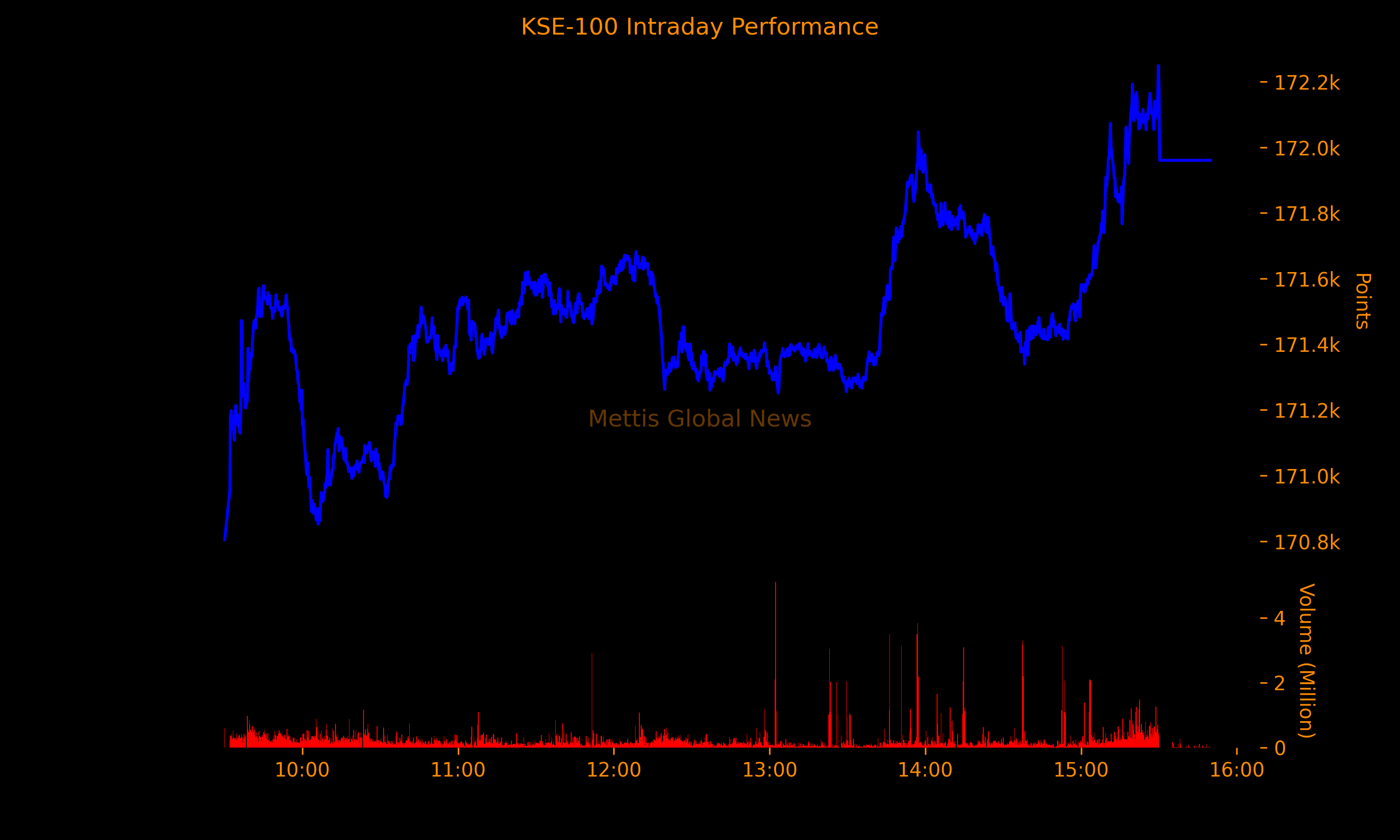
Of the 100 index companies 53 closed up, 47 closed down, while 0 were unchanged.
Top gainers during the day were RMPL (+9.05%), ENGROH (+8.37%), CHCC (+4.14%), HUMNL (+3.25%), and INIL (+3.09%).
On the other hand, top losers were DHPL (-10.00%), KTML (-5.92%), PIOC (-4.69%), SRVI (-3.56%), and KAPCO (-2.63%).
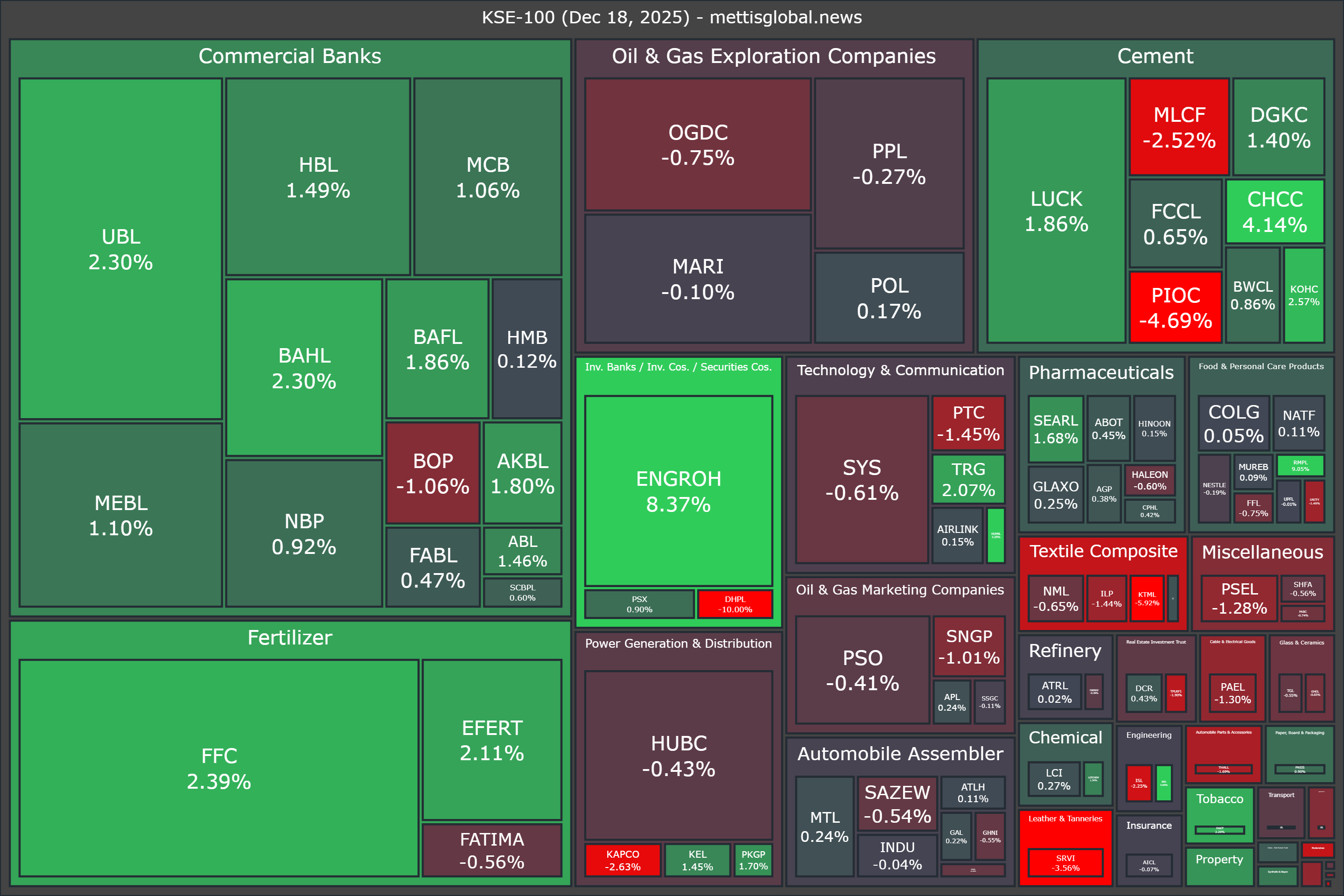
In terms of index-point contributions, companies that propped up the index were ENGROH (+585.05pts), FFC (+400.46pts), UBL (+275.24pts), LUCK (+132.63pts), and BAHL (+112.09pts).
Meanwhile, companies that dragged the index lower were PIOC (-67.85pts), DHPL (-56.80pts), MLCF (-51.38pts), OGDC (-44.83pts), and SRVI (-44.27pts).
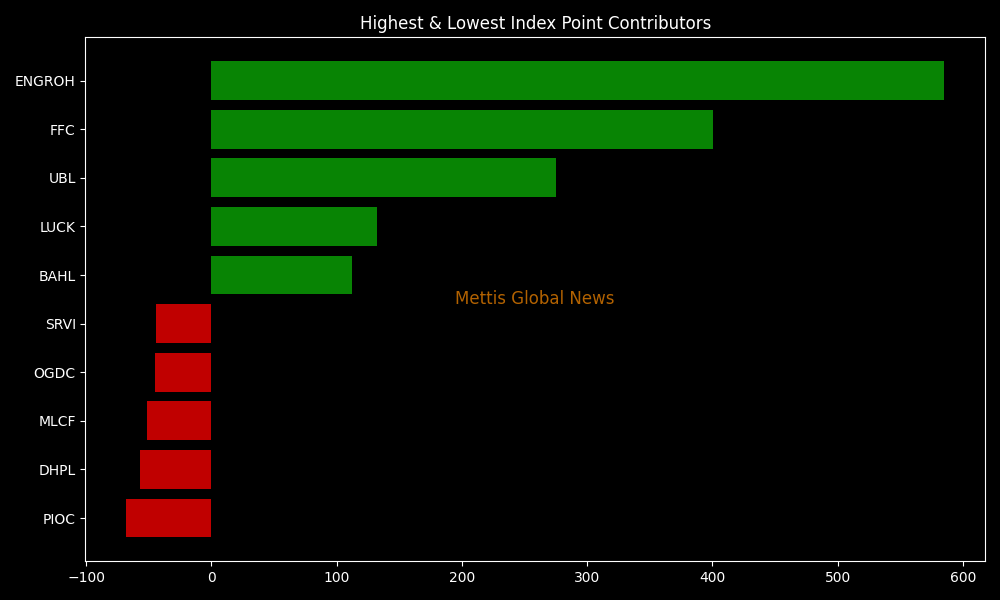
Sector-wise, KSE-100 Index was supported by Commercial Banks (+724.25pts), Inv. Banks / Inv. Cos. / Securities Cos. (+534.80pts), Fertilizer (+485.30pts), Cement (+132.69pts), and Pharmaceuticals (+23.60pts).
While the index was let down by Oil & Gas Exploration Companies (-59.28pts), Textile Composite (-56.25pts), Leather & Tanneries (-44.27pts), Power Generation & Distribution (-32.87pts), and Oil & Gas Marketing Companies (-26.22pts).
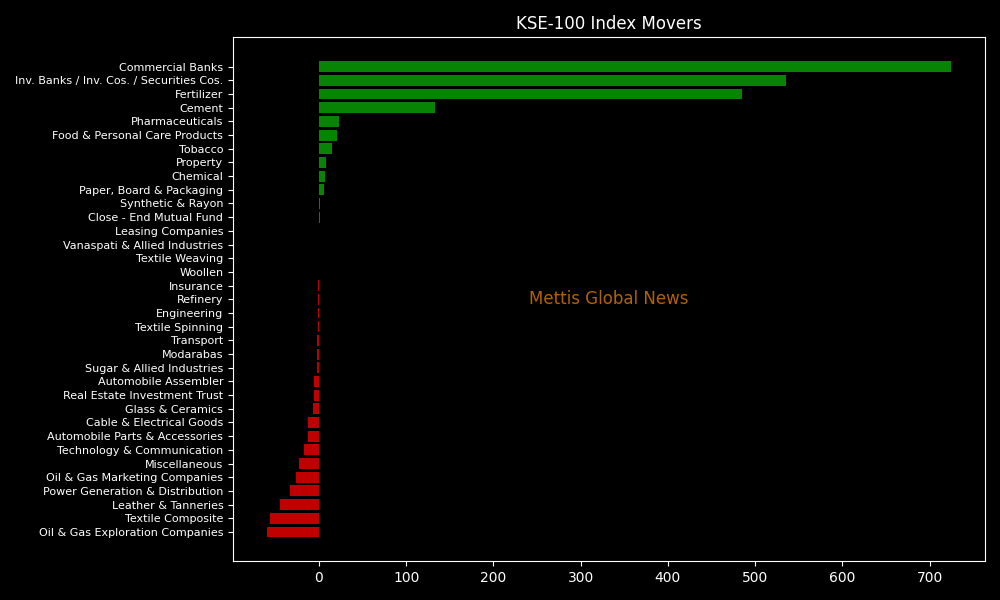
In the broader market, the All-Share Index closed at 103,659.27 with a net gain of 643.69 points or 0.62%.
Total market volume was 950.15 million shares compared to 1,068.51m from the previous session while traded value was recorded at Rs54.07 billion showing an increase of Rs2.28bn.
There were 425,282 trades reported in 482 companies with 217 closing up, 228 closing down, and 37 remaining unchanged.
| Symbol | Price | Change % | Volume |
|---|---|---|---|
| TPLRF1 | 10.85 | -1.90% | 75,803,678 |
| HASCOLNC | 15.22 | -2.62% | 37,077,121 |
| STPL | 8.7 | -5.02% | 36,739,127 |
| HUMNL | 14.63 | 3.25% | 33,576,516 |
| BOP | 37.46 | -1.06% | 30,565,064 |
| PIBTL | 17.42 | -0.40% | 28,522,756 |
| PIAHCLA | 45.22 | -0.04% | 28,126,379 |
| BECO | 6.9 | 3.76% | 27,913,641 |
| CSIL | 7.3 | 15.87% | 27,716,376 |
| TELE | 11.98 | 1.78% | 26,981,470 |
To note, the KSE-100 has gained 46,333 points or 36.88% during the fiscal year, whereas it has increased 56,834 points or 49.37% so far this calendar year.
Pakistan, Ant Group discuss expanding digital payments & financial tech

Meeting focused on accelerating Pakistan’s transition towards a cashless and digitally enabled economy
The government on Thursday engaged with Ant Group, a global digital payment and financial tech firm based in Singapore and Easypaisa, Pakistan’s leading digital financial platform, to expand digital payments, financial inclusion, and technology-driven financial services in the country.
Federal Minister for Finance Muhammad Aurangzeb today met a delegation at the Finance Division comprising Douglas Feagin, President Ant International and Senior Vice President, Ant Group; Irfan Wahab Khan, Chairman, Easypaisa Digital Bank; and Jahanzeb Khan, President and Chief Executive Officer, Easypaisa Digital Bank.
The meeting focused on accelerating Pakistan’s transition towards a cashless and digitally enabled economy.
Welcoming the delegation, Aurangzeb underscored that the national drive towards digitisation has gathered strong momentum and clear performance targets are being pursued through a coordinated approach across key pillars covering digital infrastructure, payment systems and rails, and digitisation of government-related payments.
Meanwhile, Douglas Feagin reaffirmed Ant International and Ant Group’s commitment to supporting Pakistan’s digital economy agenda by bringing global experience, technology capabilities, and operational know-how gained across Asia to help expand cashless payment adoption and digital financial services.
He highlighted that the licensing of Easypaisa as a digital bank presents an important opportunity to accelerate capability building, deepen outreach, and advance the shift towards digital transactions.
During the discussion, Aurangzeb emphasised the role that digital banks and fintech platforms can play in enabling inclusive credit and targeted lending, including for underserved segments such as small farmers.
He noted that agriculture lending needs to reach a broader base of smallholders and that scalable digital platforms can help improve outreach and sustainability, particularly in initiatives aimed at expanding access to finance.
He also highlighted the importance of diversifying the investor base for domestic public debt and reducing friction costs in distribution by facilitating retail participation through digital platforms, enabling citizens to invest in secure and liquid government securities through accessible channels.
China’s Ant Group invested $3.26 billion in R&D in 2024
Irfan Wahab Khan of Easypaisa shared that the fintech is progressively transitioning from payments to broader financial services, with a focus on financial inclusion, customer education, and the development of savings and wealth management offerings.
The discussion also covered ongoing enhancements in cross-border and wallet-based payment capabilities and reducing transaction frictions for users.
Aurangzeb also shared the government’s perspective on the increasing scale of virtual asset activity and the importance of bringing such activity into a regulated framework.
The meeting included an exchange on opportunities related to tokenisation and the potential for regulated, technology-enabled channels to support secure and accessible financial products, including in areas such as government securities and broader capital market development.
Easypaisa Digital Bank reports Rs5.65bn profit before tax for 9M
Aurangzeb emphasised Pakistan’s intention to leverage its strategic economic relationships to unlock further investment and to build a foundation for long-term, sustainable growth.
Douglas Feagin shared that expanding digital payments and digital finance can support stronger documentation of economic activity and contribute to tax base expansion, based on observed outcomes in multiple international markets.
He reiterated Easypaisa’s and Ant International’s commitment to scaling QR-code merchant acceptance and driving consumer adoption through practical use cases, while highlighting operational considerations linked to biometric-based customer onboarding, compliance requirements, and the cost of authentication and verification processes.
Aurangzeb appreciated the delegation’s commitment and encouraged submission of specific proposals for coordination with relevant stakeholders to advance shared priorities under the government’s digitisation agenda.
Pakistan eyes halal meat export surge as PM approves new policy, certification support

Pakistan’s halal meat production currently stands at 6mn metric tonnes, forum told
Prime Minister Muhammad Shehbaz Sharif has approved a new halal meat export policy, directing relevant authorities to finalise a comprehensive three-year strategy within two weeks to significantly increase Pakistan’s share in the global market.
Presiding over a high-level review meeting in the federal capital, the prime minister emphasised that a coordinated effort between federal ministries and provincial governments is essential to making Pakistan a major player in the international halal meat industry, the Prime Minister Office (PMO) said.
The premier tasked a specialised committee to provide actionable proposals focused on improving production capacity, cold storage facilities, and overall logistics.
Pakistani meat exporter commences operations at Karachi EPZ plant
PM Shehbaz underscored the need for Pakistan to meet world-class standards to compete effectively in both Muslim-majority countries and the broader global market. He directed the concerned authorities to provide all possible assistance for the international certification of domestic slaughterhouses and to facilitate bilateral registration with importing nations.
A key focus of the new policy is ensuring that meat exports are sourced from disease-free zones and maintained under the highest hygiene conditions, he said.
During the briefing, it was revealed that Pakistan’s total halal meat production currently stands at 6 million metric tonnes. Officials noted that after meeting domestic requirements, the country possesses a substantial surplus that can be diverted toward exports if supported by international-standard packaging and competitive pricing. The prime minister specifically highlighted that reducing production costs and adopting globally recognised business models would be critical for regional competitiveness.
Pakistan moves toward major meat export breakthrough with Malaysia
The meeting was attended by Federal Minister for Commerce Jam Kamal Khan, Federal Minister for National Food Security Rana Tanvir Hussain, Federal Minister for Economic Affairs Ahad Khan Cheema, and Special Assistant to PM for Industries and Production Haroon Akhtar, along with other senior government officials.
A high-level meeting of the Prime Minister’s Committee on Meat Exports to Malaysia was held in November, co-chaired by Special Assistant to the Prime Minister Haroon Akhtar Khan and Federal Minister for Commerce Jam Kamal Khan.
The session brought together key stakeholders from the public and private sectors to review challenges, recommendations, and the future roadmap for enhancing Pakistan’s meat exports to Malaysia.
During the meeting, the committee proposed an ambitious target of USD 200 million worth of meat exports to Malaysia. Minister Jam highlighted that a collaborative business model is being developed with private exporters to streamline and boost meat shipments.
Govt accelerates drive for digital payments, financial inclusion

overnment of Pakistan reaffirmed its commitment to accelerate Pakistan’s transition towards a cashless and digitally enabled economy, with a focus on expanding financial inclusion, strengthened digital payments, and improving access to formal financial services for individuals and small businesses across the country.
A meeting at the Finance Division reviewed progress on the national digitization agenda, included development of digital infrastructure, payment systems and rails, and digitization of government-related payments, said a press release issued.
The meeting was chaired by Federal Minister for Finance and Revenue Senator Muhammad Aurangzeb and attended by Mr. Douglas Feagin, President Ant International and Senior Vice President Ant Group; Mr. Irfan Wahab Khan, Chairman Easypaisa Digital Bank; and Mr. Jahabzeb Khan, President and Chief Executive Officer Easypaisa Digital Bank.
Senator Aurangzeb said digital banks and fintech platforms can play a critical role in enabling inclusive credit and targeted lending, particularly for underserved segments such as small farmers, further stressing that scalable digital platforms are essential to broaden agriculture lending and improve sustainability of financial access initiatives.
He also highlighted the importance of diversifying the investor base for domestic public debt and reducing distribution costs by enabling retail participation through digital platforms, which will allow citizens to invest in government securities through accessible and secure channels.
The delegation expressed support for Pakistan’s digital economy agenda and noted that expansion of digital payments and financial services can help document economic activity, broaden the tax base, and improve efficiency.
They emphasized scaling QR-code merchant acceptance, enhancing cross-border and wallet-based payments, and strengthening customer education.
Mr. Irfan Wahab Khan shared that Easypaisa is progressively transitioning from payments to broader financial services, with a focus on financial inclusion, customer education, and the development of savings and wealth management offerings.
Discussions also covered cross-border and wallet-based payments, regulation of virtual assets to ensure consumer protection and compliance, and opportunities in tokenization to support capital market development.
Senator Aurangzeb briefed the delegation on macroeconomic stabilization progress and reform priorities, including tax base expansion, energy sector reforms, SOEs, and privatization, emphasizing the need to translate stability into investment-led growth.
Mr. Douglas Feagin shared that expanding digital payments and digital finance can support stronger documentation of economic activity and contribute to tax base expansion, based on observed outcomes in multiple international markets.
He reiterated Easypaisa’s and Ant International’s commitment to scaling QR-code merchant acceptance and driving consumer adoption through practical use cases, while highlighting operational considerations linked to biometric-based customer onboarding, compliance requirements, and the cost of authentication and verification processes.
Both sides agreed to continue coordination on merchant digitization, customer education, QR-code acceptance, and access to regulated savings and investment products, with the minister inviting concrete proposals to advance the government’s digitization agenda.
ECC to decide on Rs200bn DISCOs injection, social sector grants
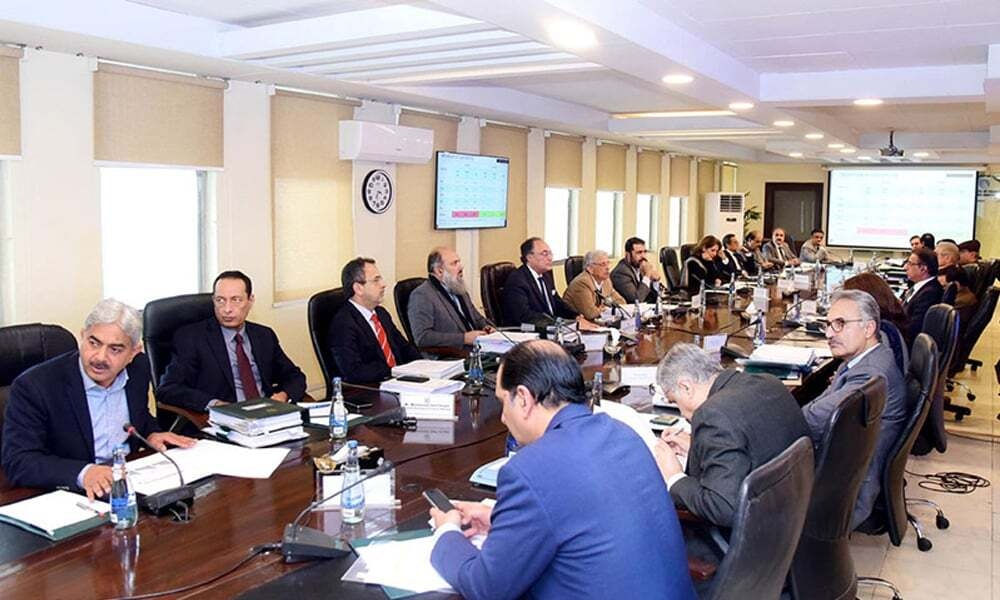
The Economic Coordination Committee (ECC) is set to meet today under the chairmanship of Finance Minister Muhammad Aurangzeb.
The meeting will deliberate on a wide-ranging 12-point agenda.The agenda focuses on fiscal management, development spending, and key government programs.
According to the agenda, the ECC will consider a technical supplementary grant aimed at providing an equity injection of Rs200bn into government-owned distribution companies (DISCOs).
The move is linked to improving the financial position of the power sector.
The committee will also review proposals for technical supplementary grants amounting to Rs5.2bn for the Ministry of Health and Rs5.7bn for the Ministry of Education, showing continued government spending on social sectors.
In addition, the ECC is scheduled to assess the Prime Minister’s fan replacement program, which is designed to promote energy efficiency and reduce electricity consumption.
A summary related to the expansion of Parliament Lodges will also come under discussion during the meeting.
The agenda further includes consideration of development schemes for members of parliament, as well as a proposal for a supplementary grant to facilitate the launch of King Hamad Nursing University.
Pakistan consumer confidence shows strong recovery in Q1 FY2026

Pakistan’s consumer confidence has shown a robust year-on-year recovery and shows improving sentiment among households, according to a tweet by Khurram Schehzad on X.
The data is based on the latest Consumer Confidence Survey (Q1 FY2026) conducted by D&B Pakistan and Gallup Pakistan.
The survey revealed that overall consumer confidence is up 19% YoY.
This is a clear rebound from last year’s lows despite a slight quarterly cooling.
The Future Confidence Index stands at 98.2 and indicates that consumers expect stabilization rather than further deterioration in the near term.
Household finances continue to anchor confidence as 62% of respondents expect their financial situation to improve or remain unchanged over the next six months.
Similarly, income expectations remain positive because 63% foresee household income increasing or staying stable over the coming year.
Younger respondents remain the most optimistic about future income prospects. This trend could support medium-term demand and overall economic recovery.
Sustained disinflation and visible job support could convert this household-led optimism into stronger confidence, higher savings capacity and increased consumption in upcoming cycles.
Chinese group eyes €2bn integrated maritime project at Pakistan’s Port Qasim
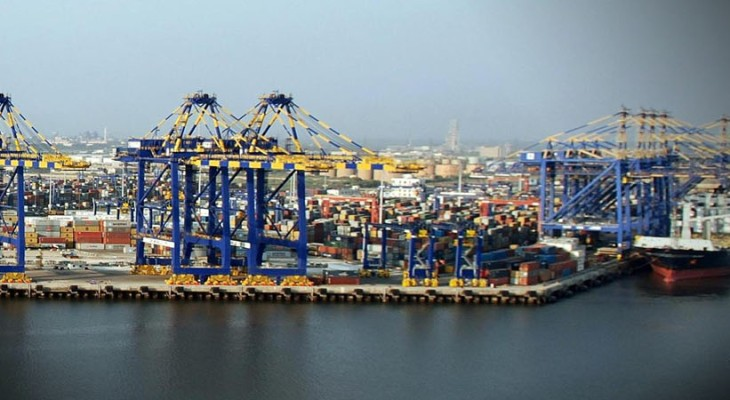
If approved, the project could represent one of the largest investments in Pakistan’s maritime sector
China’s Shandong Xinxu Group has pitched a multi-billion-euro integrated maritime and industrial project at Port Qasim, one of Pakistan’s key ports, marking one of the largest proposed foreign investments in Pakistan’s maritime sector in recent years.
A five-member delegation from China’s Shandong Xinxu Group has met Federal Minister for Maritime Affairs, Muhammad Junaid Chaudhry to discuss a proposed Integrated Maritime Industrial Complex (IMIC) at Port Qasim.
According to a statement released on Thursday, the delegation, led by the company’s chairman Hou Jianxin, discussed a proposal for the project, estimated to cost between €1 billion and €2 billion, aimed at revitalising Pakistan’s maritime and heavy industrial base.
The proposed IMIC would comprise three main components, including the revival of the Iron Ore and Coal Berth (IOCB) Jetty, commonly referred to as the steel jetty, the establishment of shipbuilding and shipbreaking facilities, and the setting up of a steel mill integrated with port operations.
Traffic congestion in Karachi: Bulk freight movement to be shifted from roads to rails
As per the statement, the IOCB was designed to handle bulk cargo, including iron ore and coal, primarily for Pakistan Steel Mills (PSM). The jetty can accommodate vessels ranging between 55,000 and 75,000 deadweight tons (DWT) and is connected to the steel mill through a dedicated conveyor system spanning approximately 4.5 to 8 kilometres, linking directly to stockyards and blast furnaces.
It is pertinent to mention that Shandong Xinxu Group, a major Chinese high-tech enterprise involved in renewable energy, battery manufacturing equipment, and industrial projects, particularly known for driving significant investment and development in Pakistan’s maritime, mining, and industrial sectors.
During the meeting, the federal minister welcomed the interest shown by the Chinese group and asked the delegation to submit an unsolicited proposal outlining plans and a comprehensive roadmap for the proposed project.
Chaudhry emphasised that the roadmap should include clearly defined core concepts, detailed implementation plans and feasibility studies covering technical, financial and environmental aspects.
Following the submission of the comprehensive report, a committee comprising members from the Ministry of Maritime Affairs and Shandong Xinxu Group, led by Additional Secretary Umar Zafar Sheikh, will review the proposal.
The minister underscored the importance of ensuring that the project aligns with Pakistan’s broader industrial and sustainability goals, particularly in terms of job creation, value addition and environmentally responsible development.
The IMIC concept was first unveiled by the minister in November 2025 at an event hosted by Port Qasim Authority in Karachi to mark the port’s recognition as the world’s ninth most improved container port.
If approved, the project could represent one of the largest recent investments in Pakistan’s maritime and industrial sectors, strengthening Port Qasim’s role as a regional hub for heavy industry and logistics.
Wheat holds near 8-week lows after China cancels purchases from US
Chicago wheat futures found their footing on Thursday but remained near eight-week lows after China cancelled purchases from the US and as large harvests in Argentina and Australia poured new grain into a well-supplied market.
Soybean futures were flat after falling on Wednesday when the US Department of Agriculture (USDA) confirmed sales to China and “unknown destinations,” and oil prices recovered some ground, supporting biofuel feedstocks.
Corn rose for a second day due to strong US export demand, though pressure from low wheat prices limited gains.
Wheat competes with corn in the animal feed market.
The most-active wheat contract on the Chicago Board of Trade (CBOT) was up 0.1% at $5.06-3/4 a bushel at 0619 GMT, after falling to $5.04 on Wednesday, its lowest since October 23.
CBOT soybeans were unchanged at $10.58-1/4 a bushel, having slipped to a seven-week low of $10.53-1/2 in the previous session.
Corn was up 0.3% at $4.41-3/4 a bushel, heading back towards a six-month high of $4.52-1/4 reached on December 2.
Wheat and soybean prices have slumped about 10% from highs last month amid abundant supply. Soybeans also face lacklustre US export demand and competition from cheaper Brazilian beans.
The USDA said on Wednesday that exporters had cancelled sales of 132,000 metric tons of US white wheat to China.
The reason for the cancellation was not known, but traders said Argentine wheat was available at lower prices. “Argentinian and Australian crops just keep getting bigger and adding to global supply,” said Rod Baker, an analyst at Bendigo Bank Agribusiness Insights.
“Argentina dropped their export taxes also. That’s making them very competitive.”
CBOT prices have likely fallen far enough to encourage buying, Baker said.
“Prices should stabilise around here, and as we move into the new year rise a little.” Progress in peace negotiations to end the war in Ukraine has weighed on wheat prices, but a ceasefire may still be some way off.
Russian attacks on Black Sea ports and energy facilities have reduced Ukrainian wheat exports by forcing the shutdown of some export terminals, Ukrainian farmers’ union UAC said on Wednesday.
China aluminium imports decline 14% y/y, custom data shows
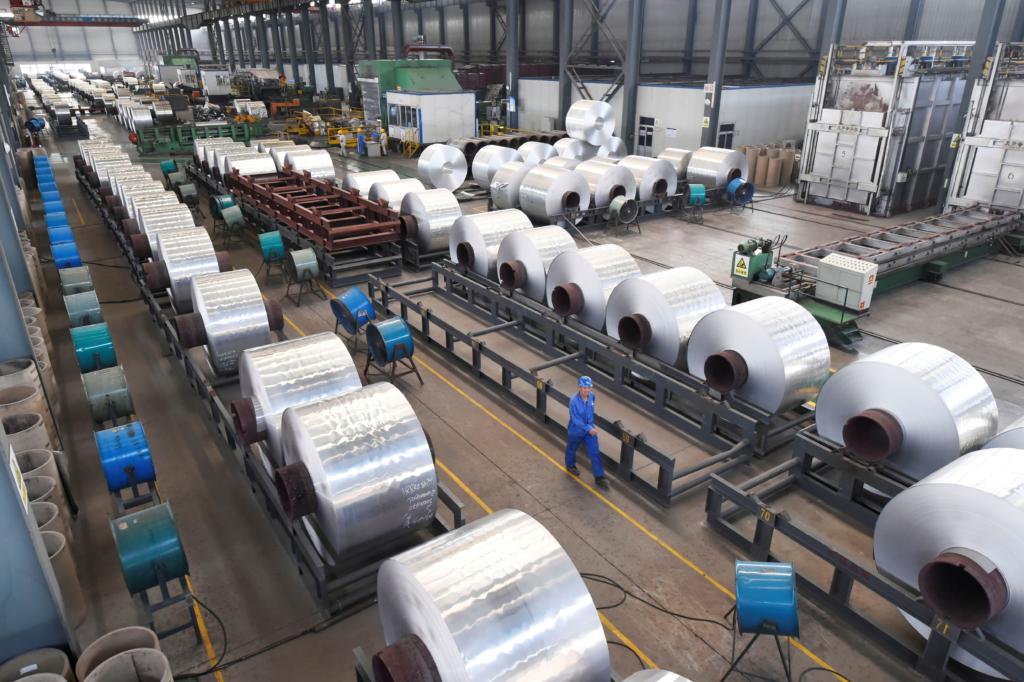
The world’s top metals consumer imported 240,000 metric tons of unwrought aluminium and aluminium products last month
SHANGHAI: China’s import of unwrought aluminium and aluminium products fell 14% in November from a year ago, customs data showed on Thursday.
The world’s top metals consumer imported 240,000 metric tons of unwrought aluminium and aluminium products last month, according to the General Administration of Customs.
The decline snapped five months of year-on-year import volume growth, signalling softer demand in the top market for the metal, used in transportation, construction and packaging as year-end neared, traders said.
Arbitrage incentives also stayed muted, leaving import appetite weak, traders added.
In the first 11 months of 2025, China imported 3.60 million tons of unwrought aluminium and aluminium products, up 4.4% from the corresponding period a year earlier.
The data includes primary metal and unwrought, alloyed aluminium.
Imports of bauxite, a key raw material for aluminium, climbed 22.9% from the previous year to 15.11 million tons in November, which brought the year-to-date total imports to 185.96 million tons, an increase of 29.4% year-on-year.
China’s domestic output of aluminium remained strong in November, up 2.5% year on year at 3.79 million ton, according to data from the Bureau of Statistics.
Copper prices diverge as US rate outlook, AI sentiment weigh

The most-traded copper contract on the Shanghai Futures Exchange closed 0.23% higher at 92,600 yuan
SHANGHAI: Copper prices move in opposite directions on Thursday, as the market focussed on the outlook for US interest rates, while waning confidence in the artificial intelligence sector weighed on sentiment.
The most-traded copper contract on the Shanghai Futures Exchange closed 0.23% higher at 92,600 yuan ($13,151.73) a metric ton.
The benchmark three-month copper on the London Metal Exchange declined 0.16% to $11,718.50 a ton, as of 0718 GMT.
In his national address on Wednesday, US President Donald Trump said that the next chairman of the Federal Reserve will be someone who believes in lower interest rates “by a lot”.
Trump previously indicated that he will announce his choice to replace Fed Chair Jerome Powell, whose term ends in May, early next year.
President Trump’s comments came a week after the US central bank lowered its policy rate by 25 basis points, which helped copper to outperform its base metal peers.
The market is sceptical about whether any of the known finalists, White House economic adviser Kevin Hassett, Federal Reserve Governors Kevin Warsh and Chris Waller, would lower rates as Trump desired.
The dollar edge higher, weakening the greenback-priced commodities by making them more expensive for investors using other currencies. Meanwhile, scepticism around AI deepened after Oracle’s data center partner Blue Owl Capital was reported as backing a $10 billion deal for its next facility amid concerns about rising debt and spending. Copper is a key metal used in data centers.
The red metal still found good support from supply shortage prospects and demand outlook, limiting the scale of the session’s decline.
Among other SHFE metals, aluminium was up 0.25%, zinc gained 0.52%, lead nudged 0.06% higher, nickel gained 1.07%, and tin surged 2.88%.
Elsewhere on LME, aluminium dropped 0.45%, zinc declined 0.36%, lead dipped 0.13%, nickel gained 1.10%, and tin advanced 0.37%.
Strong buying at PSX, KSE-100 up over 1,100 points in early trade

Benchmark index was hovering above 171,000 level
Bullish momentum was observed at the Pakistan Stock Exchange (PSX), with the benchmark KSE-100 gaining over 1,100 points during the opening minutes of trading on Thursday.
At 9:50am, the benchmark index was hovering at 171,455.35, an increase of 1,141.50 points or 0.67%.
Buying was observed in key sectors, including cement, commercial banks, oil and gas exploration companies, OMCs, power generation and refinery. Index-heavy stocks, including ARL, HUBCO, PSO, SNGPL, SSGC, MARI, MEB, MEBL and NBP, traded in the green.
On a fiscal front, Pakistan’s current account posted a surplus of $100 million in November 2025, data released by the State Bank of Pakistan (SBP) showed on Wednesday.
Meanwhile, Pakistan’s cargo transporters – including those operating between Karachi seaports and factories nationwide – called off the wheel jam strike on Wednesday, stating that the government had agreed to address their demands, including increasing the time for “20-feet long 10-wheel cargo vehicles” to 19 hours a day on roads.
On Wednesday, PSX witnessed a session of intense volatility as the downward movement was primarily driven by a backdrop of mixed investor sentiment and pronounced volatility, which triggered selective profit-taking after the index hit a historic intraday peak.
The benchmark KSE-100 Index ended the day at 170,313.86 points, marking a marginal retreat of 133.44 points or 0.08%.
Internationally, Asian shares fell on Thursday as the tech sector took a beating on renewed angst about AI spending, while investors braced for a wave of central bank meetings set to underscore policy divergence worldwide.
MSCI’s broadest index of Asia-Pacific shares outside Japan fell 0.5% as South Korea dropped 1.3% and Hong Kong’s Hang Seng index slipped 0.5%. Japan’s Nikkei was down 1.2%.
Nasdaq futures gained 0.3% and S&P 500 futures rose 0.2%, after a tech-led selloff on Wall Street as investors grappled with renewed concerns over record AI spending. Shares of AI bellwether Nvidia tumbled 3.8%.
Gold per tola gains Rs2,200 in Pakistan
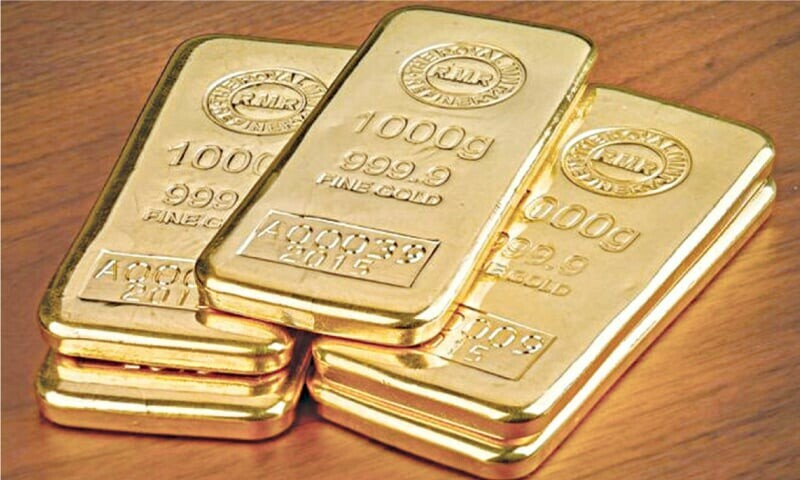
Gold prices in Pakistan increased on Thursday in line with their gain in the international market. In the local market, gold price per tola reached Rs455,762 after a gain of Rs2,200 during the day.
Similarly, 10-gram gold was sold at Rs390,742 after it increased by Rs1,800, according to rates shared by the All-Pakistan Gems and Jewellers Sarafa Association (APGJSA).
On Wednesday, in the local market, gold price per tola reached Rs453,562 after a gain of Rs2,700 during the day.
The international rate of gold was up by $22 to reach $4,334 per ounce (with a premium of $20).
Meanwhile, the price of silver increased by Rs78 to reach Rs6,900 per tola.
Maple Leaf Cement moves to acquire control of Pioneer Cement
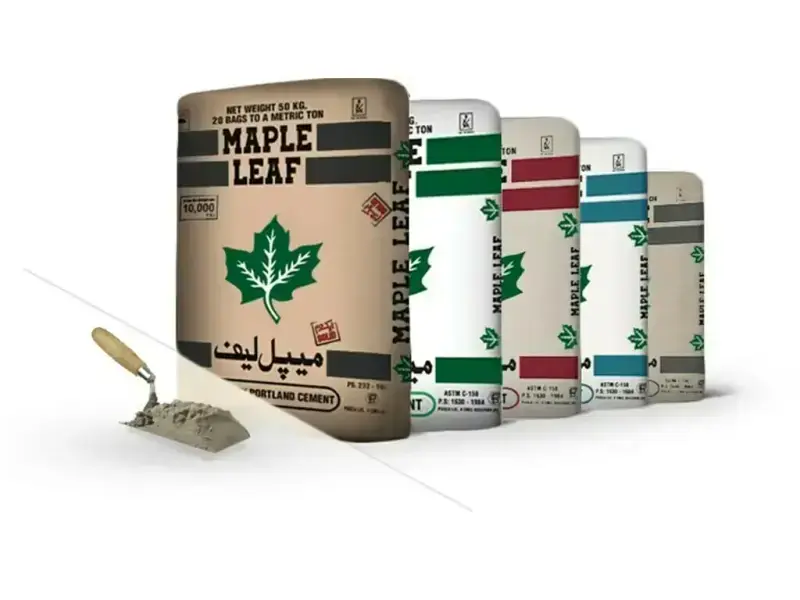
Maple Leaf Cement Factory Limited (PSX: MLCF) has informed that it has moved to acquire 26.62 million shares, a 11.72% of the issued and paid-up share capital, along with control of Pioneer Cement Limited, through a public offer.
This is in addition to the proposed acquisition following a previous proposal under a Share Purchase Agreement dated December 17, 2025, through which 131.8 million shares, constituting 58.03% of Pioneer Cement Limited’s shareholding interest.
The offer, submitted via Next Capital Limited (PSX: NEXT), values Pioneer Cement shares at Rs478.43 per share.
The aforementioned information was disseminated through a notification to PSX.
| Acquisition through | No. of Shares | Percentage | Price per share |
| Share Purchase Agreement(s) | 131,820,554 | 58.03% | Rs 478.43 per share* |
| Public Offer | 26,623,096 | 11.72% | Rs 478.43 per share* |
SBPSBP raises around Rs445bn in PIB Auction
The State Bank of Pakistan (SBP) has raised Rs444.9 billion through its latest Pakistan Investment Bonds (PIBs) auction held on December 17, 2025, with settlement on December 18.
The central bank accepted the Rs444.9bn in face value from total bids of Rs2.48trillion received.
The total acceptance comprised Rs406.8bn in competitive bids, Rs28.6bn in non-competitive bids, and Rs9.5bn through short selling arrangements.
The 2-year zero-coupon bonds dominated the auction with Rs116.87bn in accepted bids, followed by 10-year bonds at Rs104.19bn.
The 3-year tenor saw acceptance of Rs84.34bn, while 5-year bonds attracted Rs103.36bn and 15-year zero-coupon bonds accounted for Rs36.2bn.
The weighted average yields ranged from 10.75% for 2-year bonds to 11.99% for 15-year bonds, with the 10-year benchmark yielding 11.66%.
Pakistan, EIB Sign €60m deal to upgrade Karachi’s sanitation systems

Pakistan and the European Investment Bank (EIB) have taken a significant step toward upgrading Karachi’s water and sanitation systems by signing a declaration to move forward with a large-scale sewage and wastewater management project.
The declaration was signed in Brussels, APP reported.
It was formalized by Secretary of the Ministry of Economic Affairs Muhammad Humair Karim on behalf of Pakistan and Edvardas Bumsteinas, Head of Division for Asia Pacific at the EIB.
Senior officials from both sides attended the ceremony, including Myriam Ferran, Deputy Director-General at the European Commission’s DG INTPA; Pakistan’s Ambassador to the European Union Rahim Hayat Qureshi; EU Ambassador to Pakistan Raimundas Karoblis; and Paola Pampaloni, Acting Managing Director at the European External Action Service.
The declaration paves the way for EIB financing for the Karachi Water Infrastructure Framework; a project focused on rehabilitating and building critical water treatment facilities in the city.
Backed by an EIB financing package of around €60 million, the initiative aims to improve wastewater handling, expand access to safe drinking water, and strengthen long-term water security for Karachi’s rapidly growing population.
The project aligns with Pakistan’s broader efforts to modernize urban infrastructure and develop climate-resilient public services in one of the country’s largest metropolitan centers.
Addressing the ceremony, the Secretary of the Ministry of Economic Affairs welcomed the EIB’s expanding role in Pakistan and stressed the need for closer collaboration with European partners to meet pressing development and infrastructure challenges.
He also expressed interest in broadening cooperation through additional EIB-supported projects in key priority sectors.
The agreement emphasized the growing momentum in Pakistan–EU relations and reflects shared commitments to sustainable development, improved public service delivery, and enhanced climate and environmental resilience.
OMO Result: SBP injects around Rs983bn into Market
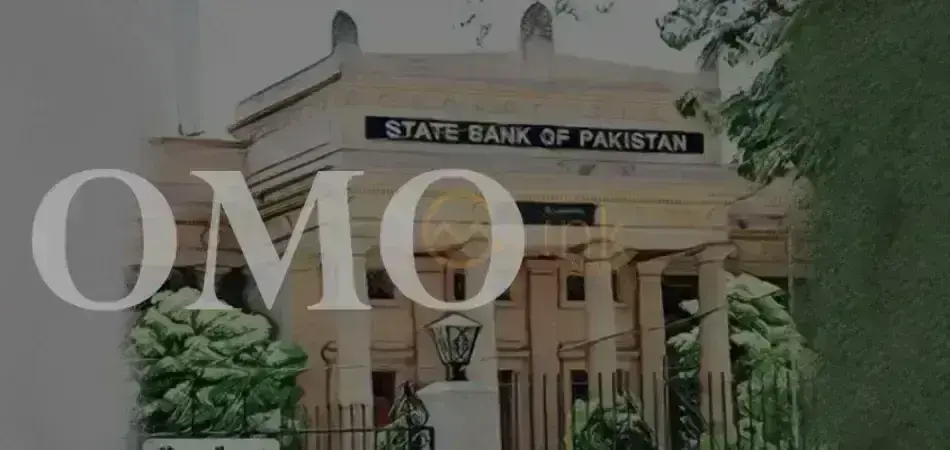
The State Bank of Pakistan (SBP) conducted a reverse repo and Shariah Compliant Modarabah based Open Market Operation (OMO) today, in which it cumulatively injected a total of Rs983bn into the market of which Rs661bn were injected through reverse repo OMO.
| Summary of OMO Result (Conventional) | |||||||
| Amount (Rs in Million) | Rate (%) | Quotes | |||||
| Tenor | Type | Offered | Accepted | High – Low | Accepted | Offered | Accepted |
| 8D | Reverse Repo (Injection) | 661,000 | 661,000 | 10.62-10.54 | 10.54 | 08 | 08 |
| Total | 661,000 | 661,000 | |||||
Meanwhile, the remaining Rs322bn was injected through Shariah-compliant Modarabah-based OMO.
| Summary of OMO Result (Shariah) | |||||||
| Amount (Rs in Million) | Rate (%) | Quotes | |||||
| Tenor | Type | Offered | Accepted | High – Low | Accepted | Offered | Accepted |
| 7D | Reverse Repo (Injection) | 322,000 | 322,000 | 11.56-10.56 | 10.56 | 02 | 02 |
| Total | 322,000 | 322,000 | |||||
Explanatory Note
Open Market Operation is a tool used by SBP to inject or mop up funds from the banking system, based on liquidity requirements, via the purchase or sale of eligible securities.
Operationally, in case of OMO (Injections), SBP lends funds to banks/Primary Dealers (PDs) against eligible collateral to address liquidity shortage in the system.
For OMO (Injections), marketable government securities, i.e. Market Treasury Bills (MTBs) and Pakistan Investment Bonds (PIBs) are eligible securities.
In OMO (Mop-up), SBP sells MTBs to banks in exchange for funds to remove surplus liquidity from the system.
Eligible collateral for OMO (Mop-up) includes selling MTBs (on repo or outright basis) to banks for removing excess liquidity from the system.
In case of Bai-Muajjal, a Shariah compliant tool for managing liquidity in the Islamic banking system, GOP Ijara Sukuk are eligible securities.
Banks and PDs are eligible counterparties to OMO transactions. For Bai Muajjal transactions, Islamic banks and specialized Islamic windows of conventional banks are eligible counterparties.
Maritime, steel sectors to get major boost with proposed IMIC project
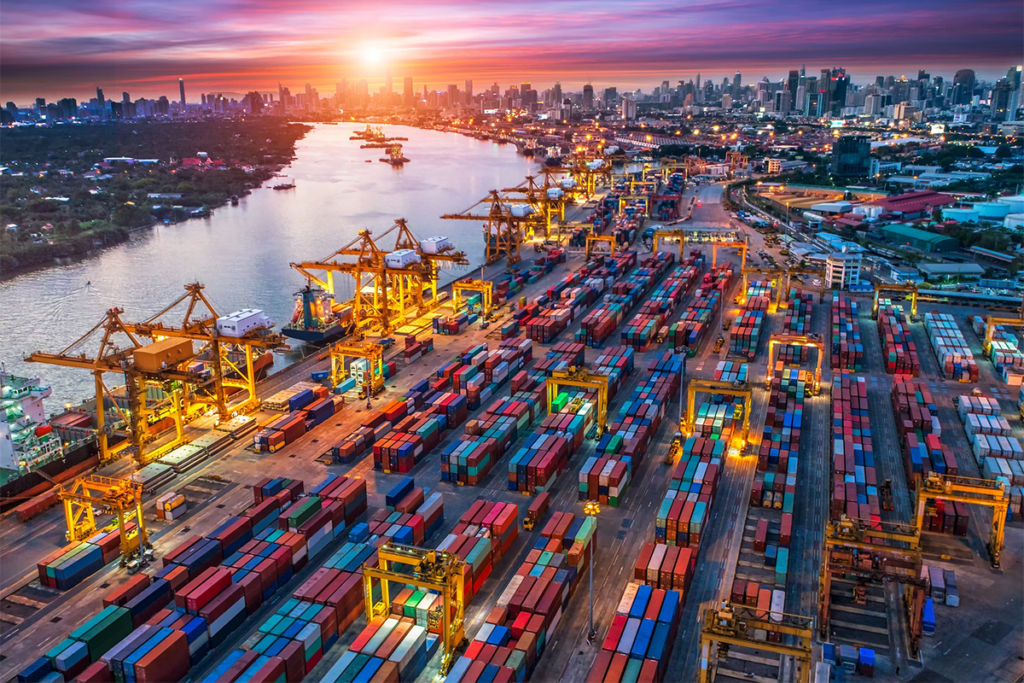
Pakistan is considering a proposed €1–2 billion Integrated Maritime Industrial Complex at Port Qasim that could significantly revive the country’s maritime and heavy industrial sectors.
The proposal was discussed during a meeting between Federal Minister for Maritime Affairs Muhammad Junaid Chaudhry and a five-member delegation from China’s Shandong Xinxu Group, led by chairman Hou Jianxin, said a press release issued.
The project, known as the Integrated Maritime Industrial Complex (IMIC), aims to modernize port-linked industrial activity through three key components: revival of the Iron Ore and Coal Berth (IOCB) jetty, establishment of shipbuilding and shipbreaking facilities, and development of a steel mill integrated with port operations.
The IOCB jetty, also known as the steel jetty, was originally designed to handle iron ore and coal imports for Pakistan Steel Mills.
It can accommodate vessels between 55,000 and 75,000 deadweight tons and is connected to the steel mill via a dedicated conveyor system stretching approximately 4.5 to 8 kilometers, linking directly to stockyards and blast furnaces.
During the meeting, the minister welcomed the Chinese group’s interest and asked the company to submit an unsolicited proposal detailing a comprehensive roadmap for the project.
He stressed that the submission should include clear core concepts, implementation plans, and feasibility studies covering technical, financial, and environmental aspects.
Once submitted, the proposal will be reviewed by a joint committee comprising officials from the Ministry of Maritime Affairs and representatives of Shandong Xinxu Group, led by Additional Secretary Umar Zafar Sheikh.
The minister emphasized that the project must align with Pakistan’s broader industrial and sustainability objectives, particularly job creation, value addition, and environmentally responsible development.
The IMIC concept was first unveiled in November 2025 at an event hosted by the Port Qasim Authority in Karachi, where the port was recognized as the world’s ninth most improved container port.
Branded as the “Steel-to-Green Sea” initiative, the project envisions linking ship recycling with domestic steel production to reduce imports and maximize the use of recyclable materials.
If approved, the IMIC would rank among the largest recent investments in Pakistan’s maritime and industrial sectors, further positioning Port Qasim as a regional hub for heavy industry and logistics.
Pakistan Railways moves ML-1 project toward execution
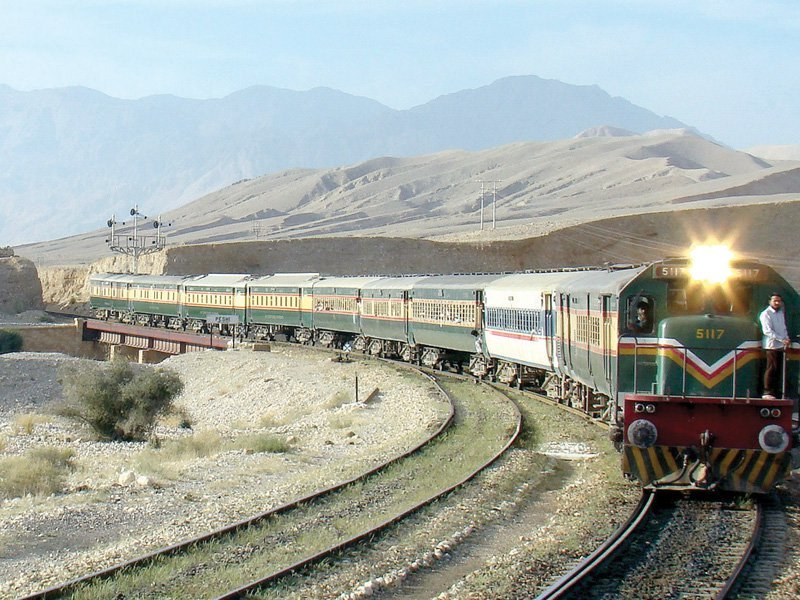
Pakistan Railways has finalized an agreement with the Asian Development Bank for the Main Line-1 project marking a major step toward upgrading the country’s main rail corridor linking Karachi with Peshawar.
The development came during a meeting in Islamabad between Federal Minister for Railways Muhammad Hanif Abbasi and Defence Secretary Lieutenant General Muhammad Ali.
Secretary Power Division Dr Fakhar Alam Irfan and Director General National Logistics Cell Major General Farrukh Shehzad Rao were also present.
The ML-1 project is now moving toward execution and is expected to improve train speeds increase passenger and freight capacity and strengthen safety standards, according to the press release.
The ML-1 corridor carries the majority of Pakistan’s rail traffic and is considered critical for logistics trade and long-term economic activity.
During the briefing the railways minister said Pakistan Railways is undergoing reforms at an accelerated pace through coordinated planning and operational restructuring aligned with the prime minister’s vision.
He said Pakistan’s first Safe and Smart Railway Station has been established in Rawalpindi.
The station operates a 24-hour artificial intelligence-based monitoring system supported by 184 surveillance cameras aimed at improving security and real-time oversight.
As part of digitization efforts a Rail Tag system has been introduced to allow real-time tracking of trains and rolling stock. The system is expected to improve transparency asset management and operational efficiency across the network.
To curb overloading a weigh bridge has been made operational in Karachi. Railway officials said the measure will support safer train operations reduce wear on tracks and help increase revenue through improved freight controls.
On passenger services officials said free Wi-Fi is now available at major railway stations covering nearly 70% of total passenger footfall.
ATM machines have also been installed at several stations to support cashless transactions.
The minister said multiple railway stations have been upgraded trains have been refurbished and CIP lounges have been set up to improve passenger comfort. Additional measures are under way to further enhance service quality.
Senior officials present at the meeting welcomed the reform measures and expressed confidence in the railways ministry’s direction.
They agreed to strengthen institutional cooperation and coordination to support infrastructure development public welfare and national connectivity goals.
Pakistan Railways has faced financial operational and safety challenges in recent years. Officials said progress on ML-1 alongside digitization and service upgrades is central to restoring efficiency reliability and competitiveness in the rail sector.
The Asian Development Bank has reaffirmed its support for Pakistan’s ML-1 project as the government pursues macroeconomic stabilization and fiscal consolidation.
The commitment came during a meeting between ADB Central and West Asia Department Director General Leah Gutierrez and Federal Minister for Economic Affairs Ahad Cheema in Islamabad.
The discussion focused on aligning development financing with Pakistan’s stabilization agenda and improving project readiness to enable timely disbursements.
The government confirmed plans to move ahead with ML-1, designed to modernize the north–south corridor, improve freight and passenger capacity, and support trade and logistics.
Efforts were also outlined to channel development resources more effectively in coordination with provincial governments.
ADB acknowledged progress on fiscal consolidation and macroeconomic recovery and confirmed close coordination with Pakistani authorities on ML-1.
The bank is working with the World Bank to identify implementation bottlenecks and strengthen preparatory work to reduce delays.
Both sides agreed to deepen cooperation across priority sectors supporting Pakistan’s development needs, including transport infrastructure and economic reforms.
ADB Country Director Emma Fan and senior officials from the Economic Affairs Division and ADB attended the meeting.
Stock market, business community, and gold market ‘feel the heat’

TRANSPORTERS’ STRIKE SENDS SHOCKWAVES THROUGH PAKISTAN’S ECONOMY
By Aneel Ahmed Usmani
A nine-day-long strike by cargo transporters has crippled supply chains across Sindh, causing severe disruptions to business operations, industrial production, and imports/exports. The ongoing transport blockade has already started to ripple through Pakistan’s stock market, creating uncertainty in the business community, and has even affected the gold market. As the strike continues, concerns about long-term economic repercussions grow, prompting calls for urgent government intervention.
Strike Paralyses Supply Chains and Business Activity: The ongoing strike, which began on December 8, 2025, was triggered by the enforcement of the Motor Vehicle Ordinance 2025, under which traffic authorities imposed heavy fines, stringent penalties, and vehicle impoundments on transport operators. While these regulations were designed to improve road safety, transport unions argue that they were implemented without sufficient consultation, rendering routine transport operations financially unfeasible. The result has been a nationwide disruption in the movement of goods, with supply chains from key ports like Karachi severely affected.
Businesses, particularly in Karachi, have been hit hard, with many facing the risk of shutting down production lines due to the halt in the delivery of essential raw materials and finished goods. The Overseas Investors Chambers of Commerce and Industry (OICCI) has voiced grave concerns, with members reporting factory shutdowns and severe constraints on port operations. Also other top-notch business associations like FPCCI, KCCI, KATI have raised serious concerns over this prolonged strike and calls for taking correct measures to end this impasse between the government and the transporters.
Abdul Aleem, Secretary General of OICCI in recent talks with a local daily said .”This strike has led to the complete suspension of industrial raw material supply and severely impacted the delivery of imported goods. Many factories are now at risk of shutting down production lines.” The disruption has also resulted in a significant backlog at ports, with containers of goods stranded, leading to financial losses in the form of demurrage and detention charges.
The stock market has been quick to reflect the broader economic turmoil caused by the strike. Investors, already on edge due to global economic pressures, have reacted nervously to the uncertainty surrounding Pakistan’s supply chains. Pakistan Stock Exchange (PSX) saw a noticeable dip in trading volumes as concerns over the long-term impact of the strike weighed on investor sentiment.
Blue-chip stocks in industries such as textiles, steel, and food production have faced sharp declines as investors feared reduced earnings in the wake of production halts and logistical delays. Textile exporters, for instance, have seen their stock prices fall amid concerns that the delayed shipments would affect their ability to meet international demand, potentially damaging their reputation in global markets.
Analysts have expressed concern that the prolonged disruption could drag down the broader economy, especially if the government fails to find a resolution.
The business community, including major industry associations, has urged both the federal and provincial governments to engage in dialogue with the transport unions to resolve the issue. Pakistan Vanaspati Manufacturers Association (PVMA) Chairman Sheikh Umer Rehan warned that the suspension of raw material supplies would have a cascading effect, potentially bringing industrial production to a halt.
The financial losses stemming from halted deliveries and backlogs at ports are expected to intensify as the strike persists. Steel producers are also feeling the pinch, with the Pakistan Association of Large Steel Producers (PALSP) warning that prolonged disruptions could lead to layoffs and wage losses, further exacerbating Pakistan’s unemployment crisis.
In the face of economic uncertainty and stock market volatility, investors have turned to safer assets, resulting in a notable increase in demand for gold. Historically, during times of economic distress, investors seek refuge in precious metals, and this strike has been no exception.
The price of gold in Pakistan saw an uptick as businesses and individuals sought to hedge against potential losses in other asset classes. The gold market is already under pressure due to global inflation concerns, and this local disruption has only amplified the appeal of the yellow metal as a store of value.
Industrialists are increasingly concerned about the long-term damage to Pakistan’s industrial credibility if the strike continues.
The Motor Vehicle Ordinance 2025, which triggered the protests, is seen by many as necessary for road safety, but its enforcement without consultation has led to significant consequences for the transportation and logistics sectors. Transport leaders have demanded that the government either withdraw or amend certain clauses of the ordinance, warning that the strike could escalate further if their demands are not met.
With industrialists, businesses, and investors all sounding the alarm, the Sindh government faces increasing pressure to resolve the transporters’ strike and prevent further economic damage. The situation has already wreaked havoc on supply chains, business operations, and financial markets, and if unresolved, could lead to even greater economic instability.
As calls for dialogue between the government and transport unions intensify, Pakistan’s economic future hangs in the balance. The government must act quickly to find a solution, or risk further destabilizing an already fragile economy.
Asia markets trade mixed on Japan exports, IPO activity
Asia markets delivered a mixed performance on Wednesday, with investor sentiment shaped by stronger-than-expected Japanese trade data, fresh initial public offerings, and lingering concerns over global growth and energy markets.
Japanese export growth provided an early boost to regional sentiment.
Data released by Japan’s finance ministry showed exports rose 6.1% year on year in November, comfortably beating market expectations of a 4.8% increase and accelerating from October’s 3.6% rise.
Despite the upbeat data, Japan’s equity benchmarks were subdued, with the Nikkei 225 trading largely flat while the broader Topix slipped around 0.25%, according to CNBC.
Elsewhere in the region, South Korean equities outperformed.
The Kospi advanced about 0.7%, while the tech-heavy Kosdaq added close to 0.2%. In Japan, shares of SBI Shinsei Bank surged more than 12% following its 322bn yen ($2.1bn) initial public offering, which was priced at 1,450 yen per share, marking one of the country’s largest listings this year.
Markets across the rest of Asia showed modest moves. Australia’s S&P/ASX 200 edged lower by roughly 0.25%. Hong Kong’s Hang Seng index posted small gains, while mainland China’s CSI 300 traded slightly in the red.
Shanghai-listed stocks found some support from a blockbuster IPO, as Chinese chipmaker MetaX Integrated Circuits jumped more than 700% in its trading debut after raising nearly $600m.
The company, which develops graphics processing units for artificial intelligence applications, benefited from strong investor appetite for AI-related businesses, echoing the recent surge seen in Moore Threads.
In Hong Kong, shares of cryptocurrency exchange HashKey also made a positive debut, opening about 3% higher after the company raised approximately $207m in its IPO, highlighting continued interest in digital asset platforms despite regulatory and market volatility.
Energy markets added another layer of complexity. Oil prices moved higher after U.S. President Donald Trump said he would order a “total and complete blockade” of all sanctioned oil tankers entering and leaving Venezuela.
West Texas Intermediate crude climbed more than 1% to around $55.96 per barrel, rebounding from the previous session when prices slid nearly 3% to their lowest level since early 2021 amid concerns over oversupply and the prospect of a peace agreement in Ukraine.
Overnight on Wall Street, U.S. equities closed mostly lower as investors reacted to the delayed release of the November jobs report and ongoing uncertainty around economic momentum.
The S&P 500 fell for a third consecutive session, ending down 0.24%, while the Dow Jones Industrial Average dropped more than 300 points.
In contrast, the Nasdaq Composite edged higher, supported by selective gains in technology stocks.
Overall, Asia-Pacific markets showed a cautious balance between pockets of optimism driven by strong economic data and high-profile IPOs and broader concerns about global growth, geopolitics, and commodity market volatility.
TRG’s ex-CEO Chishti submits to Bermuda Court that he will receive favourable ruling from Supreme Court of Pakistan
Pakistan’s apex court continues to hear arguments and has not indicated any timeline for a decision.
Ziaullah Khan Chishti, former CEO of TRG and AI firm Afiniti, told the Supreme Court of Bermuda last month that he expected the Supreme Court of Pakistan to rule in his favour in early December in his takeover fight with the company, a decision he said would allow him to regain control of TRG Pakistan and TRG International.
However, Pakistan’s apex court continues to hear arguments and has not indicated any timeline for a decision.
Meanwhile the tech entrepreneur is facing intensified legal pressures in the United States and Bermuda over unpaid taxes, mounting liabilities and asset transfers.
The document from the Supreme Court of Bermuda is titled the “Transcript of Official Court Recording of Hearing on 25 November 2025” in the matter of Afiniti Ltd, between VCP Capital Markets, one of his creditors, and Zia Chishti, along with his wife Sarah Pobereskin, before Justice Andrew Martin.
Excerpts of the transcript, that were later filed by TRG as part of the Pakistani Supreme Court proceedings, were published in The Nation and contain Chishti’s sworn testimony regarding his assets after defaulting on court-mandated financial obligations.
Appellate court temporarily suspends civil court order in TRG-JSCL dispute
“This entire matter gets resolved in the Pakistani Supreme Court in the first week of December,” Chishti asserted.
Chishti told Justice Andrew Martin that he anticipated a brief ruling followed by a detailed judgment.
“We anticipate a short order from the Supreme Court after that, detailed order to follow. The short order that I anticipate will be that it upholds the judgment of the Sindh High Court,” said Chishti.
In another exchange with Justice Martin, Chishti said: “Presuming that I’m right, and sometime on the week of the 8th (of December), the Pakistan Supreme Court rules in my favor, thereafter, it’s somewhere in that period that the elections for TRG-P will be called.” He added, “that’s the pivotal moment in which control in that organization shifts.”
According to The Nation, it is unclear whether the Supreme Court of Pakistan has taken note of Chishti’s prognostications.
Claims of insolvency
Chishti also told Justice Martin, in a nod towards his tightening financial situation: “I’m, at present, insolvent anyway.”
However, he indicated that this situation would change once he takes over TRG Pakistan, stating that “I’ll be able to pay VCP shortly thereafter. I will take control of TRGP [TRG Pakistan] and TRGI [TRG International], so the nine million they’re chasing around will become moot. All of that will happen very quickly in the first week of December.”
Chishti did not mention how he expects to translate control of TRGP into repayment of his personal liabilities.
According to The Nation, Chishti’s claim of insolvency contrasts with court records showing that in 2022, Mr. Chishti received over $60m in cash and shares of Nasdaq-listed Ibex Limited from TRG International (TRGI) through a partial sale of his stake to the company. A recent Bermuda court order in September 2025 has traced how most of those assets were transferred to Chishti’s spouse and used for purchasing shares in TRGP as part of a takeover attempt, and also used to fund a business competing with TRG’s portfolio company Afiniti.
Chishti told Business Recorder he denies “any and all adverse inferences against me”.
Recent legal developments
Days ago, an appellate court in Sindh temporarily suspended an earlier civil court order in a high-profile legal battle between TRG Pakistan Limited and Jahangir Siddiqui & Co. Ltd. (JSCL), granting interim relief to TRGP after its lawsuit against JSCL was dismissed by the civil court.
TRGP’s had alleged in its 2022 lawsuit that JSCL and Chishti were acting in concert and had collectively violated Pakistani takeover law by exceeding the 30% statutory threshold that required a public offer for any further share purchases.
The TRG saga
TRG Pakistan Limited was incorporated in Pakistan as a public limited company in 2002. The company obtained a license from the Securities and Exchange Commission of Pakistan (SECP) to perform as a non-banking finance company and undertake venture capital investments.
The company has been engaged in investments, particularly in technology and IT-enabled services through its associate, The Resource Group International Limited (TRGIL).
In November 2021, a former female employee of Afiniti, a TRGIL portfolio company, testified in a US Congressional hearing that she had won an arbitration award against Chishti, the then CEO and Chairman of Afiniti. The arbitration award, which was subsequently made public by the US Congress, found Chishti liable for sexual harassment, assault, and battery of the female employee.
Within days of this Congressional testimony, Afiniti announced that Chishti had stepped down from his role as chairman, CEO, and director of Afiniti, effective immediately. In the same month, Chishti also resigned from all his positions at TRG.
Since 2022, Chishti has been engaged in an effort to gain control of PSX-listed TRG Pakistan Limited, culminating in the current Supreme Court of Pakistan proceedings.
China leads FDI in Pakistan with net inflow of around $82m in November
China emerged as the largest investor in Pakistan in November 2025, with a net direct investment of $81.64m, followed by Hong Kong and Switzerland, which invested $23.26m and $16.77m, respectively, according to the data issued by the State Bank of Pakistan (SBP).
During 5MFY26, China remained the largest investor, followed by Hongkong and the U.A.E. with net FDI of $308.38m, $143.32m, and $100.8m, respectively.
It is pertinent to note that the total FDI in 5MFY26 stood at $927.43m, down 25.35% YoY compared to FDI of $1.24bn in 5MFY25.
China held the majority proportion (33.25%) of direct investments in the country during 5MFY26; however, investment from the respective country has declined substantially by 51.07% YoY when compared with the figure of $630.26m in 5MFY25.
Hongkong’s contribution in net FDI stood at $143.32m (15.45%) in the 5MFY26, down by 28.54% YoY compared to $200.55m in SPLY.
The third major investor during 5MFY26, U.A.E.’s share was 10.87% with a direct investment of $100.8m, declining by 26.33% YoY.
Other major important investors were Switzerland, Others and the United Kingdom with a net FDI of $89.4m, $70.45m, and $55.59m, respectively, during 5MFY26.
The Foreign Portfolio Investment (FPI), which represents an investment in the equity market (both direct and indirect) during November, stood at a negative $75.26m.
On a cumulative basis, FPI showed a divestment of $613.76m during 5MFY26, against an investment of $148.69m in the SPLY.
Saudi Arabia emerged as the biggest portfolio investor during the month, as it invested $0.08m during the month and $0.25m during 5MFY26.
The total foreign investment in the review month clocked in at $104.44m.
On a cumulative basis, within 5MFY26, total foreign investment was reported at $313.66m as compared to foreign investment of $1.39bn incurred in the corresponding period last year.
Pakistan records FDI of $180m in November
Pakistan has recorded a value of $179.7m in November, compared to $231.89m in the Same Period Last Year (SPLY), the latest data issued by the State Bank of Pakistan (SBP) showed.
Comparison on a month-on-month basis shows that the country reported an investment of $385m in the previous month.
Cumulatively in 5MFY26, the country fetched a FDI of $927.43m against the $1.24bn attracted in the Same Period Last fiscal year.
Within the direct investments in the review month, there was an inflow of $270.44m, down by 43.83% YoY, while the outflow $90.74m, down by over 63.64% YoY.
Concerning portfolio investment under FDI, an outflow of $32.42m was witnessed through equity securities as compared to an outflow of $59.14m in November 2024.
The foreign private investment into the country amounted to a positive $150.53m in November 2025, as compared to private investment worth $172.75m recorded in November 2024.
Meanwhile, with respect to foreign public investment, an outflow of $42.84m was witnessed during the review month through equity securities.
Accordingly, the total foreign investment in the review month clocked in at $104.44m, compared to an investment $194.87m in November 2024.
On a cumulative basis, within 5MFY26, the total foreign stood at $313.66m as compared to foreign of $1391.08bn reported in the corresponding period last year.
Treet Corp boosts Loads Limited rights investment to Rs753m

Treet Corporation Limited (PSX:TREET) has done a significant upward revision in its proposed investment in the upcoming right issue of its associated company, Loads Limited, raised the amount to up to Rs752.9m.
Previously, the board had recommended an investment of up to Rs187.4 million, which has now been substantially enhanced, the company’s filing on PSX revealed today.
Under the revised proposal, Treet Corporation intends to subscribe to the right issue at a maximum price of Rs12.5 per share of Loads Limited.
The right issue, as earlier disclosed by Loads Limited on October 23, 2025, is expected to be undertaken in the near future.
To fulfill statutory requirements, Treet Corporation’s management will convene an Extraordinary General Meeting (EOGM) to seek approval from shareholders. Details regarding the meeting will be communicated separately in due course.
Gold per tola gains Rs2,700, silver hits all-time high in Pakistan

Silver reaches Rs6,822 per tola
Gold prices in Pakistan increased on Wednesday in line with their gain in the international market, while silver rose to hit an unprecedented high.
In the local market, gold price per tola reached Rs453,562 after a gain of Rs2,700 during the day.
Similarly, 10-gram gold was sold at Rs388,856 after it increased by Rs2,315, according to rates shared by the All-Pakistan Gems and Jewellers Sarafa Association (APGJSA).
In the local market on Tuesday, gold price per tola reached Rs450,862 after a decline of Rs4,000 during the day.
The international rate of gold was up by $27 to reach $4,312 per ounce (with a premium of $20).
Meanwhile, the price of silver increased by Rs290 to reach Rs6,822 per tola, a new all-time high.
Pak Qatar Takaful Limited IPO subscription begins today
The general public will be able to subscribe to the initial public offering (IPO) of Pak Qatar Takaful Limited (PQFTL) starting December 17, following a strong response from institutional investors during the book-building phase.
A total of 12.5 million shares, representing 25 percent of the total IPO size, will be available to retail investors at a strike price of Rs18.02 per share.
The subscription window for the general public will remain open for 24 hours on December 17 and 18. The IPO’s book-building phase, which concluded last week, was oversubscribed 3.2 times, signaling strong demand from institutional investors and high-net-worth individuals.
The strike price of Rs18.02 per share was set 29 percent above the floor price of Rs14, helping the company raise Rs676 million in funds.
Analysts noted that the IPO’s positioning offers investors an opportunity to capitalize on PQFTL’s potential growth, while the pricing provides a favorable entry point for retail participation.
With the general public subscription now open, market watchers anticipate active participation, following the robust institutional interest observed earlier.
India’s Russian oil imports show resilience despite sanctions, sources say
India’s December imports from Russia have been fuelled by a rush among buyers to finalise deals ahead of Washington’s November 21 deadline for completing transactions with Rosneft and Lukoil
India’s Russian oil imports are poised to top 1 million barrels per day in December, trade and refining sources said, defying expectations for a sharp decline as refiners have resumed buying from non-sanctioned entities offering deep discounts.
Ties between the two countries have remained strong despite pressure from Western sanctions after Russian President Vladimir Putin met with Indian Prime Minister Narendra Modi earlier this month.
At the time, the two leaders said their cooperation would continue.
After India – the world’s third-largest crude importer – shipped in 1.77 million bpd of Russian oil in November, up 3.4% from October, according to data from trade sources, imports were expected to plunge due to Washington’s sanctions on two top Russian producers as some refiners slowed or paused purchases.
December arrivals are likely to exceed 1.2 million bpd, according to preliminary LSEG trade flow data, which could rise to an average of 1.5 million bpd by the end of the month, one trade source said.
The source and others declined to be named publicly as they were not authorised to speak with the media.
India’s December imports from Russia have been fuelled by a rush among buyers to finalise deals ahead of Washington’s November 21 deadline for completing transactions with Rosneft and Lukoil, with several such cargoes recently arriving at Indian ports, LSEG data shows.
Imports could remain near December levels in January as new non-sanctioned entities step in to supply Russian cargoes, trade sources said.
Refining sources, however, estimated that January volumes would be lower than 1 million bpd as Reliance Industries has halted purchases.
Reliance is receiving at least 10 Russian oil cargoes this month, according to LSEG data.
Reliance did not immediately respond to a request for comment.
State refiners return to purchases
Top refiner Indian Oil Corp is buying Russian volumes in line with pre-sanctions levels, two sources said.
Bharat Petroleum has raised its January purchases to at least six cargoes from two in December, while Hindustan Petroleum is in talks for January loadings, sources said.
The three state refiners and India’s oil ministry did not respond to requests for comment.
Private refiner Nayara Energy, which is majority-owned by Russian firms including Rosneft, continues to buy only Russian oil following the withdrawal of other suppliers after it was sanctioned by the EU and Britain.
Reliance and HPCL Mittal Energy have said they are halting Russian oil purchases.
They, along with Mangalore Refinery and Petrochemicals, are skipping Russian purchases for January, sources said. MRPL did not respond to a request for comment.
Amazon in talks to invest about $10 billion in OpenAI, source says

Amazon Inc is in talks to invest in ChatGPT-maker OpenAI in a potential deal that could value the artificial intelligence firm at more than $500 billion, a source familiar with the matter said on Tuesday.
Amazon may invest about $10 billion in OpenAI, but the talks between the two firms are “very fluid”, the source said on condition of anonymity because the matter is private. The potential deal highlights the AI sector’s relentless demand for computing power as companies race to build systems rivaling or surpassing human intelligence.
Firms such as Nvidia and Oracle have signed AI deals worth several billion dollars with OpenAI this year.
OpenAI also signed a $38-billion-deal to buy cloud services from Amazon in November.
However, investors are on guard for signals that demand for AI is tailing off or that the massive spending is not paying off as anticipated.
The discussion between Amazon and OpenAI come at a time when the AI giant is laying the groundwork for an initial public offering that could value the company at up to $1 trillion, Reuters reported in October.
The approach underlines OpenAI’s ability to partner widely after moving on from its non-profit roots and settling its deal with Microsoft, the source said.
The Microsoft deal makes OpenAI a public benefit corporation that is controlled by a non-profit with a stake in OpenAI’s financial success, removing major constraints on the firm’s ability to raise capital and secure computing resources.
Microsoft holds a 27% stake in OpenAI and has secured an exclusive right to sell OpenAI models to its cloud customers. OpenAI, Amazon and Microsoft did not immediately respond to a Reuters request for comment.
The Information, which first reported the talks, said OpenAI plans to use Amazon’s Trainium chips, which compete with Nvidia and Google’s chips, and added that Amazon’s financing could lead to a broader fundraising round with other investors.
OpenAI is also looking to sell an enterprise version of ChatGPT to Amazon, but it is unclear whether the deal includes provisions for integrating ChatGPT features such as shopping features that Amazon is developing for its own apps.
Stocks open higher, KSE-100 gains over 400 points in early trade

The Pakistan Stock Exchange (PSX) commenced trading on a positive note, with the benchmark KSE-100 Index trading over 400 points during the opening minutes of trading on Wednesday.
At 9:35am, the benchmark index was hovering at 170,878.64, an increase of 431.35 points or 0.25%.
Buying interest was observed in key sectors, including cement, commercial banks, fertiliser, oil and gas exploration companies, OMCs, power generation and refinery. Index-heavy stocks, including ARL, MARI, POL, SNGPL, HBL, MEBL, NBP and UBL, traded in the green.
Pakistan’s equity market ended yesterday’s session in negative territory as broad-based selling outweighed early optimism, leaving investors cautious despite improved liquidity and heightened participation across key sectors. The KSE-100 Index slipped 294.05 points, or 0.17%, to close at 170,447.30 points.
Internationally, global share markets drifted on Wednesday after a mixed US jobs reading failed to move the needle on the rate outlook there, leaving investors awaiting fresh cues for their next moves.
In the broader market, stocks drifted higher as investors mostly looked past Tuesday’s long-awaited US nonfarm payrolls report.
While jobs growth rebounded more than expected in November following its biggest drop in nearly five years in October, the unemployment rate rose to 4.6%, the highest in more than four years.
But analysts said there was a lot of noise in the data, which was impacted by the government’s record 43-day shutdown.
MSCI’s broadest index of Asia-Pacific shares outside Japan gained 0.24%, helped by Chinese markets, while Japan’s Nikkei rose 0.35%.
Nasdaq futures and S&P 500 futures were flat, after a mixed cash session on Wall Street.
Fed funds futures suggest markets are still pricing in roughly two US rate cuts next year, with the latest labour market reading doing little to shift expectations.
The next key data point for investors will be Thursday’s release of the US November inflation report.
World’s richest families tighten grip, while inequality widens globally
Royal families from the Gulf dominate the list
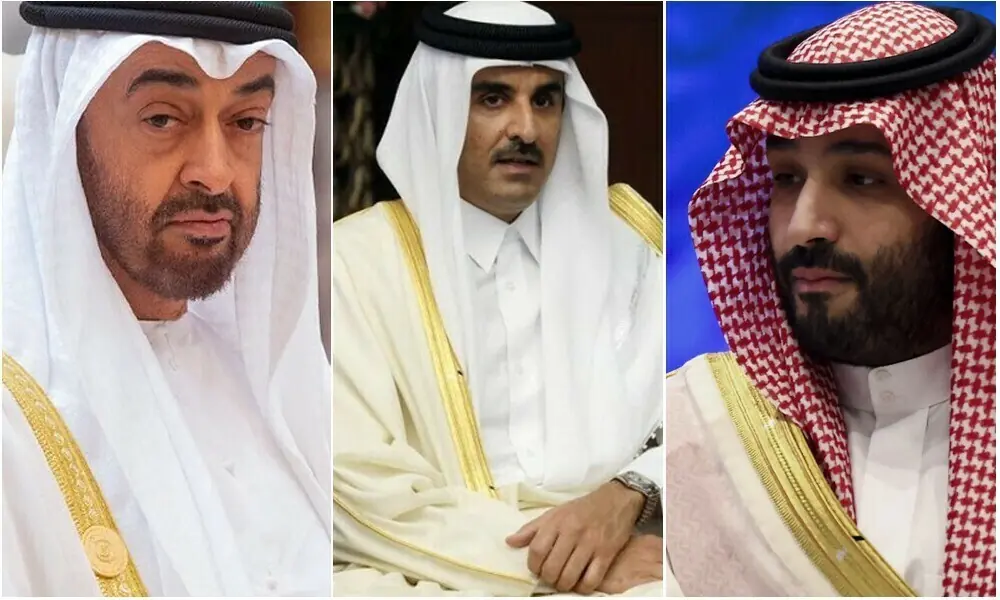
The latest Bloomberg ranking of the world’s richest families in 2025 highlights the growing concentration of global wealth in a handful of dynasties.
At the top of the list sits the Walton family of the United States, heirs to the Walmart retail empire, with a combined net worth exceeding half a trillion dollars for the first time, more precisely $513.4 billion.
“Walmart is the world’s largest retailer by revenue — $681 billion in the most recent fiscal year from more than 10,750 stores worldwide,” read the report. Moreover, the family also owns about 44% of the Bentonville, Arkansas-based retailer.
Gulf dynasties dominate
The Waltons are followed by the Al Nahyan family of the United Arab Emirates (UAE), the royals sit cosy with a combined net worth of a whopping $335.9 billion.
“The ruling Al Nahyan family has presided over the area that now constitutes the UAE for decades, even before oil transformed the economy and the royals’ finances,” Bloomberg said.
The Saudi Arabia’s Al Saud family, whose fortunes are deeply linked to hydrocarbons, sovereign wealth and long-term capital accumulation, claims the third spot with a family net worth of $213.6 billion.
Meanwhile, the neighbouring Al Thani family of Qatar comes close fourth with a combined net worth of $199.5 billion in 2025.
Apart from the massive hydrocarbon wealth, the family members of the Al Thani “occupy numerous political posts and dominate the local economy, owning businesses from hotels to insurers to contractors,” read the report.
“They also hold prized foreign assets like homes in London’s Mayfair, stud farms, private banks and fashion label Valentino,” it added.
Luxury & industrial families dominate
Europe’s strongest presence in the top tier comes from France, where the Hermès family ranked fifth with $184.5 billion, driven by the continued global demand for luxury goods, especially its flagship Birkin bags.
In sixth place are the US chemical-maker Koch family, with a combined wealth of $150.5 billion, built around the diversified industrial empire Koch Inc. “The family manages a portion of its wealth through family office 1888 Management,” read the report.
The Mars family, owners of Mars Inc., is ranked seventh with $143.4 billion net worth, supported by strong performance in confectionery and pet care.
India’s Ambani family secured the eighth position with $105.6 billion, led by Reliance Industries, marking the only South Asian presence in the top 10. “Mukesh Ambani is now at the helm of the Mumbai-based conglomerate, which owns the world’s largest oil refining complex.”
Rounding out the top ten list are France’s Wertheimer family, owners of luxury fashion house Chanel, ranked ninth with a combined net worth of $85.6 billion, and Canada’s Thomson family, placed tenth with $82.1 billion family net worth, whose wealth stems from their controlling stake in Thomson Reuters.
The dominance of families like the Waltons, Mars and Koch highlights how generational wealth in advanced countries is built on globally competitive corporations, deep capital markets and long-term reinvestment.
Rich becomes richer
As per Bloomberg, the 25 richest families are collectively $358.7 billion richer in 2025 than a year ago, with a combined fortune totalling $2.9 trillion.
This comes at a time when inequality remains at very high levels globally.
“Today, the top 10% of the global population’s income-earners earn more than the remaining 90%, while the poorest half of the global population captures less than 10% of the total global income,” read the World Inequality Report 2026.
Meanwhile, wealth is even more concentrated, i.e. the top 10% own three-quarters of global wealth, while the bottom half holds only 2%, read the report. It shared that the picture becomes even grimmer as the wealthiest 0.001%, fewer than 60,000 multi-millionaires, control more wealth than half of humanity combined.
Pakistan textile mills seek winter gas levy relief
Pakistan’s textile manufacturing sector has formally requested a temporary waiver on gas levies for captive power generation to navigate what industry leaders describe as critical winter energy challenges.
These challenges are threatening production capacity and export commitments.
The All Pakistan Textile Mills Association (APTMA) has petitioned authorities for a two-month exemption from the levy on gas used for captive power generation, covering December 1, 2025, through January 31, 2026.
The request aims to enable textile mills to maintain operations using their gas-based backup power plants during a period of anticipated grid instability.
According to the formal request, the waiver would help preserve industrial productivity and employment continuity while protecting critical export commitments during the winter months when Pakistan’s power infrastructure faces heightened stress.
Pakistan’s electricity grid experiences systematic reliability issues during winter months, with industrial facilities bearing disproportionate impacts.
The APTMA document outlines several operational challenges affecting textile production, including voltage excursions, nuisance tripping, repeated service interruptions, and extended restoration periods following electrical faults.
These power quality issues reportedly disrupt sensitive manufacturing equipment such as variable speed drives, control systems, and continuous process machinery used in textile operations.
Industry representatives warn that such disruptions increase the risk of forced production shutdowns and generate significant restart losses, including material waste and thermal stress on equipment.
The association identifies multiple technical factors contributing to seasonal grid challenges.
Winter operations combine low electrical loads with reactive power control deficits, creating voltage management complications.
Lightly loaded transmission lines experience the Ferranti effect, which elevates overvoltage risks on long extra-high-voltage corridors.
Infrastructure shortfalls in shunt reactors and dynamic reactive power support systems such as Static Var Compensators (SVC), STATCOM units, and synchronous condensers reportedly force operational workarounds including line switching and network topology changes.
These actions reduce system security margins and can transform routine disturbances into protection-driven cascading failures.
High solar photovoltaic penetration combined with seasonal hydropower decline represents another significant factor.
Increasing solar generation creates intraday ramping requirements and balancing challenges that demand greater frequency regulation and voltage support capabilities from the grid.
Pakistan’s hydropower infrastructure, including storage reservoirs and run-of-river installations, provides operational flexibility during high water flow periods.
However, reduced winter inflows constrain hydropower output and overall system support capacity, weakening the grid’s ability to manage variability and recover from disturbances.
Seasonal fuel allocation priorities further complicate the situation. During winter, natural gas supplies are prioritized for residential heating demands, reducing availability for grid-based gas and regasified liquefied natural gas (RLNG) power plants.
This constraint diminishes the dispatchable generation flexibility available to grid operators for responding to system events.
For Pakistan’s export-oriented textile sector, production disruptions carry immediate financial consequences.
Extended outages or poor power quality can result in missed delivery schedules for international orders, potentially affecting foreign exchange earnings and competitive market positioning.
The textile industry represents a significant component of Pakistan’s export economy, making operational continuity during winter months strategically important for maintaining international buyer relationships and employment levels across the manufacturing sector.
TPL Corp seals Jazz International deal for Insurance subsidiary
TPL Corp Limited (PSX: TPL) Board of Directors granted final approval on December 17, 2025, for Jazz International Holding Limited to acquire shares and control of TPL Insurance Limited, the company’s subsidiary.
The Board meeting, held at 11:00 a.m. on Tuesday, approved the Share Purchase Agreement with Jazz International Holding Limited. The transaction progresses from the in-principle approval granted in September 2025, the company’s filing on PSX revealed today.
Jazz International Holding Limited emerges as the confirmed acquirer following an amendment process.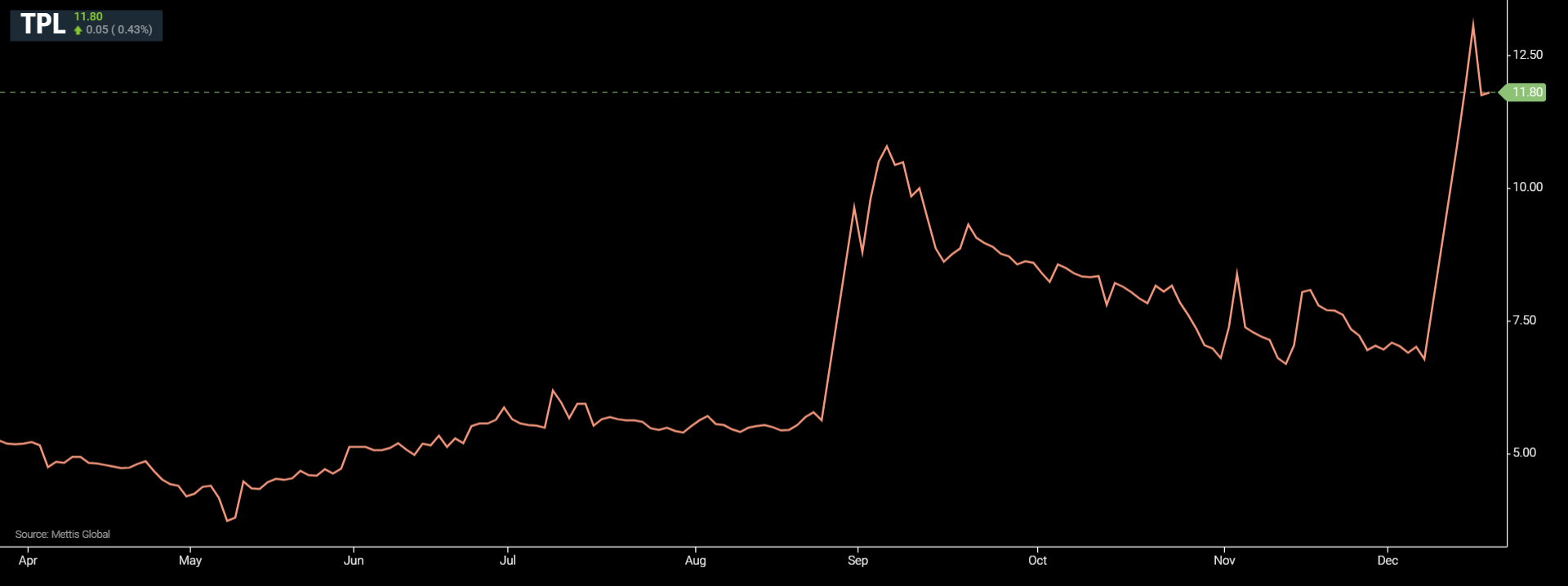
Yesterday, Arif Habib Limited, acting as Manager to the Offer, submitted an addendum on behalf of Jazz International Holding Limited, officially replacing VEON Group Holding Company Ltd and its affiliates as the acquiring entity.
The acquisition will proceed with Jazz International Holding Limited in concert with Pakistan Mobile Communications Limited.
The addendum was scheduled for publication in Business Recorder and Nawa-i-Waqt on December 17, 2025.
The initial declaration in September identified VEON Group Holding Company Ltd and/or its subsidiaries as the potential buyer.
Arif Habib Limited, serving as Manager to the Offer, issued the finalized acquirer declaration on December 16, 2025.
TPL Corp pledged to keep shareholders informed through subsequent disclosures as the transaction moves toward completion.
TPL Crop shares traded at Rs. 11.94 at the time of writing, up Rs. 0.19 or 1.62% on the Pakistan Stock Exchange.
PKR’s REER index increases to 104.76 in November
Pakistan’s real effective exchange rate (REER) increased to 104.761 in November 2025, up from 103.95 in October 2025, a 0.78% MoM gain and a 1.69% rise YoY from 103.022 in November 2024.
The increase in REER indicates a relative strengthening of the Pakistani rupee when adjusted for inflation against its trading partners.
Meanwhile, the nominal effective exchange rate (NEER) recorded a slight decline to 38.1805 in November 2025, compared with 37.996 in October 2025, marking a 0.49%MoM rise, but a 1.82% decline YoY from 38.886 in October 2024.
The Pakistani rupee closed at Rs280.58 per USD on November 28, 2025, appreciating 0.16% month-on-month, but depreciating 1.02% year-on-year compared to Rs277.75 in October 2024.
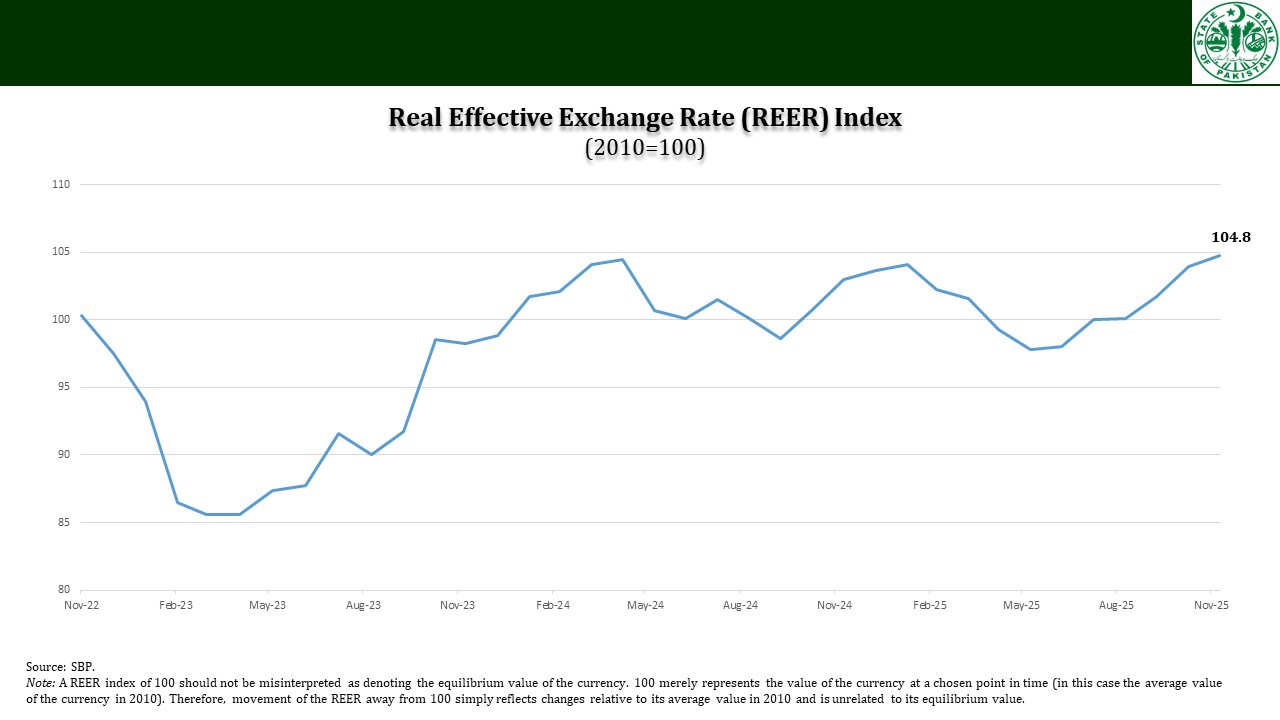
REER is an index of the price of a basket of goods in one country relative to the price of the same basket in that country’s major trading partners.
An increase in REER implies that exports become more expensive and imports become cheaper; therefore, this increase indicates a decline in trade competitiveness.
The price of each trading partner’s basket is weighted by its share in imports, exports, or total foreign trade.
A REER index of 100 should not be misinterpreted as denoting the equilibrium value of the currency. 100 merely represents the value of the currency at a chosen point in time (in this case the average value of the currency in 2010).
Therefore, the movement of the REER away from 100 simply reflects changes relative to its average value in 2010 and is unrelated to its equilibrium value.
While NEER is an index of the bilateral nominal exchange rates of one country relative to its major trading partners or a selected basket of currencies.
The bilateral nominal exchange rate index with each trading partner is weighted by that country’s share in imports, exports, or total foreign trade.
Current account posts $100m surplus in November

Pakistan has recorded a current account surplus of $100 million, the latest data issued by the State Bank of Pakistan (SBP) revealed today.
Last month, the country recorded a current account deficit of $291m, while in November, 2024 the current account surplus stood at $709m.
On a cumulative basis, the current account deficit in 5MFY26 was recorded at $812m, showing an increase of 261.4% when compared to the surplus of $503m in 5MFY25.
During November, total exports fell by 10.7% to $3.09bn compared to $3.46bn in the same month of last year. While it fell 10.4% as against the exports of $3.44bn in the previous month.
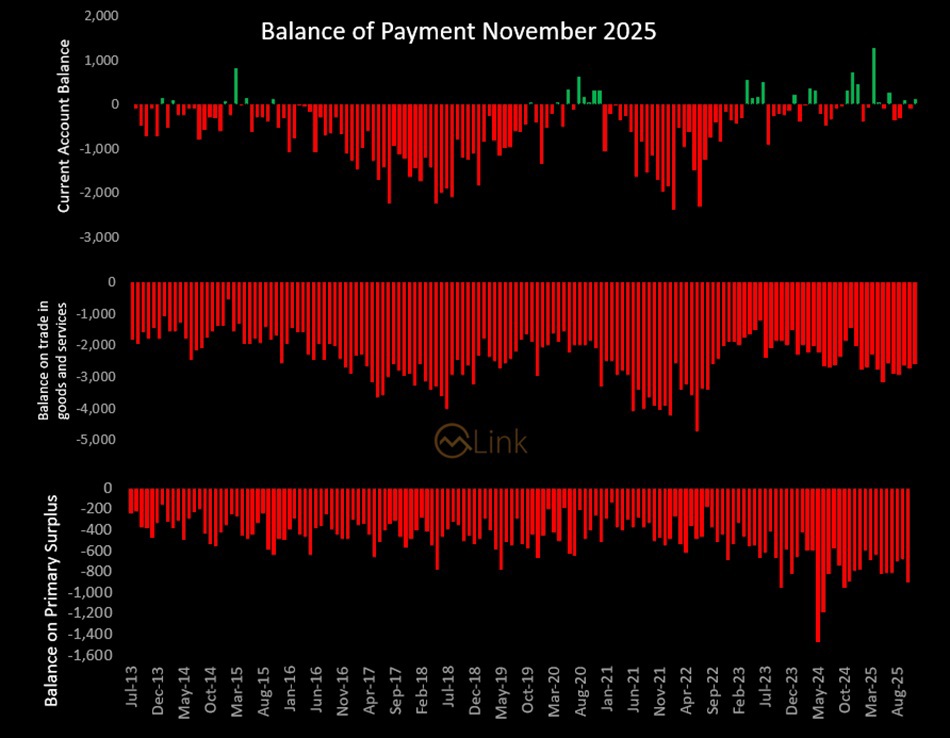
Total imports rose 15.3% to $5.68bn as compared to the imports worth $4.93bn recorded in November of last year. Compared to the previous month, imports fell 11.7%.
Accordingly, the trade deficit in goods and services rose 76.2% from a year ago to $2.59bn. On a monthly basis, it narrowed 13.2%.
Cumulatively, the trade deficit in 5MFY26 was recorded at $14.09bn, a rise of 27.1% when compared to the deficit of $11.08bn in 5MFY25.
During the first 5 months of current fiscal year, exports rose 0.8% to $16.62bn compared to $16.5bn in the same period last year.
Imports rose 11.4% to $30.71bn in 5MFY26 compared to $27.58bn in the same period last year.
The data further details that the workers’ remittances in November increased by 9.4% to $3.19bn as against $2.92bn in November 2024; while on a monthly basis, the remittances went down by 6.8% as compared to $3.42bn in the previous month.
Cumulatively in 5MFY26, workers’ remittances were recorded at $16.15bn as compared to $14.77bn in 5MFY25, depicting a rise of 9.3%.
Pakistan to fast track privatization of IESCO, FESCO, GEPCO
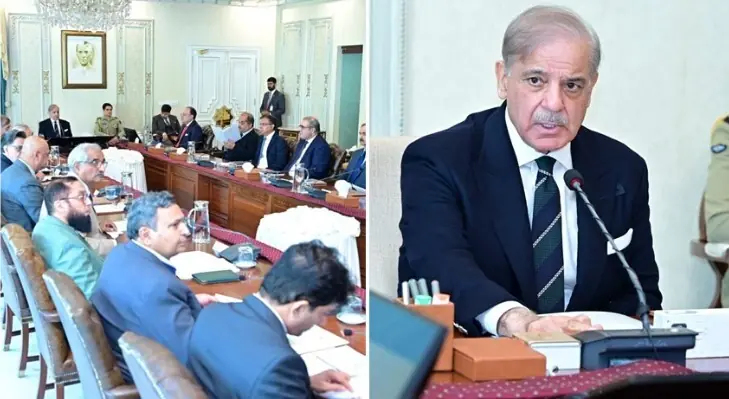
Government will move ahead with the privatization of three power distribution companies IESCO, FESCO and GEPCO with expressions of interest expected to be issued shortly, as the government accelerates reforms aimed at creating a competitive electricity market.
Prime Minister Shehbaz Sharif gave the directive while chairing a meeting on the power sector to push for lower inefficiencies reduce losses and attract private investment in electricity distribution and generation.
The privatization drive covers both distribution companies (DISCOs) and generation companies (GENCOs), a key plank of the government’s broader energy reform agenda, according to Ministry of Information and Broadcasting.
The meeting that preparatory measures for the sale of the three DISCOs were underway, while development projects to strengthen the national power distribution system would be completed on a priority basis.
Persistent line losses and circular debt have weighed on Pakistan’s power sector and public finances, making privatization a central policy objective.
The meeting was also briefed on steps to modernize the electricity system, including plans to develop a Battery Energy Storage System through public-private partnerships.
The project has received concept clearance, with a feasibility study in progress, aimed at improving grid stability and integrating variable power sources.
On the infrastructure side, the PC-I for the 500-kilovolt Ghazi Barotha Faisalabad transmission line is at the approval stage.
The technical feasibility work to shift imported fuel-based power plants to Thar coal has been completed, while construction of a railway line to transport Thar coal to power plants is ongoing.
The line losses had declined compared to last year, showing tighter controls and operational measures.
Progress updates were also shared on the power sector roadmap, electricity generation and distribution reforms, and the operationalization of a competitive electricity market.
The meeting was attended by federal ministers Muhammad Aurangzeb, Ahad Khan Cheema and Sardar Awais Ahmed Leghari, along with senior government officials involved in energy, finance and privatization.
Pakistan’s power generation falls 19% MoM in November 2025

Pakistan’s power generation sector recorded a total output of 8,050 GWh in November 2025, 19% lower MoM, according to data compiled by Arif Habib Limited.
The sector achieved a remarkable 15% reduction in average fuel costs YoY, which signaled improved efficiency in the country’s evolving energy mix.
Nuclear generation surged 23% YoY to reach 2,031 GWh in November, captured a 25.2% of the total generation mix compared to 20.6% in the same period last year.
For the fiscal year-to-date (5MFY26), nuclear power has generated 9,996 GWh, up 13% compared to 8,871 GWh in 5MFY25, now accounting for 17% of total generation.
Hydroelectric power generated 3,153 GWh in November 2025, up 10% from 2,860 GWh in November 2024. Hydel’s share of the generation mix rose to 39.2% from 35.6% YoY, this marks a strong recovery from October’s seasonal constraints.
Year-to-date generation stands at 21,826 GWh, up marginally by 1% compared to 21,588 GWh in the same period last year.
Re-gasified Liquefied Natural Gas (RLNG) plants experienced a sharp 23% YoY decline in November, generating 696 GWh compared to 907 GWh last year.
The RLNG share in the generation mix decreased to 8.6% from 11.3%. Cumulatively for 5MFY26, RLNG generation reached 9,078 GWh, down 9% from 10,025 GWh in 5MFY25.
Natural gas-fired plants generated 680 GWh in November, down 21% YoY from 858 GWh, with gas’s share falling to 8.4% from 10.7%.
Local coal-fired plants generated 752 GWh in November, down 26% YoY, while imported coal plants produced 407 GWh, declining 15%.
Combined, coal’s share in the generation mix stands at 14.4%, down from 18.6% in November 2024. Year-to-date, local coal generation reached 6,160 GWh (down 7%) while imported coal stood at 4,170 GWh (down 4%).
Solar power generation jumped 25% YoY to 86 GWh in November, maintaining a 1.1% share of total generation. Year-to-date solar output reached 499 GWh, up 4% from 481 GWh.
Wind power showed strong performance with 136 GWh generated in November, up 39% YoY from 98 GWh. Wind’s share increased to 1.7% from 1.2%. Cumulative wind generation for 5MFY26 reached 1,767 GWh, up 16% from 1,526 GWh last year.
| Source | Nov-25 (GWh) | Nov-24 (GWh) |
| Hydel | 3,153 | 2,860 |
| Coal (Local) | 752 | 1,019 |
| Coal (Imported) | 407 | 477 |
| HSD | – | – |
| RFO | – | – |
| RLNG | 696 | 907 |
| Gas | 680 | 858 |
| Nuclear | 2,031 | 1,655 |
| Wind | 136 | 98 |
| Solar | 86 | 69 |
| Others | 109 | 89 |
| Total | 8,050 | 8,032 |
Average fuel costs fell 15% YoY to Rs6.22/kWh in November from Rs7.28/kWh last year, a significant achievement for the power sector. Month-on-month, costs declined 27% from October’s Rs8.51/kWh.
| Fuel Cost | Nov-25 | Nov-24 | YoY Change | Oct-25 | MoM Change |
| HSD | – | – | n.m | – | n.m |
| RFO | – | – | n.m | 32.69 | -100% |
| Imported | 22.57 | 27.16 | -17% | 22.76 | -1% |
| RLNG | 21.58 | 23.20 | -7% | 21.06 | 2% |
| Coal (Imported) | 14.13 | 14.92 | -5% | 14.39 | -2% |
| Gas | 14.34 | 13.44 | 7% | 13.36 | 7% |
| Coal (Local) | 17.77 | 14.36 | 24% | 13.10 | 36% |
| Baggasse | 10.84 | 5.98 | 81% | 10.74 | n.m |
| Average | 6.22 | 7.28 | -15% | 8.51 | -27% |
Pakistan, Uzbekistan move to deepen bilateral ties
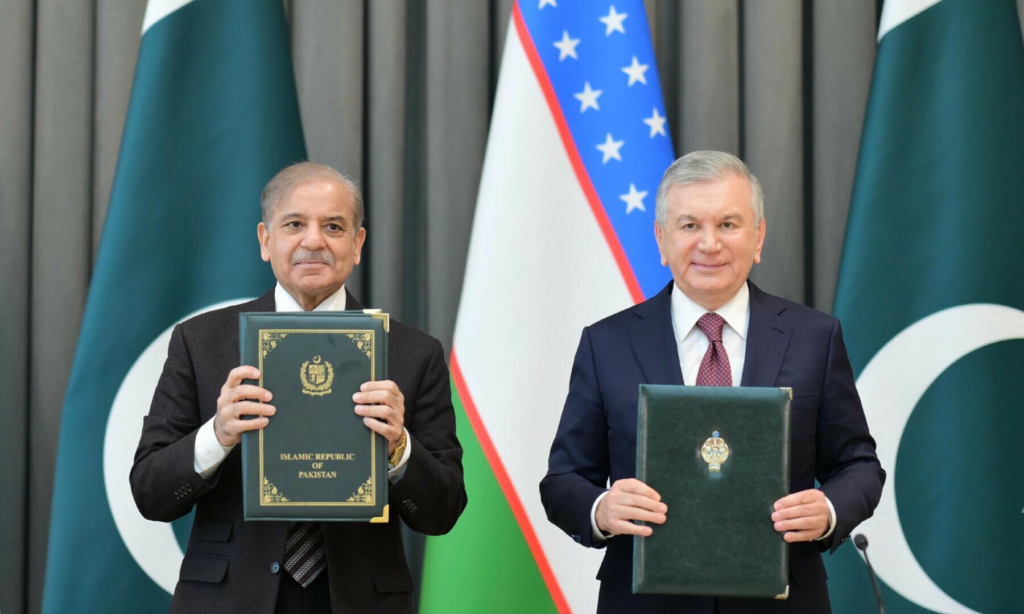
Pakistan and Uzbekistan agreed to intensify cooperation across political, parliamentary and economic fronts during a meeting in Islamabad.
The discussions built on a framework supported by multiple signed agreements and a newly established high-level coordination mechanism.
The understanding emerged from talks between Advisor to the Chairman Senate and Ambassador for the Inter-Parliamentary Speakers’ Conference, Misbah Khar, and Uzbek Senator Husan Ermatov.
The discussions reviewed progress on bilateral engagement, including the implementation of several memoranda of understanding, the formation of a High-Level Strategic Cooperation Council, and a jointly agreed roadmap with defined timelines.
Parliamentary engagement has gained traction following the recent Inter-Parliamentary Speakers’ Conference held in Islamabad, creating an additional channel to support broader diplomatic and economic cooperation.
The roadmap is expected to guide collaboration in areas such as trade, connectivity, energy and regional integration, which are central to both countries’ efforts to expand ties within Central and South Asia.
Senator Ermatov conveyed goodwill from Uzbekistan’s leadership to Chairman Senate Syed Yousaf Raza Gilani and reiterated Tashkent’s interest in strengthening relations with Pakistan, according to Radio Pakistan.
Both sides agreed to maintain close coordination to translate existing frameworks into tangible outcomes.
Pakistan-Uzbekistan relations have expanded steadily in recent years, supported by growing diplomatic exchanges and a shared focus on regional connectivity projects linking Central Asia with South Asian markets.
Pakistan weighs GMO maize adoption with a-maize-ing potential
Pakistan is considering the phased and regulated adoption of genetically modified (GMO) maize to boost agricultural productivity, exports, and food security.
The technology could raise yields by 15–20 maunds per acre and strengthen the country’s competitiveness in global markets.
Federal Minister for National Food Security and Research Rana Tanveer Hussain chaired the meeting, while the Secretary of the Ministry of National Food Security and Research (MNFSR) and representatives of Rafhan Maize Products Company Limited, along with other key stakeholders, participated in the discussion, said a press release issued.
Pakistan currently exports maize worth around $340 million annually, which shows a strong international market position.
However, it was noted that low yields and climate stress remain key challenges, which could be addressed through the responsible use of biotechnology, including GMO crops.
Adoption of GMO maize, could significantly improve farm productivity, increase farmer incomes, and contribute to national food security.
The Federal Minister stressed that Pakistan must modernize its agricultural technology base to meet growing food demands and remain globally competitive.
He described biotechnology and GMO crops as innovation-driven solutions, while emphasizing that any move toward GMO adoption would be made strictly within Pakistan’s legal and regulatory framework.
MNFSR Secretary informed participants that the government is working on a comprehensive biotechnology policy covering multiple crops, not just maize.
He highlighted hybrid rice as an example of successful technology adoption, that caused rice exports to increase significantly after hybrid varieties were introduced.
The Minister clarified that any approval of GMO crops would comply fully with Pakistan’s Biosafety Rules, 2005, ensuring protection of human health and the environment.
The meeting concluded with agreement on continued stakeholder consultations and evidence-based policymaking to guide the country’s transition toward advanced agricultural technologies.
APTMA requests FBR to extend sales tax filing, payment deadline
The All Pakistan Textile Mills Association (APTMA) has formally requested the Federal Board of Revenue (FBR) to grant an extension of at least three weeks for the filing of sales tax returns and the payment of sales tax.
The letter cites severe disruptions in logistics caused by ongoing transport strikes across the country.
In a letter addressed to FBR Chairman Mr Rashid Mahmood Langrial, APTMA Chairman Kamran Arshad highlighted the challenges faced by member mills in meeting the statutory deadlines due to the disruption of supply chains and the delayed movement of goods between upcountry regions and port cities.
“The prevailing situation has hindered the timely movement of goods and documentation between mills, clearing agents, and tax consultants, particularly from upcountry regions to port cities,” the letter stated.
It further noted that these disruptions have made it difficult for mills to reconcile accounts, gather requisite documentation, and fulfill their tax obligations on time.
APTMA requested that the FBR extend the due date for filing and payment of sales tax by at least three weeks to enable timely compliance by the industry and to avoid penal consequences for delays that are beyond the control of registered taxpayers.
The association expressed confidence that the FBR would consider the request favorably, given the genuine operational difficulties being faced by the textile industry.
APTMA also offered to provide any further clarification required on the matter.
The letter was also copied to Mr. Zubair Bilal, Member Inland Revenue (Operations) at the FBR.
The textile sector, a key contributor to Pakistan’s exports and employment, has frequently highlighted logistical challenges as a major factor affecting operational efficiency and compliance with tax regulations.
This request comes amid rising concerns over timely documentation and the potential financial impact on mills if deadlines are not extended.
Fertilizer offtake jumps 14% YoY in November 2025

Fertilizer consumption in Pakistan during November 2025, witnessed a 13.9% increase YoY in overall nutrient offtake to stand at 616,000 tonnes, according to the latest Monthly Fertilizer Review released by the National Fertilizer Development Centre (NFDC).
In November, urea offtake was at 819,000 tonnes, registering an increase of 25.3% compared to the same month last year. On the other hand, DAP consumption decreased by 2.8%, to 245,000 tonnes.
Nutrient-wise, nitrogen offtake increased by 20.2%, potash by 48.8% but phosphate fell by 3.6%.
Table 1: Fertilizer Offtake – November 2025 vs November 2024
| Product/Nutrient | November 2024 (‘000 tonnes) | November 2025 (‘000 tonnes) | % Change |
| Urea | 654 | 819 | +25.3% |
| DAP | 252 | 245 | -2.8% |
| Nitrogen | 393 | 472 | +20.2% |
| Phosphate | 146 | 141 | -3.6% |
| Potash | 2.3 | 3.4 | +48.8% |
| Total Nutrients | 541 | 616 | +13.9% |
Domestic fertilizer production in November 2025 totaled 780,000 tonnes, with urea was at 568,000 tonnes and DAP at 64,000 tonnes. Other significant contributors included NP (70,000 tonnes) and CAN (63,000 tonnes). Imports remained modest, led by DAP at 3,000 tonnes.
Table 2: Domestic Production – November 2025
| Product | Production (‘000 tonnes) | % Share |
| Urea | 568 | 72.8% |
| DAP | 64 | 8.2% |
| NP | 70 | 8.9% |
| CAN | 63 | 8.1% |
| SSP | 8.3 | 1.1% |
| NPKs | – | – |
| SOP | 7.1 | 0.9% |
Regionally, urea offtake rose in Sindh by 30.6%, while Punjab and AJK/GB recorded at 27.1% and 2% respectively. KP saw a decrease of 1.4%.
DAP offtake increased by 1% and 47.2% in Punjab, and KP, respectively while offtake decreased by 11% and 62% in Sindh and Balochistan.
Table 3: Province-wise Offtake – November 2025
| Province | Urea (‘000 tonnes) | % Change | DAP (‘000 tonnes) | % Change |
| Punjab | 588 | +27.1% | 180 | +1% |
| Sindh | 173 | +30.6% | 53 | -11% |
| KP | 30 | -1.4% | 8.3 | +47.2% |
| Balochistan | 22 | +0.1% | 2.8 | -62% |
On the pricing front, Urea (Sona) declined slightly by 0.4% to Rs. 4,359 per 50 kg bag, while other urea brands also fell by 0.04%. DAP prices rose by 1.4% to Rs14,613 per bag. NP and SSP also saw price increases of 2.4% and 2.3%, respectively. Internationally, urea and DAP prices remained stable in key markets such as China and Middle East.
Table 4: Domestic Fertilizer Prices – November 2025
| Product | Price (Rs./50kg) | % Change |
| Urea (Sona) | 4,359 | -0.4% |
| Urea (Other) | 4,246 | -0.04% |
| DAP | 14,613 | +1.4% |
| NP | 9,273 | +2.4% |
| SSP (Granular) | 3,357 | +2.3% |
| CAN | 3,994 | -0.5% |
| SOP | 12,297 | -1.1% |
| NPK | 9,520 | +1.9% |
PSO tops mutual funds’ equity bets
Mutual funds doubled down on select large-cap names in November 2025, with Pakistan State Oil (PSO) emerging as the most heavily owned stock among the top 30 mutual fund holdings.
According to the data compiled by Arif Habib Limited, mutual funds collectively held 47.2% of PSO’s free float in Nov’25, cementing its position as the leading favourite.
Other stocks with sizeable mutual fund ownership included KOHC (27.7%), OGDC (22.8%), PPL (20.4%), KTML (19.4%), LUCK (16.8%), PAKT (16.4%), and MARI (15.2%), highlighting continued preference for energy, cement, and select industrial names.
On a month-on-month basis, portfolio adjustments were pronounced. The largest increase in mutual fund holdings was recorded in MLCF, which saw a sharp 266.2% MoM jump, followed by FCCL (+41.8%) and PPL (+31.5%).
In contrast, the steepest sell-offs were observed in FABL (-41.2%), AGP (-27.4%), PAKT (-21.7%), and MCB (-21.6%), indicating selective profit-taking and rebalancing.
In terms of breadth of ownership, OGDC topped the list, being held by 85 mutual funds, representing 22.8% of its free float.
It was followed by LUCK (84 funds), PPL (79 funds), FFC (78 funds), and PSO (68 funds), underlining OGDC’s broad-based appeal across fund categories.
Beyond traditional heavyweights, mutual funds also showed growing interest in mid-tier names, reflecting diversification trends.
Notable gainers in fund participation included CHCC (15 funds), FATIMA (14 funds), BAFL (13 funds), DGKC and FCCL (11 funds each), AKBL (10 funds), and SNGP and KOHC (9 funds each).
Despite stock-specific accumulation, overall equity exposure moderated. Equity mutual fund AUMs accounted for 14.82% of the total mutual fund industry on November 25, down from 15.3% in October.
Top Holdings by Mutual Funds (November 25)
| Symbol | No. of Funds | Holding as % of Free Float (Nov’25) | Oct’25 | MoM (%) |
|---|---|---|---|---|
| OGDC | 85 | 22.8% | 21.6% | 5.8 |
| LUCK | 84 | 16.8% | 16.2% | 3.7 |
| PPL | 79 | 20.4% | 15.5% | 31.5 |
| FFC | 78 | 9.3% | 7.9% | 17.6 |
| PSO | 68 | 47.2% | 46.8% | 0.9 |
| HUBC | 61 | 12.1% | 12.8% | -5.7 |
| MEBL | 61 | 13.5% | 13.3% | 1.2 |
| ENGRO | 49 | 6.7% | 7.1% | -4.8 |
| MARI | 47 | 15.2% | 16.8% | -9.5 |
| SYS | 43 | 6.7% | 7.5% | -11.6 |
| MLCF | 21 | 6.1% | 1.7% | 266.2 |
| FCCL | 11 | 1.6% | 1.2% | 41.8 |
| PAKT | 7 | 16.4% | 20.9% | -21.7 |
| FABL | 3 | 0.4% | 0.7% | -41.2 |
Source: PSX, AHL Research
Pakistan, Kuwait review petroleum ties

Pakistan and Kuwait moved toward expanding cooperation across the petroleum sector as both sides reviewed existing arrangements and explored additional areas of collaboration during official engagement in Kuwait.
The development shows continued coordination between the two countries at a time when Pakistan is prioritizing energy supply stability and upstream participation amid sustained reliance on imported petroleum products.
The engagement involved Pakistan’s Federal Minister for Petroleum Ali Pervaiz Malik and Kuwait’s Minister of Oil Tariq Sulaiman Al-Roumi, according to the press release.
Senior officials from Kuwait Petroleum Corporation and Kuwait Foreign Petroleum Exploration Company participated alongside representatives from Pakistan’s Oil and Gas Development Company Limited and Pakistan State Oil.
The history of bilateral cooperation in the energy sector which has included crude oil supply refined product trade and upstream participation through KUFPEC.
Pakistan depends on imports for a significant share of its petroleum consumption which places Gulf producers at the center of its energy security strategy.
Both sides agreed to continue coordination aimed at strengthening institutional links across the petroleum sector.
The objective is to build on existing cooperation while identifying practical areas for further engagement between state-owned energy entities.
The engagement concluded with a working lunch hosted by the Kuwaiti oil minister for the visiting Pakistani delegation at Waldorf Astoria.
Oilboy Energy greenlights Rs250m fund reallocation
Shareholders of Oilboy Energy Limited have approved a change in the purpose of utilisation of funds raised through the company’s 100% right issue, amounting to Rs250 million, during an Extra Ordinary General Meeting (EOGM) held today.
According to a notice submitted to the Pakistan Stock Exchange (PSX), the shareholders ratified and approved the revised use of proceeds from the right issue of 25 million ordinary shares of Rs10 each.
These funds were were originally earmarked for the project titled “Bio-Oil from Pyrolysis Waste to Energy through Fast Pyrolysis.”
The company informed that the funds have instead been utilised for the expansion of its existing trading operations, particularly in coal, LPG, and allied fuel products.
In addition, the proceeds were deployed to enhance storage, logistics, and supply chain infrastructure, as well as to strengthen the company’s working capital base and related operating assets.
The approval was granted in accordance with the Companies Act, 2017, and remains subject to necessary regulatory approvals from the Securities and Exchange Commission of Pakistan (SECP) and the Pakistan Stock Exchange Limited.
The shareholders also authorized the Chief Executive Officer to undertake all necessary actions, execute relevant documentation, and make required statutory and regulatory filings to give effect to the resolution.
KWBF to kickoff from Jan 18 at Karachi Expo Center

OVER 325 STALLS WILL BE ON DISPLAY, WITH OVER 500,000 EXPECTED VISITORS
By Staff Reporter
Karachi: The Managing Committee of Karachi World Book Fair (KWBF) has revealed at a press conference that besides 140 leading publishers and booksellers from Pakistan, 40 exhibitors from 17 countries will also participate in the Karachi World Book Fair (KWBF) from 18th – 22nd Dec’25 in the three halls 1, 2 & 3 at the Karachi Expo Center. The five- day Karachi World Book Fair 2025 is organized by Event and Conference International Pvt. Ltd. in association with Pakistan Publishers & Book sellers Association (PPBA),
KWBF Managing Committee said that Minister of Education & Literacy department Government of Sindh Mr. Syed Sardar Ali Shah will inaugurate the Book Fair as Chief Guest on 18th December 2025. Mr. Mohammad Ahmed Shah, President of Arts Council of Pakistan, will be our Guest of Honor.
This book fair provides an exclusive opportunity to reach out to citizens and book lovers in Pakistan’s largest city and trade hub Karachi.
This premier event brings together domestic and international publishers, booksellers, librarians and institutional customers. The event provides an excellent opportunity to readers to view and purchase the best Pakistan and International books and publications and also offers an opportunity to writers to interact with publishers. The positive reception to this event over the recent years has increased the number of participants and attendees to make it the largest Book Fair event in the history of Pakistan each year.
Publishers from Turkey, Singapore, China, Malaysia, UK, UAE and other countries are attending the international event. It has become a remarkable literary event with educated and motivated visitors from all walks of life. More than 325 stands shall display books on all subjects to discern readers, including vast numbers of families, students and book lovers from all over the country.
These views were expressed by Convener of KWBF, Mr. Waqar Mateen Khan and Mr. Kamran Noorani, Chairman of Pakistan Publishers and Booksellers Association while speaking at a press conference, held at a local hotel here yesterday.
Mr. Waqar Mateen Khan expressed his gratitude to the publishers and booksellers for their participation in the fair and the Managing Committee for their untiring efforts to make this event possible.
He hoped that this year passed record-breaking number of visitors in the Karachi World Book Fair. Mr. Kamran Noorani Chairman, Pakistan Publishers and Booksellers Association (PPBA) stressed that this edition will be remarkable and distinctive as efforts are being made to establish effective working relationships with key international book fairs leading towards an exchange of professional expertise for highlighting the importance of book fairs at national and international level.
He reiterated that “Around 500,000 people are expected to visit the World. Various book launchings and book release ceremonies will also be held for notable writers during the fair besides entertaining various contests like drawing, recitation, extempore speech, and quizzes for kids.
Timings of the fair is 10 am to 9 pm daily from Thursday, 18th till Monday, 22nd December 2025.
Deputy Convener Syed Nasir Hussain, Vice Chairman Nadeem Mazhar, Ahsan Jaffery, Muhammad Iqbal Gaziani, Iqbal Saleh Mohammad, Nadeem Akhtar, Saleem Abdul Hussain , Hoori Noorani ,Arsalan Matin khan ,Rashid Ul Haque and Shaikh Jamal uddin also attended the Press conference.
Diesel gets a sharp cut, petrol holds steady for fortnight

The federal government on Monday announced a mixed revision in fuel prices, keeping petrol rates unchanged while delivering a notable cut in the price of high-speed diesel (HSD) for the next fortnight.
According to a notification issued by the Petroleum Division, the price of petrol will remain steady at Rs263.45 per litre, in line with recommendations from the Oil and Gas Regulatory Authority (OGRA).
In contrast, the price of high-speed diesel has been slashed by Rs14 per litre, bringing its new price down to Rs265.65 per litre from Rs279.65.
The revised prices will take effect from December 16 and remain applicable for the next 15 days.
| Product | Existing Price (Rs/L) | New Price (Rs/L) | Change |
|---|---|---|---|
| Diesel | 279.65 | 265.65 | -14.00 |
| Petrol | 263.45 | 263.45 | 0 |
The government reviews fuel prices on a fortnightly basis, factoring in international oil market movements and domestic fiscal considerations.
The latest decision comes after a modest reduction announced earlier this month.
On December 01, 2025, the government had trimmed fuel prices by up to Rs4.79 per litre, cutting petrol by Rs2 to Rs263.45, while diesel was reduced by Rs4.79 to Rs279.65.
At the time, the decline in diesel, often described as the backbone of transport, logistics, and agriculture, was seen as a marginal relief for farmers and freight operators, with potential spillover benefits for overall inflation.
Despite the fresh cut in diesel prices, consumers continue to shoulder a significant tax burden.
Currently, a petroleum levy of Rs97.62 per litre on petrol and Rs75.41 per litre on diesel remains in place, along with a Rs2.50 Carbon Surcharge Levy (CSL). Sales tax on petroleum products, however, stands at zero.
Though the sharper reduction in diesel may help ease cost pressures across supply chains, the government continues to rely heavily on petroleum-sector taxation to support fiscal revenues.
IMF structural benchmarks not new conditions, part of ongoing reform agenda: FinMin
PSMU Desk
ISLAMABAD: The Ministry of Finance clarified yesterday that the structural benchmarks outlined under Pakistan’s IMF Extended Fund Facility (EFF) are part of a phased, medium-term reform agenda agreed upon with the Fund, and not new or additional conditions as recently suggested in the media.
The clarification comes in response to commentary describing the 11 benchmarks as “new conditions,” with the Finance Division emphasizing that these measures build on reforms already initiated by the government. The implementation of the benchmarks follows a sequenced, step-by-step approach aimed at achieving the broader policy objectives of the IMF program.
The Ministry further explained that the Memorandum of Economic and Financial Policies (MEFP), finalized after the IMF’s Second Review, supplements the earlier MEFP and reflects this phased approach. This ensures both continuity and the deepening of Pakistan’s ongoing reform agenda, rather than introducing sudden or unplanned measures.
The structural benchmarks span multiple sectors, including fiscal management, governance, financial markets, state-owned enterprises, energy, trade, and corporate regulation. Among the key reforms are efforts to enhance the transparency of civil servants’ asset declarations, amendments to the Civil Servants Act, strengthening the National Accountability Bureau (NAB), and improving coordination with provincial anti-corruption bodies.
The government is also focusing on streamlining remittance flows by removing bottlenecks in cross-border payments, which have already led to a 26% increase in remittances in FY25, with further growth anticipated in FY26. Structural reforms in financial markets are also under way, with a study of the local currency bond market aimed at broadening the investor base.
Regarding the Federal Board of Revenue (FBR), the government is progressing with a comprehensive reform roadmap that includes operationalizing the Tax Policy Office and strengthening compliance risk management. A medium-term tax reform strategy is also in the works to enhance revenue predictability and improve tax administration.
In the energy sector, reforms are being implemented in state-owned enterprises, with plans to privatize selected power distribution companies (DISCOs) and finalize conditions for private sector involvement in HESCO and SEPCO. The government is also working on deregulating the sugar sector and liberalizing trade and commodity markets.
Some benchmarks, including governance action plans and contingency revenue measures, were delayed due to ongoing reform implementation and the recent floods. However, authorities have requested a reset of these benchmarks for future deadlines, asserting that the overall progress remains on track.
In its Second Review report, the IMF noted that Pakistan had met eight of 13 prior benchmarks, including the approval of the FY26 budget in line with program targets, the introduction of a new agricultural income tax, and amendments to enhance asset disclosures for public officials.
The Finance Ministry reiterated that the structural benchmarks are aligned with Pakistan’s own reform priorities and are not externally imposed conditions.
IMF slashes Pakistan’s power subsidies
SETS STRICT CIRCULAR DEBT TARGET AT RS400B
By Commerce Reporter
KARACHI: The International Monetary Fund (IMF) has reduced Pakistan’s power sector subsidies by Rs143 billion, setting a strict target to limit the flow of circular debt to Rs400 billion for the current fiscal year. This revised target, part of Pakistan’s ongoing IMF-backed economic reforms, aims to curtail reliance on taxpayers’ funds while tackling systemic inefficiencies in the energy sector.
The IMF’s latest staff report reveals that, instead of the Rs1.04 trillion initially budgeted, power subsidies will be capped at Rs893 billion roughly 0.7% of Pakistan’s GDP. This reduction in subsidies is tied to the goal of containing circular debt, which has long plagued the country’s power sector.
Despite the IMF’s target to restrict circular debt flow to Rs400 billion, the Economic Coordination Committee (ECC) of the Cabinet has approved a higher flow target of Rs522 billion for the fiscal year. This approval came a day after the IMF’s board meeting, which sanctioned the revised targets along with a $1.2 billion loan tranche for Pakistan.
The ECC’s approval of the Rs522 billion target contradicts the IMF’s target, which assumes strong fiscal performance in FY25 and improvements in recoveries and technical losses. While the IMF expects circular debt pressures to ease somewhat due to strong industrial demand and planned incremental pricing for industrial and agricultural users, the government’s higher target includes adjustments for non-recoveries, line losses, and other inefficiencies.
Circular debt in Pakistan’s power sector has long been a major challenge, caused by non-recoveries from various consumers, high transmission and distribution losses, and delayed tariff adjustments. The IMF’s report stresses the need for structural reforms to address these inefficiencies, including private sector participation in power distribution companies (DISCOs) and generation companies (GENCOs), along with cost-reducing measures and wholesale market reforms.
The IMF’s stance remains firm: the target for circular debt flow must stay at Rs400 billion, with the government using the budget to cover systemic inefficiencies. However, despite the Power Division’s clarification that Rs122 billion of the Rs522 billion will be used for principal repayment under the circular debt refinancing scheme, the IMF does not recognize this higher figure in its report.
Binance, HTX NOCs ‘first’ step in regulated crypto framework: PVARA chief
By Commerce Reporter
ISLAMABAD: Bilal bin Saqib, Special Assistant to the Prime Minister for Binance and Crypto and Chairman of the Pakistan Virtual Assets Regulatory Authority (PVARA), clarified that the recent issuance of no-objection certificates (NOCs) to global cryptocurrency exchanges Binance and HTX is not a “blanket approval” but rather the first step in a “risk-mitigated, phased, supervised entry framework” for the crypto market in Pakistan.
Speaking at a press briefing in Islamabad, Bilal outlined Pakistan’s new approach to regulating the digital asset sector, emphasizing that the issuance of the NOCs marks a pivotal step toward creating a regulated, transparent, and globally compliant pathway for crypto exchanges. He stressed that the framework would enable the government to monitor anti-money laundering (AML) measures and counter-terrorism financing (CTF) while promoting informed decision-making in the country’s financial system.
With Pakistan ranked among the world’s top three countries for crypto adoption, Bilal highlighted that an estimated 30 to 40 million Pakistanis are actively engaged with digital assets. He also pointed to the shifting dynamics of the global $100 trillion bond market, which is increasingly embracing digital systems, underscoring the importance of establishing a regulatory framework for digital assets in Pakistan.
Pakistan’s ambition is to become a global model for digital asset regulation, using technology to strengthen its sovereignty and drive the country’s economic future, Bilal added.
In a significant development earlier this week, the Finance Ministry announced that Pakistan had signed a memorandum of understanding (MoU) with Binance to explore the tokenisation of up to $2 billion in the country’s assets. This initiative could involve sovereign bonds, treasury bills, and commodities such as oil, gas, and metals, with the goal of improving liquidity, transparency, and access to international markets.
Binance Founder Changpeng Zhao welcomed the MoU, calling it “a great signal for the global blockchain industry and for Pakistan,” marking the beginning of full deployment for the tokenisation initiative.
PVARA’s issuance of NOCs to Binance and HTX allows the exchanges to engage in Pakistan’s digital asset market under regulatory supervision.
Fecto Cement’s Sangjani Plant faces a temporary suspension as authorities review operational compliance
Fecto Cement Limited (PSX:FECTC) has disclosed a temporary operational development concerning its cement manufacturing plant located at Sangjani, Islamabad.
The facility is currently under a temporary suspension of operations due to certain administrative and procedural matters with local authorities, according to the company’s statement issued today.
The Company is actively engaging with the relevant forums to resolve the matter in accordance with applicable laws and established legal processes.
Management has stated that all necessary steps have been taken to safeguard the Company’s legal rights and remains confident that the issue will be resolved in due course.
Fecto Cement Limited does not foresee any long-term adverse impact on its financial position, asset base, or overall business continuity. Other operations of the Company continue as normal.
Further updates will be communicated to the Exchange as and when material developments occur.
SBP cuts the policy rate by 50 basis points to 10.5%, aiming to support economic activity amid easing inflationary pressures.
The State Bank of Pakistan (SBP) on Monday reduced its key policy rate by 50 basis points to 10.5% with effect from December 16, 2025.
The decision was taken by the Monetary Policy Committee (MPC) at its scheduled meeting, marking a resumption of monetary easing after the policy rate had remained unchanged for four consecutive meetings.
The latest cut follows a cumulative reduction of 1,150 basis points since June 2024, reflecting SBP’s efforts to balance price stability with support for economic activity.
PSX Closing Bell: Keep On Rising

The benchmark KSE-100 Index concluded Monday’s trading session at 170,741.34, showing an increase of 876.82 points or 0.52%.
The index remained positive throughout the day showing an intraday high of 171,001.71 (+1,137.19) and a low of 170,292.95 (+428.43) points.
The total volume of the KSE-100 Index was 410.45 million shares.
Of the 100 index companies 53 closed up, 46 closed down, while 1 were unchanged.
Top gainers during the day were PIBTL (+9.98%), MLCF (+5.71%), TGL (+4.99%), NML (+4.49%), and SRVI (+4.36%).
On the other hand, top losers were SSGC (-3.70%), MEHT (-2.29%), LOTCHEM (-2.15%), ATLH (-1.99%), and TPLRF1 (-1.83%).
In terms of index-point contributions, companies that propped up the index were PPL (+198.55pts), SYS (+180.48pts), MLCF (+113.03pts), NBP (+80.39pts), and UBL (+78.81pts).
Meanwhile, companies that dragged the index lower were HUBC (-56.60pts), FFC (-33.44pts), EFERT (-32.54pts), BAHL (-17.22pts), and SSGC (-16.07pts).
Sector-wise, KSE-100 Index was supported by Oil & Gas Exploration Companies (+286.00pts), Technology & Communication (+201.26pts), Cement (+178.33pts), Commercial Banks (+134.05pts), and Leather & Tanneries (+54.10pts).
While the index was let down by Fertilizer (-71.77pts), Power Generation & Distribution (-55.07pts), Automobile Assembler (-32.70pts), Inv. Banks / Inv. Cos. / Securities Cos. (-16.60pts), and Chemical (-9.26pts).
In the broader market, the All-Share Index closed at 103,176.20 with a net gain of 451.08 points or 0.44%.
Total market volume was 905.68 million shares compared to 873.03m from the previous session while traded value was recorded at Rs47.72 billion showing an increase of Rs6.85bn.
There were 439,087 trades reported in 486 companies with 239 closing up, 202 closing down, and 45 remaining unchanged.
| Symbol | Price | Change % | Volume |
|---|---|---|---|
| PIBTL | 17.19 | 9.98% | 123,266,609 |
| HUMNL | 15.11 | 1.55% | 39,669,911 |
| FCL | 26.24 | 7.23% | 36,327,930 |
| FNEL | 22.71 | -3.07% | 36,163,034 |
| CSIL | 6.53 | 7.93% | 30,123,032 |
| BNL | 13.57 | 2.03% | 29,006,231 |
| BOP | 35.39 | 0.40% | 26,276,398 |
| HASCOLNC | 14.73 | 5.14% | 24,589,042 |
| SSGC | 39.86 | -3.70% | 22,533,935 |
| MLCF | 130.38 | 5.71% | 22,034,043 |
To note, the KSE-100 has gained 45,114 points or 35.91% during the fiscal year, whereas it has increased 55,614 points or 48.31% so far this calendar year.
The ethical dilemma of AI: Balancing innovation and responsibility

By Sameer Sagar
The relentless advance of Artificial Intelligence represents one of the most transformative innovations in human history, offering the potential to cure diseases, optimize global resources, and unlock unparalleled levels of productivity. Yet, this very progress is shadowed by a profound ethical dilemma: how does society balance the imperative of rapid innovation—the ‘move fast and break things’ ethos that fuels technological progress—with the foundational responsibility to ensure these powerful systems are fair, safe, and aligned with human values? This is the tightrope walk defining the current era of AI development.
At the core of this tension are issues that directly challenge social justice and democratic principles, the most prominent being algorithmic bias. AI systems are inherently trained on historical data, and if that data reflects societal inequities—racial, gender, or socioeconomic biases present in past hiring decisions, loan approvals, or judicial sentencing—the resulting AI will not only inherit but often amplify those prejudices. . For example, facial recognition software has repeatedly shown higher error rates for non-white faces, and hiring algorithms have filtered out female candidates based on patterns from historically male-dominated workplaces. The dilemma here is acute: prioritizing the speed of development means deploying tools quickly, potentially cementing inequality, whereas taking the time for meticulous data auditing and bias mitigation slows time-to-market. The responsibility to ensure fairness demands that ‘ethical AI’ principles are not an afterthought but a core design requirement, necessitating diverse development teams and continuous post-deployment auditing.
Another critical ethical challenge is privacy and data governance. AI’s efficacy is directly proportional to the volume and sensitivity of the data it consumes. The pursuit of greater predictive accuracy drives companies to collect ever-more detailed personal information, creating vast new surfaces for privacy breaches, surveillance, and manipulative micro-targeting. The innovation model champions the free flow of data as the ‘new oil,’ while the responsibility model demands robust data anonymization, explicit and informed user consent, and a ‘privacy-by-design’ approach. The risk is that the convenience and efficacy offered by data-hungry AI tools erode the fundamental right to privacy, transforming user autonomy into a transactional commodity.
The ‘black box’ problem, or the lack of transparency, further deepens the dilemma. Many cutting-edge AI models, particularly deep learning systems, are so complex that even their creators struggle to fully explain why a particular decision was made. This opacity is a byproduct of prioritizing performance—complex models often deliver the best results—but it cripples accountability. When an autonomous vehicle causes an accident, or an AI-powered system wrongly denies a person a mortgage or parole, who is liable? Is it the data scientist, the corporate executive, or the AI itself? The push for innovation favors this functional opacity, whereas the responsibility to the public requires explainability (XAI) and auditable accountability mechanisms to assign responsibility for adverse outcomes.
Furthermore, the scale of AI’s impact on employment and economic inequality presents a massive societal challenge. While AI promises to automate dull, dirty, and dangerous jobs, boosting overall productivity, the rapid displacement of workers could create a massive underclass whose skills are suddenly obsolete. The ethical responsibility here extends beyond simple innovation; it requires preemptive policies on retraining, universal basic income (UBI), or wealth redistribution to manage the inevitable social disruption.
Ultimately, the resolution of this dilemma does not lie in halting innovation, but in reframing it. The shift must be toward Responsible AI (RAI) frameworks—a global movement that insists that ethical principles like transparency, fairness, safety, and accountability are embedded throughout the entire AI lifecycle, from data sourcing and design to deployment and decommissioning. This requires a collaborative effort involving policymakers to enact adaptable regulations, academics to develop new explainability and bias-mitigation techniques, and developers to commit to human-centric design. Innovation must not be viewed as inherently separate from responsibility; instead, responsible governance must be recognized as the prerequisite for achieving trustworthy, sustainable, and beneficial AI innovation that genuinely serves the entirety of humanity. The future of AI hinges on whether this balance can be struck before the unintended consequences become irreversible.
Binance’s future in Pakistan: Will regulatory hurdles impact its growth?
By Zaira Hasan
The future of Binance in Pakistan, once shrouded in an opaque environment of regulatory ambiguity and official warnings, is now emerging with a clarity that marks a pivotal moment for the country’s digital asset ecosystem. Historically, Pakistan has presented a paradox: it ranks among the world’s top countries for grassroots crypto adoption, yet the legal status of cryptocurrencies has remained uncertain, with the State Bank of Pakistan (SBP) previously issuing circulars cautioning against and, at times, effectively prohibiting, dealing in virtual currencies due to concerns over money laundering, terrorism financing, and consumer protection. This regulatory gap forced millions of Pakistani crypto users, a population estimated by some at between 30 to 40 million, to rely heavily on informal peer-to-peer (P2P) platforms, a process that inherently amplified risks and compliance challenges.
However, a dramatic shift in policy has recently put Binance on a concrete, albeit phased, path toward formal recognition and operation. Recognizing that the immense popularity of crypto could not simply be wished away, and that unregulated use posed a greater risk than regulated use, the Pakistani government, led by the newly established Pakistan Virtual Assets Regulatory Authority (PVARA), has taken decisive steps. This strategic move is not merely an acknowledgment of market realities but an ambitious attempt to harness blockchain technology for national economic goals, particularly foreign direct investment and asset tokenization.
The crucial recent development involves the issuance of No Objection Certificates (NOCs) to global exchanges like Binance and HTX. These NOCs are not a blanket operational license but represent the essential first step in a supervised, risk-mitigated entry framework. The clearances allow Binance to register under the Anti-Money Laundering (AML) system, specifically the Financial Monitoring Unit’s goAML platform, begin the process of establishing a locally incorporated subsidiary with the Securities and Exchange Commission of Pakistan (SECP), and prepare a comprehensive Virtual Asset Service Provider (VASP) license application. This phased approach signals a commitment to global compliance standards, particularly those mandated by the Financial Action Task Force (FATF), and moves the ecosystem from the shadow economy into the light. The regulatory hurdle has thus transformed from an impenetrable wall into a clearly defined, multi-step compliance ladder.
Beyond merely regulating exchanges, the partnership between Binance and Pakistan is poised to enter a more transformative phase. A recent Memorandum of Understanding (MoU) was signed to explore the “tokenization” of up to $2 billion in sovereign assets, including treasury bills, government bonds, and commodity reserves. This potential collaboration positions Binance not just as a trading platform, but as a strategic technology partner advising the government on building compliant blockchain infrastructure to boost liquidity and attract international investment. This tokenization effort is an explicit recognition of blockchain’s potential as a modern financial tool for capital market development, showcasing a future where Binance’s technological expertise could play a direct role in national economic strategy.
Nevertheless, significant challenges remain. The regulatory journey is far from over; the NOCs are conditional and do not guarantee the final VASP license, which will require Binance to meet stringent compliance and governance standards under a framework that is still being finalized by the PVARA. Furthermore, while the federal government has shown a pro-innovation stance, historical jurisdictional confusion among key institutions—the SBP, SECP, and the Finance Ministry—will need to be permanently resolved to ensure regulatory certainty. The ultimate success of Binance’s growth will depend on the final regulatory architecture: whether it is progressive enough to foster innovation and attract capital, yet robust enough to prevent illicit financial flows and protect consumers.
In conclusion, the future of Binance in Pakistan appears robust, underpinned by strong market demand and a new, collaborative regulatory approach. The focus has shifted from outright prohibition to structured regulation, with a clear roadmap for full licensing and a high-level partnership on asset tokenization. While the remaining regulatory hurdles are substantial—requiring strict AML compliance, local incorporation, and the finalization of the VASP framework—the political will to embrace digital assets is now undeniable. The collaboration between a global giant like Binance and Pakistan’s new regulatory body offers a blueprint for how a developing economy can transition a massive, informal crypto market into a regulated, value-generating component of its national digital finance strategy, ensuring that the platform’s growth, while governed by compliance, can flourish in one of the world’s most dynamic crypto markets.