
After PIA Acquisition, Arif Habib Eyes Pakistan’s Blue Economy
PSMU Desk:
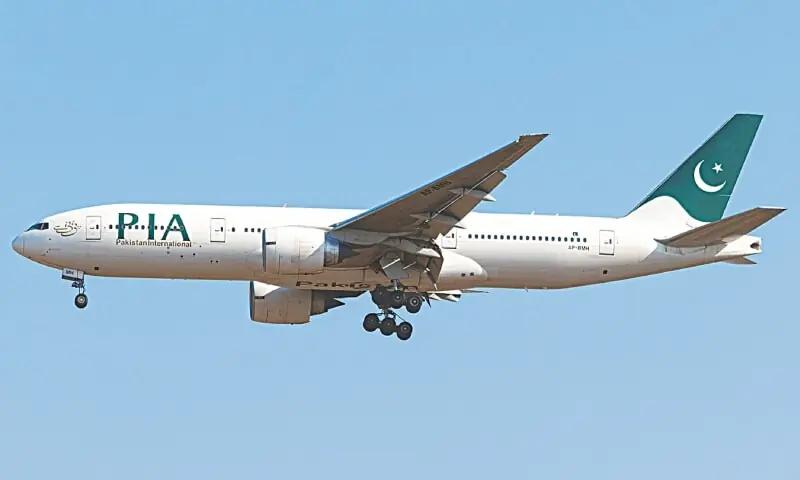
KARACHI: Following the acquisition of a controlling stake in Pakistan International Airlines (PIA), leading businessman and investor Arif Habib has turned his attention toward Pakistan’s largely untapped blue economy, with a particular focus on the Pakistan National Shipping Corporation (PNSC), signaling growing private-sector interest in the country’s maritime potential.
Speaking to journalists at the Naya Nazimabad Gymkhana on Sunday, the 73 years old industrialist disclosed that the newly appointed management of PNSC has approached him for discussions on the future direction of the national shipping line.
Pakistan’s blue economy centered on the sustainable commercial use of ocean and coastal resources remains significantly underdeveloped. Despite an estimated potential exceeding USD 100 billion, the sector currently contributes less than 0.5 percent to the country’s gross domestic product. Industry experts believe strategic investment and policy reforms could unlock substantial economic value.
According to reports, PNSC has planned an ambitious expansion of its fleet, aiming to increase the number of vessels from the current 10 ships to 54 by 2030, in a bid to capture a larger share of the estimated USD 6 billion annually paid by Pakistan as foreign freight charges to international shipping companies.
Arif Habib also outlined a detailed roadmap for the revival of Pakistan International Airlines, stating that the airline’s entire fleet of 34 aircraft would be made fully serviceable by September 2026. At present, only 17 aircraft are operational.
Habib-led consortium, which has acquired a 75 percent stake in PIA for Rs 135 billion (approximately $482 million), is set to formally assume management control in April 2026, after which a comprehensive turnaround plan will be implemented.
The privatisation marks one of Pakistan’s most significant divestments of a state-owned enterprise in recent years, as the government seeks to reduce fiscal pressure by offloading loss-making entities that have long strained the national exchequer.
Arif Habib, widely regarded as a pioneer of Pakistan’s modern capital markets, brings decades of restructuring and modernisation experience to the airline. His association with PIA dates back to 2016, when he joined the airline’s board and witnessed its operational and financial decline firsthand.
“PIA’s problems accumulated over many years,” Habib said. “Successive governments provided annual loan guarantees, allowing unchecked borrowing. Rising debt and heavy interest payments created a cycle of mounting liabilities.”
He noted that an earlier attempt to privatise the airline failed due to governance issues and unfavourable macroeconomic conditions. However, recent improvements in Pakistan’s economic environment including declining interest rates, a relatively stable rupee, and controlled global oil prices created more conducive conditions for the transaction.
Investment and Ownership Structure.
Under the consortium agreement, Fauji Fertilizer Company will hold a 25 percent stake, while Arif Habib’s investment group, in partnership with Fatima Fertilizer, will control another 25 percent. The remaining 25 percent will be shared among other consortium members.
Of the Rs 135 billion acquisition price, Habib stated that Rs 125 billion will be directly injected into the airline well above the estimated Rs 70 billion required for initial operational revival. The funds will be used for engine replacement, aircraft maintenance, operational costs, and gradual fleet expansion.
PIA’s existing liabilities, estimated at around Rs 54 billion, will be absorbed by the consortium as
Habib said the turnaround strategy prioritises improved service quality at competitive fares, along with expanding the operational fleet from 17 to 38 aircraft in the near term. Professional talent will be inducted strictly on merit to support expansion efforts.
“Safety will remain non-negotiable,” he stressed. “There will be no compromise on maintenance or operational standards.” The business plan also includes dedicated measures to strengthen PIA’s cargo operations, an area seen as holding significant revenue potential.
Analysts view the PIA transaction as a critical test case for Pakistan’s broader economic reform and privatisation agenda. A successful revival of the national flag carrier could bolster investor confidence and pave the way for further structural reforms across key state-owned enterprises.