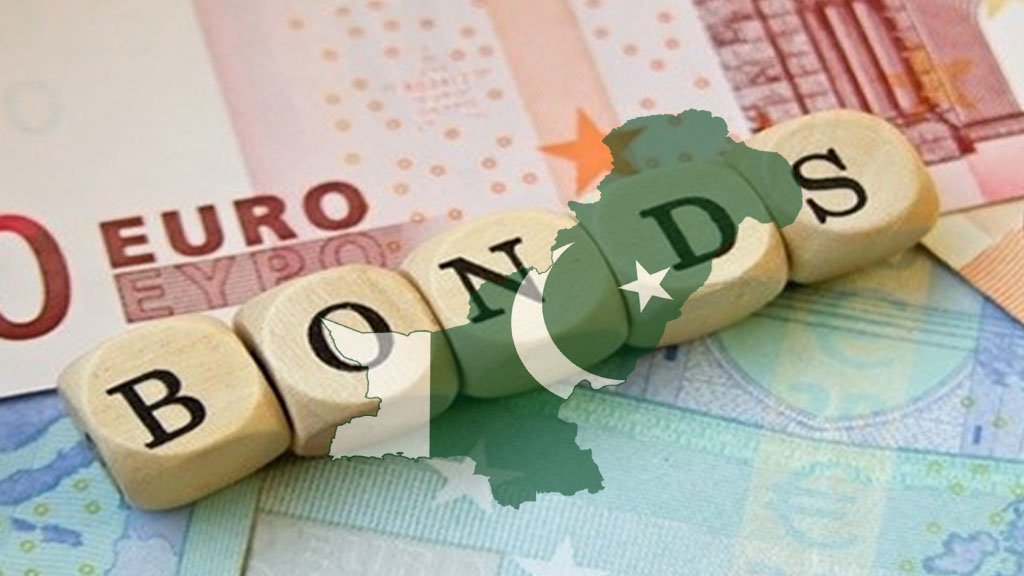
Pakistan targets global bond market return after 4 years
Pakistan is preparing to return to the international bond market for the first time in four years, showed a significant progress in stabilizing its economy after narrowly avoiding default in recent years.
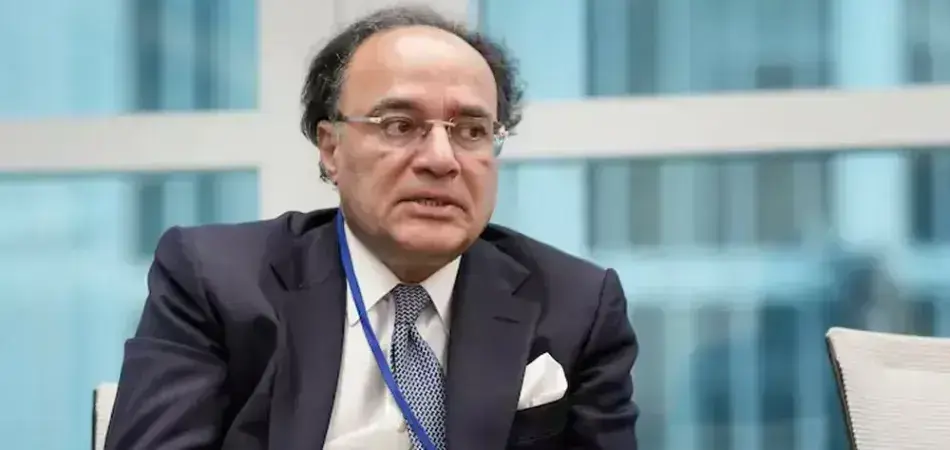
The government is expected to reveal a call for advisors in the coming weeks, with Finance Minister Muhammad Aurangzeb confirming that options under consideration include dollar, euro, or sukuk bonds.
Additionally, Pakistan is gearing up to issue its first-ever panda bond.
At the World Economic Forum in Davos, Prime Minister Shehbaz Sharif led a delegation highlighting Pakistan’s improving economic conditions and promoting investment opportunities in key sectors such as minerals, agriculture, and technology.
“We have consolidated our gains in macroeconomic stability,” Aurangzeb said, noting improvements across inflation, interest rates, fiscal balance, and the current account, according to Bloomberg.
Since being largely excluded from international bond markets in 2022, Pakistan has implemented fiscally disciplined policies under IMF-supported programs.
Inflation, which had soared to nearly 40%, has now dropped to single digits.
The country has also recorded a primary fiscal surplus and received upgrades from international ratings agencies, reflecting enhanced investor confidence.
Foreign-exchange reserves are projected to reach a three-month import cover by June 2026, meeting global benchmarks, Aurangzeb added.
He also indicated that the rupee is stable with no immediate depreciation risks, supported by strong remittances, rising services exports, and a healthier balance of payments.
The finance minister emphasized that macroeconomic stabilization has coincided with long-delayed structural reforms, including privatization of state-owned enterprises and broadening of the tax base.
Last month, Pakistan finalized the sale of its national airline, and the government is now exploring options to privatize a stake in New York’s Roosevelt Hotel, outsource management of major airports, and divest nearly two dozen additional companies.
Aurangzeb stressed the government’s focus on export-led growth to avoid recurring import-driven balance-of-payments crises. “We must stay the course on reforms. That is the only way to achieve sustainable growth,” he stated.