Govt pushes development of new deep-sea ports
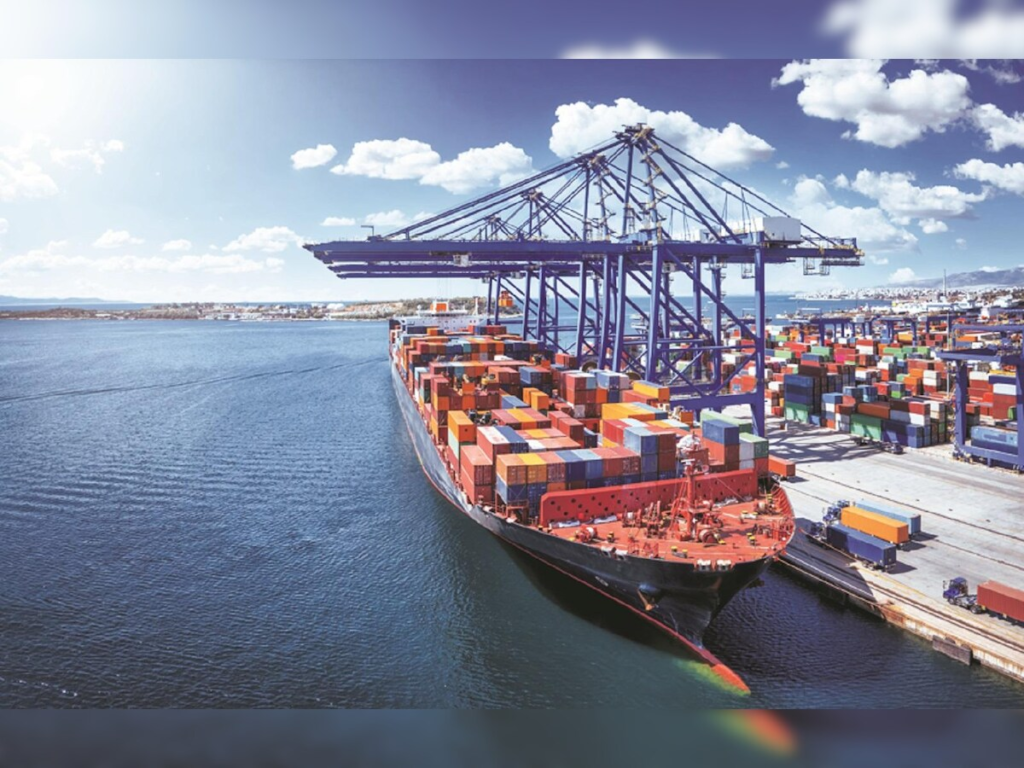
The government has emphasized the need to balance economic growth with strong environmental protections while developing new deep-sea ports along Pakistan’s coastline.
Such ports are crucial to support rising industrial activity, regional trade, and increasing shipping volumes, as well as to ease pressure on existing facilities.
Plans include the development of both major and smaller business-model ports to prepare for the next century of maritime expansion and economic transformation, according to a press release issued.
Federal Minister for Maritime Affairs Muhammad Junaid Anwar Chaudhry, chairing a high-level, multi-agency committee meeting on the project, emphasized the importance of collaboration among stakeholders.
The meeting was attended by representatives from 10 organizations, including the Ministry of Maritime Affairs’ Technical Advisor Jawad Akhtar, who briefed the minister on the committee’s performance, site identification processes, and study methodology.
Committee members presented an assessment framework for three proposed sites Port 1, Port 2, and Port 3 focusing on technical feasibility, including natural depth, marine access, and coastal conditions to determine operational suitability and long-term viability.
The framework also evaluated land availability, future expansion potential, environmental sensitivity, and potential impacts on local communities and livelihoods.
In addition, the committee reviewed hinterland connectivity through road, rail, and logistics networks, as well as the strategic and economic value of each port, covering trade facilitation, regional development, and risk management across environmental, technical, security, and regulatory domains.
The initiative is part of the government’s long-term “Hundred Years Vision 2047-2147” to establish three to four deep-sea ports at strategic locations along the coastline, incorporating modern cargo handling, green energy integration, and digital port management systems.
Work is underway on a comprehensive feasibility report, including technical findings, hydrographic maps, satellite data, and investment recommendations, for submission to the Maritime Ministry.
Pakistan’s coastline stretches over 1,000 kilometers from Sir Creek in Sindh to Jiwani in Balochistan, encompassing an Exclusive Economic Zone of 240,000 square kilometers and a continental shelf of nearly 50,000 square kilometers.
With GDP projected to reach $1 trillion between 2030 and 2035, maritime trade and related industries are expected to experience significant growth, with Karachi Port, Port Qasim, and Gwadar Port projected to reach full capacity between 2035 and 2045.