
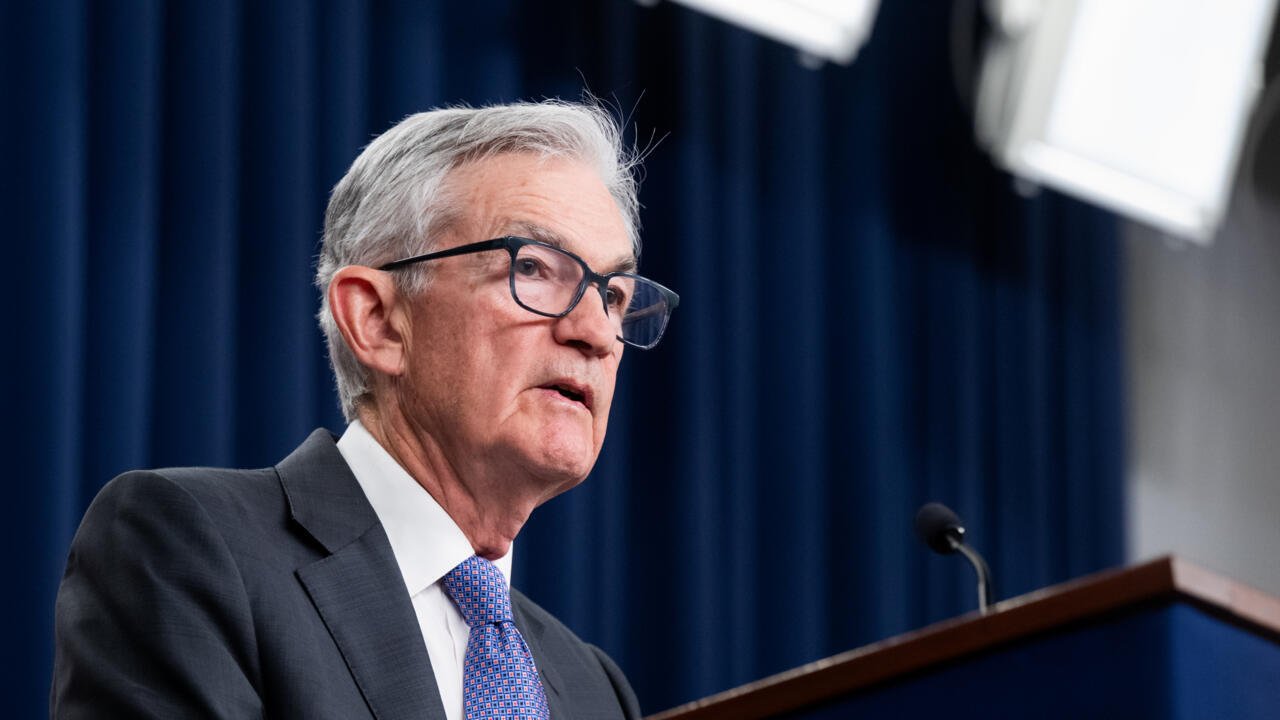
Federal Reserve cuts interest rates for third consecutive time
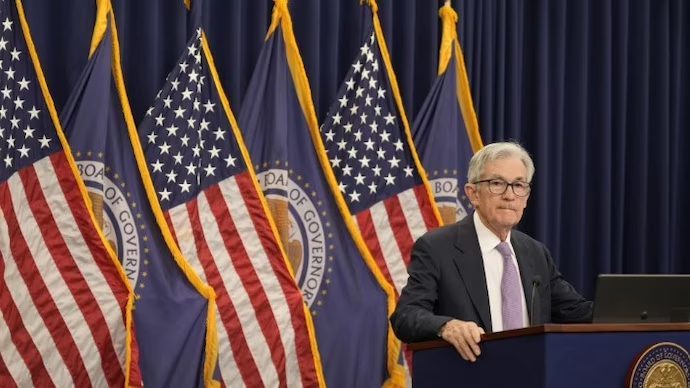
AMID DIVIDED OPINIONS
PSMU MONITORING DESK
Washington: The Federal Reserve has implemented a third consecutive interest rate cut, lowering the benchmark federal funds rate to a range of 3.5%-3.75%, in a move aimed at stimulating the U.S. economy. The decision, however, was not without contention, with three dissenting votes on the Federal Open Market Committee (FOMC), underscoring the deep divisions among policymakers on the economic outlook.
The rate reduction, which follows a series of aggressive hikes over the past year to combat inflation, reflects concerns about weakness in the labor market and a slower-than-expected economic recovery. Despite a steady decline in inflationary pressures, the Fed remains cautious about the pace of recovery and the resilience of economic growth. The cuts are intended to provide a cushion for the economy, particularly as the Federal Reserve grapples with the delicate balance of supporting growth while keeping inflation under control.
The dissenting votes highlight the underlying tensions within the Fed. The three policymakers who voted against the rate reduction expressed concerns that the labor market remains resilient, and that further rate cuts could stoke inflationary pressures again. One faction of policymakers, worried about rising inflation, argued that the Fed should exercise caution in further easing rates, fearing it might prompt a resurgence of price increases. Meanwhile, others believed that the economic slowdown warranted more aggressive action.
In a further sign of the Fed’s cautious approach, officials also maintained their projection for just one additional rate cut in 2026, signaling that any future rate reductions will be gradual and measured. This forward guidance suggests that the central bank is prepared for a slow but steady economic recovery, without the need for drastic rate changes in the near future.
Additionally, the Fed authorized the purchase of short-term Treasury securities to ensure an “ample” supply of bank reserves. This move is designed to enhance liquidity and support the smooth functioning of financial markets, particularly as the Fed works to mitigate potential disruptions from global economic uncertainties.
Market reactions to the rate cut were mixed, with investors weighing the Fed’s cautious outlook for 2026 and the implications of the ongoing debates within the central bank. Some market analysts interpreted the rate cuts as a sign of the Fed’s willingness to support the economy despite potential inflation risks, while others viewed the policy shift as a sign of the Fed’s uncertainty over the strength of the labor market.