US EXIM greenlights $1.25bn financing for Reko Diq
BOLSTERING US-PAKISTAN ECONOMIC PARTNERSHIP
By Commerce Reporter
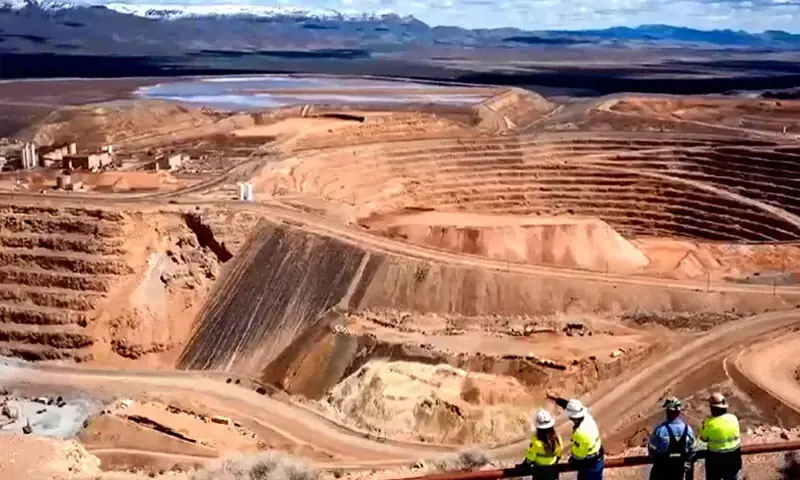
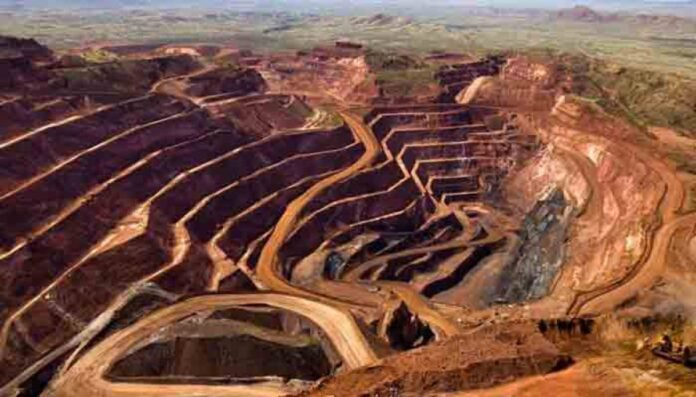
ISLAMABAD: In a landmark move that bolsters the economic ties between the United States and Pakistan, the US Export-Import Bank (US EXIM) has approved a significant financing package worth $1.25 billion to support the development of the Reko Diq mining project in Balochistan, Pakistan. The financing is aimed at advancing the extraction of critical minerals, including copper and gold, from what is considered one of the world’s largest untapped mineral deposits.
“This new commitment of $1.25 billion in EXIM Bank financing underscores the strength of the US-Pakistan partnership and will foster long-term economic growth in Balochistan,” said the US Embassy in Pakistan in a statement on social media platform X (formerly Twitter) yesterday.
Located in the mineral-rich province of Balochistan, Reko Diq is a massive copper and gold deposit that has been largely undeveloped until now. The project is a joint venture between Canadian mining giant Barrick Gold, which holds a 50% stake, and Pakistani stakeholders who own the other 50%. The project is expected to begin production in 2028, heralding a new era of resource extraction for Pakistan.
In a video message, US Embassy Chargé d’Affaires, Natalie Baker, highlighted the importance of the financing for both nations. She noted that the financing would help bring up to $2 billion in high-quality US mining equipment and services to support the building and operation of the Reko Diq mine. This influx of expertise and technology is expected to transform the mining sector in Pakistan, creating thousands of jobs and fostering economic development in the region.
The Reko Diq project is expected to have a significant positive impact on employment. According to Baker, the project will create an estimated 6,000 jobs in the United States and 7,500 jobs in Balochistan, benefiting local communities in both countries.
“This project serves as a model for future mining ventures that will not only benefit US exporters but also Pakistani communities,” Baker emphasized. “It will bring prosperity to both nations, with employment and business opportunities for US companies and local stakeholders in Pakistan.”
Baker also referred to the Trump administration’s efforts to forge deeper economic partnerships, with mining and critical minerals as key focus areas. “We look forward to seeing additional agreements between US companies and their Pakistani counterparts in the critical minerals and mining sector,” she concluded, underscoring the growing alignment between the two countries in this high-stakes sector.
The development of the Reko Diq mine is part of a larger US initiative to strengthen global supply chains for critical minerals. These minerals, such as copper, gold, and rare earth elements, are vital for industries ranging from electronics and clean energy to defense technologies.
US EXIM’s support for Reko Diq aligns with its broader strategic goal to secure supply chains for critical minerals. Earlier this year, US EXIM Chairman **John Jovanovic** confirmed the bank’s plan to invest $100 billion to secure US and allied supply chains, with a focus on critical minerals, nuclear energy, and liquefied natural gas. The first tranche of deals will include projects in Egypt, Pakistan, and Europe, signaling the US’s commitment to diversifying global supply sources for these essential materials.
In this context, Reko Diq stands out as a significant project for both the US and Pakistan. For the US, securing access to critical minerals from a strategically important region is vital. For Pakistan, it represents an opportunity to unlock immense economic potential in one of the country’s most underserved provinces.
The financing for Reko Diq is not just an isolated economic deal but part of a broader effort to strengthen US-Pakistan relations. Over the past year, the two countries have worked closely on multiple fronts, particularly in expanding their economic cooperation. This latest investment underscores the growing strategic alignment between the two nations, particularly in sectors that are key to global economic stability.